


Summary
- Love Actually has become a hotly criticized movie, despite being praised as a modern romantic film.
- While some criticisms are valid, such as lack of diversity in the cast, there are unfounded claims that the movie is unknowingly filled with terrible people and terrible messages.
- Love Actually is meant to be imperfect and aware of its flaws, presenting love as magic, complicated, confusing, and silly. The movie celebrates the absurdity of love rather than making a statement on the human condition.
In a curious case of mass hysteria mixed with poor media literacy, Love Actually has become one of the most hotly criticized “toxic” movies of a generation. Once lauded as one of the finest examples of modern self-aware romantic film-making, the festive classic has since become an amorality tale for Gen Z social media film fans. Some people just don't appreciate one of the best Christmas movies of all time.
Criticism is, of course, fine. Even suggestions that some of it doesn’t stand up viewed through a modern filter is hard to argue with. Love Actually's star-studded cast lacks diversity, for instance, and if you don’t have a sweet tooth, you’ll probably think it’s a little heavy on the schmaltz. But more nefarious are the repeated attempted gotchas suggesting Love Actually is full of terrible people and even more terrible messages.
(Criticism Of) Love Actually Is All Around


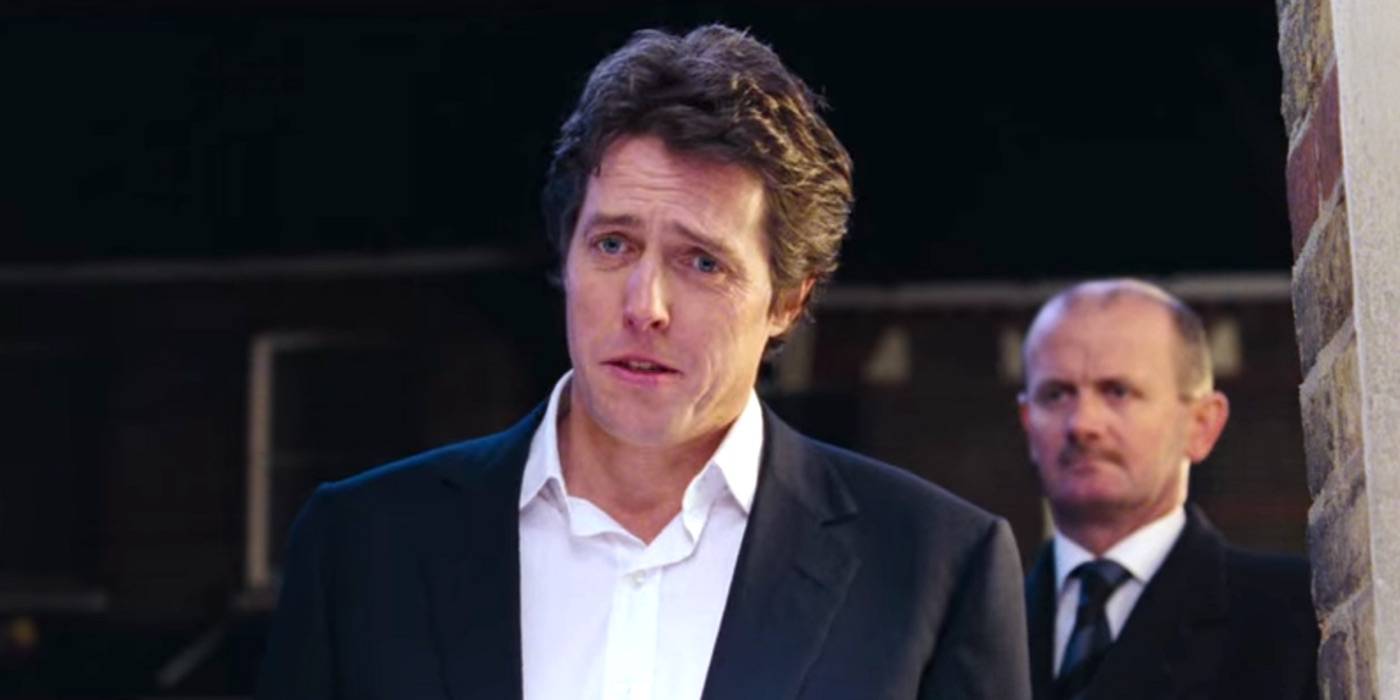
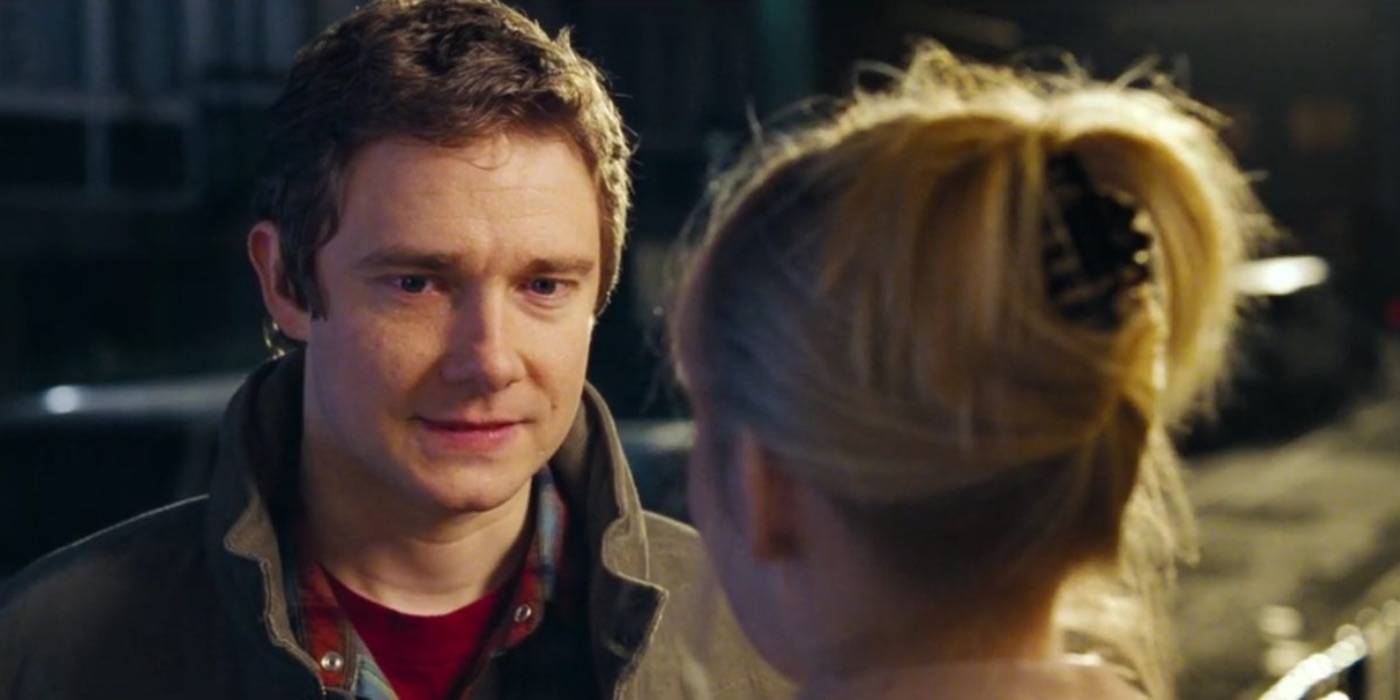
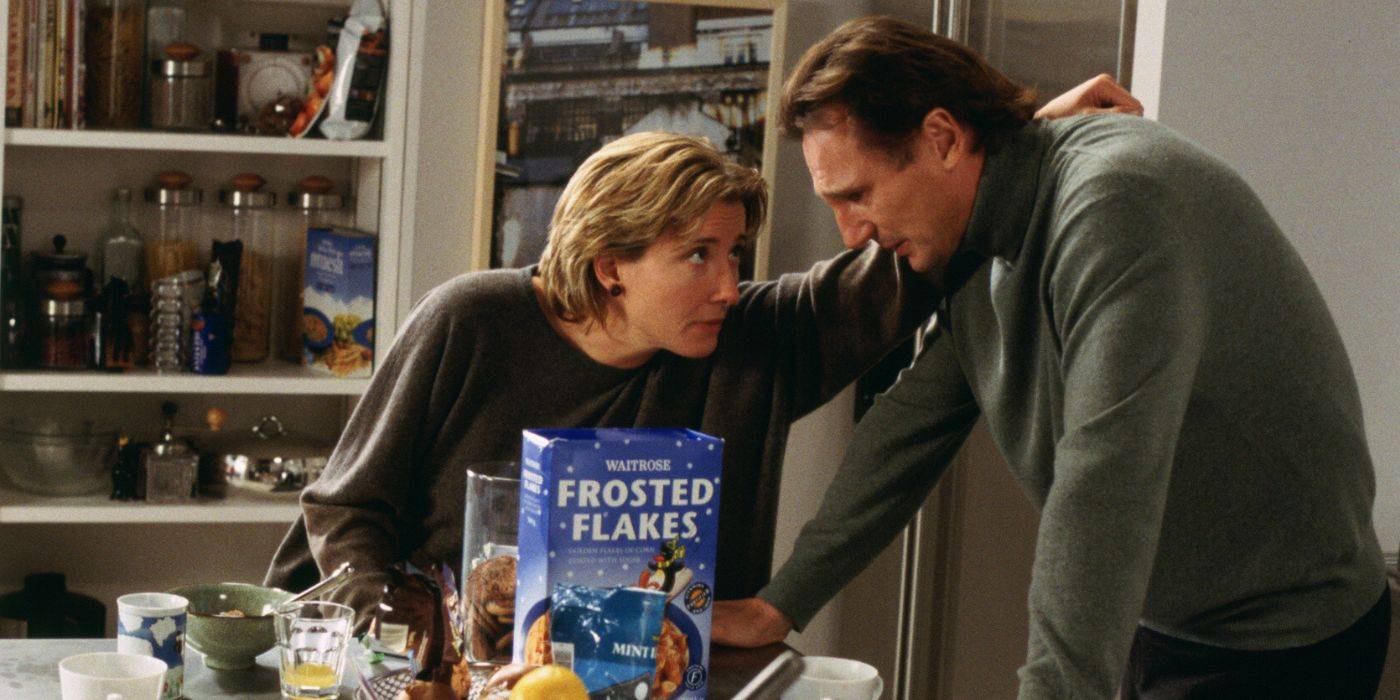





Around every holiday period, certain populist narratives are cynically parroted across social media. You’ve heard them all. Die Hard is or isn't a Christmas movie. Jack Black is actually the better dreamboat in The Holiday. It’s A Wonderful Life is actually a horror movie. It’s all good fun, but the coordinated attacks on Love Actually have taken on a more sinister edge.
Richard Curtis’ rom-com of intertwining narrative strands has been accused of rampant sexism, fatphobia, and even, dare I say it, anti-love. It’s apparently riddled with cliches, empty, overly-cutesy, cynical and conceited. It seems the 2003, often-beloved Christmas movie (another element ripe for criticism) has been on too high a pedestal for too long for a certain element of movie fandom to endure.
It’s almost as if a movie that was not universally critically adored on release become part of the pantheon of annual festive watches should never have been allowed. Which makes It’s A Wonderful Life’s cherished status somewhat ironic, given Capra’s assertion that most contemporary reviews weren’t exactly hot on it. Perhaps it’s just that it’s full of complex characters who don’t fit the cookie-cutter image of Hallmark romances, despite navigating lots of the same tropes?
Why Love Actually Is Actually Misunderstood


- Release Date
- November 7, 2003
- Runtime
- 135 minutes
- Director
- Richard Curtis
- Writers
- Richard Curtis
- Producers
- Duncan Kenworthy, Eric Fellner, Tim Bevan
Cast
-
 The Prime Minister
-
 Harry

No review of Love Actually that weighs it on merit and finds it to be lacking is inherently wrong. This is all a circus of opinions after all. But to say with confidence that Love Actually is unknowingly problematic or celebrates terrible characters is absolutely wrong. Or misguided at the very least.
The chief arguments against Love Actually tend to form two camps. First states that it is unbelievable: that it presents an unattainable, dangerous image of love as a surface level, spontaneous fantasy that would wash away under any real scrutiny. Characters seem to fall in love with one another without the faintest idea who they’re falling in love with. Lust is presented as romantic love. Platonic love between two pornography-loving rock industry veterans is deemed unconscionable. A child’s infatuation being licence to break all sorts of airport security rules is preposterous!
The reality of Love Actually is that its portrayals of love are supposed to be imperfect.
It is one of the most aware and trope-skewering romantic comedies ever made: dripping in the snark of the Billy Wilders and Nora Ephroms, and just as happy to embrace their ridiculous, wonderfully conceited endings. Love, actually, is presented as magic, enduring, grubby, complicated, confusing, heartbreaking, and silly.
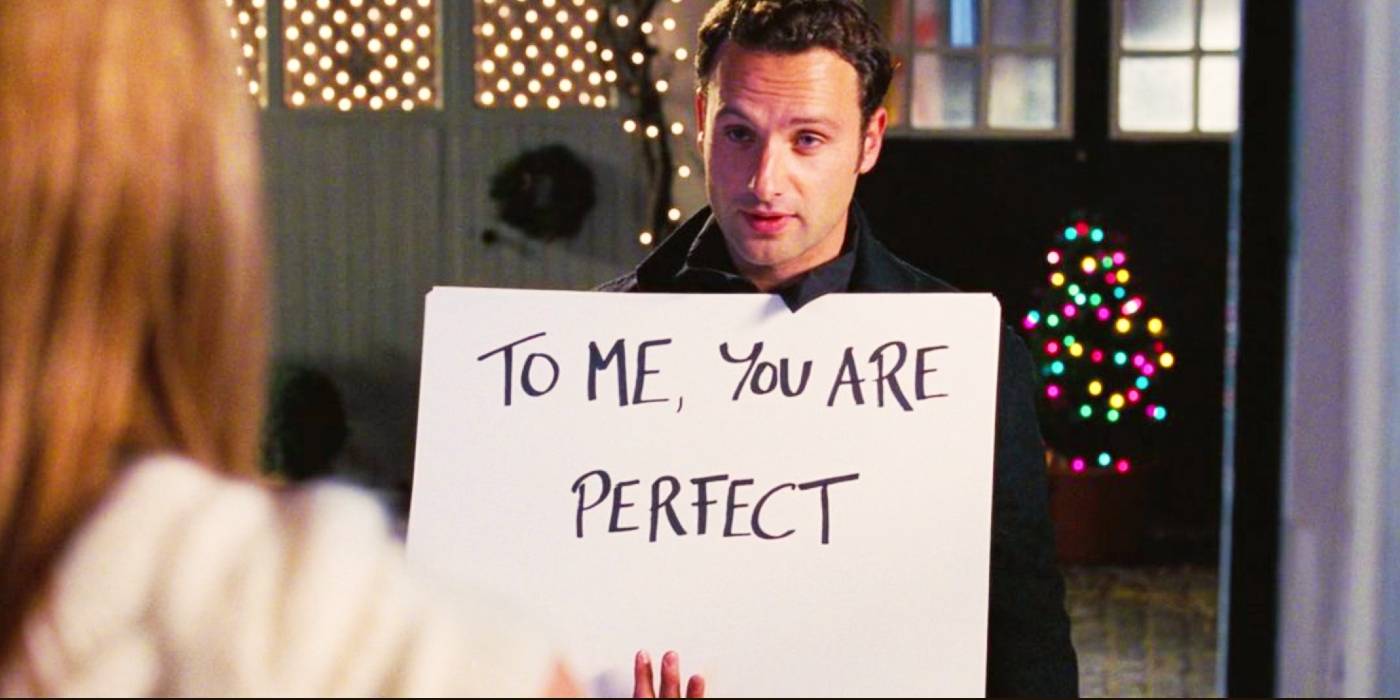
Now to camp two. The movie knows it has terrible characters: it is not an accident that Alan Rickman’s Harry unforgivably trampled his wife Karen (more unforgivably because she’s played by Emma Thompson). You’re not supposed to think Andrew Lincoln’s Mark is right to confess his love to Keira Knightley’s Juliet. Love Actually calls love “total agony”, makes it spontaneous, makes it ridiculous: it’s not a statement on the human condition as much as it’s a celebration of the absurdity of it.
The fatphobia is never presented as acceptable - that’s like questioning the morality of the content of The Sopranos from outside. The apparent sexism of Colin Firth’s “acquisition” of his Portuguese cleaner/lover misses the fact that it’s the ultimate meet-cute trope pastiche. If you follow this discourse to its extreme end, you’ll end up writing essays about Mr Darcy maybe not being the greatest guy. It’s all just pointless bluster in the name of applying “elevated” critical thinking to something that suggests that Christmas is the most romantic time of year.
Scrutinize that, by all means. How anyone can even think about love with all that cheese inside them is far more of a problematic issue. But Love Actually is harmless: it’s fashionable to tear strips off it, and the debate can be spiriting, but if you believe it’s trying to teach you anything, you should probably be wary of bridge salesmen.
