


Netflix's Biblical epic Mary reframes the story of Mary and the birth of Jesus through the lens of a coming-of-age story. The movie begins with Mary's mother and father being blessed by the angel Gabriel in order to have a child. The biblical epic focuses on Mary growing up and being involved at the Temple. However, as a teenager, she becomes engaged to Joseph before becoming pregnant through divine conception. When King Herod begins searching for the coming messiah, Mary and her family are forced to go on the run to save their lives, though the news spreads faster than they can escape.
Many of the cast of Netflix's Mary are relative newcomers, particularly the actors who portray Mary and Joseph. However, King Herod is played by Anthony Hopkins in the movie, creating a believably scary villain. Along with Mary, Joseph, and Herod, Mary also features Mary's mother and father, Anne and Joachim, as well as the archangel Gabriel and Satan, who appear to the other characters at important moments. The ending of Netflix's Mary movie isn't particularly surprising, but it does offer an interesting take on a biblical story we don't often see.
What Happens To Mary After The Ending of Mary
She Lived For Many Years After Giving Birth To Jesus


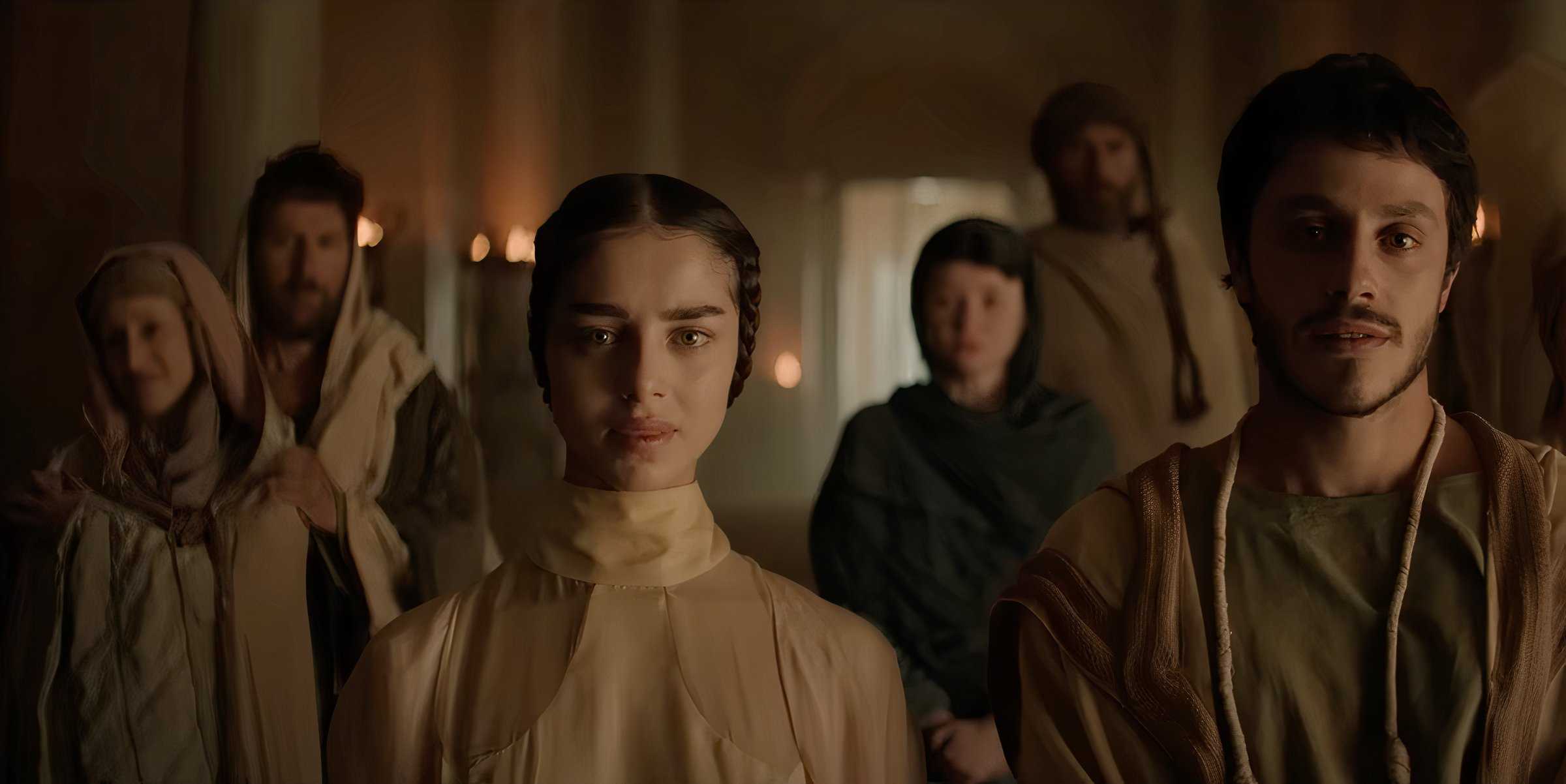


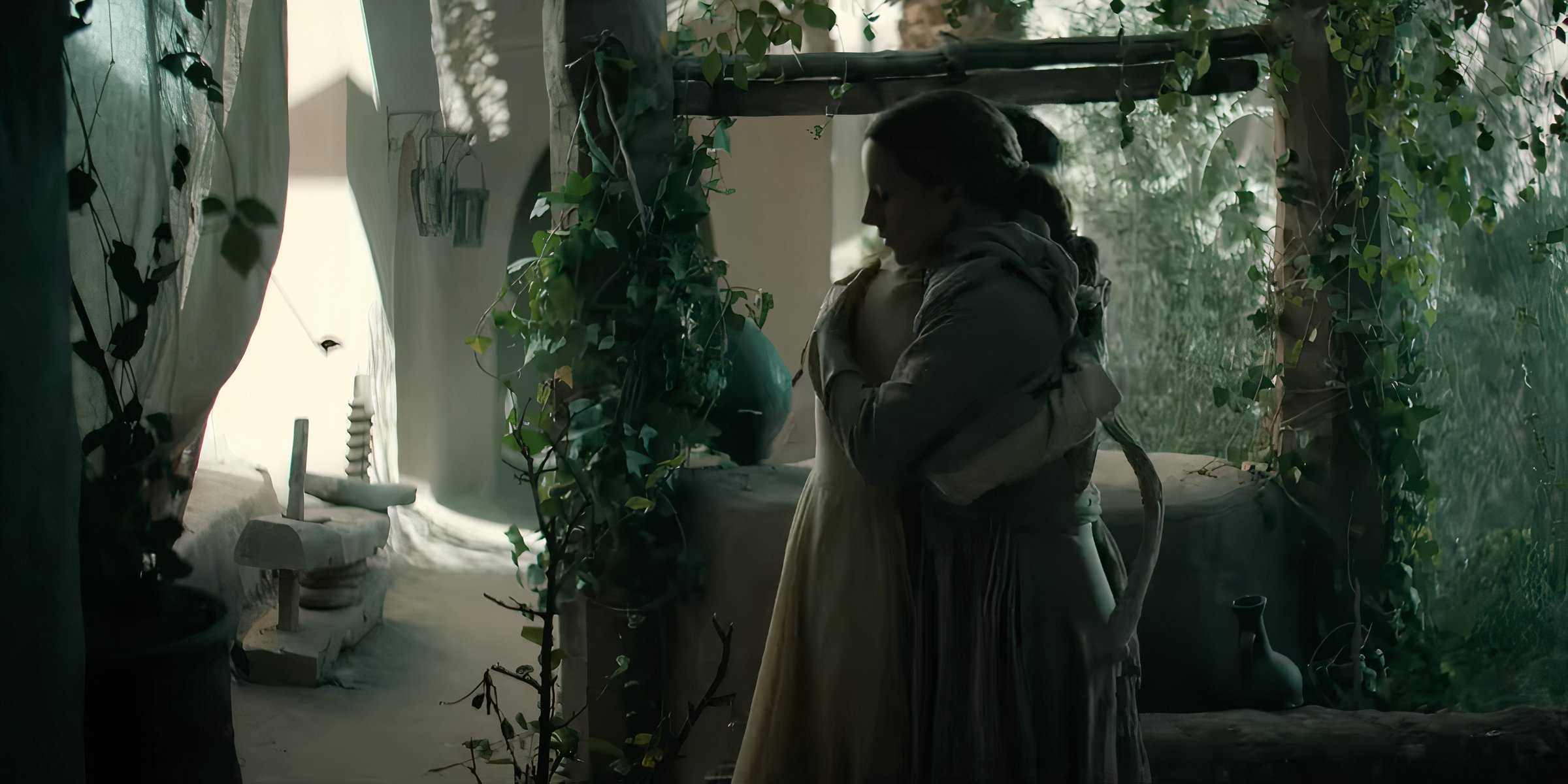


Mary ends on a happy note, with Mary and Joseph returning to Nazareth to bring the infant Jesus to the Temple where Anna the Prophetess is waiting for them, along with Mary's mother. The movie nicely wraps up Herod's plot as well, as he loses the support of the people following his tyrannical behavior. However, based on religious stories, Mary lives for a long time following the events in Mary's final scenes.
Mary is said to have lived beyond the death of Jesus, though it is unclear how long.
Biblical stories outline the future of Mary and Joseph through several mentions of them in larger anecdotes about Jesus, showing that, as Mary depicts, the family continues to live safely in Nazareth for several years. Mary is said to have lived beyond the death of Jesus, though it is unclear how long. Additionally, Joseph also seems to live past the events of the movie as he is mentioned in the Christian story of Jesus visiting and being left at the Temple.
Why Herod Orders The Infants To Be Killed
He Fears Losing Power

Several important scenes in Mary depict King Herod, the leader of Judea, ordering his Roman guards to kill all the male children under the age of two and later bringing some of the children to his palace to determine whether they are the messiah that was prophesied. Herod ordered the massacre of the innocents because of his growing paranoia surrounding the power he held in Judea.
As a Roman territory, Herod was ultimately accountable to the Roman Emperor, and he knew that his power over the more religious members of his society would wane if they believed that he was not the real "King of the Jews," as he crowned himself. In an attempt to remedy this, Herod ordered the massacre. During this time, Mary and Joseph had left Bethlehem for Egypt to avoid Jesus being killed. These scenes ultimately show the people of Bethlehem revolting against Herod for his actions, causing him to lose power anyway.
Who Is Gabriel And What Is His Significance In Mary
Gabriel Is An Angel Who Visited Mary And Her Family

From the opening of Mary, audiences see her father, Joachim, spending days in the desert to learn whether he will have a child, and he is visited by a figure in blue robes that confirms that he and Anne will have a daughter. Gabriel continues to appear throughout the movie, always in his blue robes, to guide the characters on what they should do. Both of Mary's parents are visited by the angel, Mary herself is visited, and Joseph is visited, as well.
The biblical archangel appears as a messenger of God. He is a very significant character in the movie as well as in the stories surrounding Mary and her family in the Christian Bible. Essentially, Gabriel appears throughout the movie to guide each character toward their fate or to reveal to them divine information that will change their lives. He also appears in sequences where Mary is tested by Satan to help prove the strength of her faith.
How Mary Differs From Biblical Stories
The Movie Presents A Dramatized Version Of Her Life


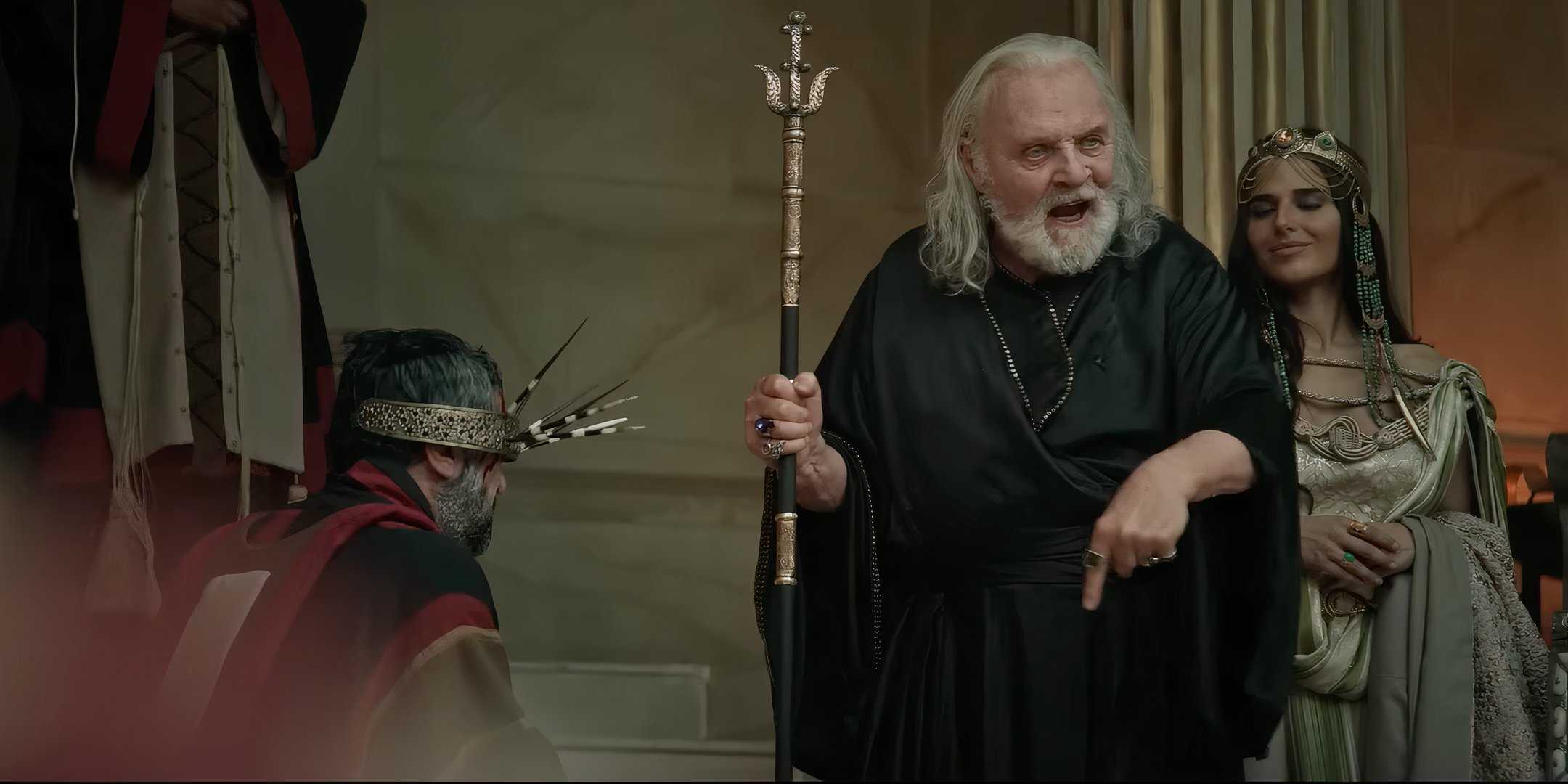
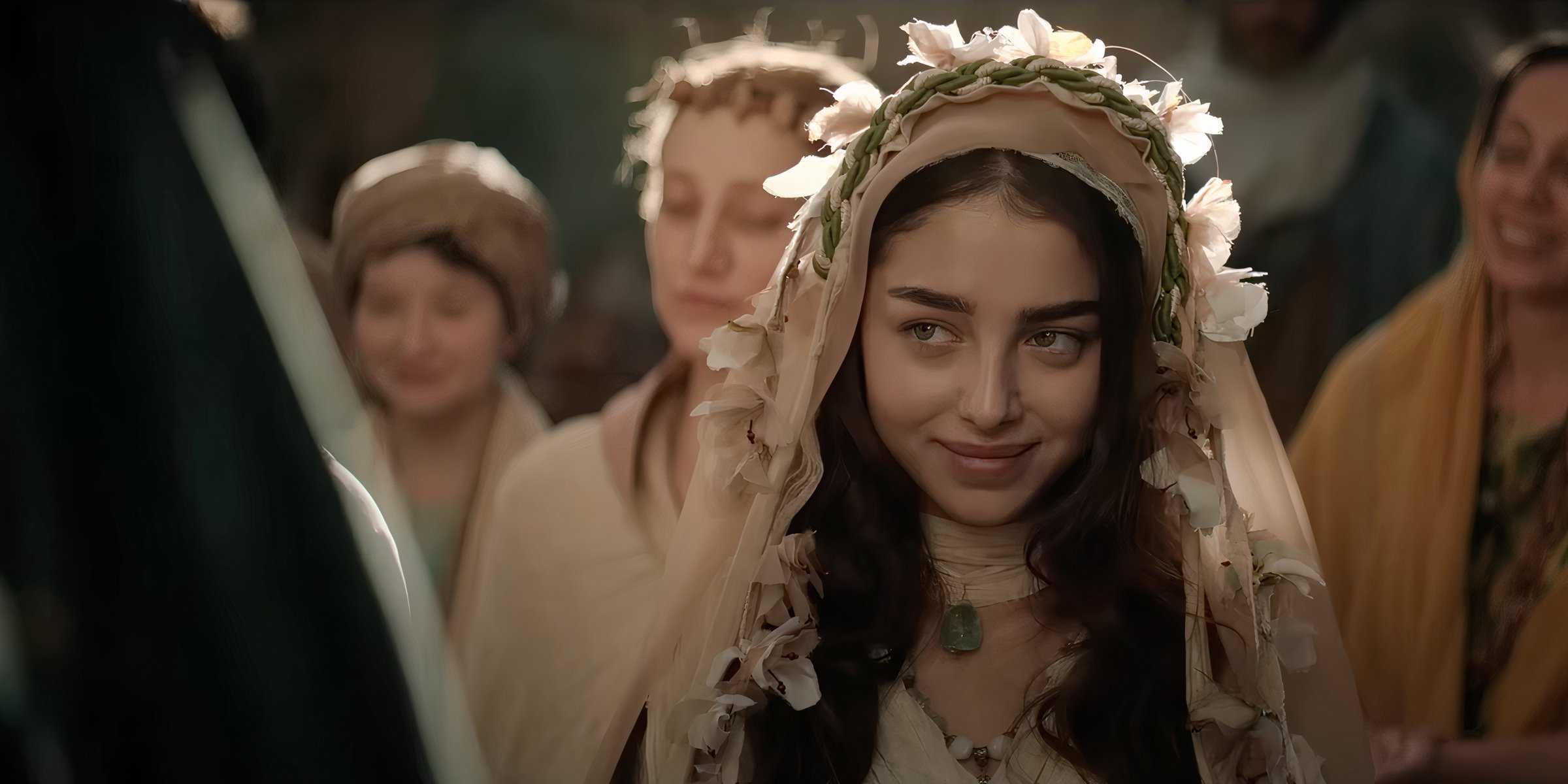
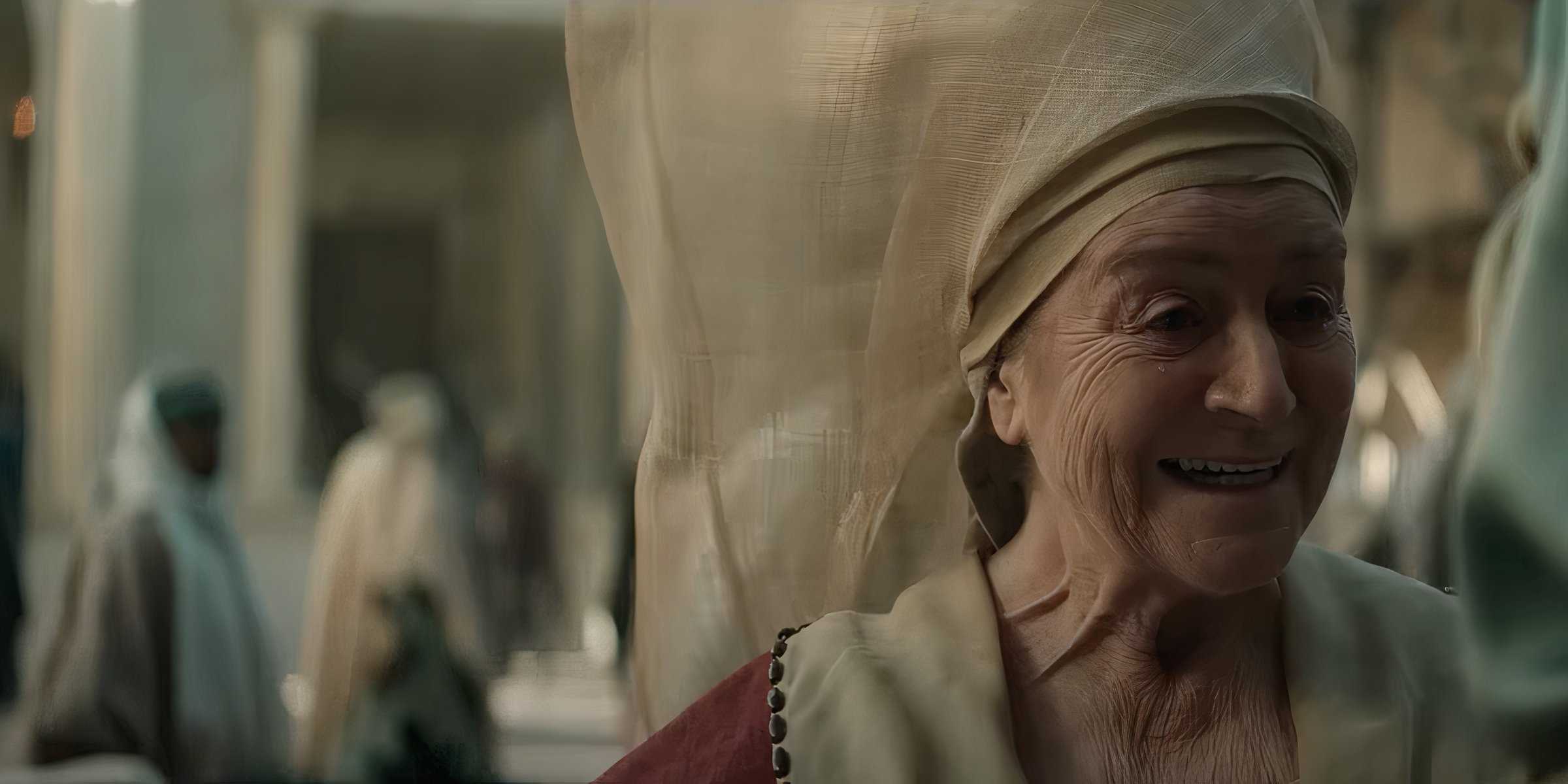
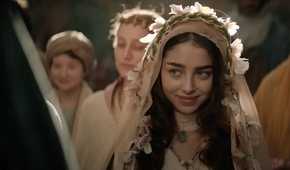
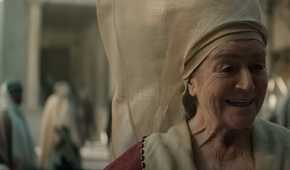
Different books of the Christian Bible speak of Mary and, in some instances, depict differing tales. The plot of Mary uses events from several different gospels, particularly Matthew and Luke, to explain the events surrounding the birth of Jesus. However, because the biblical sources themselves sometimes disagree, it can be difficult to determine where certain details of Mary's narrative come from. In general, the details of Mary being the mother of Jesus, and wife of Joseph are commonly accepted. The details of Jesus's birth, their escape to Egypt, and Herod's tyranny also appear in religious texts.
However, beyond the plot points commonly accepted in religious teachings, several religious scholars have criticized the film. In particular, Catholic scholars have criticized how Mary makes use of details included in non-canonical writings and adds speculation to the story, pointing to director D. J. Caruso's claim about wanting to make the story relatable (via Angelus).
The love story between Mary and Joseph is changed slightly by evening out their ages and having them meet in a cute manner to be more appealing to a modern audience.
Additionally, because Mary is a movie meant to entertain a broad audience, it also includes some dramatization and modernizations. In particular, the scenes that include Satan attempting to trick Mary or Satan and Gabriel fighting for Mary's attention are not attested by biblical sources. Likewise, the love story between Mary and Joseph is changed slightly by evening out their ages and having them meet in a cute manner to be more appealing to a modern audience.
The Real Meaning of Mary's Ending Explained
Mary Is Meant To Humanize The Biblical Figure

Mary's director D. J. Caruso claimed that his inspiration for making this movie was that Mary's story was inaccessible to modern audiences, particularly young audiences. Caruso endeavored to show that Mary was just a teenage girl, and that people today have more in common with her than they might think (via National Catholic Register). Mary's ending shows that the story is one that people can still be inspired by. It is about survival through hard times.
Additionally, the release of Mary around Christmastime also has significance. The movie perfectly coincides with Netflix's other Christmas releases, though its tone is very different. The movie is exciting and youthful in its portrayal of a well-known figure. Mary gives audiences the opportunity to see a new angle on the story of the birth of Jesus.
Sources: Angelus & National Catholic Register

- Release Date
- December 6, 2024
- Runtime
- 110 Minutes
- Director
- D.J. Caruso
- Writers
- Timothy Michael Hayes
Cast
-
 King Herod
-
 Mili AvitalMariamne

