


Over 40 years after its finale aired, MASH still stands as one of the most influential television series of all time, with many historically relevant episodes. While the show about the personnel of a United States Army Mobile Army Surgical Hospital during the Korean War started as a spinoff of Robert Altman’s hit 1970 film, MASH morphed over its 11-season run between 1972 and 1983.
While previous war-based situation comedies like Hogan’s Heroes stuck to jokes, MASH turned into one of TV’s first true dramedies. CBS executives wanted MASH to stay in its California-shot sitcom lane, but show co-creator Larry Gelbart and his team had other ideas. As the seasons progressed, MASH increasingly mixed laughs with stories not only overshadowed by the darkness of war itself but by a host of historically relevant social and geopolitical issues that resonated in both the show’s 1950s setting as well as with its 1970s and 80s viewers.
10 MASH Season 2, Episode 9
"Dear Dad…Three"

While episodes of MASH generally stick to the traditional sitcom format in its early seasons, viewers can still find seeds of the more socially aware series MASH would eventually become. In “Dear Dad…Three,” bigoted Sgt. Condon erupts when he finds out his blood transfusion was supplied by a Black nurse.
Surgeons Benjamin "Hawkeye" Pierce (Alan Alda) and Trapper John (Wayne Rogers) confront Condon’s racism directly. They recount the real-life story of the 1950 death of prominent Black researcher Dr. Charles Drew, who developed revolutionary new processes for better storing blood during wartime, but who died following a car accident when the hospital refused to treat him because of his race.
Even though the story Hawkeye and Trapper John tell was eventually found to be false, the prejudice and racism at its heart have an effect on Condon, who apologizes for his small-minded views. While Condon’s conduct embodied the ongoing struggle for racial equality in the U.S. military of the 1950s, it wasn’t to be the last time the show would tackle hot-button social issues.
9 MASH Season 3, Episode 1
"The General Flipped at Dawn"

After brushing up against the realities of war in its first two seasons, "The General Flipped at Dawn" steers season 3 headlong into an issue men and women in uniform still face every day: a byzantine military bureaucracy that can occasionally border on lunacy. General Bartford Hamilton Steele arrives at the 4077th and immediately turns the place upside down with a two-fisted combination of left-field demands and brash decision-making.
When Steele considers moving the entire camp to a position closer to the war’s front lines, the alarm among staff ultimately leads to a court-martial for Hawkeye, who calls the General’s mental stability into question. Soldiers, even Army doctors, are often used to ridiculous regulations and decisions imposed on them by military brass, but this episode called on viewers to step up and question authority, then become advocates for change when decisions were out of line.
Of course, an episode centered on the consequences of blind obedience is even more jarring when Gen. Steele is portrayed by Harry Morgan. Morgan returned the following season as a different character, the 4077th new commanding officer Col. Sherman Potter. A far cry from his stint as Steele, Morgan’s authoritative, yet fatherly leadership as the wise, compassionate Potter was a cornerstone of the show’s final seven seasons.
8 MASH Season 4, Episode 25
"The Interview"


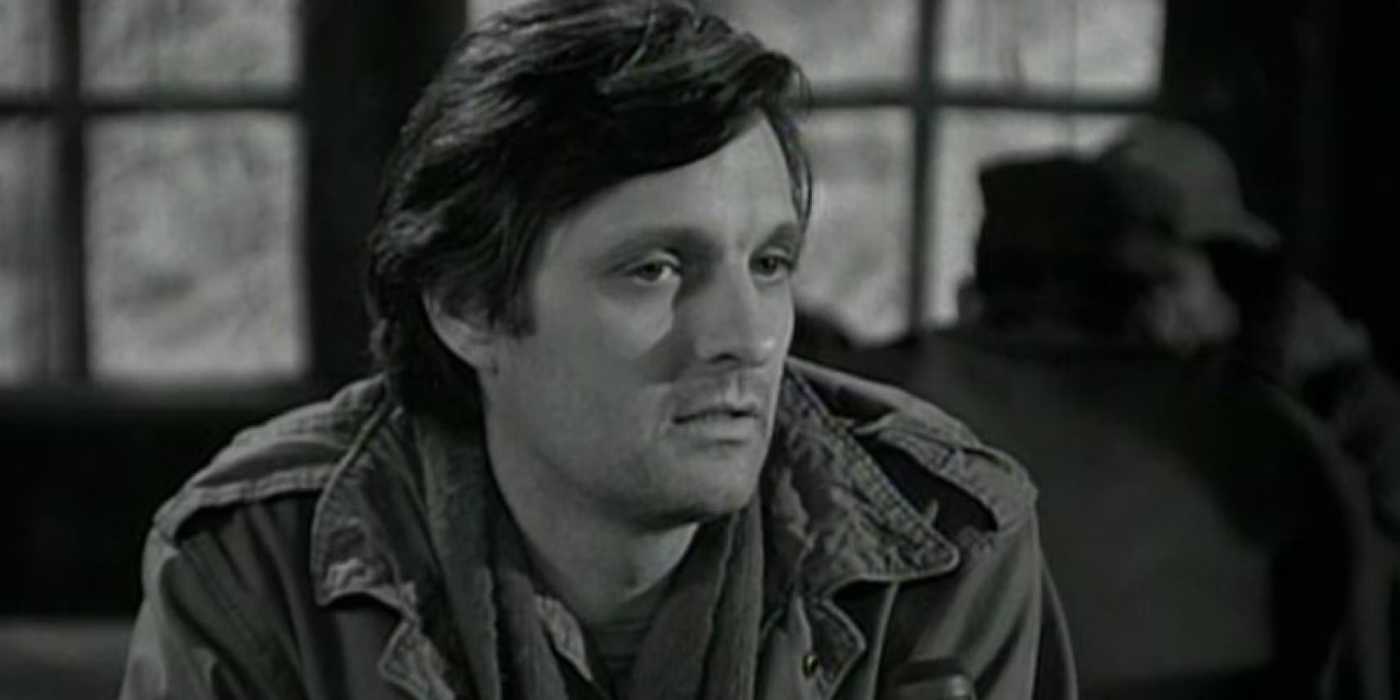
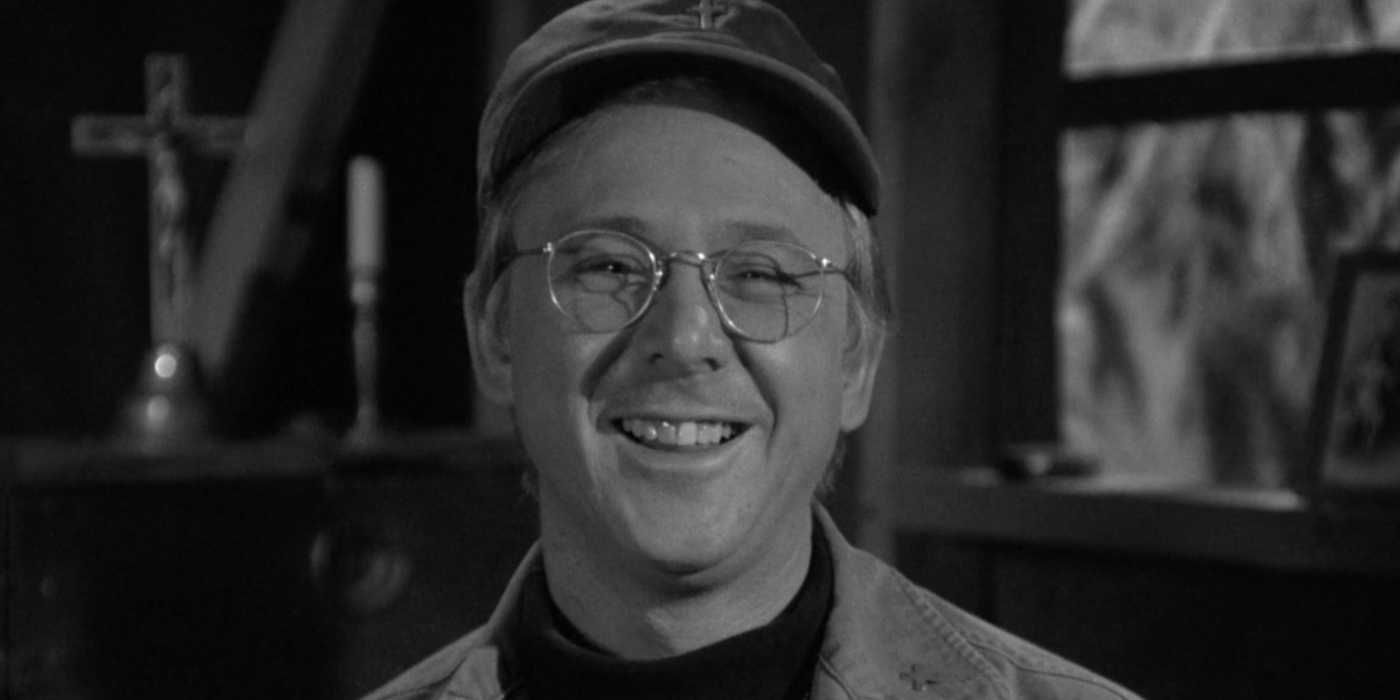
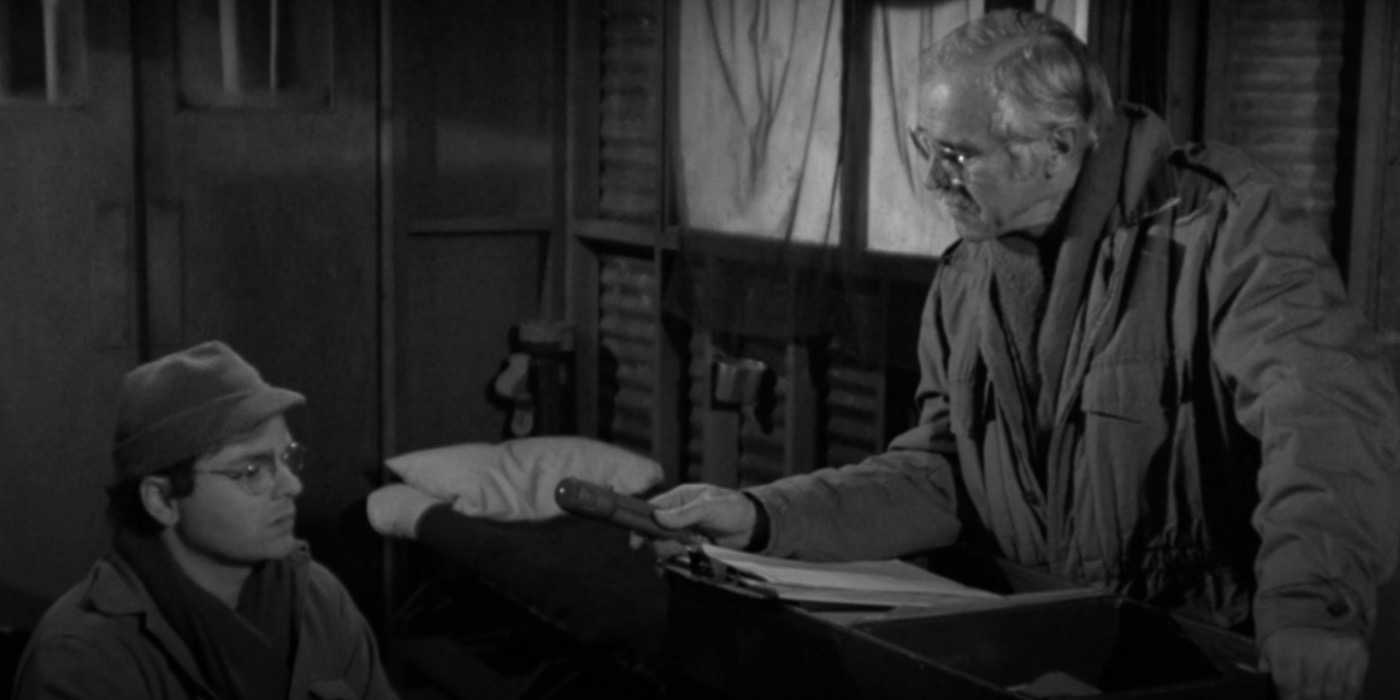
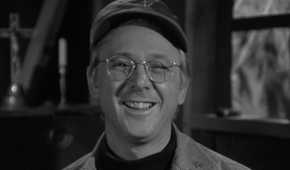
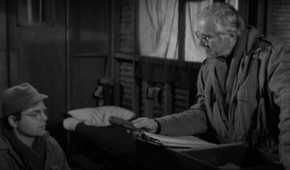
In "The Interview," MASH shatters the fourth wall. Shot in black and white with a faux-documentary style, the season 4 finale dispenses with laughs almost entirely, focused solely on interviews with the characters of the 4077th.
"The Interview" was directed by MASH creator Larry Gelbart.
Mental health during wartime takes center stage, with each interview shining a light on the personal struggles and coping mechanisms each surgeon used just to get through another day. The usually wisecracking Hawkeye is anything but funny here, ranting about the mistakes of the military and the toll those errors take on the men and women battling daily to keep soldiers alive.
While the consequences of war didn’t spark many belly laughs, this introspective look at the high cost of conflict on the human psyche was MASH at its iconoclastic best. The bold innovation of “The Interview” didn’t go unnoticed, earning the show a coveted Humanitas Prize for writing in 1976, an award created for programs addressing the human condition and life's complexities on television.
7 MASH Season 5, Episode 6
"The Nurses"

Even during the socially enlightened 1970s, there still wasn’t much real estate on television for telling the stories of women grappling with the horrors of war. “The Nurses” took on that issue head-on, putting the male surgeons (and stars of the show) mostly on the sidelines for a week to tell the story of the often-overlooked female nurses of the 4077th.
Exploring the usually sexist, almost always hierarchical nature of military life, “The Nurses” makes its points startlingly plain. When Nurse Baker is forbidden from seeing her visiting lieutenant husband, docs Hawkeye and B.J. Hunnicutt (Mike Farrell) concoct a plan to put Baker’s husband in quarantine for typhoid, then sneak the grateful nurse in to see him. While rock star surgeons like Hawkeye and B.J. can get away with a certain level of autonomy and independence, nurses like Baker are much more constrained.
When head nurse Maj. Margaret Houlihan (Loretta Swit) finds out about the plan, she has to find a balance between enforcing the rules and empathizing with her nursing staff, even while the male doctors get away with similar antics time and time again. The episode's exploration of gender dynamics and how women were expected to silently fill support roles in both society and the armed forces resonated with a 1970s audience still in the throes of legislative battles like the Equal Rights Amendment.
6 MASH Season 5, Episode 8
"Dear Sigmund"

In "Dear Sigmund," MASH again delves into the psychological toll of war, offering a raw, honest look at the emotional challenges faced by soldiers and medical personnel. The 4077th’s resident psychiatrist Dr. Sidney Freedman writes cathartic letters to his hero, psychology trailblazer Sigmund Freud, explaining how the antics and pranks of Hawkeye and B.J. aren’t just doctors being irreverent – they’re vital means of coping with their chaotic, often soul-crushing responsibilities.
While many MASH viewers were only starting to grasp the full impact of war on mental health in the aftermath of the Vietnam War, Sidney believes it's the foxhole camaraderie of the entire 4077th family that shows how critical human connection can be. As the episode shows, this is especially the case in the face of ongoing psychological hardship.
Though they may be juvenile at times, "Dear Sigmund" proved that the hijinks viewers saw happening in MASH every week needed to happen. They were essential if any of these men and women had a prayer of retaining their sanity amid all that madness.
5 MASH Season 7, Episodes 4 & 5
"Our Finest Hour"

While the flashback-laden clip show is a staple of television going back decades, “Our Finest Hour” was far more than a way for MASH producers to save a few bucks on their budget. Taking a page from “The Interview,” "Our Finest Hour" again utilizes a documentary-style format, mimicking newsreels and wartime documentaries of the 1950s.
The two-part episode underscores the timeless nature of war’s impact. It's intercut with moments from the show’s first six seasons as interviews with 4077th doctors again blur the lines between the feelings of the show’s characters in a 1950s Korean War and those of its post-Vietnam-era audience in 1978.
Just listen to Colonel Potter's reflections on the futility and chaos of the Korean conflict. It fits seamlessly with the sentiments of many Americans in the 1970s questioning the legitimacy and cost of the war completed just three years earlier in Vietnam.
4 MASH Season 8, Episode 2
"Are You Now, Margaret?"

While many MASH episodes superimposed America’s feelings about Vietnam onto the war in Korea, the fear of communism and the Red Menace were equally powerful in both eras. This is clearly on display in the season 8 episode "Are You Now, Margaret."
After receiving an innocent letter from an old friend, Major Houlihan is suspected of being a communist sympathizer. The winds of McCarthyism start whistling through the camp as a military investigator grills Margaret and all of her co-workers in an effort to root out any socialist activity.
Just as it did during the 1950s HUAC hearings in Washington, this investigator ramps up everybody’s paranoia and hysteria, all based on little more than flimsy associations and baseless accusations. While the questions about communists in the 4077th border on the absurd, the episode educates while it entertains, reminding viewers to always keep a watchful eye to make sure crimes of the past never repeat themselves.
3 MASH Season 9, Episode 6
"A War for All Seasons"

While the Korean War lasted only three years, MASH survived as a ratings juggernaut for 11 seasons. That meant show creators eventually had to get a little elastic and nonspecific about time to make sure the real world and TV realities didn’t collide. While that usually meant there weren’t a lot of direct time references in later seasons, “A War for All Seasons” was an exception to that rule.
The episode charts an entire year in the lives of those at the 4077th, poignantly showcasing a host of real-life events that happened in 1951 as seen through the eyes of the MASH characters. While some are innocuous, like Bobby Thompson’s famed Shot Heard ‘Round the World that won the ‘51 pennant for the New York Giants, others highlight some of the true medical innovations of the era, including the first artificial kidney machine and even the beginnings of penicillin use.
MASH's funky timeline requires never dipping too deeply into real-world history. However, “A War for All Seasons” is a good reminder that history is always happening – even when you’re fighting a war.
2 MASH Season 11, Episode 3
"Foreign Affairs"

By the time MASH had reached its 11th and final season in 1982, the jovial show was no stranger to facing weighty dramatic topics like international diplomacy and cross-cultural relationships. Both converged in “Foreign Affairs,” featuring a French Red Cross volunteer's romance with Winchester, who eventually concludes she's too sexually free for his comfort.
In the episode's other plotline, a PR man pressures an injured North Korean pilot to become a turncoat and return with him to the United States, with the goal of "selling" the war to those at home. Despite attempts at bribery, the pilot refuses, with his interpreter, a South Korean man named Joon-Sung, eventually taking his place, eager for the opportunity.
The episode uses Winchester's personal story as a microcosm of cultural tensions, while the subplot explores broader geopolitical issues of the day. It showcases the intricate, yet often conflicting social tapestry of life in the 1950s. For a half-hour comedy to tackle themes of loyalty, identity, and the complex, heartrending choices available when conflicting political ideologies collide, MASH shows what an able statesman it became during its storied run.
1 MASH Season 11, Episode 16
"Goodbye, Farewell and Amen"


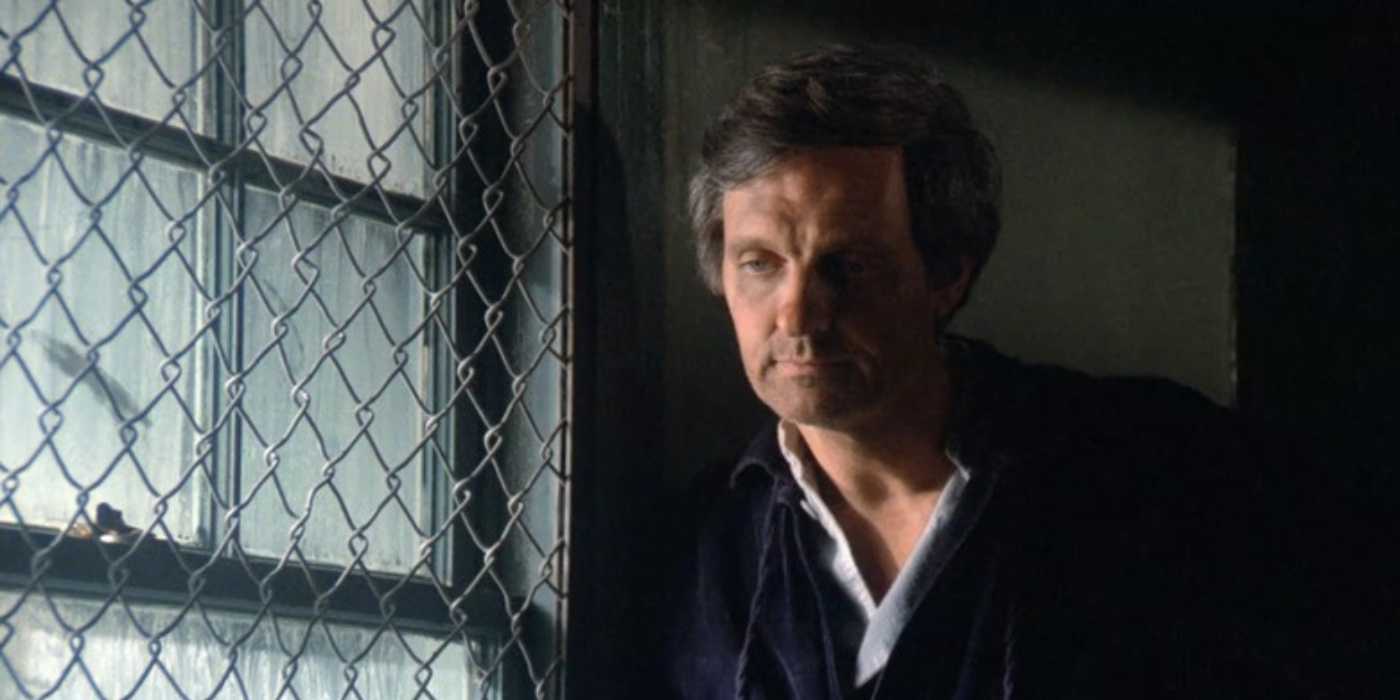
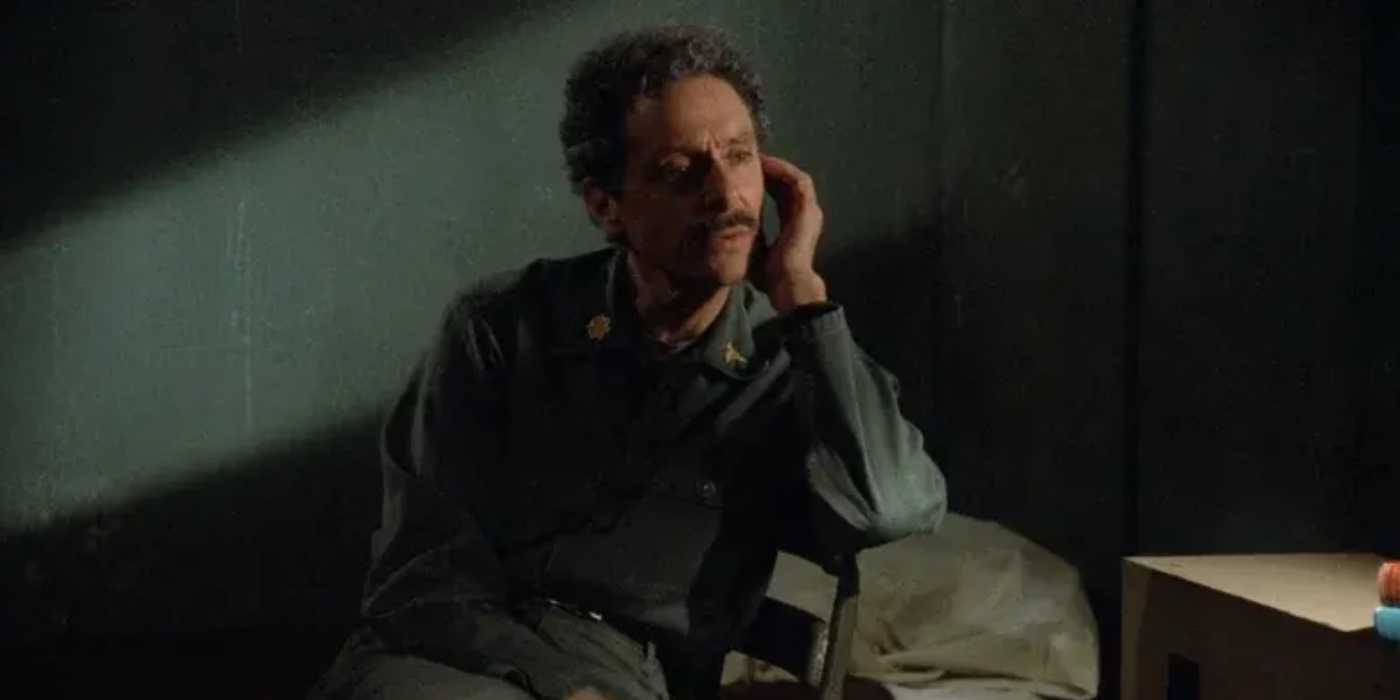
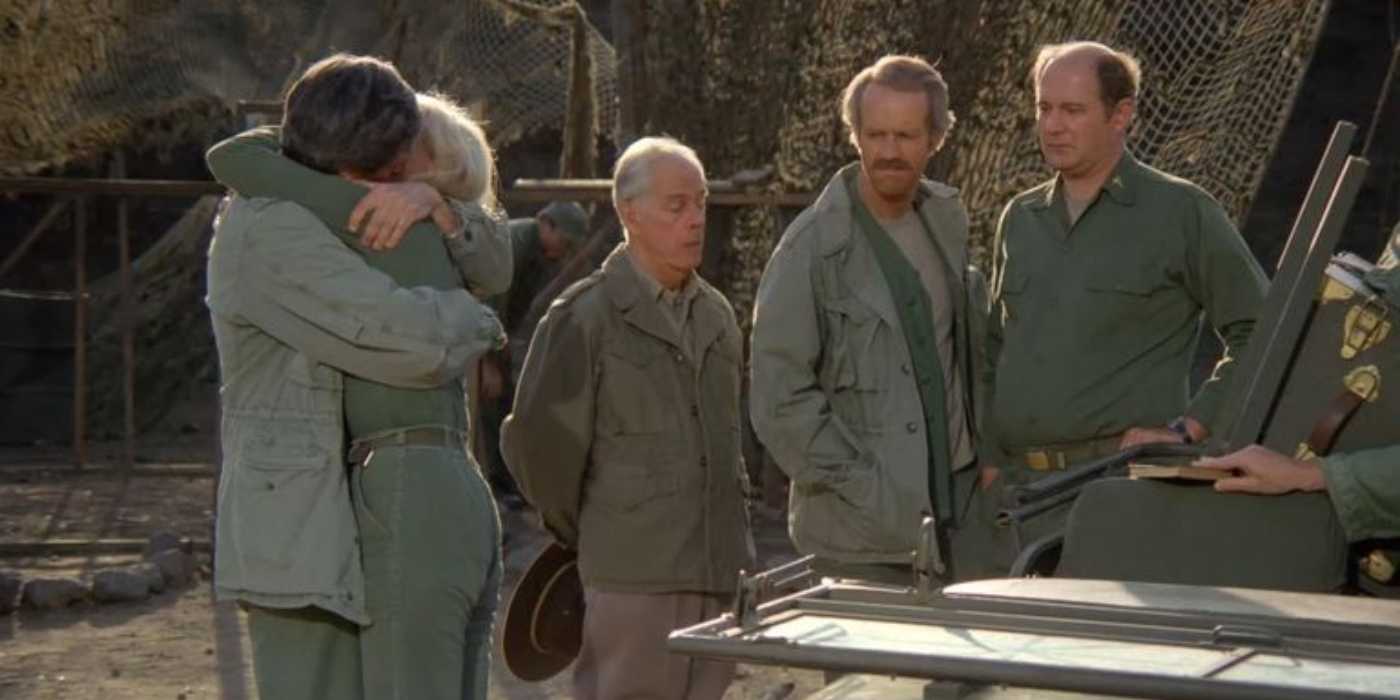
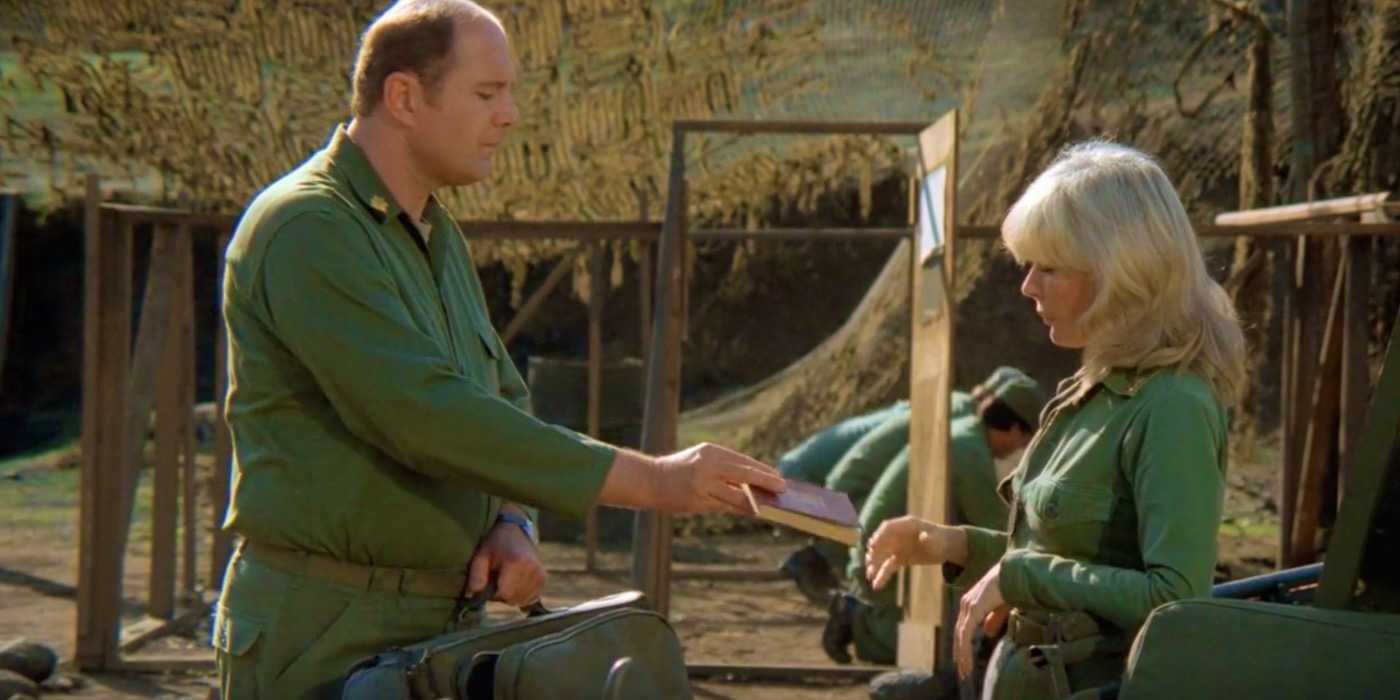
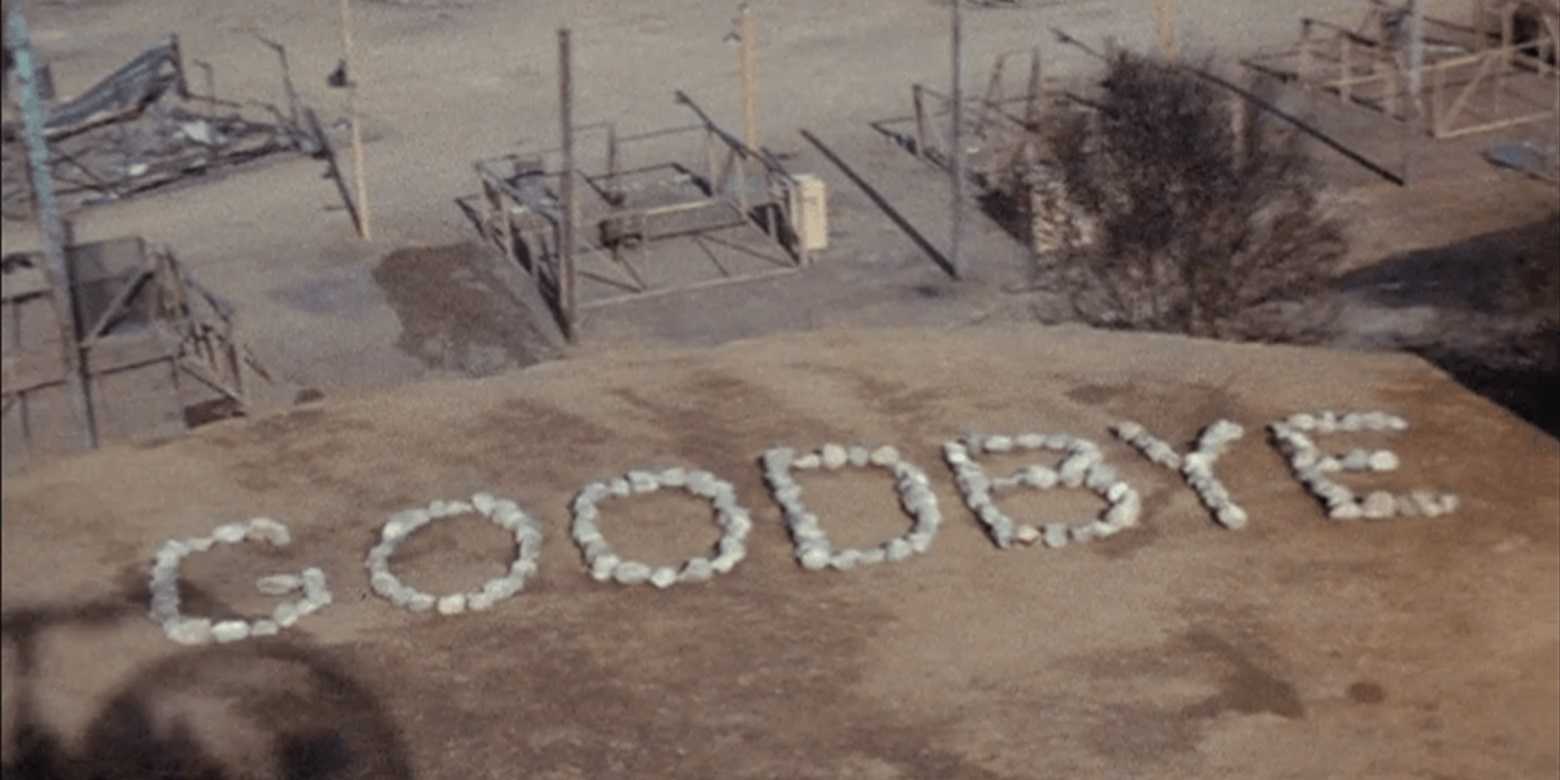

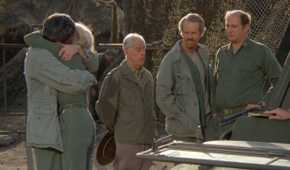
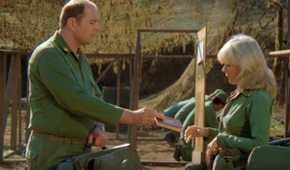

Leave it to MASH to save the best for last. “Goodbye, Farewell and Amen” still stands as the single most-watched episode of any program in American history, tying one final bow on the impact of the Korean War on all of its characters as they prepare to go home. For such a poignant goodbye, it’s no surprise the show returned to one of its hallmark topics – the aftereffects of war and trauma on the men and women at the heart of the conflict – as the centerpiece for the finale.
MASH's 2½-hour final episode aired on February 28, 1983 to an audience of over 121 million viewers.
After years of combating war’s horrors with wisecracks and irreverence, rock-solid Hawkeye finally can’t hold it together anymore. Being treated in a psychiatric hospital, Alan Alda turns in one of his finest moments in MASH history, recounting Hawkeye’s order to a refugee to keep “a chicken” quiet as they evade an enemy patrol. His anguish when we discover the “chicken” was actually a child who was smothered and died at the hands of its mother is heartbreaking.
Post-traumatic stress disorder, or PTSD, didn’t become a mental health diagnosis until 1980. But by the end of “Goodbye, Farewell and Amen,” viewers understand that everything the men and women of MASH experienced over their 11-season war – the good, the bad, and the borderline inhuman – would stay with each of them long after they returned stateside.


