


The Marvel Cinematic Universe built Thanos into the ultimate villain of Phase 3, weaving hints and backstory across multiple films before his full reveal, though some of these teases proved to be misleading. From mysterious references in early movies to his iconic weapon, the Infinity Gauntlet, each of Thanos’s appearances in the Marvel Cinematic Universe timeline was calculated to establish him as an existential threat to the universe. In laying this groundwork, Marvel set up the climactic Avengers: Infinity War and Avengers: Endgame, though not everything quite paid off and needed to be retconned in subsequent movies.
Thanos’s arrival in the Marvel Cinematic Universe was initiated way back in Phase 1, with his plans becoming evident by Phase 2, and his iconic arrival in the climax of Phase 3. Indeed, his presence was felt throughout the entire Infinity Saga. After his defeat in Avengers: Endgame, Thanos reappeared in What if…? as a multiversal variant, and made a brief cameo in Doctor Strange and the Multiverse of Madness. Though Marvel has introduced some iconic villains, Thanos might be the greatest in Marvel movie history, proffering a compelling yet despicable adversary for Earth’s Mightiest Heroes.
7 The Avengers Set Up Thanos as the Force Behind the Chitauri
The Avengers (2012)


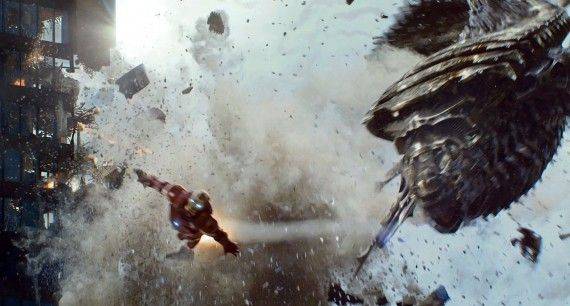


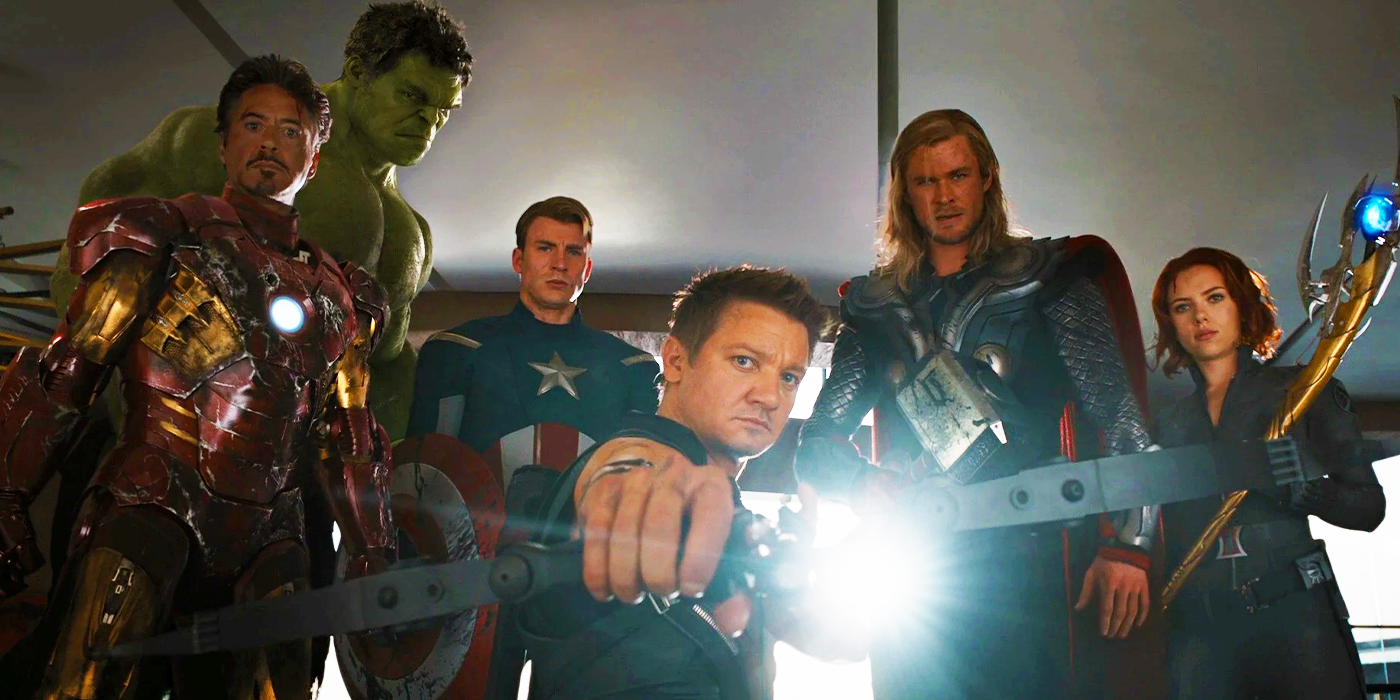
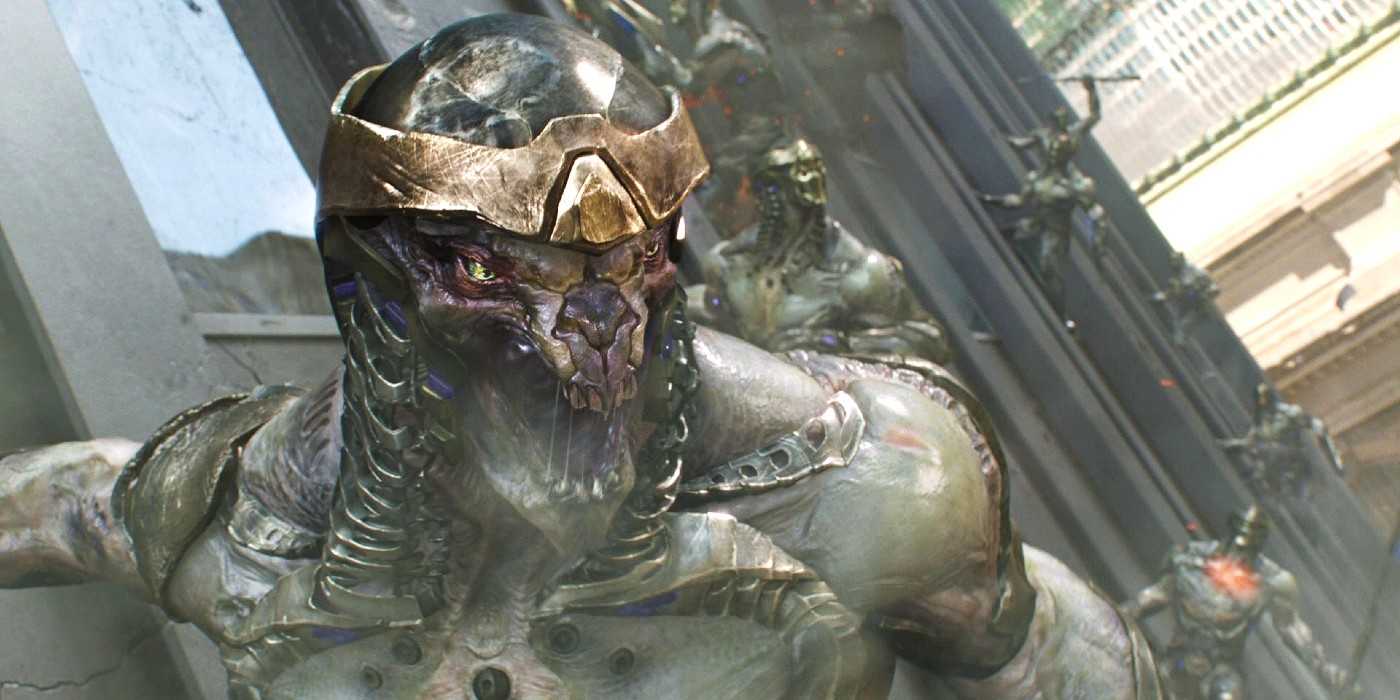
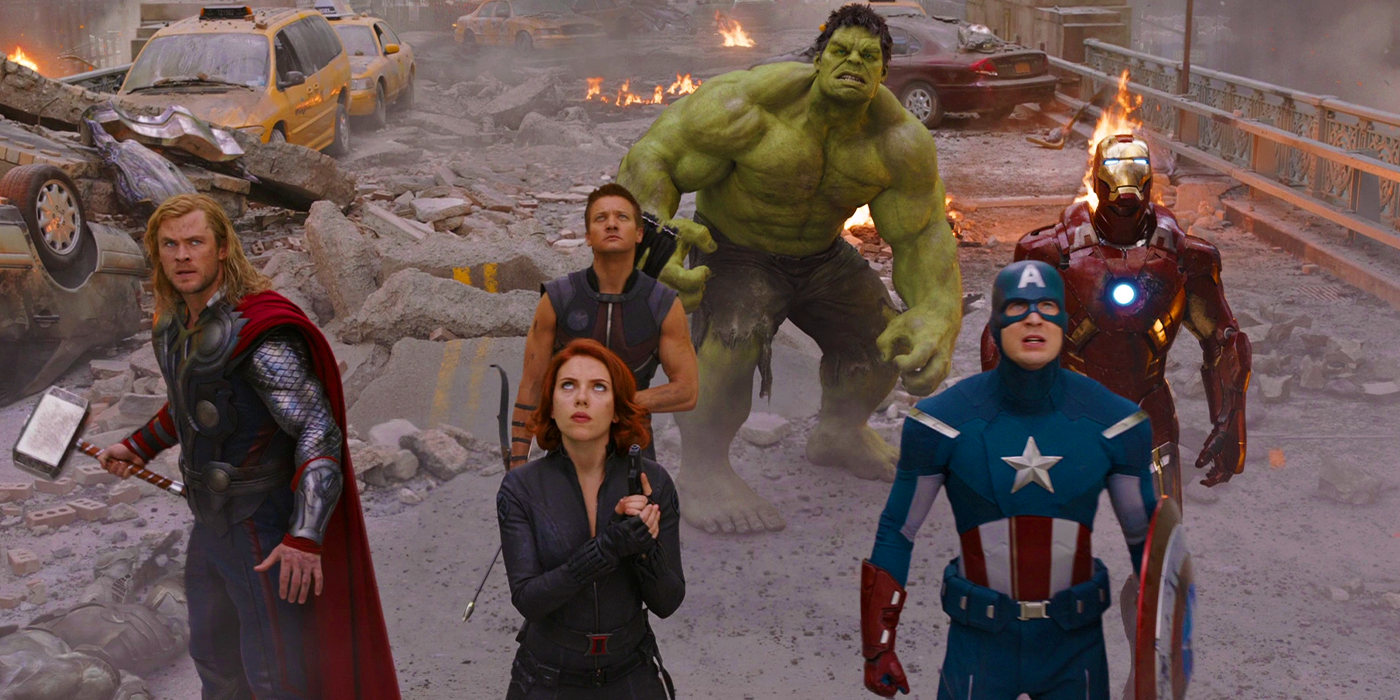
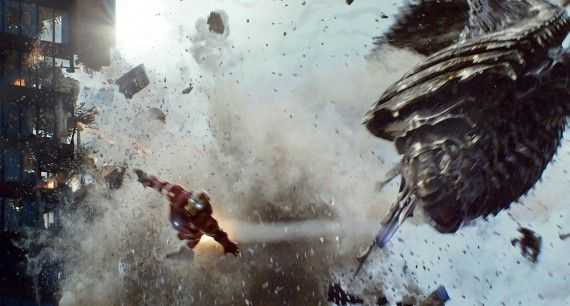
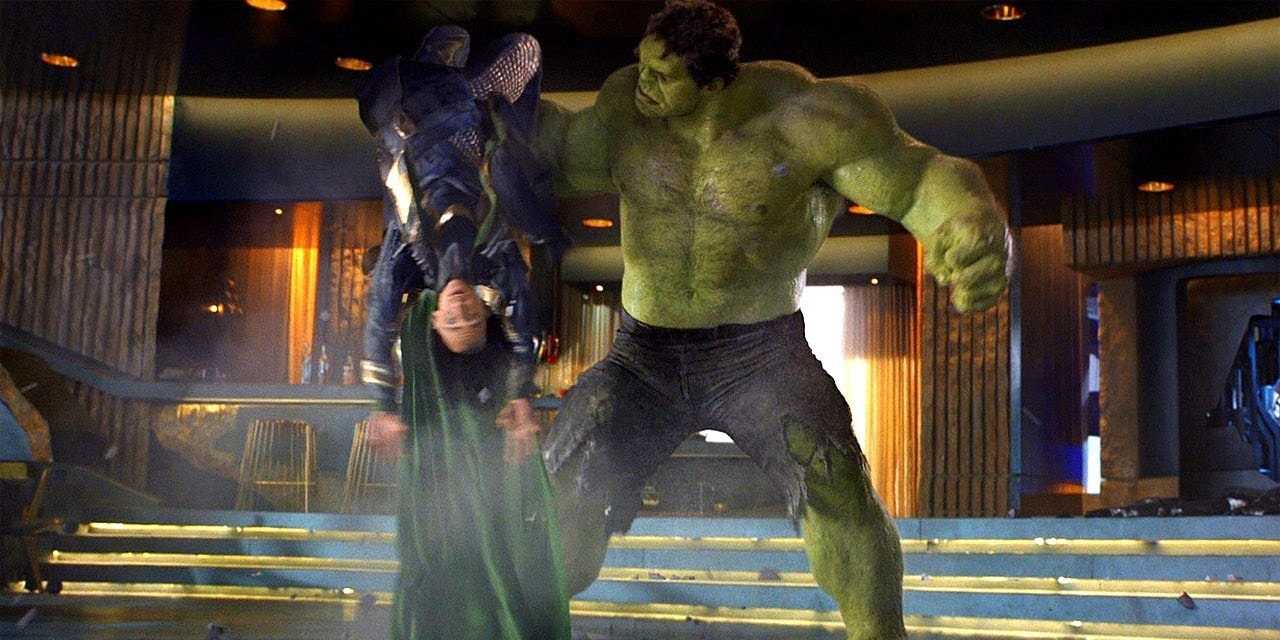
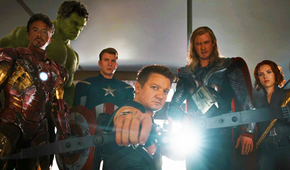
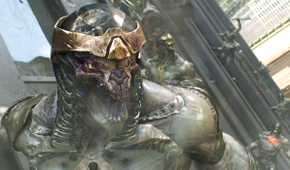
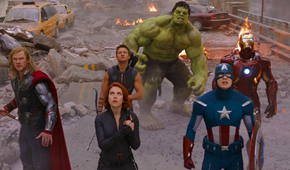
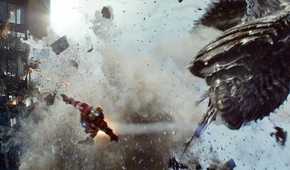
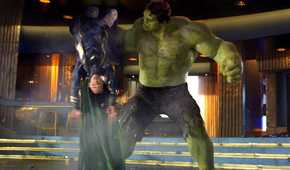
In The Avengers (2012), Thanos is officially introduced, and established as the dark power behind Loki’s attack on Earth. Indeed, Thanos lent Loki the Chitauri army and the powerful staff to aid his invasion of Earth in search of the Tesseract. While he remains in the shadows, his presence is subtly built up, hinting at his control over immense cosmic forces. At the film’s end, he is revealed to be the mastermind, grinning ominously at the thought of a fight with Earth’s mightiest heroes. This early appearance positions Thanos as a powerful, mysterious figure orchestrating chaos from afar.
Notably, The Avengers implies Thanos's obsession with death, a significant comic book trait where he pursues destruction to court Lady Death herself. This is his motivation in the comics, which was referenced when Thanos commented that to “challenge [humans] is to court death.” Though the MCU didn’t adapt this directly, the death fixation is reframed as his mission to "balance" the universe by eliminating half its population. This reimagined motive gave Thanos a unique, if twisted, moral philosophy, resonating as an existential threat in Infinity War and delivering a chilling payoff.
6 The Avengers Introduced an Early Thanos Design
The Avengers (2012)


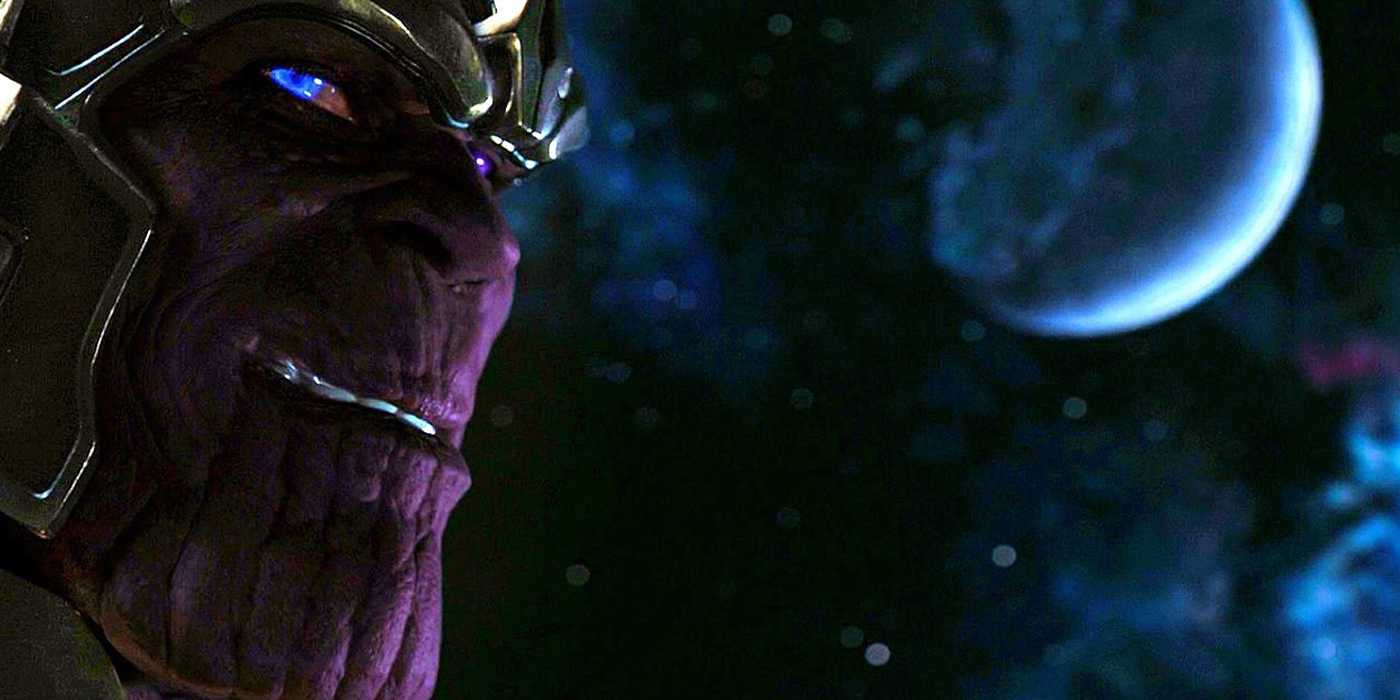
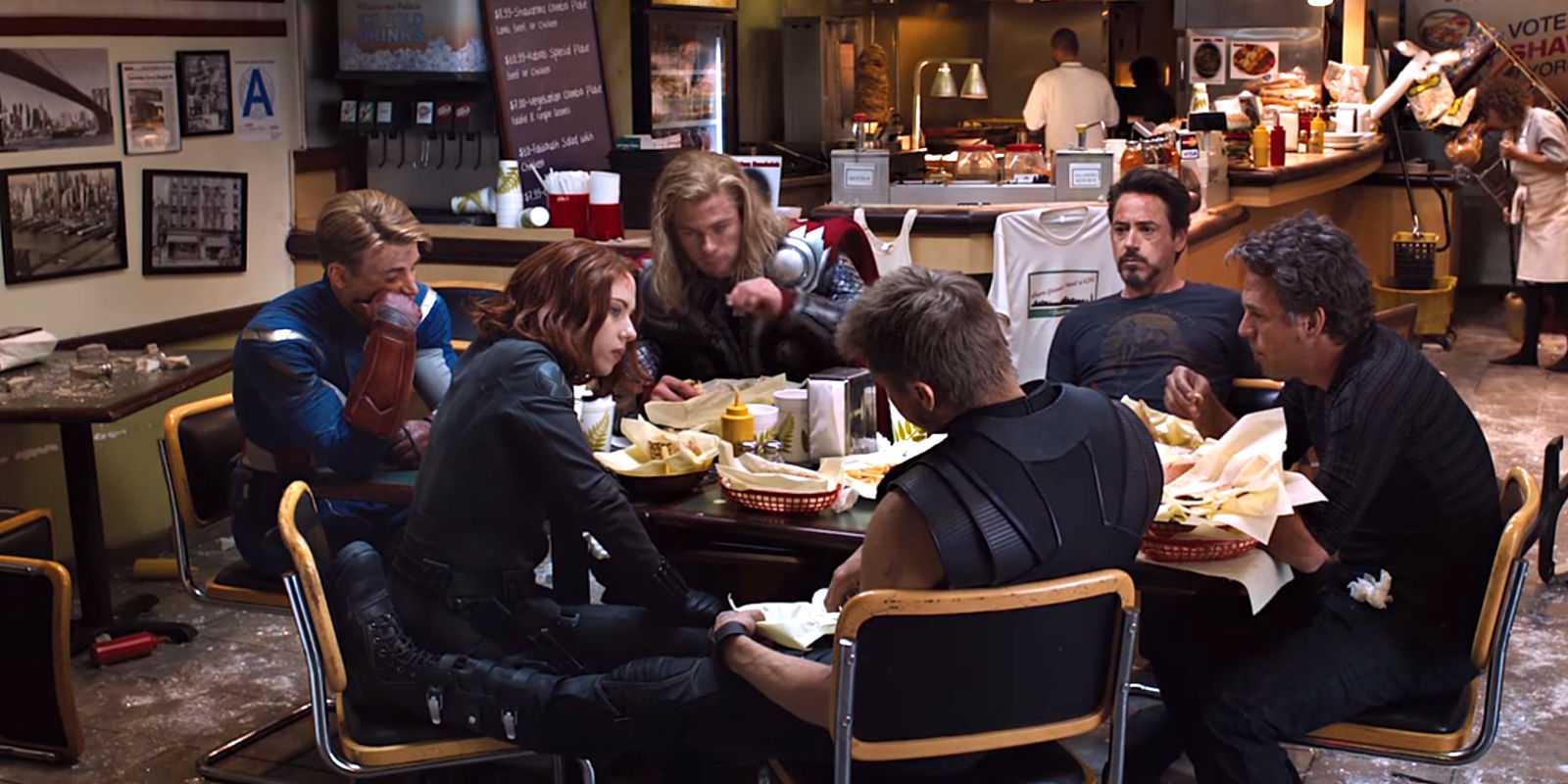
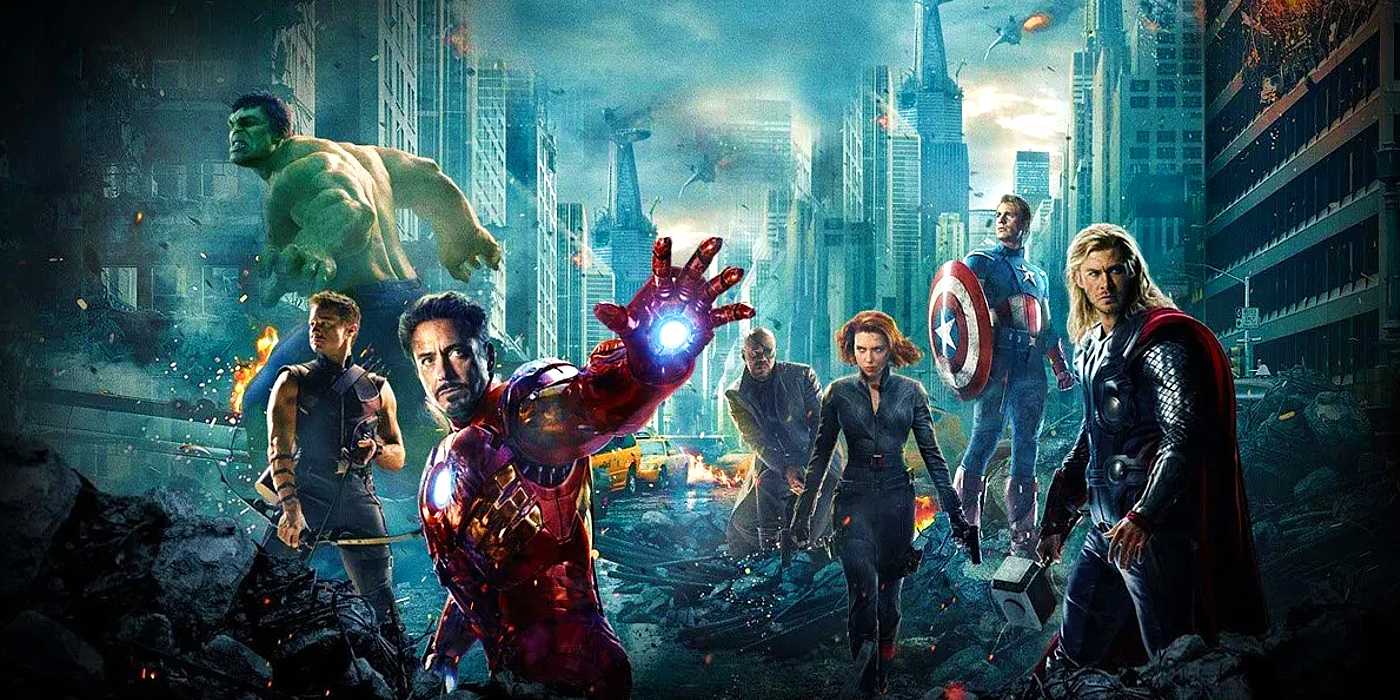
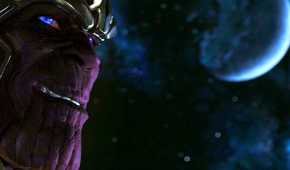
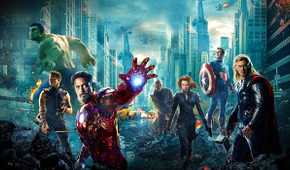
With The Avengers post-credits scene, audiences were given a brief but thrilling first look at Thanos. The scene depicted his initial design with his trademark purple skin, ridged chin, and immensely powerful build. However, Thanos's first design did evolve somewhat before Avengers: Infinity War where his look was further refined. Initially, Thanos’s face had harsher lines and a much more vivid purple hue. Many of these traits were softened and honed in subsequent appearances. Thanos was also briefly given a blue skin tone in the Guardians of the Galaxy post-credits scene.
Though Josh Brolin brought the villain to life throughout the majority of the Marvel Cinematic Universe, his initial appearance in The Avengers did not feature Brolin. Damion Poitier played the Mad Titan first, using much of the same motion capture technology used later. As such, his first official appearance in the MCU wasn’t quite the Thanos audiences got later.
By the time he debuted fully in Avengers: Infinity War, his design had reached its final form. He was created using the perfect balance between realistic CGI and comic book accuracy. With Josh Brolin’s impressive acting skills, this completed form was cemented, finalising the famed foe.
5 The Avengers Established Thanos’s Use of Envoys
The Avengers (2012)


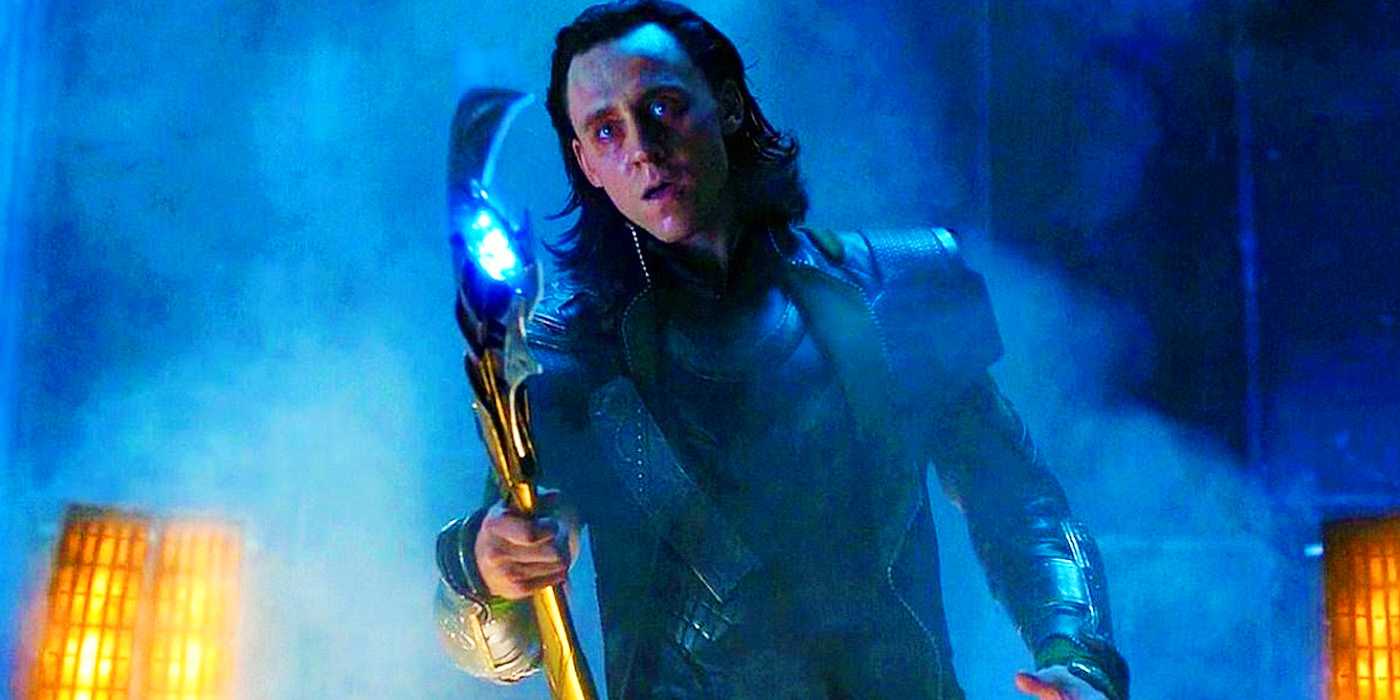
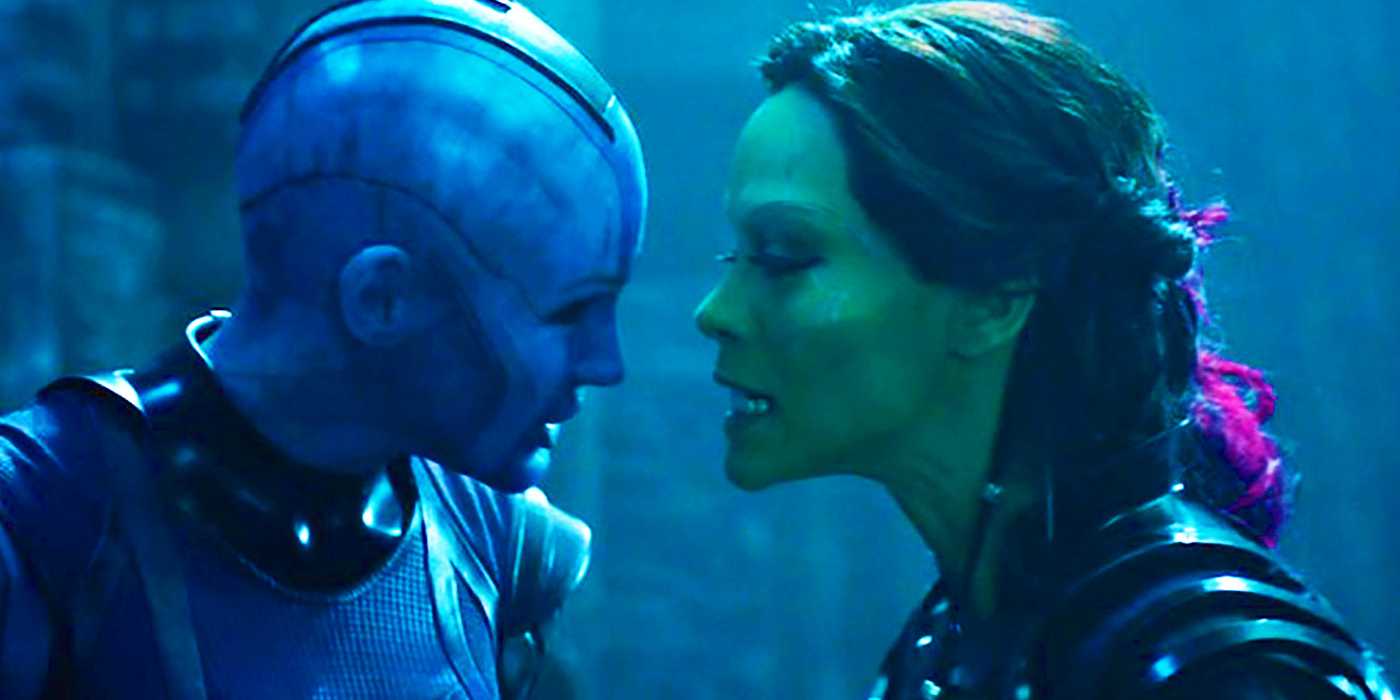
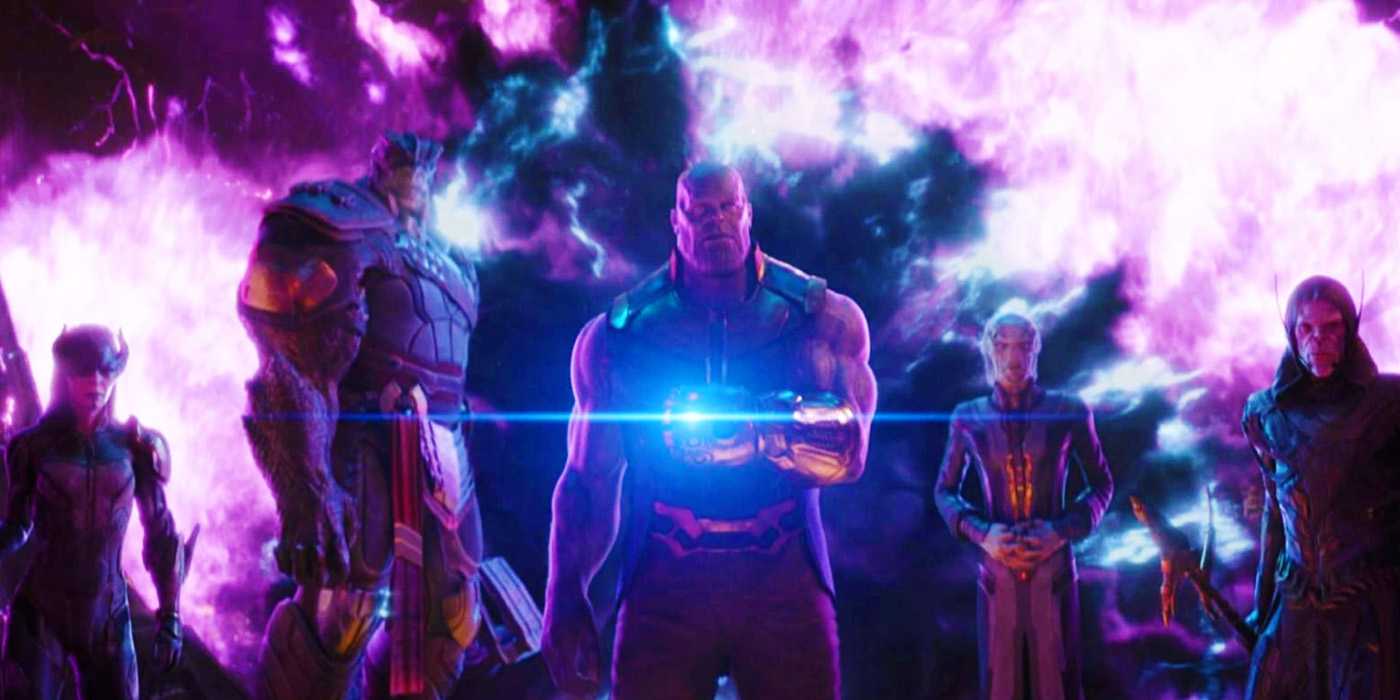
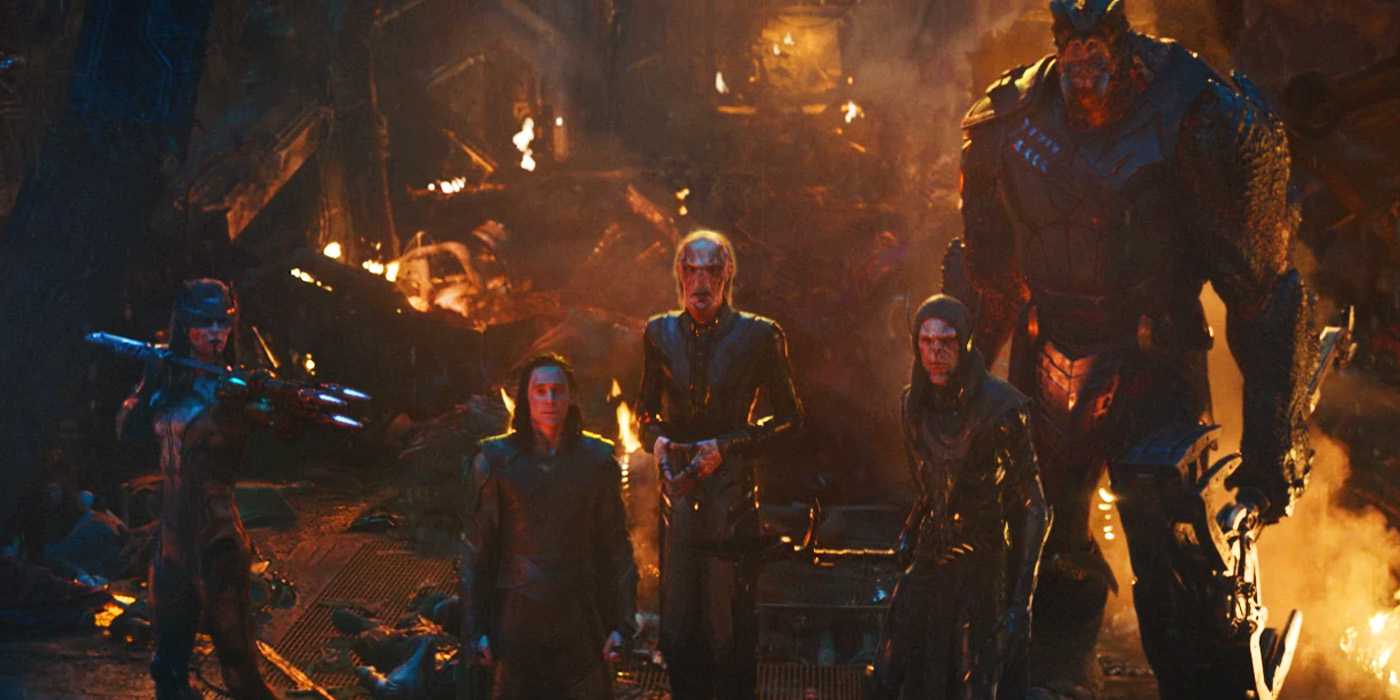
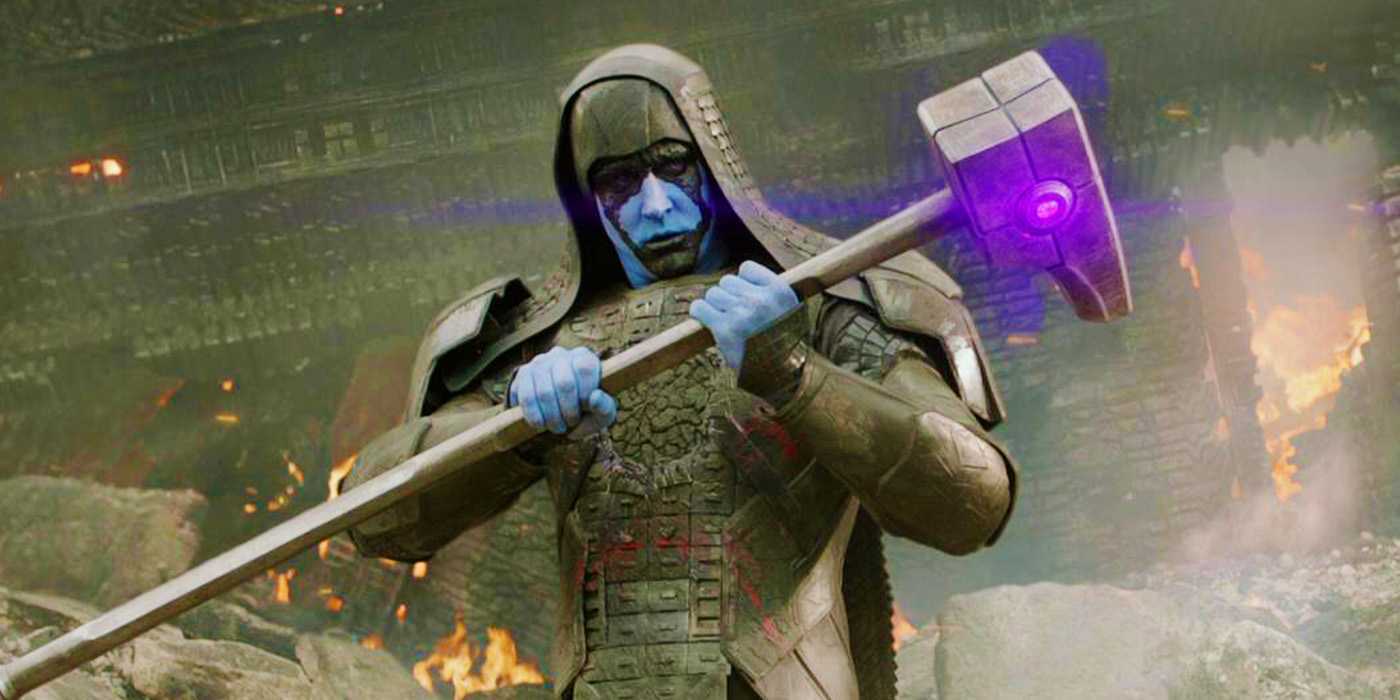
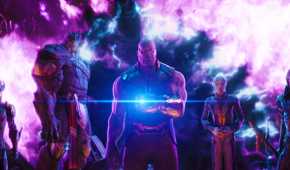
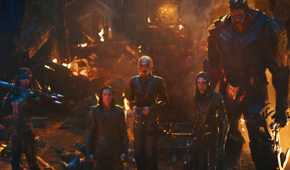
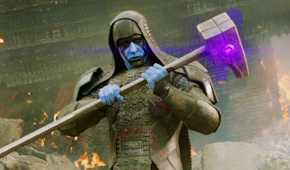
A key strategy for Thanos throughout the MCU’s Infinity Saga was his reliance on envoys and minions to pursue his goals. The Avengers established this trait early on, setting the villain up perfectly for his final emergence. Instead of seeking the Tesseract himself, Thanos entrusts Loki with the task, establishing a penchant for using intermediaries to achieve his aims. This characteristic becomes central to Thanos's strategy in later films, where he employs powerful followers to hunt down the Infinity Stones.
This tactic allows Thanos to maintain control without immediate involvement, carefully plotting his moves from afar. His envoys, including Ronan, Gamora, and later the Black Order, are critical in setting up the six Infinity Stone narratives that span the MCU. By positioning him as a distant but controlling force, the MCU heightened anticipation for the eventual, direct showdown with Thanos himself, a promise fully delivered in Infinity War. It established Thanos as a far-reaching and ever-present foe, dominating the entire franchise from the comfort of his throne before entering the fray himself.
4 Guardians of the Galaxy Confirmed He Was Responsible for Mass Genocide
Guardians Of The Galaxy (2014)


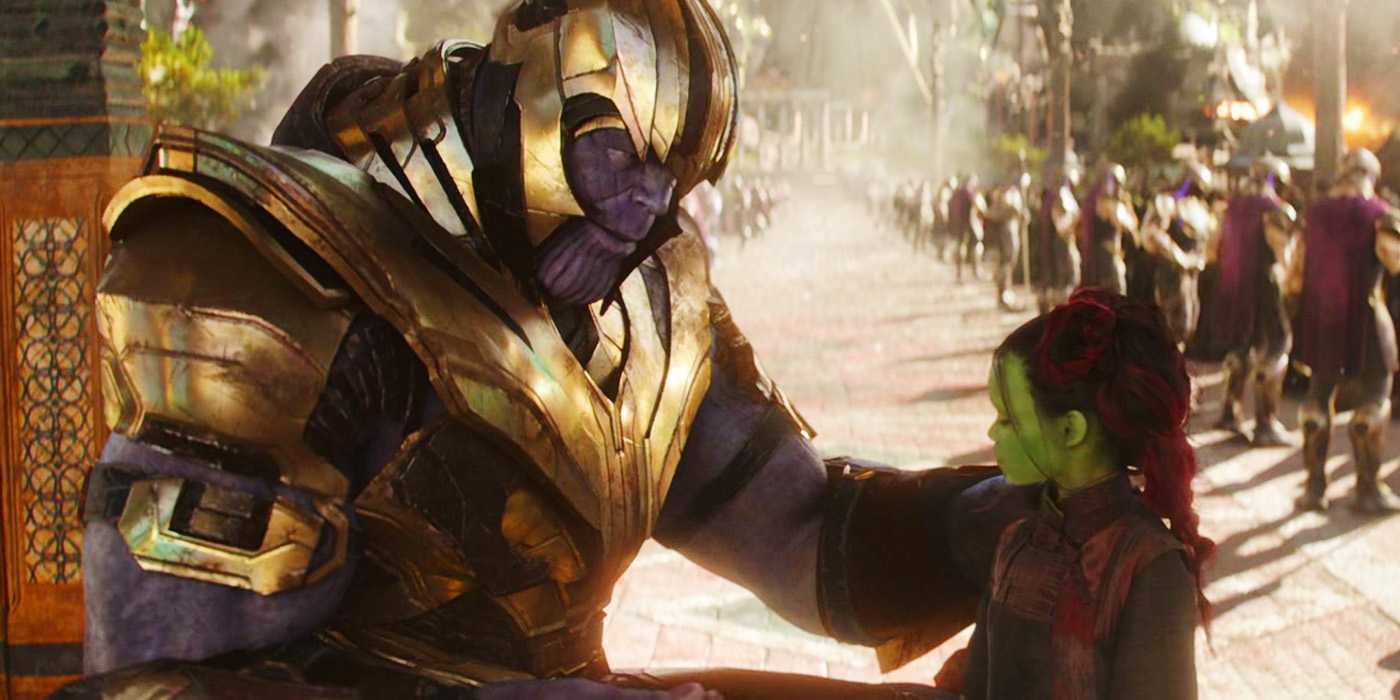
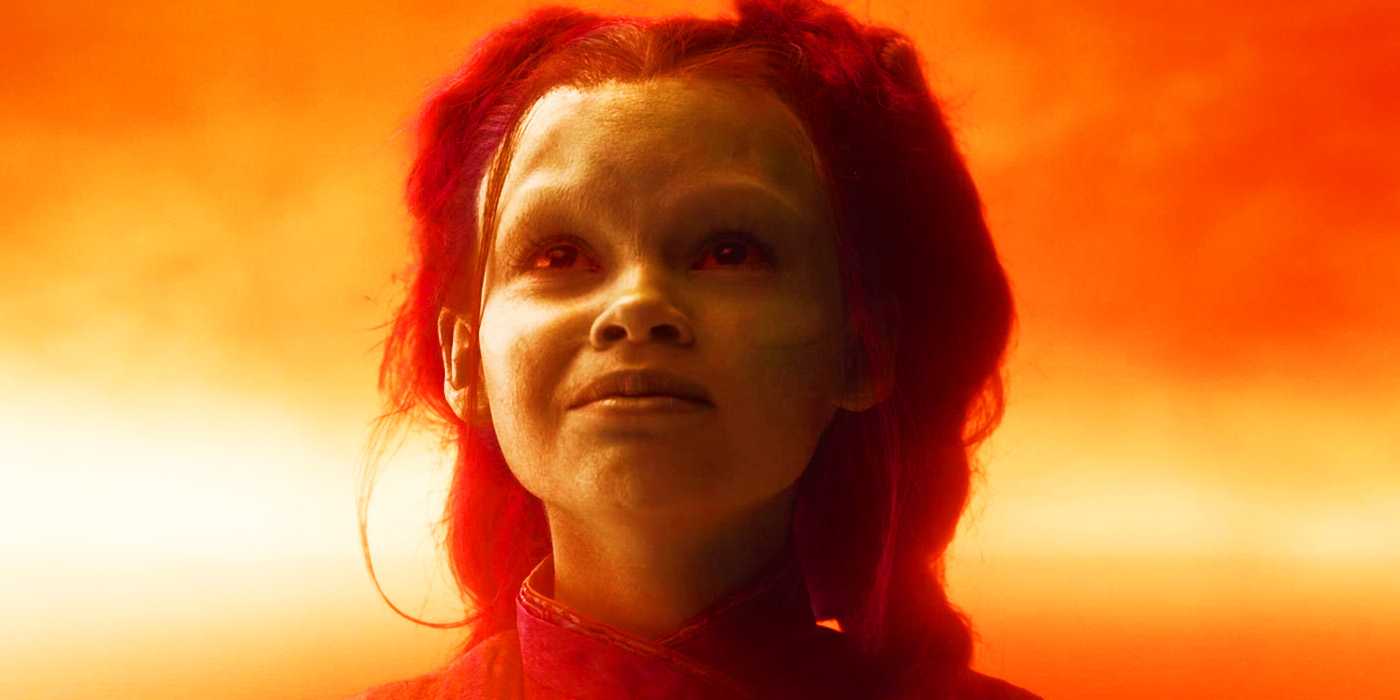
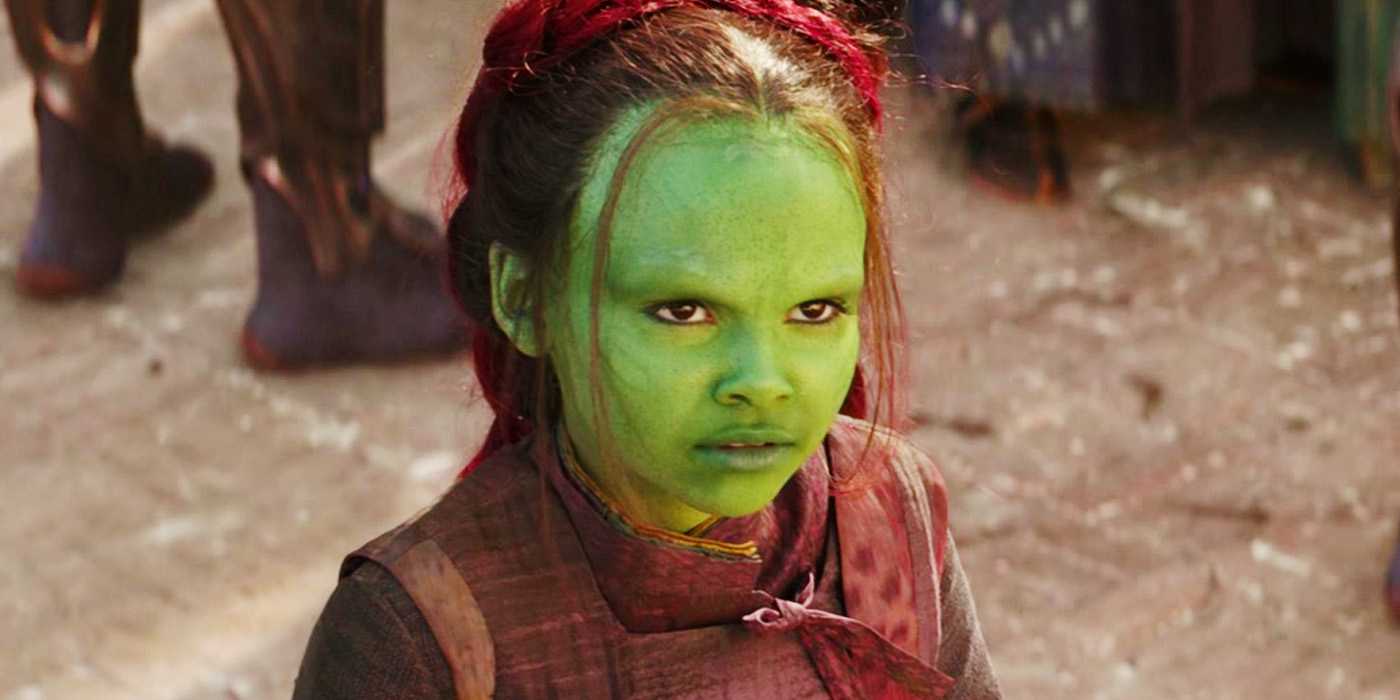
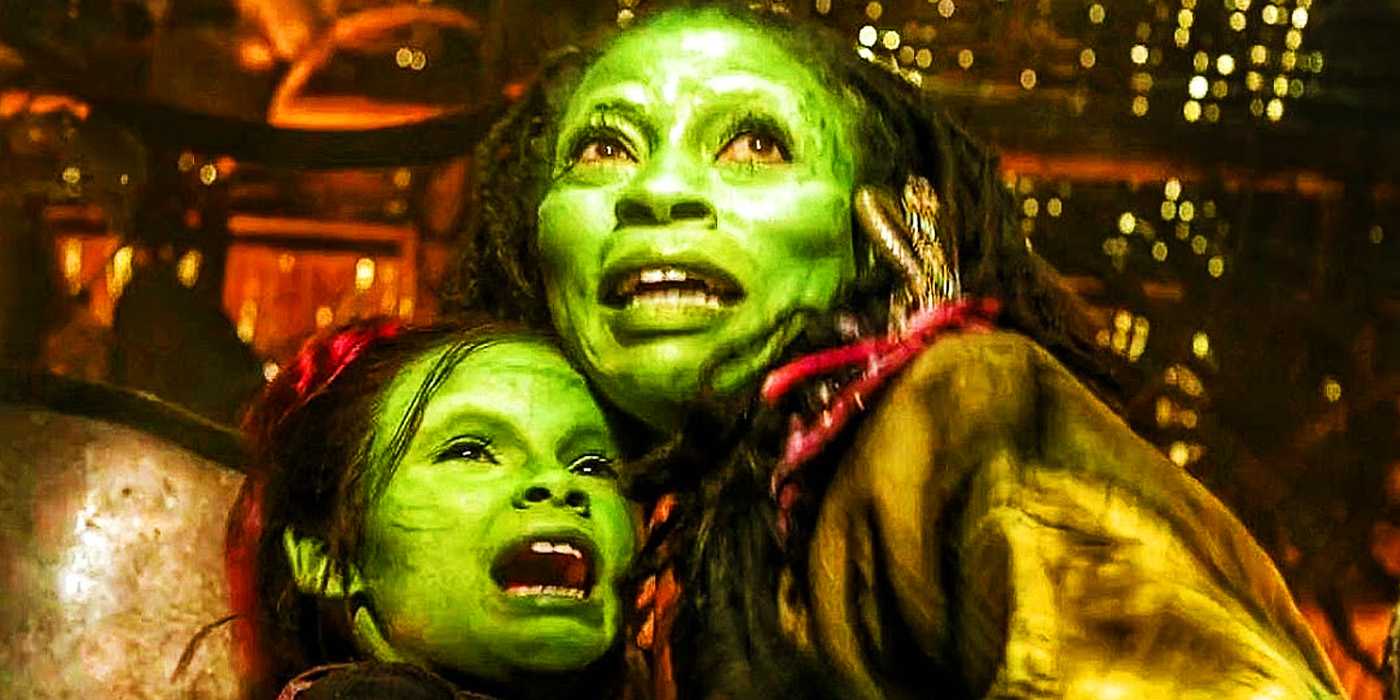
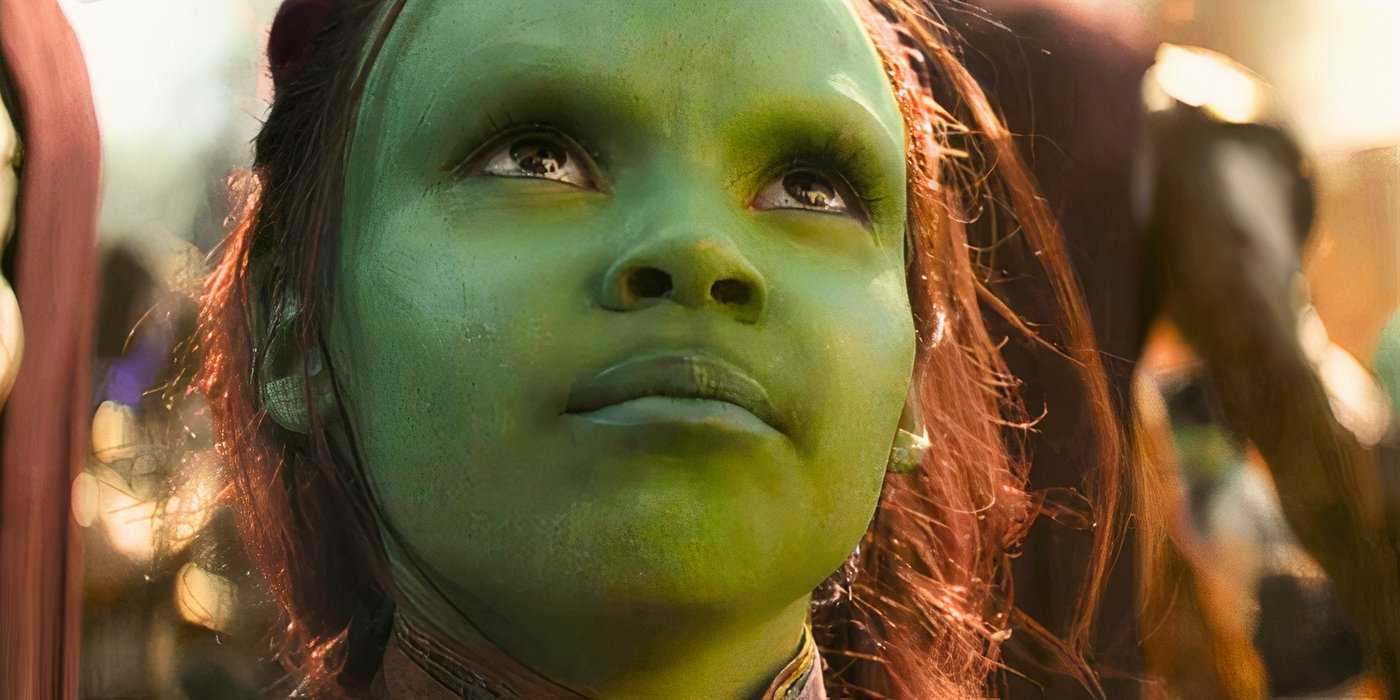
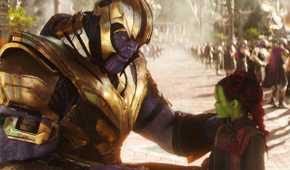
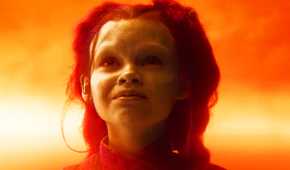
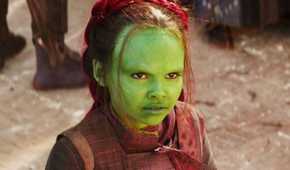
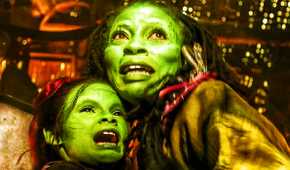
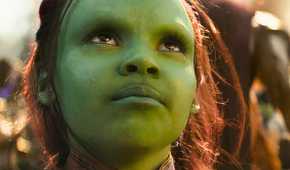
Thanos’s ruthless ambitions are fully revealed in Guardians of the Galaxy, which confirms his history of mass genocide across multiple worlds. This film emphasizes his role as an intergalactic tyrant, who has no moral qualms about sacrificing billions to realize his vision. The film also introduces Gamora, Thanos’s adopted daughter, whose tragic past is a direct result of his merciless quest for balance. However, one major discrepancy is that Guardians of the Galaxy stated that Thanos killed all of Gamora’s people.
This was later retconned in Infinity War, which changed Thanos’s actions to be more in line with his universe-balancing scheme. Rather than kill all of Gamora’s species, Thanos killed half of the population. This might be the biggest change in Thanos’s MCU set-up, though it served the moment well. It introduced Thanos as a cruel and murderous villain with a penchant for mass destruction. Elucidating his half-the-population plan might have bogged down Guardians of the Galaxy’s narrative too much. This simplified approach better served GOTG and the introduction of Gamora, but it did need to be rectified in later movies.
3 Guardians of the Galaxy Depicted Thanos’s Followers Betraying Him
Guardians Of The Galaxy (2014)


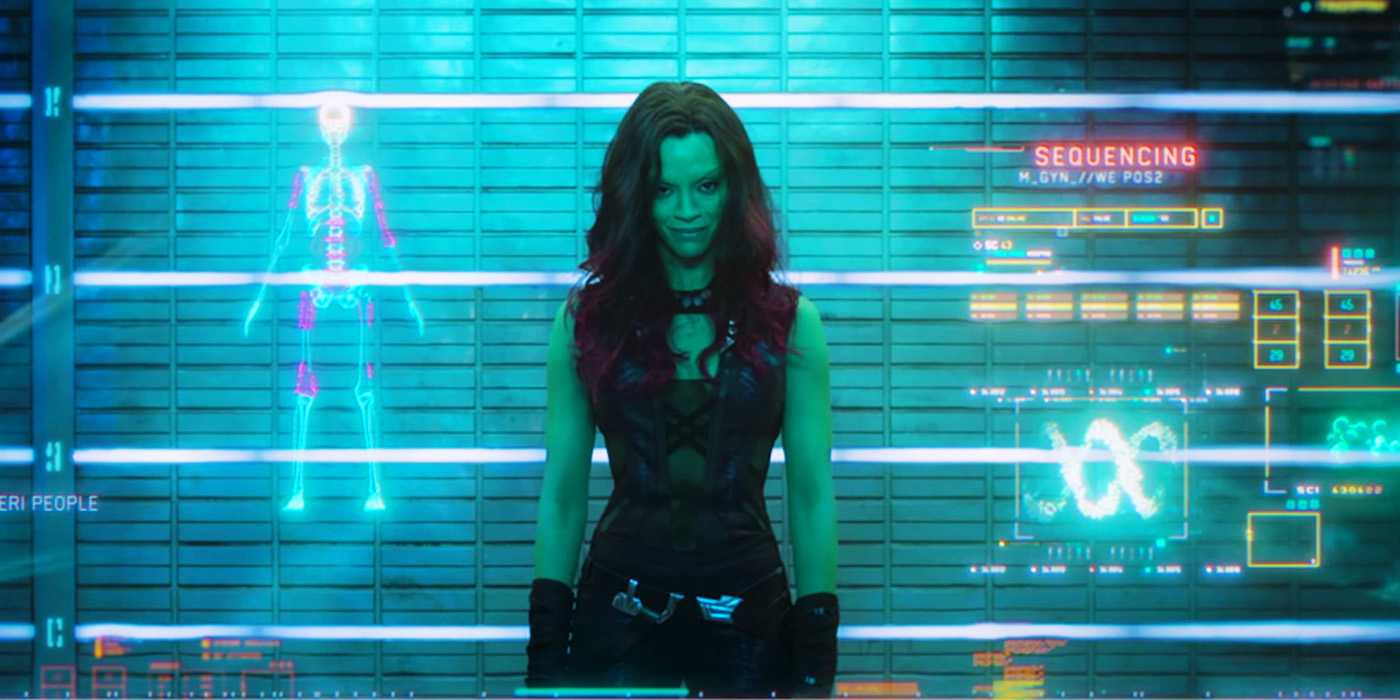
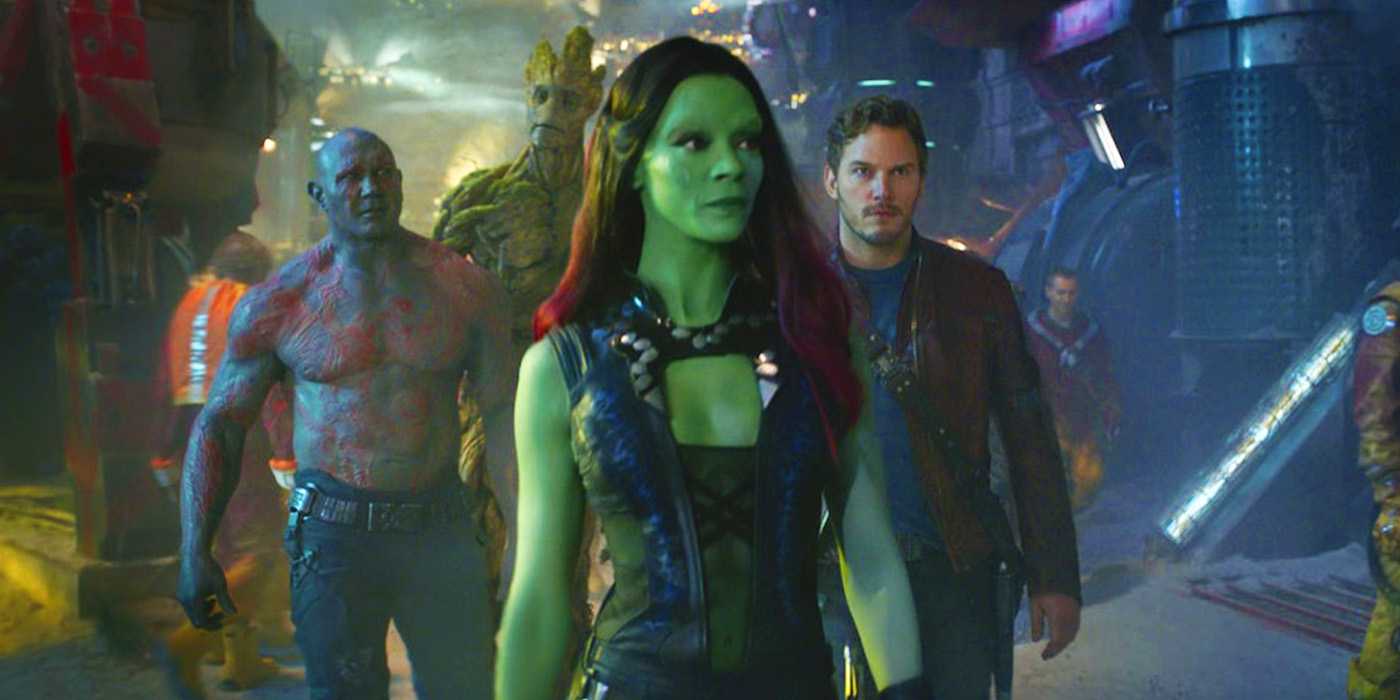
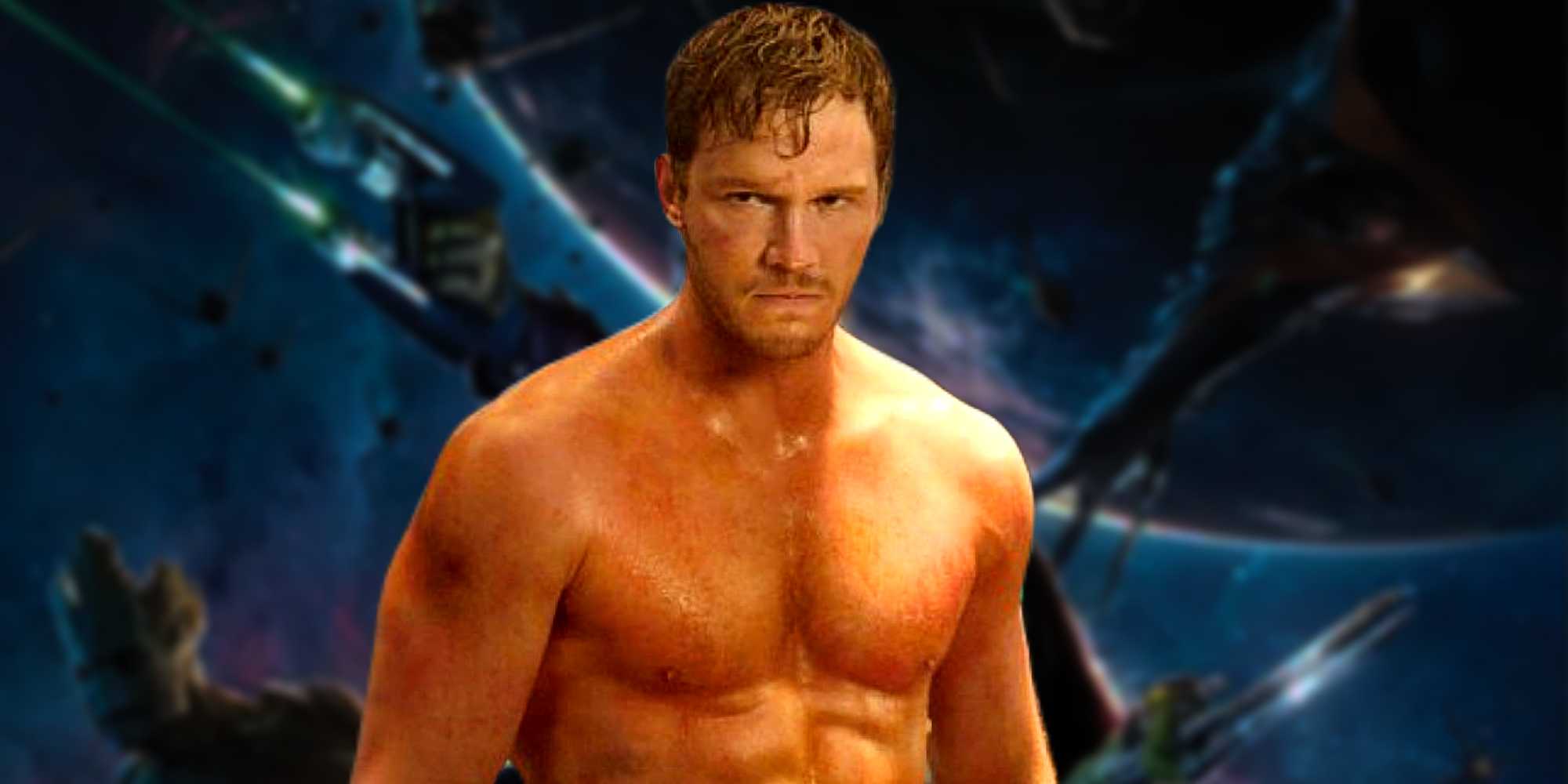
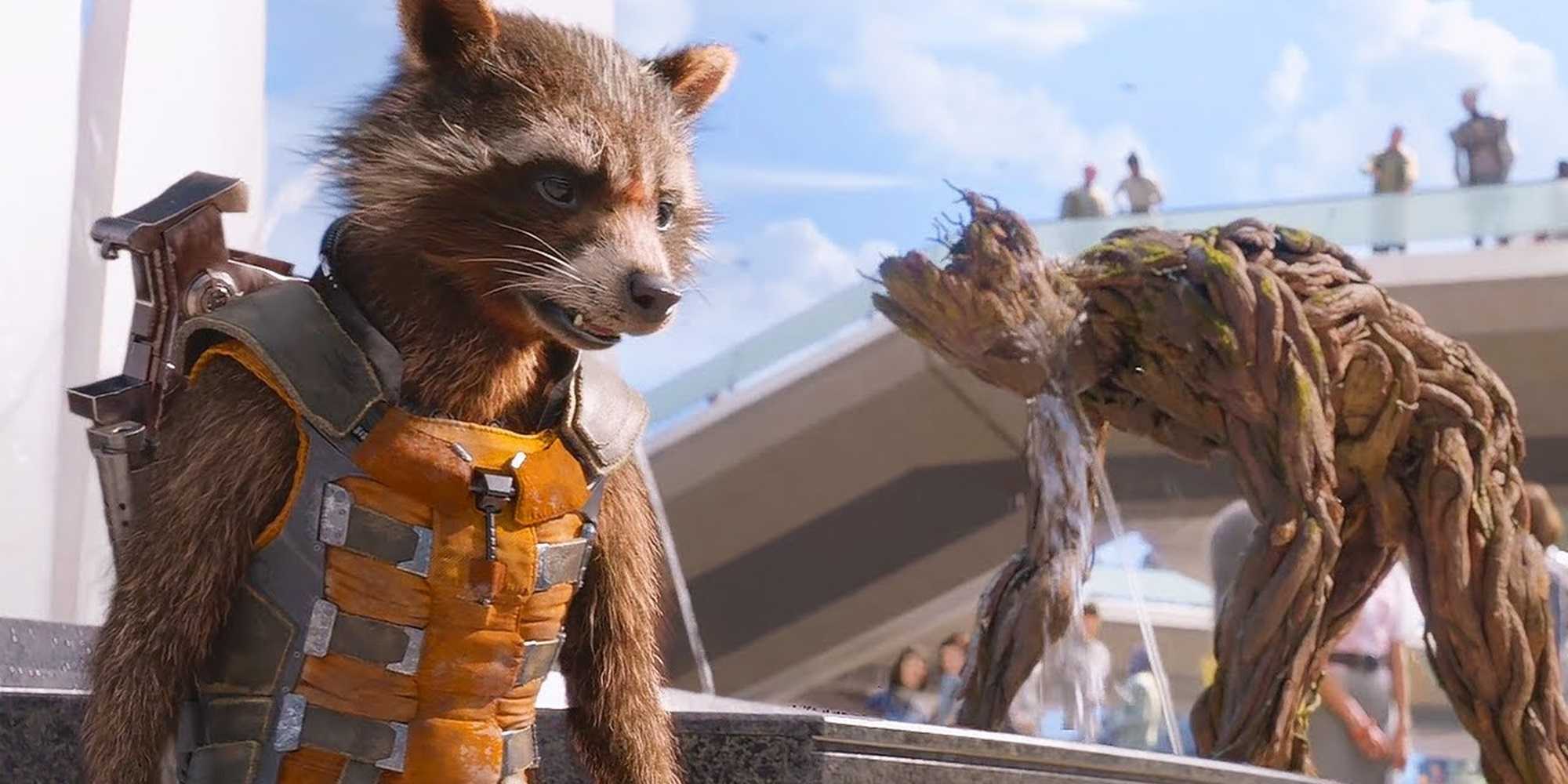
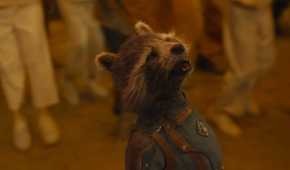
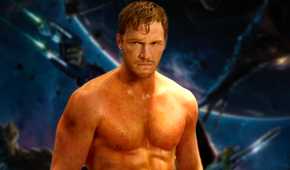
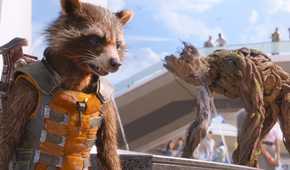
In Guardians of the Galaxy, the loyalty of Thanos’s followers is tested and ultimately broken. Thanos’s two adopted daughters Gamora and Nebula, along with the powerful Ronan the Accuser, each betray him. This betrayal showcases a critical weakness in Thanos’s approach: his inability to inspire genuine loyalty in those he manipulates, only fear and anguish. Gamora’s defection, in particular, is a major emotional arc in the MCU, providing a personal connection that later impacts Thanos’s quest in Avengers: Infinity War, and the trajectory of the Guardians of the Galaxy movies.
These betrayals force Thanos to take matters into his own hands, leading him to personally seek out the Infinity Stones instead of relying on others. This narrative thread ultimately pays off in Infinity War, where Thanos’s relentless determination and willingness to sacrifice even those he claims to care about proves successful. The groundwork laid by these earlier betrayals set this up, convincing Thanos to finally get up from this throne and enact his plan himself. This was key in transitioning the MCU’s Infinity War villains from an envoy of Thanos to the Mad Titan himself.
2 Thor First Introduced the Infinity Gauntlet
Thor (2011)


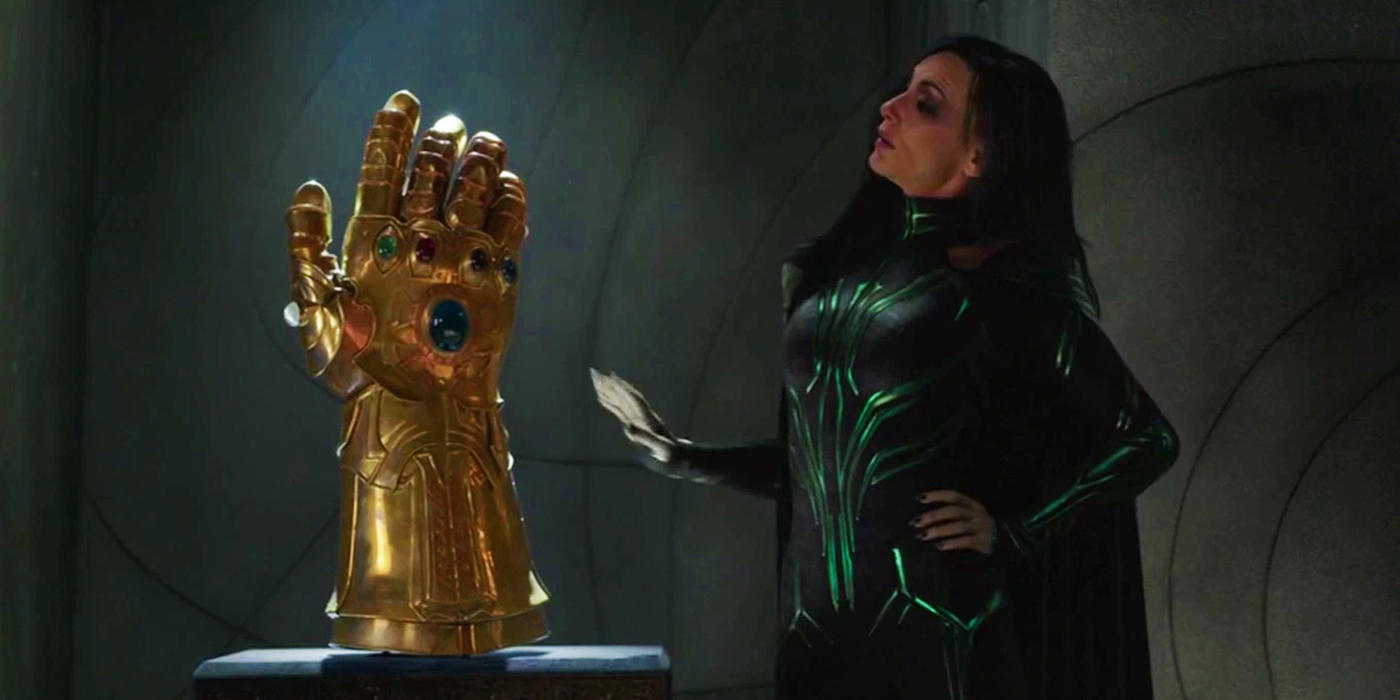
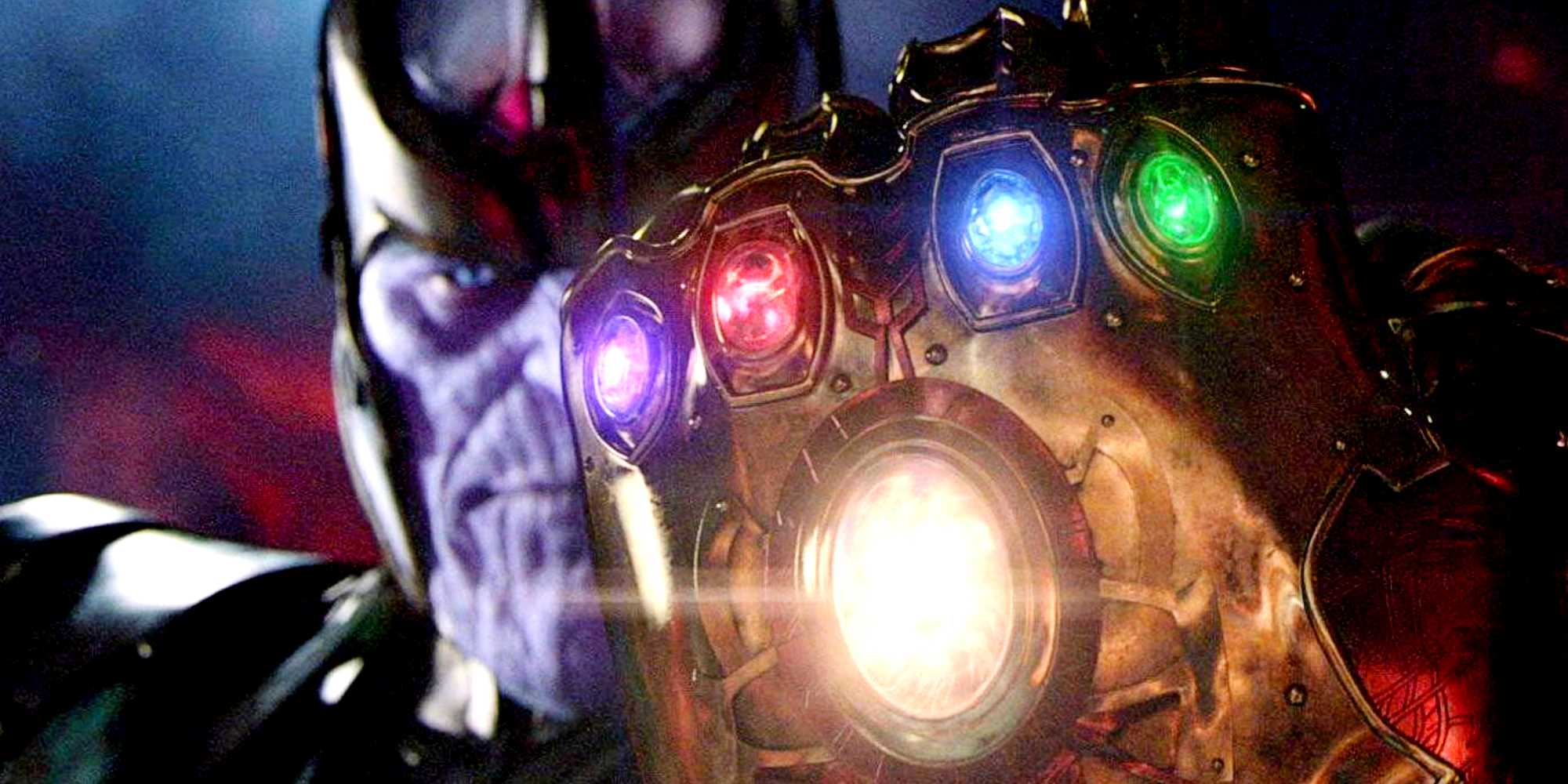
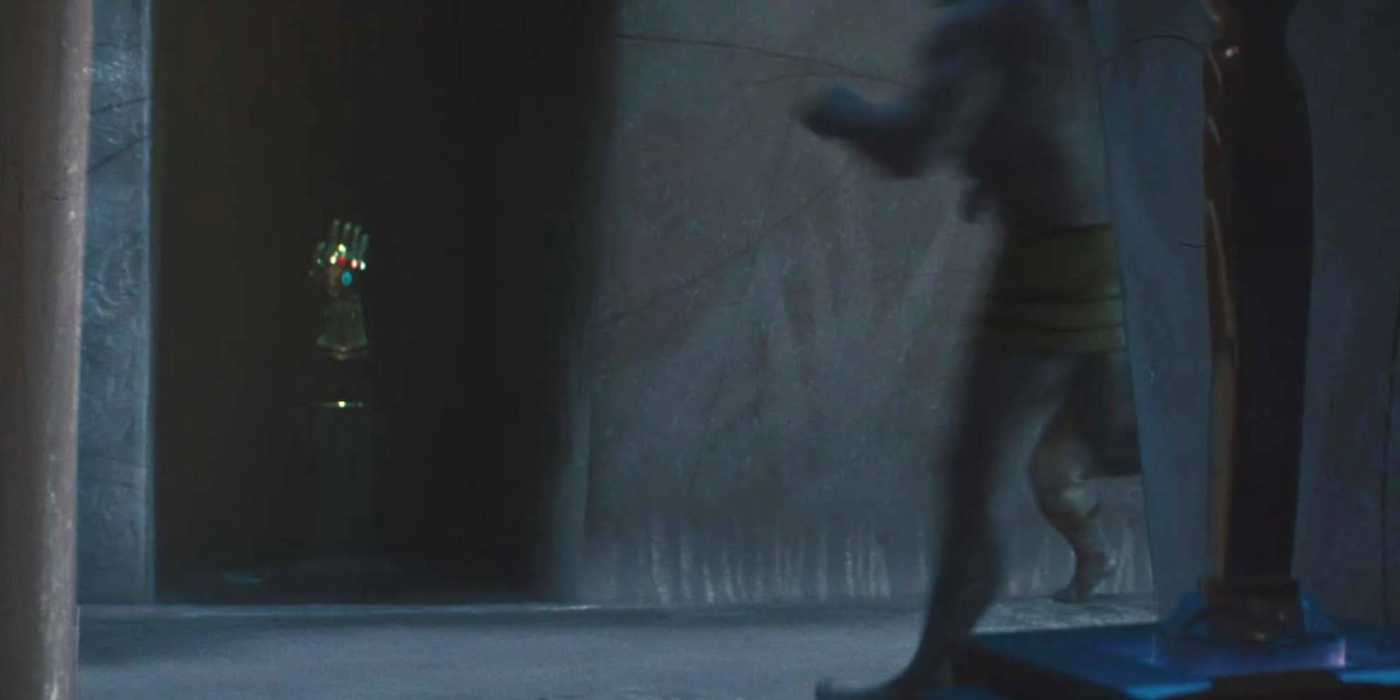
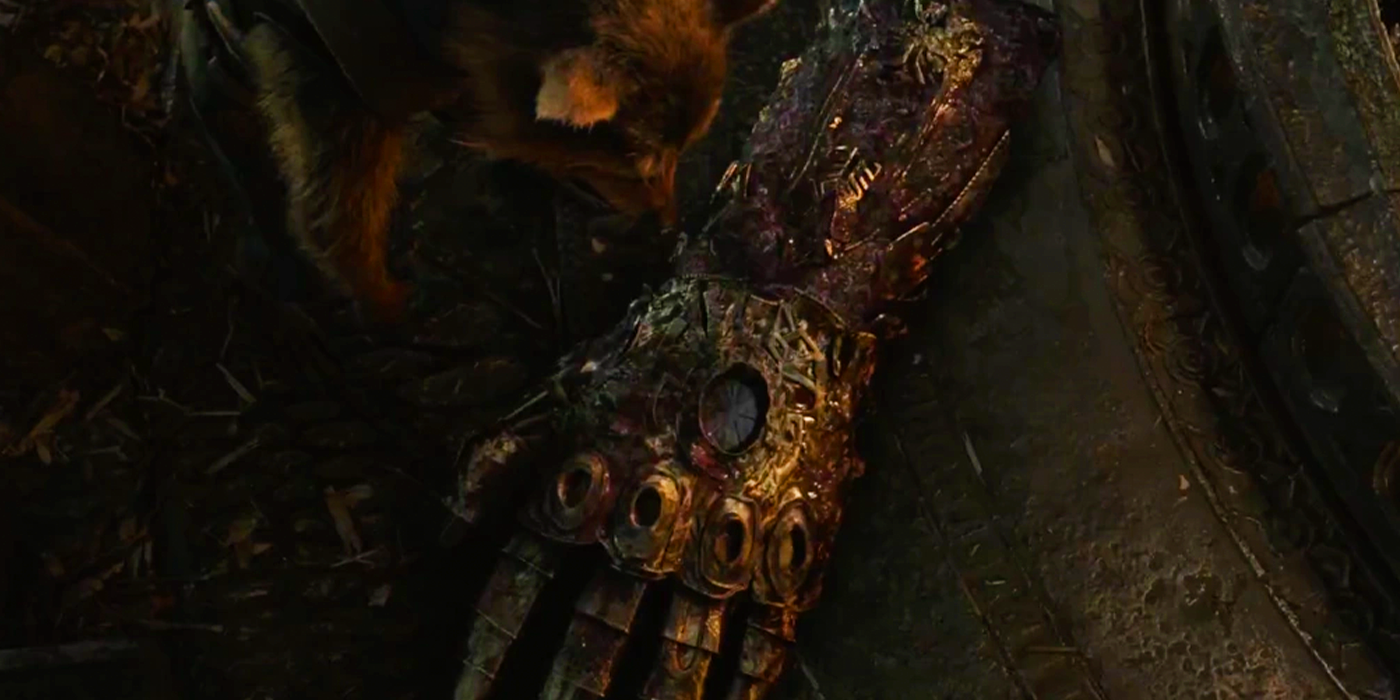
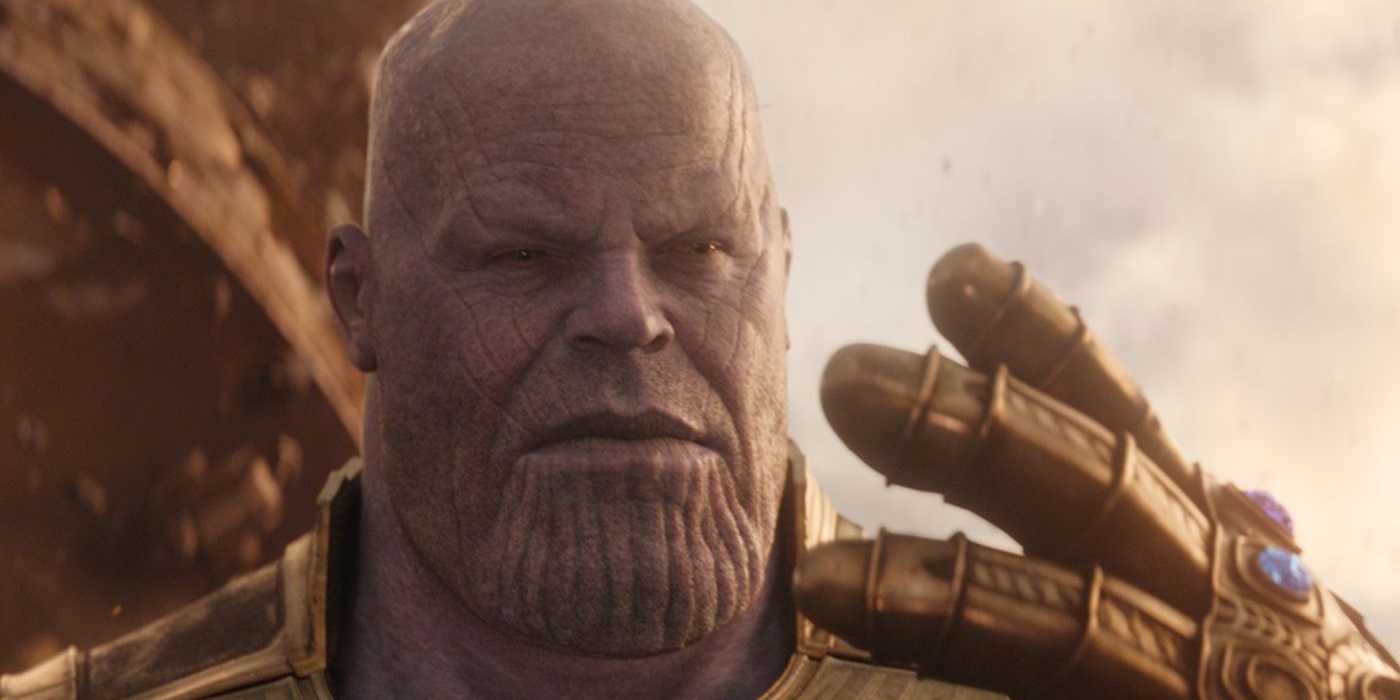
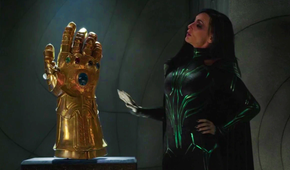
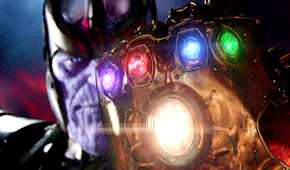
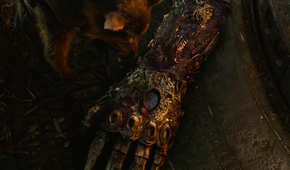
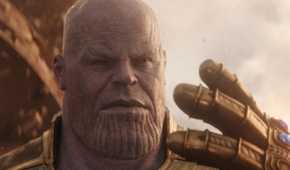
Thanos’s Infinity Gauntlet first appears in Thor (2011) as an Easter egg in Odin’s vault, sparking fan theories about its significance in the MCU. It seemed that Thanos’s famed weapon was readily available, complete with all the Infinity Stones. Rather than scouring the universe, it seemed that all Thanos would need to do was break into the Asgardian vault and collect his prize. This Easter Egg in Thor was likely added before Thanos’s predominance in the franchise was decided. Regardless, it consequently forced the MCU into another Thanos-related retcon.
This Infinity Gauntlet was later revealed as fake in Thor: Ragnarok, confirmed by Hela as she inspects Odin’s treasures in the Asgardian vault. By resolving this continuity point, the MCU clarified the authenticity of the Infinity Gauntlet Thanos would eventually wield. This setup gave the Gauntlet an aura of legend and inevitability, preparing audiences for the immense power Thanos would unleash in Avengers: Infinity War. This might be the most conspicuous discrepancy in Thanos’s set-up in the Marvel Cinematic Universe, prompting much confusion among savvy audiences who spotted the early Marvel Easter Egg.
1 Age of Ultron Gave Thanos the Real Infinity Gauntlet
Avengers: Age Of Ultron


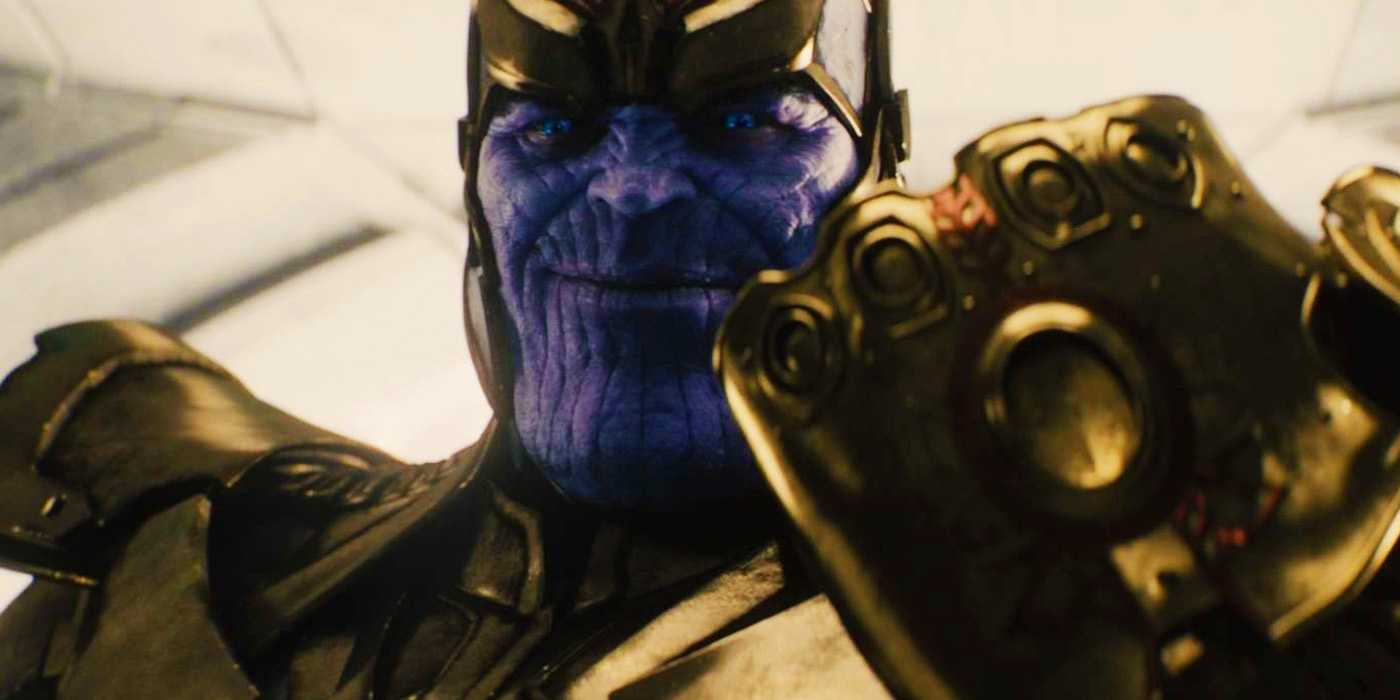
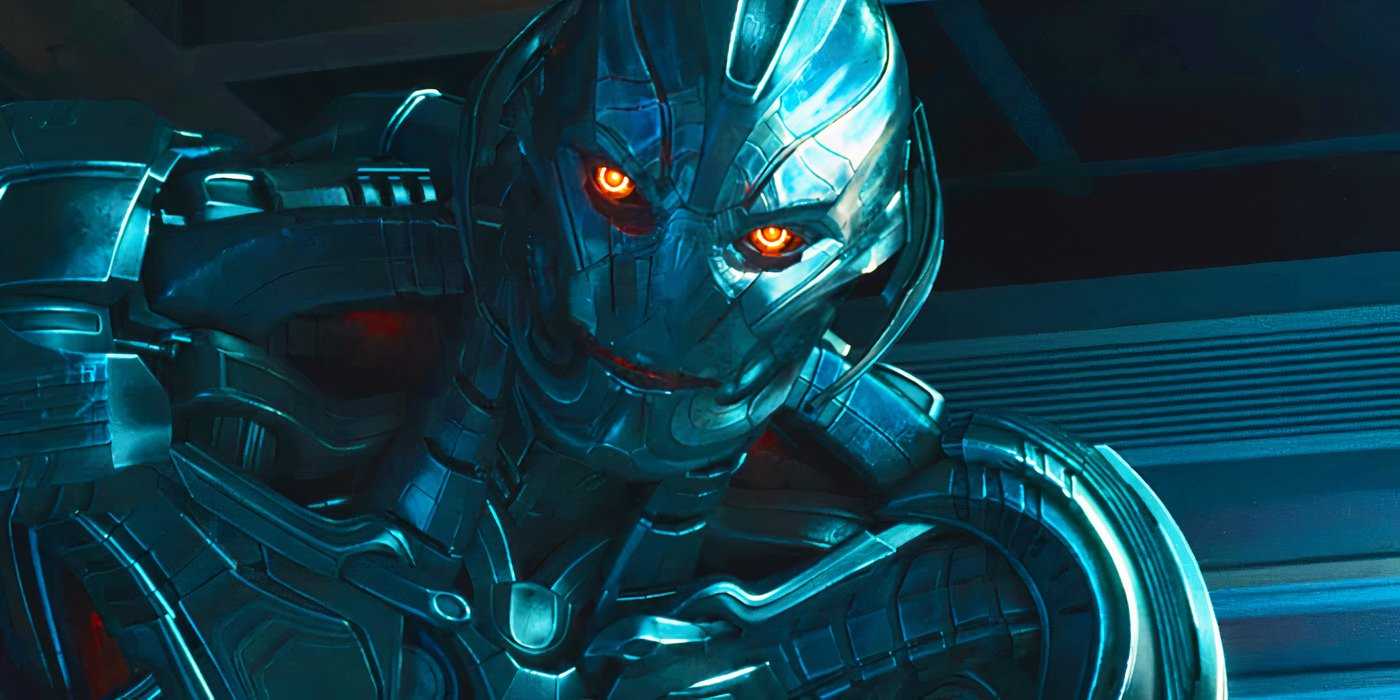
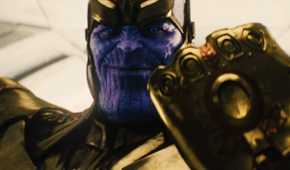
At the end of Avengers: Age of Ultron, Thanos makes a brief but vital appearance in a post-credits scene. In this scene, Thanos dons the real Infinity Gauntlet for the first time, remarking to himself, “Fine, I’ll do it myself.” This moment is a pivotal setup, as it confirms that Thanos is ready to take direct action to obtain the Infinity Stones himself, officially instigating his Avengers: Infinity War storyline. Up until this point, he had relied on others to gather the Stones, but his decision to wield the Gauntlet signals a turning point in his journey.
This Age of Ultron scene solidifies Thanos as the primary antagonist heading into Phase 3, affirming that he is now actively pursuing the Infinity Stones. It also hints at his impatience and frustration with his envoys’ failures, which ultimately drives him to take matters into his own hands. When Thanos finally makes his full debut in Avengers: Infinity War, this moment feels fully paid off, as it leads directly into his confrontation with Earth’s mightiest heroes and the universe at large. It is perhaps the most exciting Thanos set-up in the Marvel Cinematic Universe.
-

- Movie(s)
- Iron Man, The Incredible Hulk, Iron Man 2, Thor, Captain America: The First Avenger, The Avengers, Iron Man 3, Thor: The Dark World, Captain America: The Winter Soldier, Guardians of the Galaxy, Avengers: Age of Ultron, Ant-Man, Captain America: Civil War, Doctor Strange, Guardians of the Galaxy Vol. 2, Spider-Man: Homecoming, Thor: Ragnarok, Black Panther, Avengers: Infinity War, Ant-Man and the Wasp, Captain Marvel, Avengers: Endgame, Spider-Man: Far from Home, Black Widow, Shang-Chi and the Legend of the Ten Rings, Eternals, Spider-Man: No Way Home, Doctor Strange In the Multiverse of Madness, Thor: Love and Thunder, Black Panther: Wakanda Forever, Ant-Man and the Wasp: Quantumania, Guardians of the Galaxy Vol. 3, The Marvels, Deadpool & Wolverine, Captain America: Brave New World, Thunderbolts*, The Fantastic Four: First Steps, Spider-Man: Brand New Day, Avengers: Doomsday, Werewolf by Night, The Guardians of the Galaxy Holiday Special, The Punisher: One Last Kill
- TV Show(s)
- Agents of S.H.I.E.L.D., Agent Carter, Inhumans, WandaVision, The Falcon and the Winter Soldier, Loki, What If...?, Hawkeye, Moon Knight, Ms. Marvel, She-Hulk: Attorney at Law, Secret Invasion, Agatha All Along, Ironheart, Daredevil: Born Again, Your Friendly Neighborhood Spider-Man, Wonder Man, Echo, Marvel Zombies, Eyes of Wakanda
- First Film
- Iron Man
- First TV Show
- Agents of S.H.I.E.L.D.
- Cast
- Robert Downey Jr., Chris Evans, Scarlett Johansson, Samuel L. Jackson, Jeremy Renner, Chris Hemsworth, Mark Ruffalo, Edward Norton, Paul Rudd, Tom Holland, Tom Hiddleston, Anthony Mackie, Cobie Smulders, Brie Larson, Chadwick Boseman, Sebastian Stan, Chris Pratt, Dave Bautista, Zoe Saldana, Bradley Cooper, Vin Diesel, Pom Klementieff, Josh Brolin, Karen Gillan, Clark Gregg, Paul Bettany, Don Cheadle, Benedict Cumberbatch, Evangeline Lilly, Simu Liu, Aaron Taylor-Johnson, Angelina Jolie, Kit Harington, Salma Hayek, Richard Madden, Barry Keoghan, Gemma Chan, Ma Dong-seok, Brian Tyree Henry, Kumail Nanjiani, Lauren Ridloff, Lia McHugh, Jonathan Majors
- Director
- Jon Favreau, Joss Whedon, Shane Black, Anthony Russo, Joe Russo, James Gunn, Peyton Reed, Taika Waititi, Ryan Coogler
The Marvel Cinematic Universe is a long-running multimedia franchise drawn from the heroes, villains, and narratives of Marvel Comics. The MCU formally began with 2008's Iron Man, with other successes forming the basis for the contemporary path from comic page to screen, including over 30 films and 20 TV shows.
-

The Avengers
 9/10
- Release Date
- May 4, 2012
- Runtime
- 143 minutes
Cast
-
 Steve Rogers / Captain America
-
 Tony Stark / Iron Man
The sixth film in the Marvel Cinematic Universe, The Avengers is an action superhero film that sees the heroes assembled across the franchise face off with a deadly galactic threat. With the arrival of Thor's brother, Loki, heroes such as Captain America, The Hulk, Iron Man, and Black Widow are brought together to stop him from unleashing an alien race upon earth.
-

Your comment has not been saved
Guardians of the Galaxy
8/10- Release Date
- August 1, 2014
- Runtime
- 121 minutes
Cast
-
 Peter Quill
-
 Gamora
Egotistic loner and "legendary" space pirate Peter Quill (Chris Pratt) falls foul of bounty hunters and his former allies after he steals an orb containing the Power Stone. Chased by Ronan the Accuser, a powerful Kree villain and thrown into an uneasy alliance with a group of similar misfits, he must adapt to his new dynamic or risk everything. He's joined by gun-toting Rocket Raccoon (Bradley Cooper), treelike-alien Groot (Vin Diesel), Thanos' daughter Gamora (Zoe Saldana), and the vengeful Drax the Destroyer (Dave Bautista). Can the galaxy's most infamous a-holes really save the day?
-

Your comment has not been saved
Avengers: Age of Ultron
7/10- Release Date
- May 1, 2015
- Runtime
- 141 minutes
Cast
-
Tony Stark / Iron Man
-
 Thor
Avengers: Age of Ultron, released in 2015, follows Earth's Mightiest Heroes, including Iron Man and Captain America, as they contend with Ultron, a rogue AI with plans for global annihilation. This Marvel sequel sees The Avengers form uneasy alliances and embark on a perilous global adventure to thwart Ultron's schemes.


Upcoming MCU Movies
-
-
-

The Fantastic Four: First Steps
- Release Date
- July 25, 2025
- Genres
- Science Fiction, Adventure, Action
 9 Images



-
-


Your comment has not been saved