


The Moana ending explained shows why the modern animated hit helped define the new era of Disney princess movies. Premiering in 2016, Moana follows the title character as she leaves her Polynesian island of Motunui to return the magical heart to the goddess Te Fiti to restore balance to nature. As with most of Disney's animated features, Moana tells an impeccable story that is brilliantly written to appeal to audiences of all ages. On top of its visuals and storytelling, the film also features a memorable soundtrack of instantly recognizable songs.
Moana was praised upon its release, and it went on to score big at the box office and continues to be one of the most streamed titles on Disney+. Besides all the aspects that made Moana a quintessential Disney epic, the film soared because it subverted expectations and presented a female lead who had ambitions outside of finding a man. On its way to becoming one of the highest-grossing Disney animated movies, Moana set a precedent for what a Disney story could be, and part of that has to do with the film's complex ending.
Te Ka Was Te Fiti All Along
Moana Had To Restore The Balance

The blazing figure of the menacing Te Ka seemed to be the living embodiment of Earth's wrath as it inflicted destruction upon the living. However, the film's pseudo-twist ending actually served to not only change the narrative but also spoke to the themes of the rest of the story. When all hope seemed lost at the end of Moana, and she was cornered by Te Ka, Moana realized that she was actually dealing with Te Fiti all along. The young hero then returned the heart to Te Ka, which pleased the goddess and allowed her to return to her original state.
Maui stole the heart from Te Fiti in the past, disturbing the delicate balance of nature that kept things lush and green. As a result, the goddess Te Fiti becomes bitter and jaded, transforming her into the seemingly evil Te Ka. Though she was dealing with forces much more significant than herself, Moana saw the humanity in the gods and realized that Te Fiti's rage was not what defined her, and Moana refused to judge her because of her bad decisions. That mature response allowed Moana to forgive her father for his overly protective attitude.
Did Moana Die? Fan Theory Explained
Some Believe Moana Is Resurrected By Te Fiti In The End

When a Disney movie like Moana isn't as straightforward as the usual kid-friendly fare, it is only natural for fans to devise elaborate theories about what is really happening in the film. One particularly dark theory posits that Moana died during the storm at the beginning, so she encountered the demigod Maui when she washed up on the island he had been trapped on for millennia.
The Disney movie fan theory holds some weight, as Moana doesn't encounter another human character until the end after she was supposedly brought back to life by Te Fiti. It's an interesting interpretation of the film and, unlike many fan-theories, the idea that most of the events of Moana took place while she was dead doesn't alter the Moana ending.
Moana’s Post Credits Scene Explained
Moana Could Be In The Little Mermaid Universe

Disney often gives audiences a reason to stick around for the end credits, and Moana was no different. Moana's closing credits feature a rendition of the song "How Far I'll Go" by Alessia Cara, who performs the music that was initially sung by the movie's star Auliʻi Cravalho.
After the credits, an extremely brief scene caught up with the villainous Tamatoa, who is still trapped on his back after his confrontation with Maui and Moana. Lamenting his situation, Tamatoa references Sebastian from The Little Mermaid, suggesting that the movies exist in the same universe.
Moana received two Oscar nominations (Best Animated Feature and Best Original Song) but didn't win either.
Why Didn’t The Ocean Return The Heart Itself?
It Is More Than Te Fiti's Inability To Touch The Water

Moana's epic quest to return the heart to Te Fiti was the entire impetus for the movie, and though there was deeper symbolic meaning behind her journey, some things didn't exactly add up. The ocean is shown to be a character itself, and it behaves like a sentient being as it serves up the heart to Moana and even rescues her on several occasions. While that reflects where Moana takes place and the importance of the sea to Polynesian culture, it is curious why the ocean didn't return the heart to Te Fiti.
Moana notices that Te Ka can't touch the water, which explains why the ocean can't hand over the heart.
It seems easy to say that it is a glaring plot hole, and that fact is ignored for the sake of the movie's narrative, but it could also be explained by Te Fiti's fiery state as Te Ka. During her epic confrontation with Te Fiti's enraged form, Moana notices that Te Ka can't touch the water, which explains why the ocean can't hand over the heart without causing Te Ka more harm. It is clear, though, that a human has to return the heart because Maui, the embodiment of humanity's basest instincts, stole it in the first place.
Maui Was Searching For Acceptance
Maui Had His Own Redemptive Path


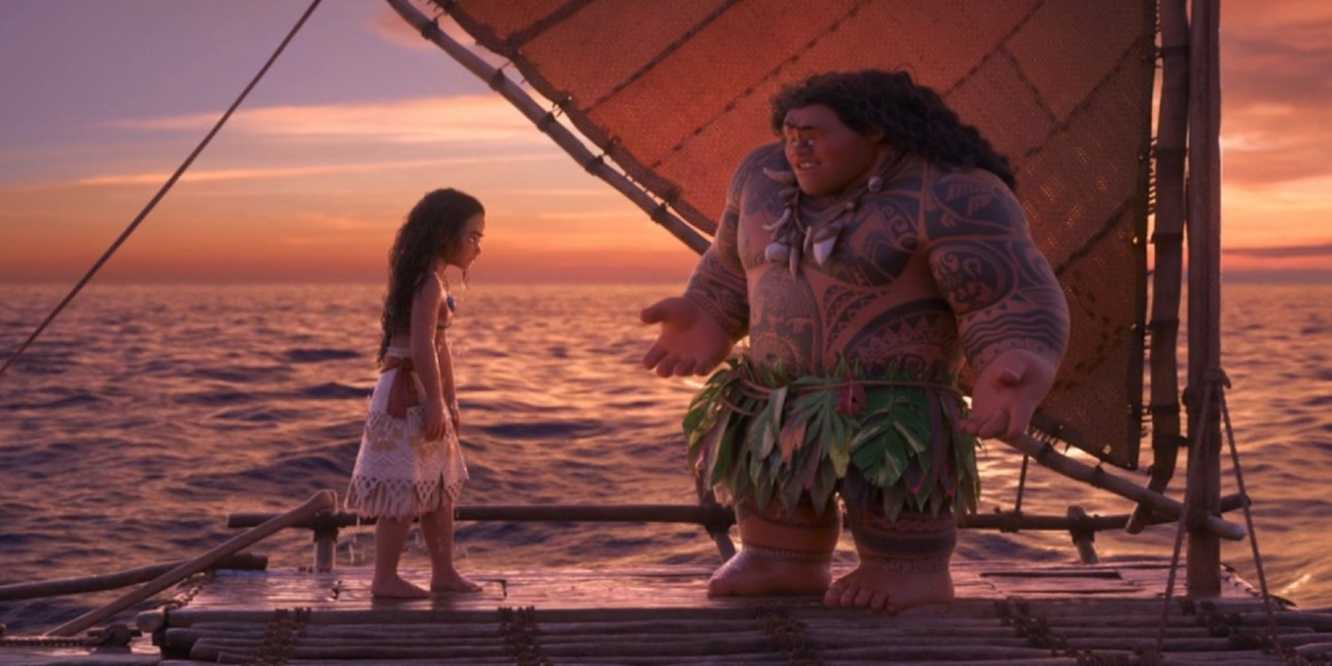


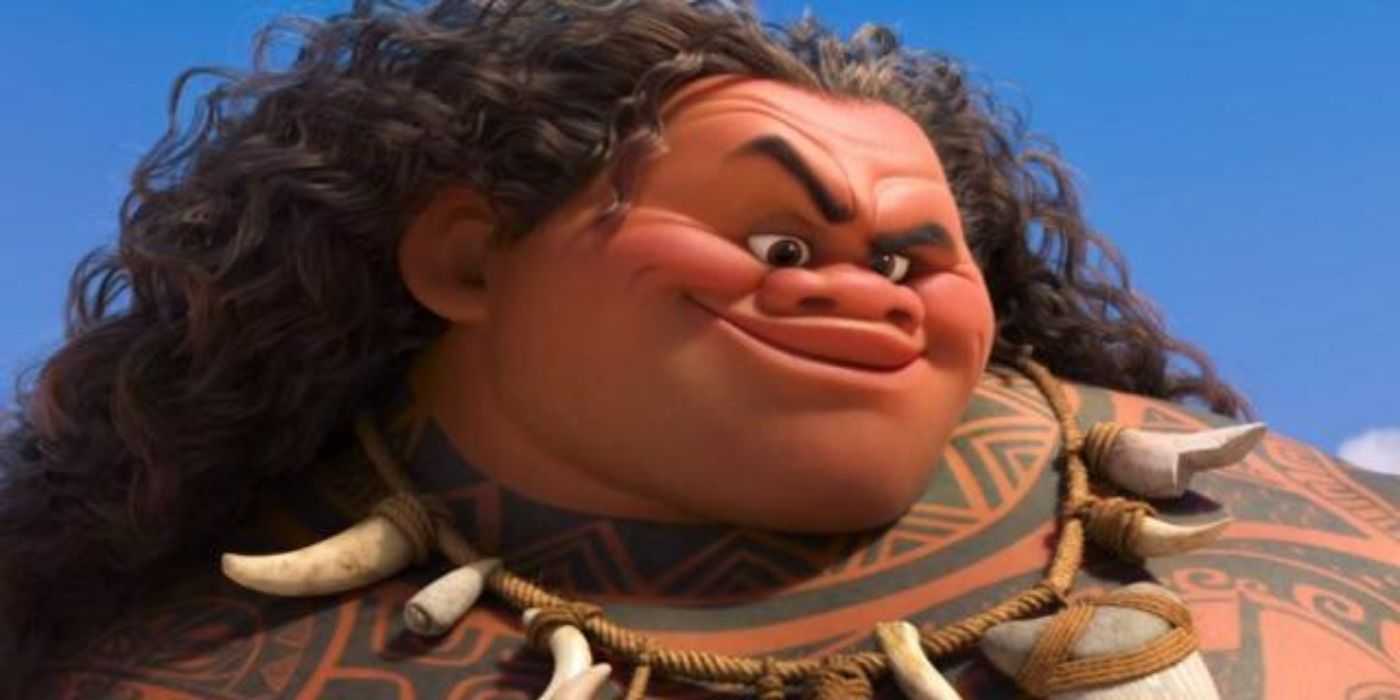
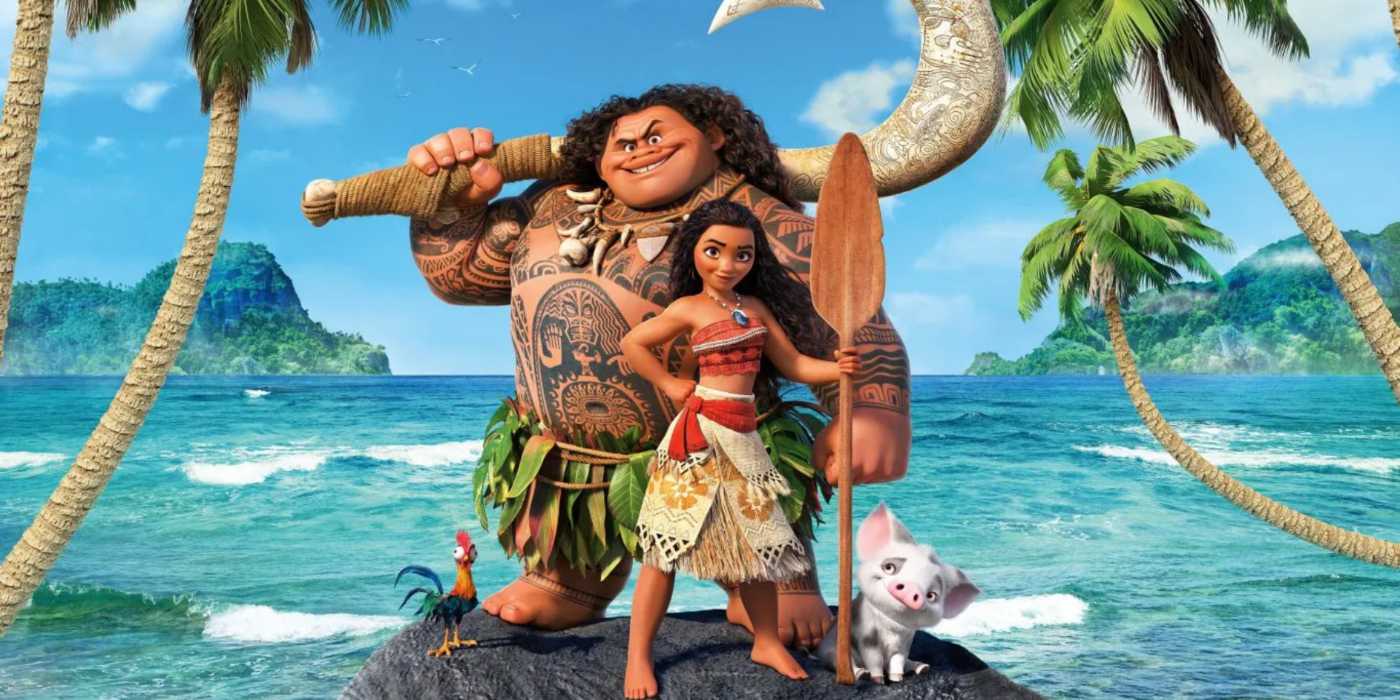
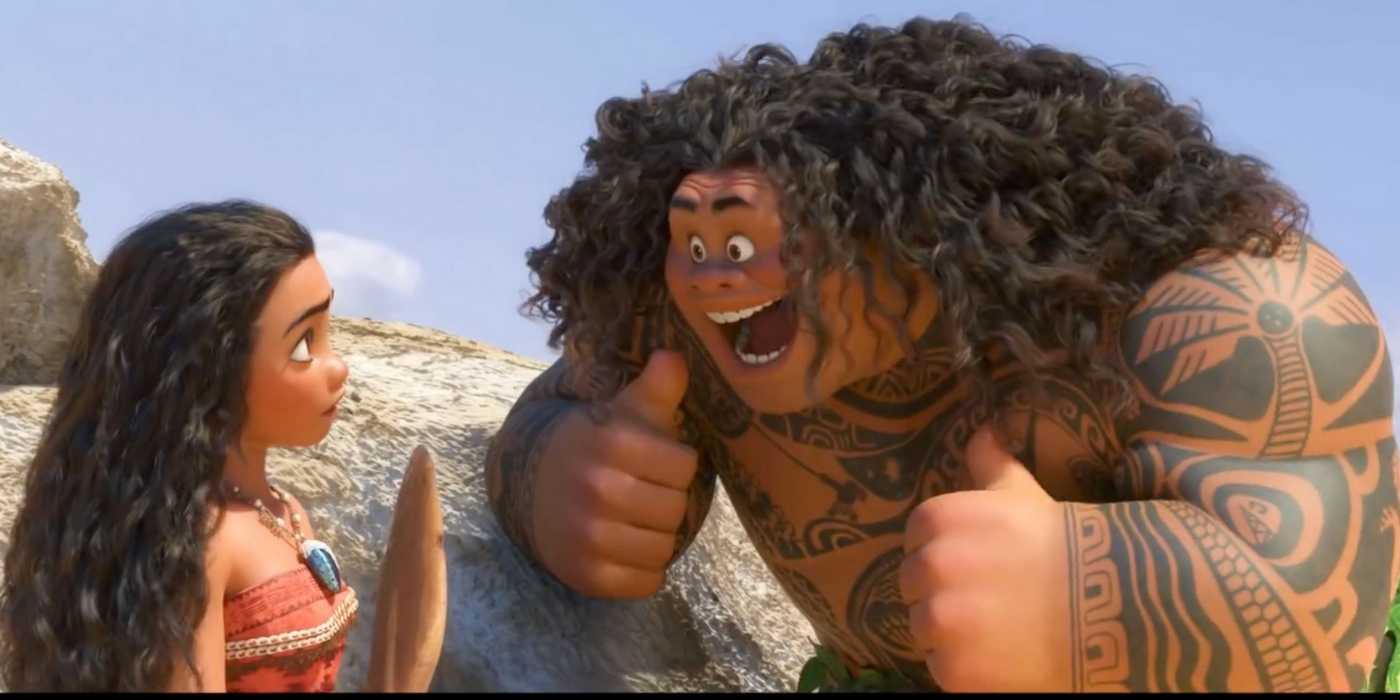
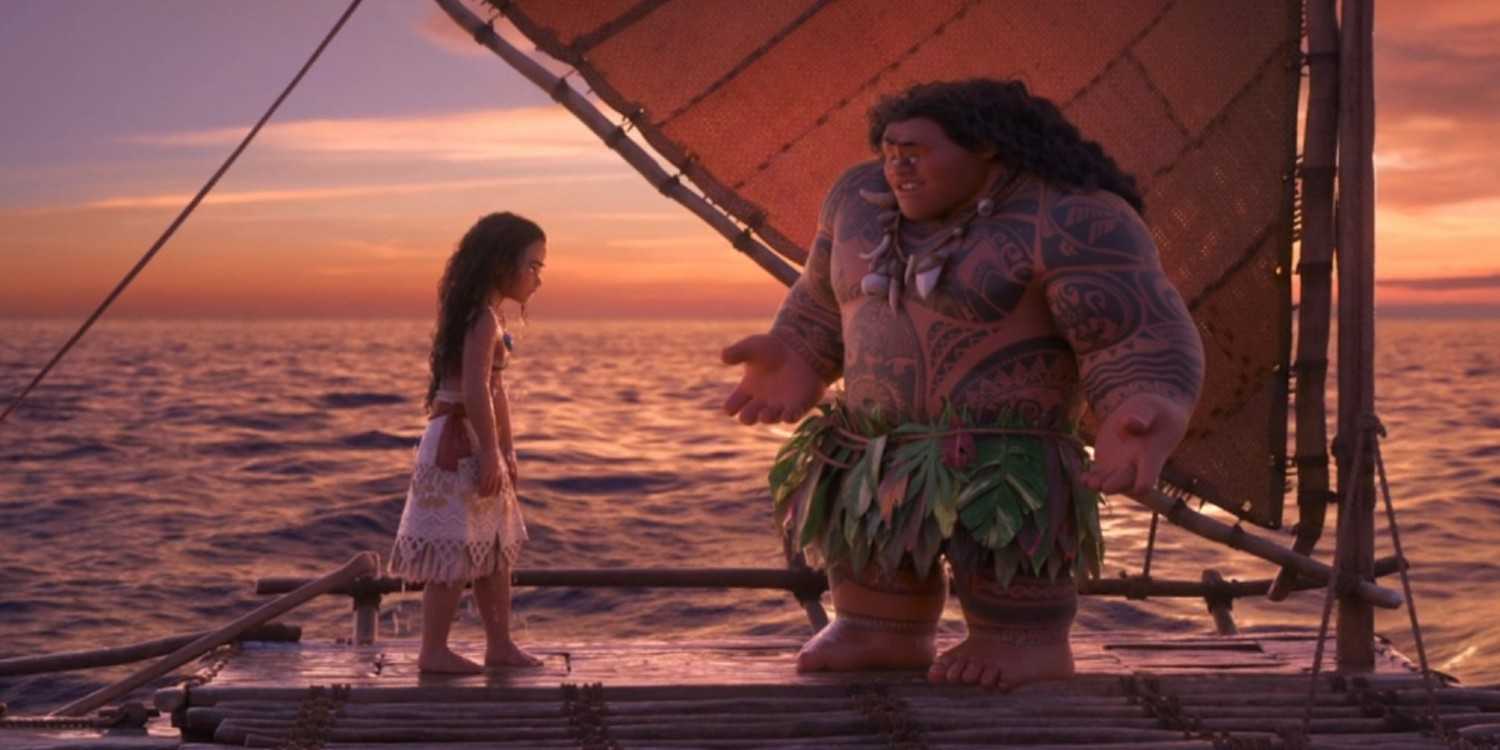
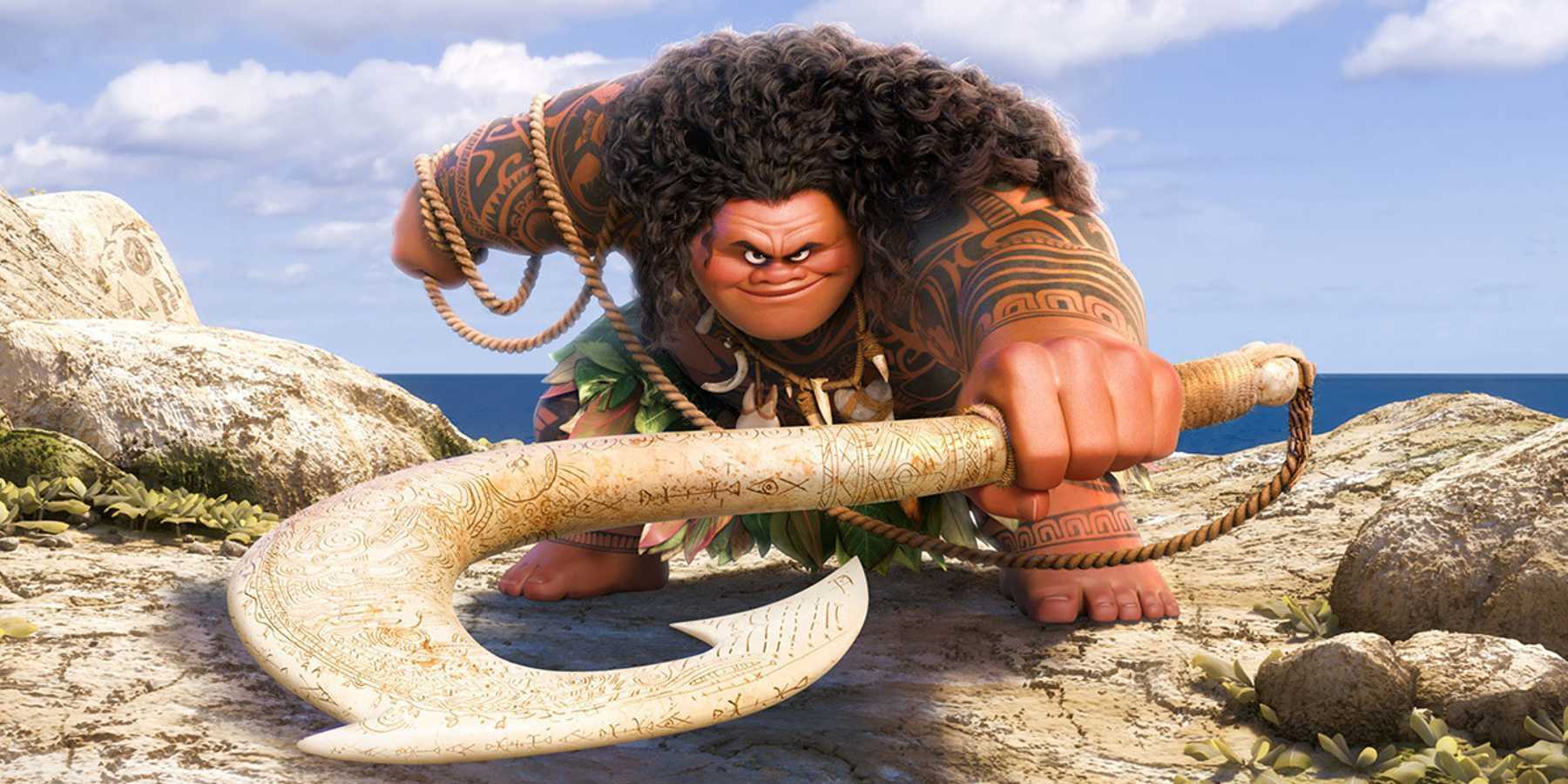
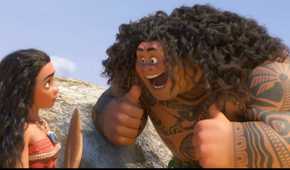
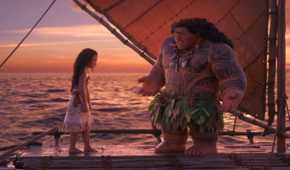
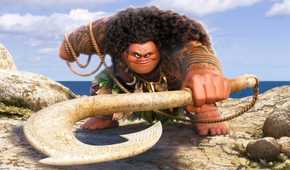
Played by Dwayne Johnson, the demigod character Maui was not only Moana's comic relief but also responsible for all the trouble that befell the humans. Shown to be a brash, arrogant, and self-centered being of not inconsiderable power, Maui was still imperfect and actually represented many of humanity's negative traits. He stole Te Fiti's heart, but he didn't consider the consequences of his actions. Just as Moana was on a quest for inner discovery, so too was Maui, who ultimately wanted to be accepted more than anything else.
Everything that Maui did from the beginning to the end of Moana was to build up his larger-than-life persona and garner praise from humanity. Maui was once a human himself, but after being abandoned in the ocean by his parents, he was given a new lease on life as a mighty demigod. Despite that seeming upgrade, Maui never overcame his rejection and spent millennia trying to gain approval from those around him. Much like she saw the good in Te Ka, Moana eventually realized that Maui should not be defined by his previous bad decisions.
Moana’s True Story
Moana Takes Place During The Long Pause

As one of Disney's most well-researched feature films, Moana's real-life inspirations are numerous and primarily drawn from the annals of Polynesian folklore. However, the film's primary basis is an actual period in Polynesian history that has somewhat baffled historians and anthropologists. Referred to as "The Long Pause," Moana takes place during a nearly 1,000-year period in the ancient Polynesian timeline in which the historically seafaring people spent a millennium colonizing islands instead of expanding across the sea.
While researchers are unsure why, the 2016 Disney movie used the gray area of an ancient historical mystery to dream up its epic plot about Maui, Te Fiti, and the heart. Moana isn't a true story - the long pause wasn't ended by a single person - but it still uses real history incredibly well.
Moana’s Original Ending Explained
Maui Had To Save The Day For Moana

Though Moana defied Disney Princess tradition, which garnered much praise for the film and characters, the original Moana ending almost completely went back on all the ground that was gained. According to Cinema Blend, it wasn't Moana who saved the day in the original ending, but it was her demigod friend and ally Maui. While the idea of Maui putting things right does bring the character full circle, it ultimately detracts from the title character and makes her seem much less important.
The original script had Maui being so moved by Moana that he lifted up an island where he had never lifted up an island.
The film's directors, Ron Clements and John Musker, were overruled by many of the female members of their production staff, and the decision to scrap that ending was ultimately sound. This was a good decision, as the Moana ending as a key reason the film became so beloved, and so celebrated for upending the typical Disney princess trope of having a male character save the day.
The Real Meaning Of Moana’s Ending
Moana Helps Her People Move Forward

The ending of Moana serves a two-fold purpose for the story, as not only does it see the hero win in the end and free her people from the encroaching blight, but it also pays off the themes established throughout. From the beginning, Moana is curious about the world around her; she wants to know more, which causes a stir within the conservative leadership of her village, especially her father. That curiosity eventually leads her on the quest to return the heart and return her people to where they truly belonged as seafarers.
The residents of Motunui were allowing the past to define their future, and it was causing stagnation and rot within their crops and symbolically within their very souls. Much in the same way that Te Ka was Te Fiti after a millennium of pain, Motunui's troubled past represents them in the present. The Moana ending sees the title character overcome her fear and trust Te Ka, and in doing so, she shows the pain of the past didn't have to define someone in the future, an attitude that frees Te Fiti from her own pain and frees her people from their stagnant beliefs.
How The Moana Ending Was Received
Moana Being The Hero Of Her Own Adventure Was Key To The Movie's Success

Moana explained a great deal to Disney about what modern audiences look for in their films, as it was one of the most successful animated features that House of Mouse has released in decades. The ending of Moana was key to the overwhelming positive response, too. The 2016 Disney movie raked in a staggering $687million at the box office against a budget of $150-175million (via Box Office Mojo), and Moana still holds a 95% critical score and 89% audience score on Rotten Tomatoes. The success of Moana is impossible to deny, and it's no surprise that Disney eventually optioned the sequel, Moana 2.
However, Moana's success wasn't just when it was considered a new Disney film. It's gone on to have a lasting legacy, which it has the ending (among other things) to thank for. Moana was the most streamed movie in 2023, not just on Disney+, but on all platforms, which proves its rewatch value and the strength of the ending (it wouldn't be a story viewers were so keen to revisit if it ended on a disappointing note, after all). While the many catchy musical numbers are also undoubtedly a reason Moana is a Disney movie audiences want to watch time and time again, the gripping story is just as responsible.
The reason the ending of Moana explained its success is simple - it flips many of the traditional Disney princess tropes on their head. It was Moana, not Maui, who saved the day. There was no overarching romance, and Moana herself was treated as a genuine, traditional hero throughout. This was her story, not a male character's story that simply happened to have her name as the title. Critic Nik De Semiyen sums this up well in his review for Empire, contextualizing Moana and the importance of its ending for the new modern breed of Disney princess stories:
“I am not a princess,” Moana insists. “If you wear a dress and you have an animal sidekick, you’re a princess,” fires back Maui. She does and she has, but there’s no love interest and she is every bit the equal to her big-chested, big-talking, curiously nipple-free companion. Like Frozen, it’s a progressive Disney movie that nimbly dodges outdated tropes.
How Moana's Ending Sets Up The Sequel
Moana's Ending Sets Up More Exploration
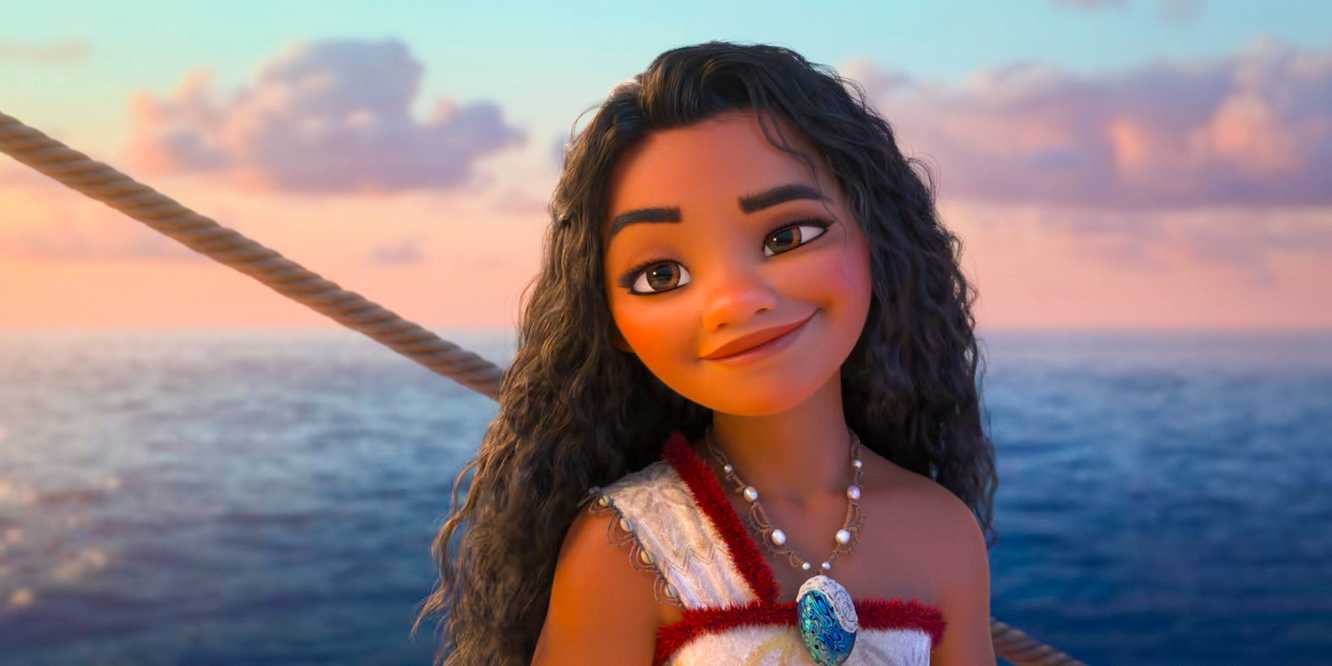
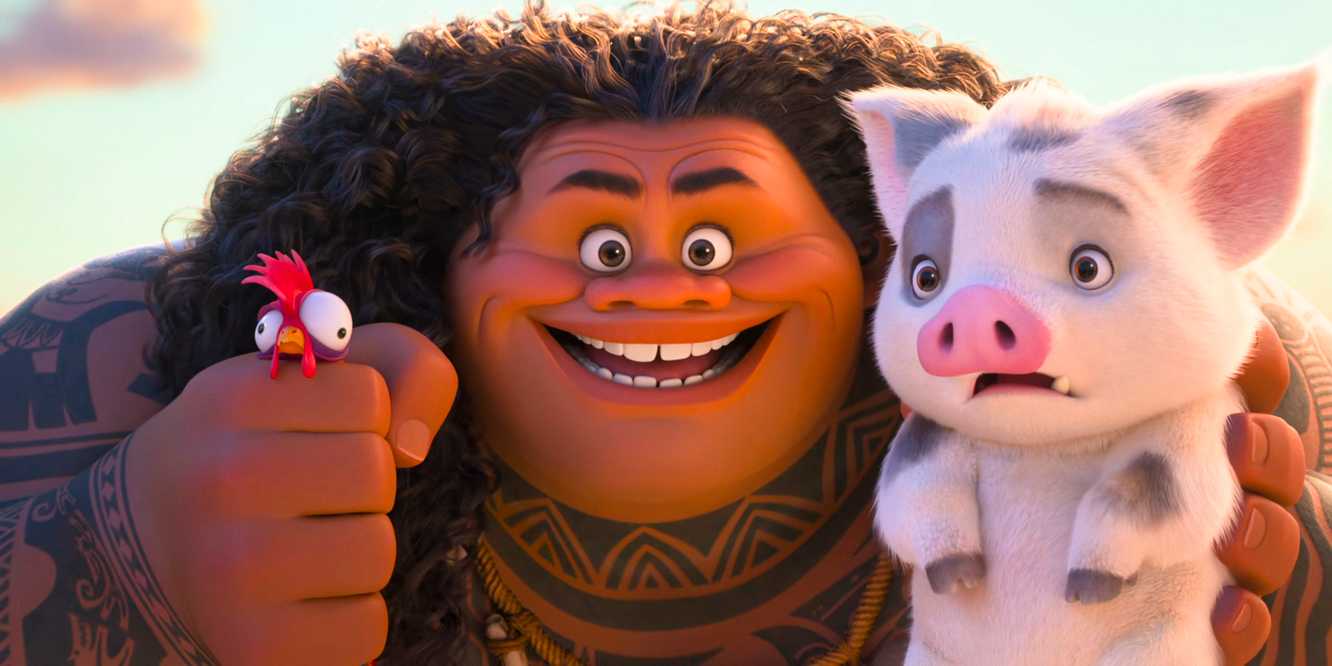
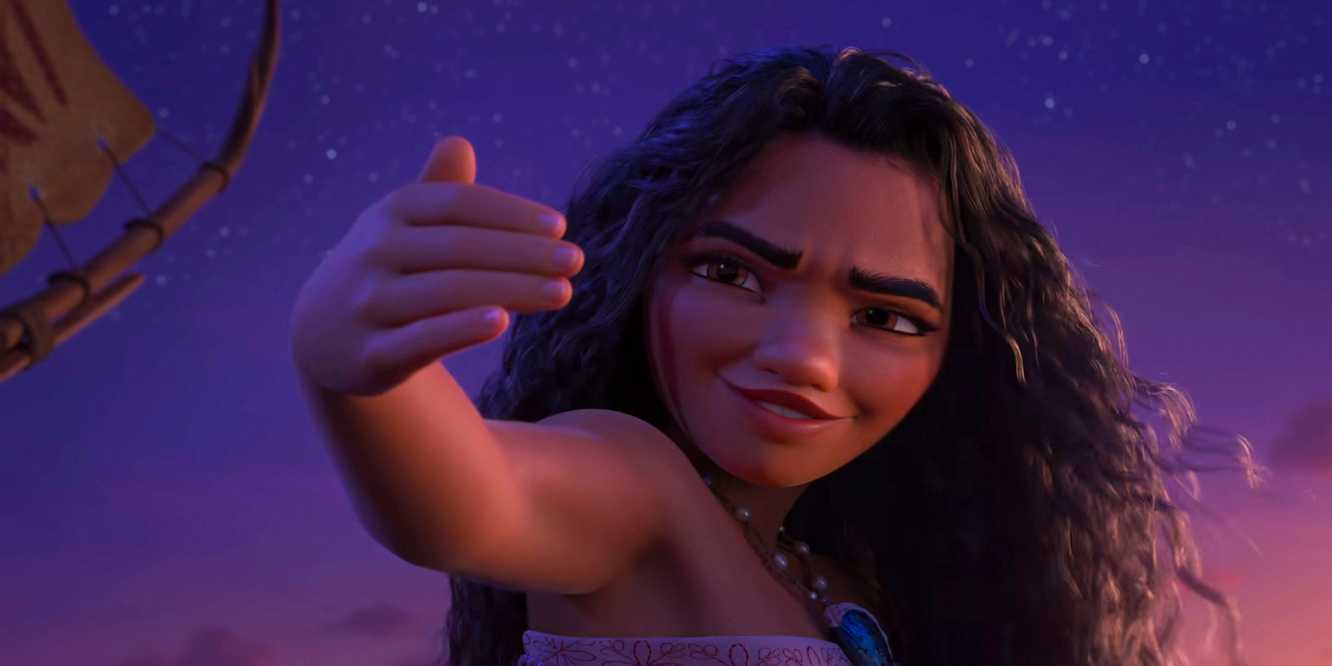
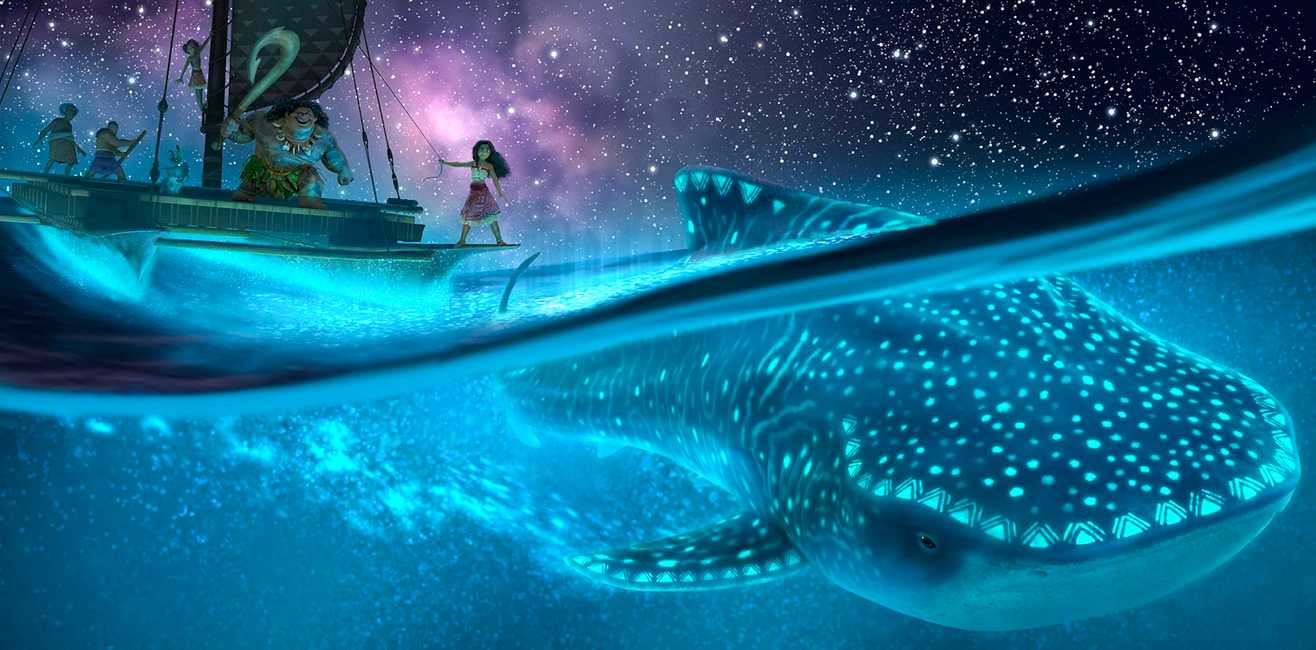
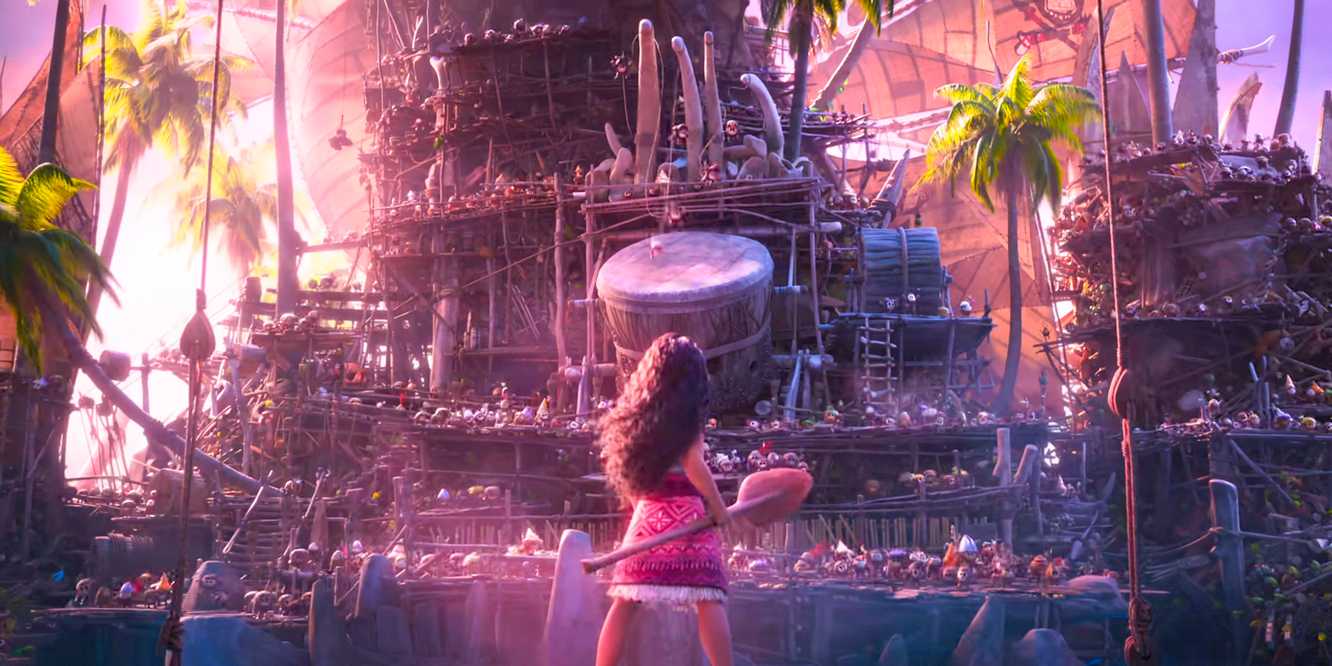


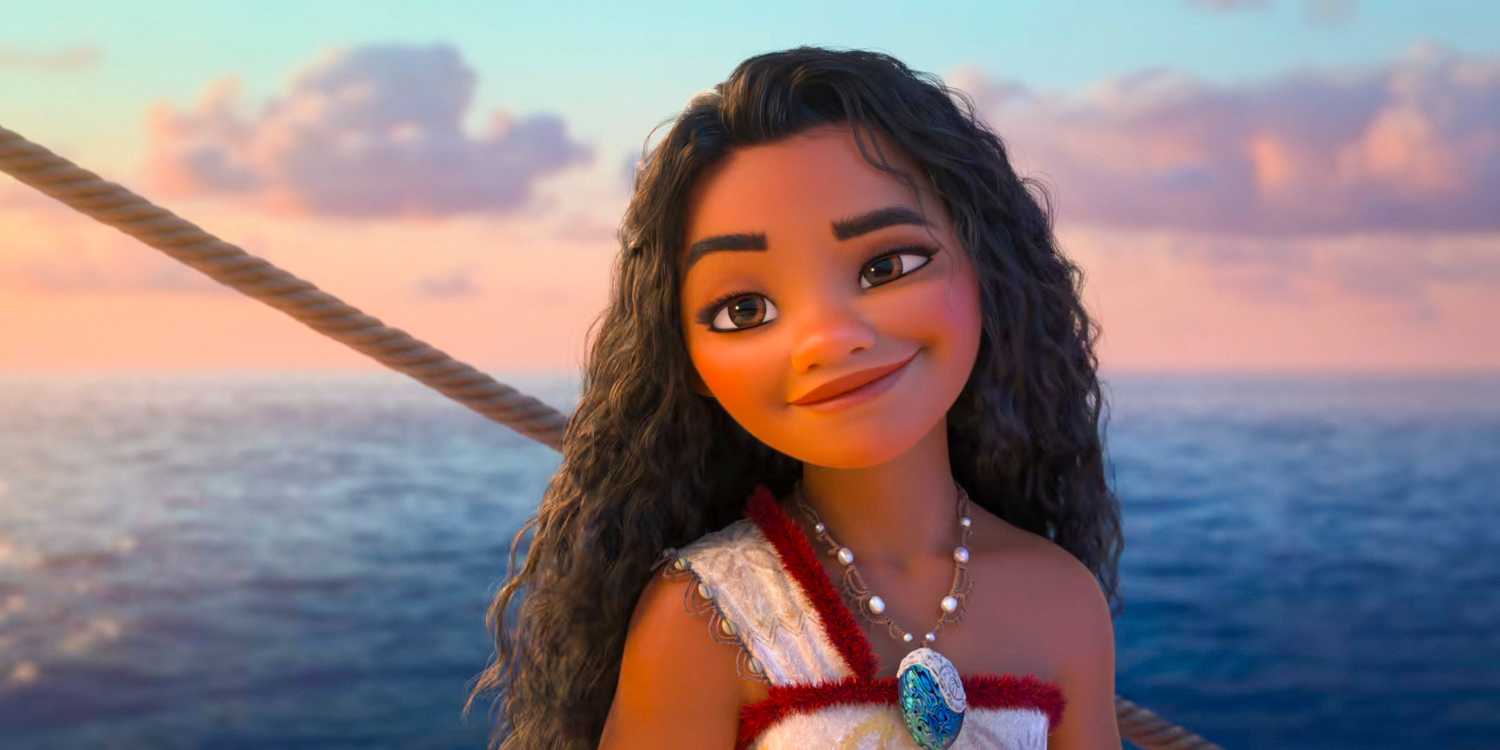
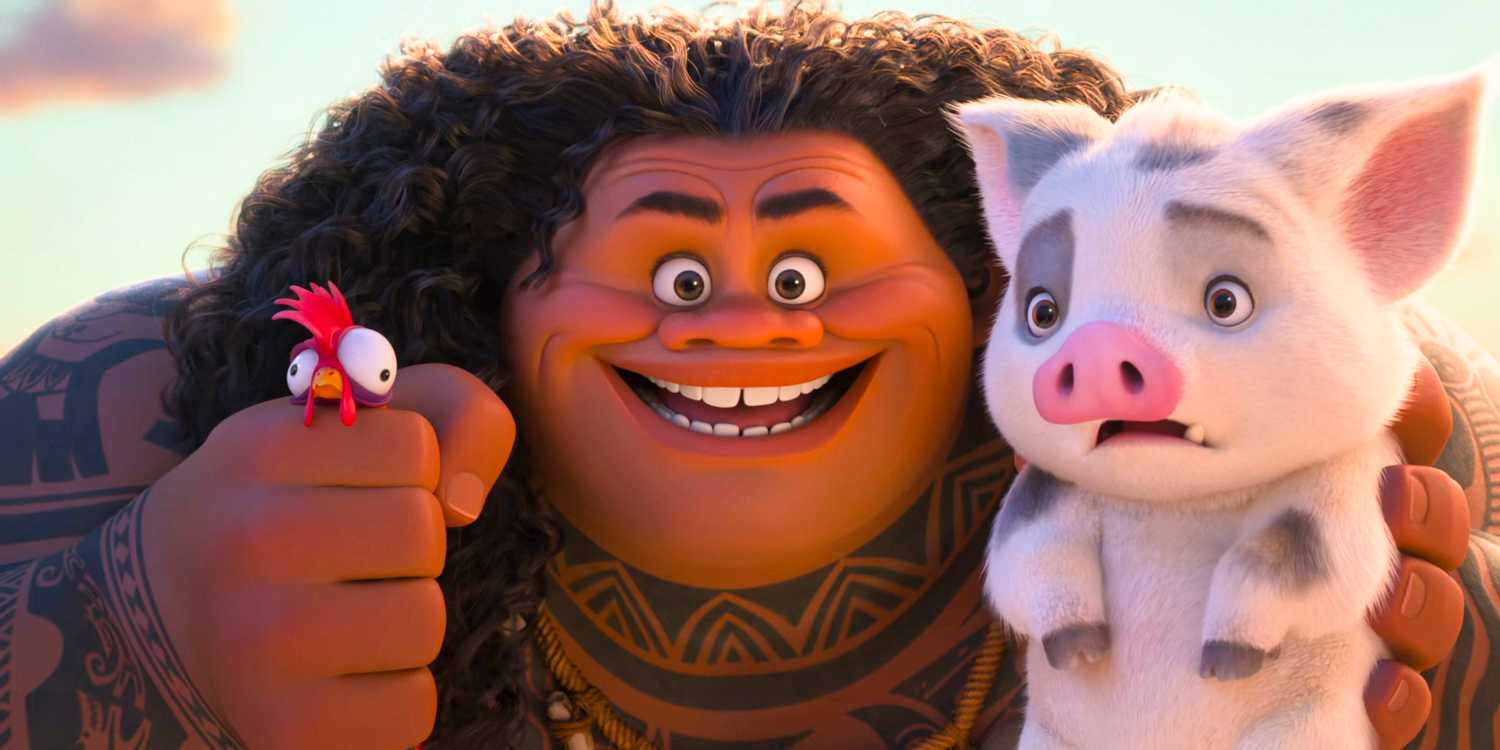
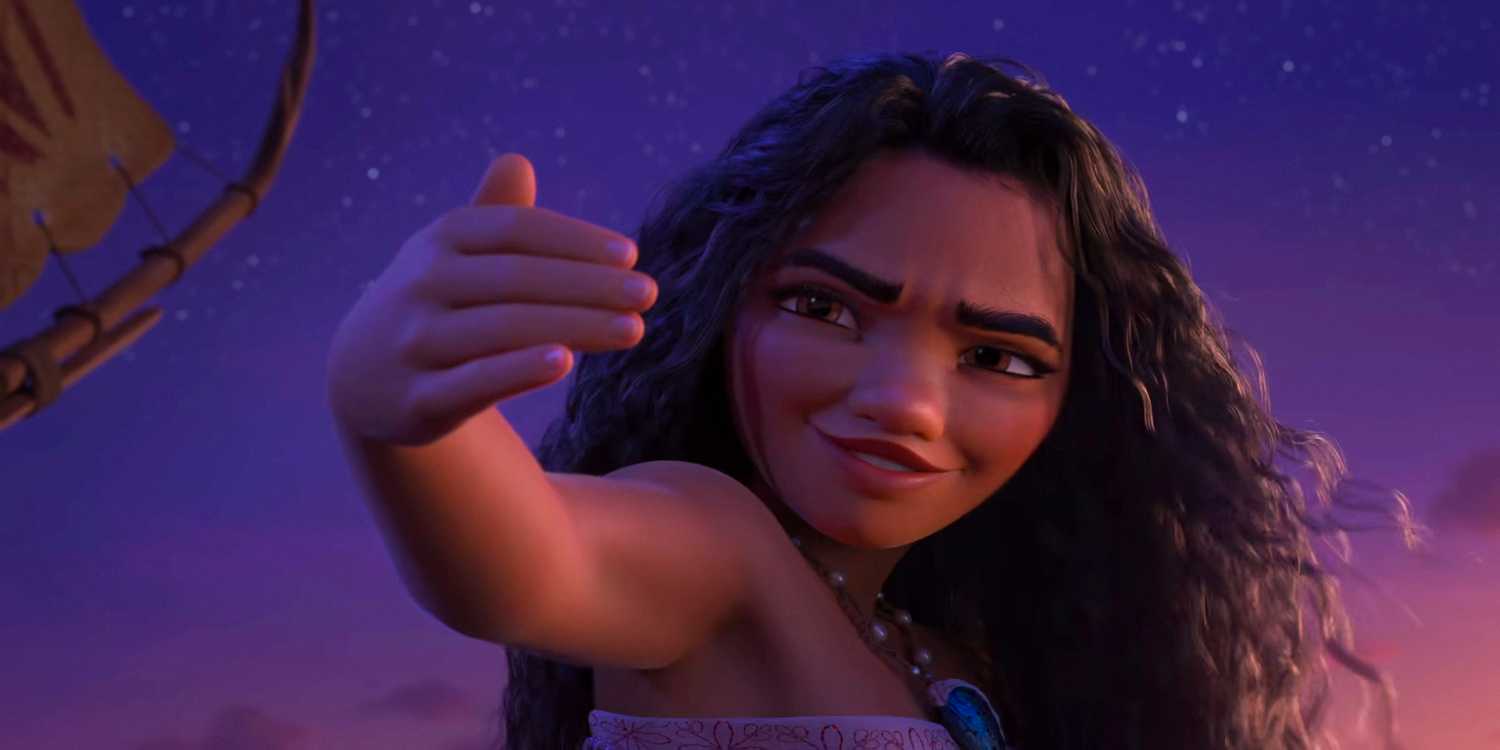
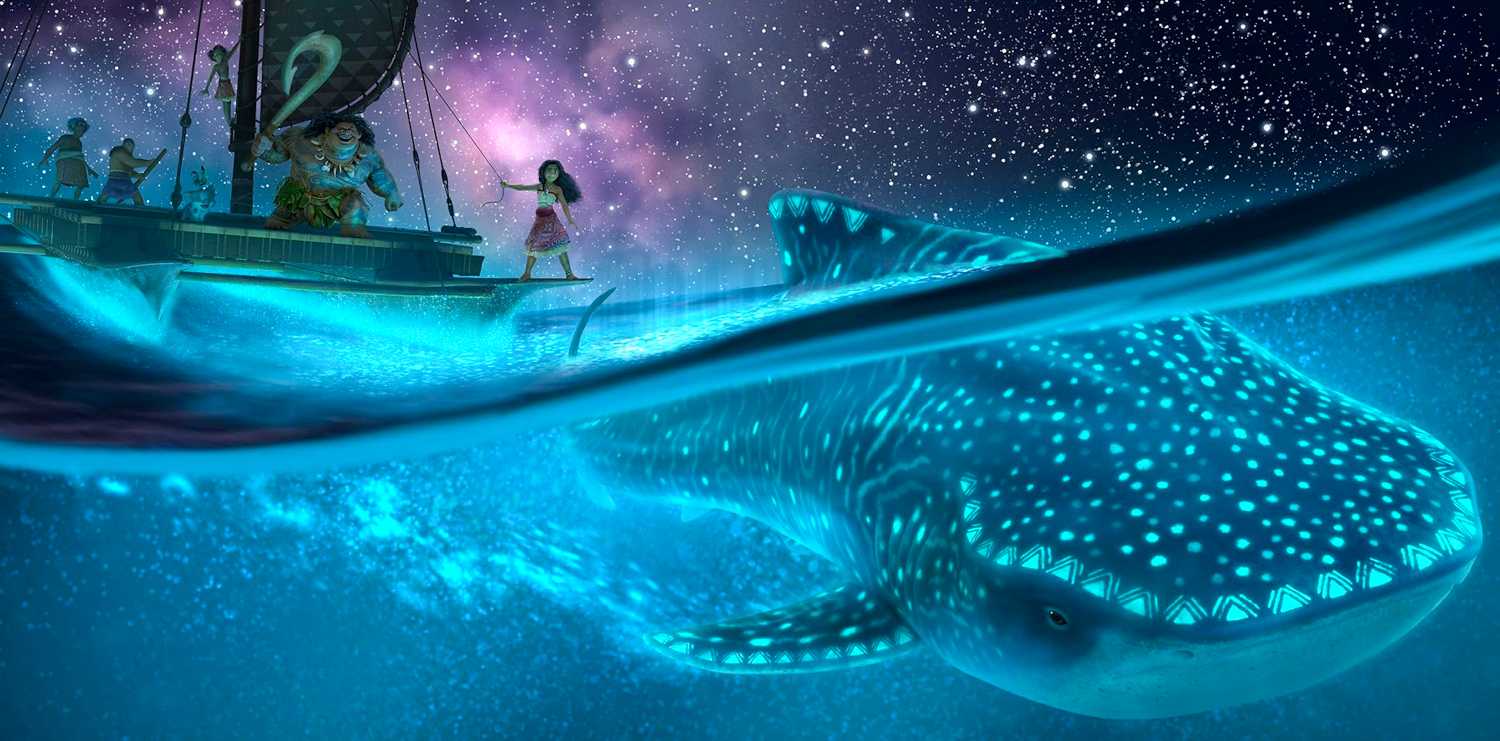 Image via Disney
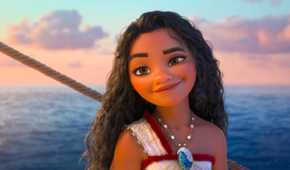
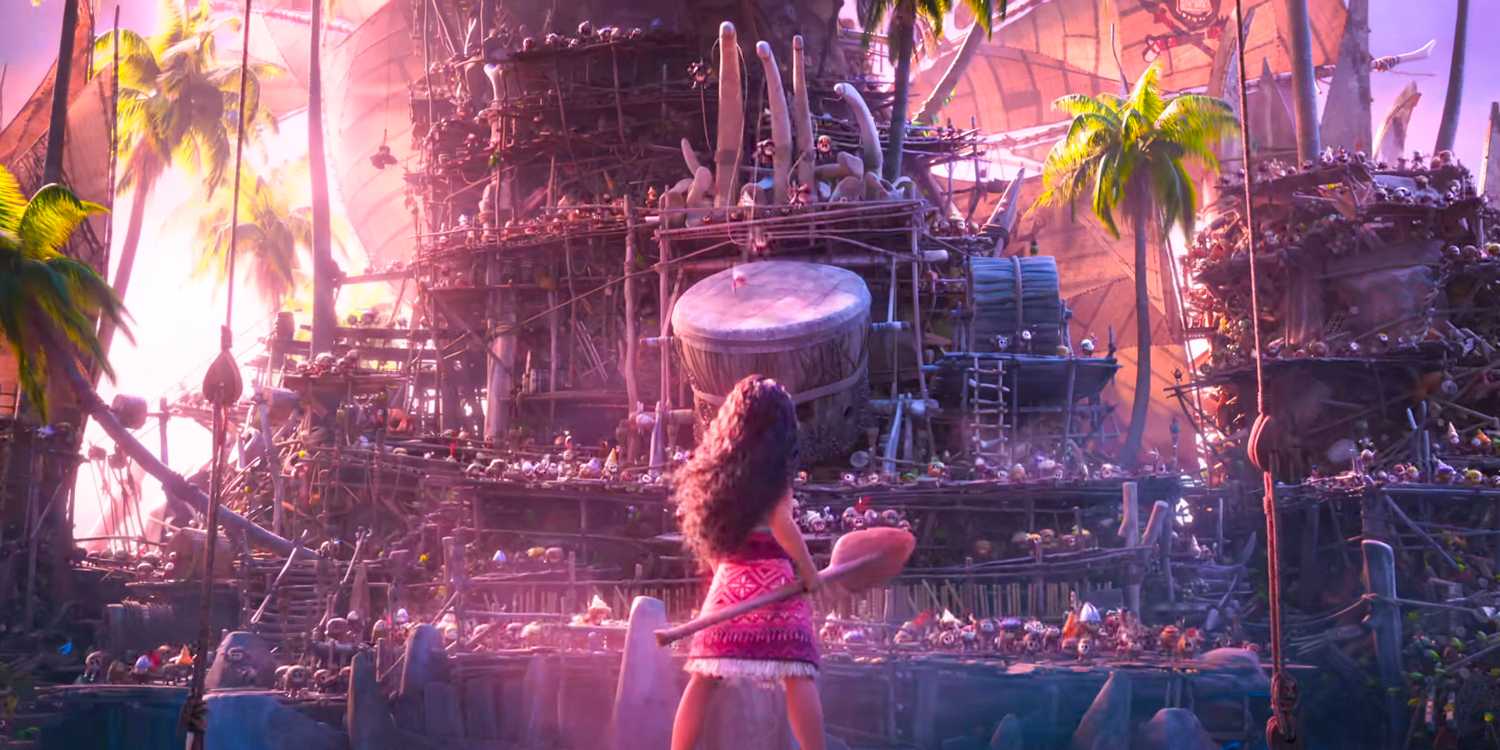 Image via Disney
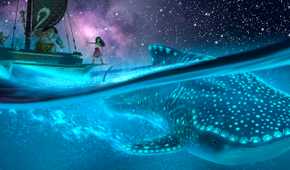
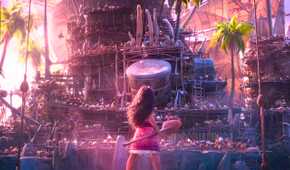
The Moana ending saw the title character teach her people, and even her own father, the chief, that they need to get back out and explore the ocean. It is their destiny and their duty to explore. Moana 2 plays off that idea, as the sequel sees Moana leading her people out to find their fellow islanders who have remained lost since they had stopped connecting with anyone outside their own island. It's vital for Moana to find and set up trade with her fellow islanders, and as she proved in the first movie, she is the perfect person for the job.
Moana 2 also confirms that Moana has a lifelong ally in Maui, who remains by her side. The two are now loyal friends, and the Moana ending shows that they can trust each other. With the ocean on her side and her experience of standing up to and saving an ancient being, the first movie's ending is a perfect launching point for Moana to do something even more difficult in Moana 2 than she did in Moana — bring her people together.


Cast
-
 Maui (voice)
-
 Auli'i CravalhoMoana (voice)
Moana is a 2016 animated film from Walt Disney Animation Studios. Set in Ancient Polynesia, the story follows the journey of a young Chieftain's daughter named Moana as she seeks the demigod Maui to lift a curse affecting her island, exploring themes of adventure and self-discovery.
- Studio(s)
- Walt Disney Pictures, Walt Disney Animation Studios
- Distributor(s)
- Walt Disney Studios Motion Pictures

