


From MASH to The Simpsons, the most successful network sitcoms in the genre's history have often gone on to shape countless imitators and successors in the years and decades after their release. The network sitcom is one of the oldest institutions on American television, dating back to 1947’s Mark Kay and Johnny and 1949’s The Goldbergs. Thanks to their relatively inexpensive production process and their widespread appeal, sitcoms have remained a staple of network TV listings in the 80 years since their inception.
However, the tone and style of American network sitcoms were altered irrevocably throughout this time. As of The Simpsons season 36’s finale, the show is the longest-running scripted primetime American TV show in history. However, even its 35-year history accounts for less than half of the network sitcom’s time on TV. From the early years of I Love Lucy, to the innovations of MASH and All in the Family in the ‘70s, to the first postmodern sitcoms of the ‘90s, this TV staple has changed its face countless times over the decades.
10 I Love Lucy
Lucille Ball’s Show Paved The Way For Countless Later Sitcoms


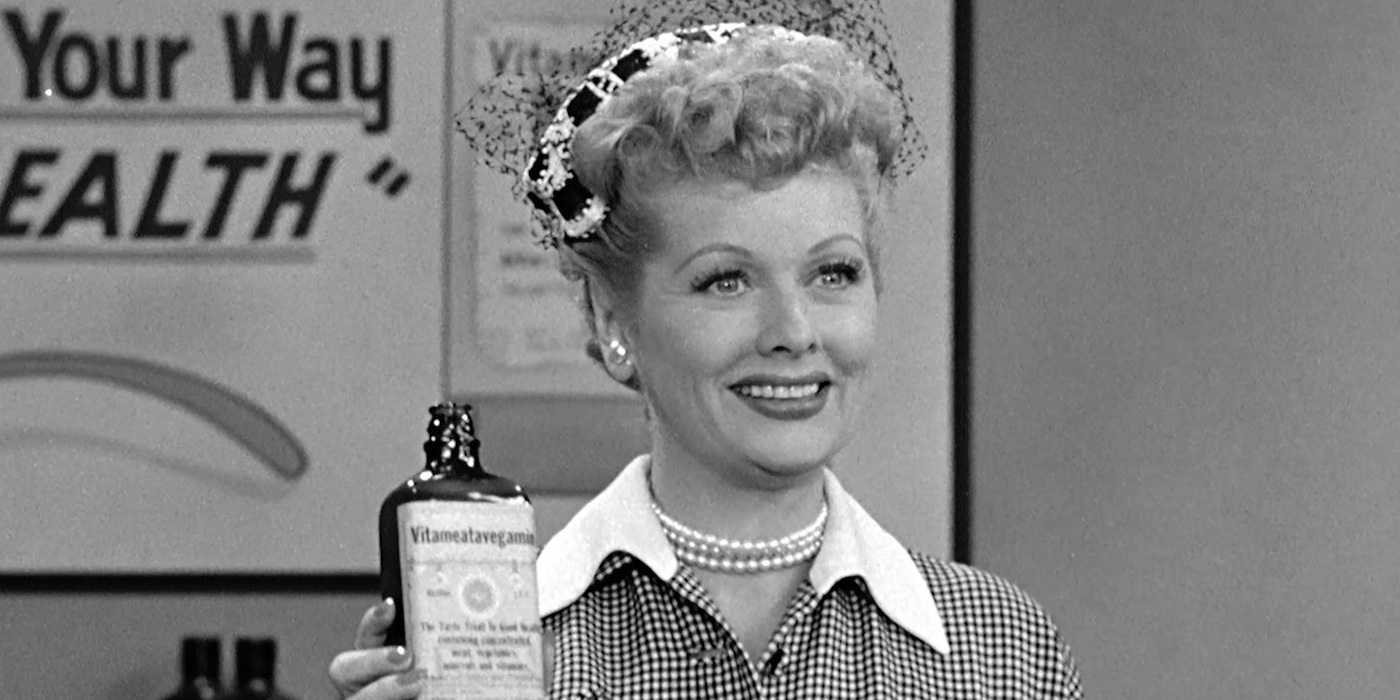
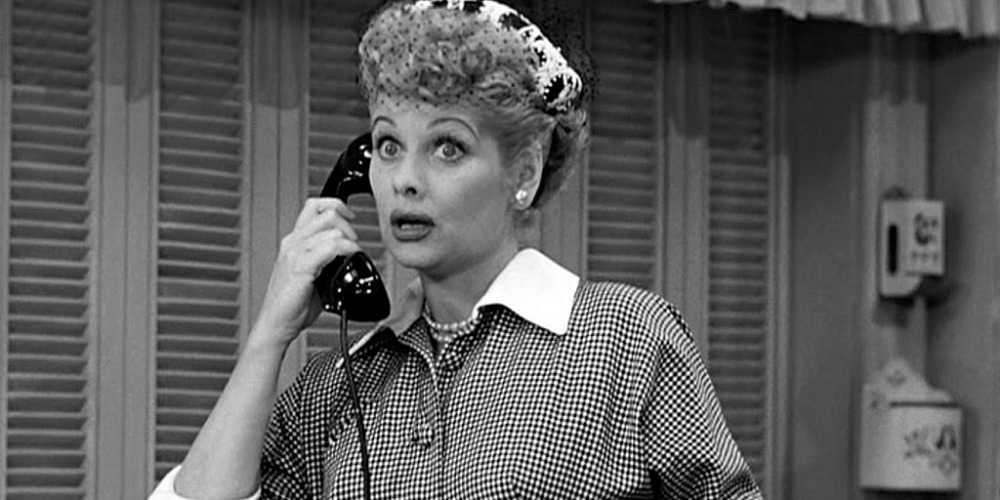
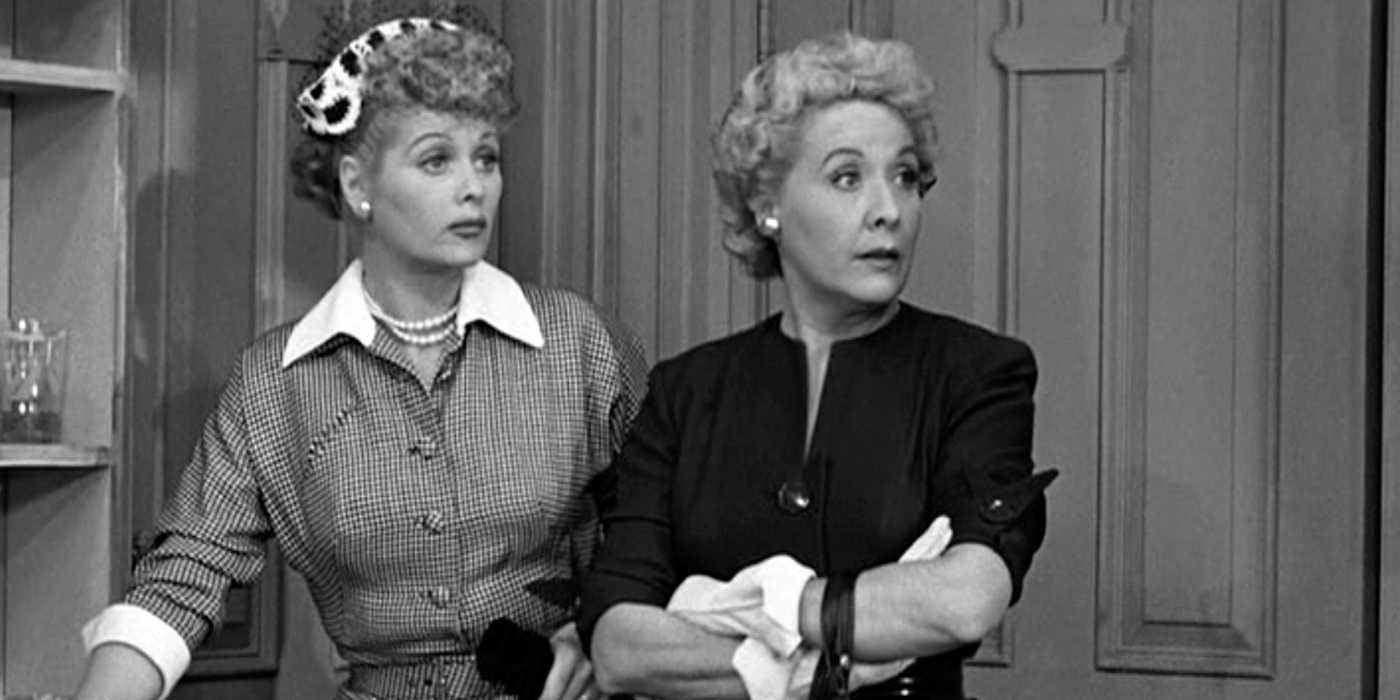
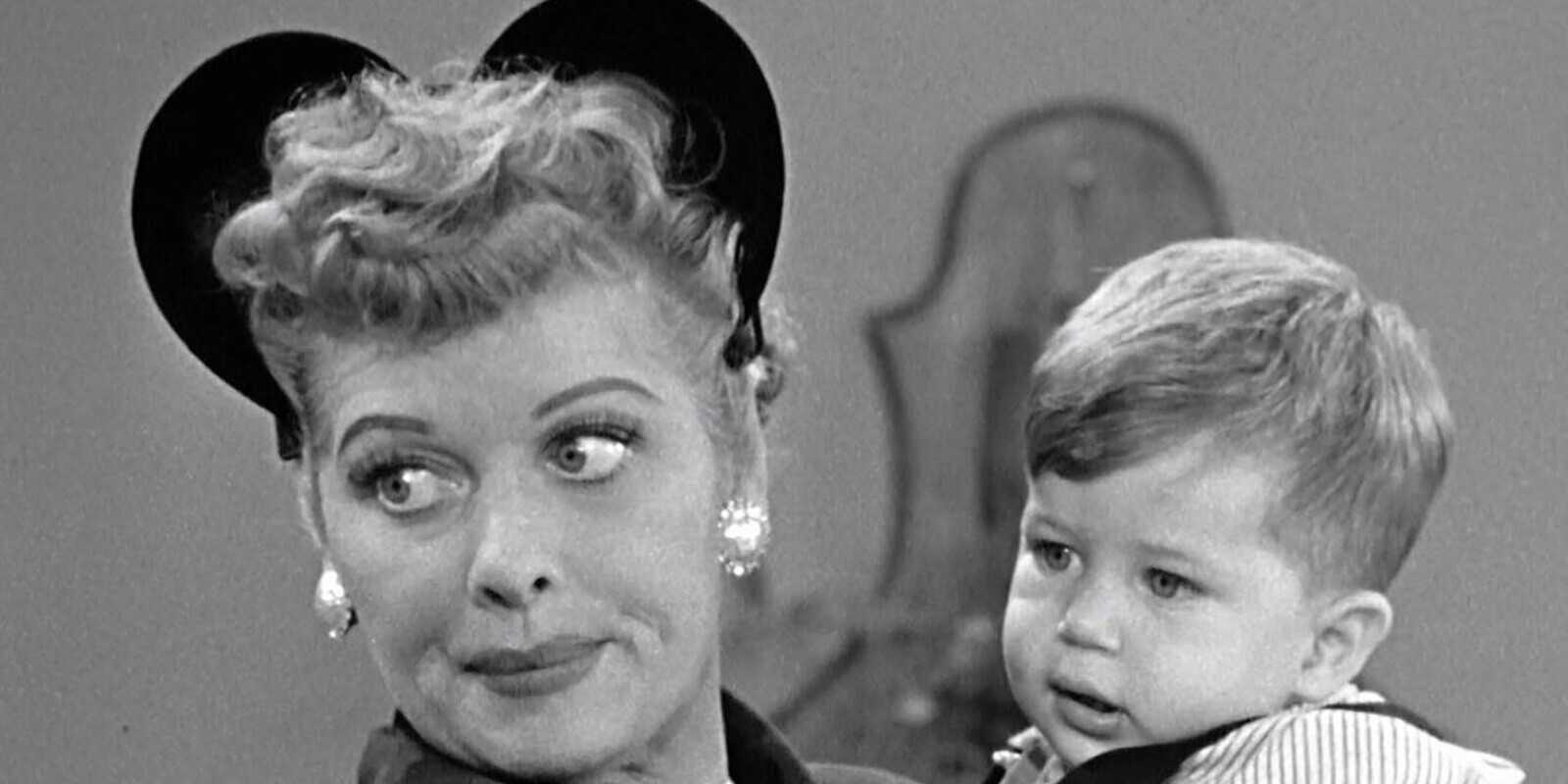
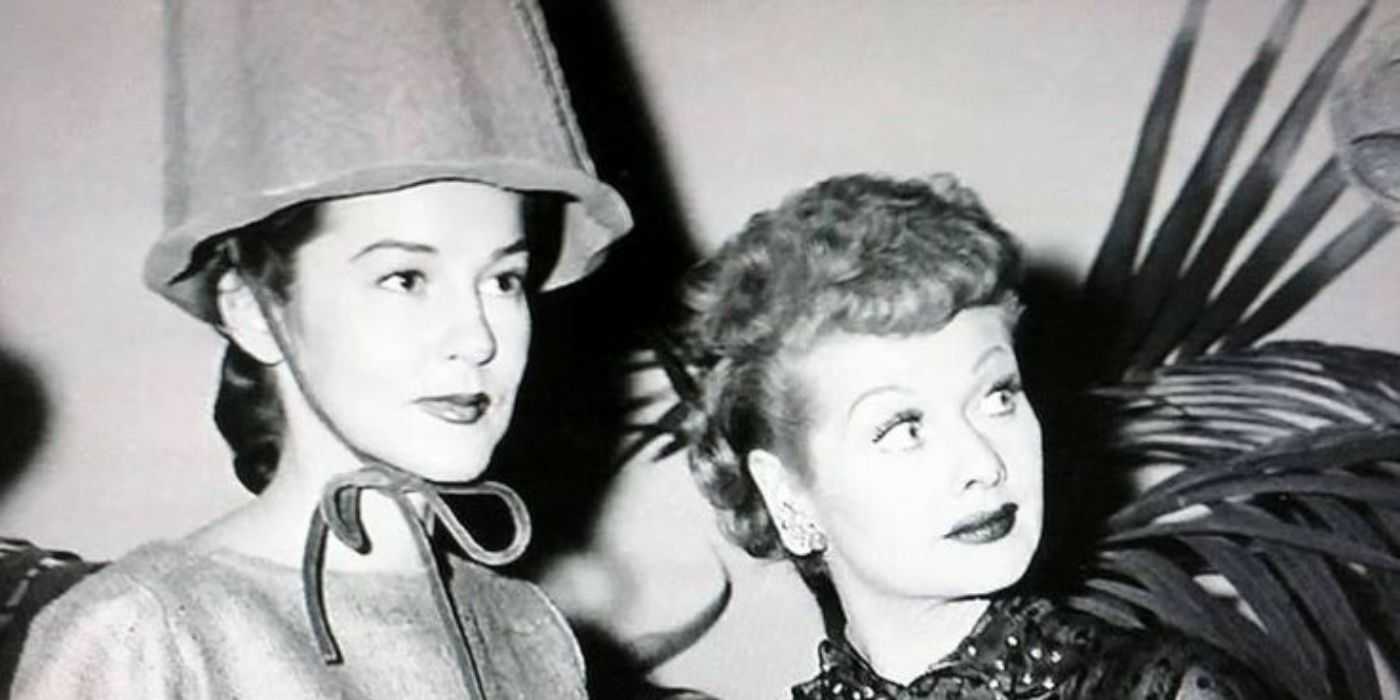
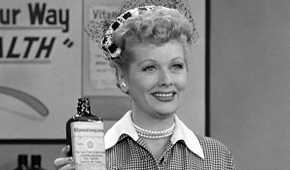
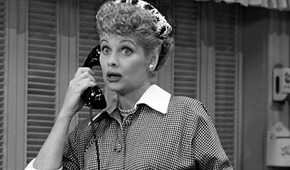
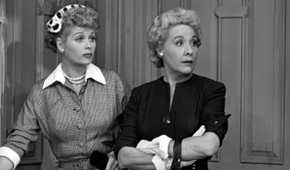
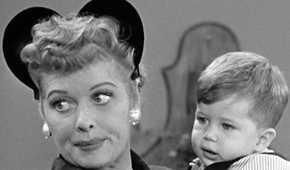
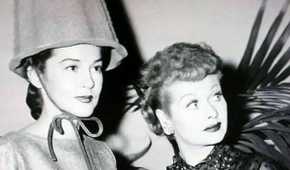
Running from 1951 until 1957, I Love Lucy was the most-watched show in the United States in four of its six seasons and one of the earliest formative influences on American sitcoms. Following Lucille Ball’s titular homemaker Lucy Ricardo, I Love Lucy centered on her wild schemes and the reactions of her long-suffering husband, Desi Arnaz’s Ricky Ricardo.
I Love Lucy’s success resulted in a slew of later female-led sitcoms such as The Mary Tyler Moore Show, Bewitched, and, in later decades, The Nanny, Reba, and The Mindy Project.
One of I Love Lucy’s most notable innovations was the decision to center a female heroine. This eventually resulted in a slew of later female-led sitcoms such as The Mary Tyler Moore Show, Bewitched, and, in later decades, The Nanny, Reba, and The Mindy Project.
9 MASH
The Biggest Sitcom Ever Remains The Greatest Workplace Comedy


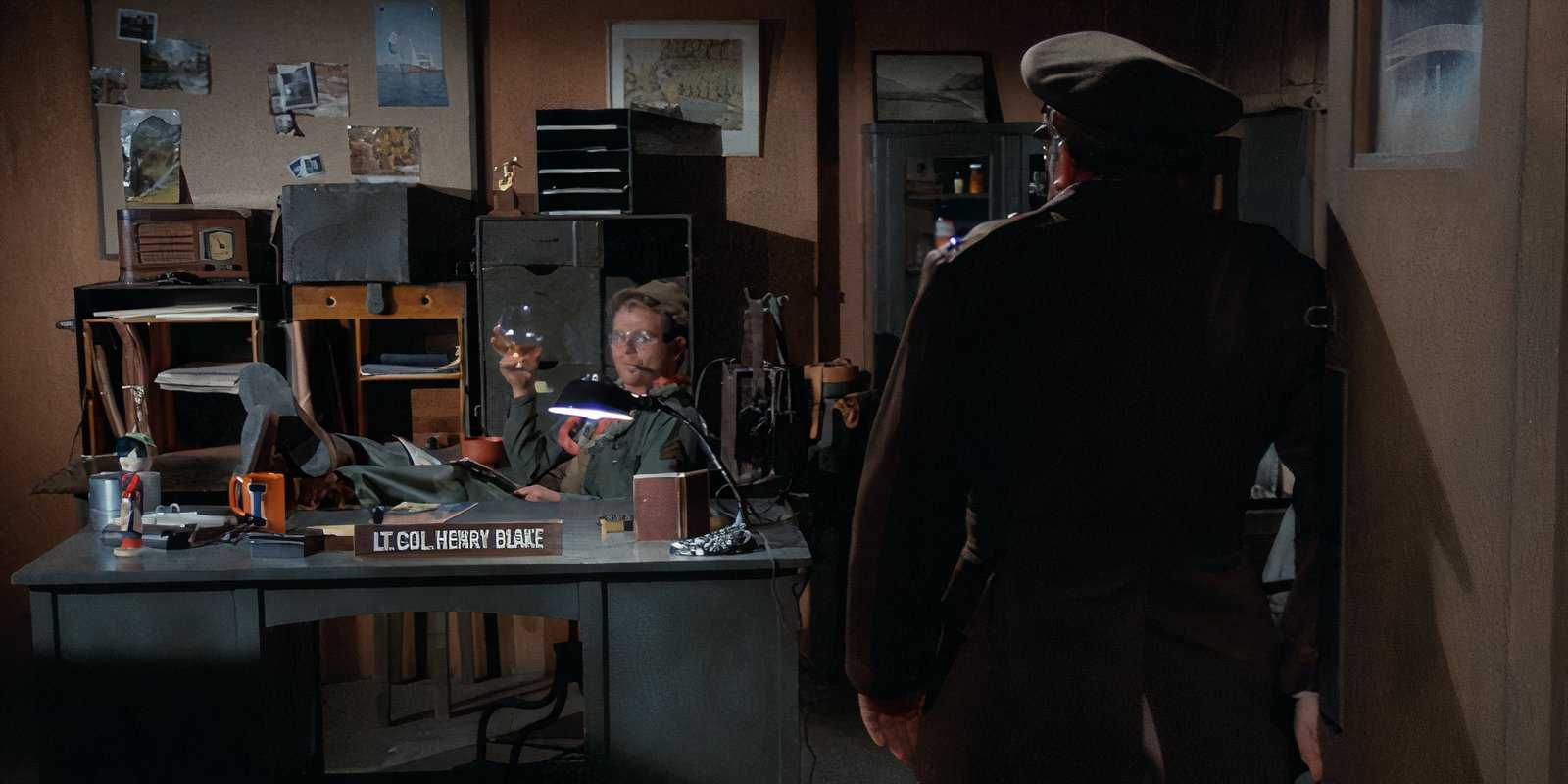
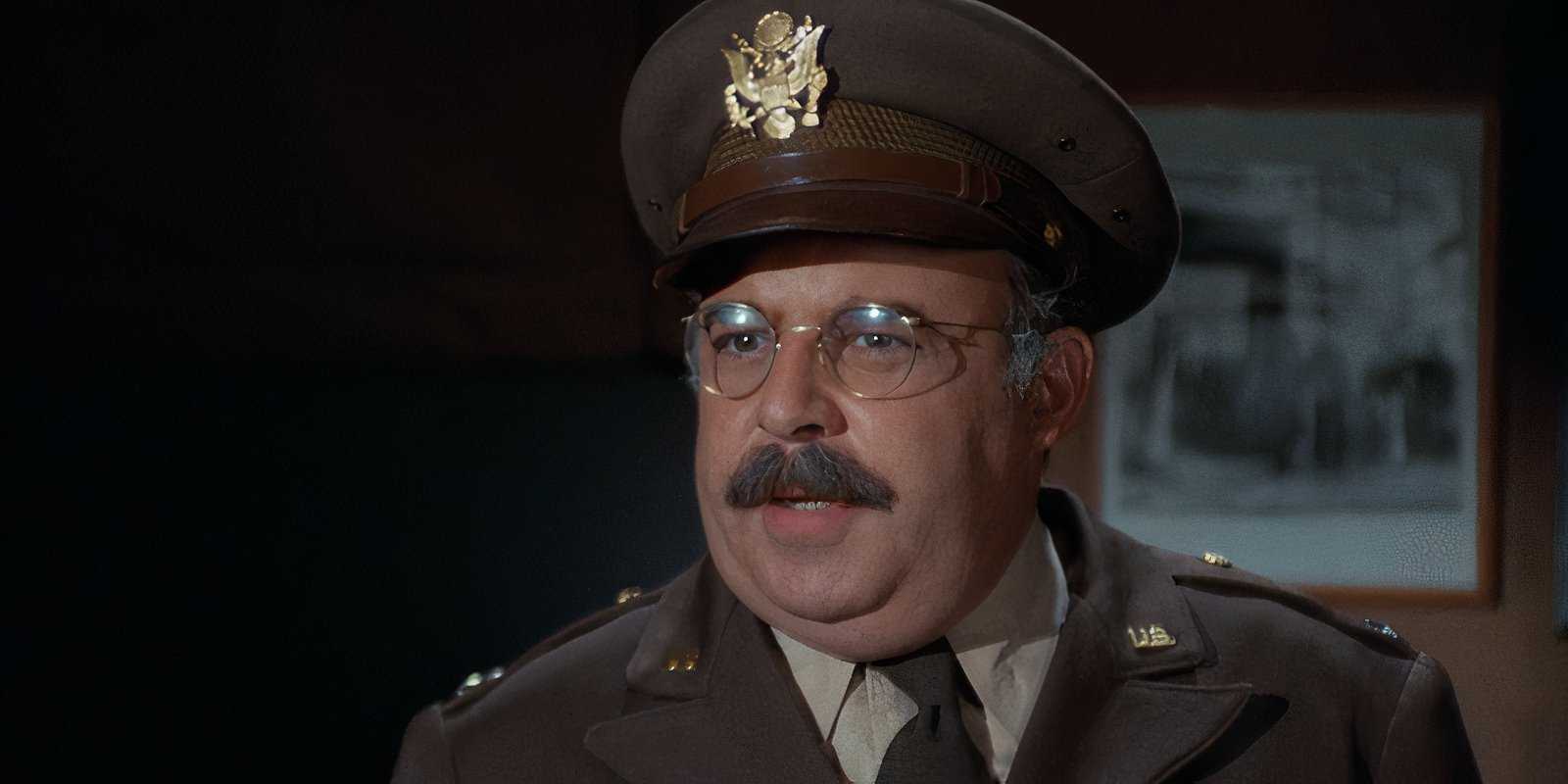
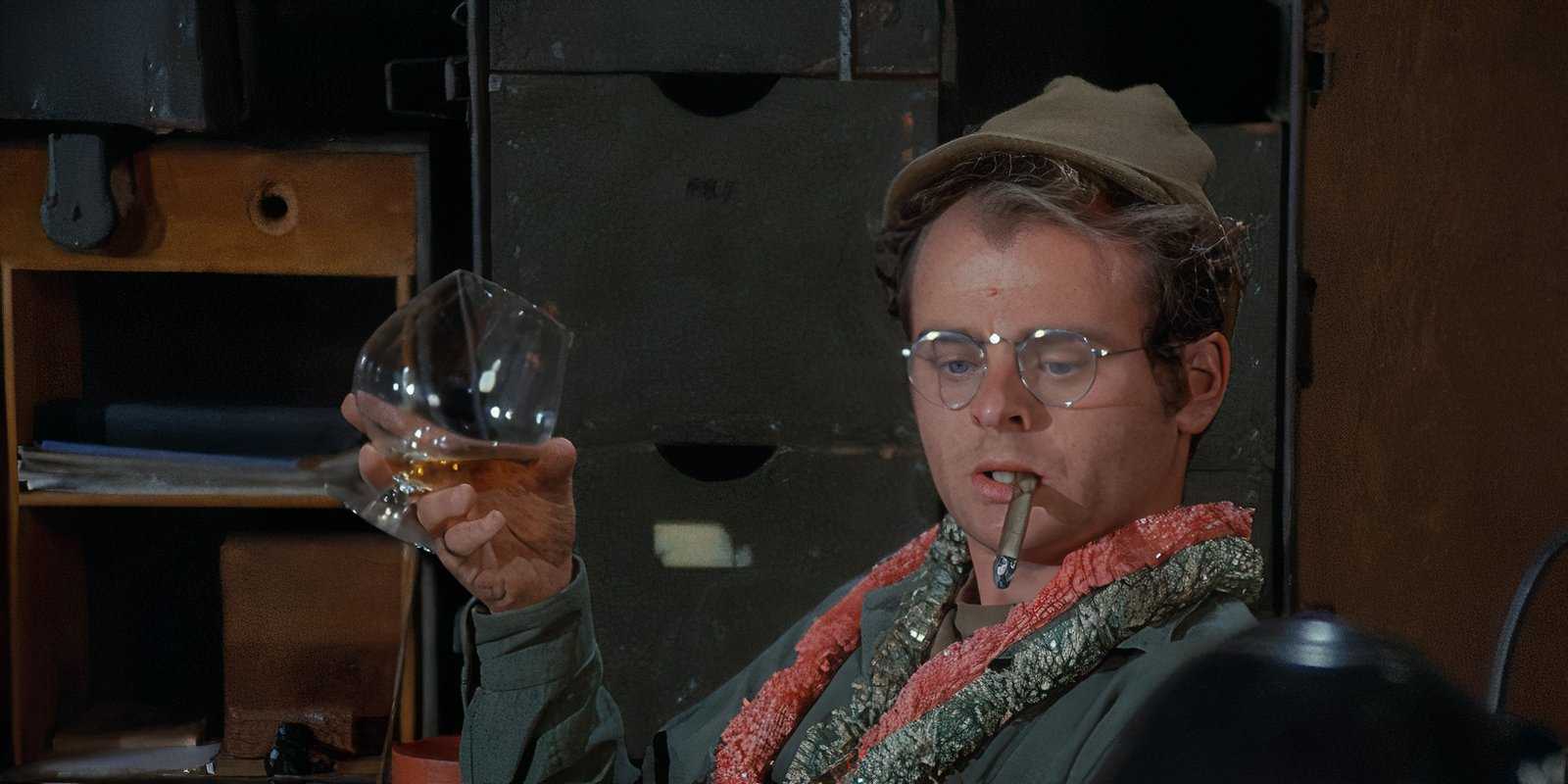
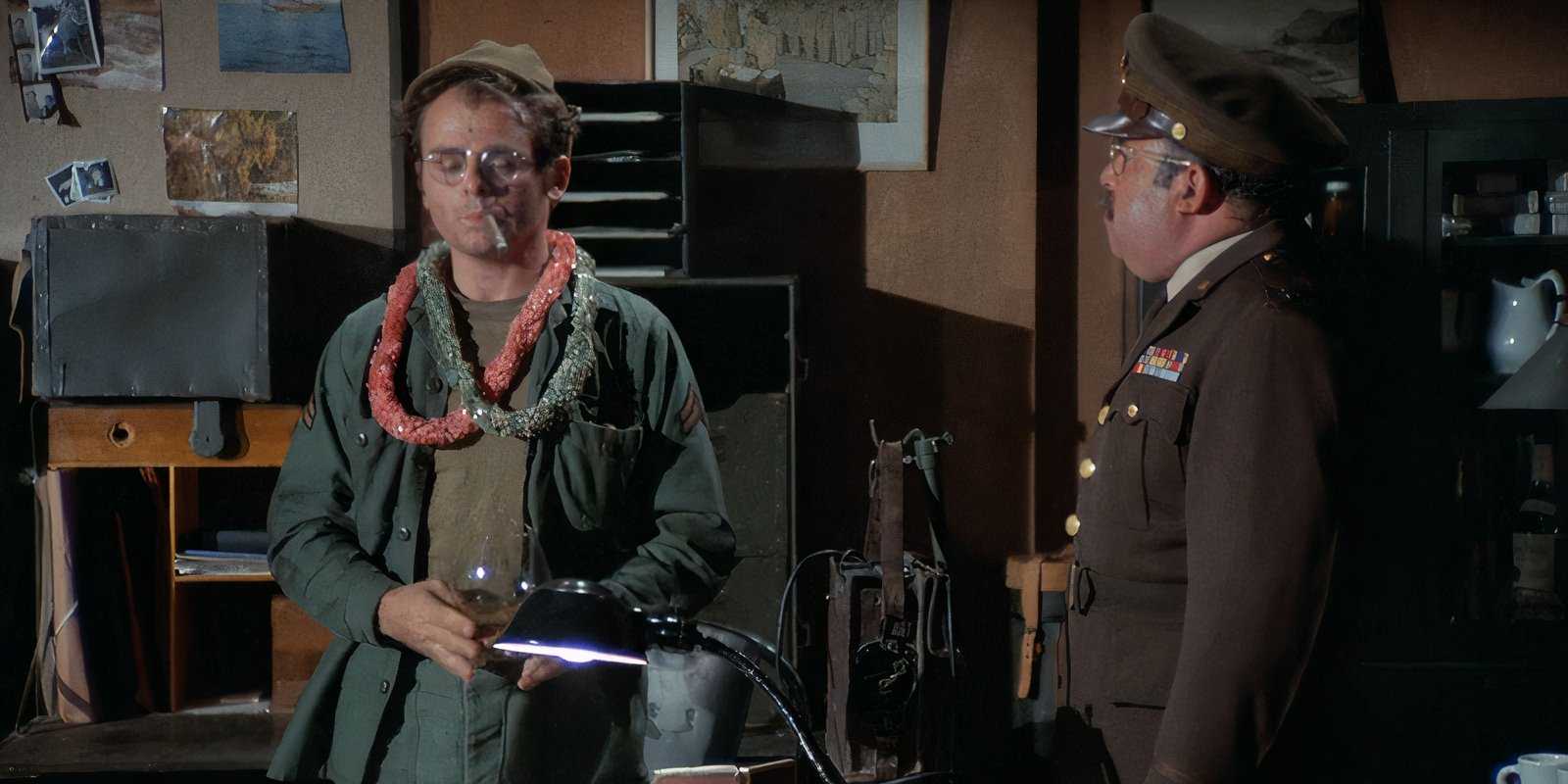
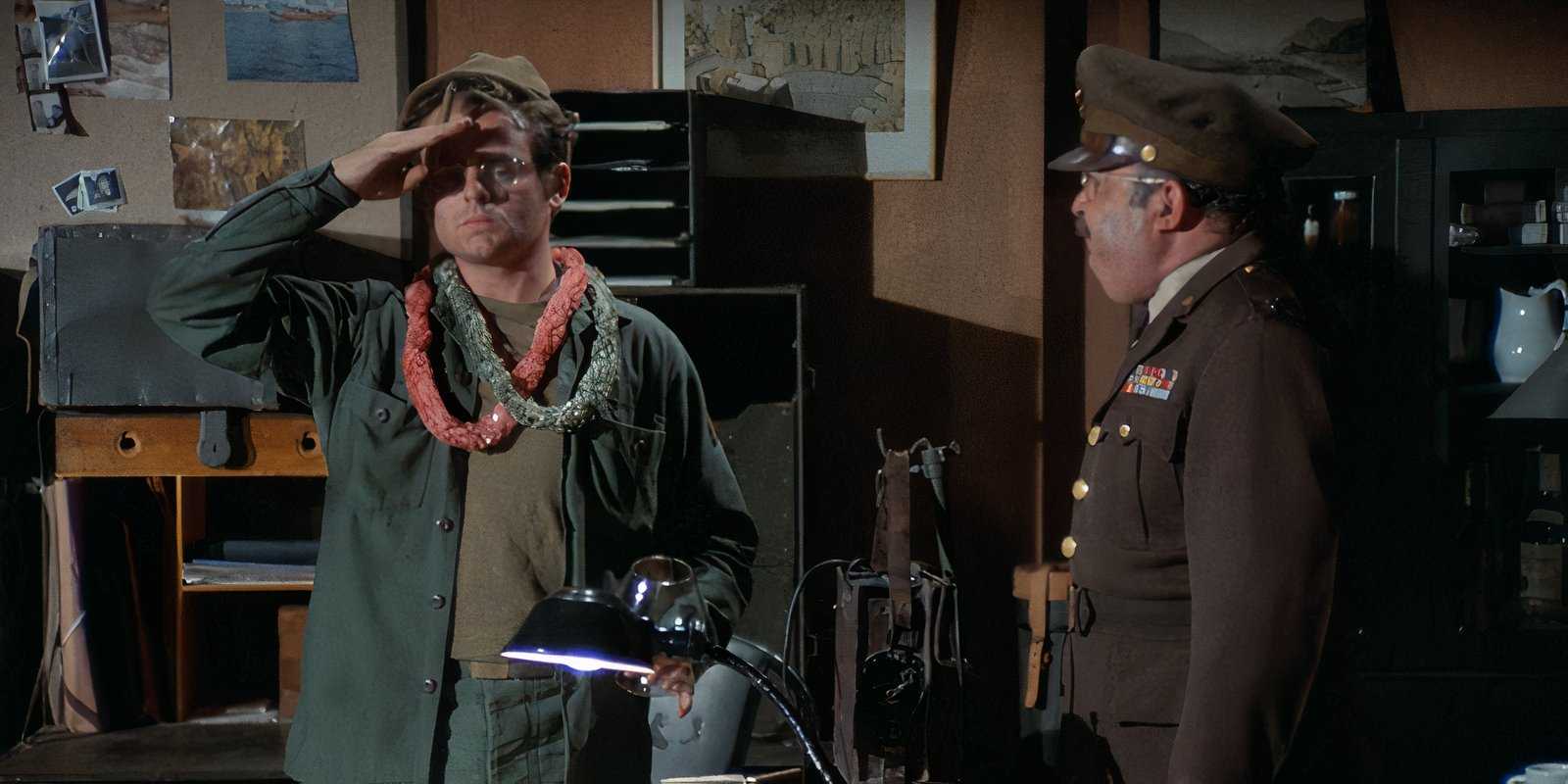
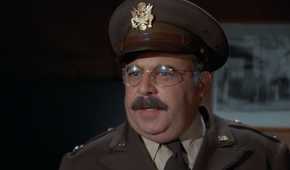
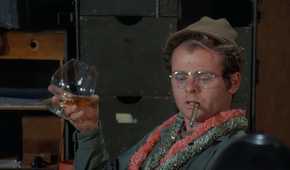
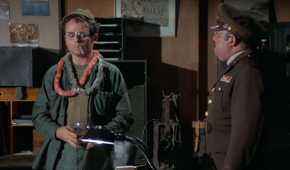
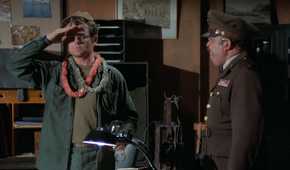
Although MASH’s antiwar satire was central to its popularity, this long-running ensemble comedy had another major innovation up its sleeve. The show followed the exploits of soldiers, nurses, doctors, and technicians running the eponymous Mobile Army Surgical Hospital, and in doing so MASH gave rise to the perennially popular workplace sitcom sub-genre.
|
Every MASH Movie & TV Series |
Release Year |
|---|---|
|
MASH (Movie) |
1970 |
|
MASH (TV Series) |
1972-1983 |
|
Trapper John, M.D. |
1979-1986 |
|
AfterMASH |
1983-1985 |
|
W*A*L*T*E*R (TV Pilot) |
1984 |
MASH might be the most popular workplace sitcom ever, but it was far from the last. Without this hit, there would be no Cheers, Barney Miller, Taxi, Just Shoot Me, The Office, Parks and Recreation, Abbott Elementary, Scrubs, Workaholics, Brooklyn Nine-Nine, Superstore, or St Denis Medical.
8 All in the Family
TV’s First Truly Dysfunctional Family Paved the Way For Many Later Shows


The family sitcom was an early mainstay of network sitcoms as soon as the genre began in earnest in the ‘50s, with hits like Leave it to Beaver, The Donna Reed Show, and Father Knows Best depicting idealized suburban families. However, All in the Family was notable for making its central family a genuinely dysfunctional one, allowing creator Norman Lear to truly innovate within the boundaries of network television norms. The Simpsons, Married… With Children, Arrested Development, Roseanne, and Modern Family all owe a creative debt to the Bunkers, while Maude and The Jeffersons were direct spinoffs from the series.
7 The Golden Girls
This Iconic Sitcom’s Female-Focused Story Inspired Legions of Later Shows


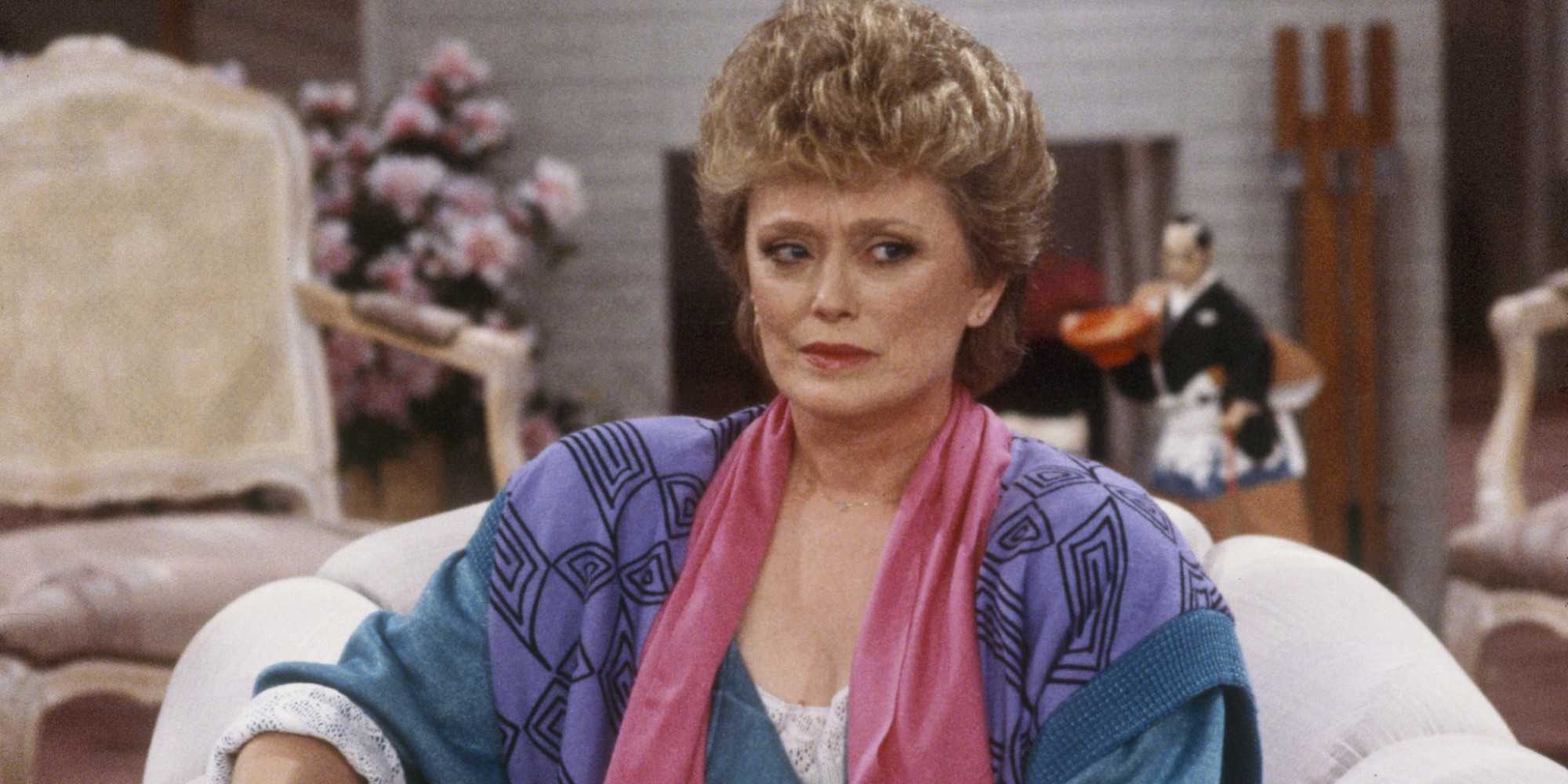
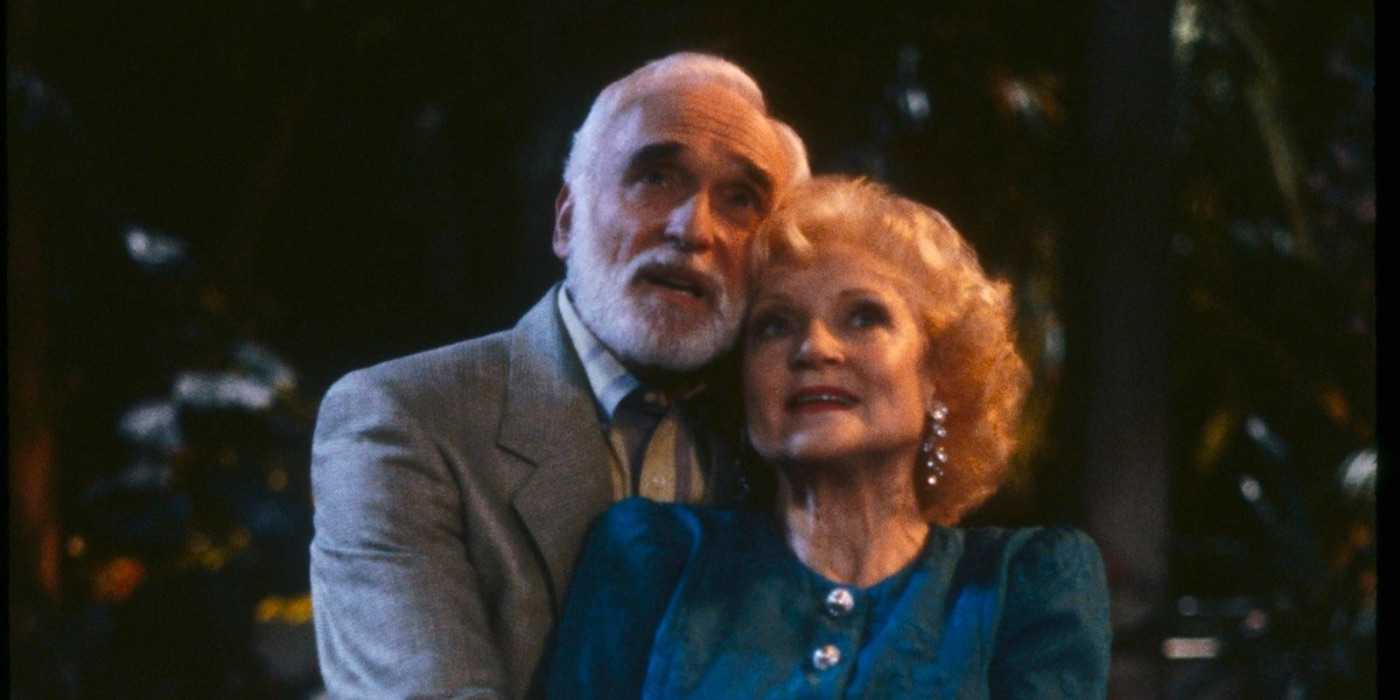
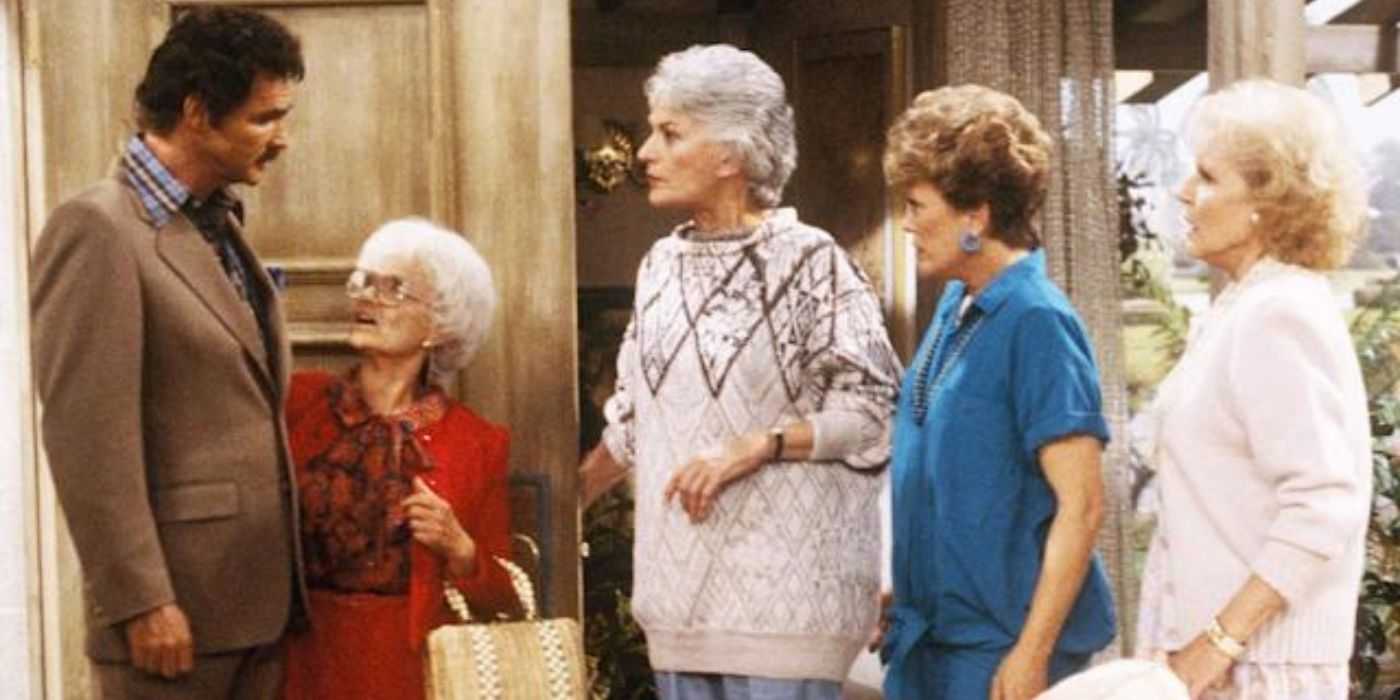
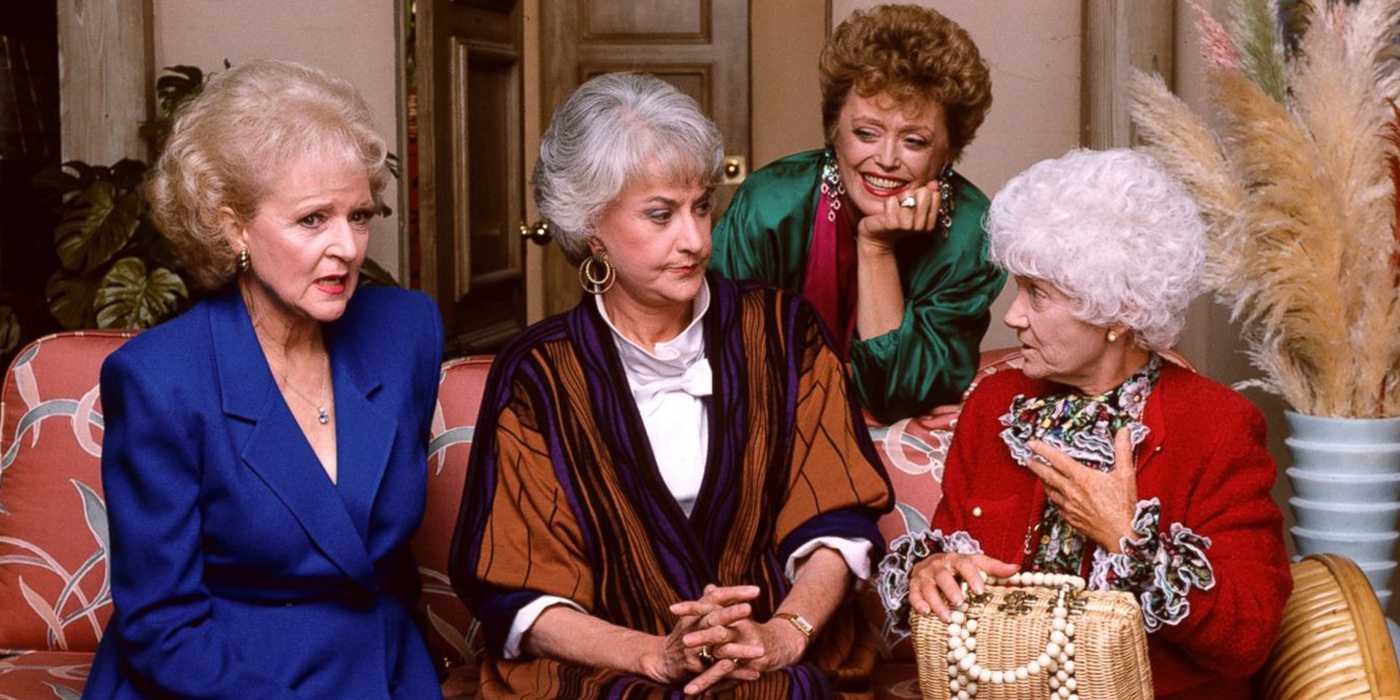
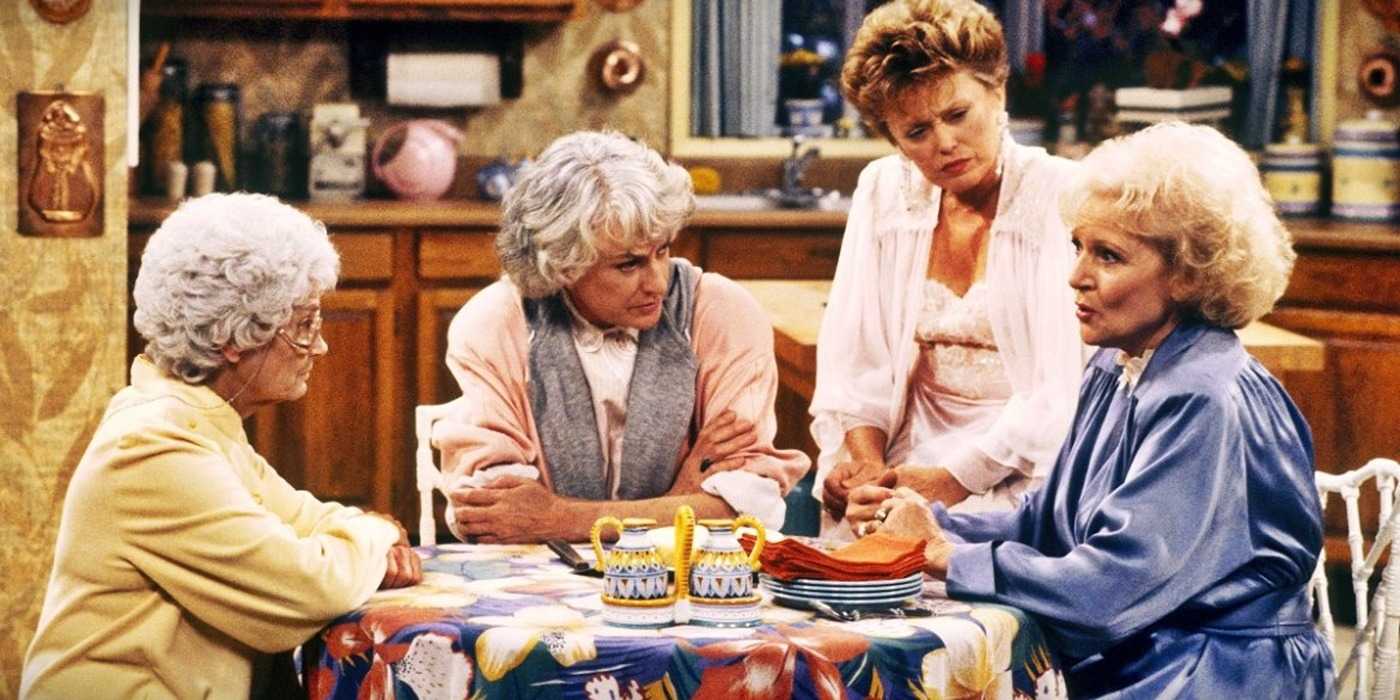
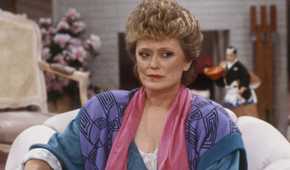
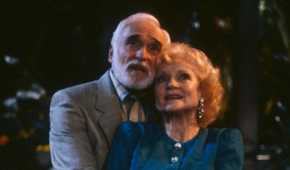
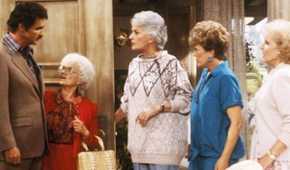
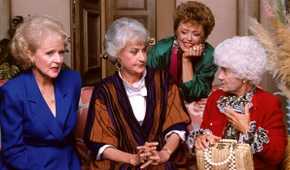
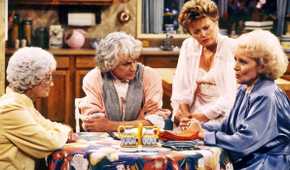
With an all-time great lead cast including Bea Arthur, Betty White, Rue McClanahan, and Estelle Getty, The Golden Girls was notable for its focus on single female heroines in their later lives. Where most sitcoms centered on the family unit and, later, groups of young people, The Golden Girls and its spinoffs prioritized a demographic who were rarely centered on network television. As noted in The Advocate, The Golden Girls can be credited with helping to shape everything from Living Single to Sex and the City to Hot in Cleveland and even HBO’s Looking.
6 The Jeffersons
This CBS Classic Was An Early Major Black Sitcom


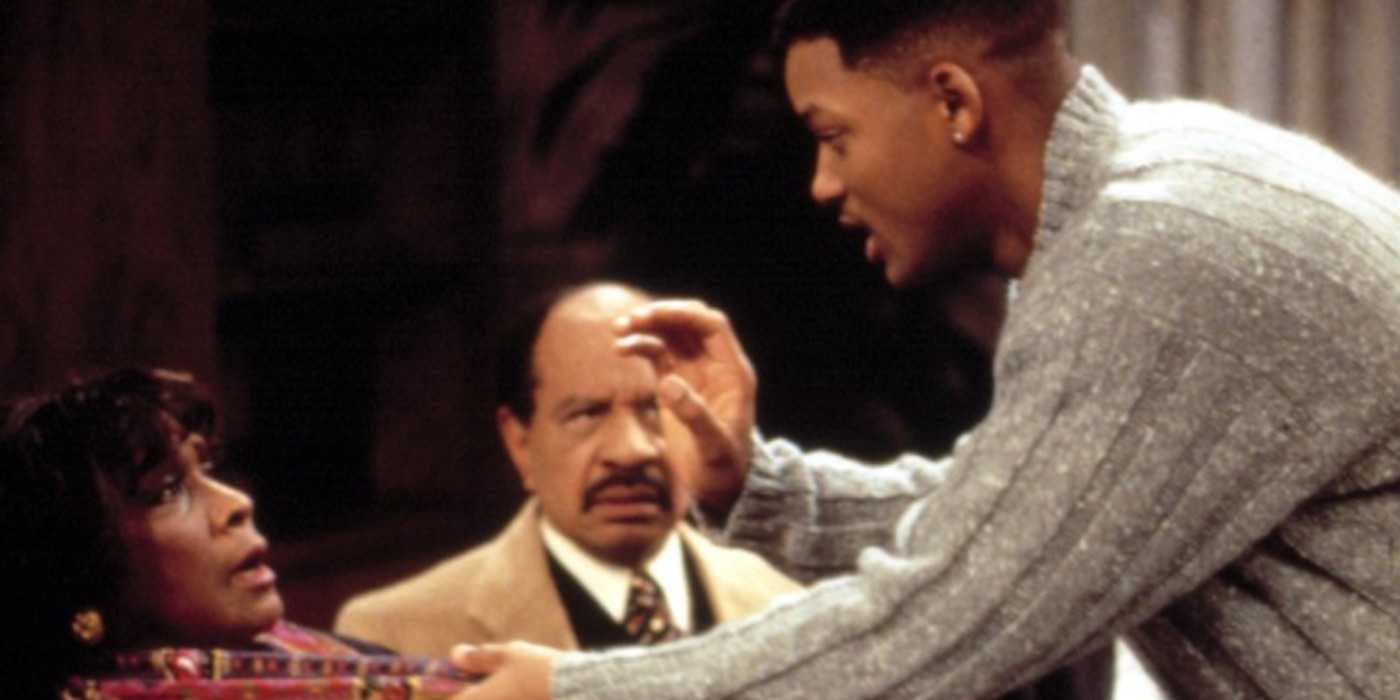
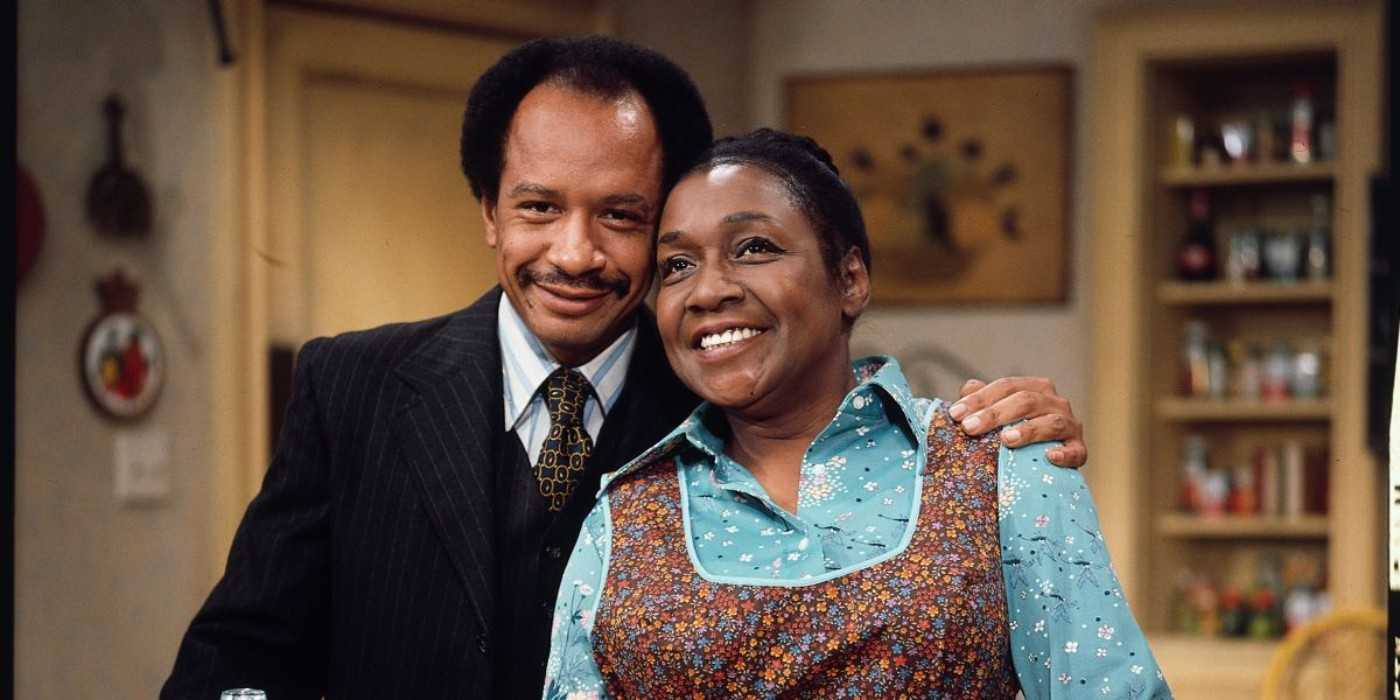
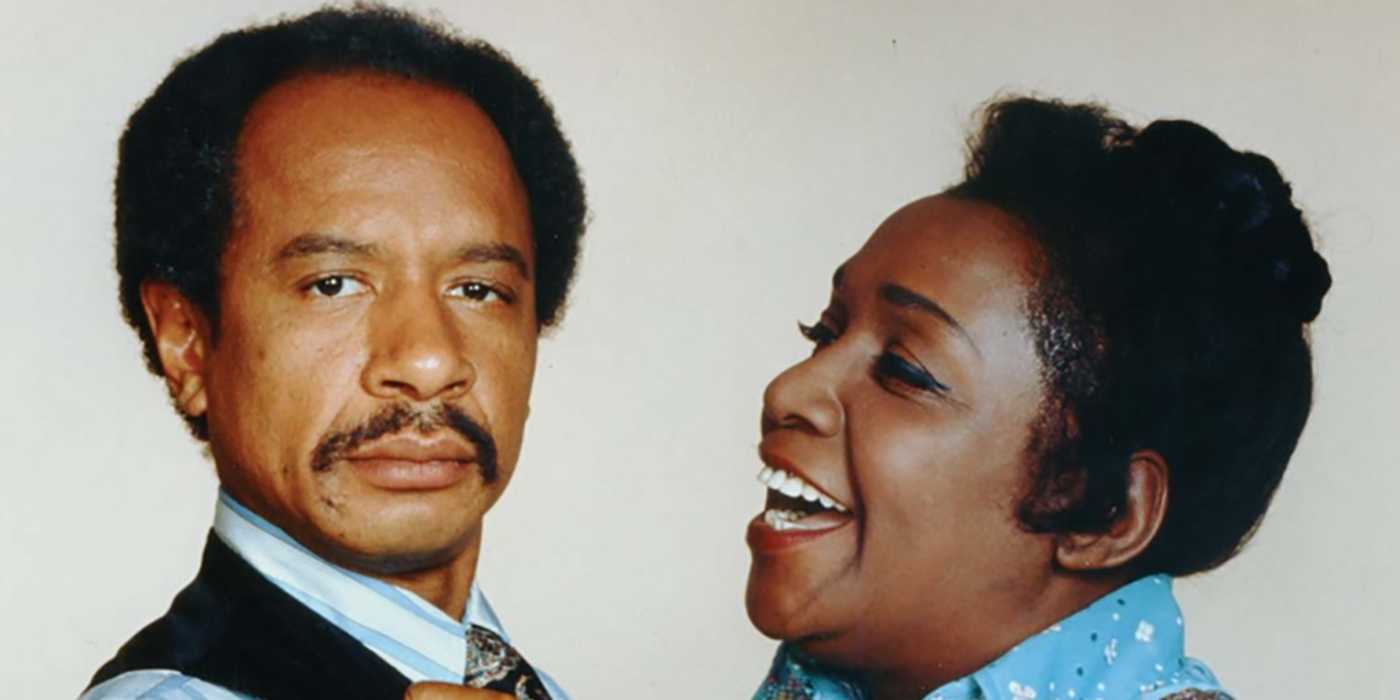
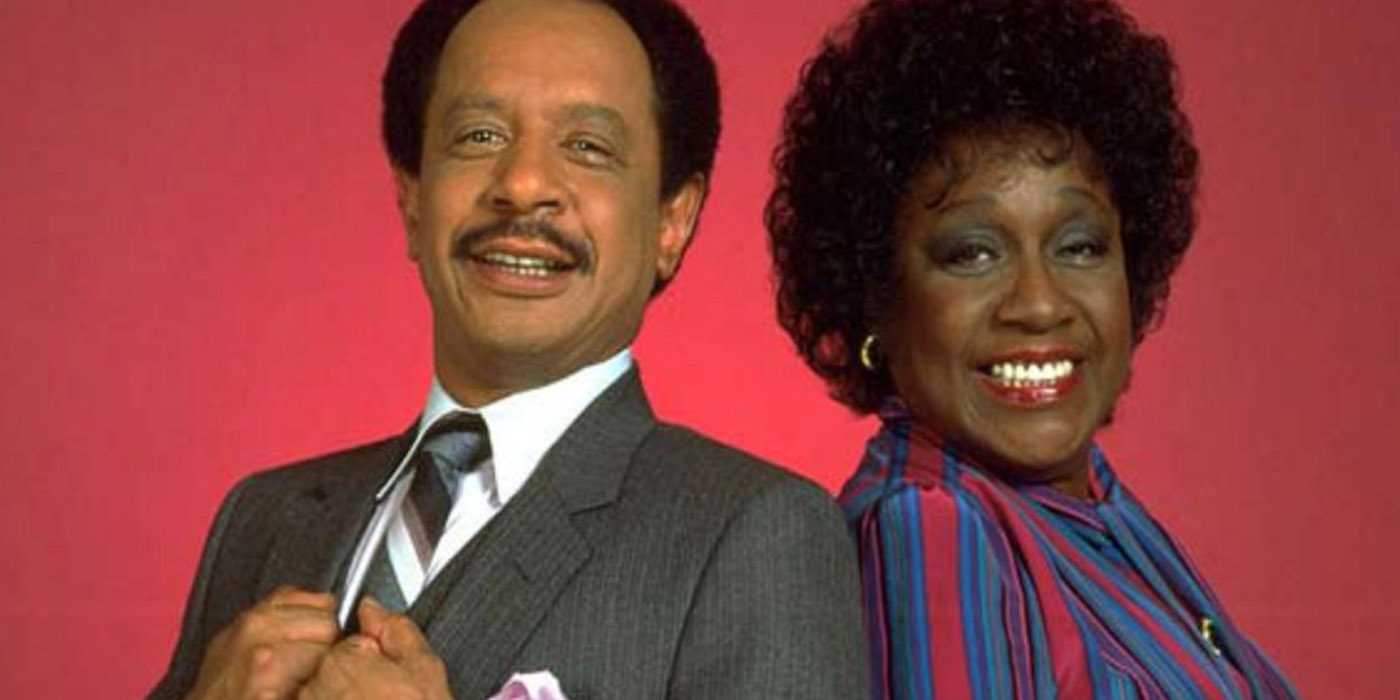
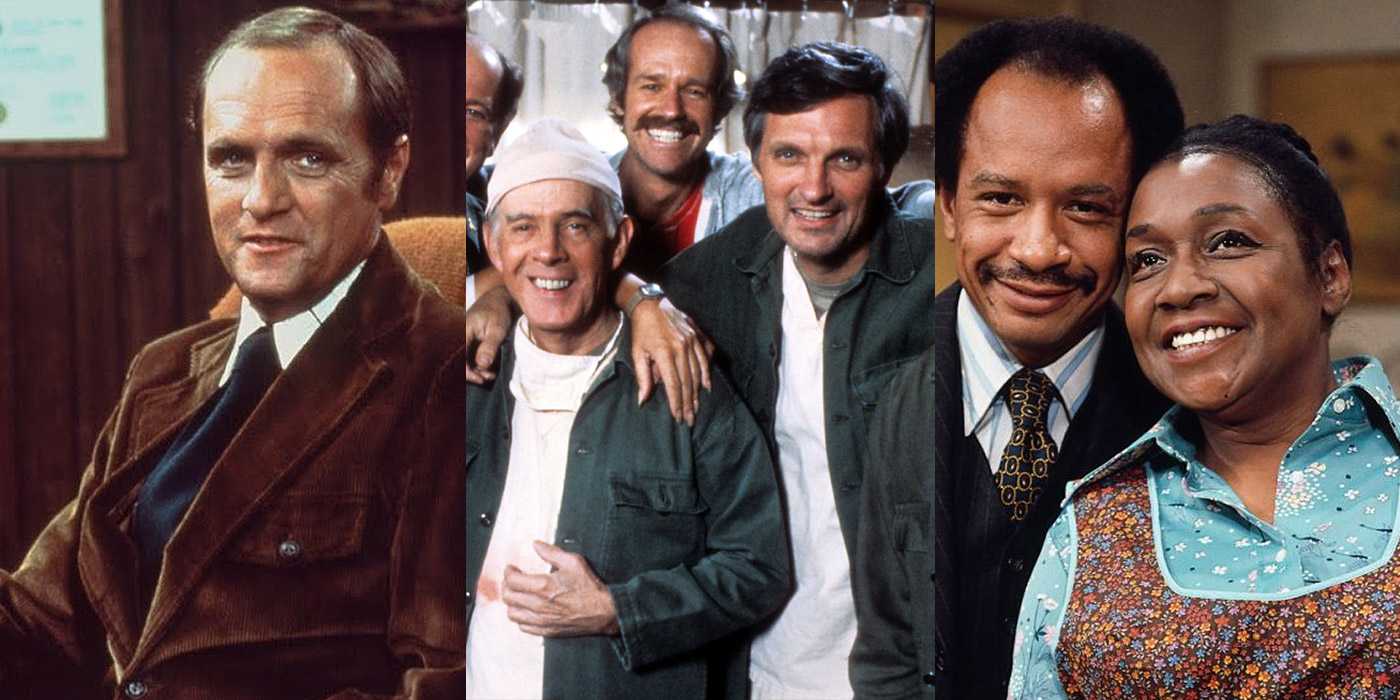
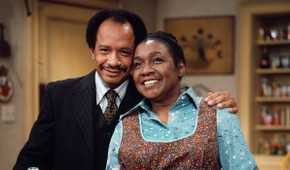
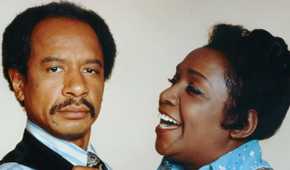
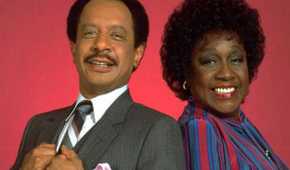
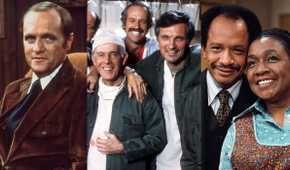
The second All in the Family spinoff after Maude, The Jeffersons is arguably the most important Black sitcom alongside Sanford and Son. The Jeffersons was notable for balancing depictions of serious real-life social ills with a focus on a happy, economically prosperous Black family.
The Jeffersons also shaped subversive satirical offerings like The Boondocks and In Living Color.
The Jeffersons was a huge influence on The Cosby Show, Good Times, Family Matters, Diff’rent Strokes, The Fresh Prince of Bel Air, My Wife and Kids, Black-ish, The Neighborhood, and Martin. However, The Jeffersons also shaped more subversive satirical offerings like The Boondocks and In Living Color.
5 Roseanne
This Working-Class Family Sitcom Changed The Genre’s Perspective


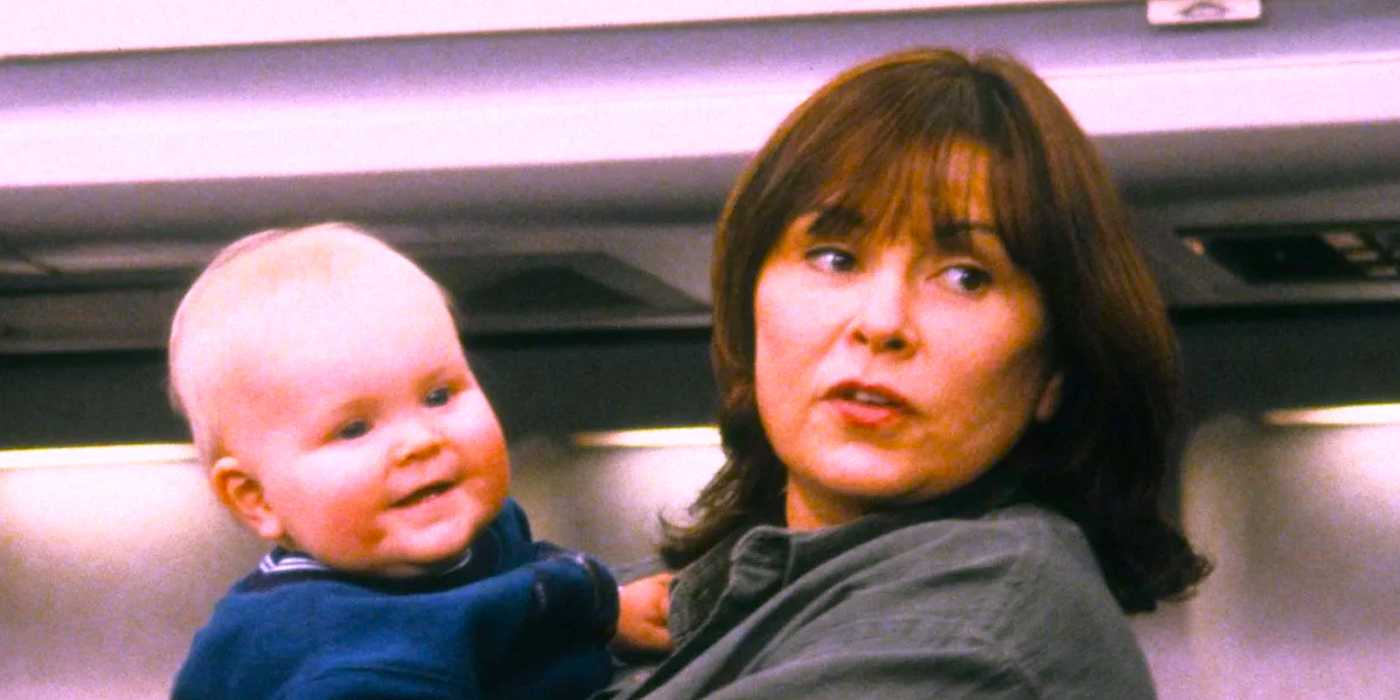
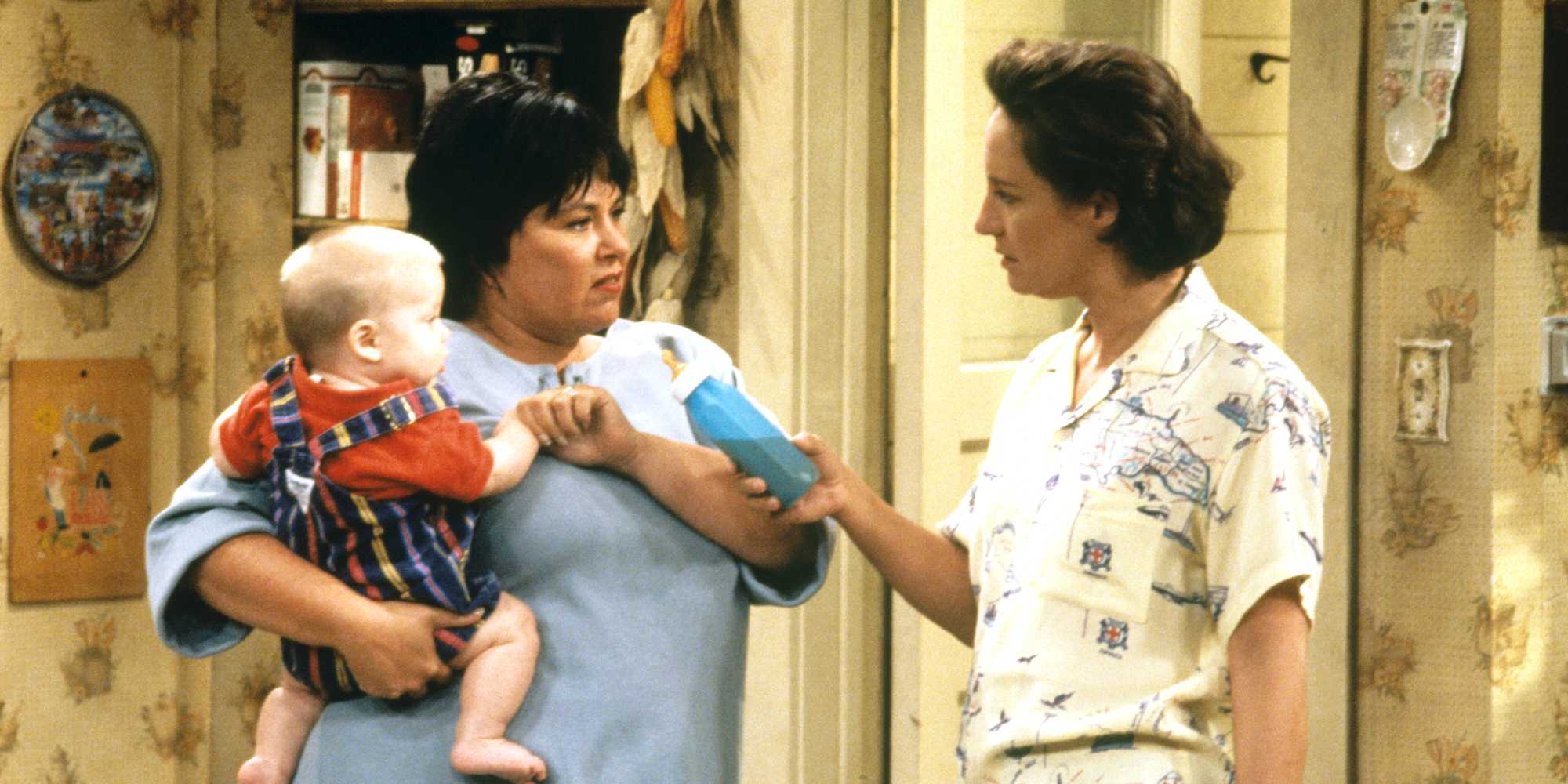
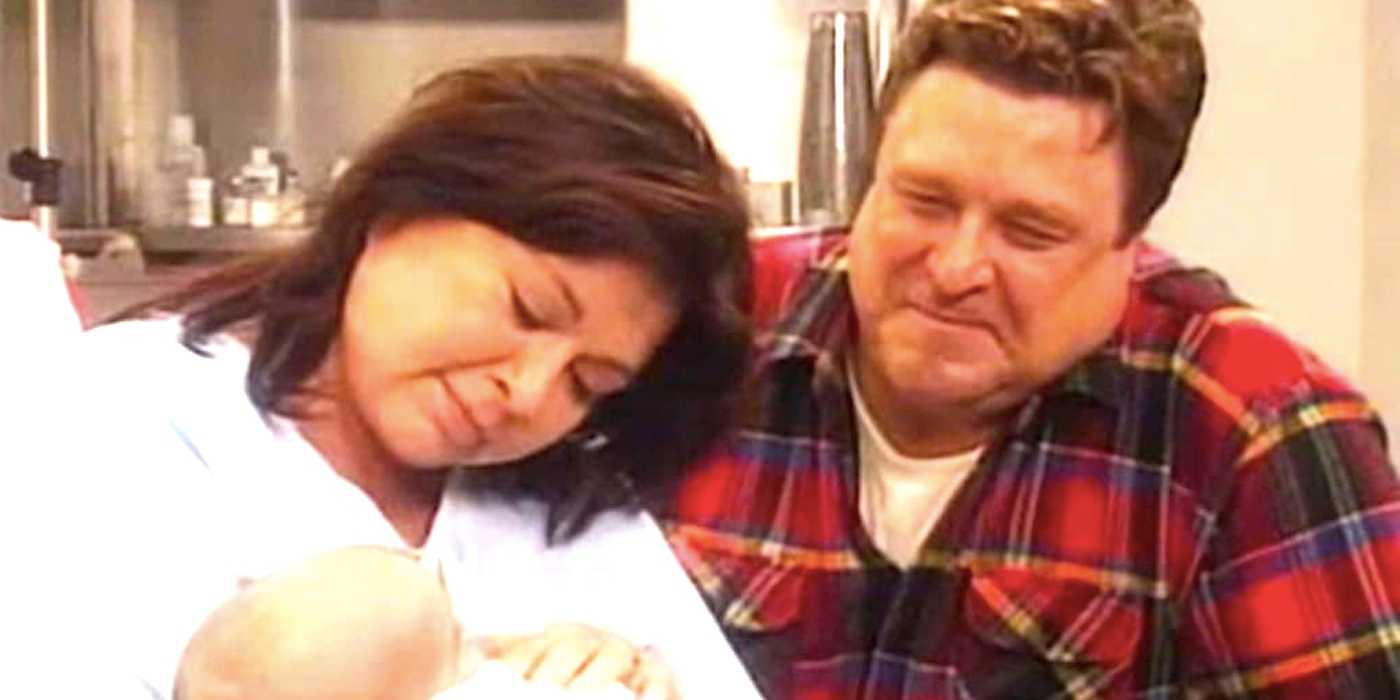
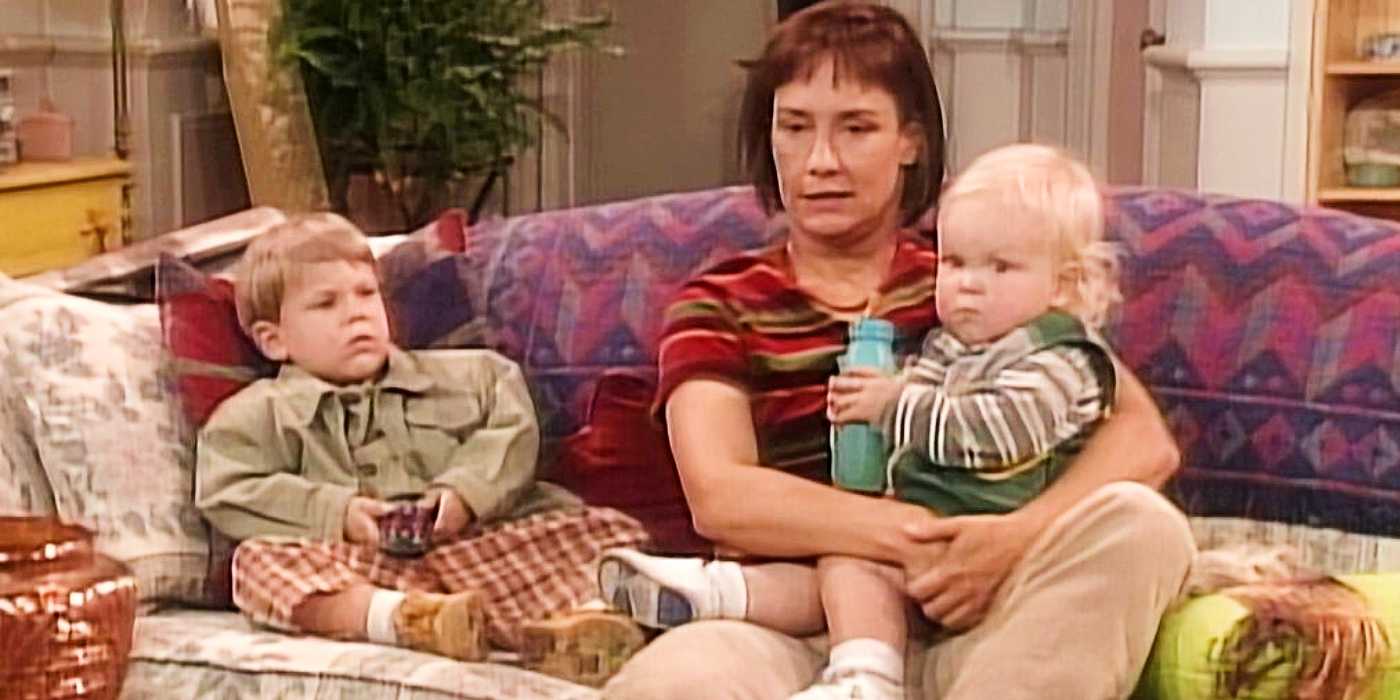
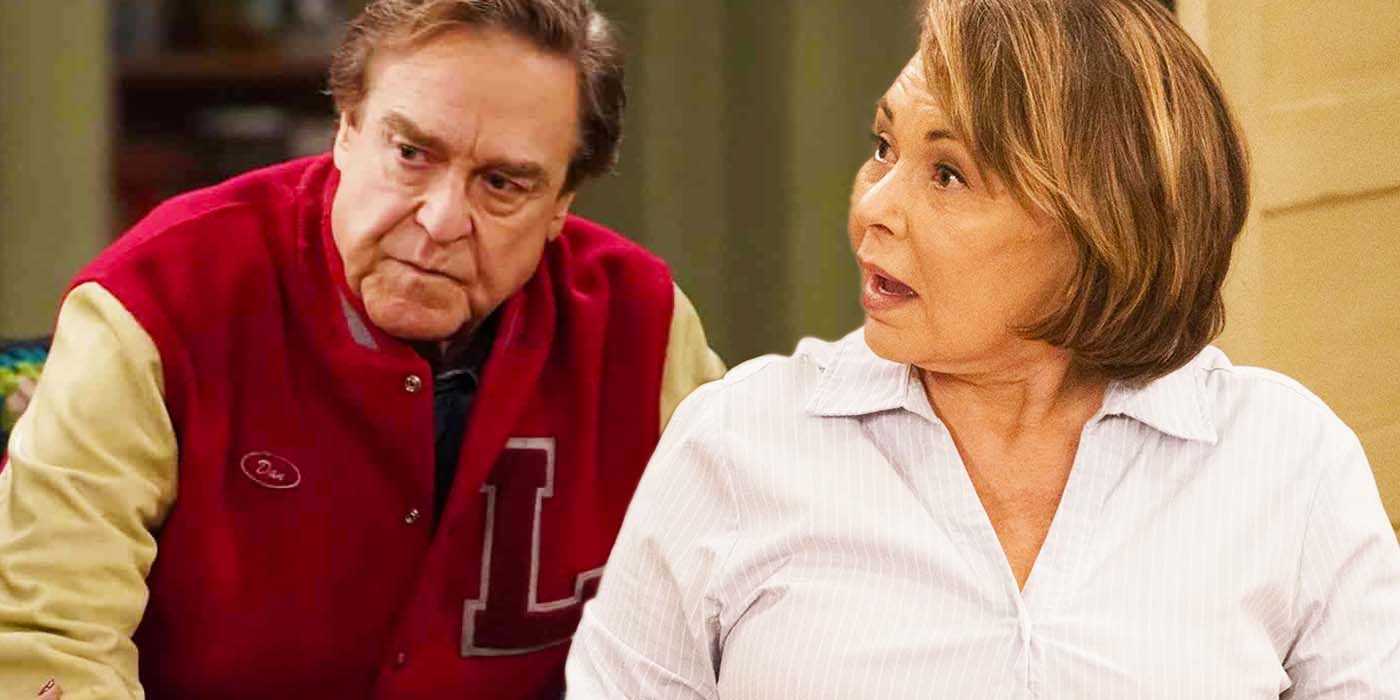
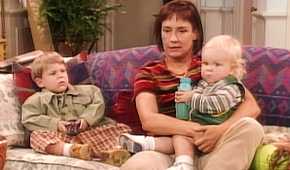
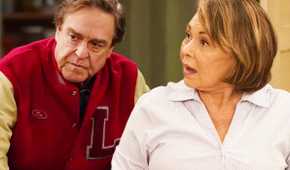
While All in the Family paved the way for a grittier, less romanticized look at family life in the ‘70s, network sitcoms of the ‘80s replaced this with saccharine shows where financial realities were never a concern for the main characters. The backlash against shows like Full House, The Cosby Show, and Family Ties resulted in Roseanne, an unashamedly blue-collar sitcom about working-class life in middle America. Roseanne’s focus on working-class heroes was groundbreaking and influenced later shows like Malcolm in the Middle, Fresh off the Boat, Shameless, The Middle, and Bob’s Burgers.
4 Friends
This Iconic Hang Out Show Influenced The Next Generation Of Sitcoms
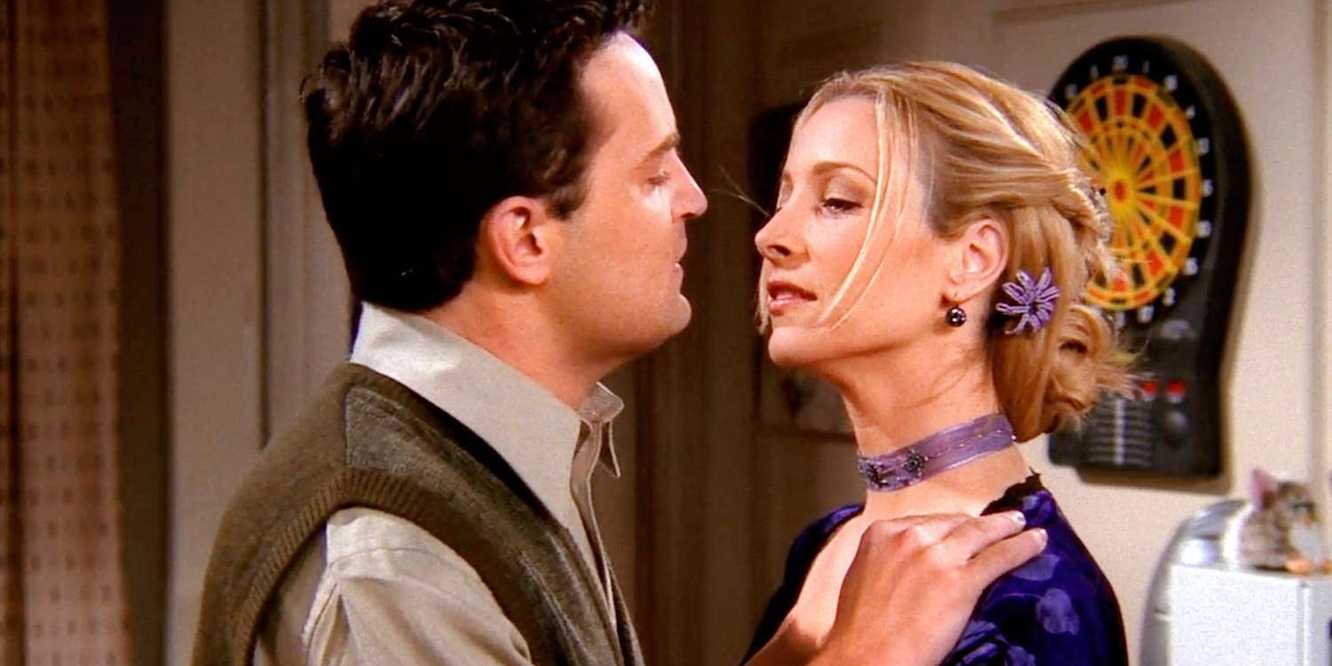


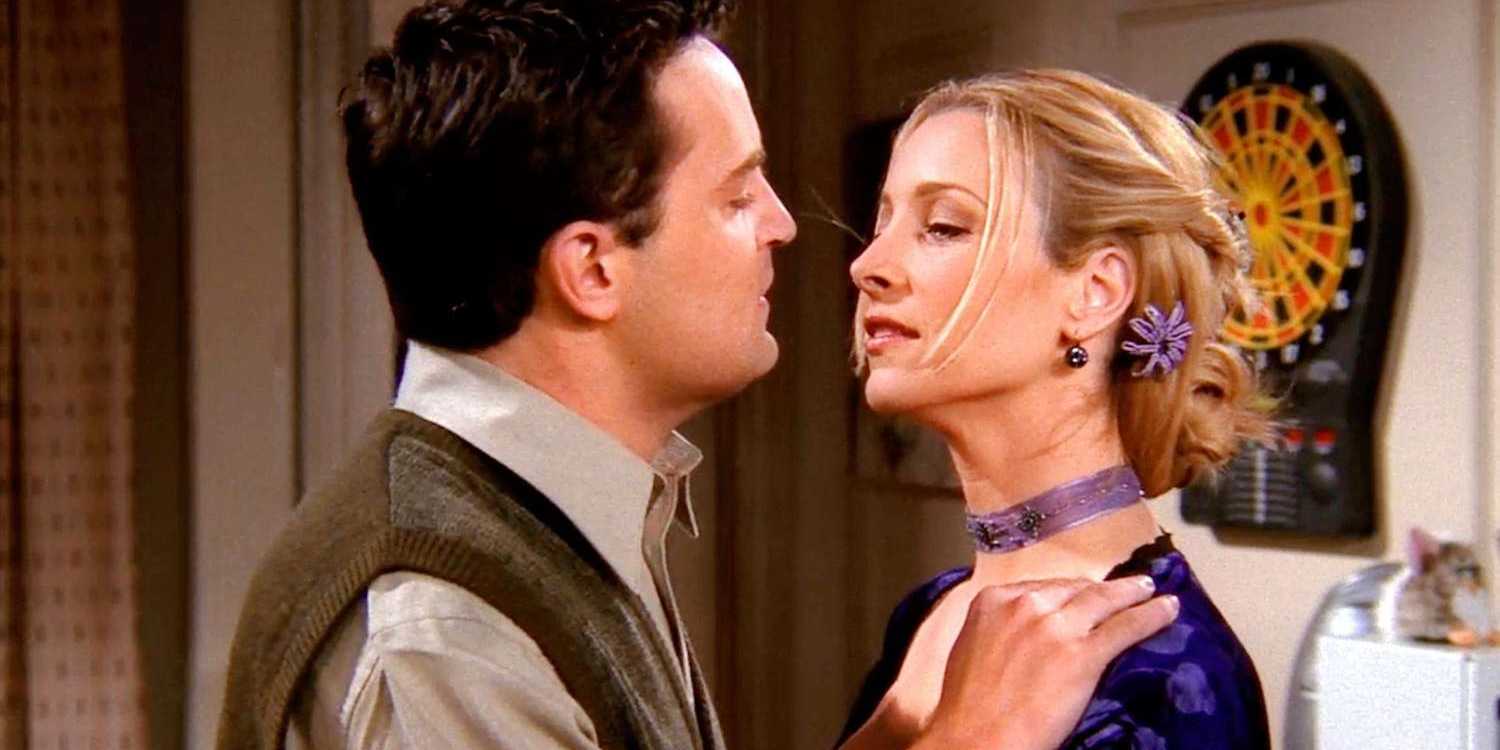
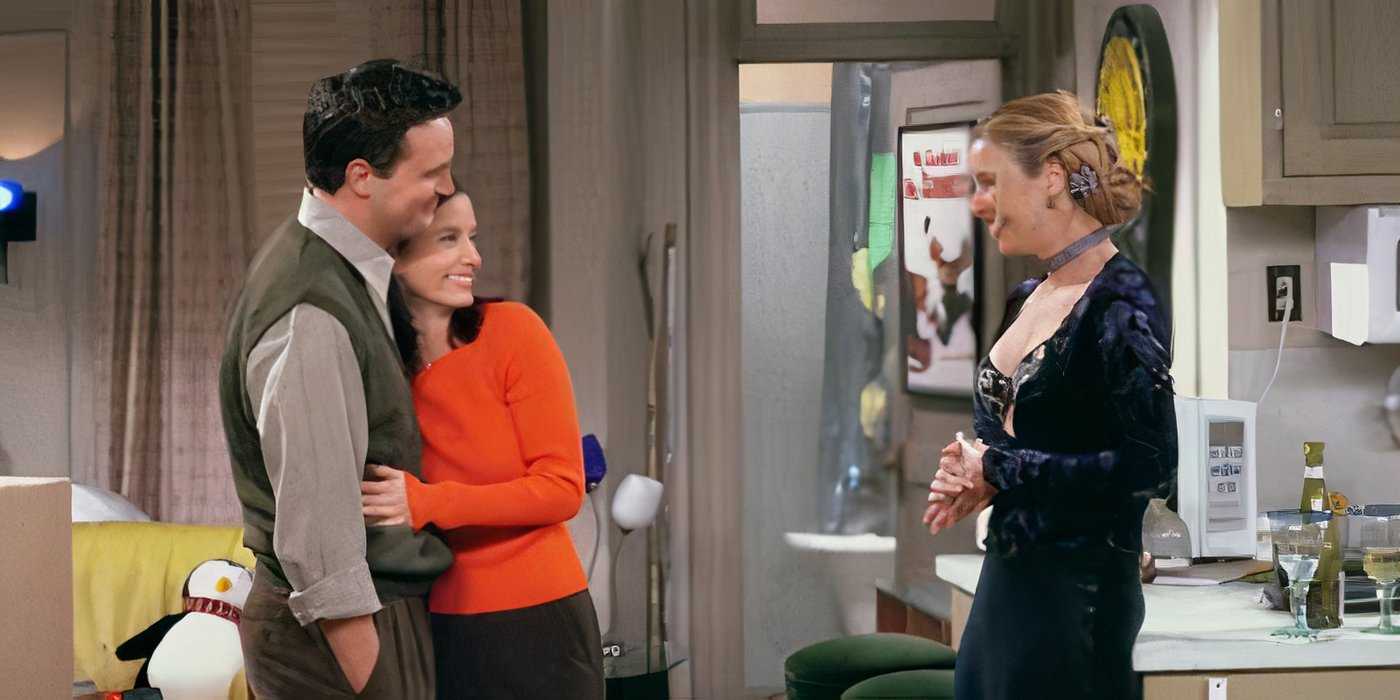
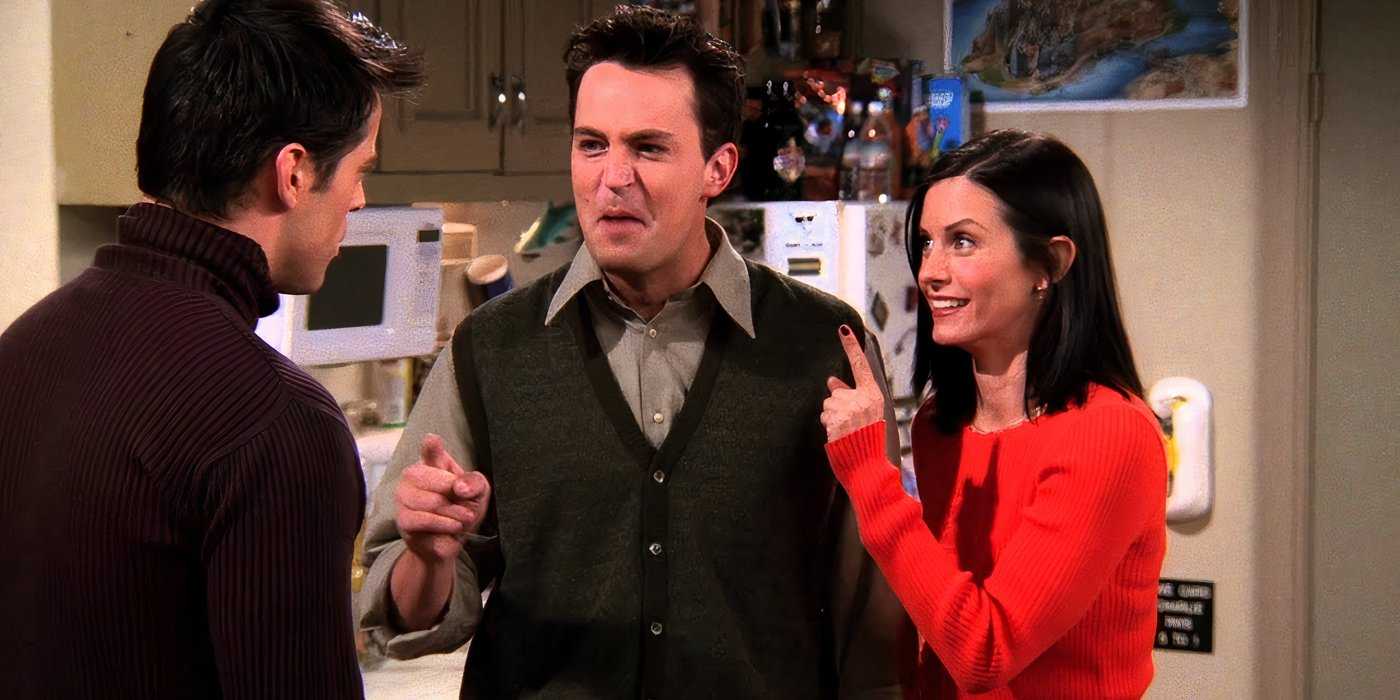
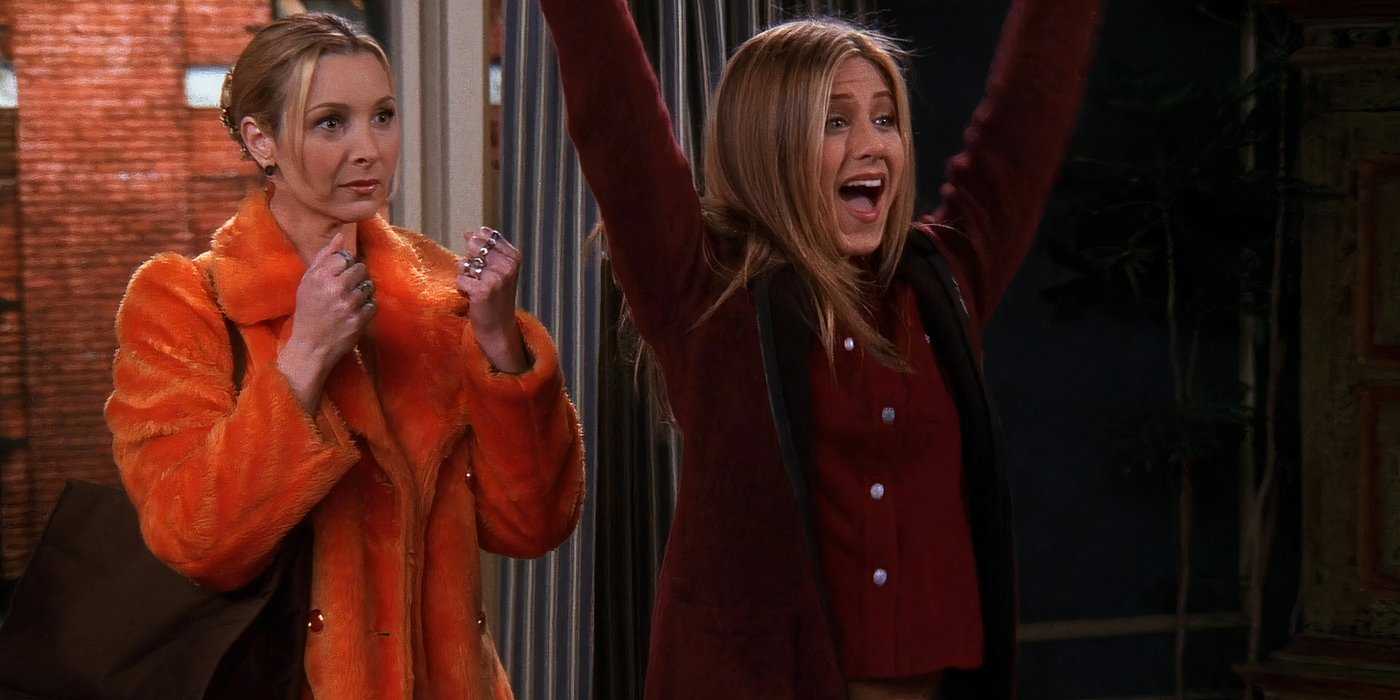
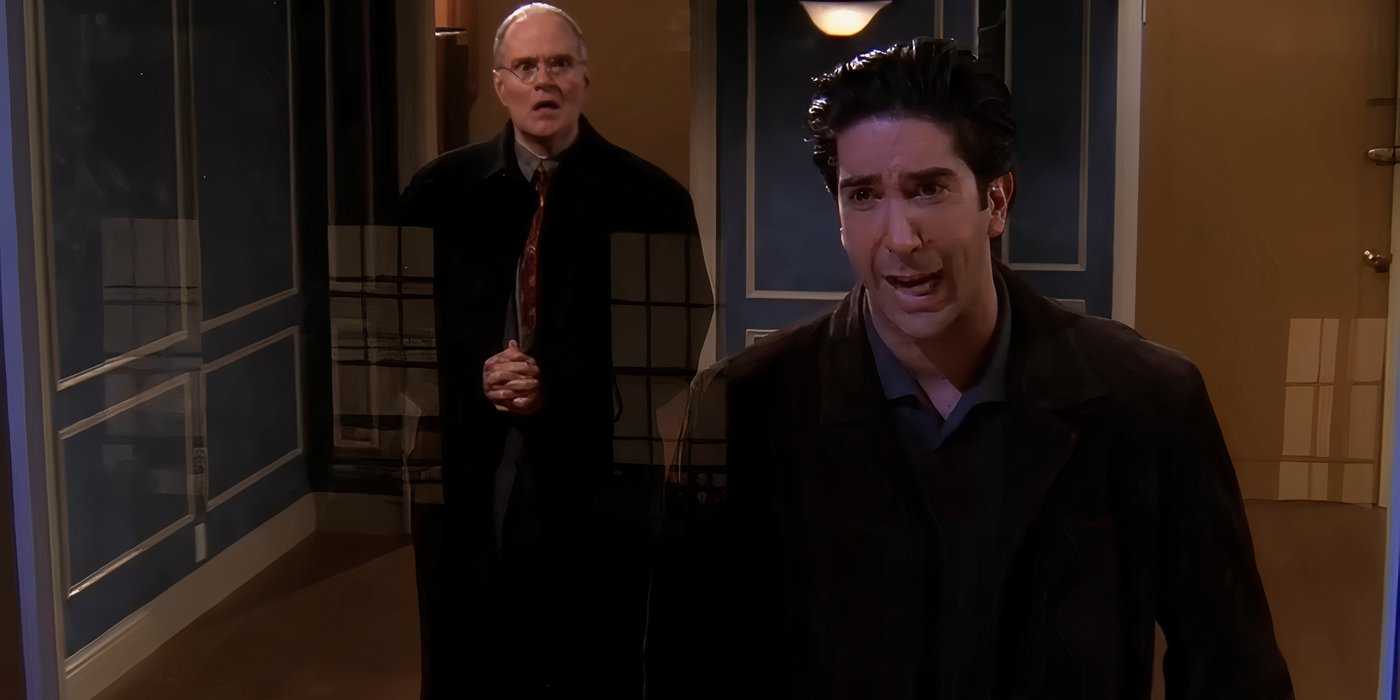
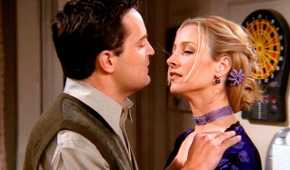
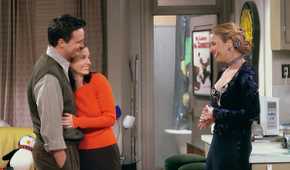
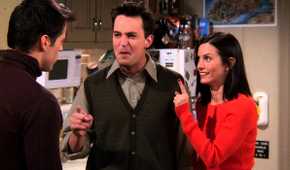

Although Roseanne’s revival and The Conners continued the sitcom’s story well into the 2020s, the family show was not remembered as the quintessential 90s sitcom. That accolade went to Friends, arguably the biggest hang-out show of all time.
Friends shifted the average network sitcom’s focus from families to younger twenty and thirty-somethings, a concept that was attempted in earlier decades but never took hold until the ‘90s. Without the series, there would be no How I Met Your Mother, New Girl, The Big Bang Theory, Happy Endings, Community, Coupling, Crashing, and many more.
3 Seinfeld
The “Show About Nothing” Managed To Make A Major Impression


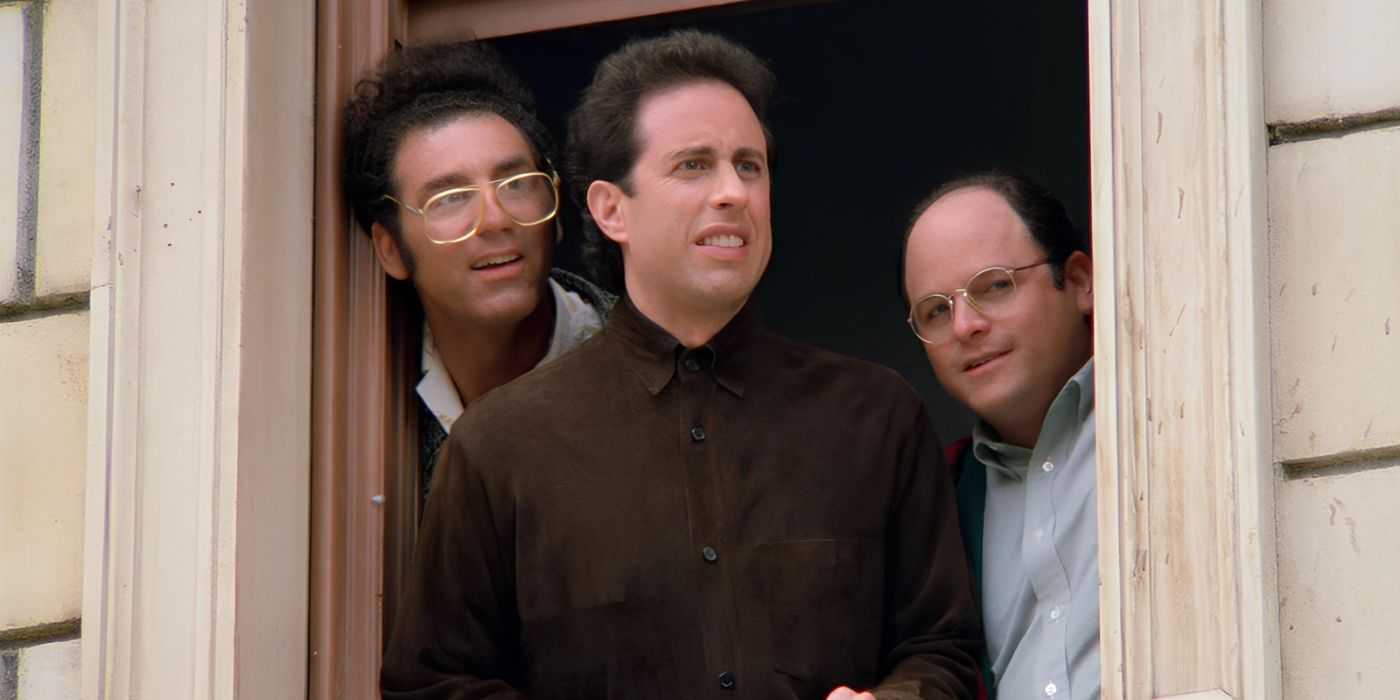
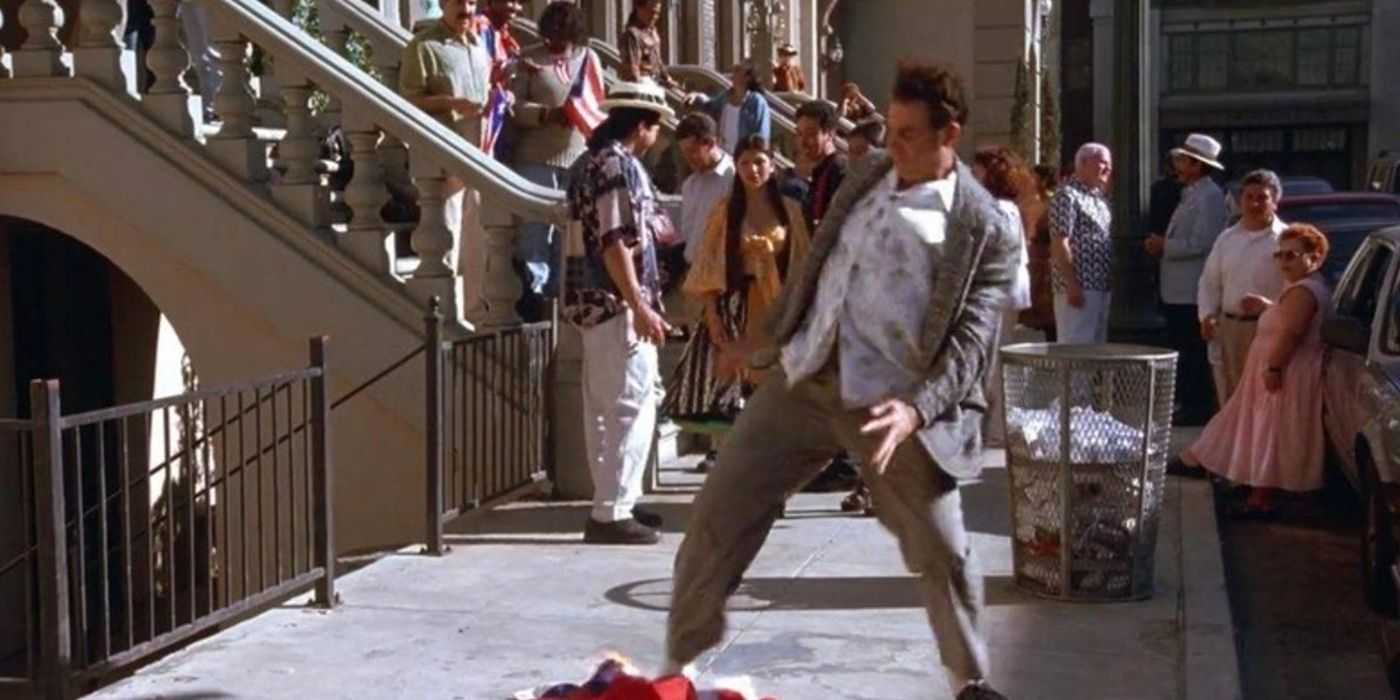
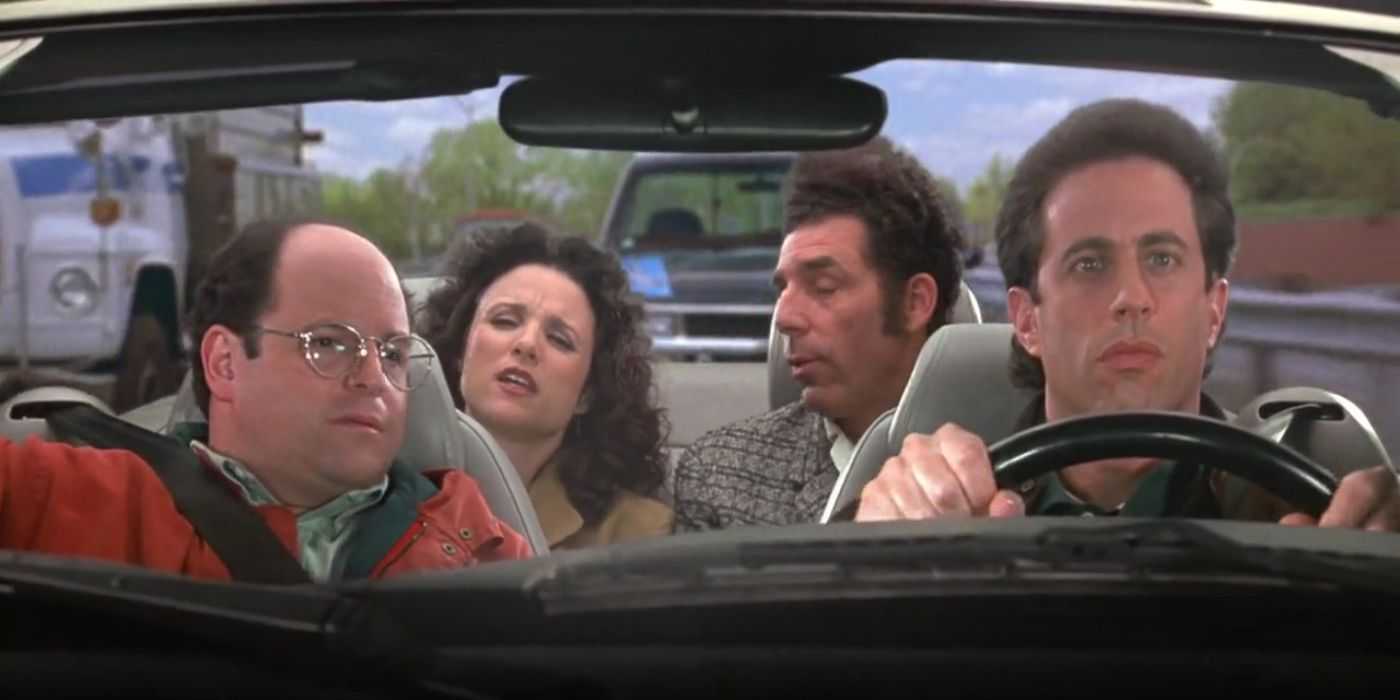
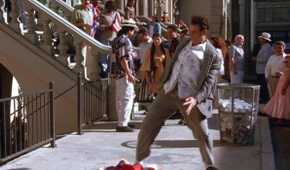
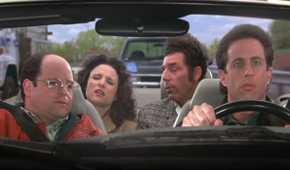
While Friends offered viewers a sweeter, more romantic look at the personal and professional lives of some aimless thirty-somethings from New York City, Seinfeld offered a more cynical spin on the same premise. Seinfeld introduced a cynical, apathetic edge to network sitcom writing, influencing numerous darker sitcoms that followed in its wake. Curb Your Enthusiasm, It’s Always Sunny in Philadelphia, Broad City, The IT Crowd, Titus, Search Party, Louie, and even the darker outings of How I Met Your Mother owe a lot to this atypically unsentimental sitcom.
2 Modern Family
The ABC Hit Brought The Mockumentary Style To The Mainstream


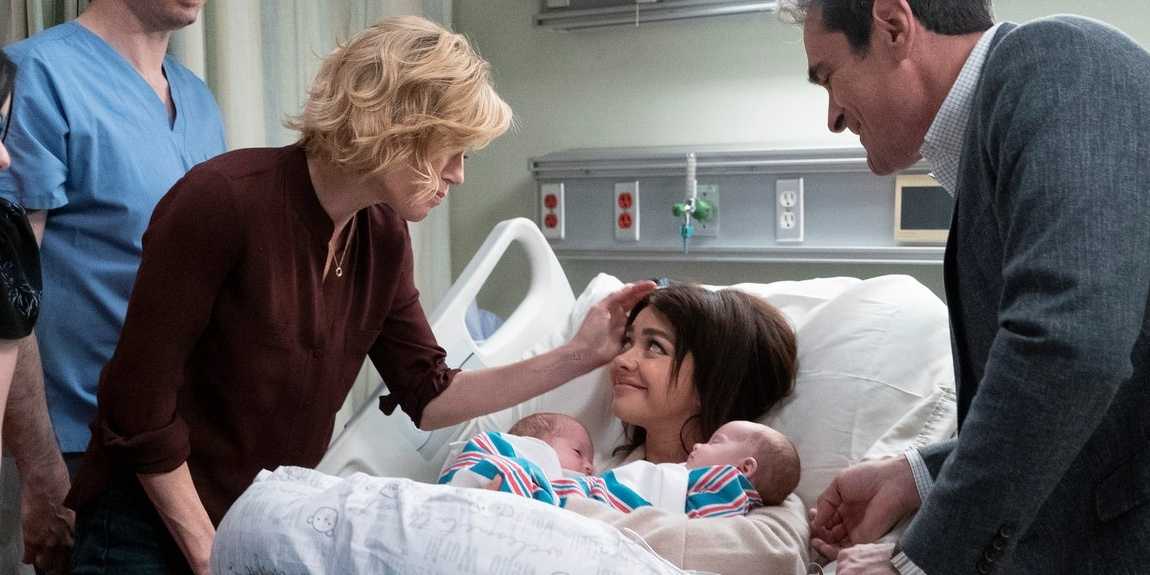



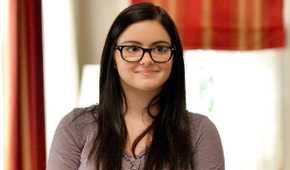


Although The Big Bang Theory’s spinoffs prove that it was one of the most successful sitcoms of the ‘00s and 2010s, this doesn’t mean it was as influential as ABC’s Modern Family. Modern Family brought the mockumentary format to the mainstream a few years after The Office introduced the style to network sitcoms.
The years that followed saw a deluge of mockumentary sitcoms replicate Modern Family's meta style. High-profile flops like the muppets, The Comedians, and Zach Stone Is Gonna Be Famous temporarily killed the trend, but Abbott Elementary’s success proves that the mockumentary sitcom still isn’t dead as of 2025.
1 The Simpsons
This Animated Family Sitcom Led To The Adult Animation Boom




 Custom image by Milica Djordjevic
 Custom image by Milica Djordjevic
 Custom image by Milica Djordjevic

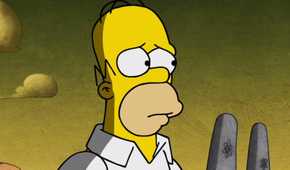
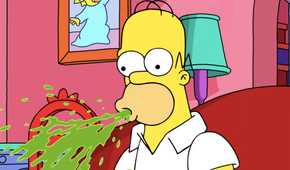
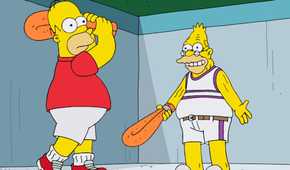
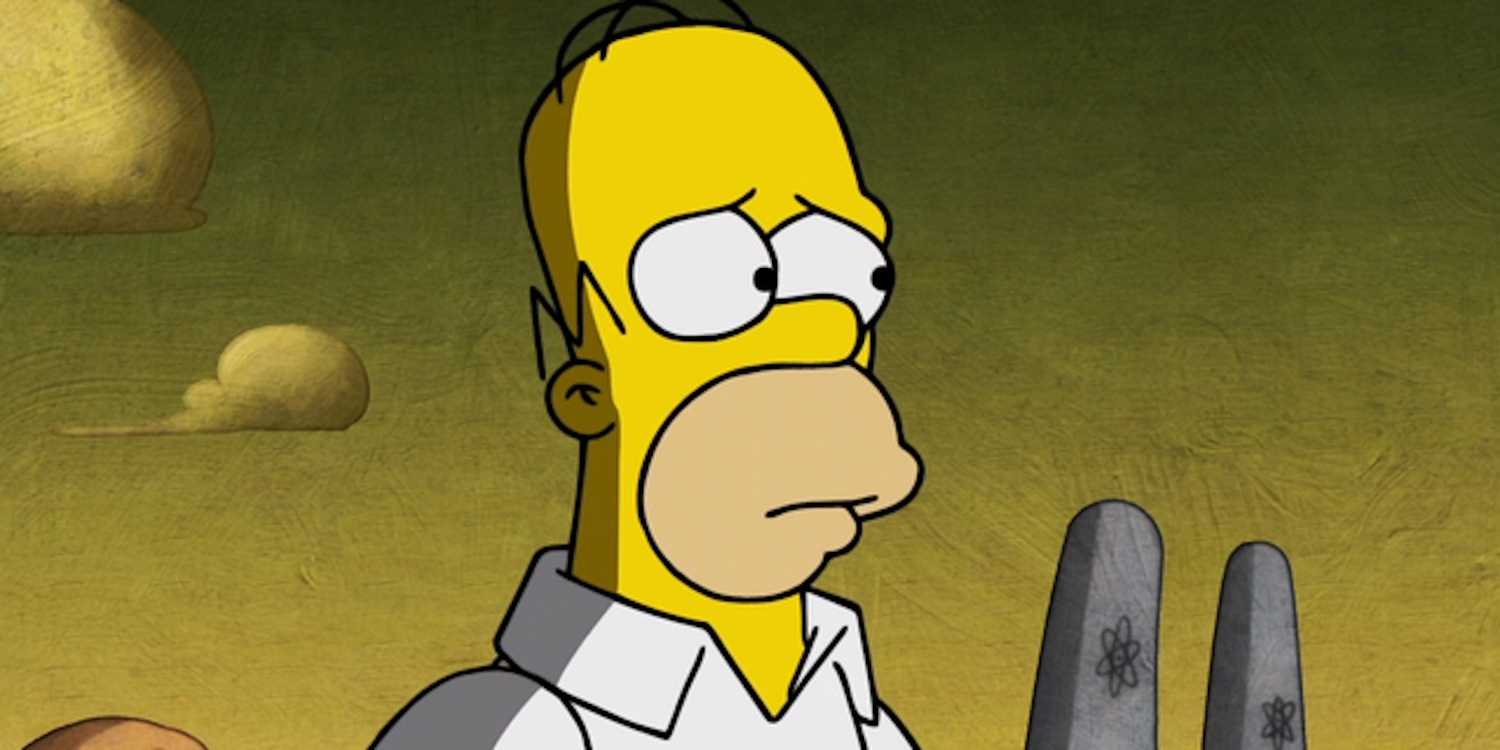
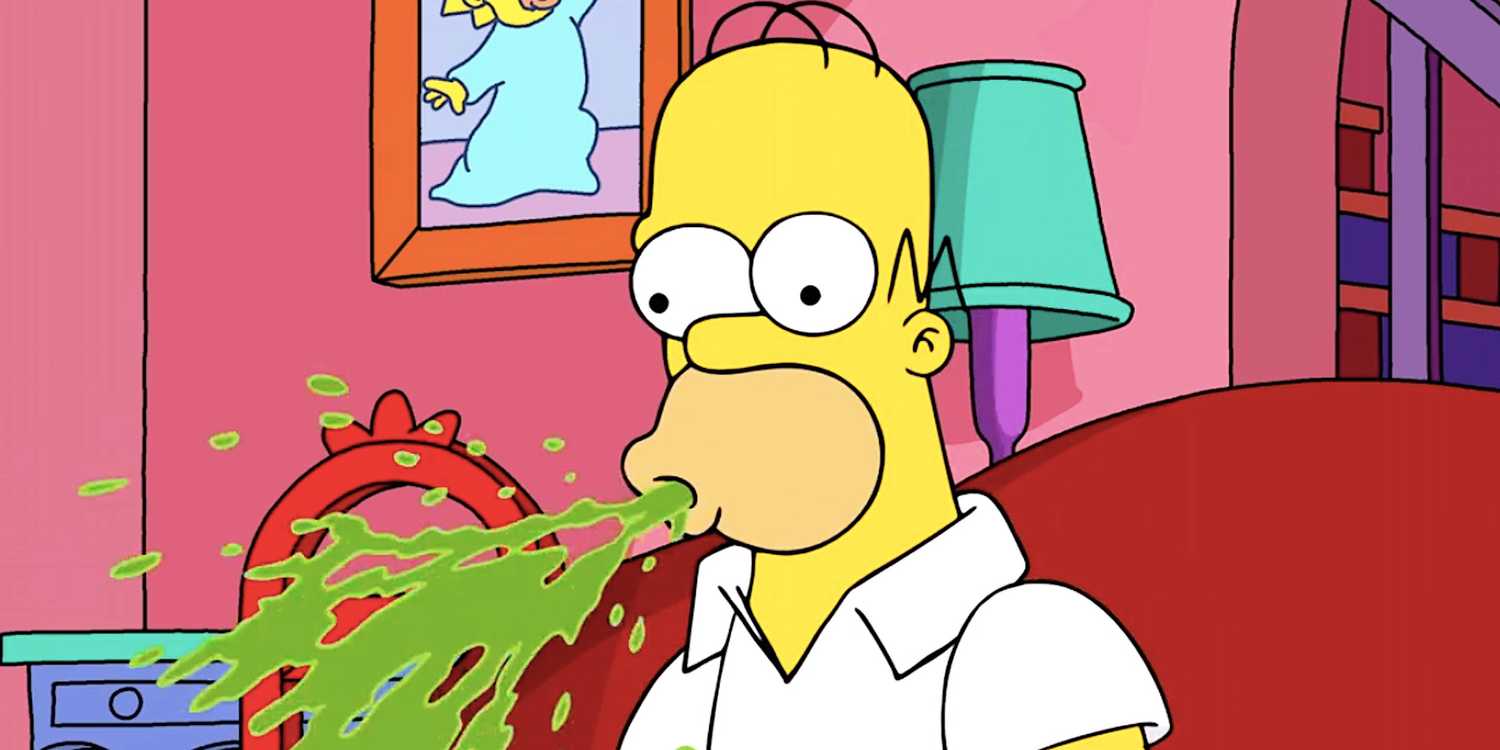
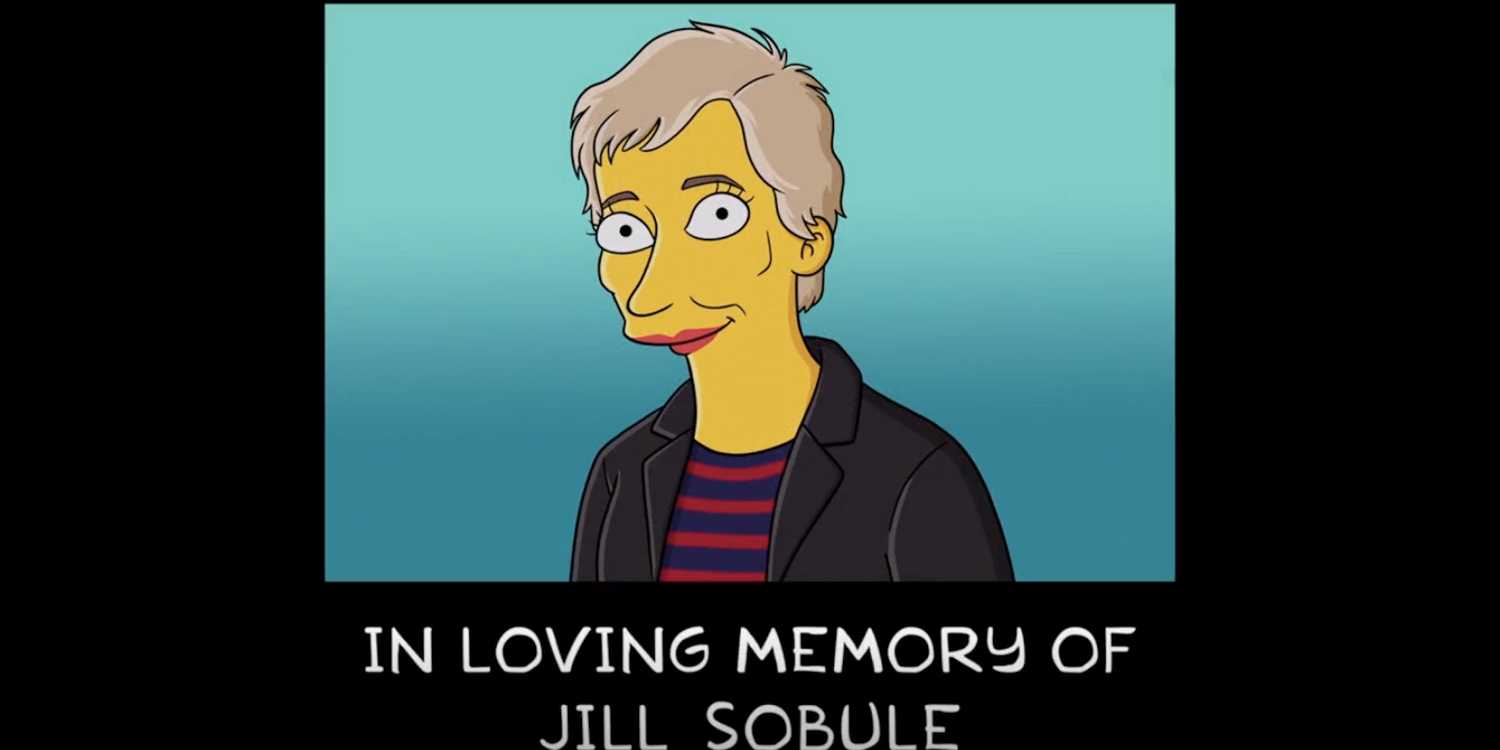
If there is one show on this list that has reshaped American network television history in its wake, it is The Simpsons. The Simpsons is arguably the most influential sitcom of all time thanks to its unique writing style, a merging of cartoony absurdism and more grounded character comedy that few shows have pulled off before or since. Subversive, warm-hearted, silly, sharp, ingeniously clever, gleefully dumb, and always utterly original, The Simpsons was best described by critics Alan Sepinwall and Matt Zoller Seitz in TV: The Book.
“Ambitious, intimate, classical, experimental, hip, corny, and altogether free in its conviction that the imagination should go where it wants” is as good a summation of The Simpsons as a reader could hope for. This alone makes the show endlessly influential, with The Simpsons’ self-parodic style resurfacing in most modern sitcoms in some way or another. However, the show also had a more straightforward impact on the medium’s history.
The success of The Simpsons resulted in the show igniting interest in adult animated comedy as a genre. As a result, The Simpsons is at least partially responsible for Family Guy, South Park, Bob’s Burgers, King of the Hill, Beavis and Butt-head, Archer, American Dad, Daria, The Great North, The Cleveland Show, Mission Hill, Futurama, Disenchantment, Rick and Morty, Solar Opposites, BoJack Horseman, Sit Down Shut Up, Central Park, Krapopolis, Hoops, Big Mouth, Smiling Friends, F is for Family, and countless other comedy shows from the last four decades.
Sources: The Advocate
TV: The Book (Alan Sepinwall and Matt Zoller Seitz)
Enjoy ScreenRant's primetime coverage? Click below to sign up for our weekly Network TV newsletter (make sure to check "Network TV" in your preferences) and get the inside scoop from actors and showrunners on your favorite series.


- Release Date
- December 17, 1989
- Network
- FOX
- Showrunner
- Al Jean
- Directors
- Steven Dean Moore, Mark Kirkland, Rob Oliver, Michael Polcino, Mike B. Anderson, Chris Clements, Wes Archer, Timothy Bailey, Lance Kramer, Nancy Kruse, Matthew Faughnan, Chuck Sheetz, Rich Moore, Jeffrey Lynch, Pete Michels, Susie Dietter, Raymond S. Persi, Carlos Baeza, Dominic Polcino, Lauren MacMullan, Michael Marcantel, Neil Affleck, Swinton O. Scott III, Jennifer Moeller
- Writers
- J. Stewart Burns, Michael Price, Brian Kelley, Bill Odenkirk, Dan Vebber, Kevin Curran, Stephanie Gillis, Dan Castellaneta, Deb Lacusta, Billy Kimball, Jessica Conrad, Cesar Mazariegos, Daniel Chun, Jennifer Crittenden, Conan O'Brien, Valentina Garza, Elisabeth Kiernan Averick, Christine Nangle, Broti Gupta, Loni Steele Sosthand, Megan Amram, Bob Kushell, David Isaacs, David Mandel
Cast
-
 Homer Simpson / Abe Simpson / Barney Gumble / Krusty (voice)
-
 Marge Simpson / Patty Bouvier / Selma Bouvier (voice)
- Franchise(s)
- The Simpsons

