


While the movie industry today can feel overloaded with a litany of unnecessary sequels, some directors have refused to come back for a follow-up film. Despite overwhelming audience interest in seeing more of a particular story or characters, certain filmmakers have stood their ground and decided that they did not feel the need to make another movie just because viewers were clamoring for more. This rare commitment to artistry deserves praise, as the only real reason a sequel should be made is if it had a story that truly needed to be told.
Many of the best directors voiced their opposition to sequels being made of their most famous movies and have actively stood in the way of studios producing follow-up films. While the rights to a movie can often be out of a director’s hands, which can lead to countless terrible movie sequels and franchises that should never have been greenlit, occasionally, directors have the final say in whether a sequel can be made. While many great movies are crying out for sequels, these are the sequels that filmmakers have refused to make despite clear audience interest.
10 Kill Bill 3
Quentin Tarantino


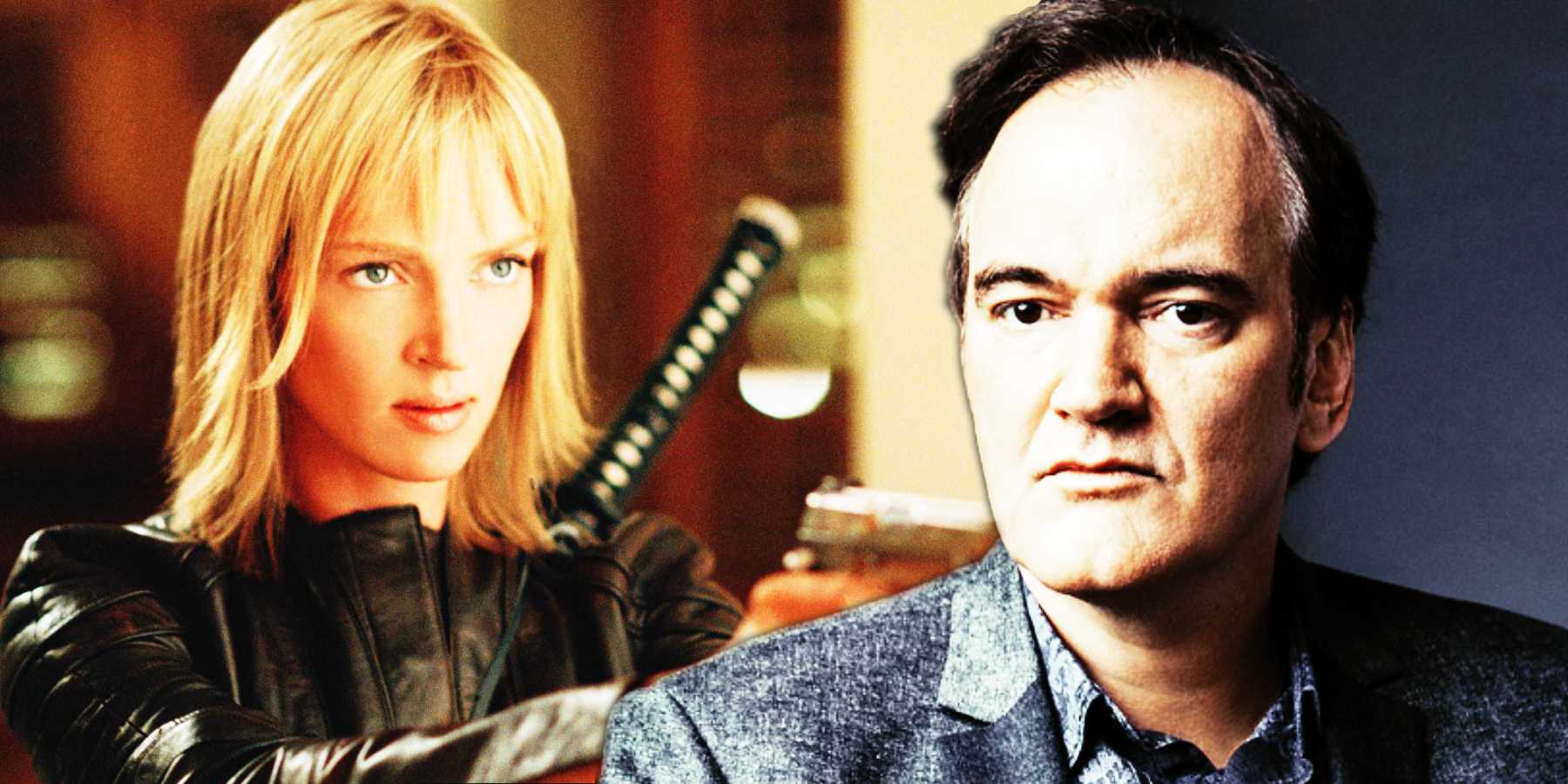
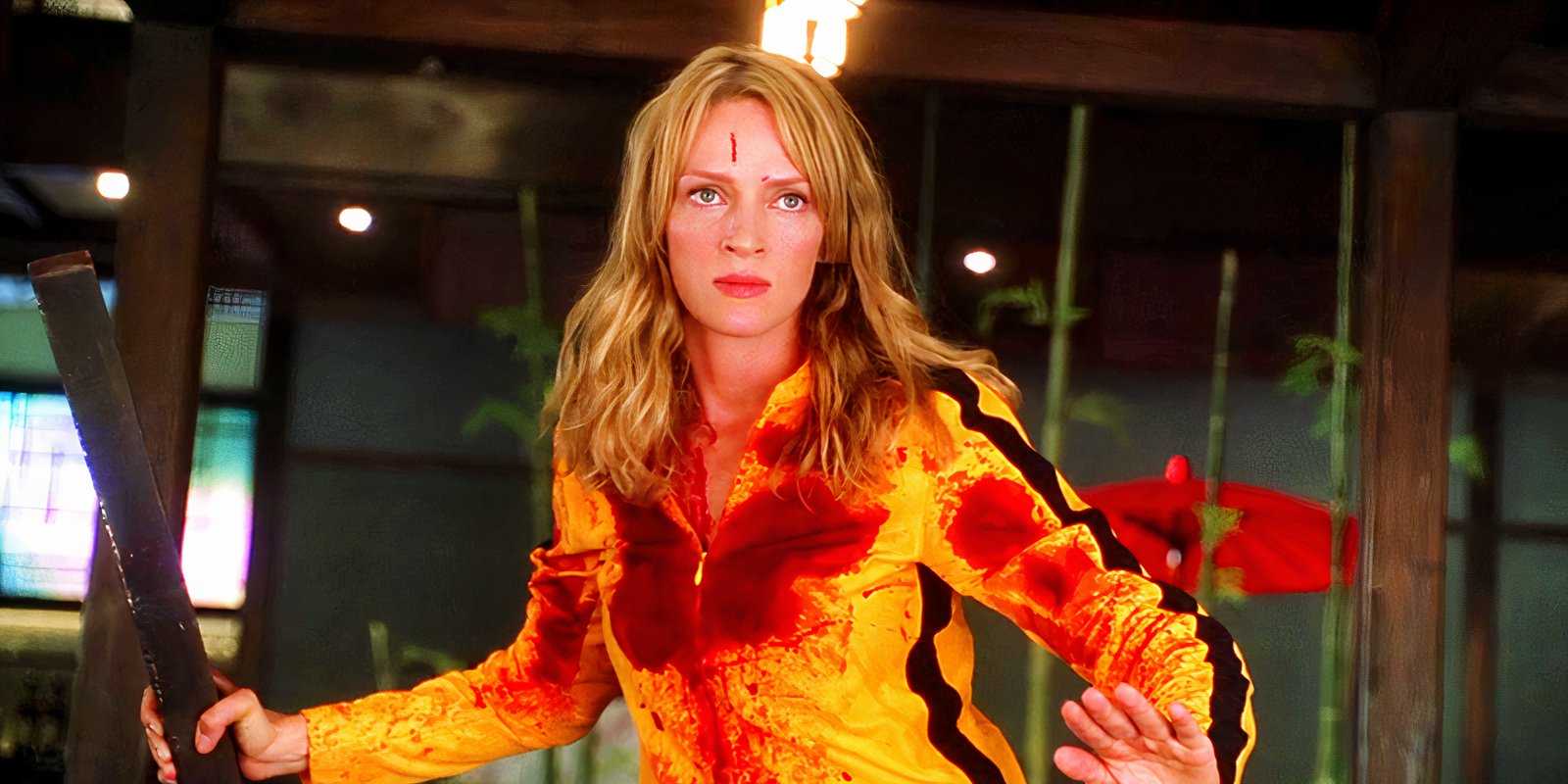

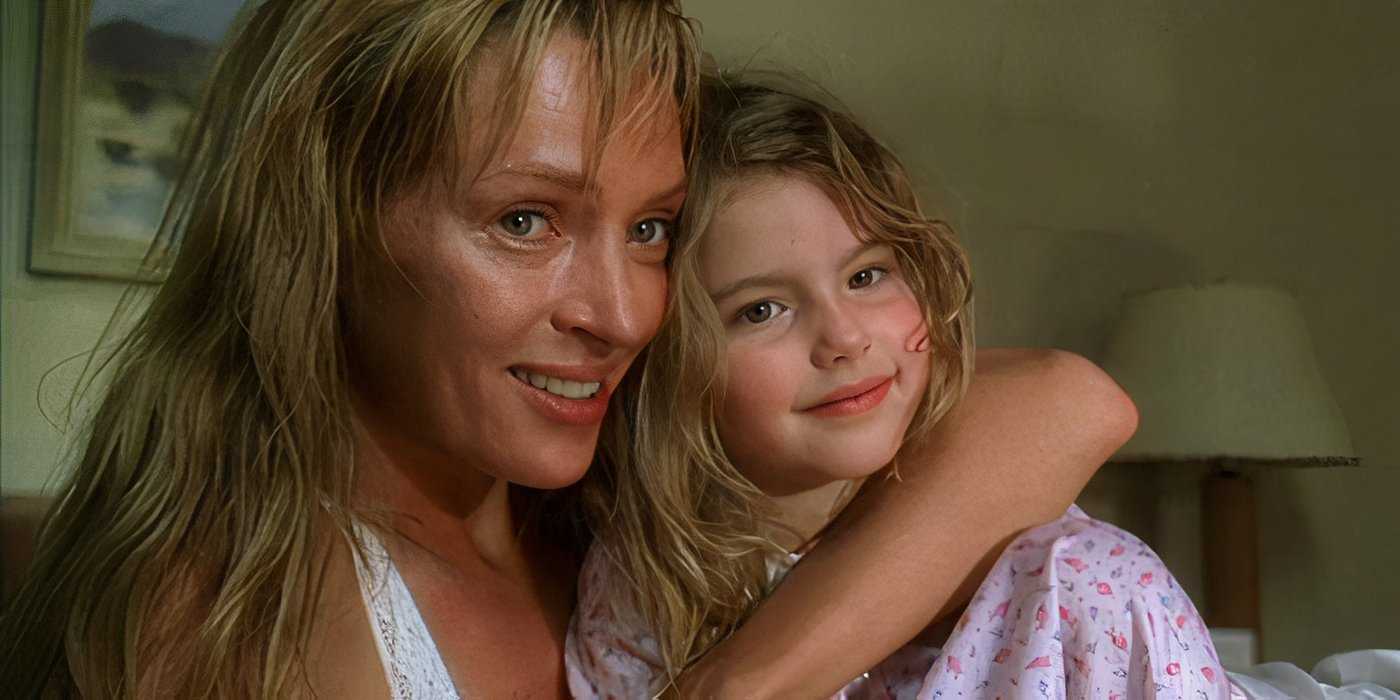
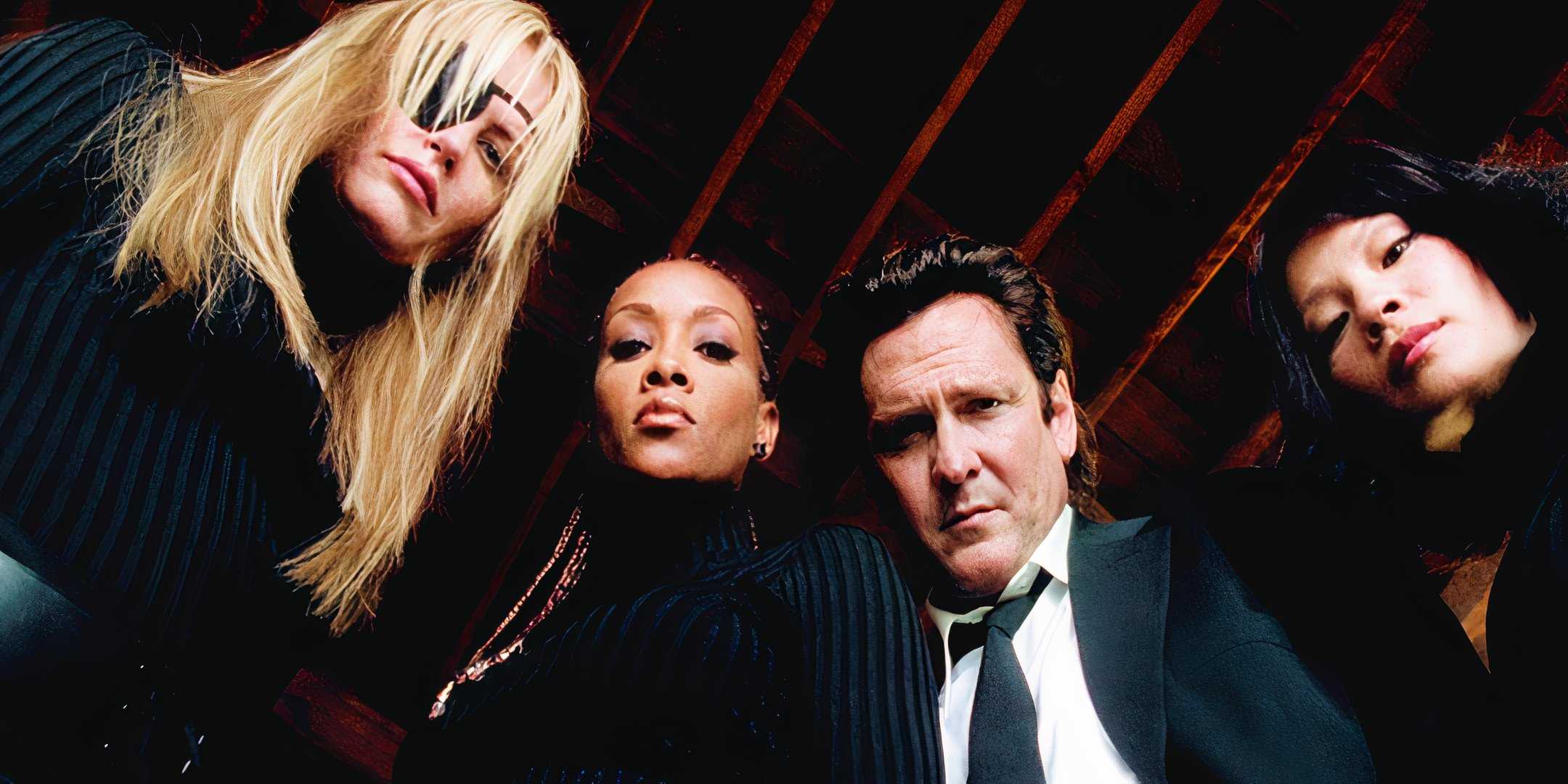
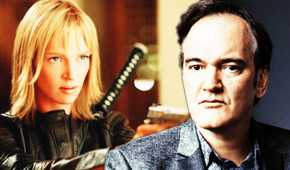
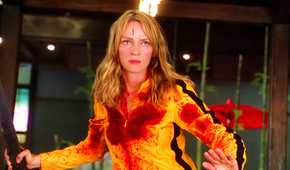


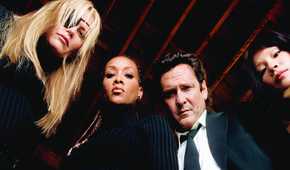
Kill Bill was Quentin Tarantino's extraordinary back-to-back tribute to martial arts cinema that was released in two volumes, Volume 1 in 2003 and Volume 2 in 2004. This incredible story starred Uma Thurman as The Bride, seeking vengeance on the titular Bill, who tried to have her and their unborn child killed. With fantastic cameos from legends of Kung Fu movie history, Kill Bill introduced a whole new generation of viewers to the martial arts genre.
While Kill Bill’s two volumes told a complete story, Tarantino himself proposed the idea of a sequel as he spoke in interviews about his desire to make Kill Bill 3 and potentially a fourth film set years later after The Bride’s daughter had grown up (via Bloody Disgusting.) However, Tarantino has also been particular about his legacy and desire to retire after making ten feature films. With just one more feature film left before Tarantino supposedly shifts away from directing films toward other projects, this makes the long-teased release of Kill Bill 3 feel unlikely.


Kill Bill: Vol. 1
- Release Date
- October 10, 2003
- Runtime
- 111 minutes
- Director
- Quentin Tarantino
- Writers
- Quentin Tarantino
- Producers
- Lawrence Bender
- Sequel(s)
- Kill Bill Vol. 2
- Franchise(s)
- Kill Bill
Cast
-
 The Bride
-
 Lucy LiuO-Ren Ishii
Quentin Tarantino's Kill Bill: Vol. 1 is a classic tale of betrayal and revenge. When the Bride awakens from a four-year coma, she sets out to settle the score with the team of assassins that betrayed her at the behest of her former boss, Bill.
- Budget
- $30 million

9 Elf 2
Jon Favreau


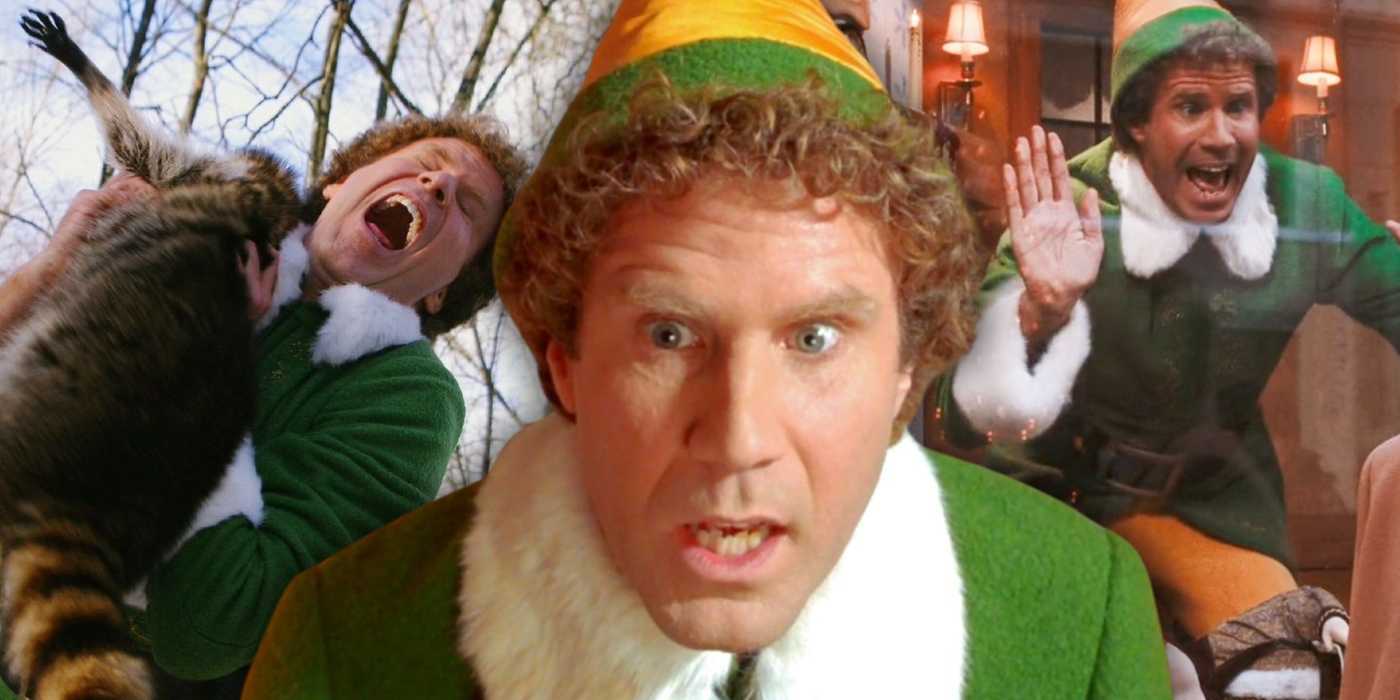
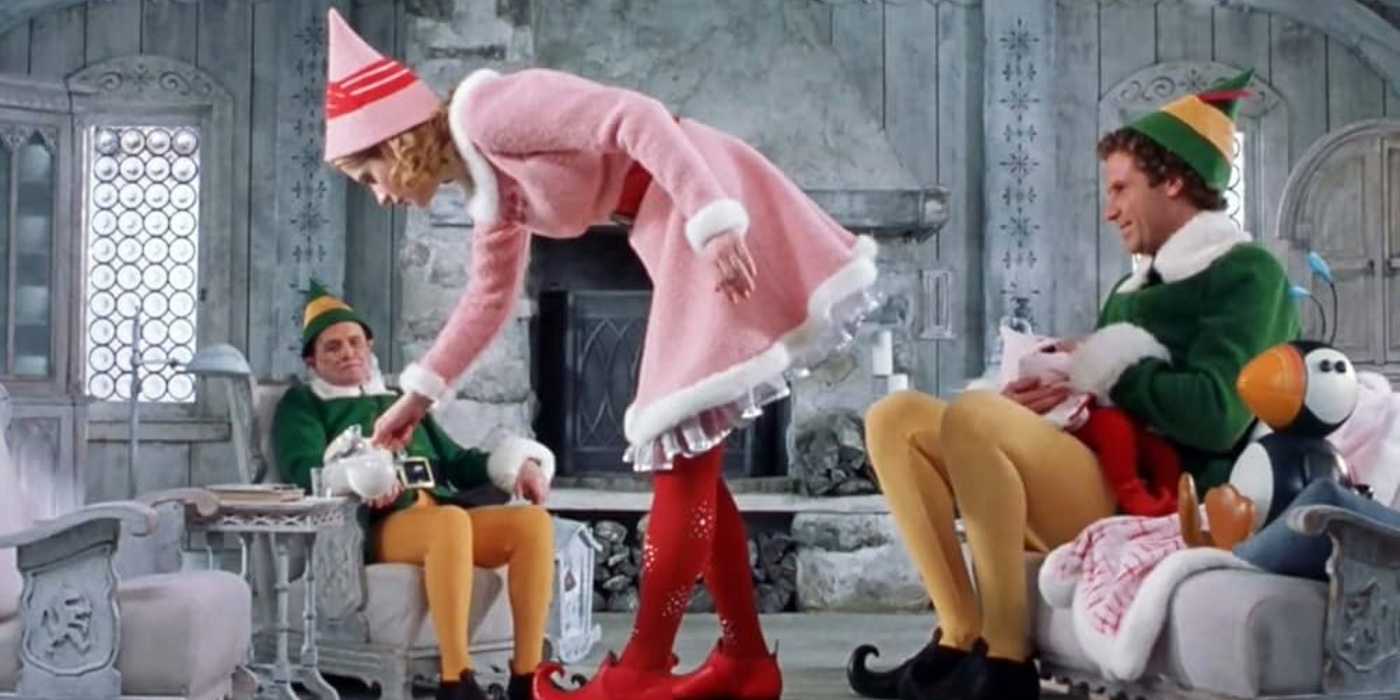
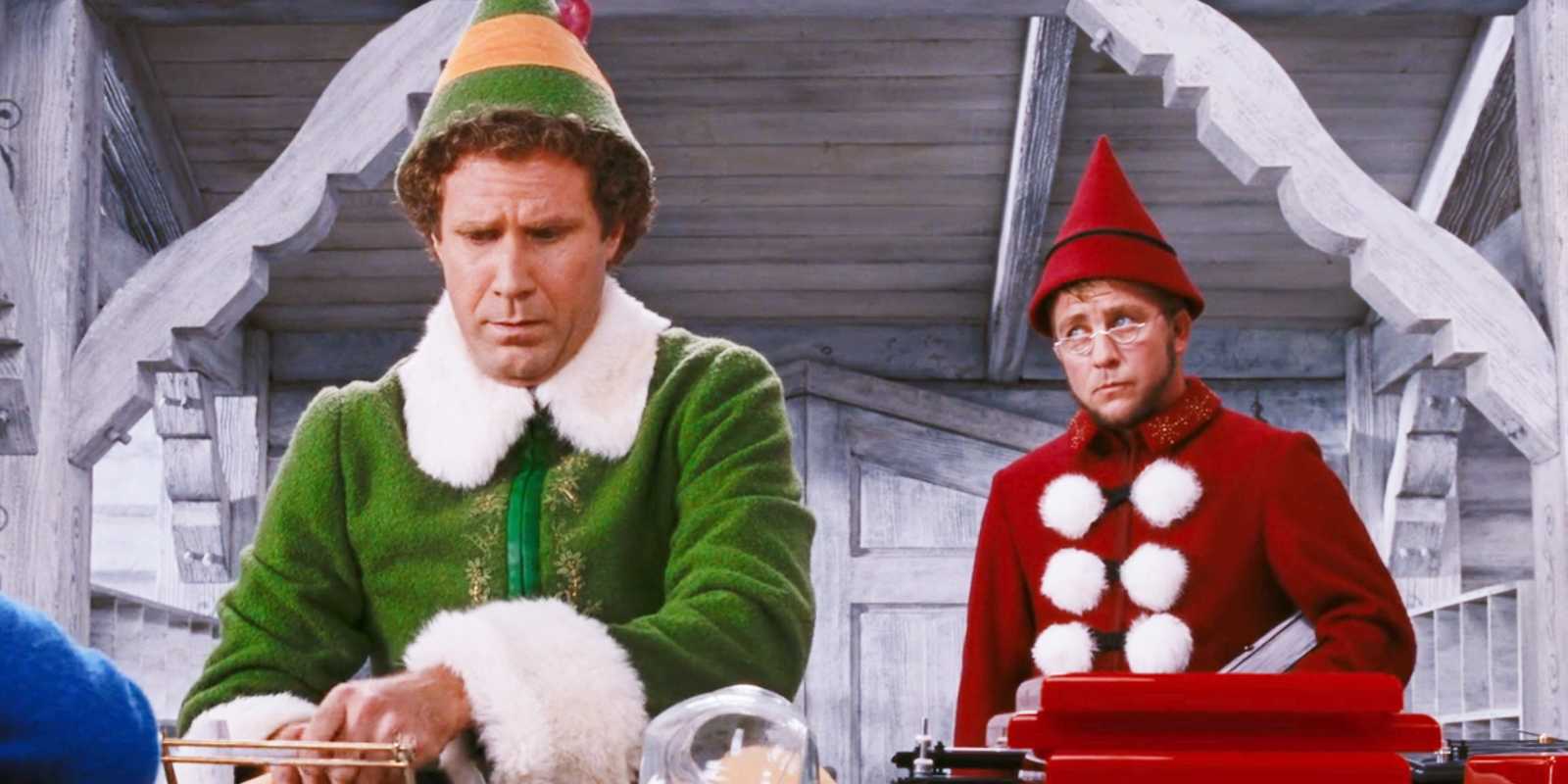
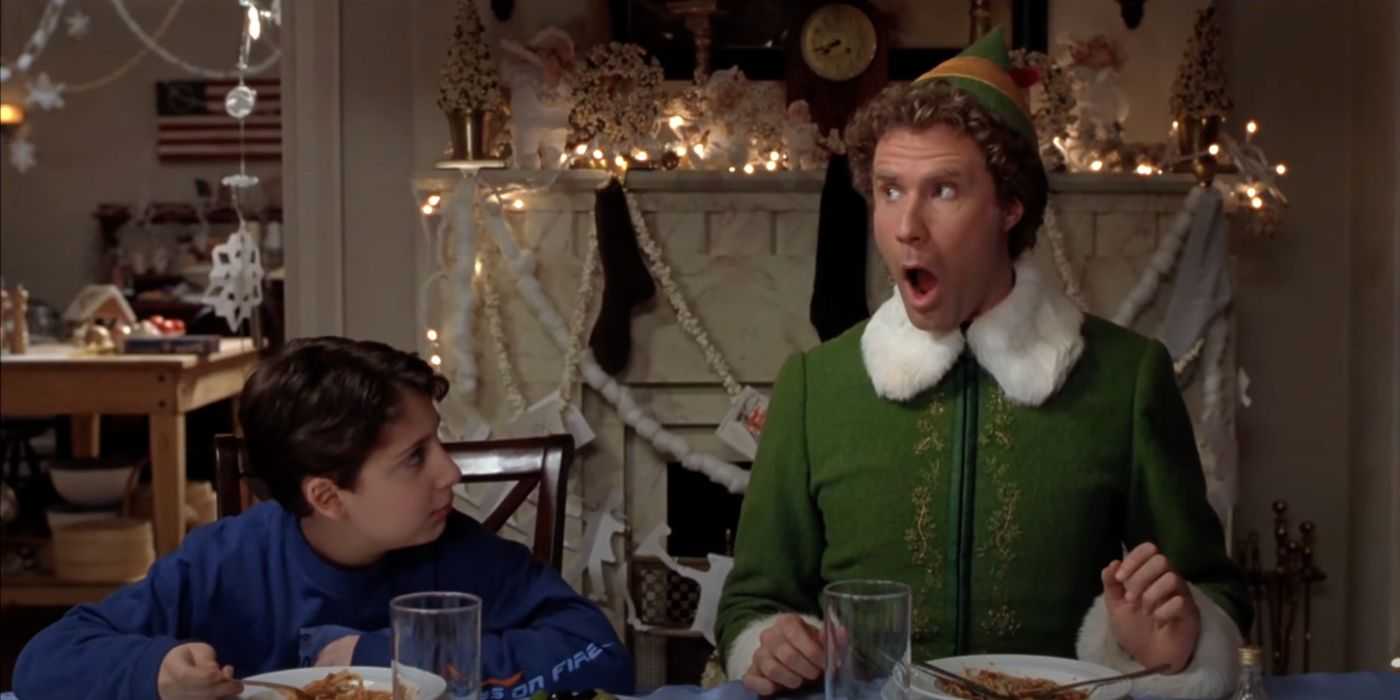
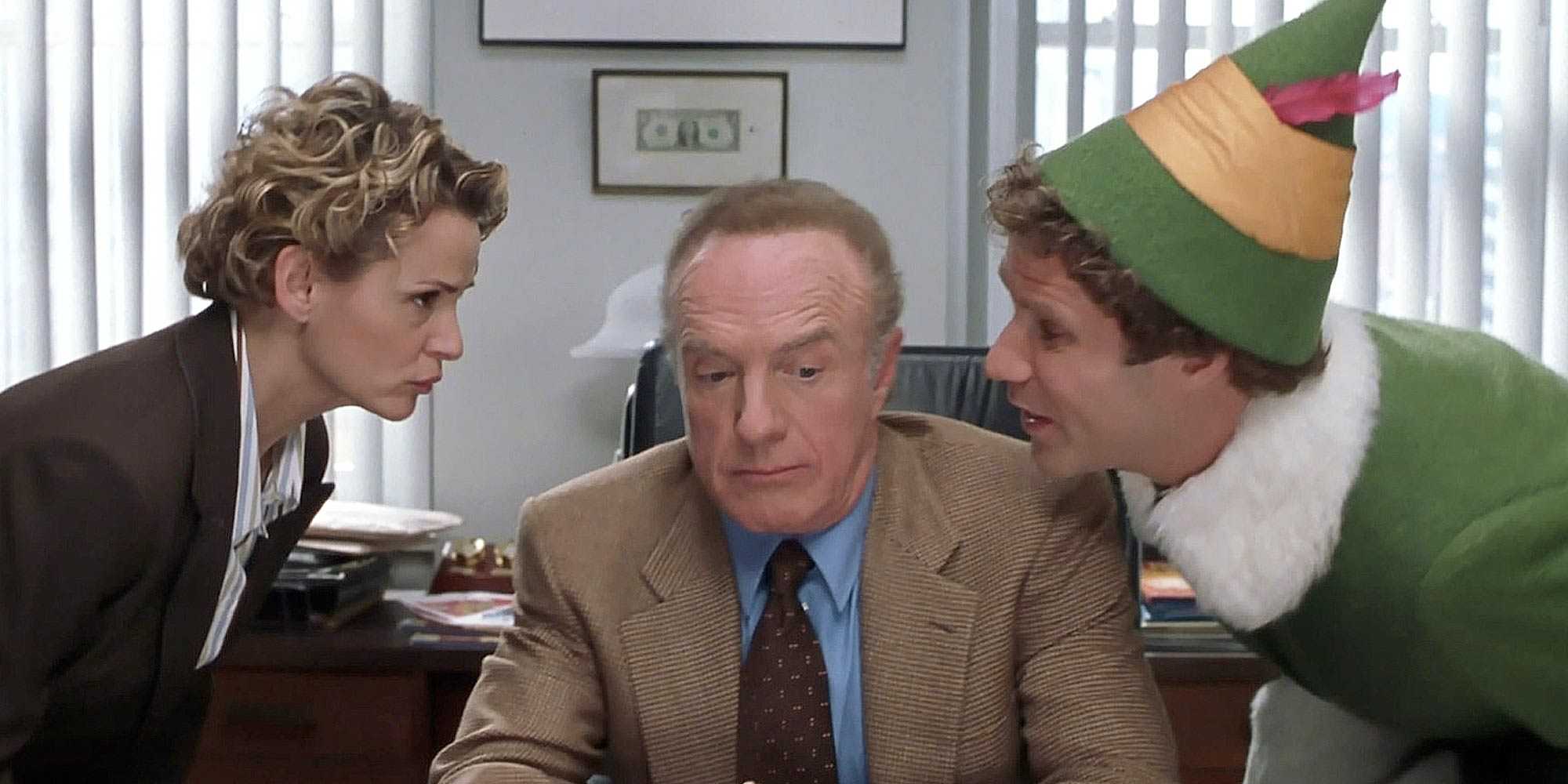
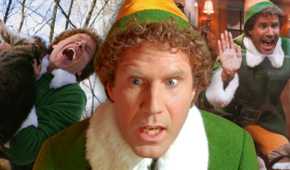
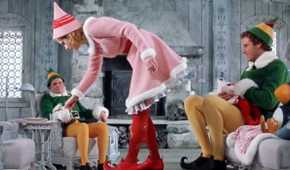
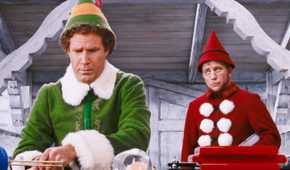
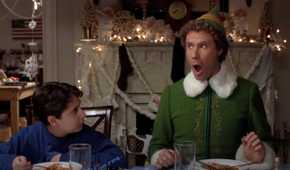
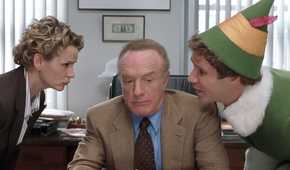
The modern Christmas classic Elf starred Will Ferrell in the hilarious story of a human raised in the North Pole by Santa Claus and his elves. After growing up in a world of wonder at Santa’s workshop, Buddy Hobbs arrived in New York to track down his real father and discover what life was like away from the magic of Christmas. The release of Elf in 2003 exceeded all expectations and grossed over $228 million at the box office, and audiences have been hoping for a sequel ever since.
While director Jon Favreau did express interest in a sequel, which Mental Floss reported in 2013 could be titled Elf 2: Buddy Saves Christmas, this never came to fruition. Ferrell himself also expressed a reluctance to return for Elf 2 (via IGN) as he wouldn’t want to rush in making a follow-up film unless they had a “story that justifies having an extension of the first one.” The late James Caan, who played the supporting role of Buddy’s father in Elf, also said in 2020 (via The Wrap) that Elf 2 would not be made because Ferrell and Favreau “didn’t get along.”

- Release Date
- October 9, 2003
- Runtime
- 97 minutes
- Director
- Jon Favreau
- Writers
- David Berenbaum
Cast
-
 Buddy
-
 Walter
Elf follows Buddy, a human who was accidentally raised by Santa's elves at the North Pole and has always struggled to fit in. After learning the truth about his origins, Buddy travels to New York City to find his biological father, where his boundless Christmas spirit turns the lives of everyone around him upside down.
- Studio(s)
- New Line Cinema
- Distributor(s)
- New Line Cinema, Warner Bros. Pictures
- Budget
- $33 million
8 Event Horizon 2
Paul W. S. Anderson


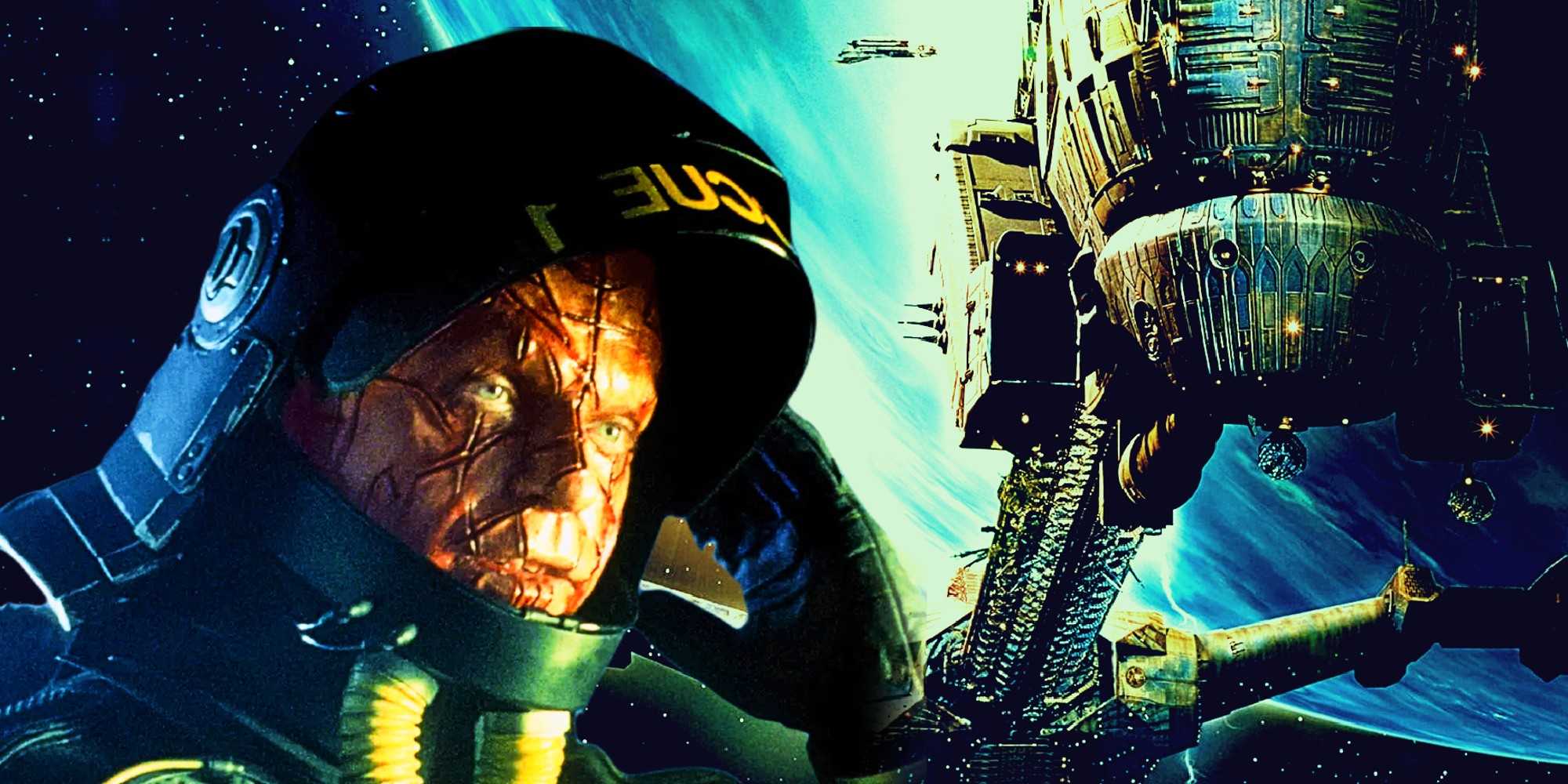

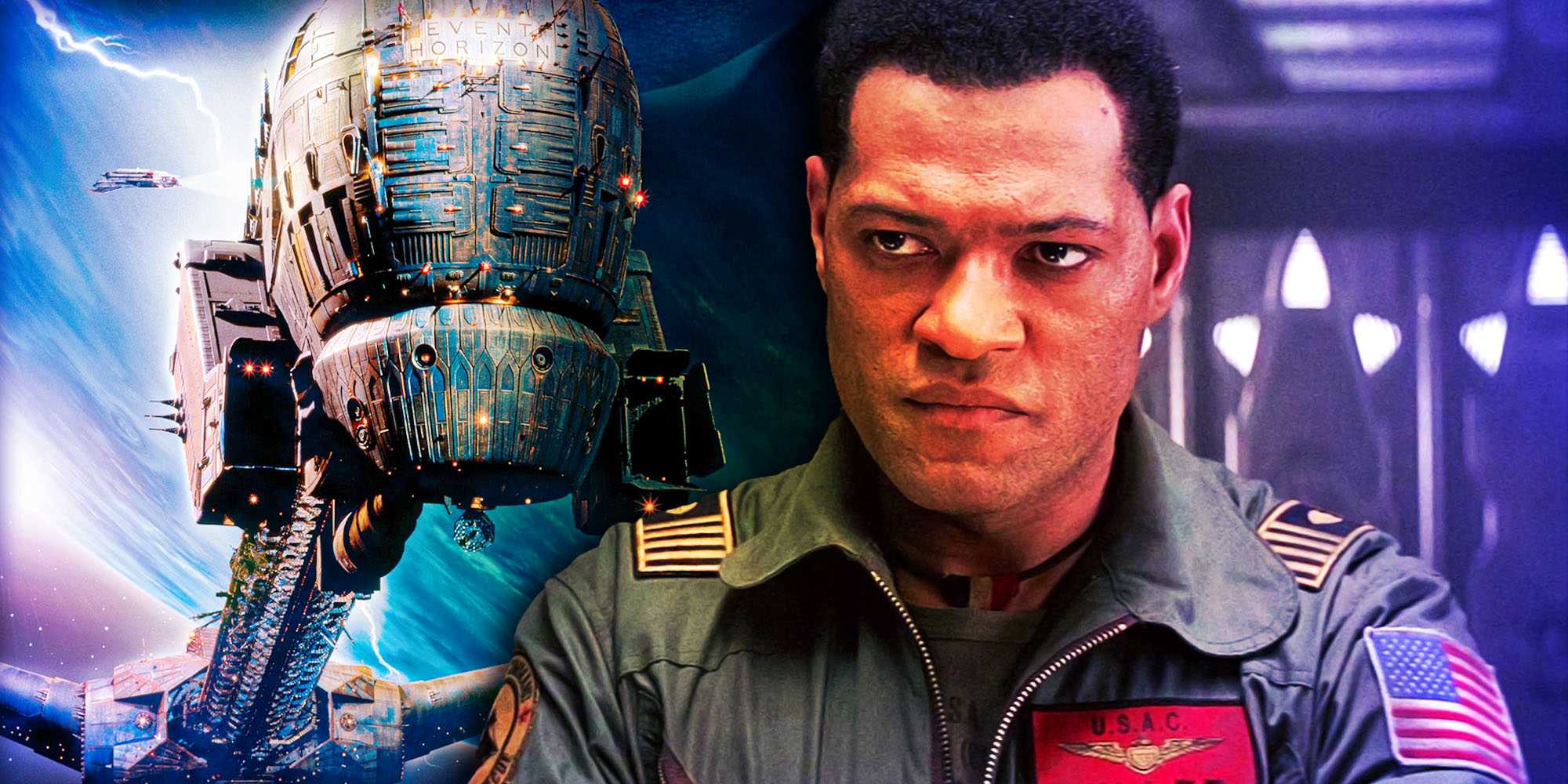
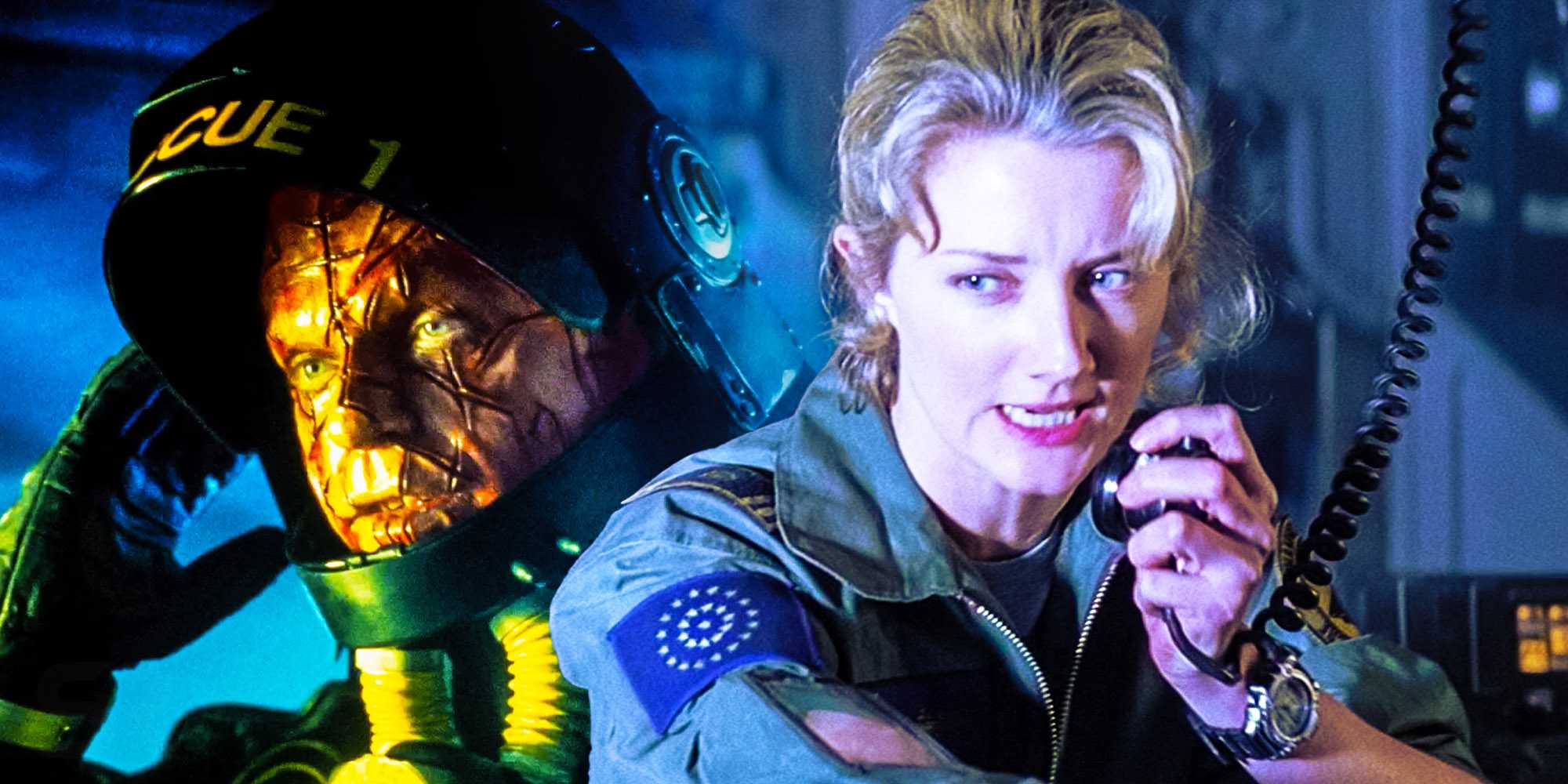
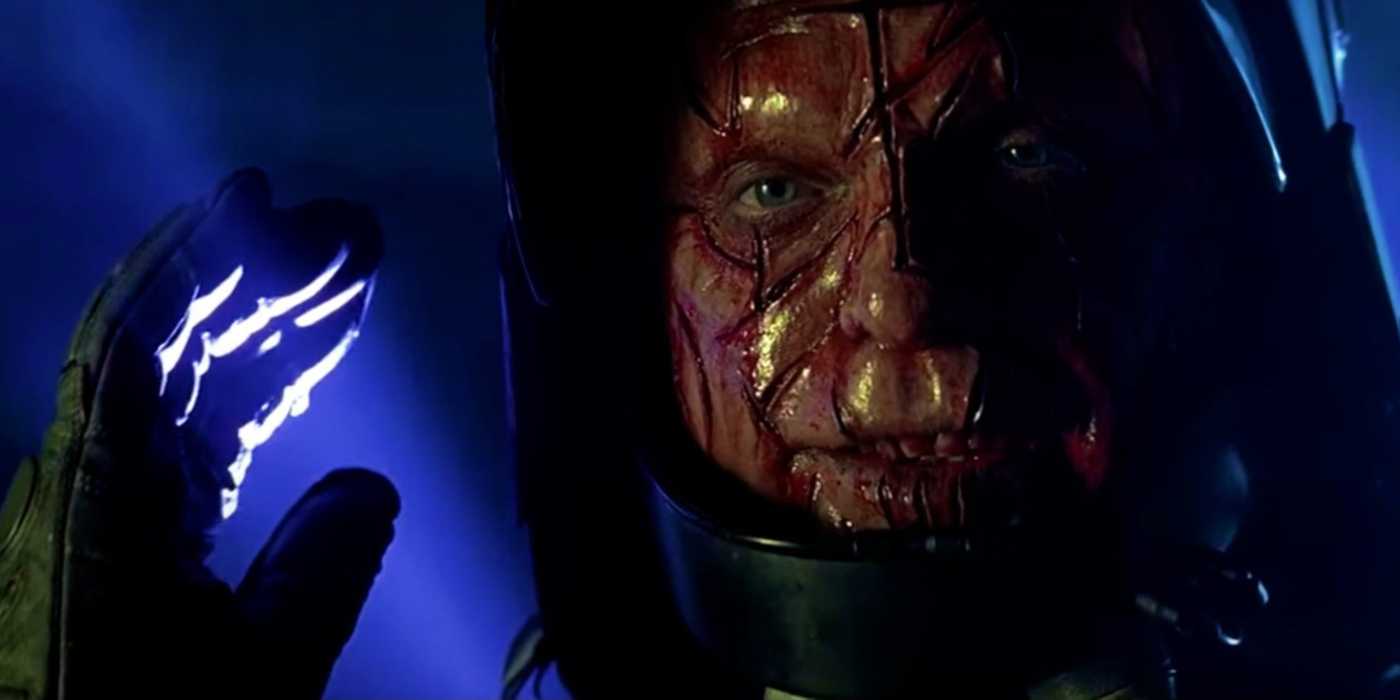
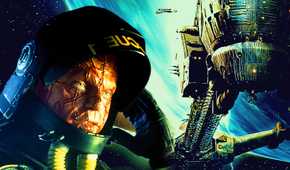

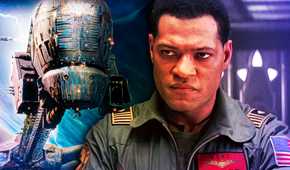
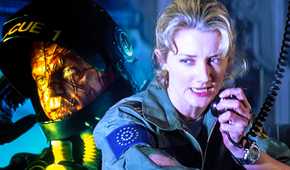
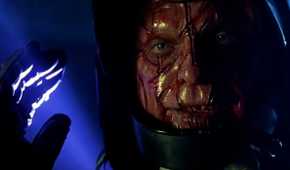
Event Horizon was an extraordinary Lovecraftian sci-fi story that took viewers into the very heart of a doomed rescue mission. As a space crew was forced to confront their deepest fears and regrets, Event Horizon was a dark and thrilling cult classic boasting a fascinating narrative, compelling performances, and stunning visuals. While it has since come to be regarded as a defining piece of sci-fi horror cinema, Event Horizon flopped upon release in 1997, and it was only years later that critics came to reappraise it as an underappreciated classic from Paul W. S. Anderson.
While renewed interest led to Anderson considering expanding the lore of Event Horizon with a sequel, he later abandoned these plans. In 2020, Anderson said he has no plans to return to Event Horizon for a sequel or TV series (via Comic Book) and wants to let the original film's legacy remain intact. “I’m immensely proud of the movie we made,” Anderson said while explaining how glad he was it finally found an audience after being so badly received upon release, “And, for that reason, I didn’t want to go back to the same world and ruin it for anybody.”

Event Horizon

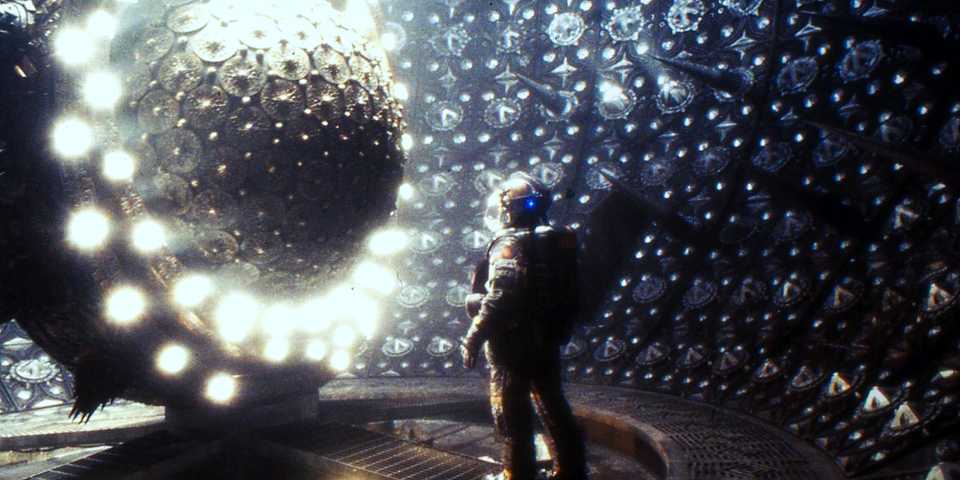

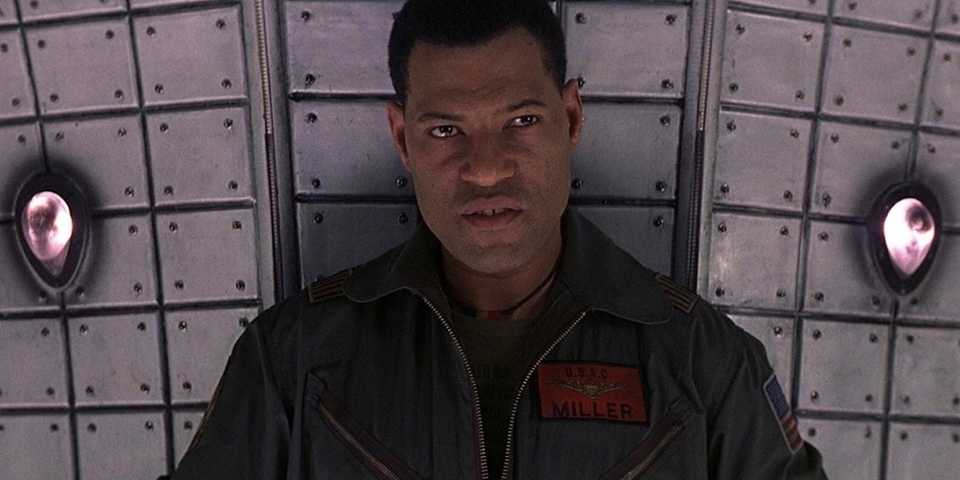
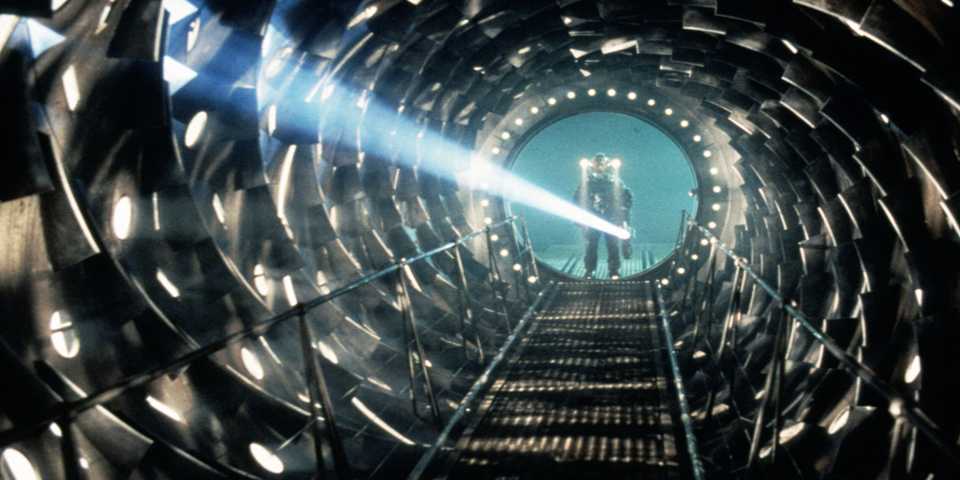
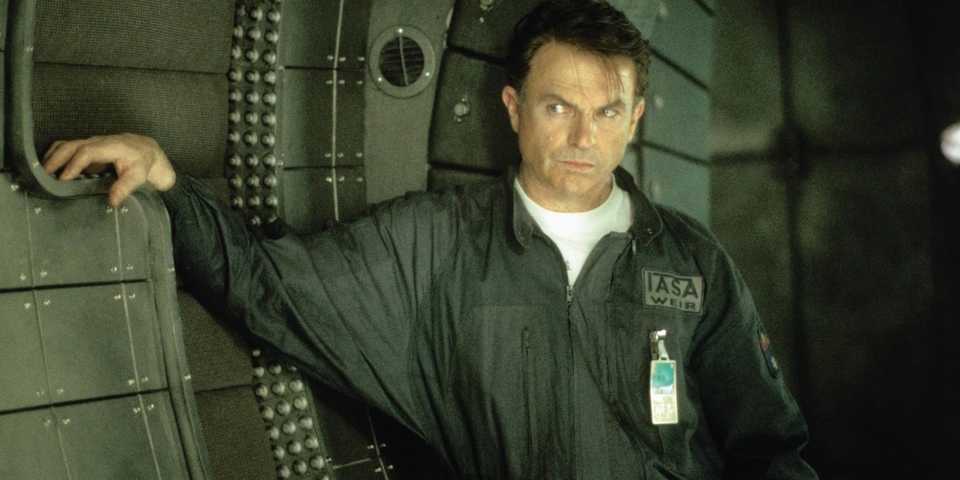
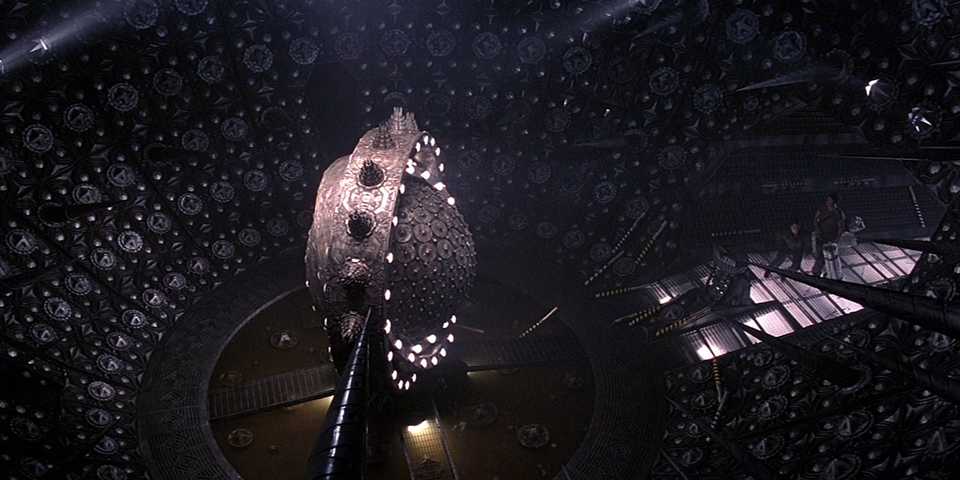
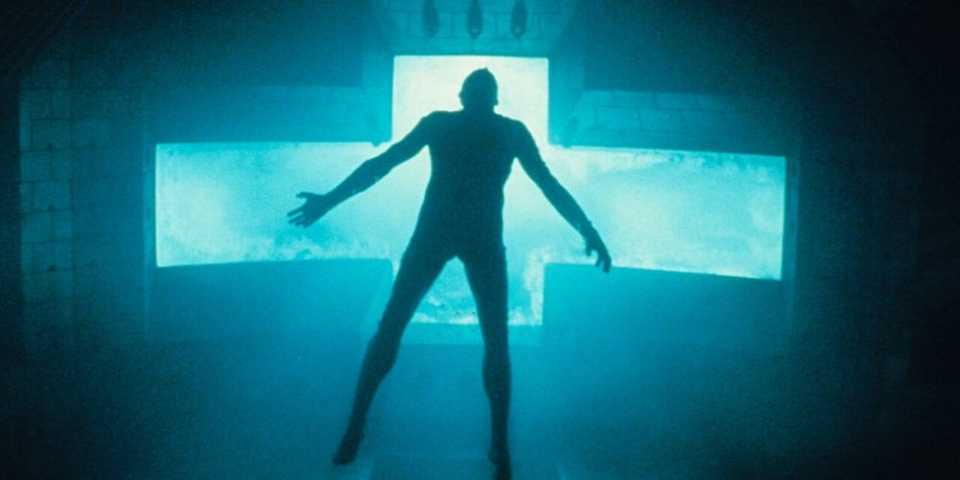


Paul W. S. Anderson steps further into the world of sci-fi horror with Event Horizon, a movie set in the future following a crew of Astronauts attempting to locate a missing ship known as the Event Horizon. When the crew finds the ship floating near Neptune, the distress signal relayed is haunting, followed by the discovery what awaits the rescue team isn't the crew of the missing ship but something far more sinister.
- Studio(s)
- Paramount Pictures
- Distributor(s)
- Paramount Pictures
- Budget
- $60 million
7 Inception 2
Christopher Nolan


 Custom image by Ana Nieves
 Custom Image by Daniel Bibby
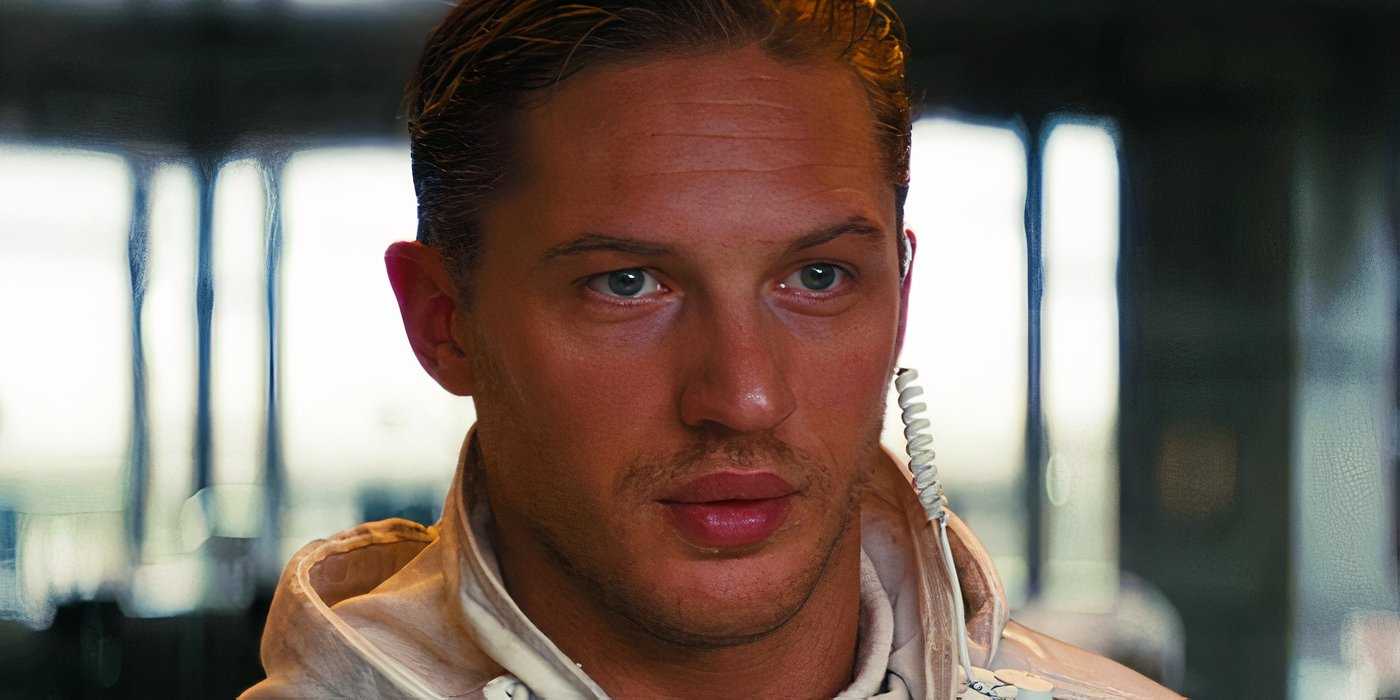
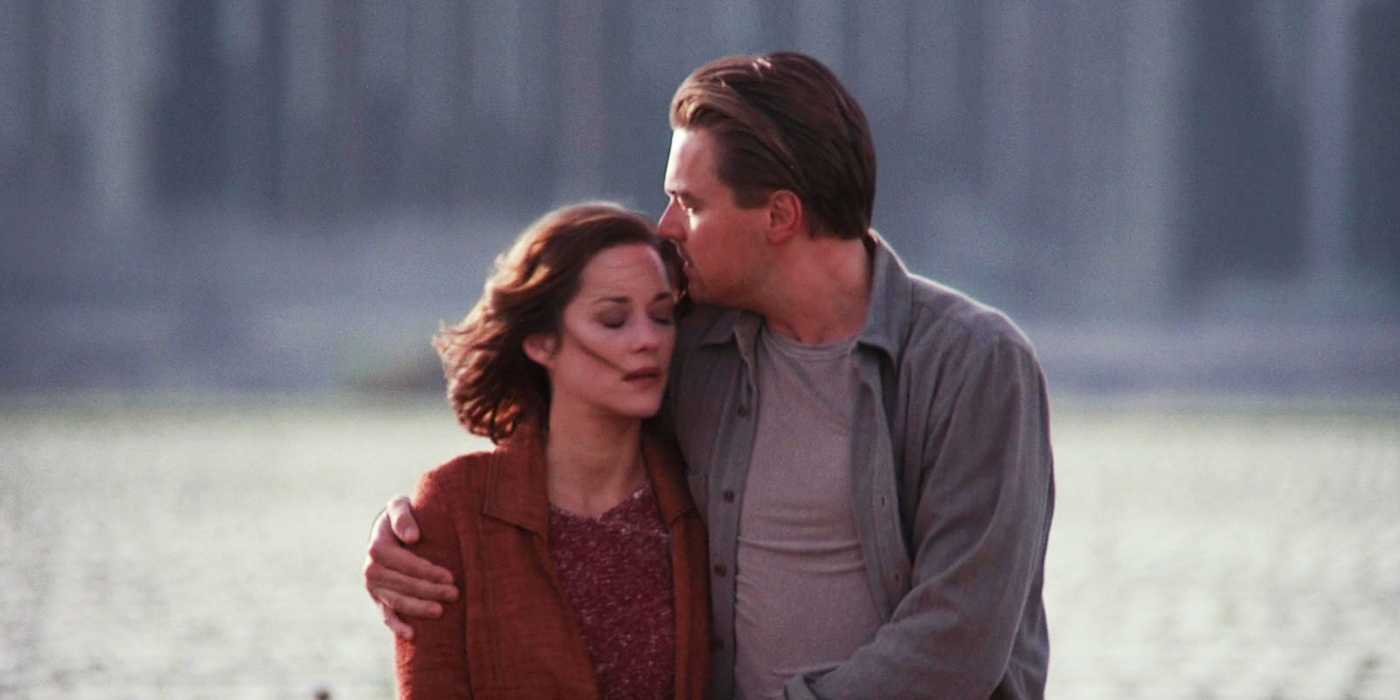
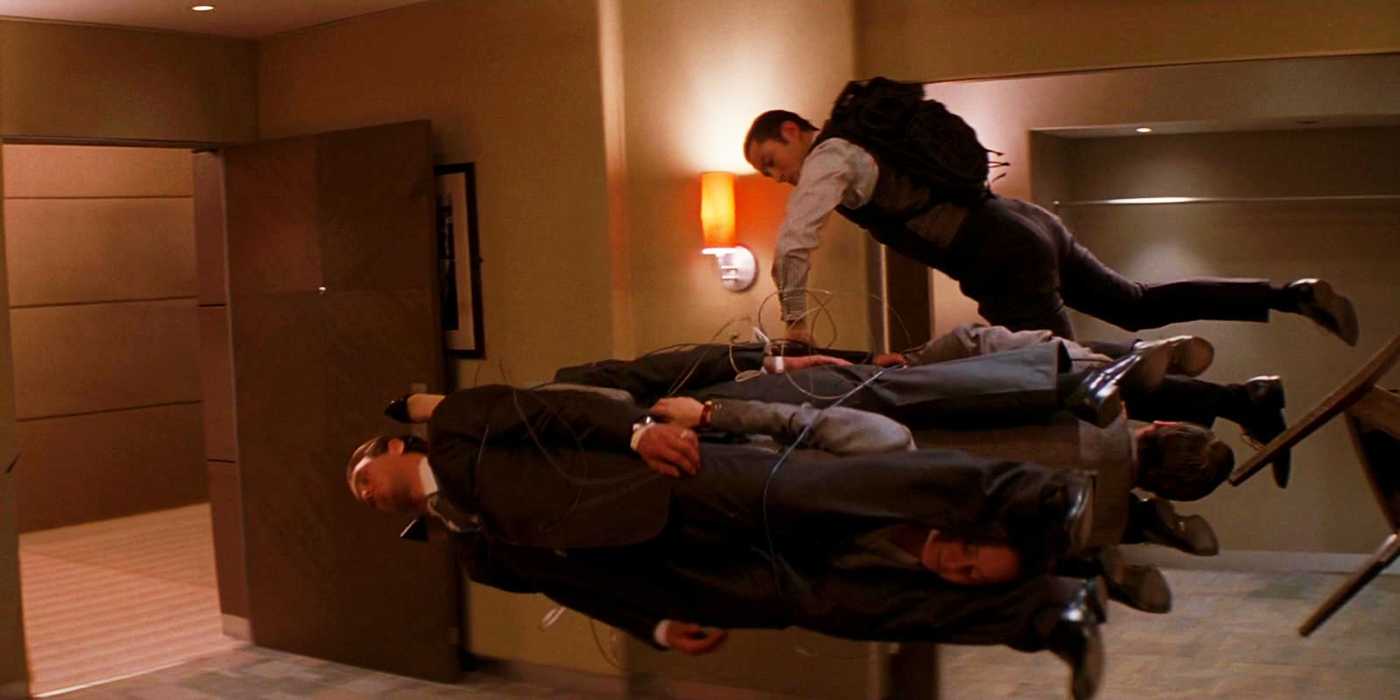
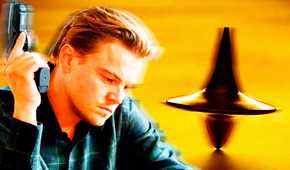
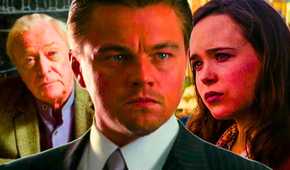

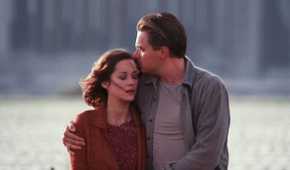
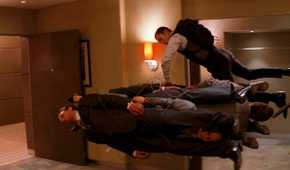
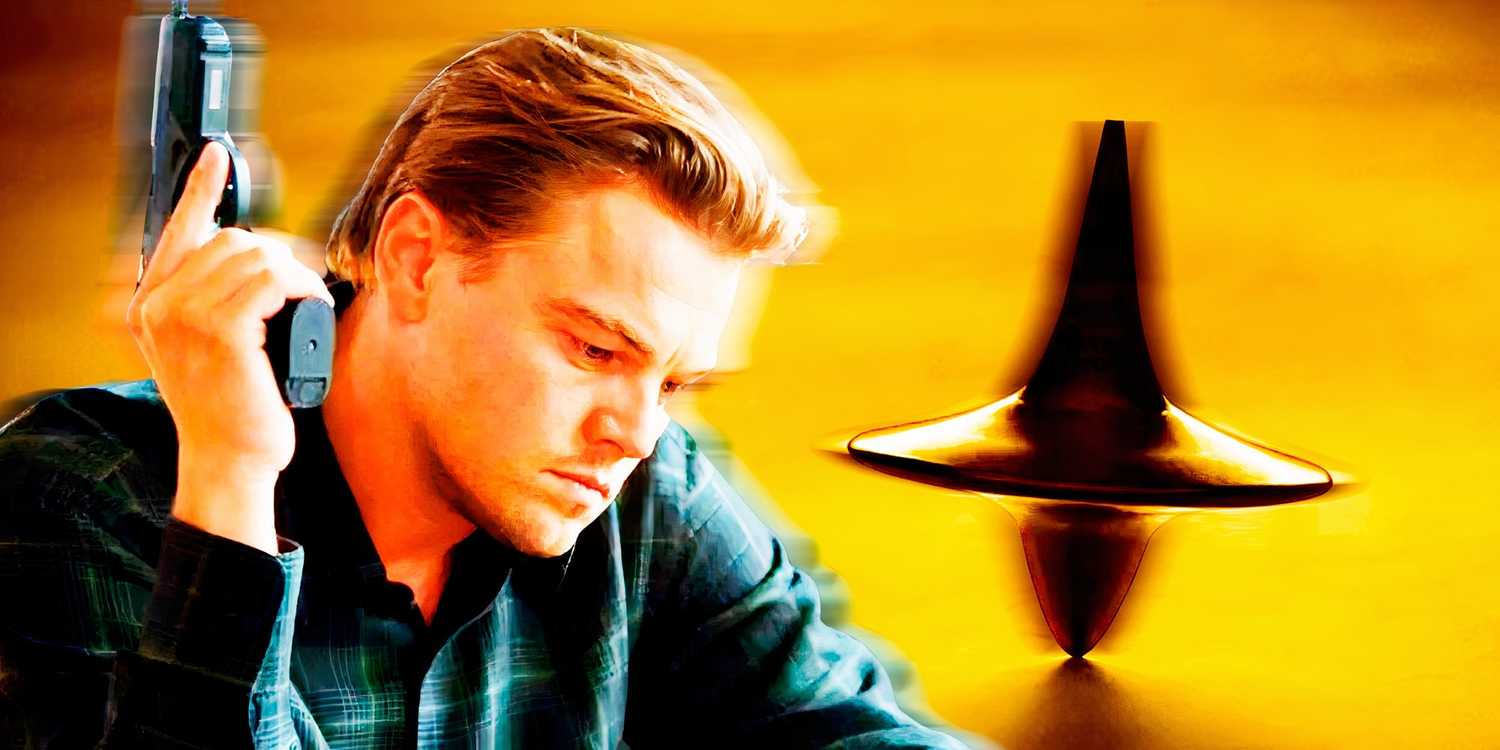
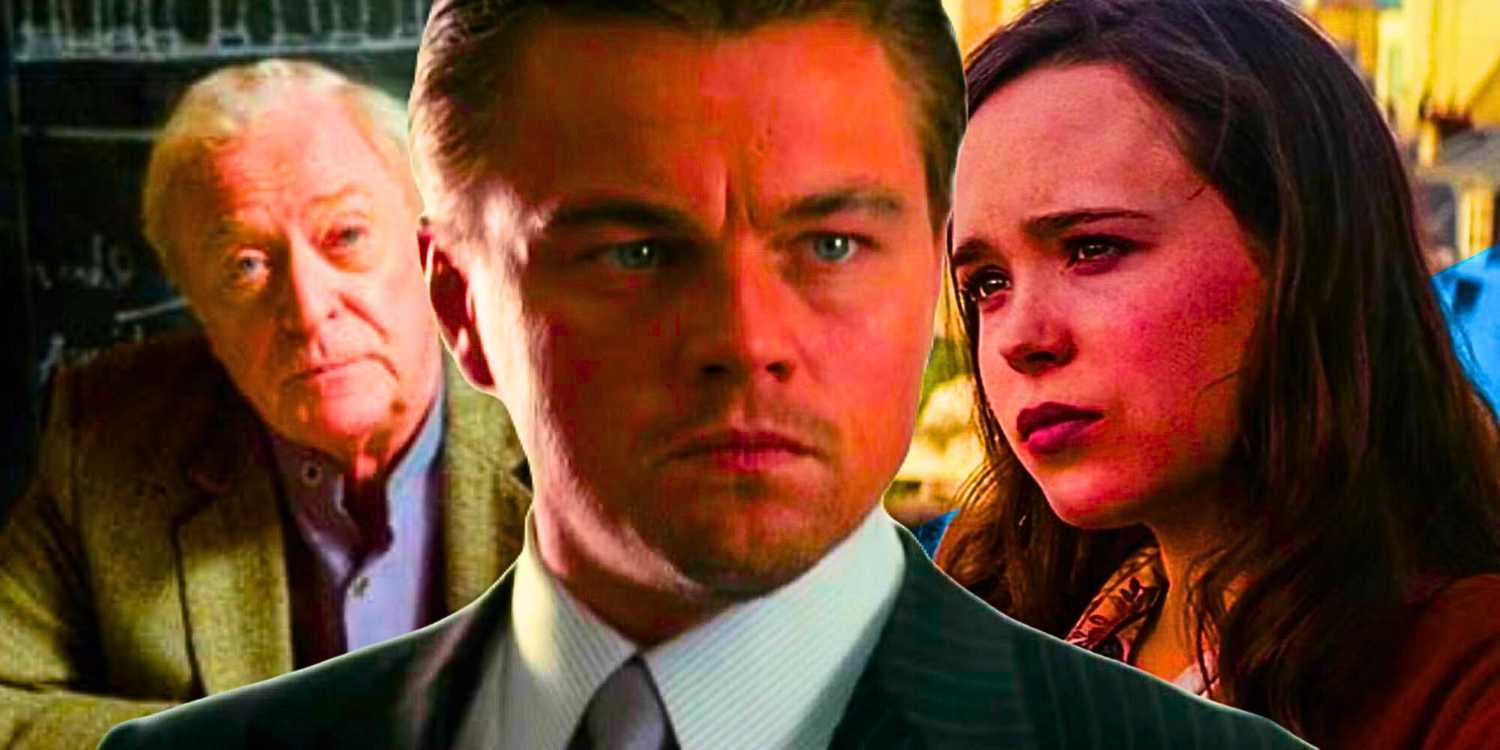
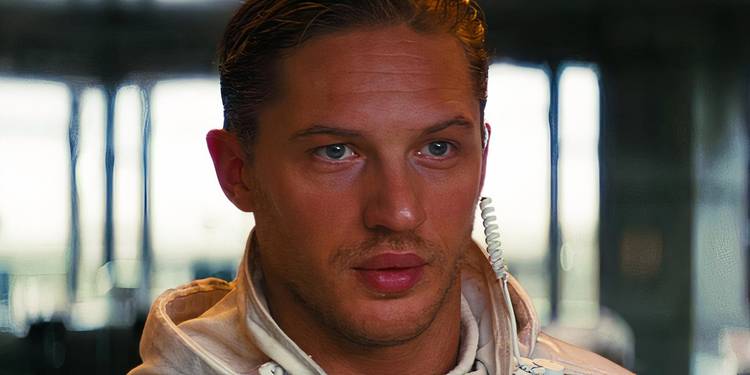
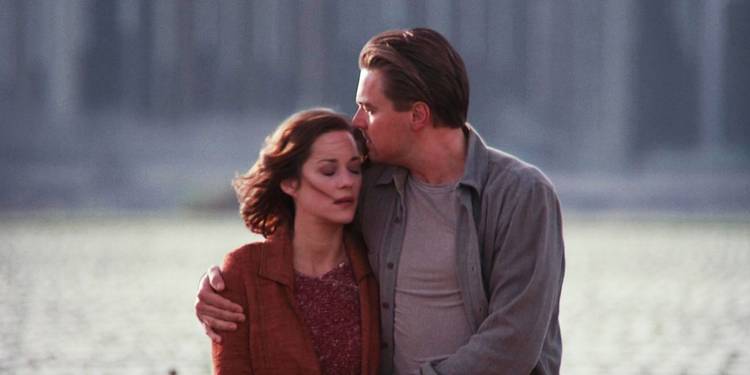
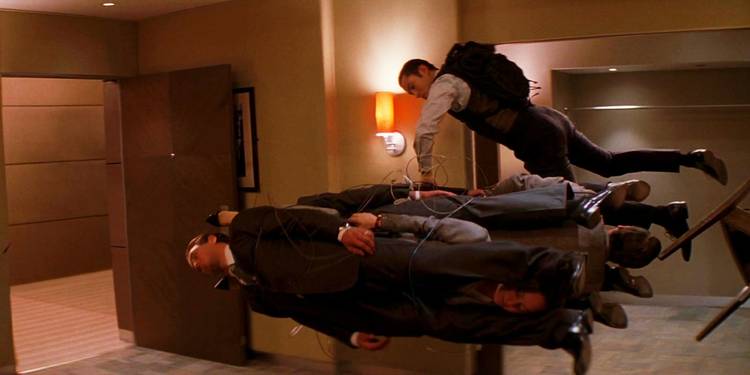
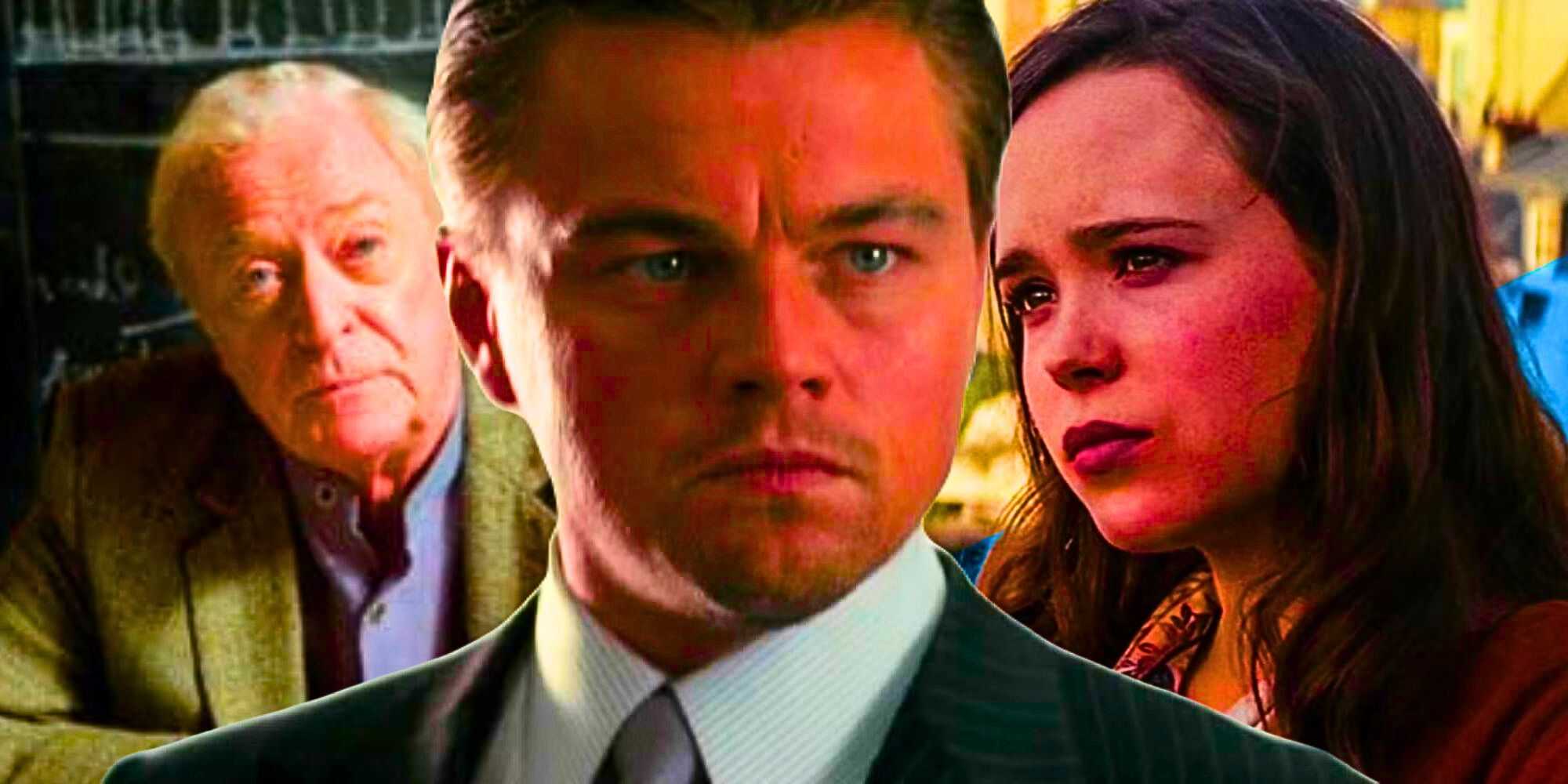
The filmography of Christopher Nolan boasted several movies that audiences would have loved to see sequels to. However, excluding The Dark Knight trilogy, Nolan has avoided following up his films. Nolan’s style of filmmaking leans toward standalone stories, and even though the rich and imaginative worlds he has created lend themselves to sequels, he has preferred to consistently move on to new and unique projects. One movie that audiences would love to see a sequel to was Inception, whose thought-provoking and imaginative premise of stealing information from targets’ subconsciouses could serve as the basis for an entire franchise.
While Inception 2 would be a surefire hit at the box office, as the original took in over $839 million globally, Inception was conceived as a standalone film, and Nolan appears happy to keep it that way. Returning for a sequel would also diminish the film's subjective, open-ended conclusion, as this would force a definitive answer to questions about whether Dom Cobb (Leonardo DiCaprio) was dreaming or not. While it’s not impossible to imagine another director stepping in to make Inception 2, undoing the impact of a well-told story with a needless sequel has not been Nolan’s modus operandi.

- Release Date
- July 16, 2010
- Runtime
- 148 minutes
- Director
- Christopher Nolan
- Writers
- Christopher Nolan
- Franchise(s)
- Inception
Cast
-
 Cobb
-
 Joseph Gordon-LevittArthur
Inception features a skilled thief who uses dream-sharing technology to steal corporate secrets. He is tasked with planting an idea into a CEO's mind, while confronting his troubled past, which threatens the mission and his team.
- Studio(s)
- Warner Bros. Pictures
- Distributor(s)
- Warner Bros. Pictures
- Budget
- $160 million
- Main Genre
- Action
6 Fight Club 2
David Fincher


 Custom image by Debanjana Chowdhury
 Custom image by Debanjana Chowdhury
 Custom Image by Stephen Barker
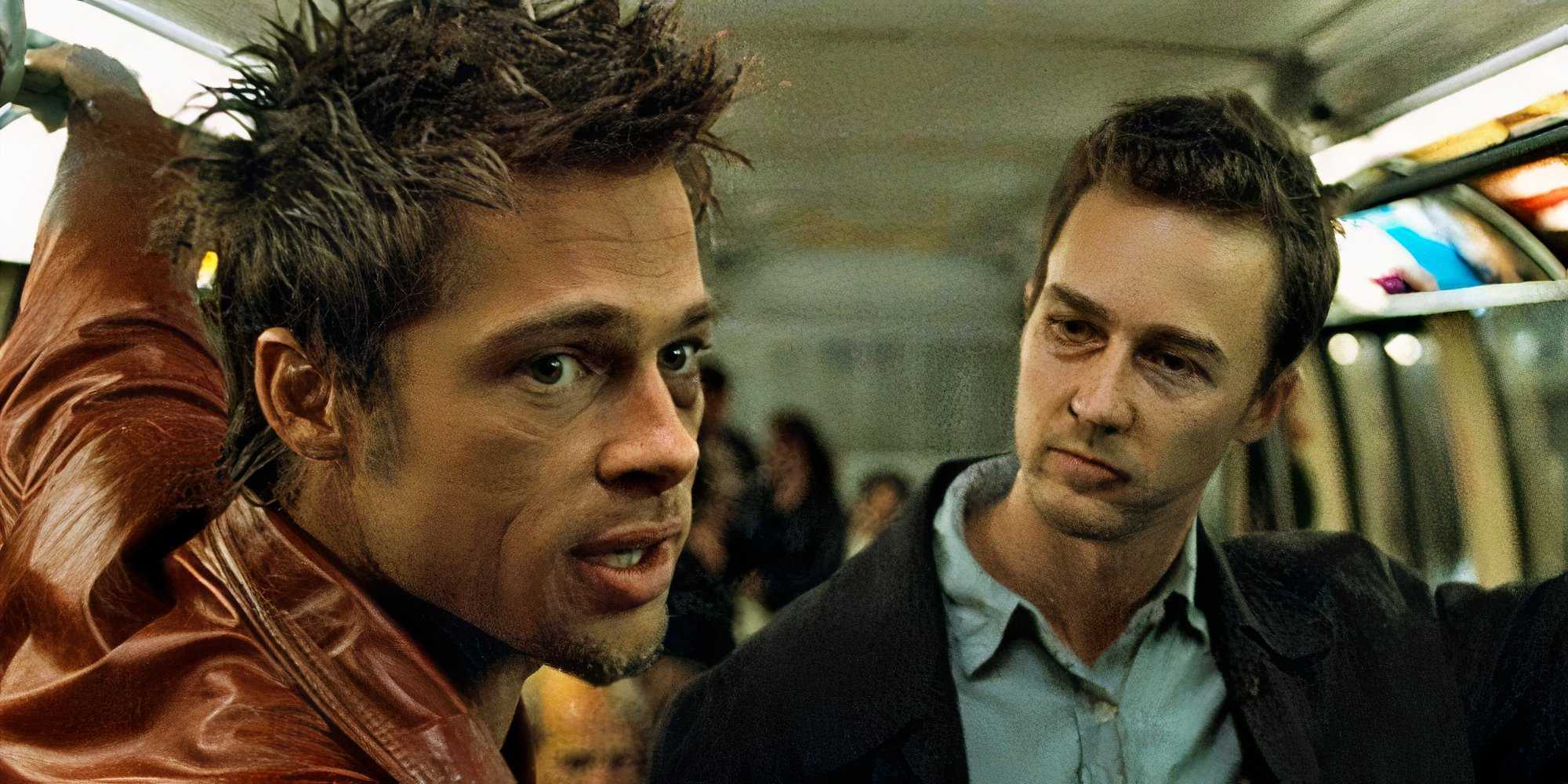

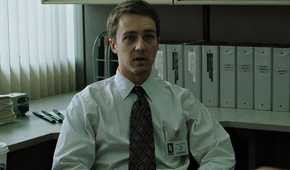

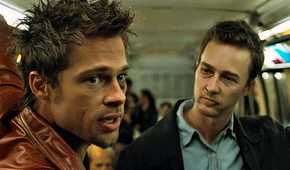
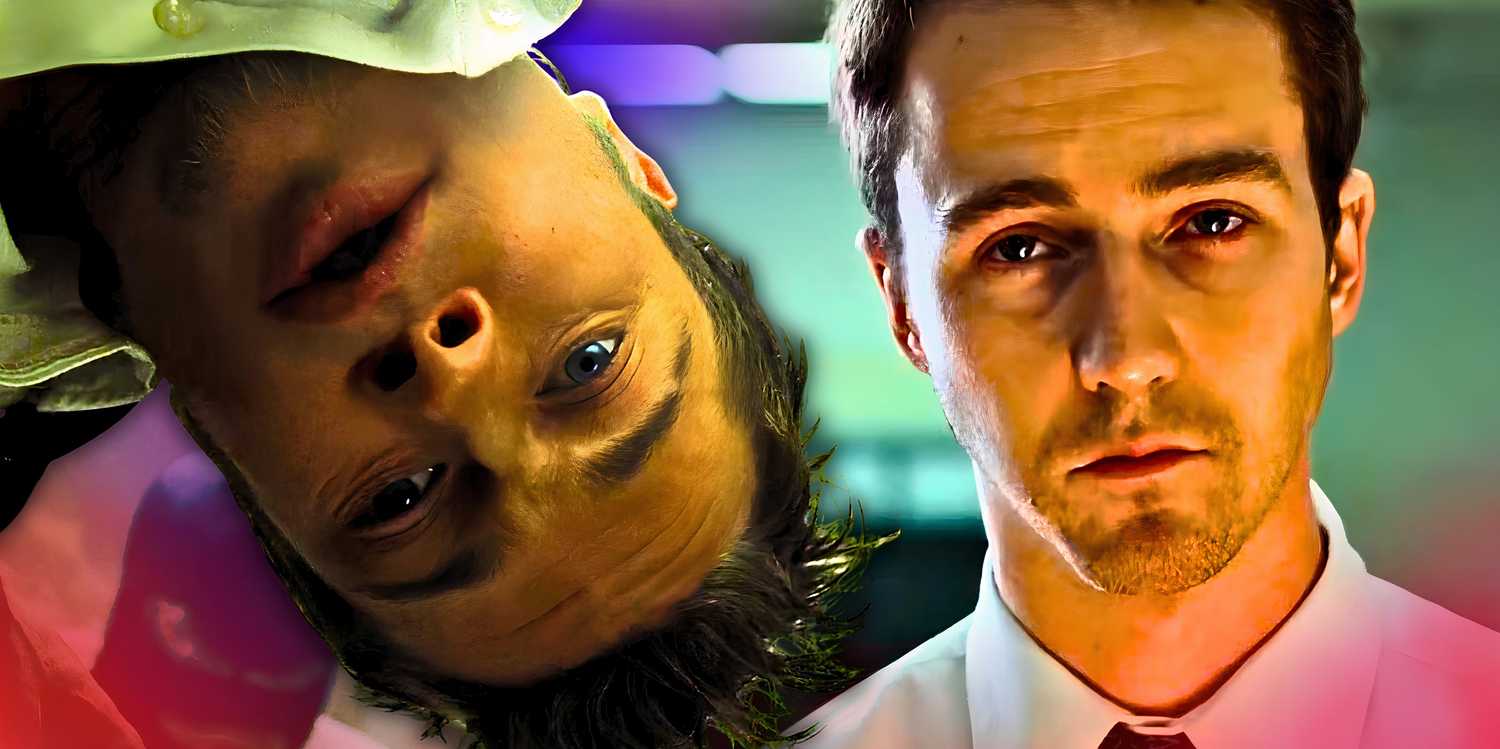
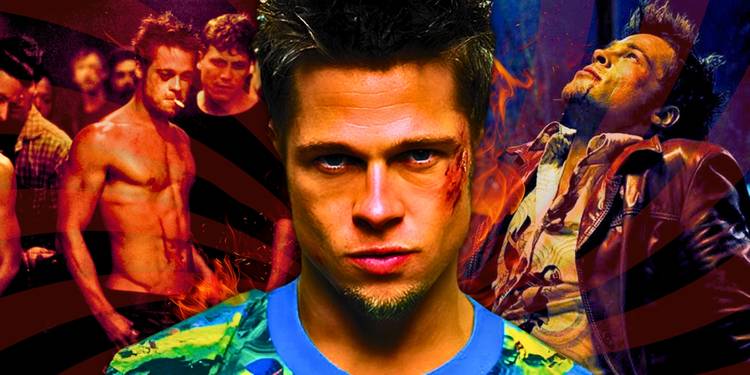
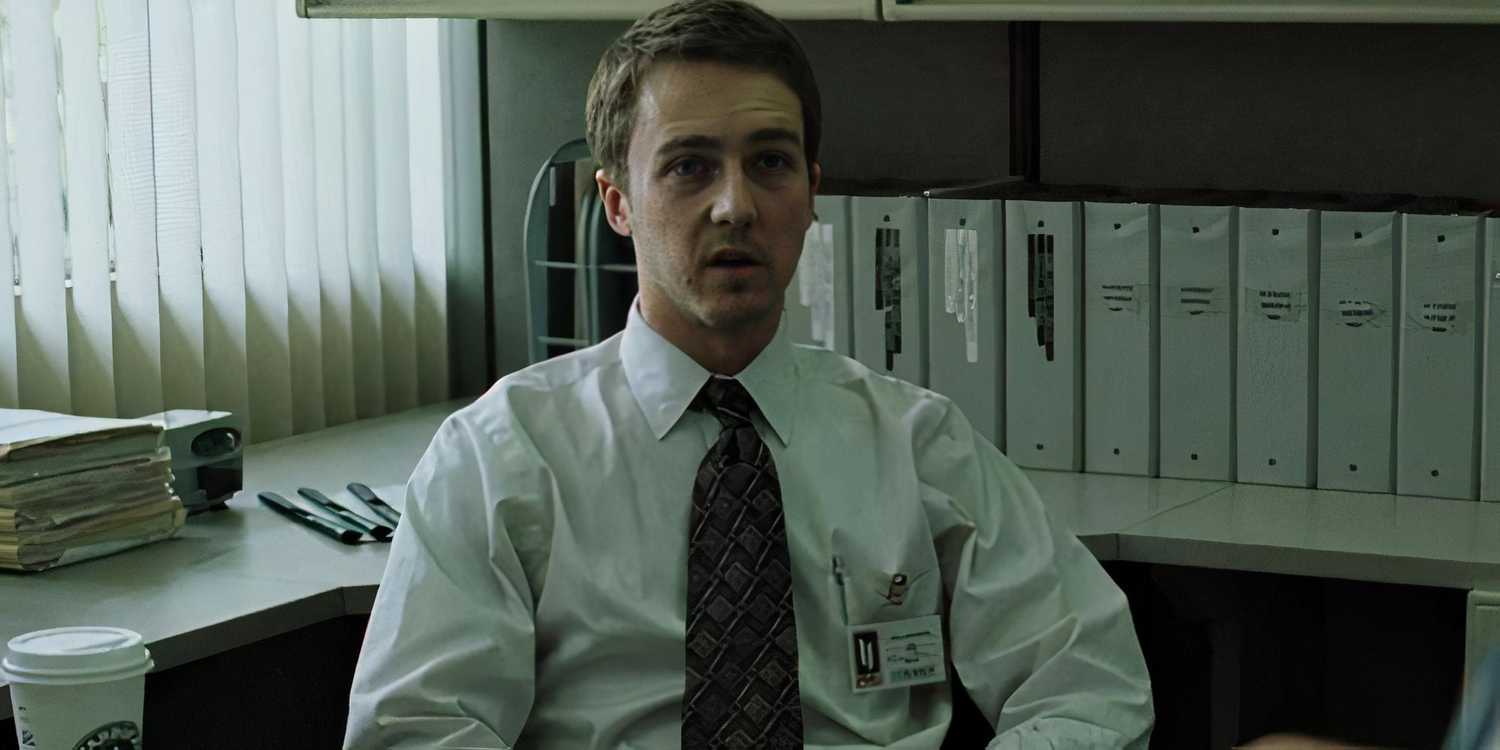
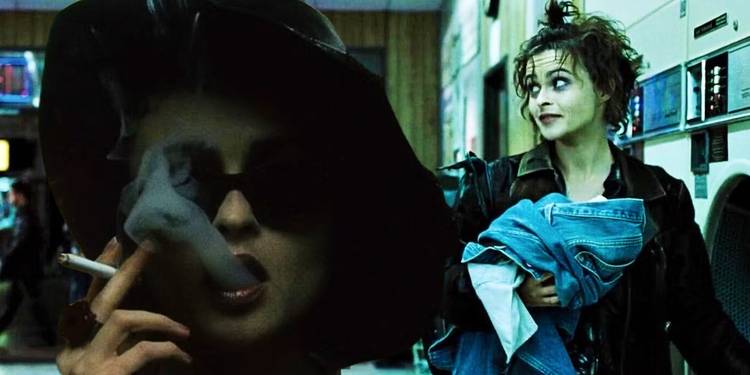
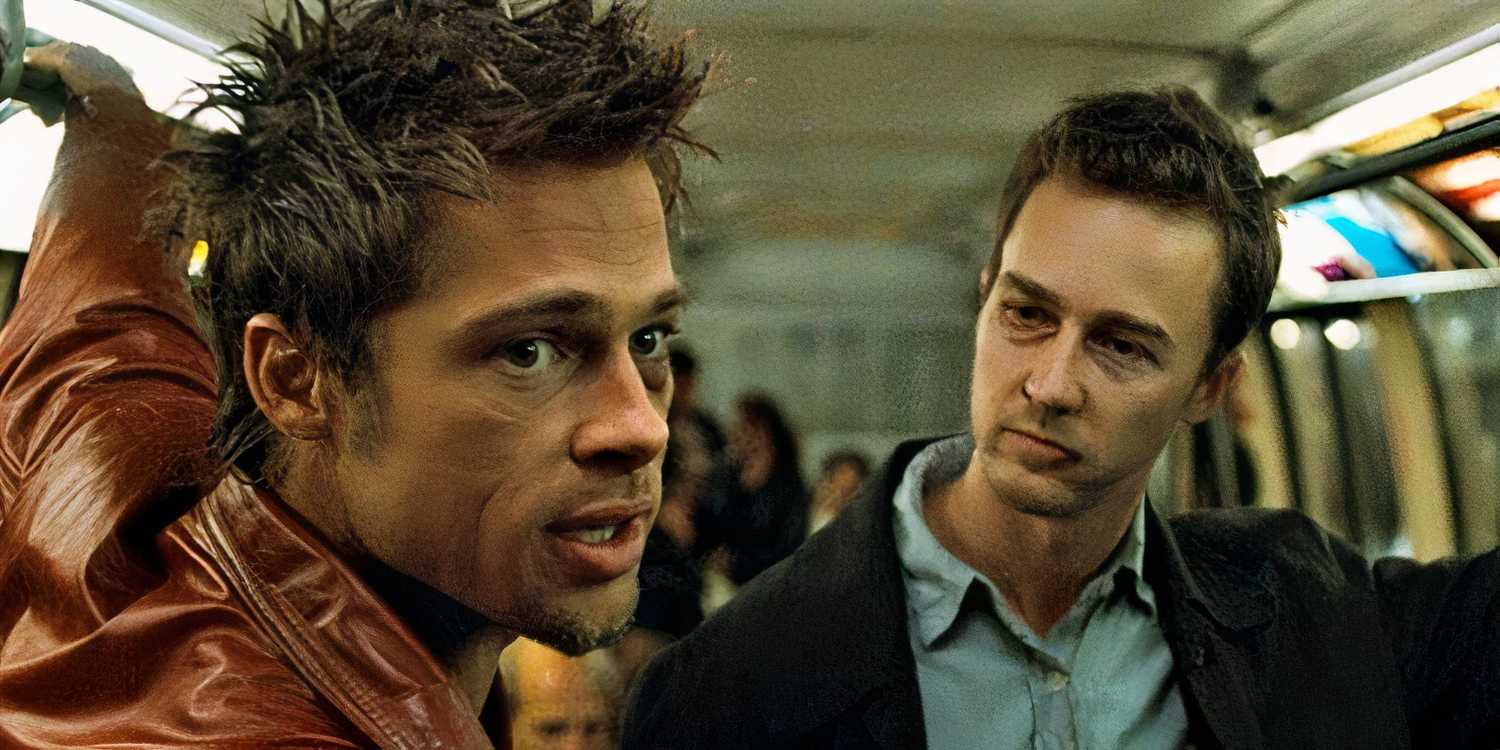
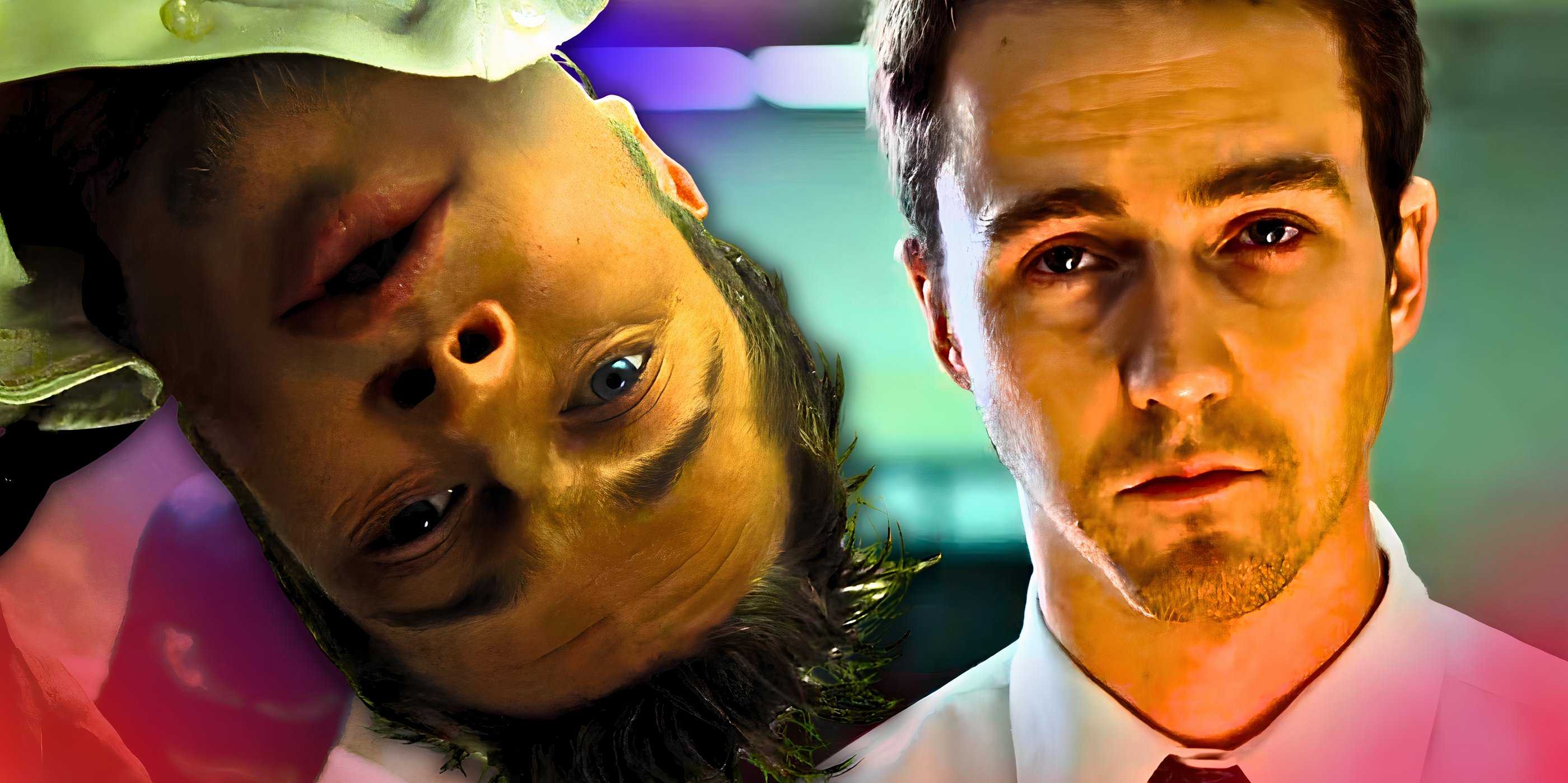
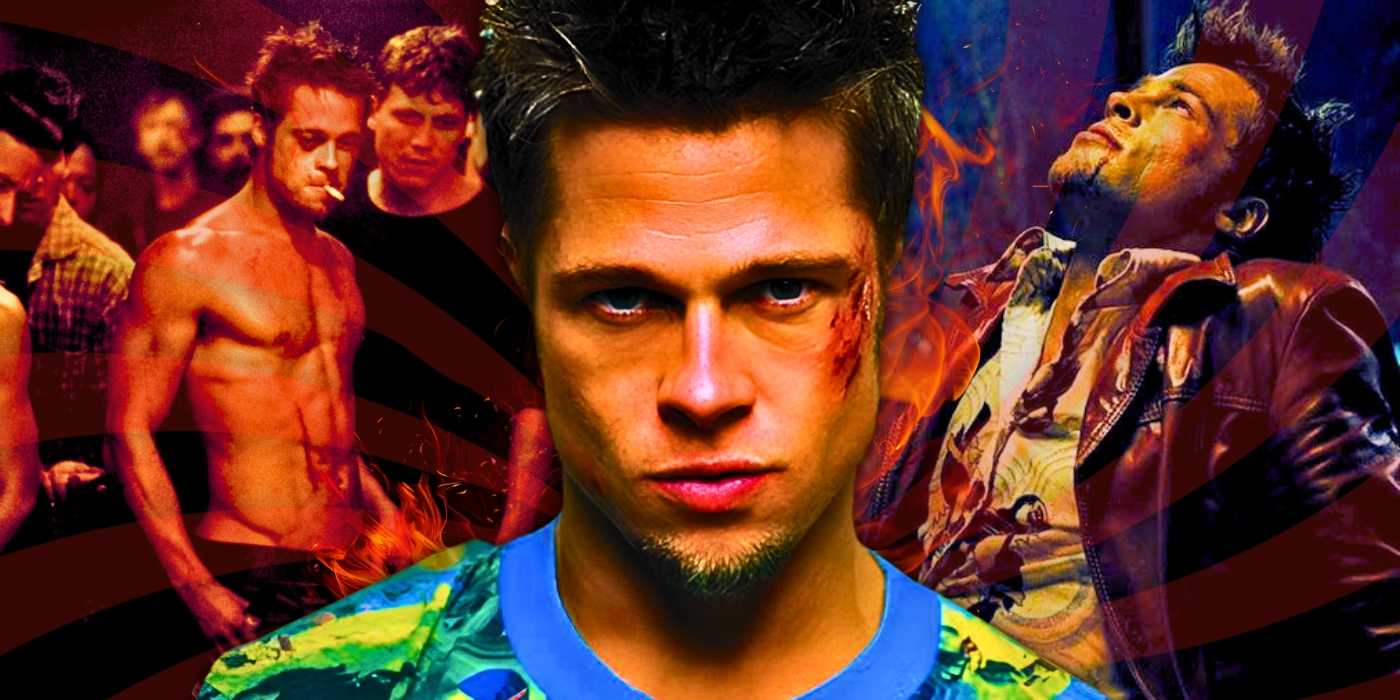
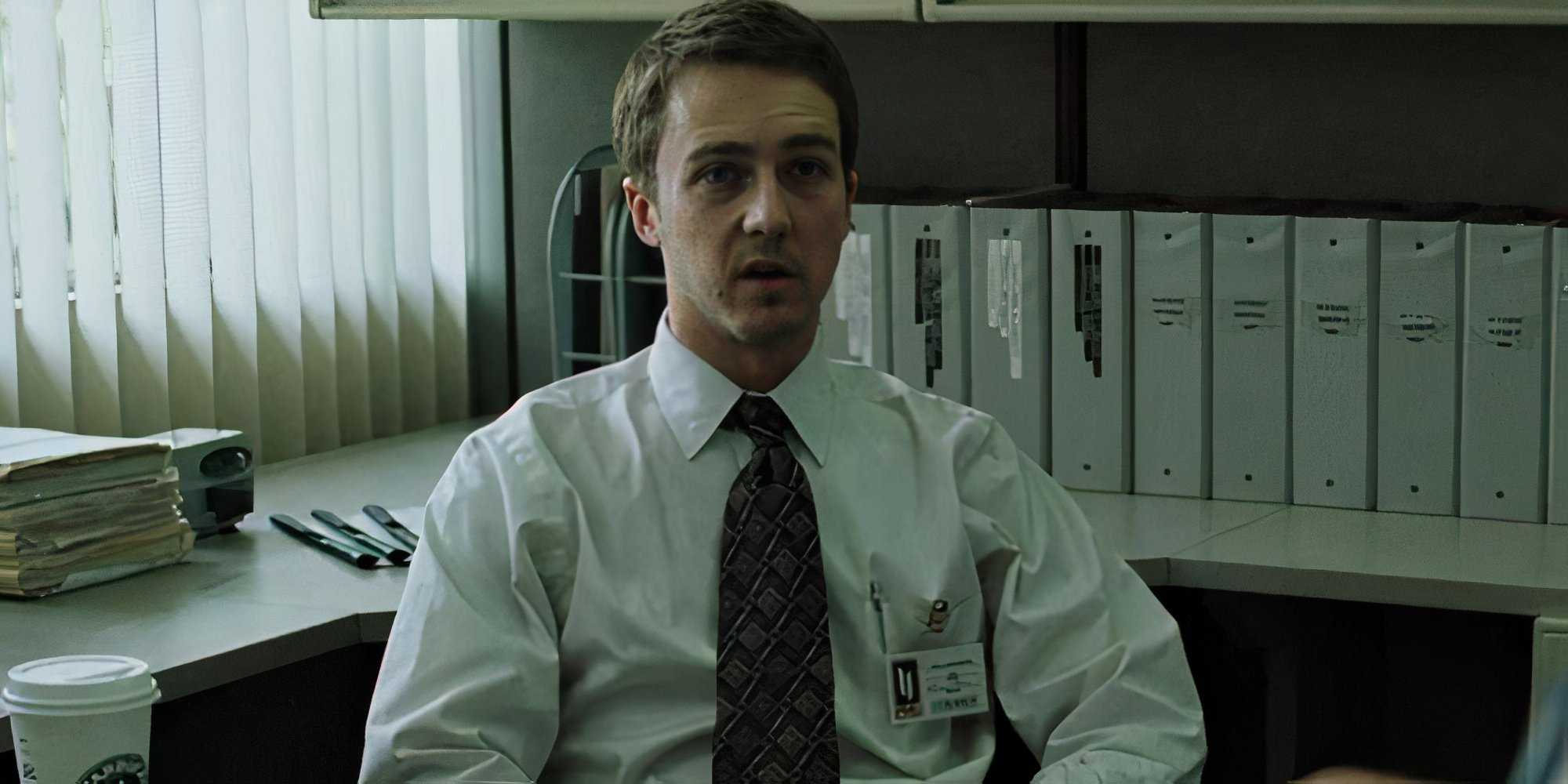
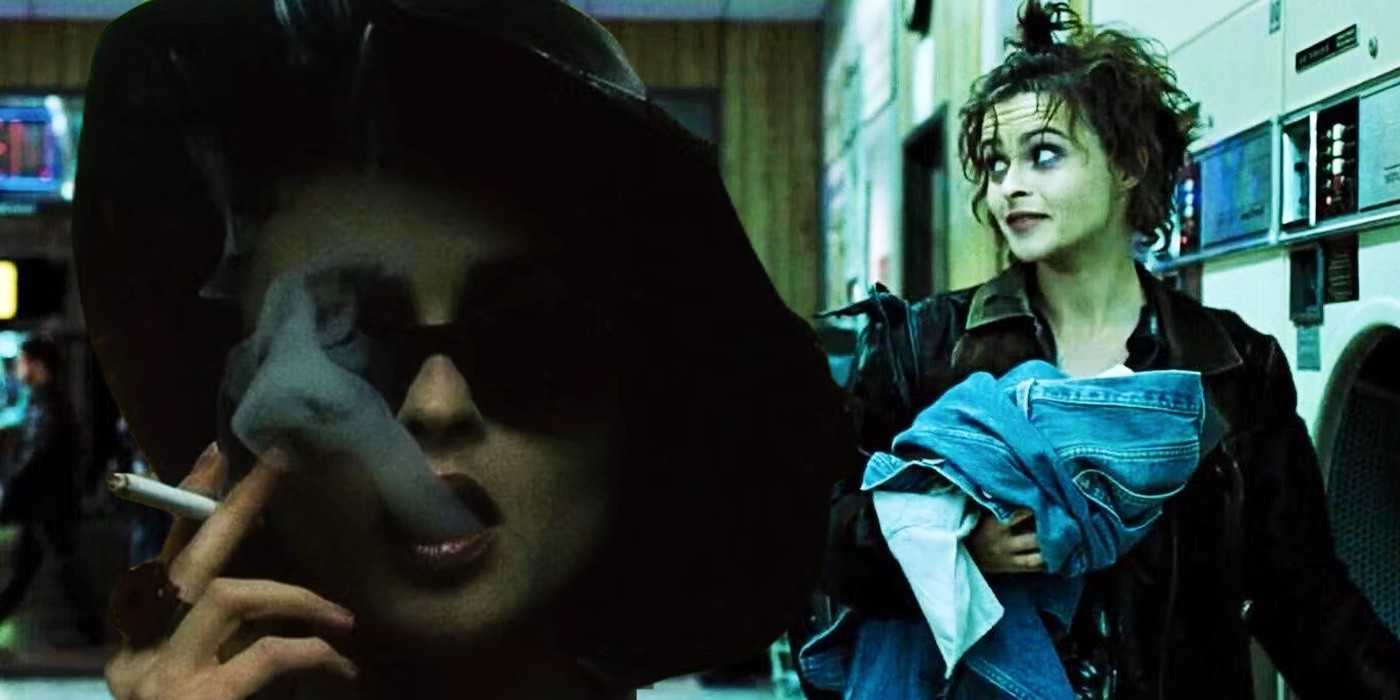
Fight Club was one of the most controversial movies of the 1990s and a definitive release in the careers of David Fincher, Edward Norton, and Brad Pitt. As a cult adaptation of a novel by Chuck Palahniuk, Fight Club tapped into the cynicism of Generation X as it deconstructed issues of capitalism, masculinity, and moral decay. With a story about a lonely, dissatisfied, and insomnia-suffering man (Norton) embroiled in a conspiracy of fight clubs, dual identity, and a plot to destroy and rebuild modern society, Fight Club tapped into the zeitgeist of the era and left viewers craving a sequel.
While Palahniuk wrote a 2016 graphic novel sequel, viewers shouldn’t hold their breath for Fincher to return to tell the continued story of Tyler Durden. Not only does Fincher appear disinterested in making a sequel, but he’s on record stating he does not even want to rewatch Fight Club. In a 2023 interview with GQ promoting The Killer, a reporter told Fincher they had just watched Fight Club the night before, to which he replied, “I haven't seen it in 20 years. And I don't want to.” With that quote in mind, Fincher’s Fight Club 2 sounds like a no-go.

- Release Date
- October 15, 1999
- Runtime
- 139 minutes
- Director
- David Fincher
- Writers
- Chuck Palahniuk, Jim Uhls
- Producers
- Art Linson, Ceán Chaffin
Cast
-
 Narrator
-
 Tyler Durden
Fight Club, David Fincher's 1999 thriller starring Brad Pitt, Edward Norton, and Helena Bonham Carter, is the cinematic adaptation of Chuck Palahniuk's eponymous 1996 novel. In it, reckless soapmaker Tyler Durden helps the desolate Narrator find meaning in his monotonous life by creating an underground fight club where dejected men release their frustration in the form of fistfights.
- Studio(s)
- 20th Century
- Distributor(s)
- 20th Century
- Budget
- $63 million
- Main Genre
- Drama
5 Forrest Gump 2
Robert Zemeckis



 Custom image by TC Phillips
 Paramount Pictures

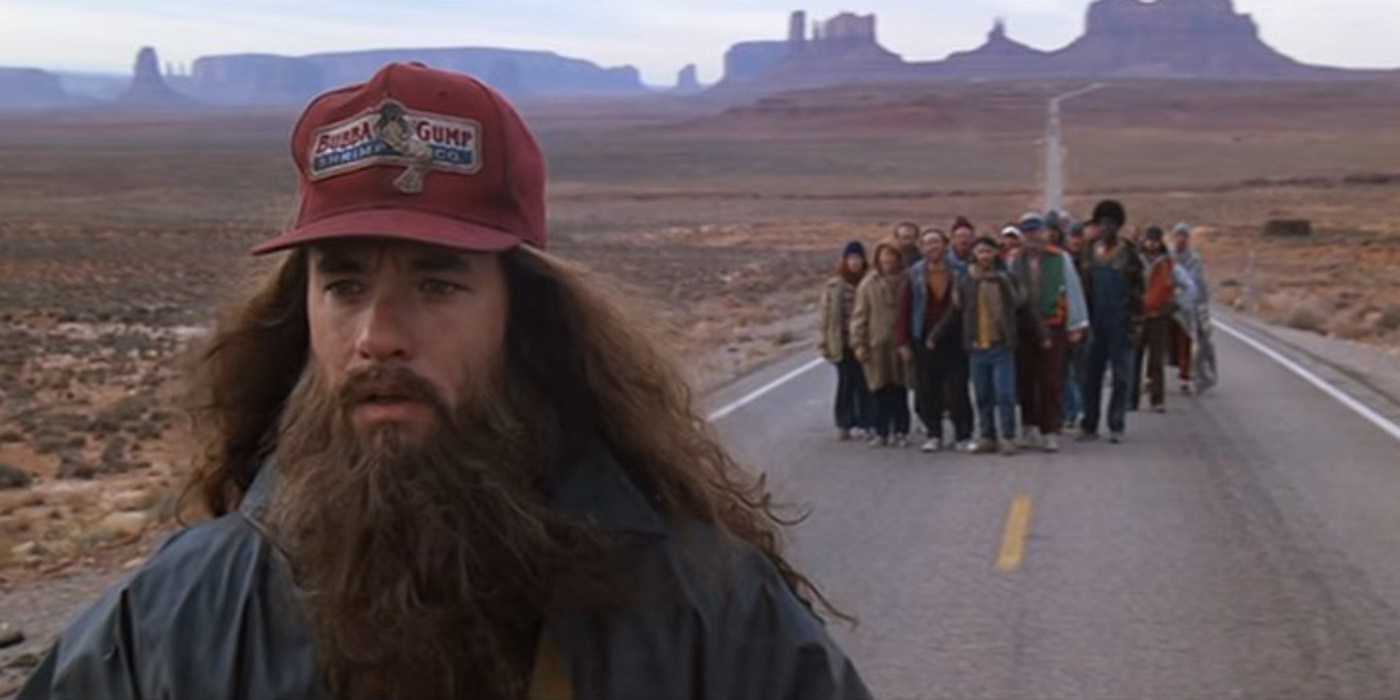
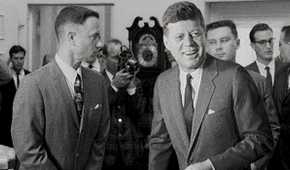

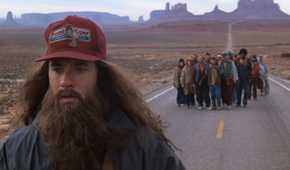
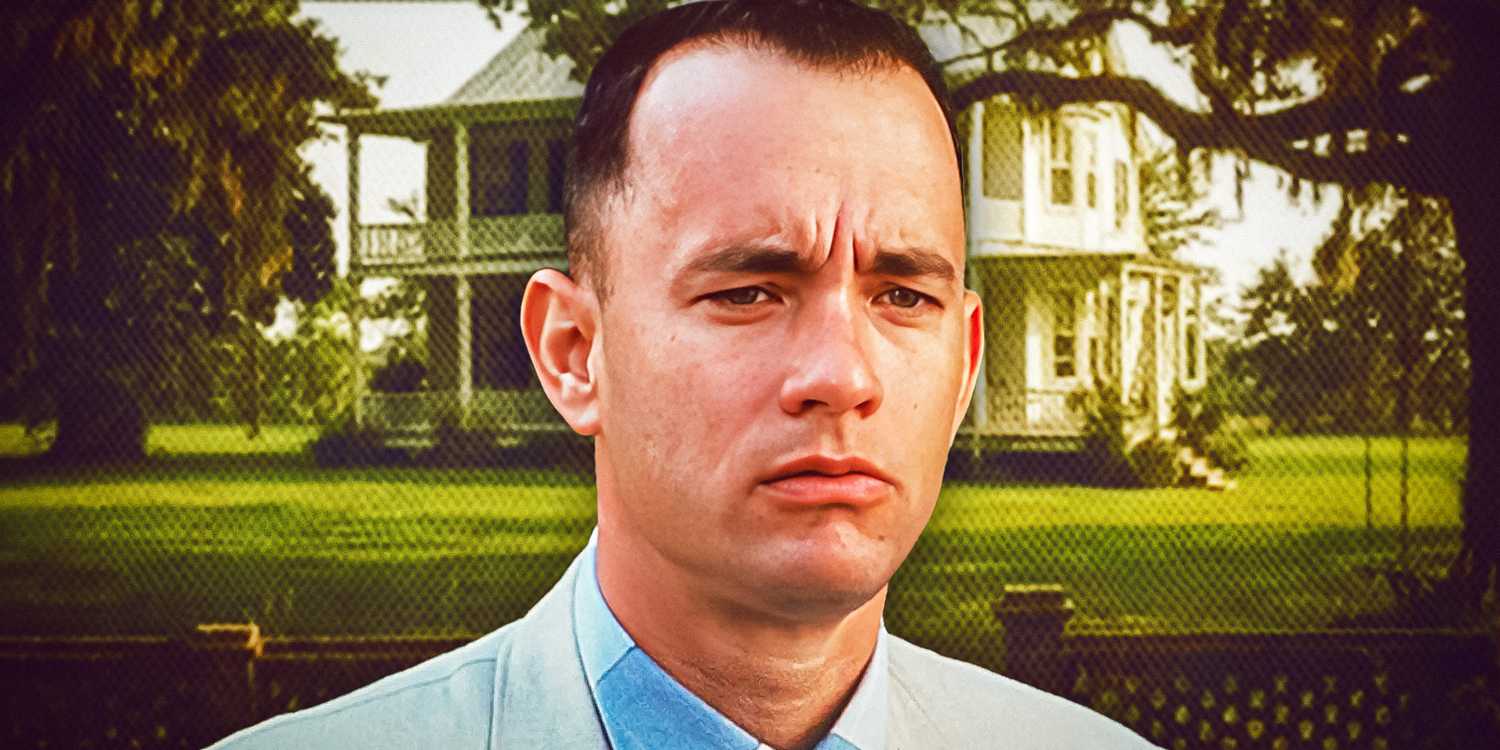
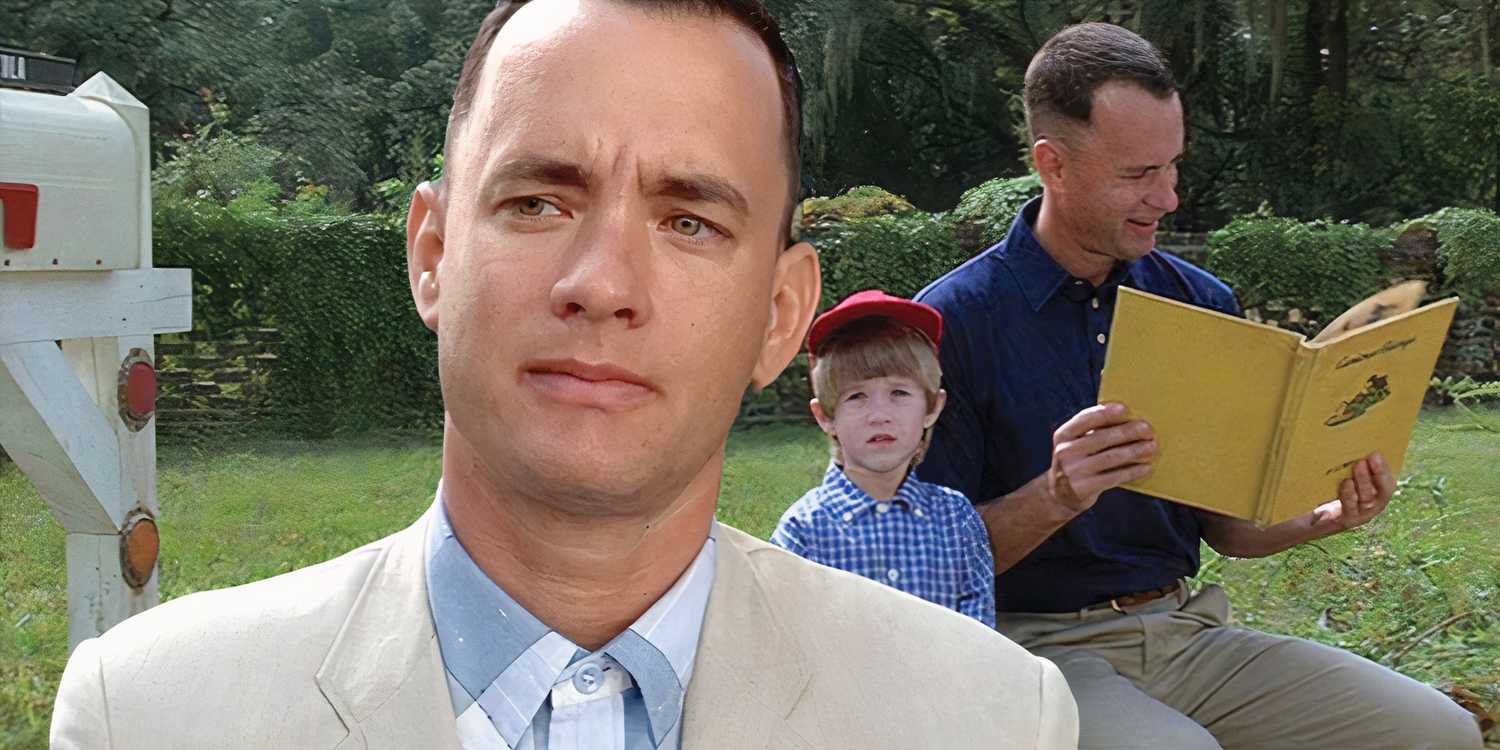
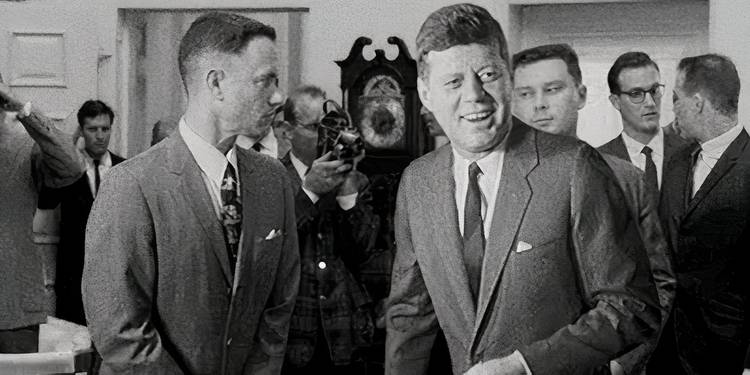
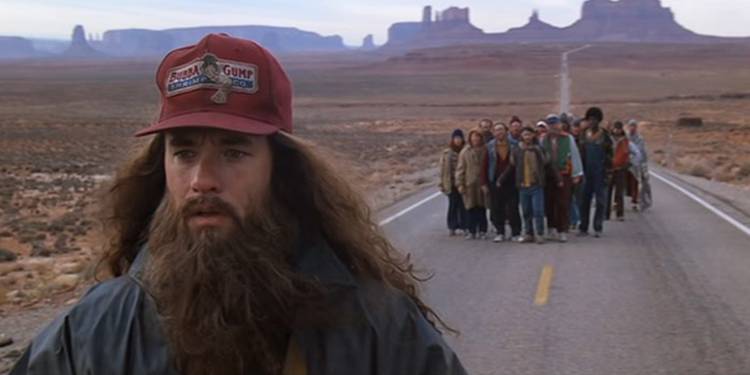
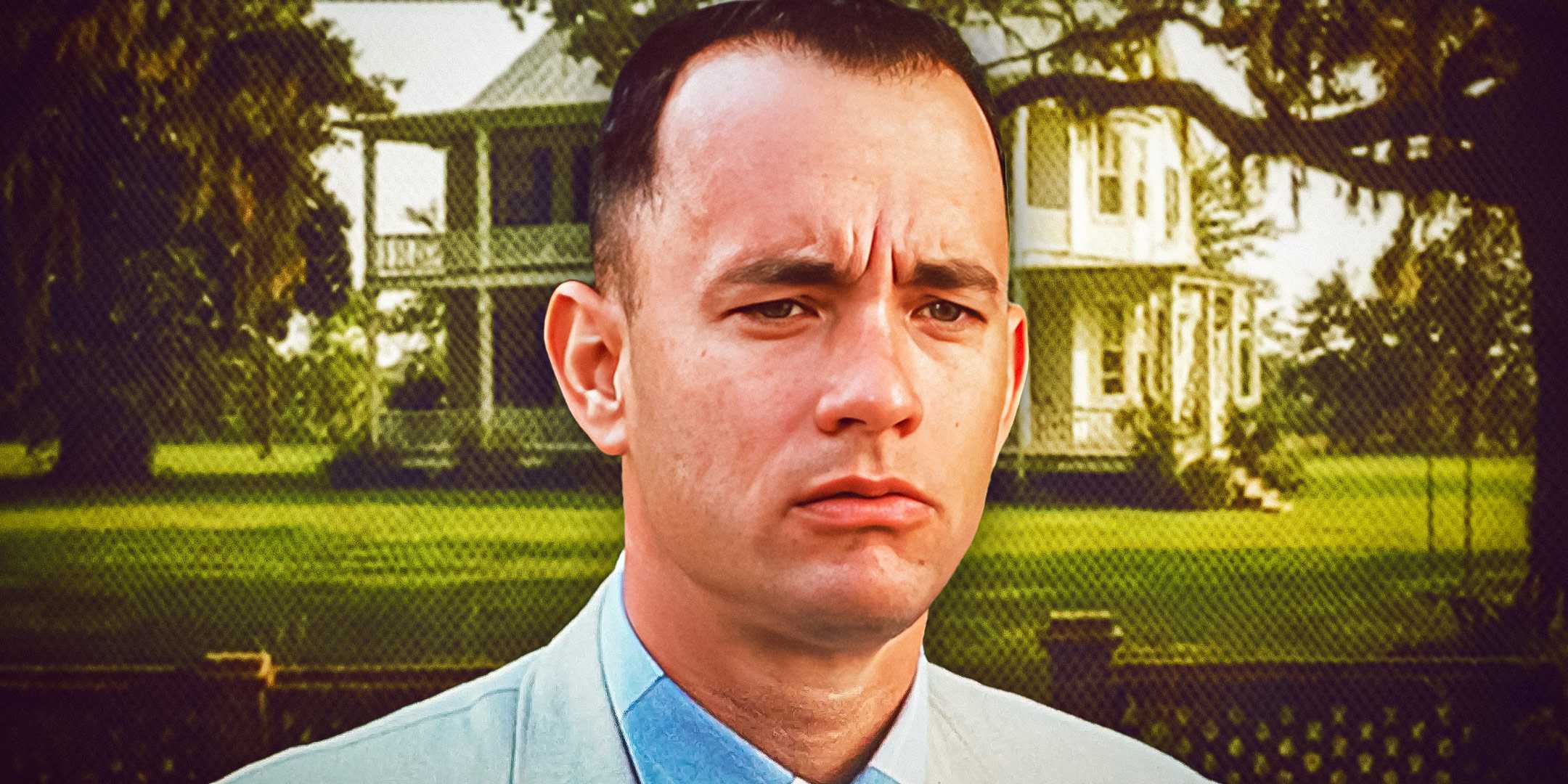
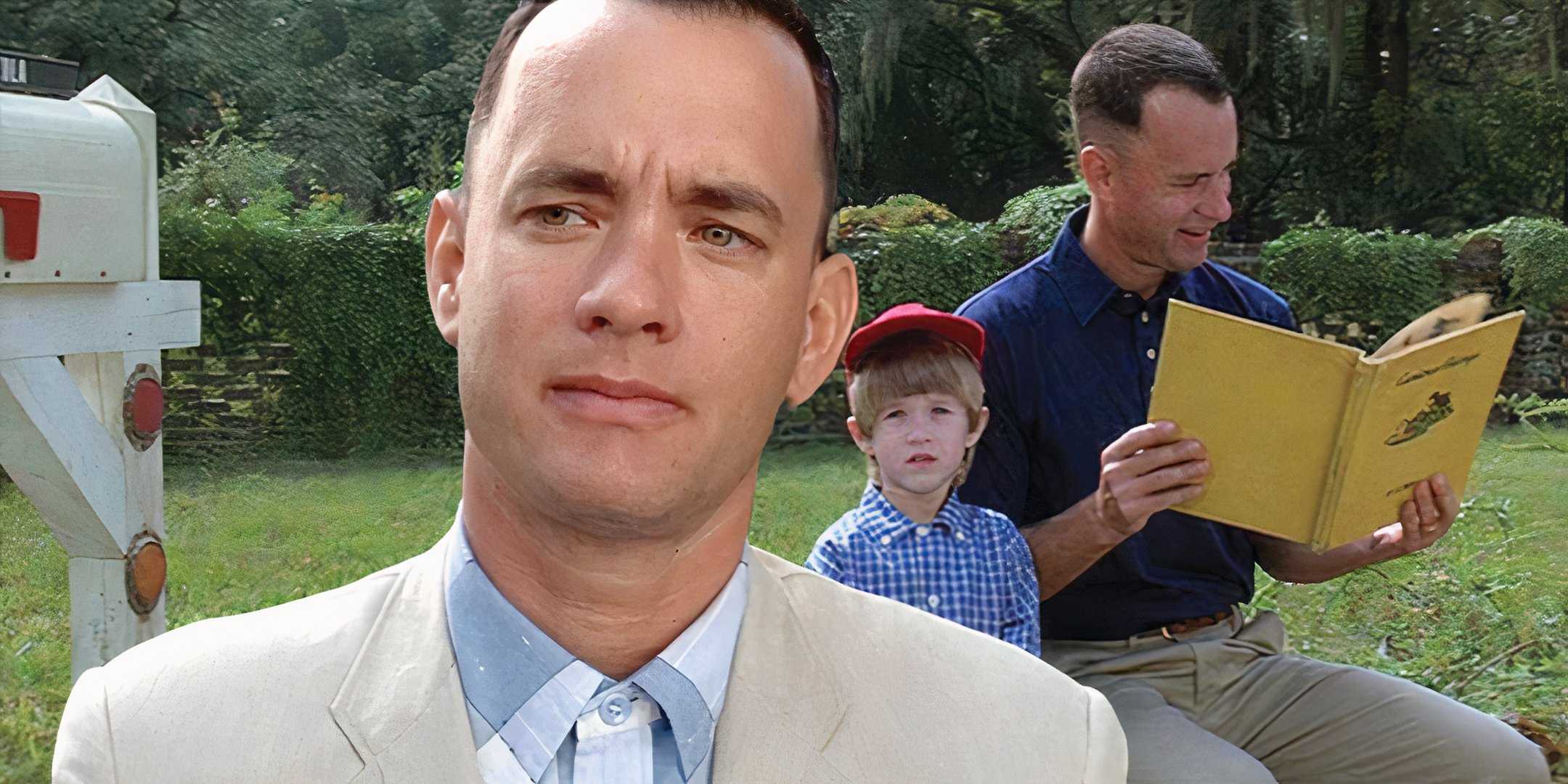
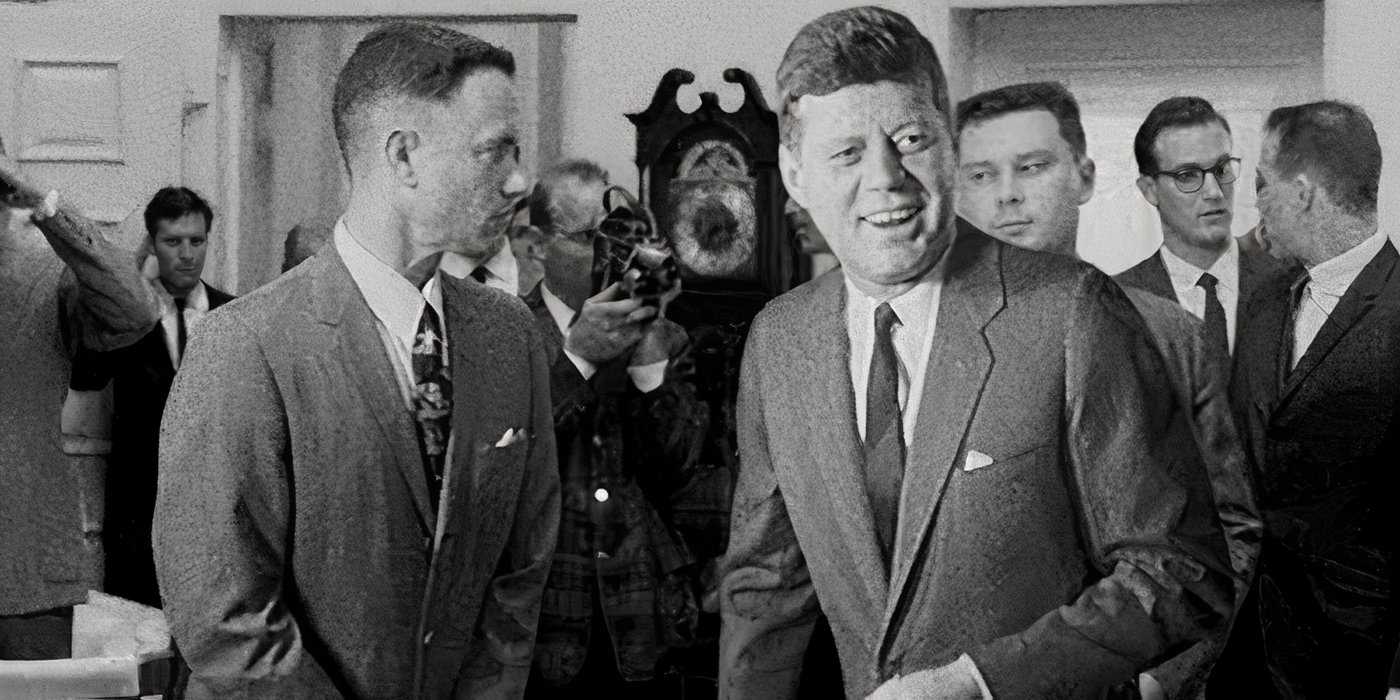
Forrest Gump was the second-biggest movie of 1994, with a box office taking of over $678 million, only outgrossed by Disney’s The Lion King. With Tom Hanks as the titular star, Forrest Gump’s epic story about a below-average-intelligence man’s journey across the history of 20th-century America struck a chord with viewers and earned six Academy Awards, including Best Picture, Best Director, Best Actor for Hanks, Best Adapted Screenplay, Best Visual Effects, and Best Film Editing. Director Robert Zemeckis and Hanks even planned for a sequel based on the original author’s follow-up novel, Gump and Co.
While viewers connected deeply with Forrest’s story in 1994, the September 11th attacks on the World Trade Center in 2001 made Zemeckis reconsider his plans for a sequel (via Slash Film.) Screenwriter Eric Roth said he turned in the script for the sequel the day before 9/11, but after that world-changing event, he, Hanks, and Zemeckis all decided it was no longer relevant. “The world had changed,” Roth said, and the Forrest Gump sequel never went into production.



Forrest Gump is a drama film released in 1994, starring Tom Hanks as the titular character. The film explores the life of a man with a low IQ who inadvertently shapes several historical events, while his personal journey remains centered on his unrequited love for childhood friend Jenny.
- Studio(s)
- Paramount Pictures
- Distributor(s)
- Paramount Pictures
- Budget
- $55 million
- Main Genre
- Drama
4 True Lies 2
James Cameron


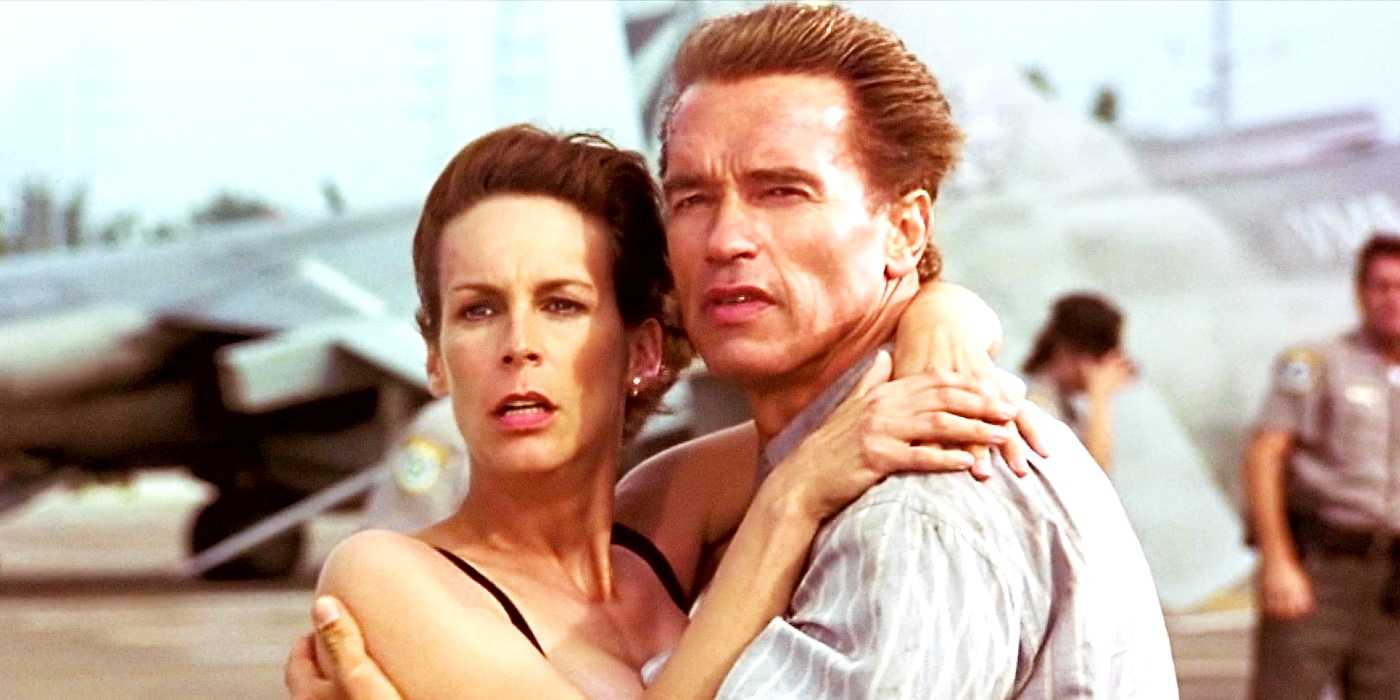
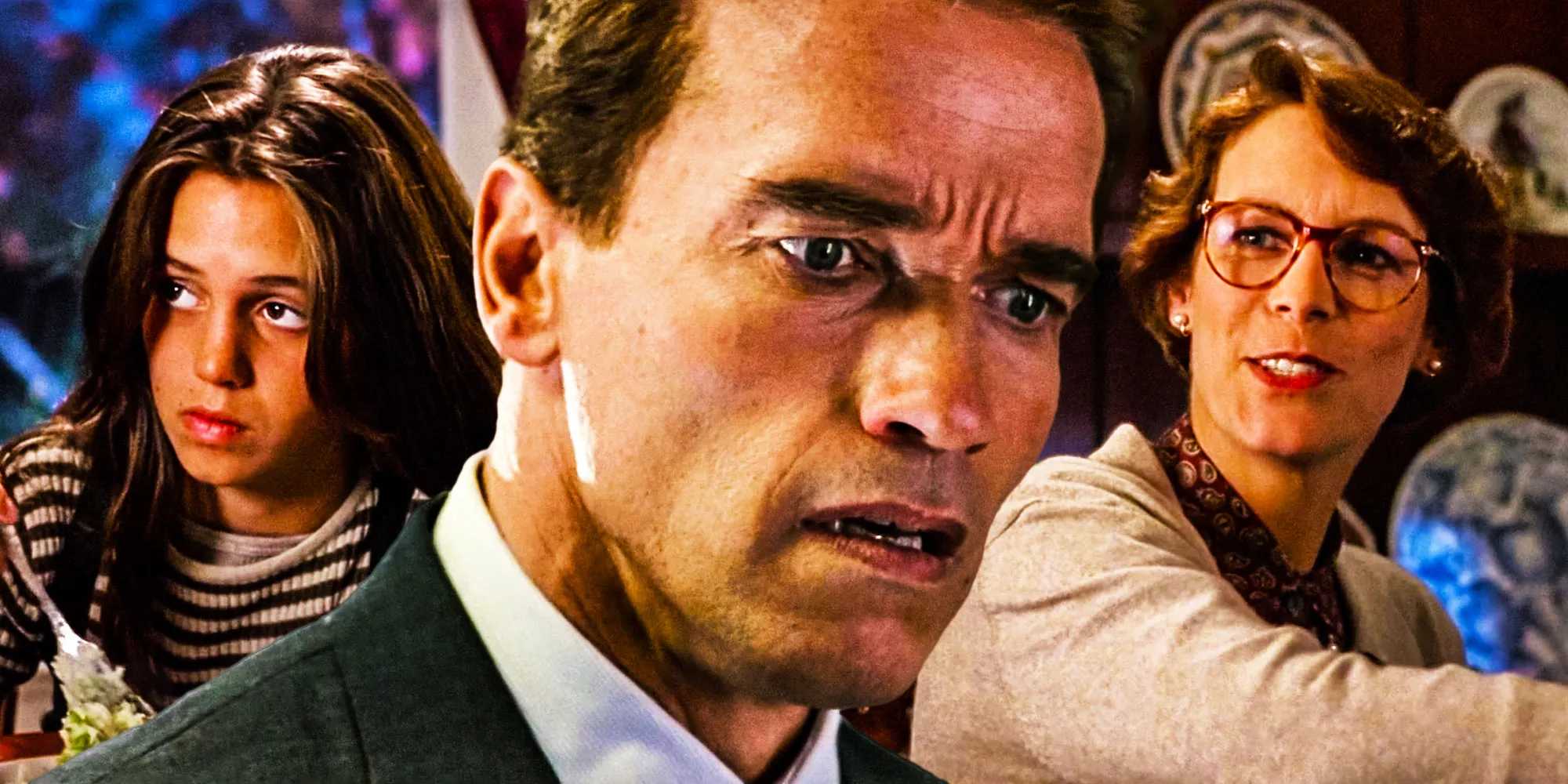
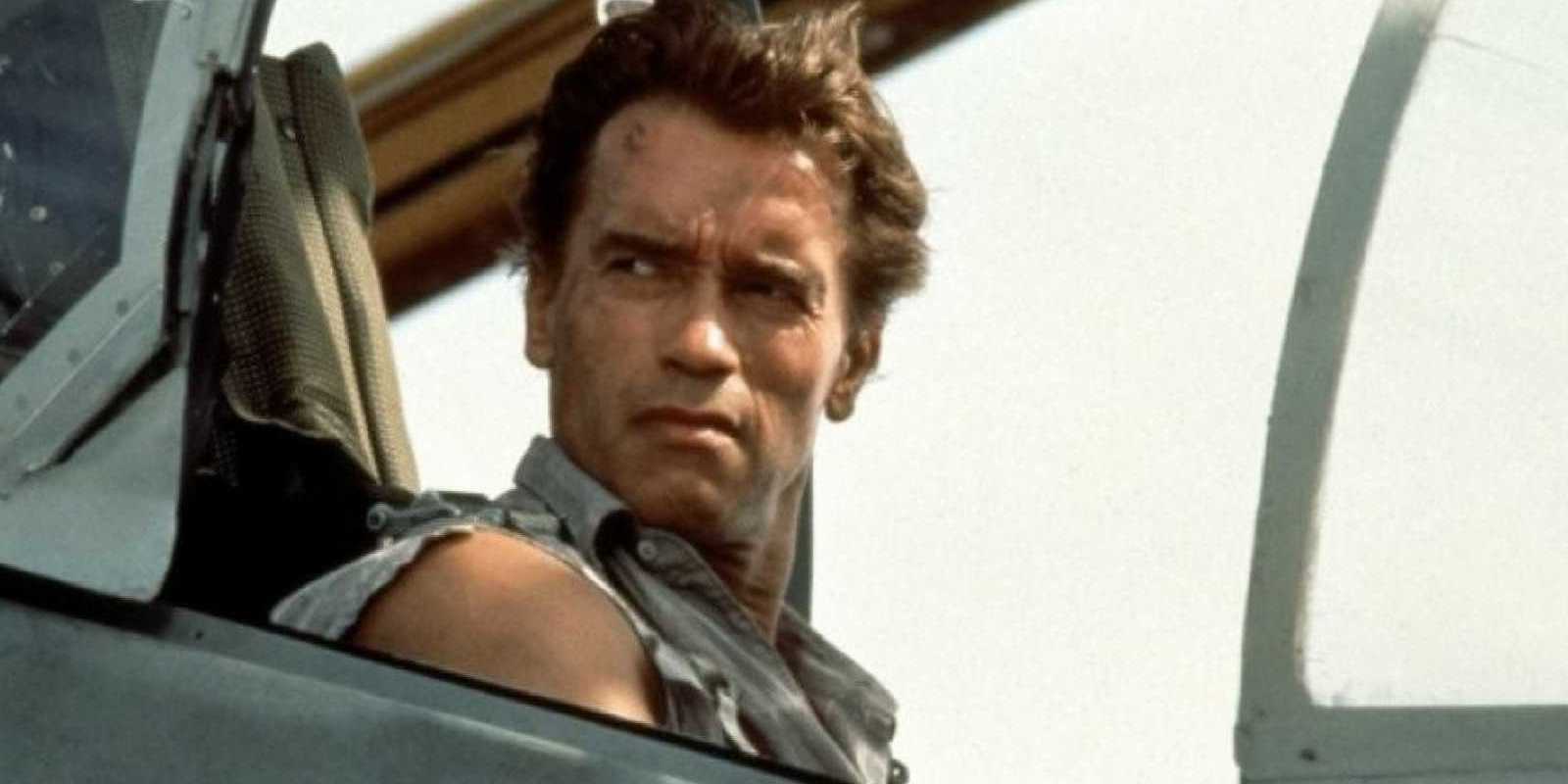
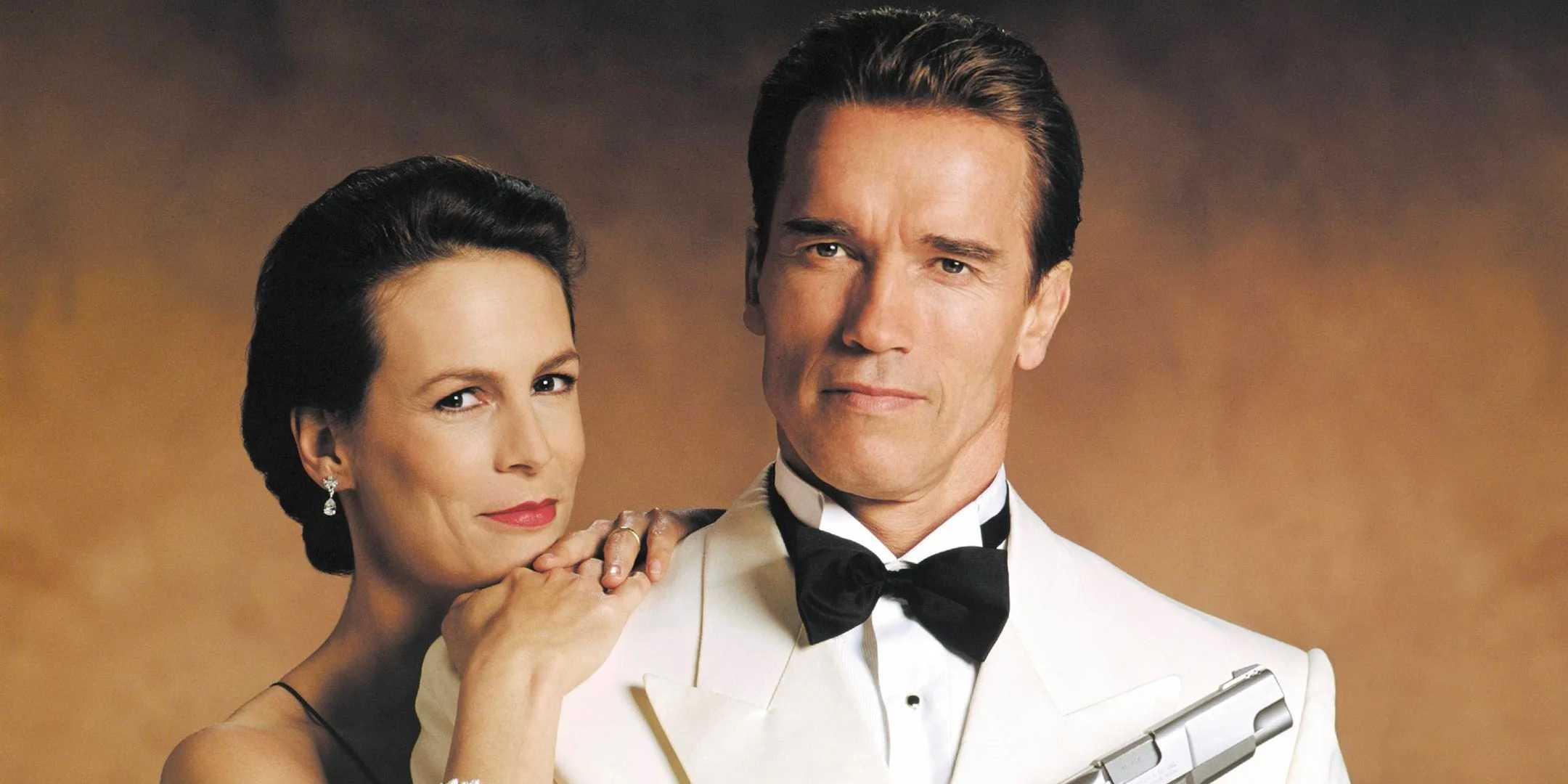
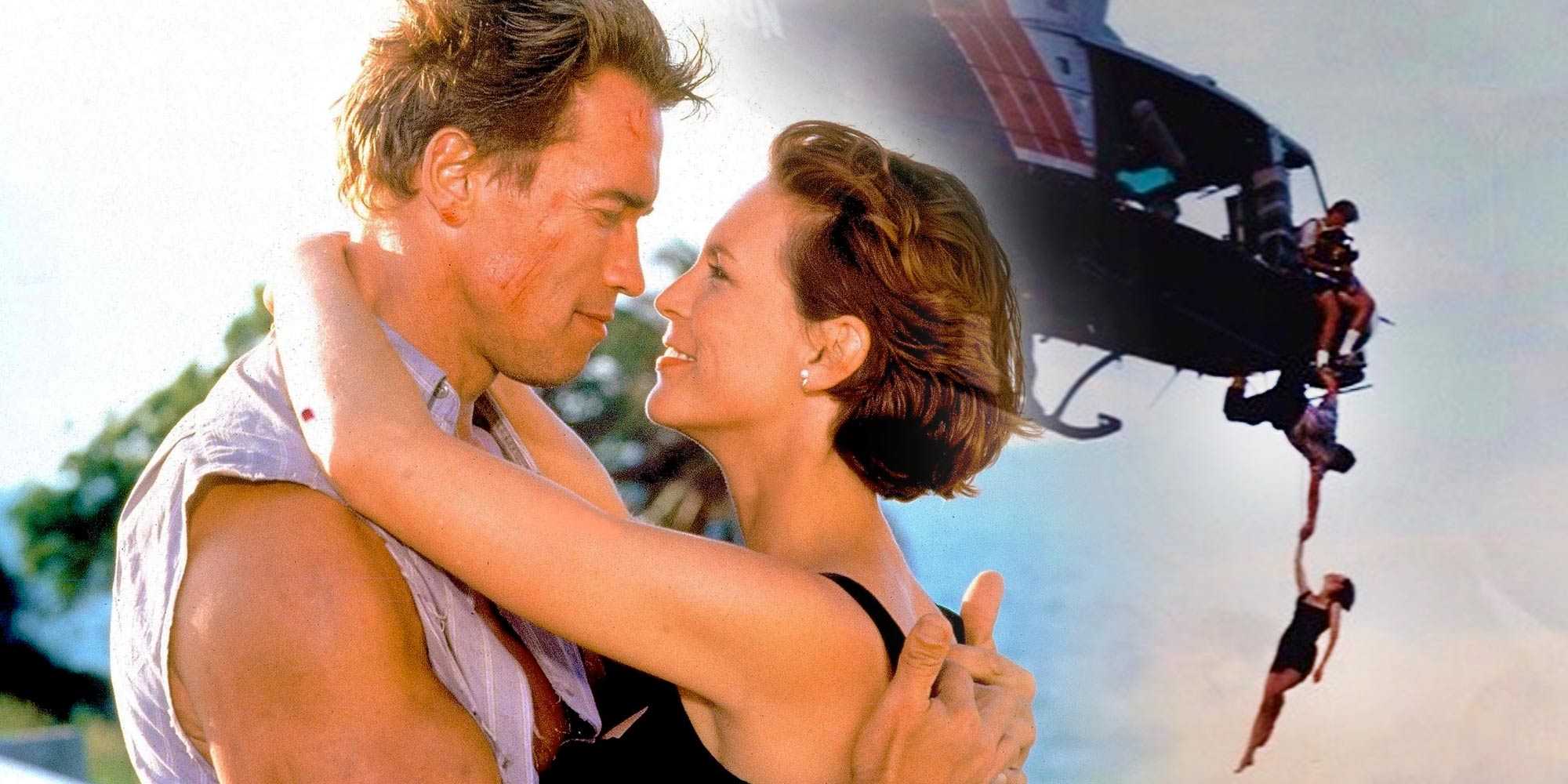
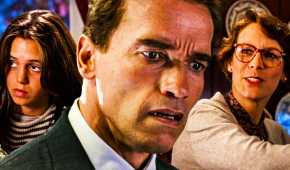
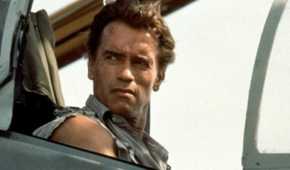
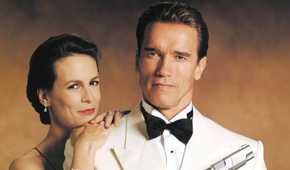
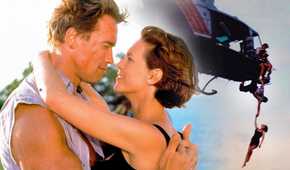
Director James Cameron has had one of the most impressive careers in Hollywood history and has been responsible for several of the highest-grossing movies of all time. With a career that truly kicked off with the release of The Terminator starring Arnold Schwarzenegger, the director and star had an ongoing creative collaboration that included Terminator 2: Judgment Day and the action comedy hit True Lies. As a box office smash, it’s no surprise that viewers have long expressed interest in Cameron and Schwarzenegger reuniting for a sequel, but the director has been more concerned with other projects.
While rumors of a True Lies sequel have been swirling for decades, Cameron continually delayed these plans as he focused on Titanic and his Avatar series. While a script had been completed in 2001, the planned production was halted following the September 11th attacks. Cameron later said, “Terrorism is no longer something to take as lightly as we did in the first one” (via Jam), and despite interest from viewers and Schwarzenegger in reprising his role, True Lies 2 never got made.

- Release Date
- July 15, 1994
- Runtime
- 141 minutes
- Director
- James Cameron
- Writers
- James Cameron
Cast
-
 Tom Arnold
-

In James Cameron's 1994 action comedy True Lies, the spy Harry Tasker lives a double life as a mellow computer salesman and keeps his real job secret from his wife Helen. However, she joins him when he discovers a terrorist plot to destroy America.
- Studio(s)
- 20th Century
- Distributor(s)
- 20th Century, Universal Pictures
- Budget
- $115 million
3 E.T. 2
Steven Spielberg


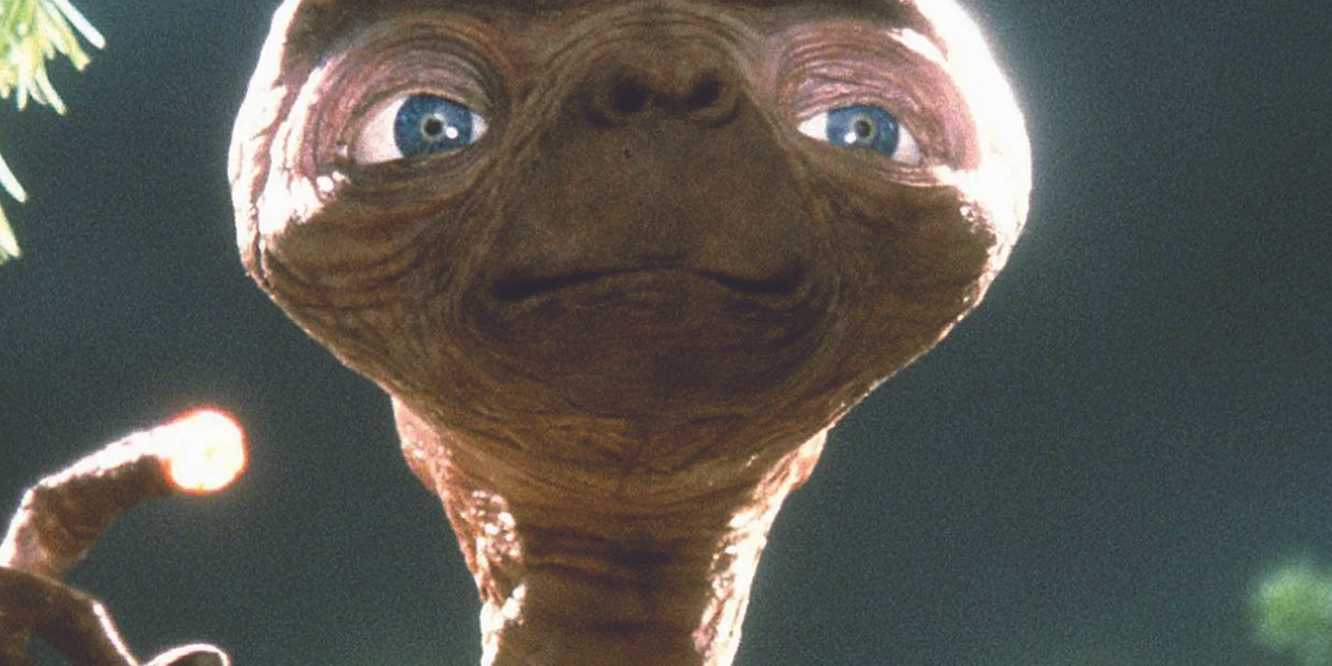


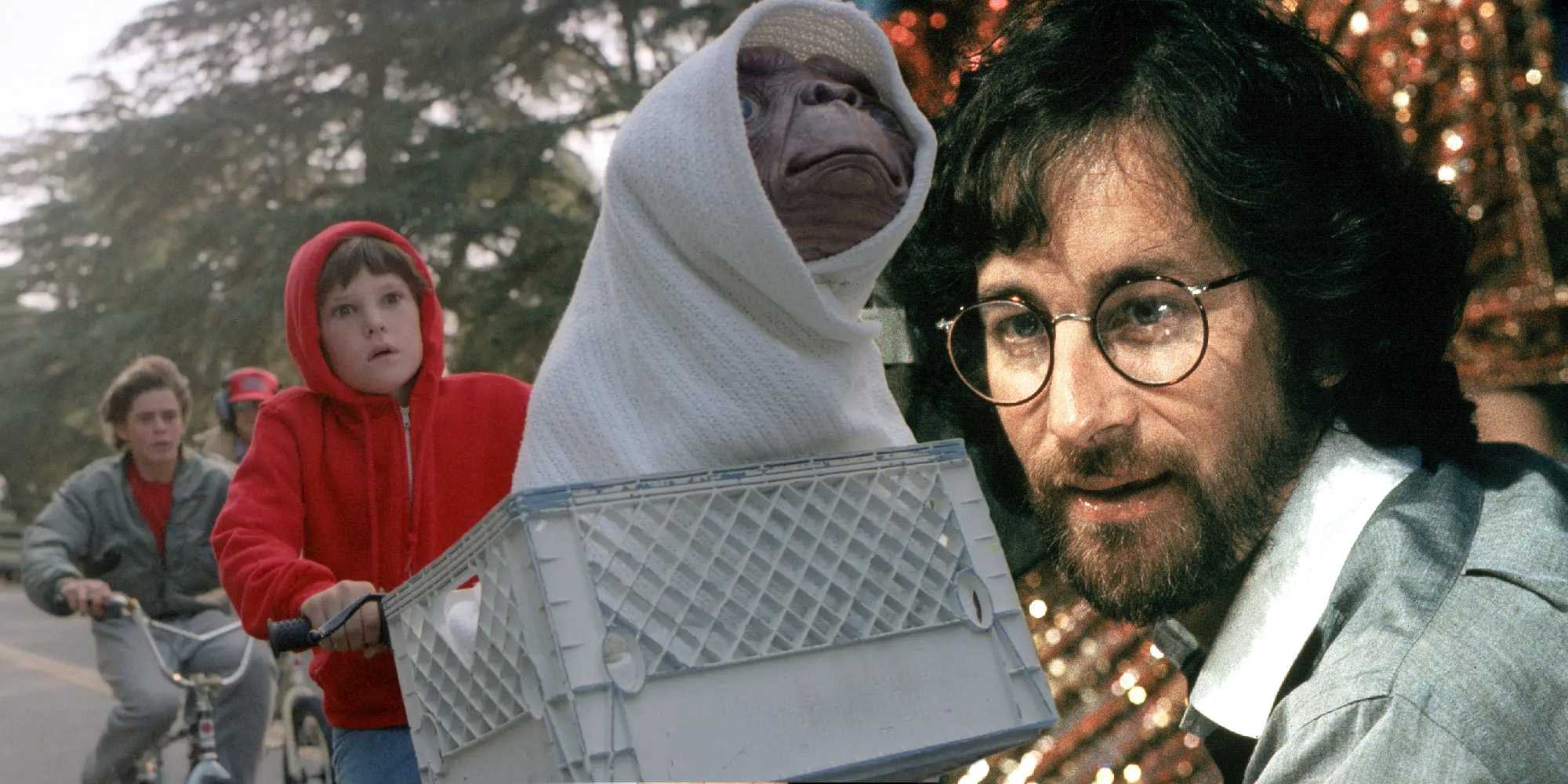
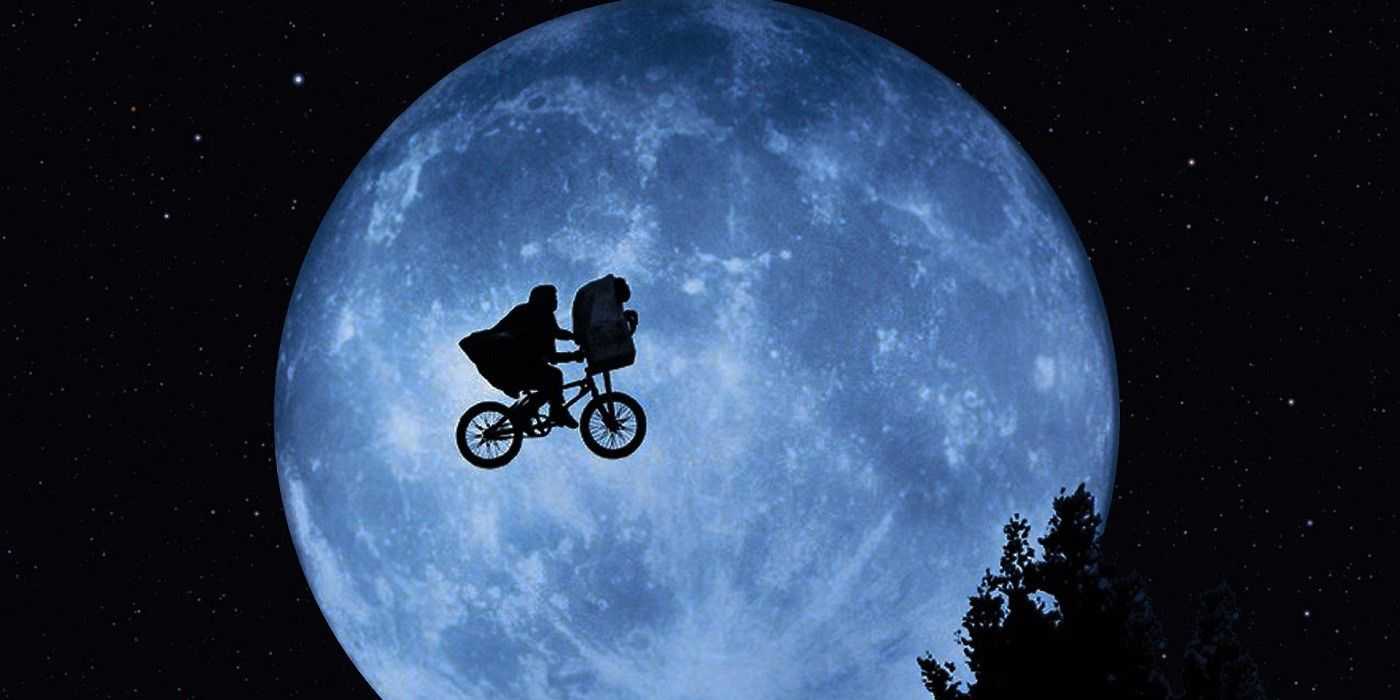
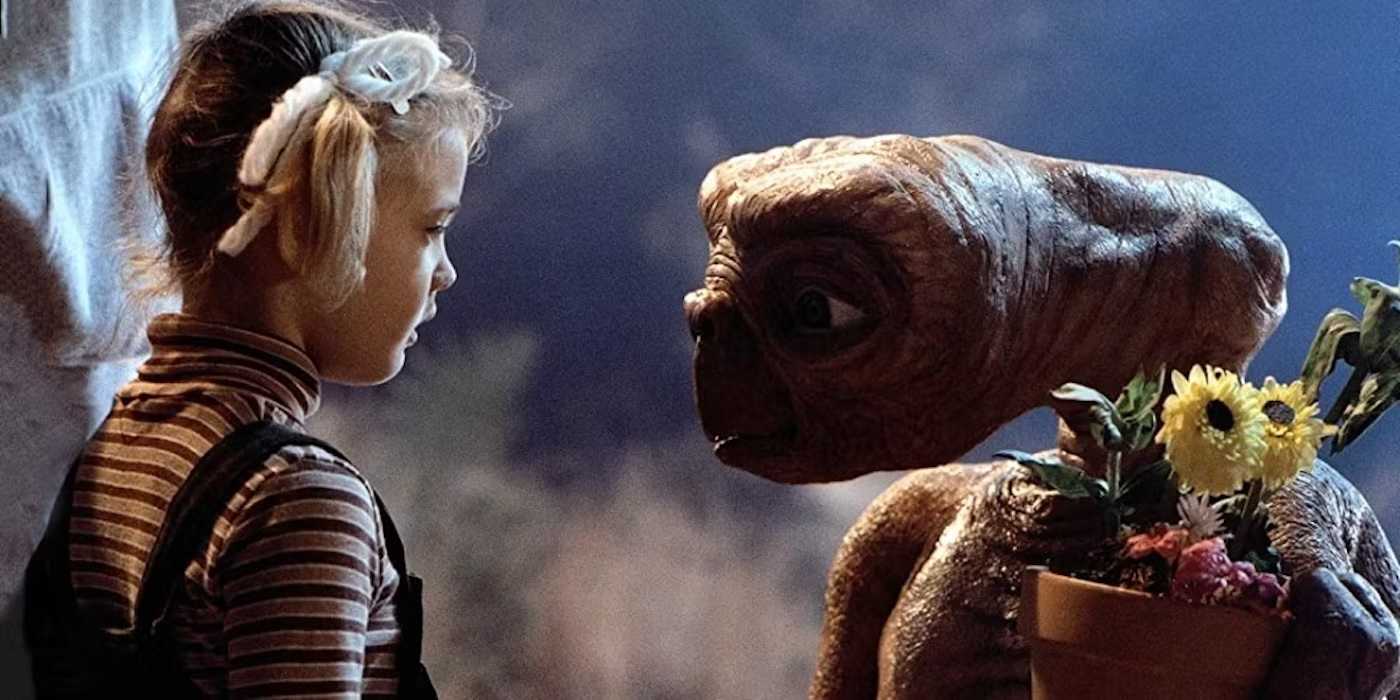
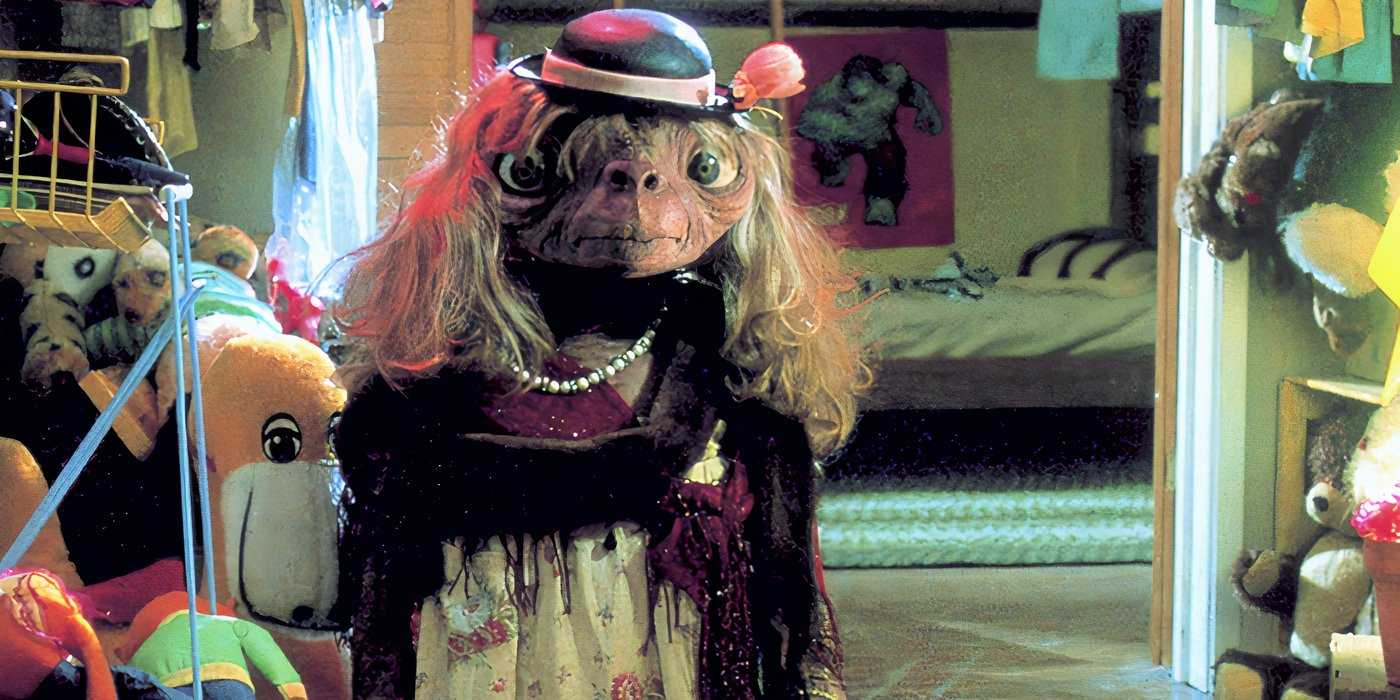
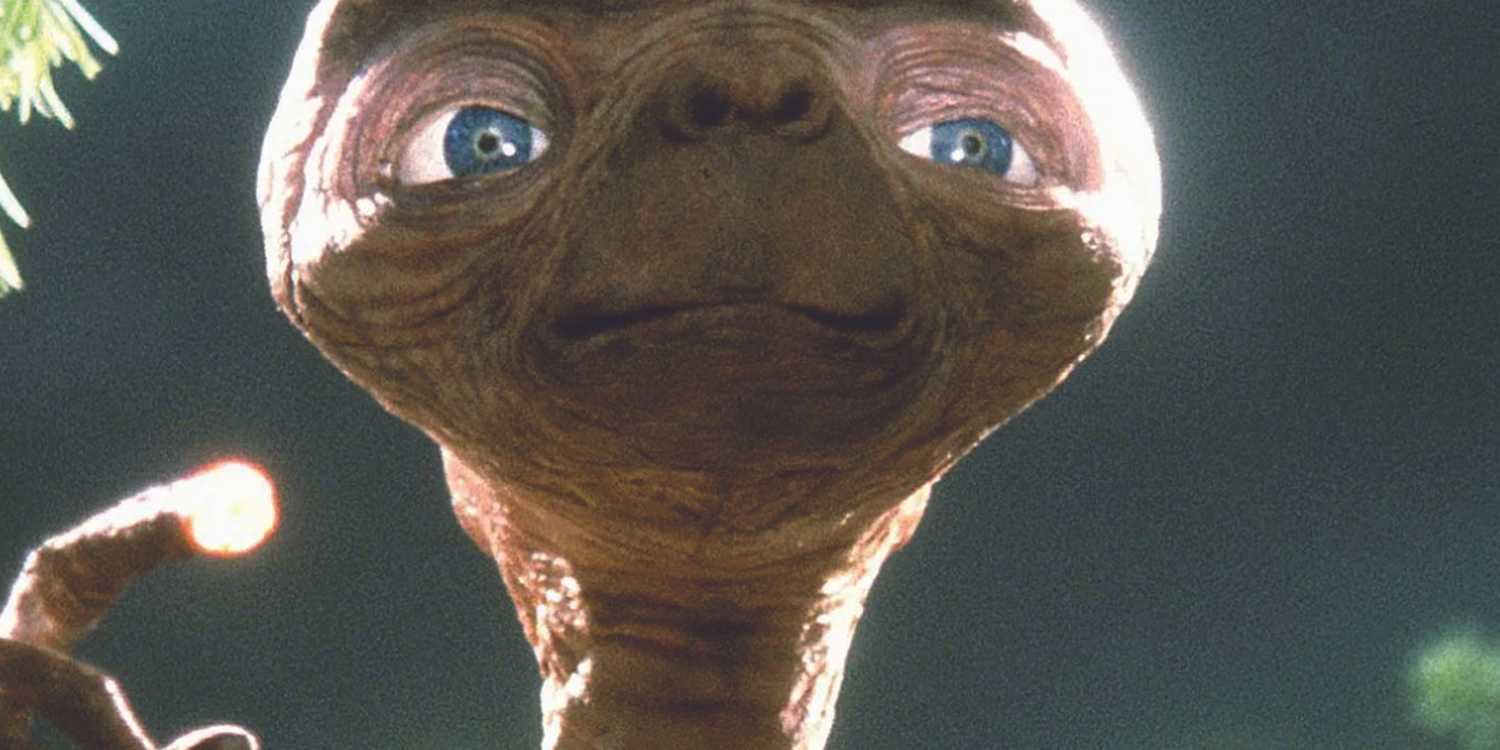
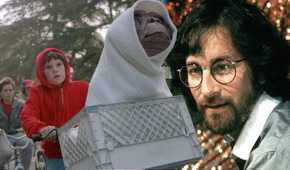
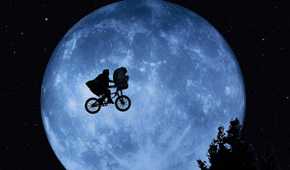
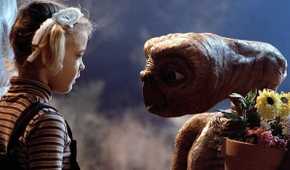
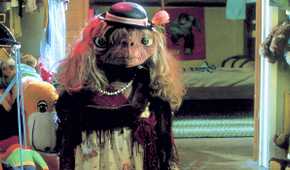
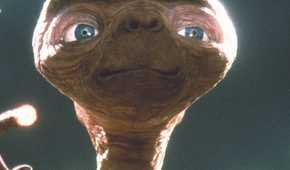
Today, if a movie has as much an effect on popular culture as E.T. the Extra-Terrestrial did during the 1980s, not only would a sequel be guaranteed, but it would serve as the basis for a massive ongoing franchise. Despite becoming the highest-grossing movie of all time before it was dethroned by Steven Spielberg’s own Jurassic Park in 1993, E.T.’s legacy remained intact as it stood as one of the best family-friendly standalone films ever made. But this wasn’t always the plan, as Spielberg did consider making a sequel to E.T. at one point.
Following the original movie’s success at the box office, Steven Spielberg and Melissa Mathison wrote a treatment titled E.T. II: Nocturnal Fears (via Birth Movies Death.) This ill-advised sequel would have focused on Elliott and his friends getting kidnapped by evil aliens and contacting E.T. for help. However, Spielberg later realized that this sequel would “do nothing but rob the original of its virginity” (via Blastr) and has since refused to return for a sequel or give his blessing to anyone else continuing its story.

- Release Date
- June 11, 1982
- Runtime
- 115 minutes
- Director
- Steven Spielberg
- Writers
- Melissa Mathison
- Producers
- Kathleen Kennedy
- Franchise(s)
- E.T. the Extra-Terrestrial
Cast
-
 Henry ThomasElliott
-
 Gertie
Steven Spielberg's 1982 sci-fi classic E.T. the Extra-Terrestrial tells the story of Elliott Taylor (Henry Thomas), who befriends a small alien left stranded on Earth. When government forces come to take the benevolent creature away, Elliott does everything he can to protect his new friend, risking his own safety in the process in order to help E.T. return home.
- Studio(s)
- Universal Pictures
- Distributor(s)
- Universal Pictures
- Budget
- $10.5 million
2 The Dark Knight 4
Christopher Nolan


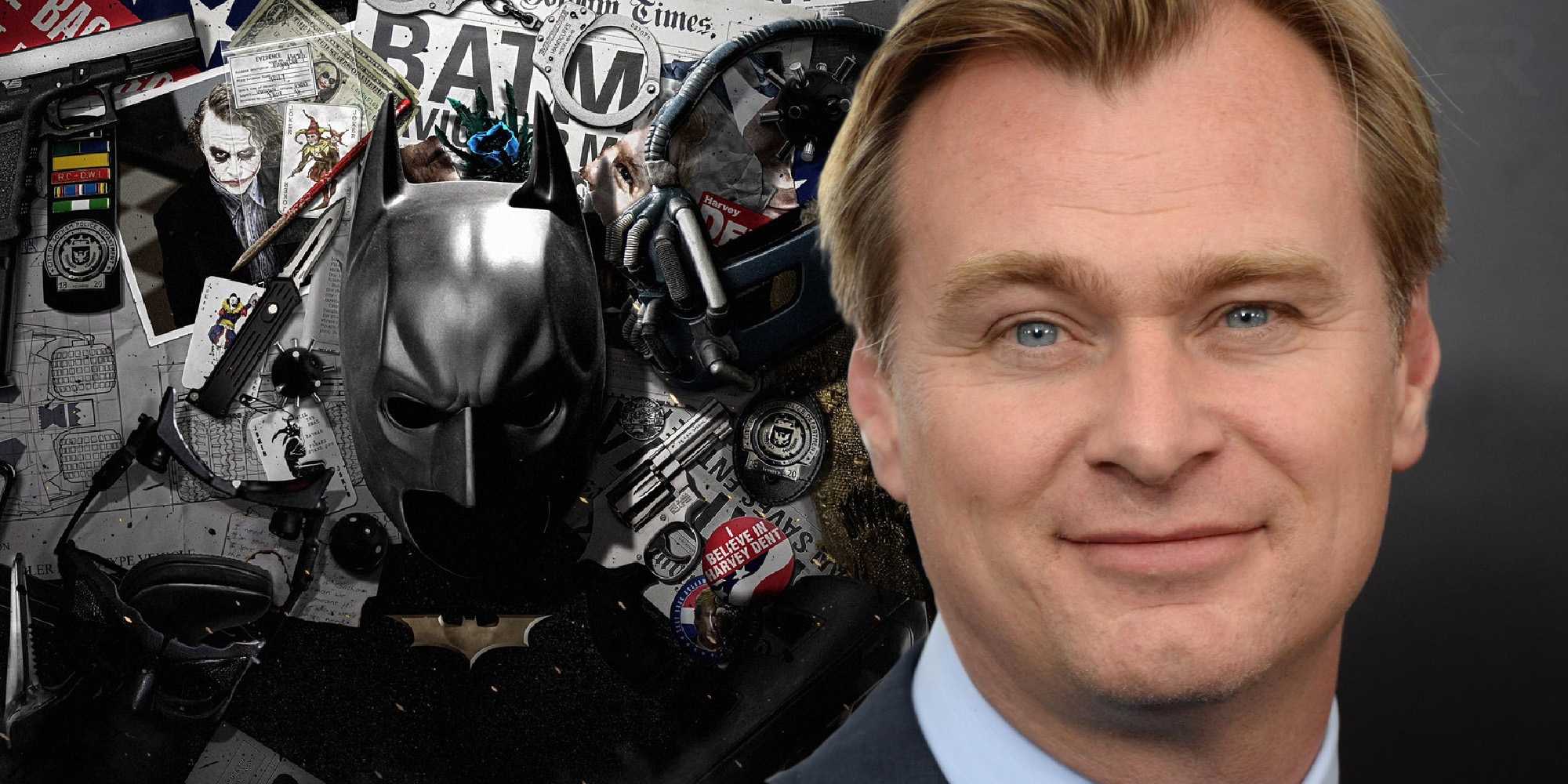
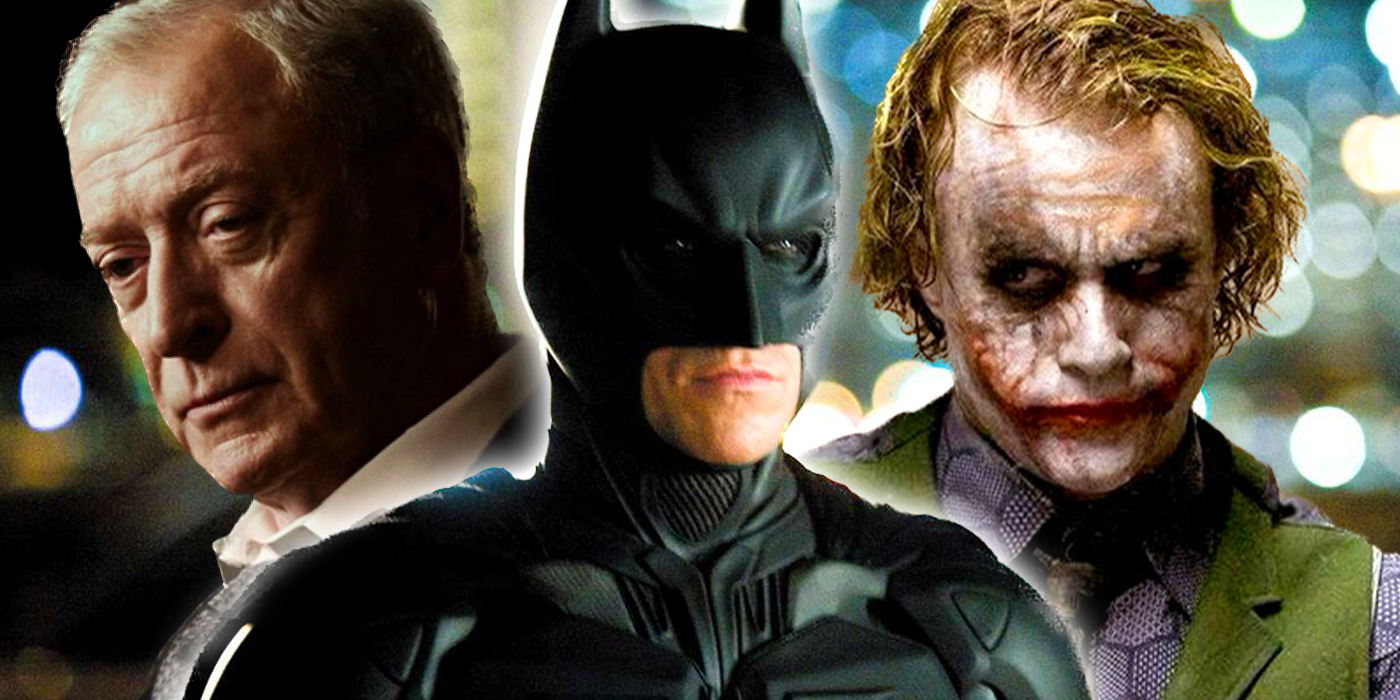
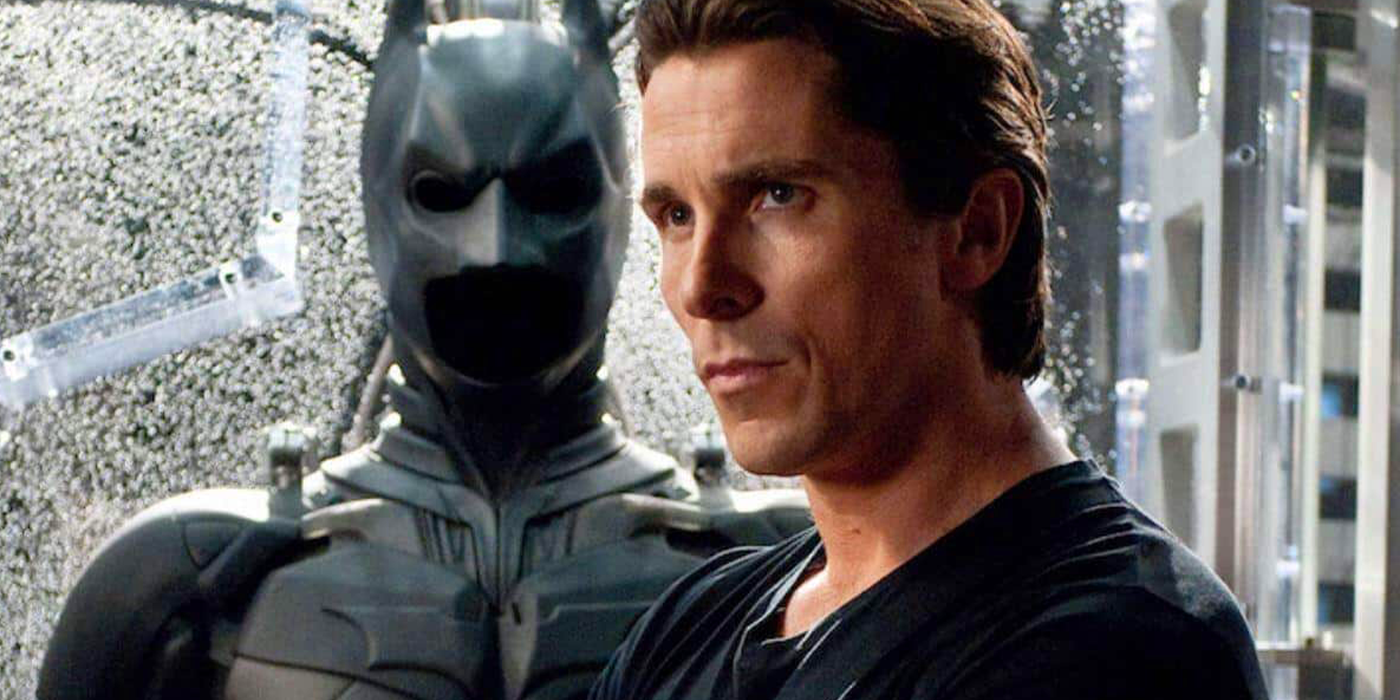
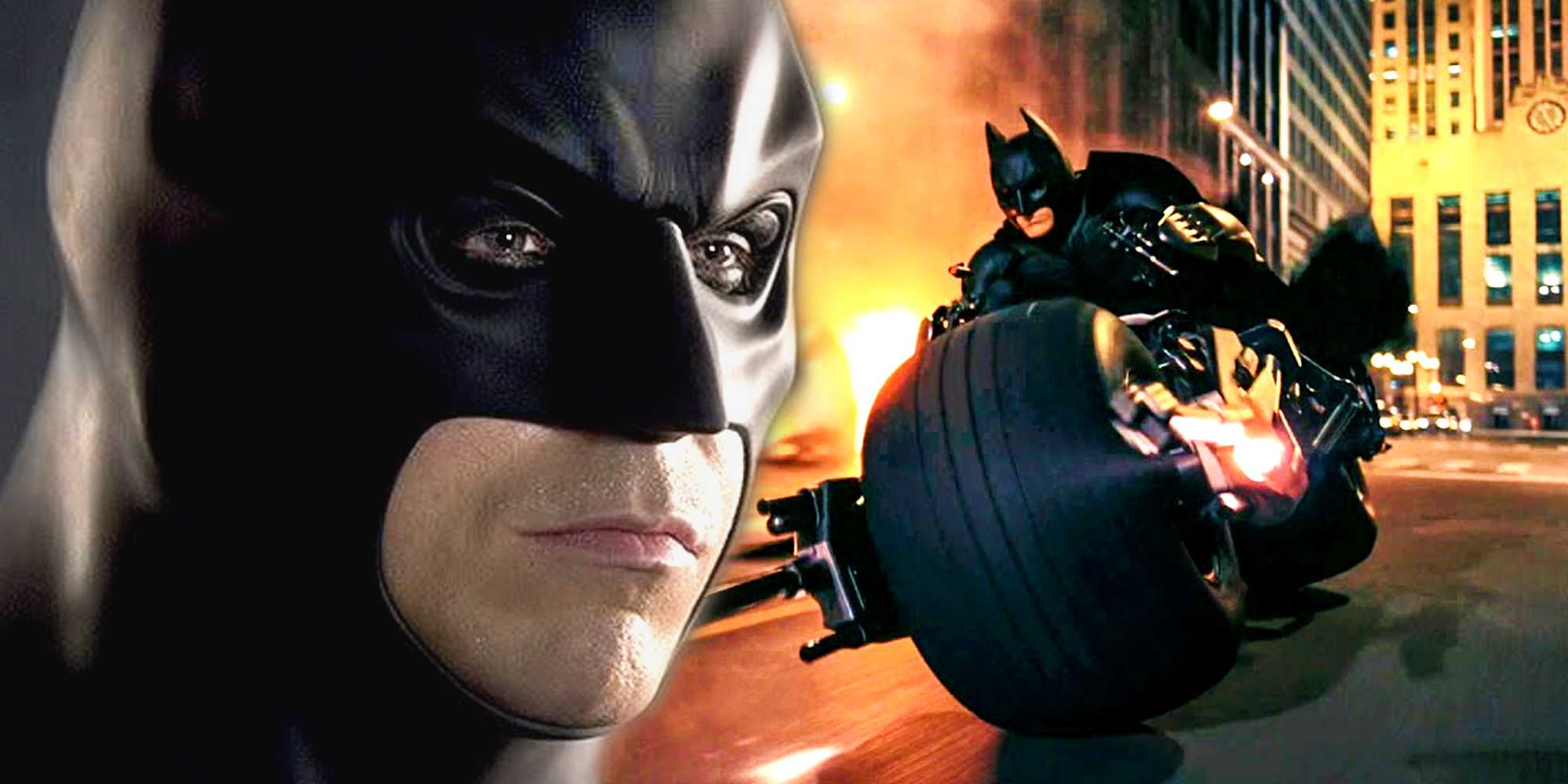
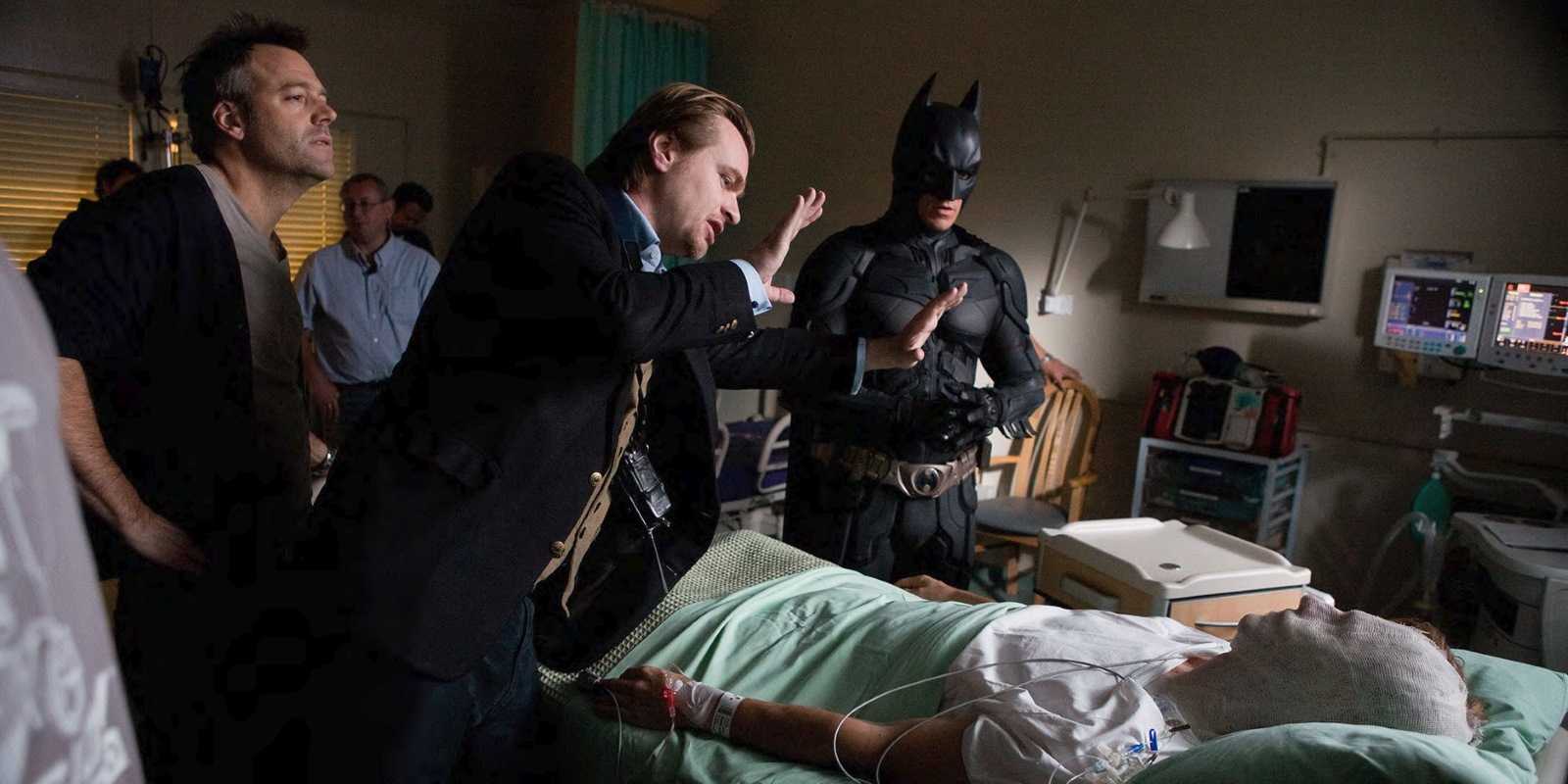
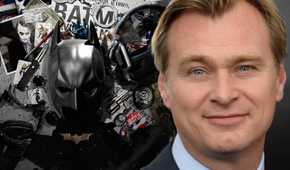
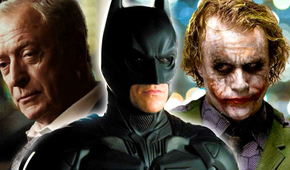
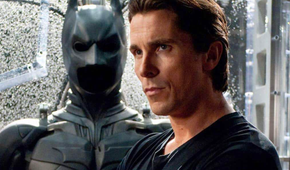
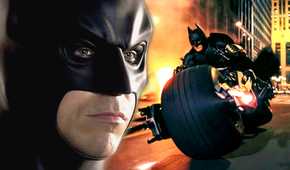
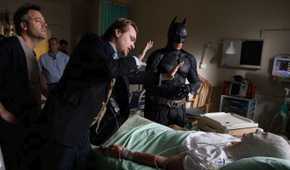
Christopher Nolan’s The Dark Knight Trilogy was one of the most important superhero franchises ever created and had an undeniable effect on the genre itself. As a dark and gritty reimagining of the Batman mythos, Nolan brought a level of artistry and depth to this superhero story that had previously been missing from feature film depictions of masked vigilantes. As a director who never made any sequels outside of this franchise, The Dark Knight trilogy was an anomaly for Nolan that has remained the benchmark by which all modern superhero movies are judged.
Despite completing his trilogy and moving on to new projects like Inception and Oppenheimer, viewers have never given up hope that Nolan would reunite with Christian Bale for a fourth installment in their acclaimed franchise. Bale himself said in a 2022 interview with Screen Rant that he would consider returning as Bruce Wayne only if Nolan was in the director's chair. However, when Nolan was asked in 2023 (via Hugo Décrypte) whether he would direct another superhero movie, he simply said, “No.”

The Dark Knight
- Created by
- Christopher Nolan, David S. Goyer
- First Film
- Batman Begins
- Latest Film
- The Dark Knight Rises
- Cast
- Christian Bale, Michael Caine, Gary Oldman, Morgan Freeman, Heath Ledger, Tom Hardy, Anne Hathaway, Maggie Gyllenhaal, Liam Neeson, Aaron Eckhart
- Video Game(s)
- Batman Begins
- Movie(s)
- Batman Begins, The Dark Knight, The Dark Knight Rises
The Dark Knight franchise, also known as The Dark Knight Trilogy, is a critically acclaimed and commercially successful film series directed by Christopher Nolan. It is a darker and more realistic take on the Batman character, exploring themes of justice, chaos, and redemption. The trilogy revitalized the Batman film series and is often credited with raising the bar for superhero films, particularly through its exploration of complex moral dilemmas and the iconic portrayal of villains like the Joker.
1 Back To The Future 4
Robert Zemeckis
Custom Image by Yeider Chacon


Custom Image by Yeider Chacon
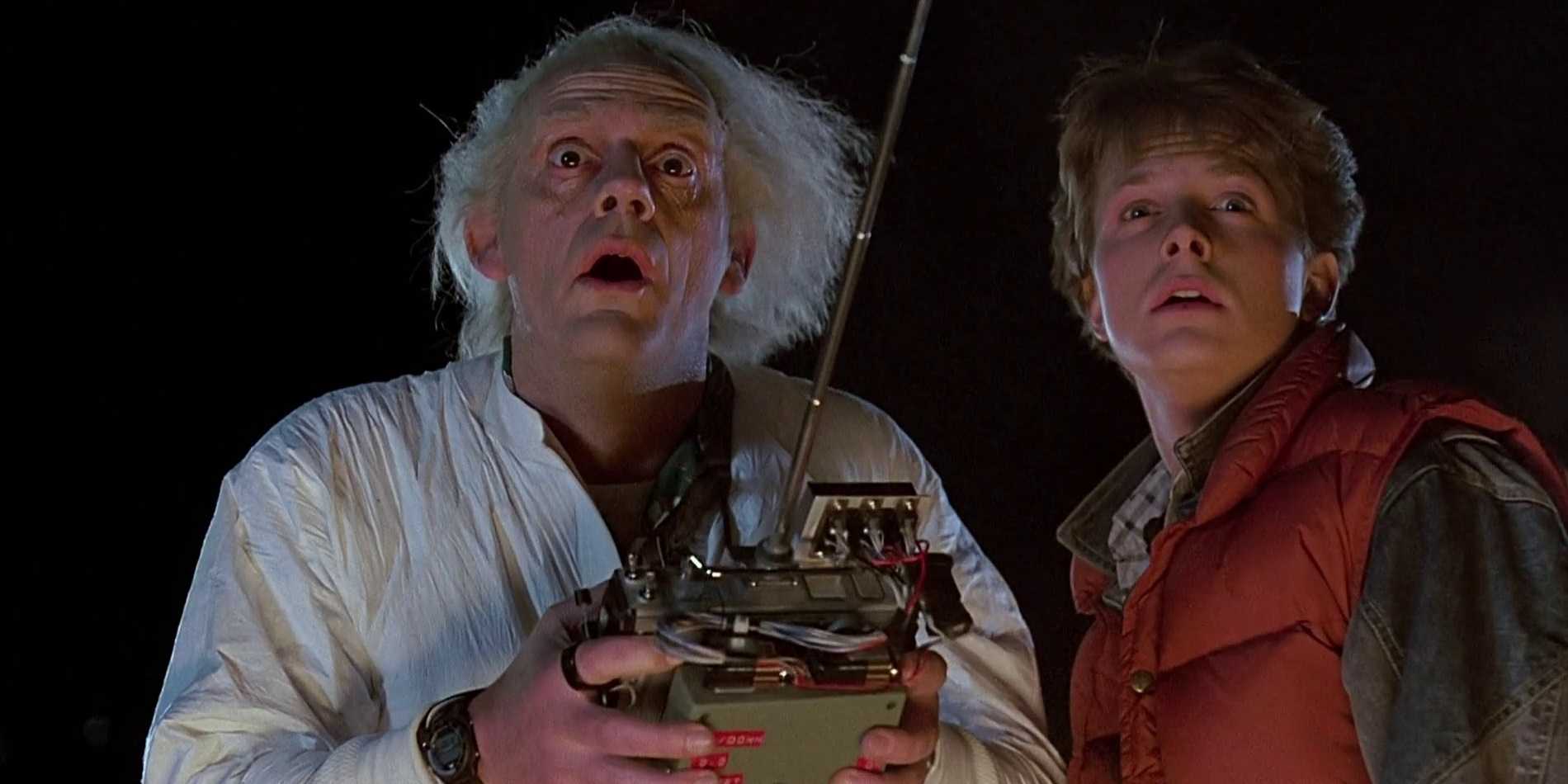
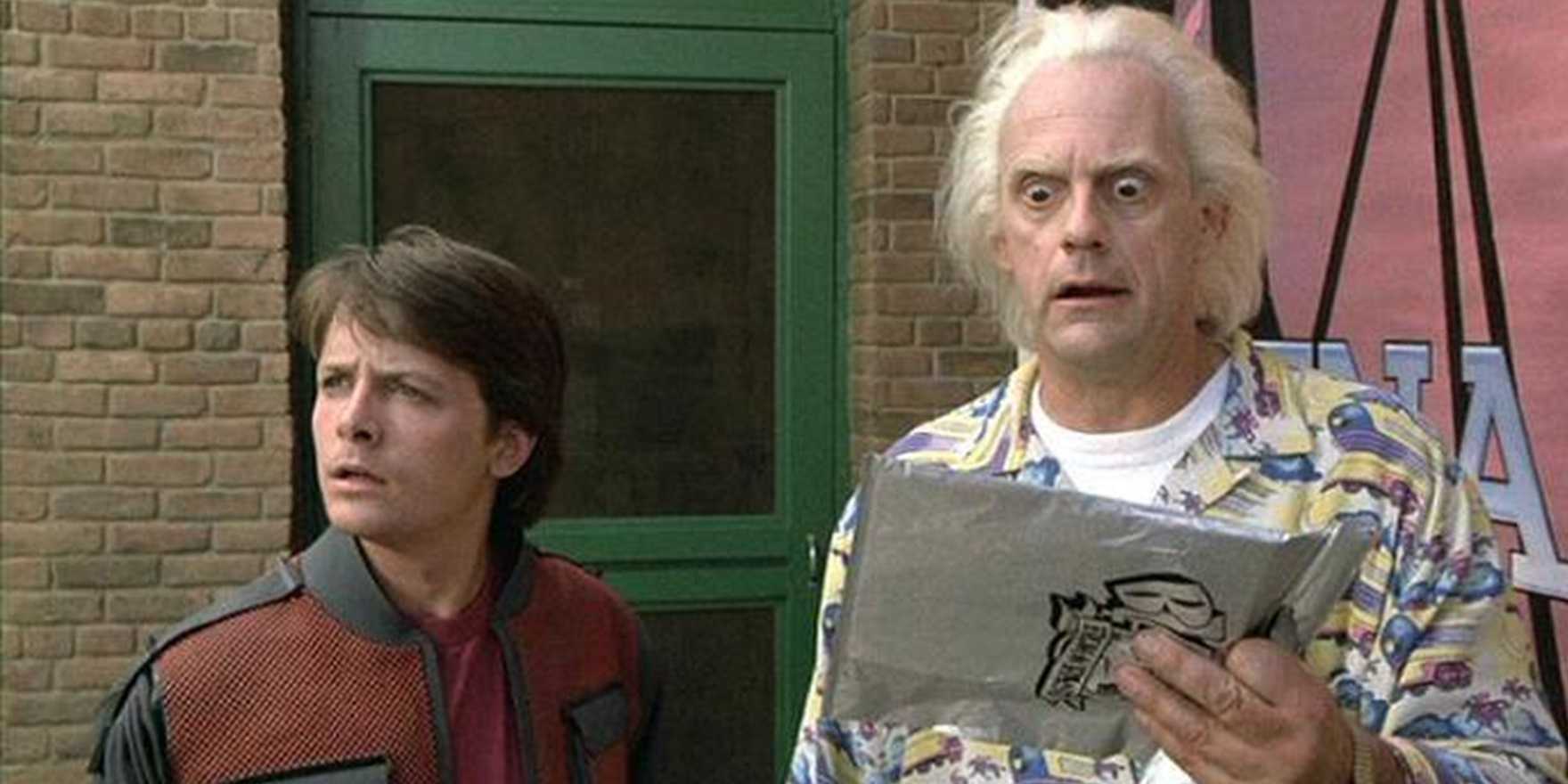
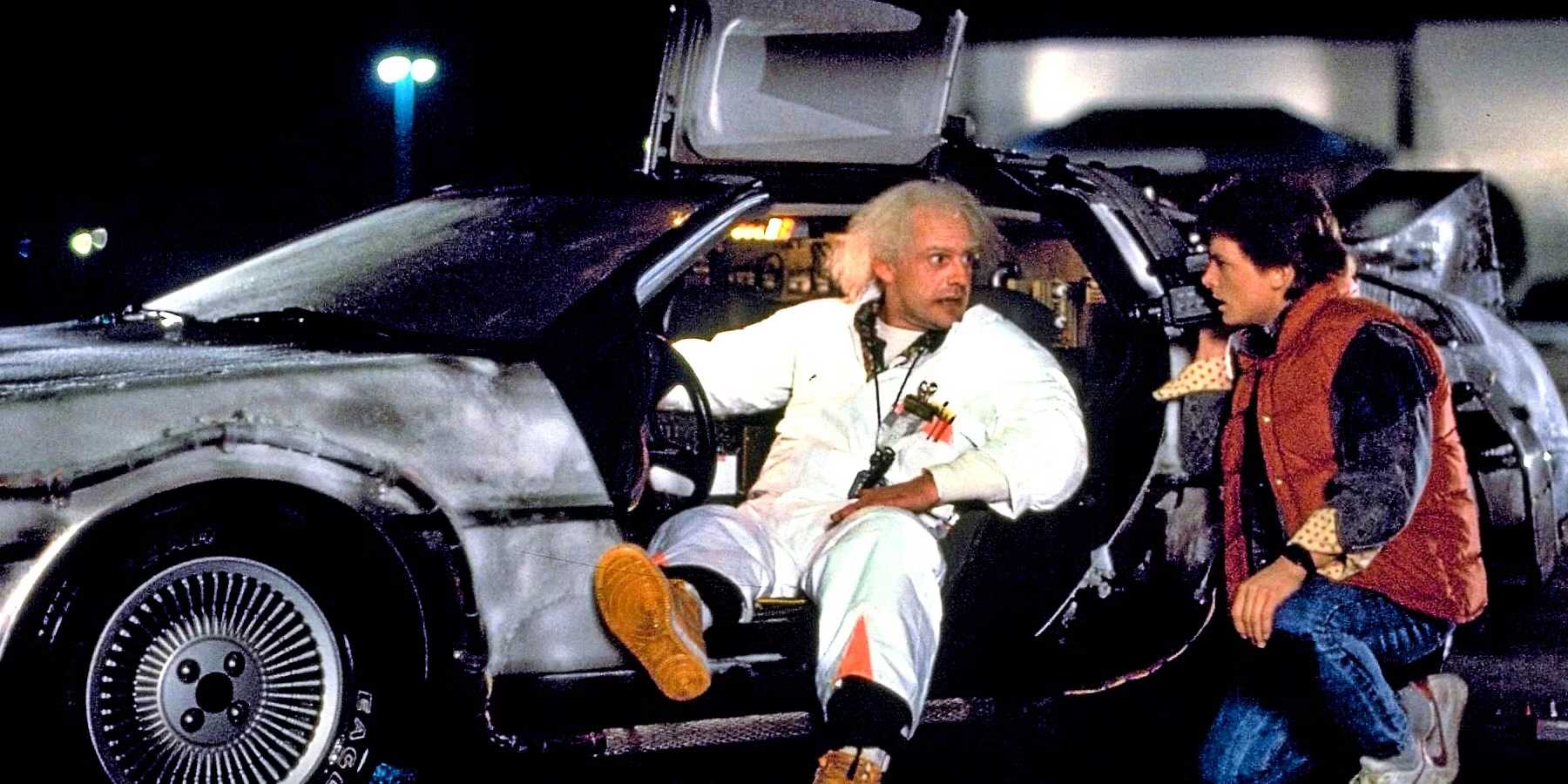
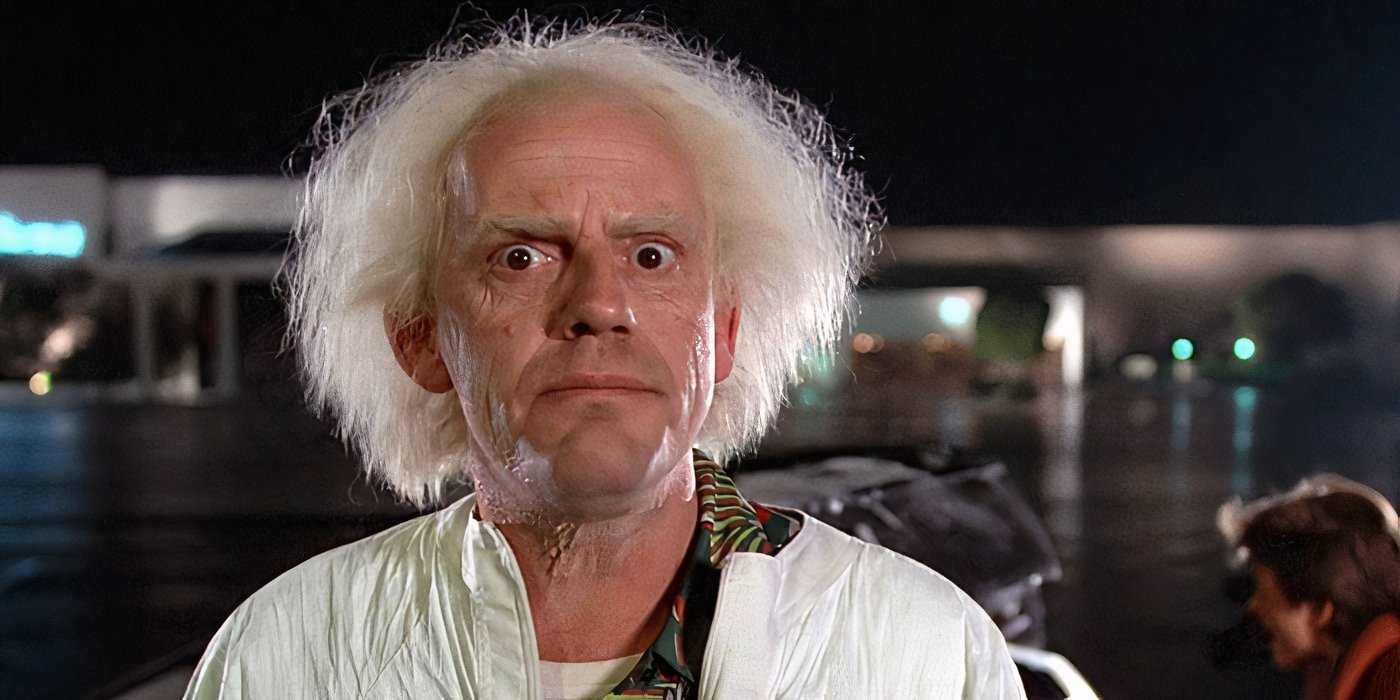
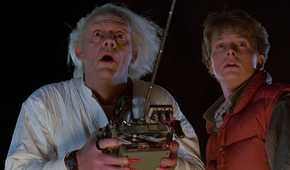
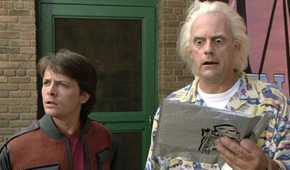
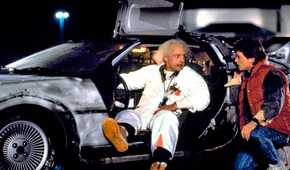
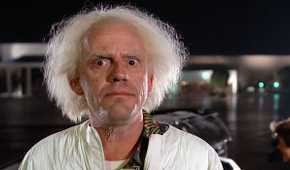
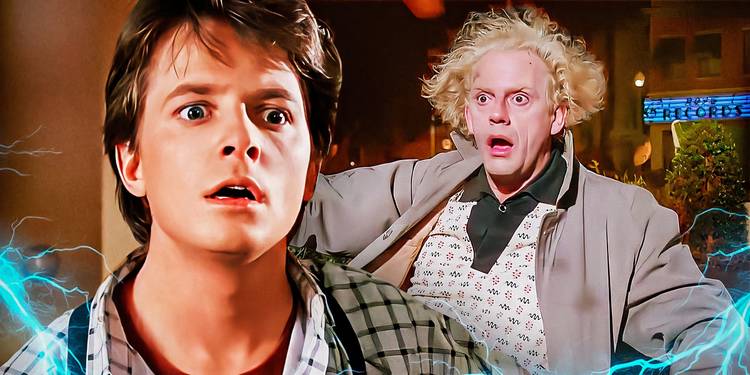
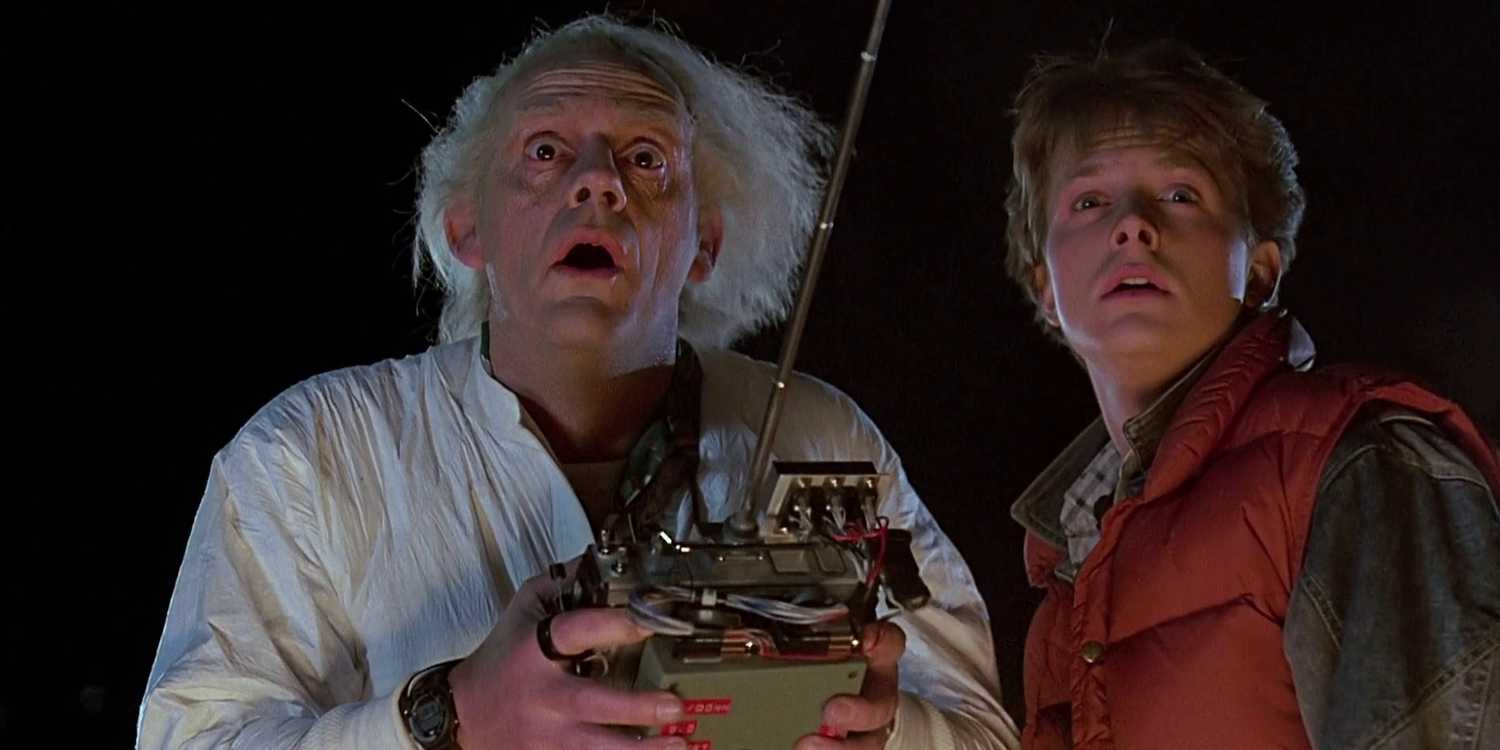
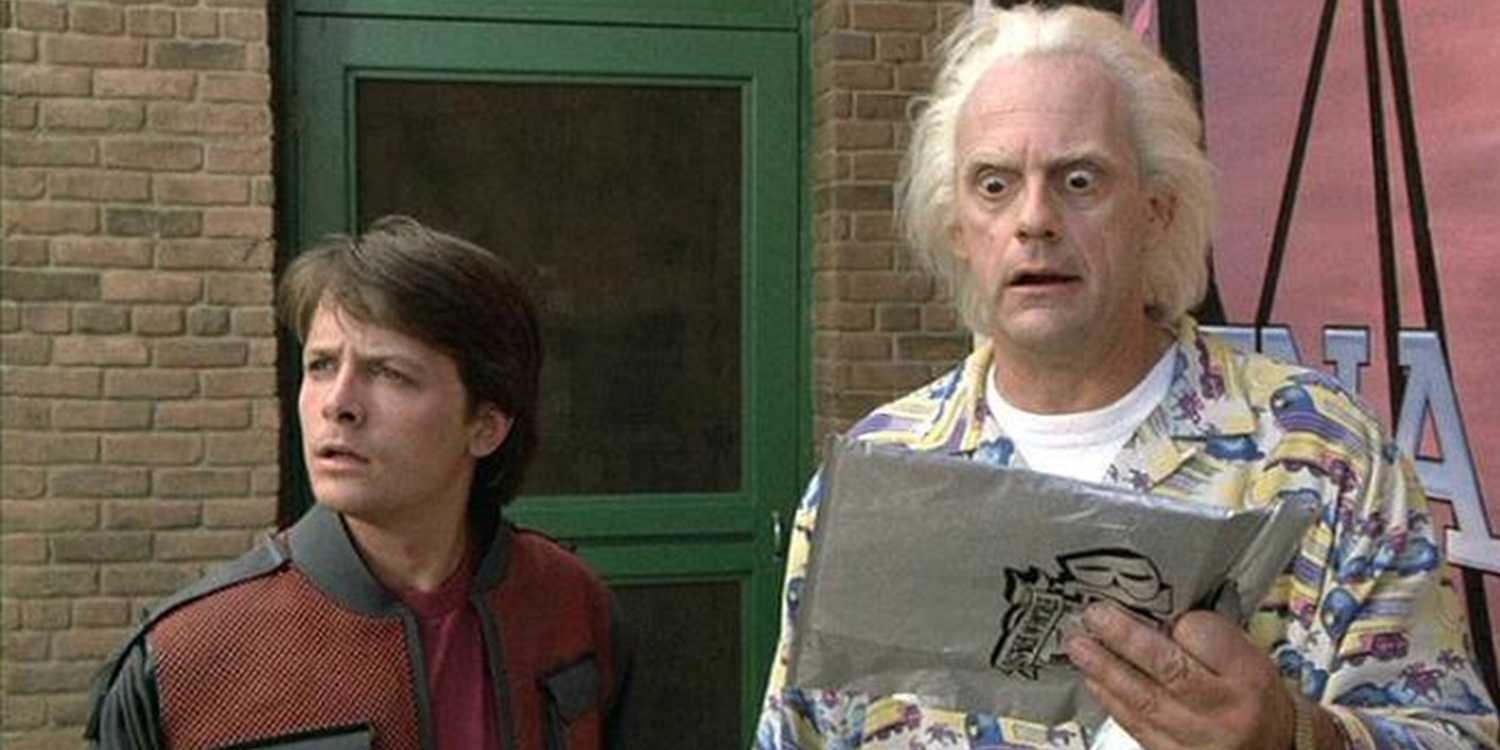
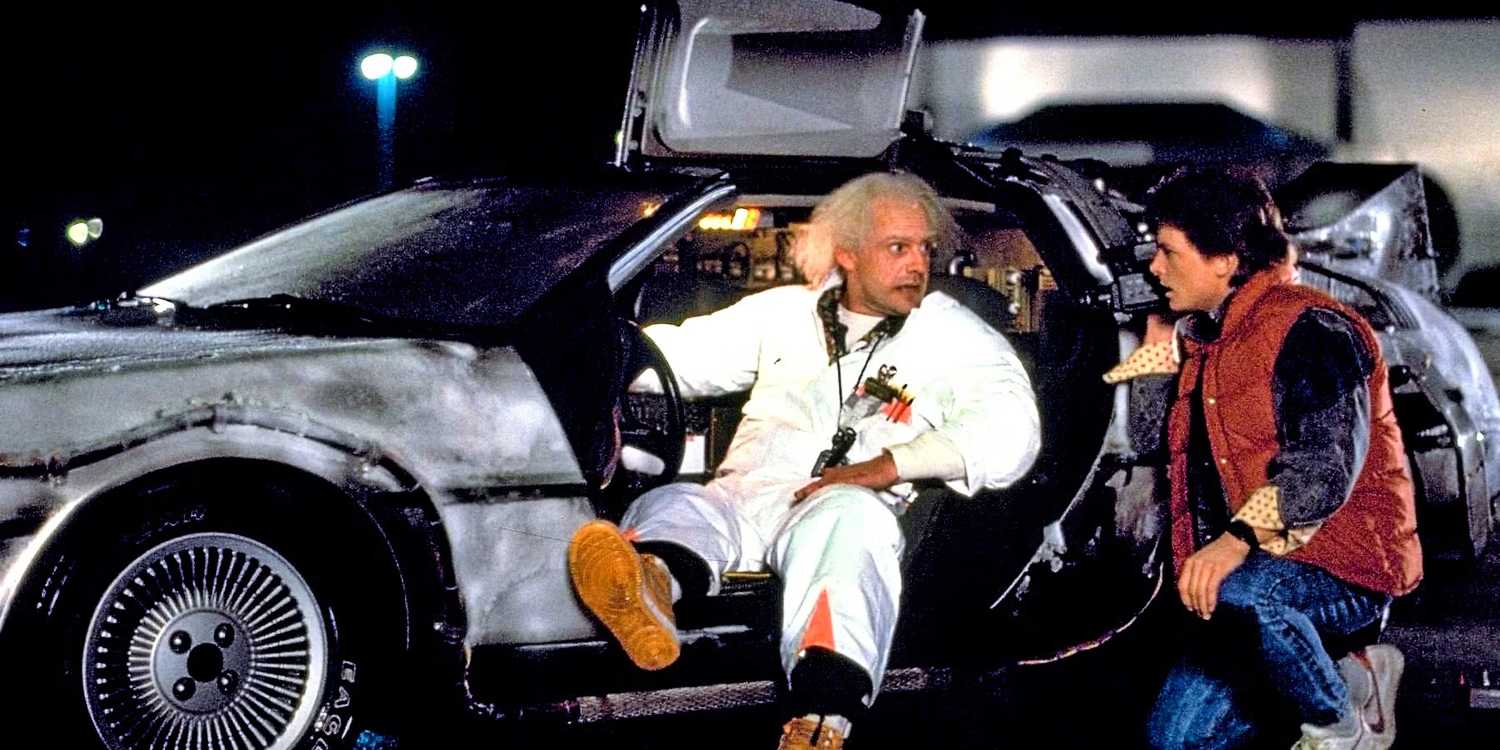
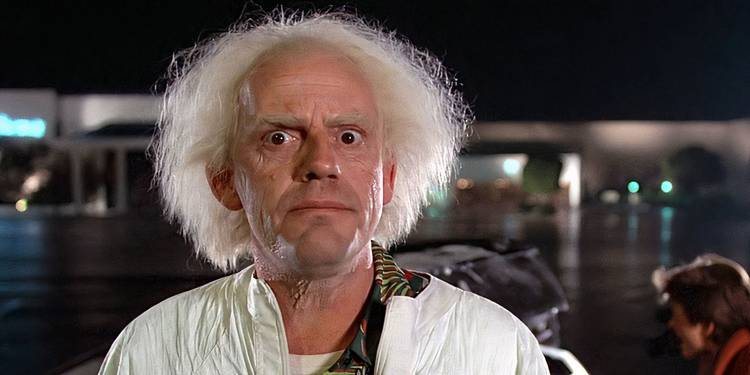
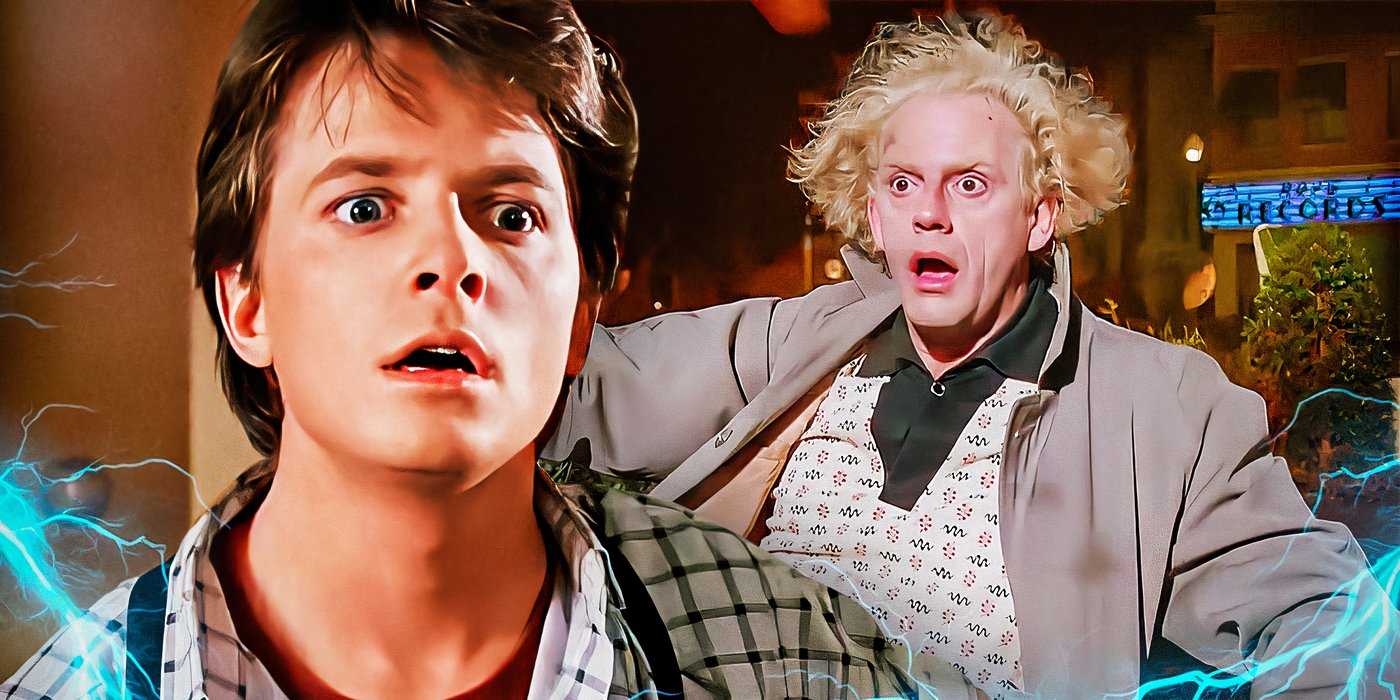
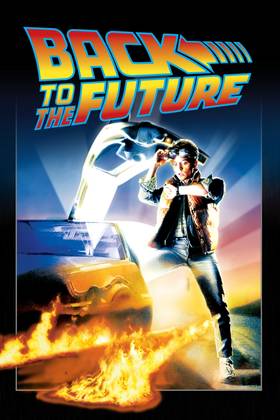
The time-travel nature of Back to the Future lends itself to endless stories that traverse the length and breadth of world history. However, despite its iconic legacy and clear interest from audiences for more, Back to the Future will remain a trilogy as director Robert Zemeckis vehemently opposes any propositions to make sequels, remakes, or reboots of his most famous franchise. With Back to the Future’s Marty McFly actor Michael J. Fox also retired due to declining health caused by Parkinson’s disease, there are many roadblocks to bringing Marty and Doc Brown back for one more adventure.
In 2008, Zemeckis likened making a new Back to the Future movie without Fox to saying, “I’m going to cook you a steak dinner and I’m going to hold the beef” (via Telegraph.) While Zemeckis has been vocal about not allowing a Back to the Future 4 or a remake with a new actor, he hasn’t entirely ruled out returning to the franchise. Instead, Zemeckis claimed he’d be interested in making a feature film version of Back to the Future: The Musical, although he claimed when he floated the idea with Universal Pictures, they weren’t interested...
Back to the Future
- Created by
- Robert Zemeckis, Bob Gale
- First Film
- Back to the Future
- Latest Film
- Back to the Future Part III
- First TV Show
- Back To The Future
- Latest TV Show
- Back To The Future
- First Episode Air Date
- September 14, 1991
"Back to the Future" is a science fiction adventure franchise that follows the time-traveling adventures of Marty McFly and Dr. Emmett "Doc" Brown. Created by Robert Zemeckis and Bob Gale, the series is known for its clever use of time travel, memorable characters, and iconic DeLorean time machine. The franchise explores themes of causality, destiny, and the impact of individual actions on the future. Its blend of humor, heart, and innovative storytelling has made it a beloved classic in film history.
- Cast
- Michael J. Fox, Christopher Lloyd, Lea Thompson, Crispin Glover, Thomas F. Wilson, Elisabeth Shue, James Tolkan, Claudia Wells, Mary Steenburgen
- Spin-offs
- Back To The Future
- TV Show(s)
- Back To The Future
- Video Game(s)
- Back to the Future: The Game
Sources: All box office figures from Box Office Mojo, Bloody Disgusting, Mental Floss, IGN, The Wrap, Comic Book, GQ, Slash Film, Jam, Birth Movies Death, Blastr, Hugo Décrypte, Telegraph
