


Warning! This article contains spoilers for Netflix's Avatar: The Last Airbender.
Summary
- Bumi's key role in Avatar: The Last Airbender's past, present, and future is evident in both original and Netflix adaptations.
- Bumi's trials push Aang to make tough decisions crucial for his role as the Avatar in the war against the Fire Nation.
- Despite similarities, Bumi's portrayal in Netflix's adaptation showcases some minor differences in character and storyline development.
Avatar: The Last Airbender season 1 positions King Bumi as an important side character to the show's past, present, and future. The timeline of the original Last Airbender show mostly matches up with that of Netflix's live-action adaptation, meaning Bumi's inclusion comes at a similar time in both iterations. This is aided by Netflix's insistence on covering only the events of Avatar: The Last Airbender's Book One in live-action, making for a much more streamlined story.
Despite Book One's original story being the basis of Netflix's Avatar: The Last Airbender season 1, some notable changes are made to the story. A great deal of the changes in question are found in The Last Airbender episodes 3 and 4 when Aang and his friends travel to the city of Omashu. While there, a mixture of changes and similarities to the original show are attributed to the character of King Bumi, whose depth and importance to the world of Avatar: The Last Airbender's fighting styles, characters, and story cannot be understated.
Bumi Is King Of One Of The Last Earth Kingdom Strongholds
Omashu stands next to Ba Sing Se as a free city of the Earth Kingdom.

In both iterations of Avatar: The Last Airbender, Bumi is known as the King of Omashu. Omashu is described as one of the few remaining Earth Kingdom strongholds that is yet to fall into the Fire Nation's hands. Alongside the capital of Ba Sing Se, Omashu stands as one of the solitary pillars of hope that the Fire Nation is not completely dominating the rest of the world. As such, Omashu and its king hold a lot of importance to the people of Avatar: The Last Airbender.
Bumi & Aang’s Backstory Explained
Bumi has an interesting childhood connection to the young Airbending Avatar.

Interestingly, Bumi is a figure from Aang's past. In brief flashbacks, it is explained that Aang once knew Bumi when the latter was a child. Despite Aang being frozen in ice for 100 years, Bumi somehow survived and has been fighting the Fire Nation ever since. While the original Last Airbender show delves a little deeper into Bumi and Aang's relationship, the Netflix show still maintains the idea that their relationship has been stretched across an entire century.
|
Bumi's Original ATLA Appearances |
Season and Episode Number |
|---|---|
|
"The King of Omashu" |
Season 1, Episode 5 |
|
"Return to Omashu" |
Season 2, Episode 3 |
|
"Sozin's Comet, Part 2: The Old Masters" |
Season 3, Episode 19 |
|
"Sozin's Comet, Part 3: Into the Inferno" |
Season 3, Episode 20 |
|
"Sozin's Comet, Part 4: Avatar Aang" |
Season 3, Episode 21 |
Why Did Bumi Put Aang Through The Trials At Omashu
Bumi's somewhat antagonistic trials held a vital purpose for Aang's Avatar journey.

While Aang and Bumi were shown as close friends as children, The Last Airbender episode 4 introduces the latter as somewhat of an antagonist. Bumi begins putting Aang through multiple life-threatening trials when the Avatar arrives in Omashu, begging the question of what these trials were and why Bumi is treating his old friend as he is. The initial trials begin trivially, with Aang having to escape certain situations while Bumi jokes around to lessen the tension between the two.
However, the trials slowly grow in severity until Aang is forced into a one-on-one duel against Bumi. Bumi is one of Avatar: The Last Airbender's most powerful Earthbenders, putting Aang through his paces and eventually giving the young Avatar an impossible choice: attack Bumi and save his own life at the cost of the king's or sacrifice himself to save his old friend. Herein lies the point of the trials Bumi put Aang through, that being that Aang must confront the reality that he will have to make impossible decisions as the Avatar in the war against the Fire Nation.
Bumi was declared as the joint most powerful Earthbender in the Avatar universe via a sequel comic to the original series, with the other character likely being introduced in Netflix's The Last Airbender season 2.
Bumi forcing Aang to come to this realization stems from his own life since the Fire Nation began the war. As the sole leader of one of the Earth Kingdom's last remaining cities, Bumi is constantly facing choices that change the trajectory of lives around him. Bumi knows the importance of making these decisions and is also aware that Aang is reluctant to take on the responsibility that comes with being the Avatar. Therefore, Bumi's trials were an effective albeit admittedly extreme way of pushing Aang into taking responsibility.
The Last Airbender Season 1’s Ending Sets Up Bumi’s Future
Bumi's story does not end with The Last Airbender season 1.


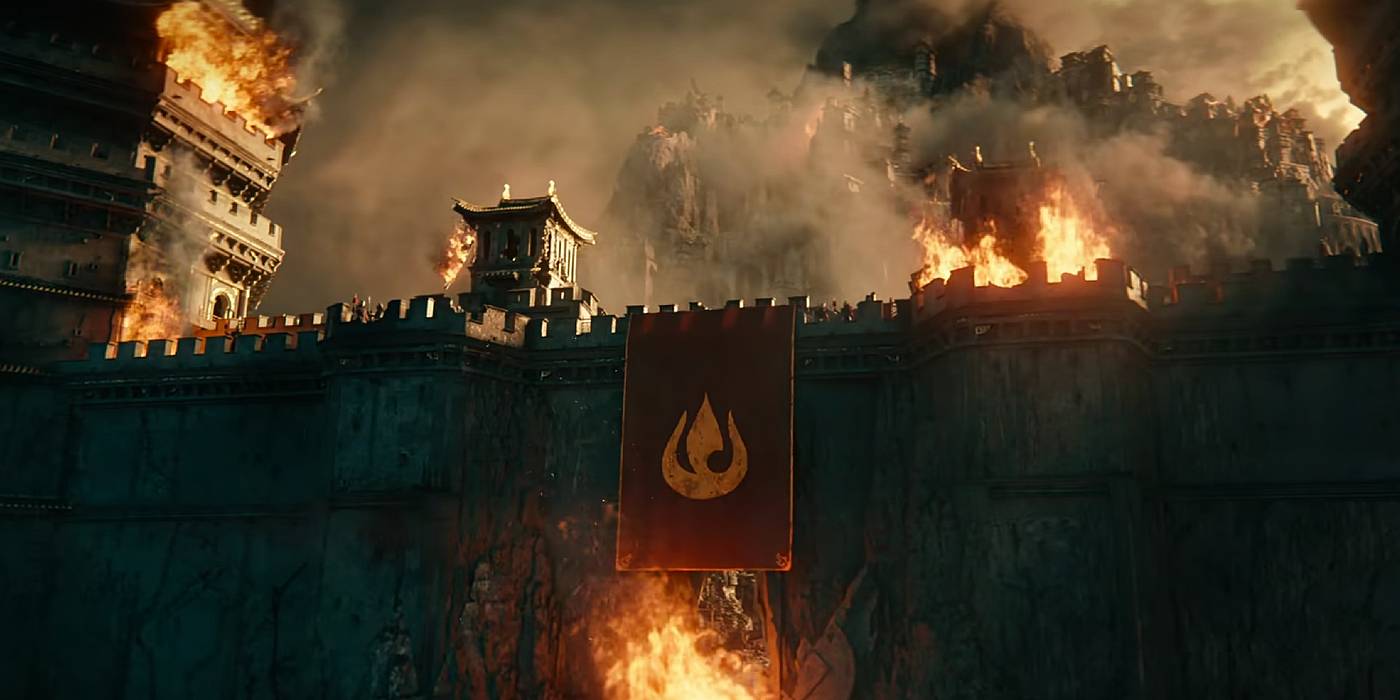

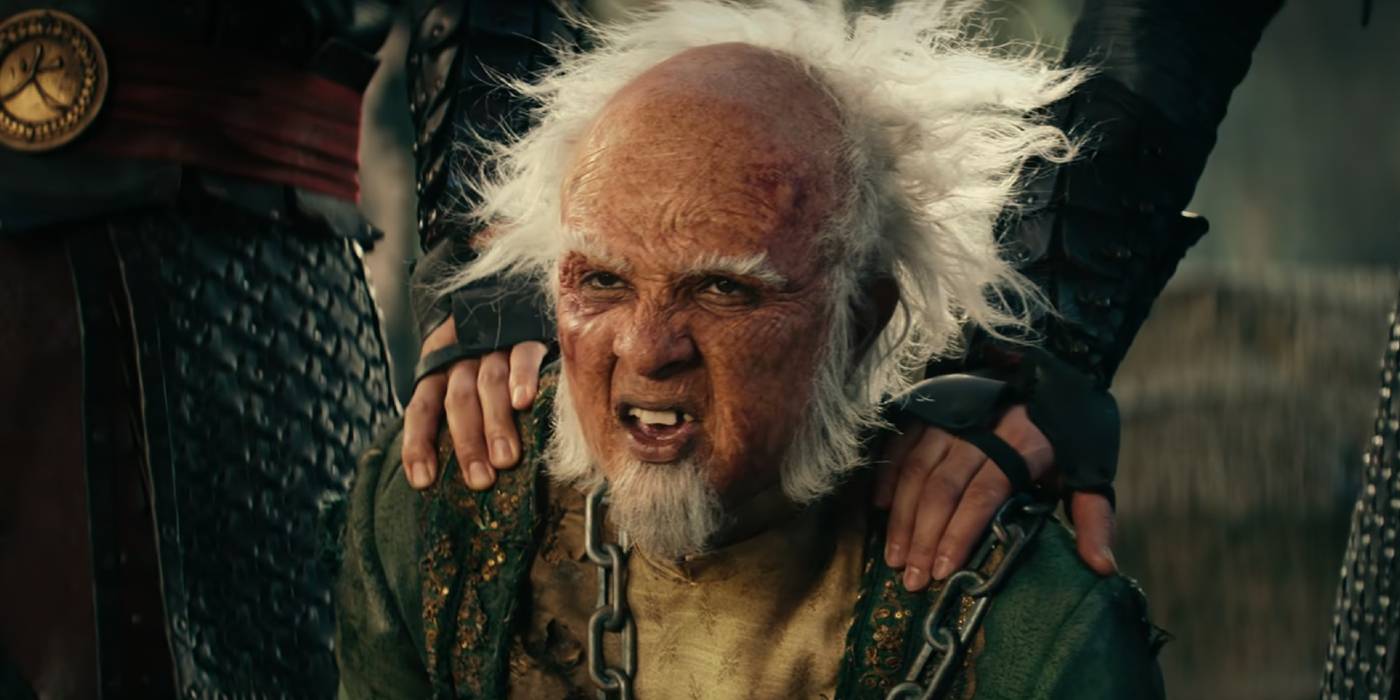

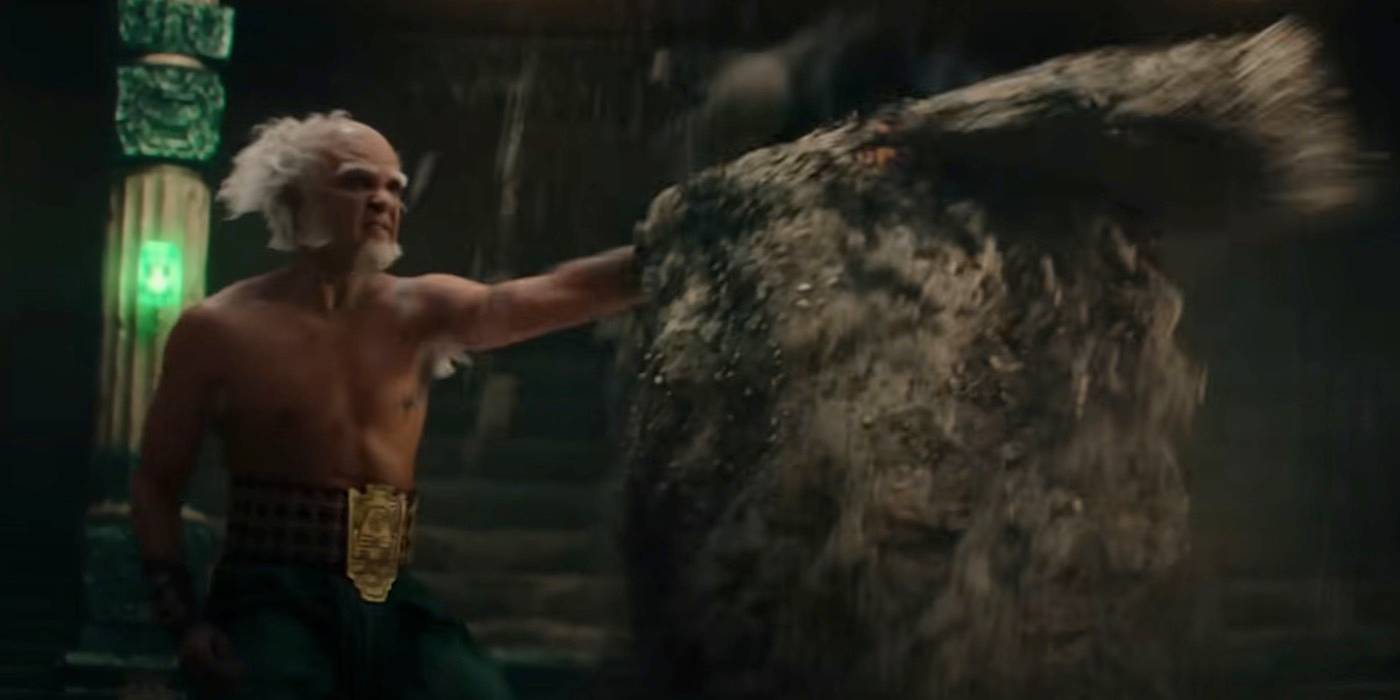





Despite Bumi only physically appearing in Netflix's The Last Airbender episodes 3 and 4, the finale of the show teases another role to come for the King of Omashu in the future. At the end of The Last Airbender season 1, Fire Lord Ozai emulates the savvy tactics of his grandfather from the first episode by utilizing the siege of the North Pole as a false flag attack. While the attention of the world - and most importantly, the Avatar - was fixed on the North Pole, Ozai sent Azula and a Fire Nation army to attack Omashu.
The storyline depicts the trio returning to Omashu and sneaking into the city now that it is under Fire Nation rule to save Bumi and liberate the city.
Using Azula'z military and Firebending brilliance, Omashu's 100-year holdout against the Fire Nation came to an end. Interestingly, Sokka raises the idea of traveling back to Omashu so that Aang can learn Earthbending from Bumi and Waterbending from Katara. This hints at a storyline from season 2 of the original Last Airbender show being adapted in Netflix's potential continuation. The storyline depicts the trio returning to Omashu and sneaking into the city now that it is under Fire Nation rule to save Bumi and liberate the city.
In true Bumi fashion, the liberation of Omashu has some twists in the tale which will seemingly be adapted going forward. Through this storyline, Aang is introduced to Azula for the first time and another major antagonist becomes a mainstay in the show. Therefore, the beginning episodes of Netflix's Avatar: The Last Airbender season 2 will be integral to bringing back Bumi's character in the return to Omashu after being frustratingly omitted from M. Night Shyamalan's 2010 movie adaptation.
How Bumi Is Different In Netflix’s The Last Airbender
Bumi's depiction in live-action adds slightly more drama to his and Aang's relationship.



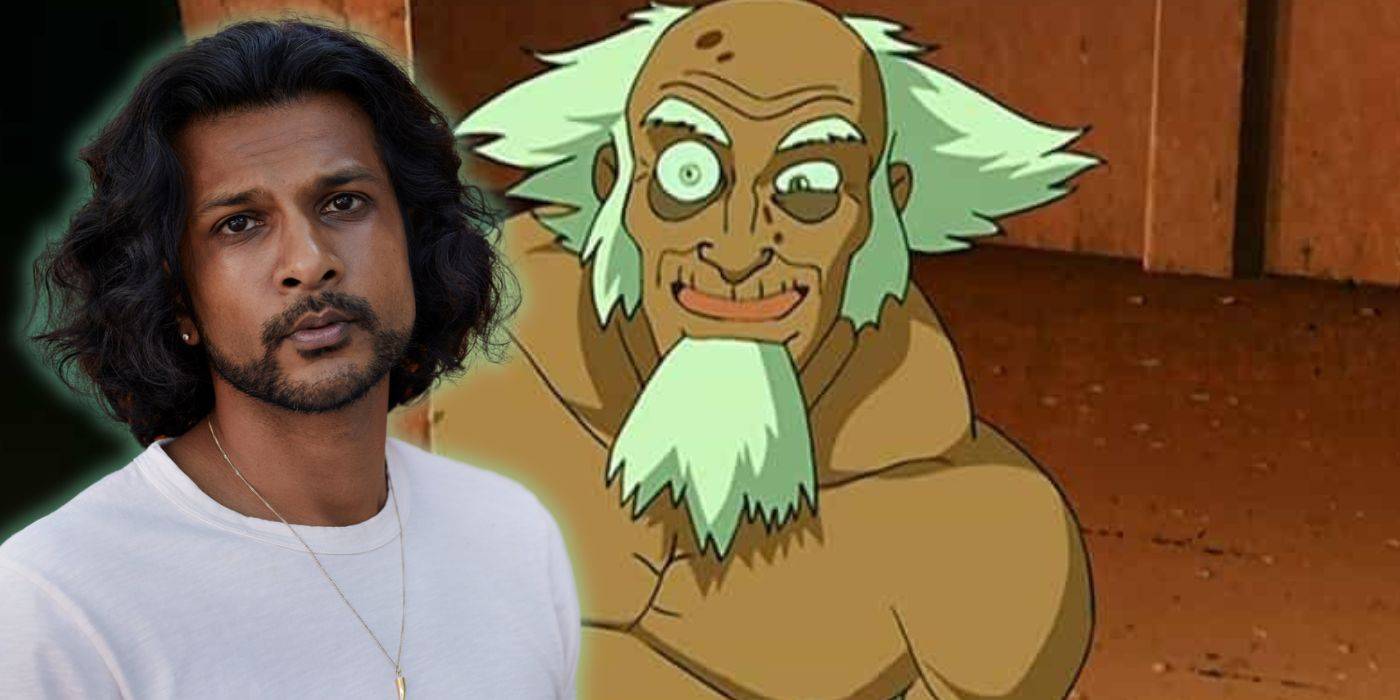
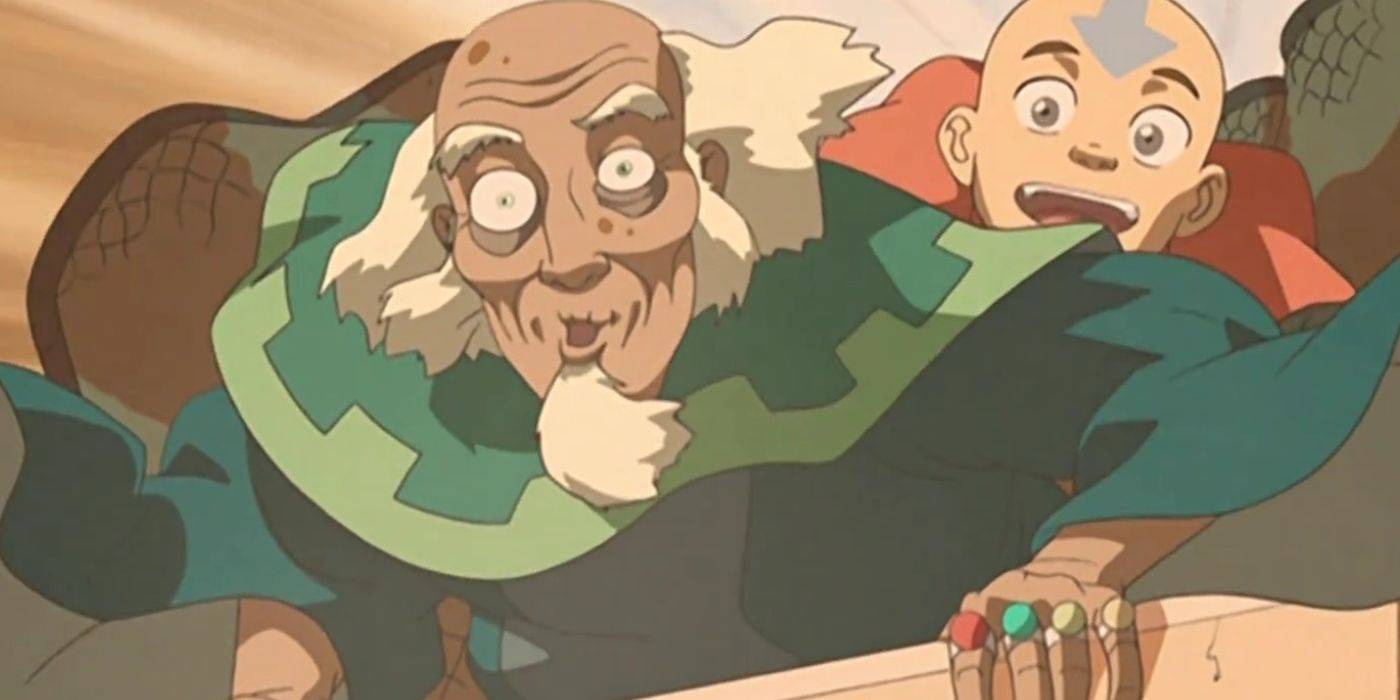

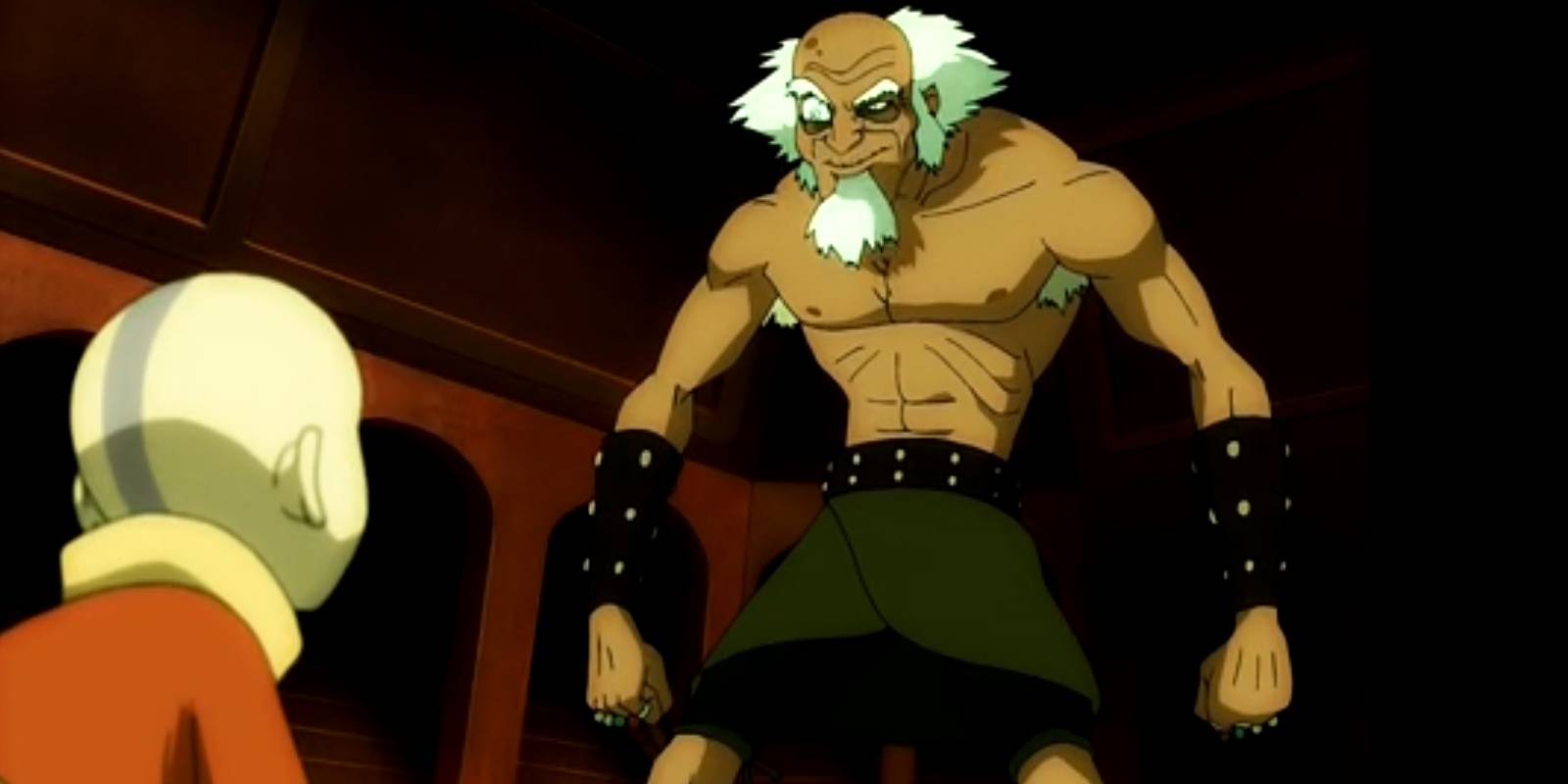





Despite the overall fidelity to Bumi's original story in Netflix's Avatar: The Last Airbender, there are still some differences in his characterization in live-action. For one, Bumi is not the sole reason Aang travels to Omashu in the Netflix show. Aang's history with Bumi is not mentioned at all in The Last Airbender episode 3, despite the episode taking place primarily in the city of Omashu. For most of episode 3, the storyline surrounds Jet, an extremist rebel who wishes to assassinate Bumi for the latter's seeming lack of care about the war.
Jet is not tied to Bumi in the original show, making this a broader change to Bumi's character. This is also tied to the Mechanist and his son Teo, who are instead housed at the Northern Air Temple in the original show and not Omashu. Concerning Bumi's depiction once he appears in The Last Airbender episode 4, the king's personality has some slight alterations from the cartoon. Bumi is shown as much more cynical and bitter toward the Avatar, something not present in the original show.
In Nickelodeon's cartoon, Bumi's trials are similar in their purpose but also to alert Aang that the crazy king is his childhood friend. In Netflix's adaptation, Aang realizes who Bumi is almost instantly and wonders why his friend is treating him with anger. Bumi's anger and resentment stem from fighting 100 years of war while the Avatar left, something Aang eventually changes his mind on. This is the main difference with Bumi's character in Netflix's Avatar: The Last Airbender, though the overall story beats remain mostly unaltered.
All episodes of Avatar: The Last Airbender season 1 are now streaming on Netflix.


- Release Date
- February 22, 2024
- Network
- Netflix
- Showrunner
- Albert Kim
- Directors
- Jet Wilkinson
- Writers
- Joshua Hale Fialkov, Christine Boylan
- Franchise(s)
- Avatar: The Last Airbender
Cast
-
 Aang
-
 Katara
Aang wakes after a century trapped in ice to find the Fire Nation has wiped out his people and pushed the world toward conquest. With Katara and Sokka as his first allies, the young Avatar races to master water, earth, fire, and air before the war becomes permanent.
- Streaming Service(s)

