


Summary
- Patch Adams's unconventional and compassionate approach to healthcare sparked significant change and discussion, highlighting the need for empathy and humor in patient care.
- Adams founded the Gesundheit! Institute, a visionary facility that focused on holistic and patient-centered care, challenging the impersonal and clinical healthcare model of the time.
- While Adams' methods have drawn some controversy and criticism in the medical community, his philosophy has inspired a more humanistic approach to medicine, encouraging healthcare professionals to prioritize the emotional well-being of patients.
Patch Adams is based on the true story of the titular doctor who changed medicine forever, but the real Patch Adams has a few problems with the movie. The 1998 movie blends humor and healing in a powerful depiction of a medical student's journey to transform healthcare. Starring Robin Williams as Hunter "Patch" Adams, the movie portrays a man who discovers his calling in medicine after a tumultuous period in his life. He pioneers a unique approach to healthcare, emphasizing humor, empathy, and personal connection. At its core, the Robin Williams film teaches important lessons about the transformative power of compassion and humor in the medical field.
While Patch Adams is celebrated for its heartwarming and humorous approach, the film is fundamentally rooted in the real-life story of Dr. Hunter Doherty Adams. Known as Patch Adams, he is a medical doctor and a social activist whose unconventional methods in healthcare sparked significant change and discussion. The movie, while taking creative liberties, captures the essence of Patch Adams' revolutionary approach to medicine, highlighting his belief in the healing power of laughter and empathy in patient care. This real-life narrative provides a fascinating backdrop to the cinematic portrayal, offering insight into the profound impact one man's philosophy can have on traditional medical practices.
Patch Adams’ Time In A Psychiatric Hospital


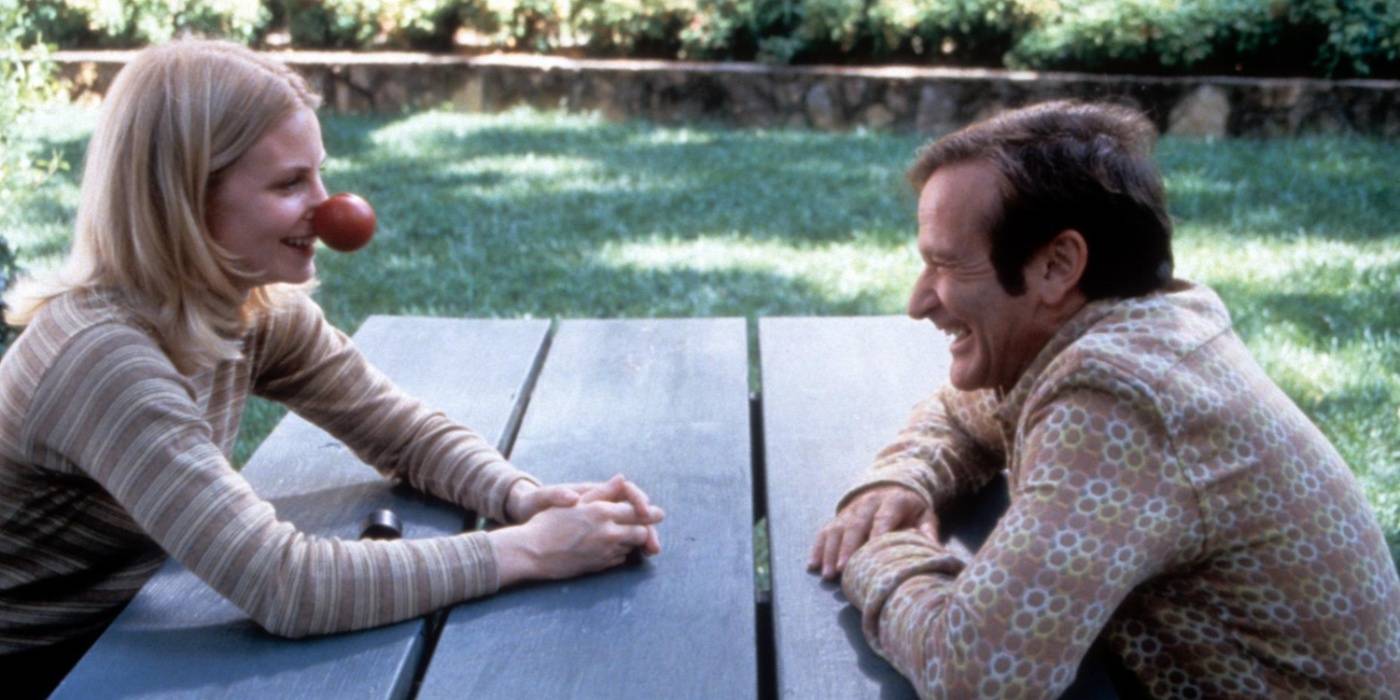
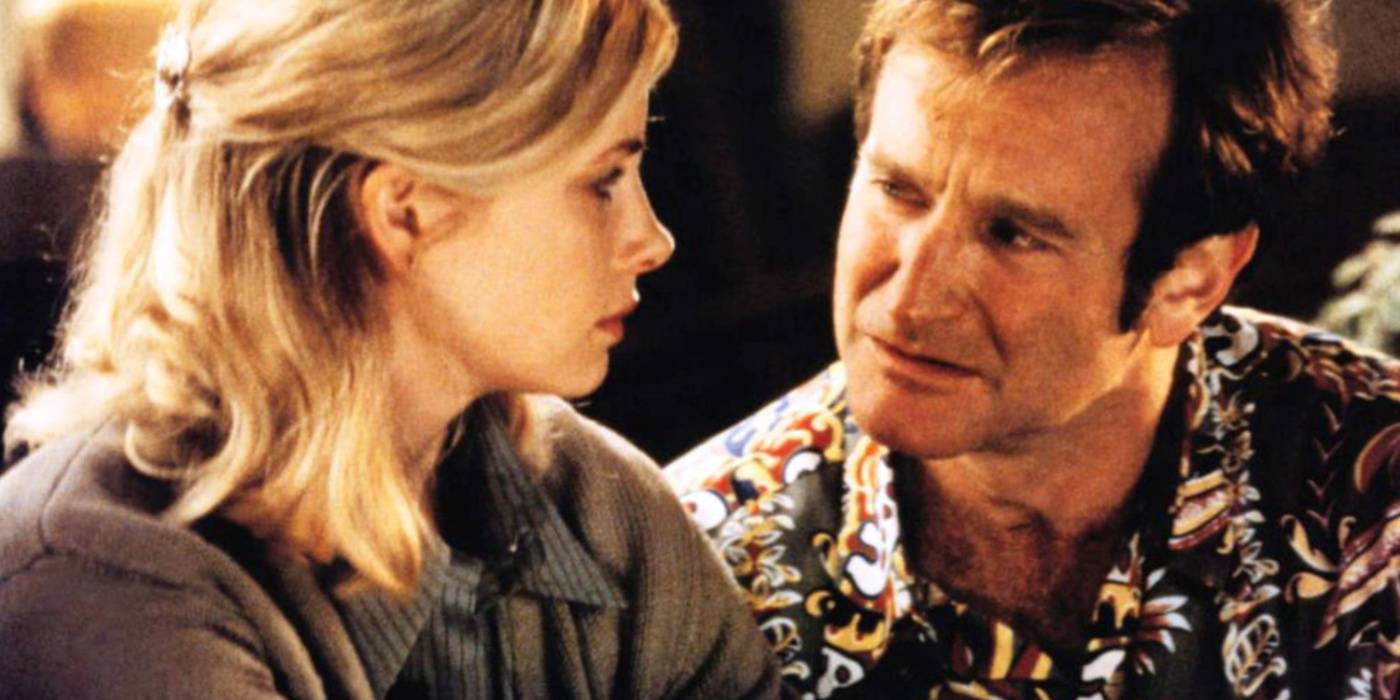
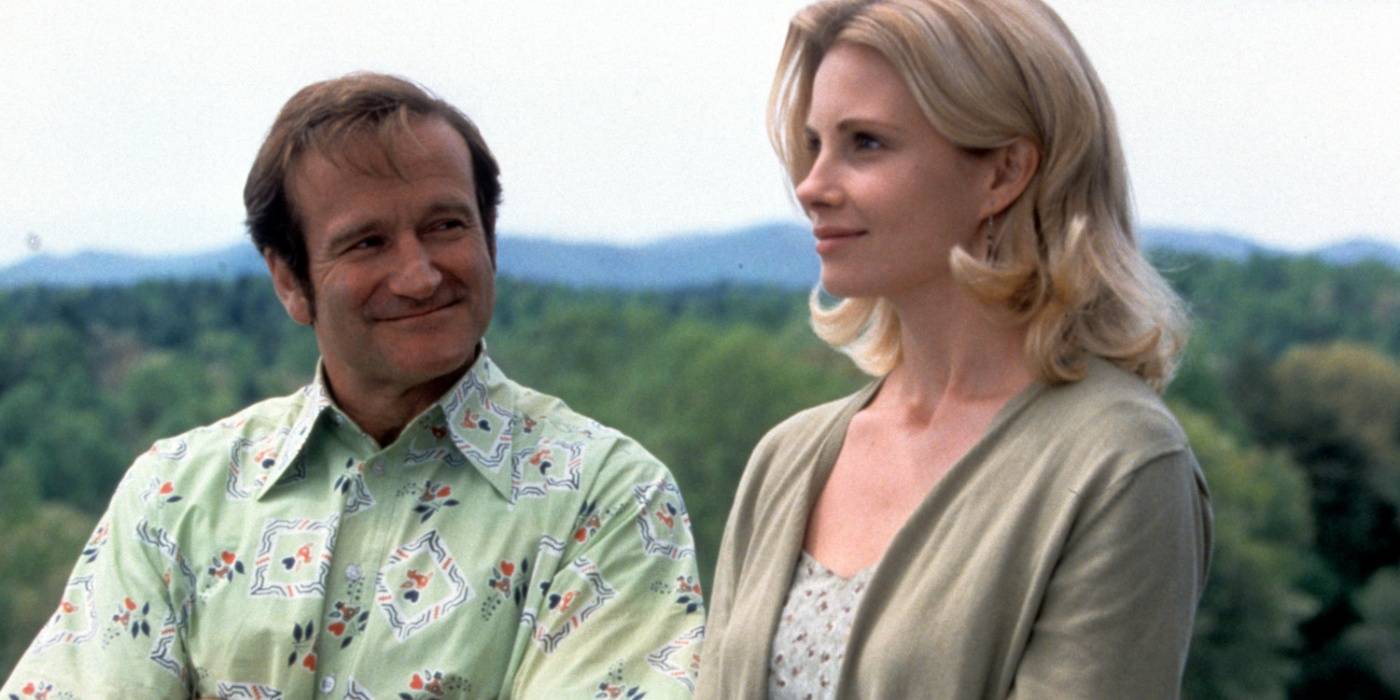
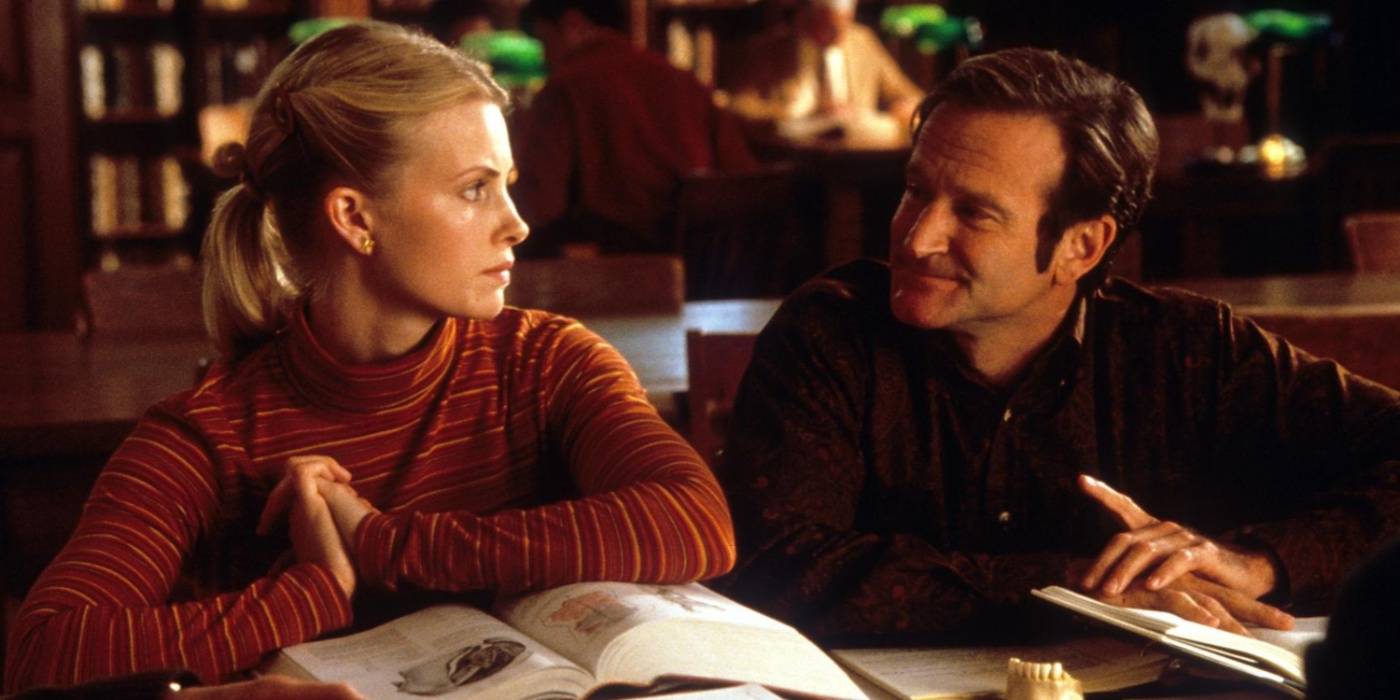
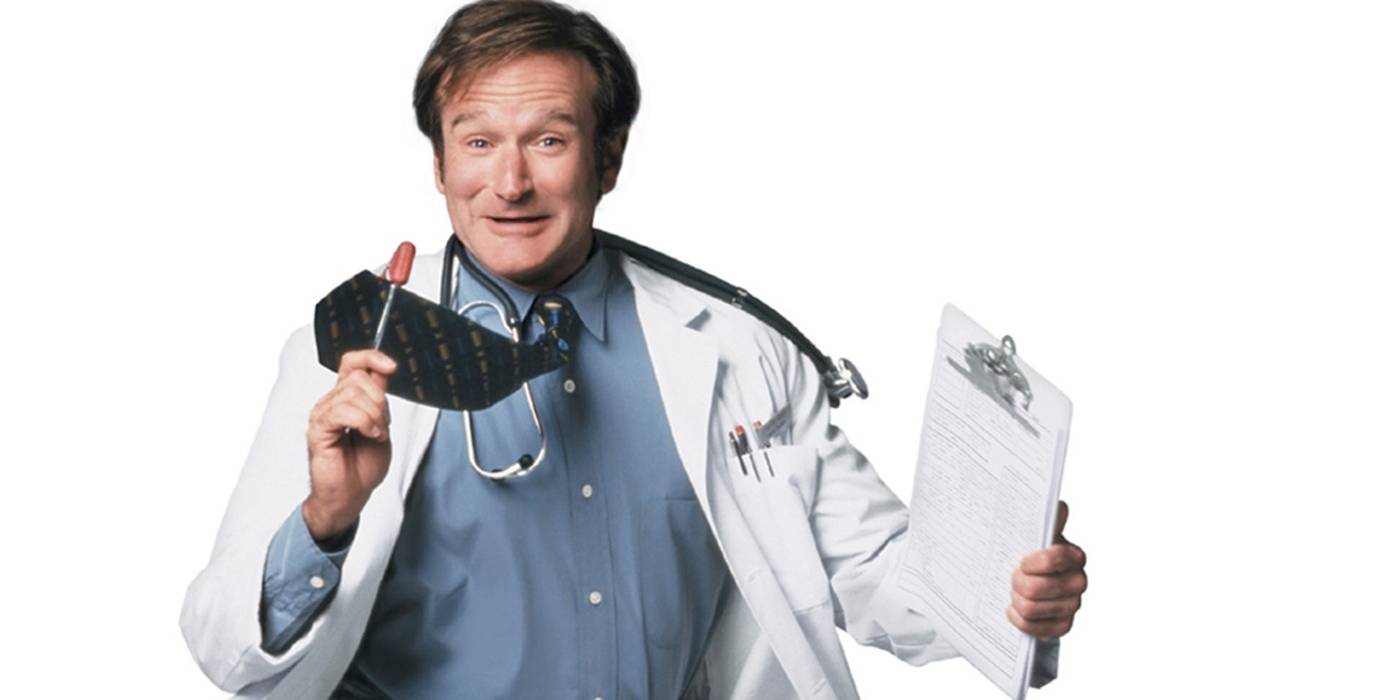


Patch Adams' journey into the world of medicine began with Patch's voluntary admission into a psychiatric hospital (via Chasing the Frog). Struggling with depression and suicidal thoughts, Adams sought help and found himself exposed to the stark reality of the healthcare system. His experience in the hospital was eye-opening, as he witnessed a cold and clinical approach to patient care where the human element seemed all but forgotten. This encounter profoundly shaped his perspective on healthcare, highlighting the deficiencies in compassion and understanding within the system.
It was within the walls of the psychiatric hospital that Adams envisioned a different kind of healthcare practice. He realized the profound impact that empathy and emotional support could have on patients. This realization was not just about treating ailments but about connecting with patients on a human level. This experience planted the seeds for his future endeavors in medicine, where he would advocate for a more compassionate, patient-centered approach.
Patch Adams is available to rent on Apple TV, Amazon, Google Play, and YouTube.
Patch Adams’ Gesundheit! Institute

After his transformative experience and later medical school, Patch Adams founded the Gesundheit! Institute. This facility was not just a hospital but a vision of what healthcare could be. It operated as a free community hospital focusing on holistic and patient-centered care. At a time when healthcare was often impersonal and strictly clinical, the Gesundheit! Institute stood as a beacon of revolutionary practice, integrating traditional medical treatment with alternative approaches. The institute ran as a communal "home" from 1971 to 1984 and was based in Adams' personal rural West Virginia property.
Since then, the Gesundheit! Institute has expanded. In 2016, the institute planned to build a 44-bed community hospital with free holistic healthcare for anyone who wants it. The facility will include a teaching program that accommodates 120 staff, who will live together in a communal ecovillage (via IC). The Gesundheit! Institute was groundbreaking in its philosophy. It aimed to treat patients not just as cases but as individuals with emotional, psychological, and spiritual needs. The Institute adopted unconventional methods, including the use of humor and art, to create a healing environment that transcended the physical aspects of medicine.
Patch Adams’ Philosophy Of Medicine

Central to Patch Adams' philosophy of medicine is the idea of treating patients with empathy and establishing a genuine connection. Contrary to the efficiency-driven and protocol-heavy practices of conventional medical centers, Adams championed a more holistic medical approach. He believed in the power of personal interaction and emotional support in the healing process, advocating for a healthcare system that sees beyond the symptoms to the person behind them. This approach challenges the conventional medical model by proposing that effective healthcare involves understanding and responding to the broader spectrum of human needs. Adams’ methods emphasize the need for a healthcare system that balances scientific treatment with compassion and human connection.
Patch Adams’ Impact On Healthcare

Patch Adams' methods and philosophy have significantly impacted the healthcare sector, encouraging a more humanistic approach to medicine. His emphasis on healing the person, not just treating the disease, has inspired healthcare professionals to adopt a more patient-centered approach. This shift has brought a greater focus on empathy, compassion, and the emotional needs of patients, challenging the traditional impersonal and procedural healthcare model. The impact of Adams’ philosophy is evident in the way patient care is increasingly being approached in medical education and practice, but more importantly, how the medical system has welcomed "clown care."
Clown care, also known as hospital clowning, is a program in healthcare facilities that became popular in the 1980s. These clown doctors are specially trained and are a part of hospitals around the world that help lift patients' spirits, and Patch Adams is considered the very first clown doctor (via Humor Foundation). Patch's advocacy for a compassionate healthcare system has not only influenced current medical practitioners but also inspired future generations of healthcare professionals to consider the holistic well-being of their patients through clown care, marking a significant shift in the medical field's ethos.
Patch Adams’ Methods Have Drawn Some Controversy

Patch Adams' unconventional methods and critique of traditional medical practices have been the subject of slight criticism in the medical community. Some studies reveal that humor and holistic approaches lack the full scientific rigor and evidence base typical of conventional medical practices (via ResearchGate). Research has revealed potential issues with clown care, including the severity of a patient's medical condition, the patient's developmental level, and timing and context. Nevertheless, the same study also reveals many positive outcomes, which far outweigh the negatives. The debate around Adams’ methods highlights the broader challenge of balancing innovative, patient-centered care with the established protocols and practices of the medical profession.
The Real Patch Adams Is Openly Critical Of The Movie

Despite the popularity of the Patch Adams movie, the real Dr. Adams has expressed significant criticism of the film. He was particularly disappointed with how the film prioritized comedy over a true representation of his methods and philosophy. Adams felt that the movie, while entertaining, failed to accurately portray the depth and seriousness of his approach to healthcare, especially regarding his focus on social justice and community health. According to the late renowned critic Roger Ebert, the real Patch Adams once told him, "I hate that movie." Patch Adams also criticized the film for not benefiting his real-life hospital, the Gesundheit! Institute.
Despite the film’s commercial success, making $202 million worldwide (via Box Office Mojo), little of its profits were directed towards supporting the Institute or its mission of providing free, holistic healthcare. Adams had hoped the film would raise awareness and funds for his cause, a hope that was largely unmet, leading to his dissatisfaction with the film's outcome. During a speech in 2010 (via YouTube), Adams expressed, "The film promised to build our hospital. None of the profits from the film ever came to us, and so, basically 40 years into this work, we are still trying to build our hospital."
Patch Adams Is Still Working In The Healthcare Sector

Following the Patch Adams movie, the doctor remains a dynamic figure in the healthcare sector. He continues to advocate for healthcare reform, emphasizing the importance of a compassionate, patient-centered system. His advocacy focuses on the need for a healthcare model that prioritizes free access to medical care and adopts holistic treatment methods. Adams' ongoing work is a testament to his commitment to changing the healthcare landscape for the better. In 2016, Adams revealed that he still gives lectures 300 days a year and that he has "done so for over 30 years in 81 countries, spreading seeds of a love revolution of enlivening community and a call to end capitalism."
Sources: IC, Humor Foundation, ResearchGate, Twitter, Box Office Mojo, YouTube
