


The PlayStation 6 hasn't even been announced yet, and it's already facing a major manufacturing issue. With Microsoft making lofty promises for its next console and the Steam Machine incoming, it's a strange time for the console market. By contrast, there's relatively little we know about the PS6, apart from vague rumors of a handheld version.
However, new developments in the console manufacturing arena could already pose a problem for the PS6's construction. Major computer parts supplier Micron announced yesterday that it would cease selling consumer PC parts under its Crucial brand, instead focusing entirely on producing components for AI data centers (spotted by Push Square). This change is set to take place in February 2026, and thus could impact the next generation of console pricing.
PlayStation 6 Production May Be In Trouble
RAM Shortages Incoming

Like most other consoles, the PS5 uses a mix of consumer-grade components and proprietary parts. Micron's pivot away from consumer PC parts could lead to an overall decrease in the number of available RAM components. A higher demand for a smaller supply of RAM could make the few parts available more expensive, which would likely be passed onto consumers as a higher console price.
Besides being a major manufacturing headache for Sony, this could also lead to a short supply of PlayStation 6 consoles, making them difficult for consumers to get their hands on. The 2020 global chip shortage had a similar effect on the PS5, which, for years after launch, was only available in strictly limited drops and lengthy virtual queues.
Micron specializes in manufacturing RAM, a crucial component of every gaming device that's already been impacted by recent AI-centric economic shifts. Last month, OpenAI cut a deal with two other major RAM producers — Samsung and SK Hynix — securing up to 40% of the global DRAM supply, per WinBuzzer.
Many speculated that this could lead to a universal increase in console prices, but Sony apparently acted fast. YouTuber Moore's Law Is Dead claimed that the PlayStation manufacturer had stockpiled enough RAM in advance of the deal to prevent PS5 prices from increasing, even while Microsoft allegedly considered another Xbox price hike.
So, while Micron's exit from the consumer market is unlikely to impact PS5 prices, it's perfectly timed to throw a wrench in the PS6 manufacturing work — and Sony's not the only manufacturer likely to be impacted.
Sony Won't Be The Only Company Impacted
RAM Shortages Affect The Entire Industry

Although Sony will almost certainly be impacted by Micron's pivot in some regard, it's not the only company that relies on consumer-grade memory. Microsoft will almost certainly feel the same hurt, as will Nintendo, although the latter may be a little better poised since it doesn't have a new console in the works.
But by far the biggest concern here should be the impact on the consumer PC market. Crucial has always been a reliable and fairly affordable source of PC parts — the first PC I ever built had a Crucial HDD. Now, PC builders will have to look elsewhere for their memory, which could lead to an increase both in individual components and in prebuilt PCs.
Between tariffs, inflation, and now potential RAM shortages, it seems like gamers can't escape price hikes in recent days. It's unclear as of yet just how the one-two punch of the OpenAI RAM deal and Micron's pivot will impact the launch of the PlayStation 6, but at this early stage, it's not looking good.
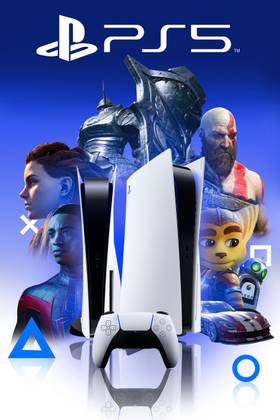
- Brand
- Sony
- Original Release Date
- November 12, 2020
- Original MSRP (USD)
- $499, €499, £449, ¥49,980 (Base) / $399, €399, £359, ¥39,980 (Digital),
- Weight
- 4.5 kg (9.9 lb)
- Storage
- 825 GB NVMe SSD
- Operating System
- Orbis OS
