


Summary
- The film adaptation of "The Postcard Killings" makes changes to the plot that enhance the emotional connections with the characters and create a more accessible story.
- The film shifts the setting from Rome to London, possibly to ease language barriers and provide a familiar entry point for American viewers.
- The film focuses on the two main killers, Simon and Marina, without introducing the additional killers that are present in the book, allowing for a more streamlined and less confusing storyline.
Warning! SPOILERS for The Postcard Killings movie and The Postcard Killers book ahead.
Though The Postcard Killings is not based on a true story, the book the film is based on, The Postcard Killers, by James Patterson and Liza Marklund, does have some major differences from the movie. Co-writers Patterson and Marklund collaborated on the book, which was published in 2010, and then adapted into a film in 2020. Though it was not released to great acclaim then, viewers are coming around to the thrilling story of The Postcard Killings thanks to the compelling plot penned by Patterson and Marklund.
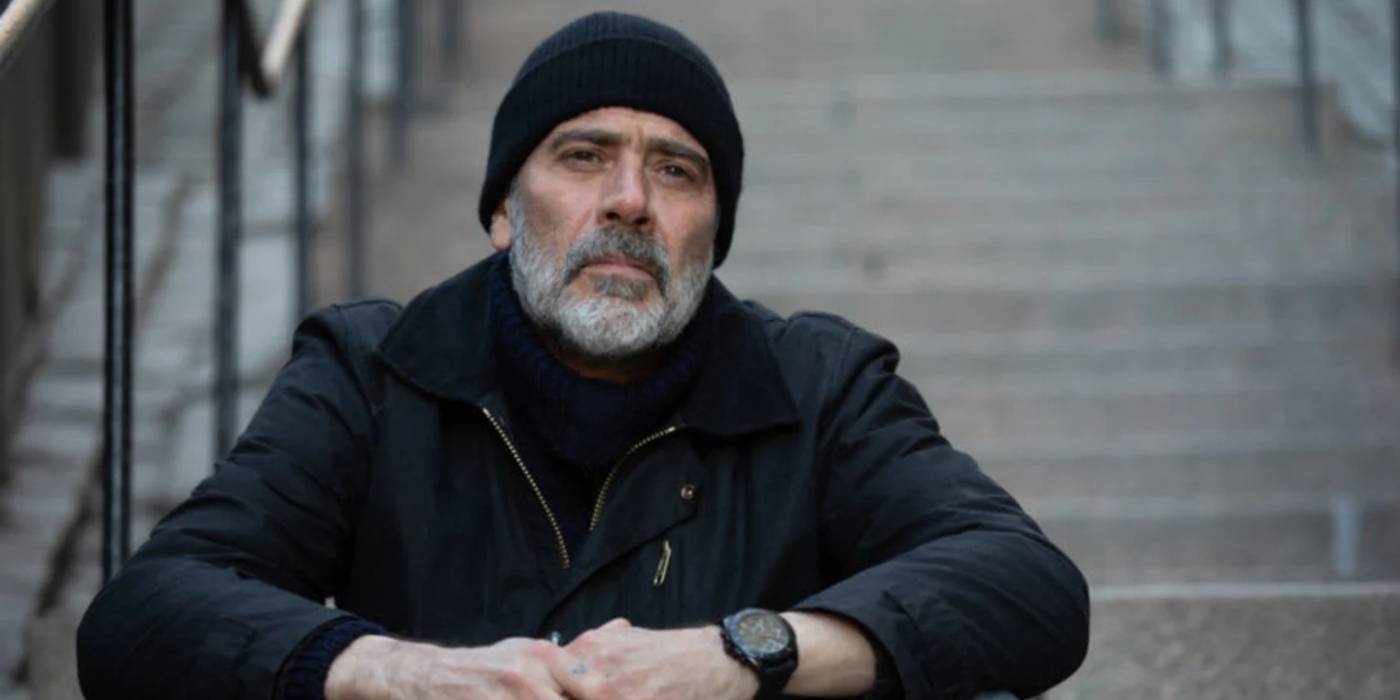
Starring Jeffery Dean Morgan as Jacob Kanon, a man desperately searching for the perpetrators of his daughter and son-in-law's murders, The Postcard Killings takes liberties with the plot, but overall the changes are for the better. The novel is a fast-paced page-turner but barely scratches the surface of the characters that are so easy to become invested in. In the film, the aspects that are altered serve to make the plot accessible to viewers and to create emotional connections with Kanon, his allies, and even the killers.
8 The Title
The Postcard Killings versus The Postcard Killers








Though it's a small change, it speaks to the subtle shift in perspective that the film employs over the book. The film spends more time searching for the serial killers and studying the murders they commit, making the scale of the investigation seem larger. Patterson is no stranger to having his works adapted, with his Alex Cross novels in the works to be films and television shows. However, The Postcard Killers was a smaller work for Patterson, as well as co-writer Marklund, and it seems unlikely that either would be upset at a change to the title.
Since the film focuses on Kanon's emotional journey, it's only right that his experience of the killings is centered, even in the title. This differentiation could also be a way for the film to stand on its own two feet without the weight of Patterson and Marklund's other work hanging over its head. Using the credibility of these authors as a marketing strategy could have been useful, but it also could have given viewers preconceived notions before they watched the movie.
7 They Were On Vacation In London Instead Of Rome
Kim and Tom are on their honeymoon in London when they're killed in the movie

When Kanon's daughter and son-in-law are found murdered on their honeymoon it's in London, not Rome, and while both cities are in Europe they're practically a world away in terms of cultural differences. One reason the film might have chosen to begin in London is the language barrier. Kanon is an NYPD officer, and his American style causes friction between himself and the European officers. However, having him start his journey in London is less of a culture shock for an American than the rest of Europe, and allows an easy, and familiar, entrance into the world of the film.
6 The Only Killers Are Simon And Marina
As opposed to the art group formed by them in the book

One of the biggest reveals in the novel is that Simon (Ruairi O'Connor) and Marina (Naomi Battrick) aren't the only killers. They started an international crime ring of couples who similarly love art and have a penchant for violence. This is a huge development as the book Kanon questions how one couple could have committed every murder. Though this is an intriguing plot point, it would have made the film all the more confusing. Limiting the murders to just Simon and Marina allowed their characters to take precedence and for the story to be streamlined.
5 Kanon's Wife Is In The Movie
She goes unseen in the book

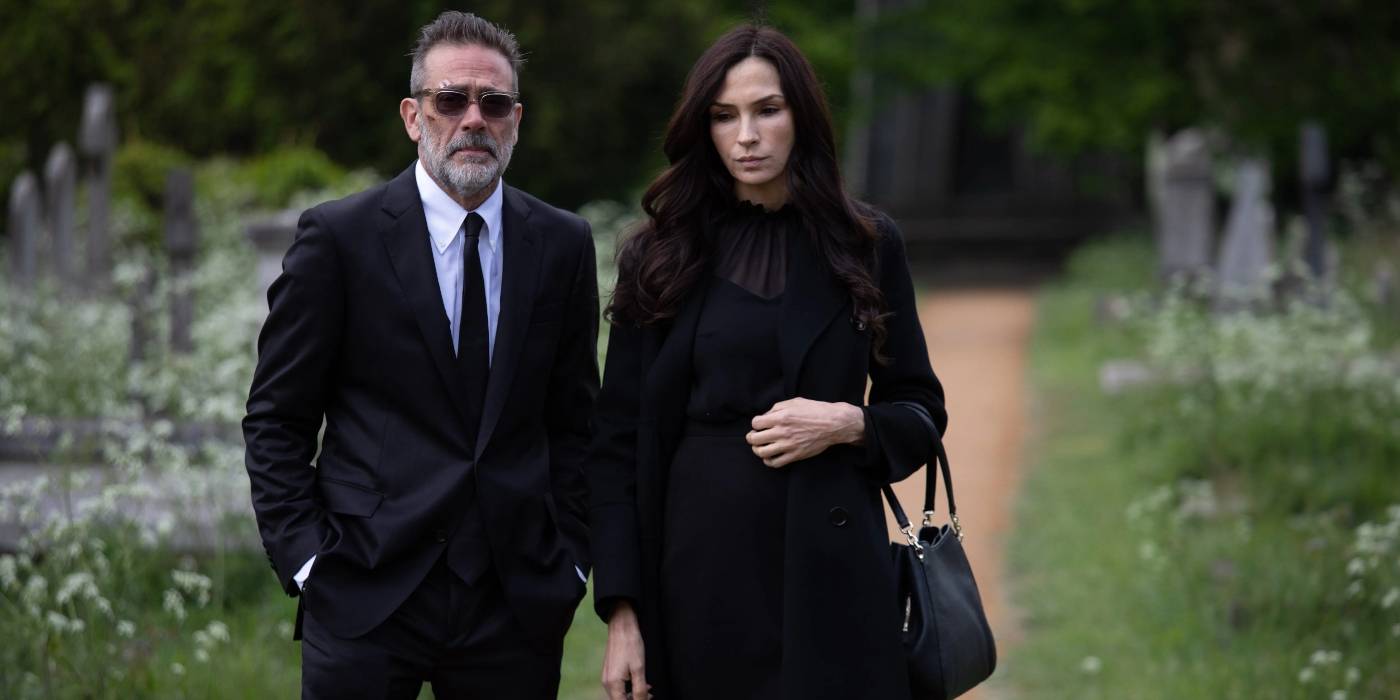
Valerie Kanon (Famke Janssen) is, unfortunately, one of the more superfluous additions to the film. In an attempt to give Kanon more depth, Valeria begs him to catch their daughter's killer and shakes him from his depression-induced drunk stupor to stop him on his path of righteousness. After being used as essentially a tool to get Kanon going, she disappears from the narrative once he gets to Europe. She doesn't accompany him, or get in the way of his relationship with Lombard. Overall, the story wouldn't have changed much if she had been left out.
4 Dessie Lombard Is American
The Swedish reporter in the book becomes an American ex-pat

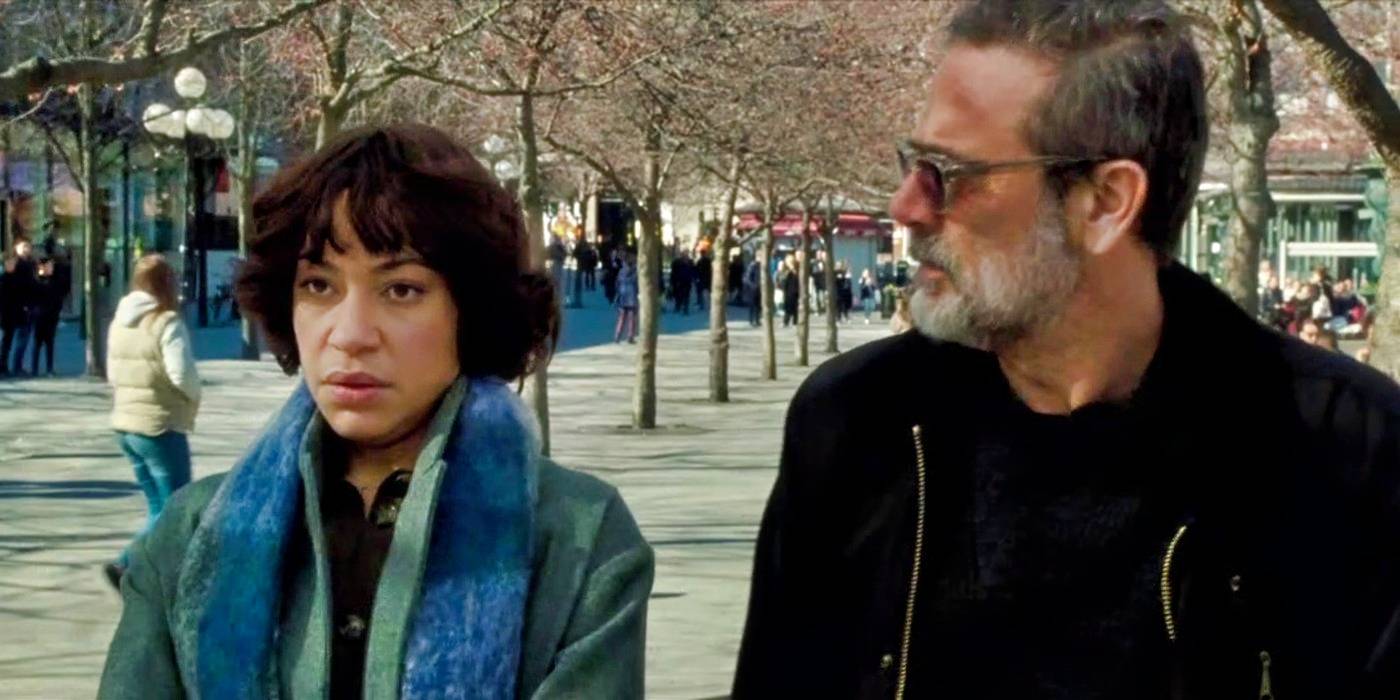
Similarly to the shift in setting from Rome to London, Dessie Lombard (Cush Jumbo), the reporter who teams up with Kanon when he arrives in Stockholm, is changed from a Swede to an American. This could have been to ease the language barrier between Kannon and Lombard which built trust for the investigation. Additionally, Lombard being American lessens the exoticization and sexualization of her character through Kanon's eyes. He had little regard for the opinions of the European law enforcement he met along the way, and having Lombard be an American meant he treated her with more automatic respect.
3 Kanon And Lombard's Relationship Takes A Back Seat
Instead of being a focal point

Though romance in crime movies rarely ends well, it's not surprising that the novel spends a lot of time on the budding relationship between Kanon and Lombard. However, the choice to make this secondary to Kanon's determination for revenge was a strong shift in the narrative. It's clear through the characterization of Kanon's relationship with both Lombard and his wife, Valerie, that the only person he ever really cared for in this life was his daughter. Outside this, it also allows Lombard to be a more fully developed character, instead of simply a love interest.
2 The Killers' Identities Aren't Revealed Until Halfway Through
Their identities are known from the start of the book

The opening scene of the novel begins with a description of the siblings seducing and murdering a couple in a European hotel room. While neither the film nor the book operates as a whodunit and is more focused on Kanon's journey to catch the killers, the film uses the reveal of their identity as a thrilling twist. Using another mysterious couple as a red herring for the audience, the innocent people are lead suspects for Kanon and Dessie until they turn up dead. It's then that all eyes turn to Simon and Marina, and the real chase begins.
It's then that all eyes turn to Simon and Marina, and the real chase begins.
1 Simon And Marina's Father Is In Prison
The siblings' parents were murdered in the book


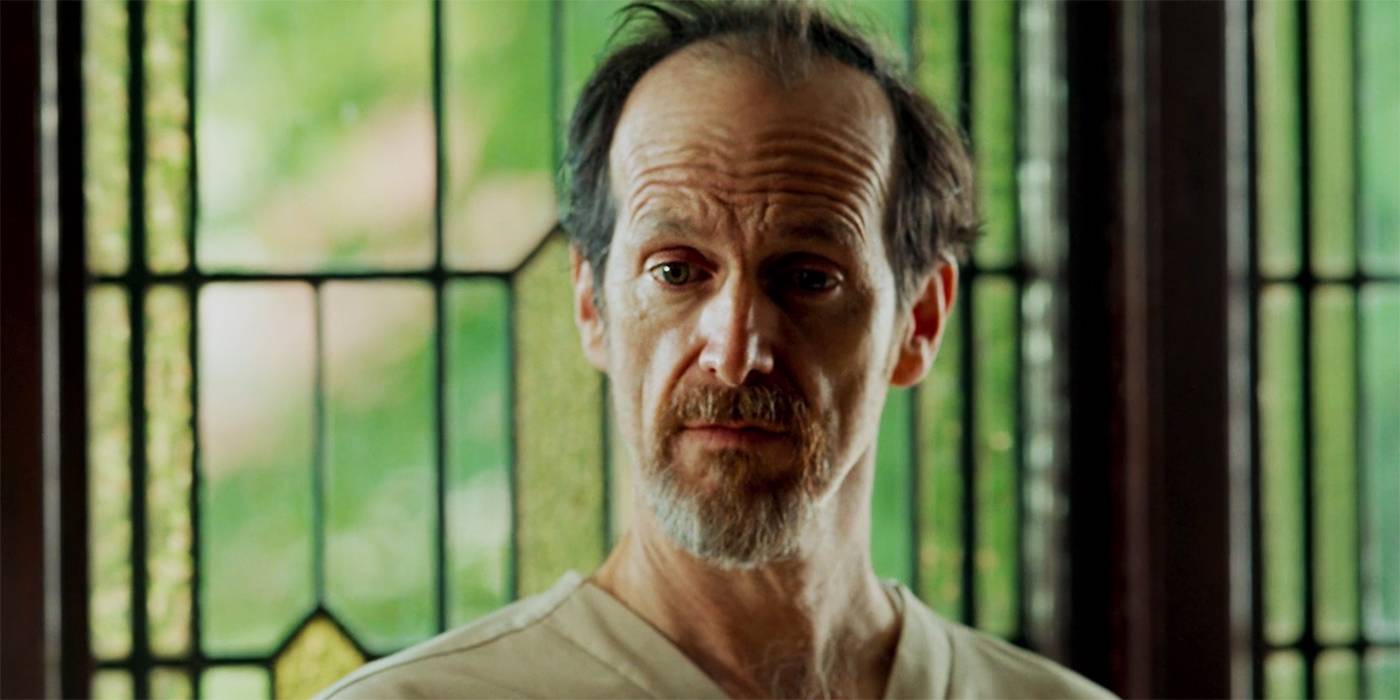
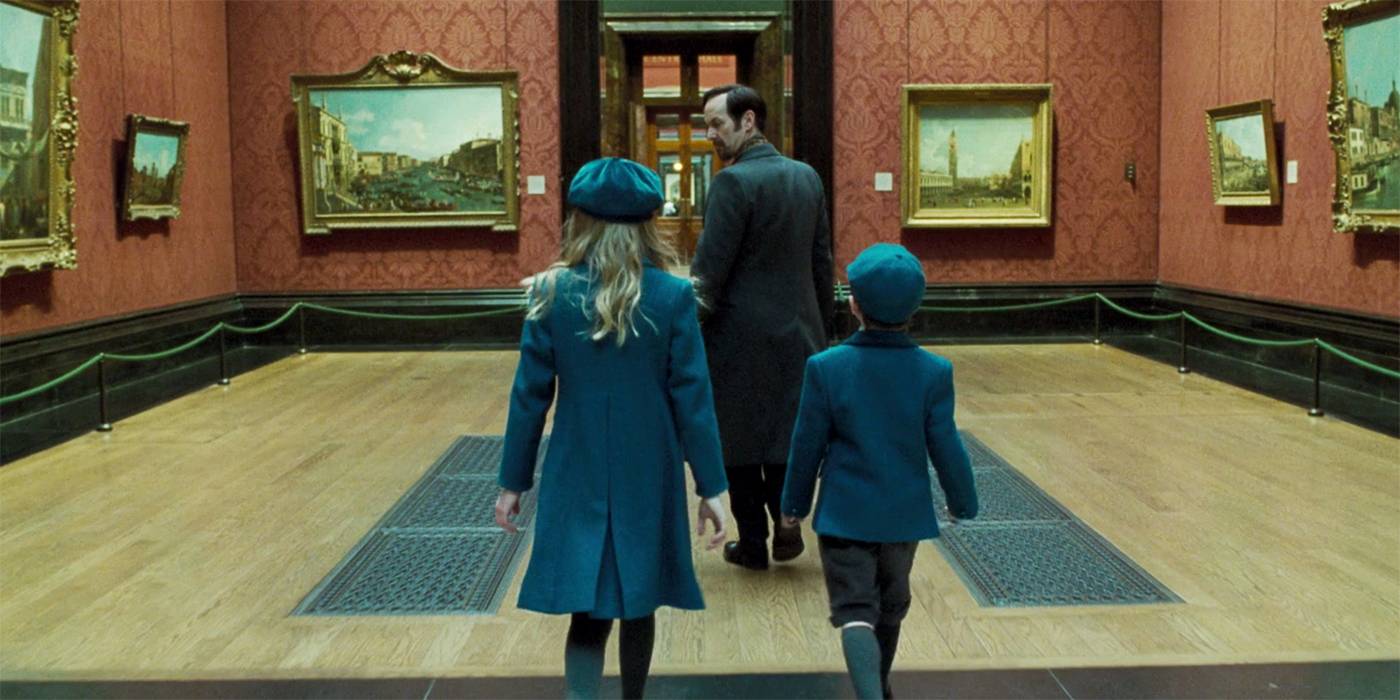
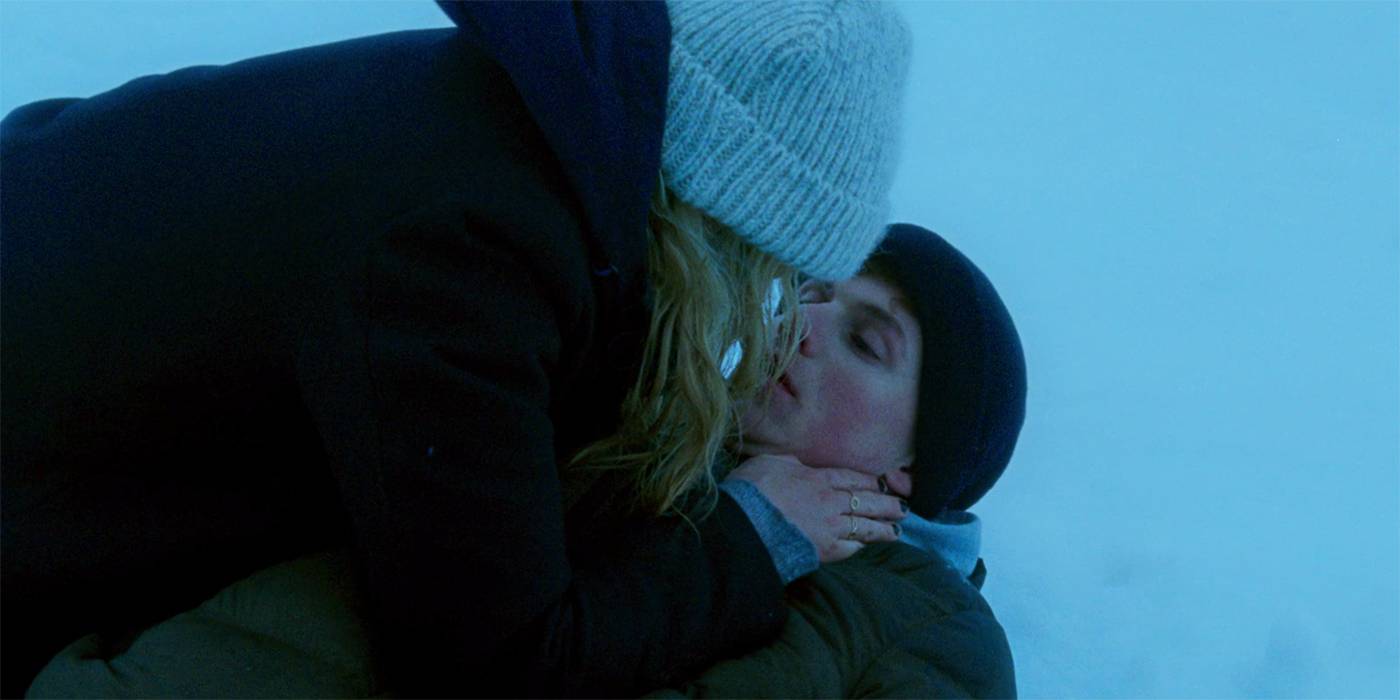
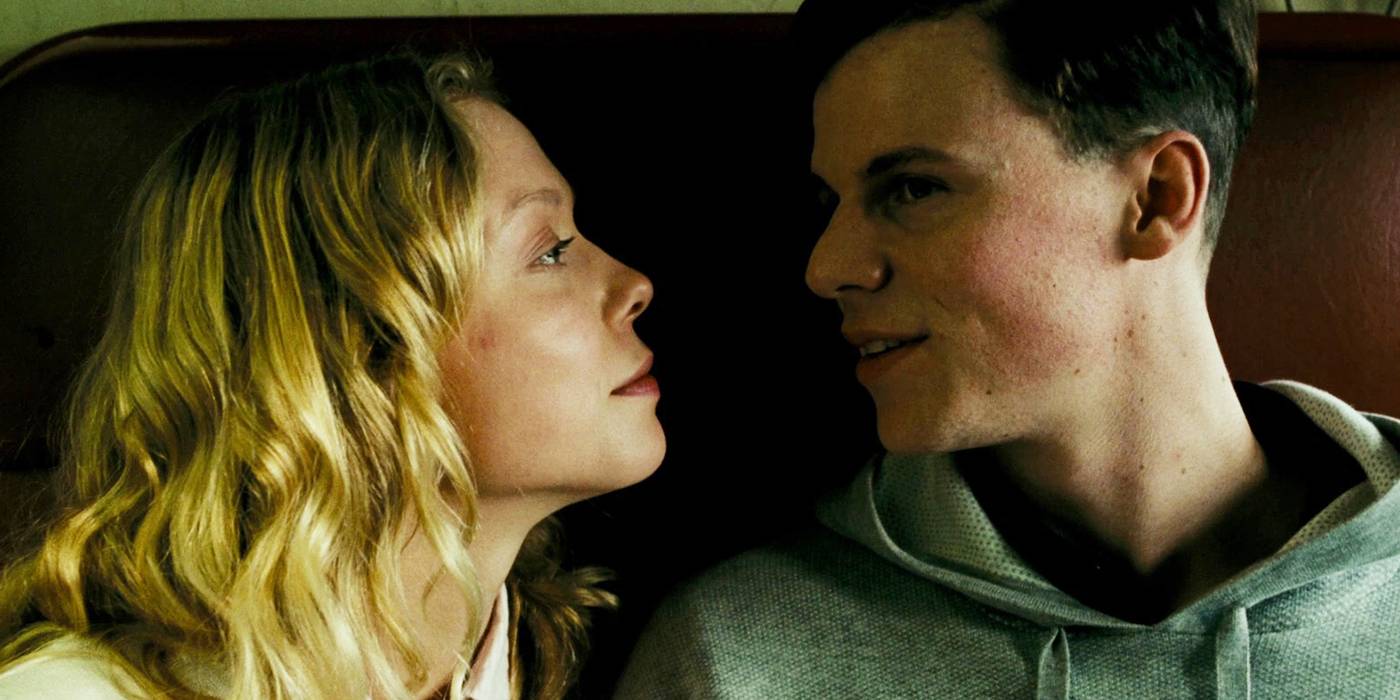
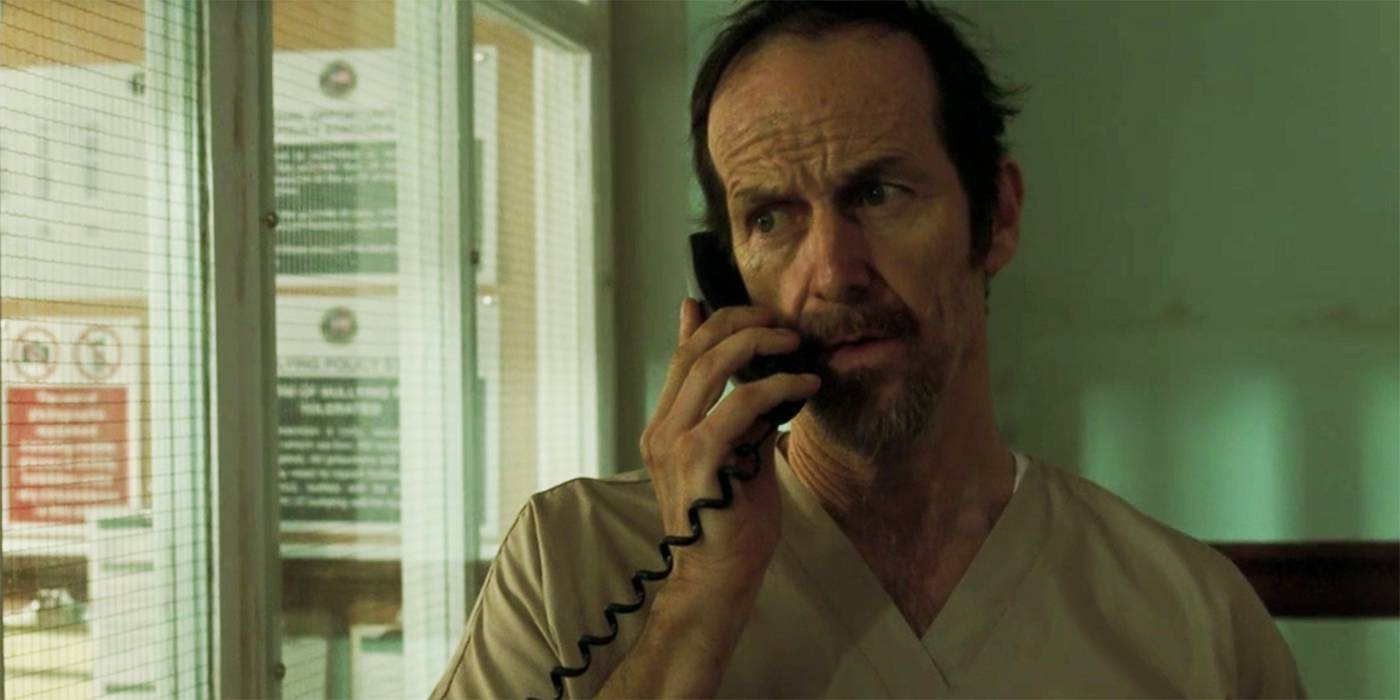



In both the film and the book, Marina and Simon are motivated by the treatment and abuse they faced as children at the hands of their parents. However, in the film, their father is an elite white-collar criminal who is in prison for embezzlement. He is a resource for Kanon and Lombard as he provides insight into why the siblings are on their crime spree. Additionally, his descriptions of their childhood and the way he raised them give a crucial explanation for how two seemingly normal children devolved into a murderous, incestuous relationship.
Though the parents are still a motivating factor for the crimes in the novel, they are both dead, having been murdered. The difference in the film might have been an attempt to solve the novel's problem of not fully developing Simon and Marina as characters and fully exploring their motivations. Their backstory is loosely fleshed out in the novel, but including the father in the film not only provides exposition about the siblings but also gives an opening for a sequel film if needed.
