


The PlayStation 6 may be backwards compatible, according to a new report. The PS6 is still far in the future, with a predicted release of 2027 or 2028, but rumors about it are already floating around. The newest bit of information addresses whether the PS6 will be backwards compatible, allowing users to play games from previous PlayStation consoles.
A report from Reuters has revealed that Sony was in talks with Intel for the PS6. However, Sony ended up using an AMD chip for the upcoming console. Choosing Intel would have meant giving up on backwards compatibility. The implication of this may be, as ComicBook Gaming writes, that the PS6 might be backwards compatible.
How Sony's Processor Choice Affects The PS6's Backwards Compatibility
Intel Dropped Out Due To Pricing

Backwards compatibility in new consoles is a large selling point for fans, and even the Switch 2 is rumored to be backwards compatible. The rumors regarding backwards compatibility for the PS6 follow a bidding war between companies. The bidding left AMD and Intel as two of the most likely companies to create the processors that the future console will run on.
According to reports, however, Intel and Sony had a price dispute over how much profit the microprocessor company would receive from each console sold. This caused Intel to drop out of the running and left AMD to pick up the contract, once again.
Sony has worked with AMD to create custom chips for the PS4 and PS5. The console maker is one of AMD's largest customers, so keeping this contract is a big win for the company. The PlayStation 5 is backwards compatible with the PlayStation 4, while the latter is not backwards compatible with the PS3, nor its predecessors. This may be at least partially because the PS3 didn't use AMD, instead relying on a custom-designed chip made jointly by Sony, Toshiba, and IBM.
A select number of retro titles from earlier PlayStation consoles are now available natively on the PS4 and PS5 as individual purchases via the PlayStation Store, or included in the PlayStation Plus Premium subscription.
Partnering with Intel may have jeopardized the company's ability to make the PS6 backwards compatible. Although it would have been possible, it's likely much easier for Sony to get PS5 (and maybe even PS4) games to play on its upcoming console if it continues to work with the same processor chip company.
Sony unveiled the PS5 Pro last week to largely negative feedback from PS5 fans, mainly due to price. It's potentially reassuring to see that the company may be trying to keep costs down for the PlayStation 6, at least in terms of manufacturing. Very little is known about the PS6 so far, since it isn't planned for at least a few more years and Sony's upcoming console has no solid release date. Keeping it backwards compatible will make the new console more appealing to fans.
Sources: ComicBook Gaming, Reuters
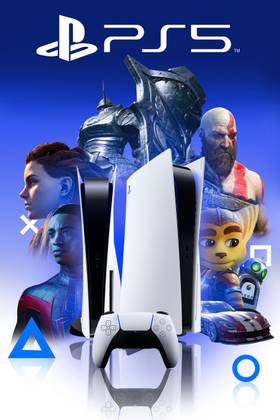
- Brand
- Sony
- Original Release Date
- November 12, 2020
- Original MSRP (USD)
- $499, €499, £449, ¥49,980 (Base) / $399, €399, £359, ¥39,980 (Digital),
- Weight
- 4.5 kg (9.9 lb)
- Storage
- 825 GB NVMe SSD
- Operating System
- Orbis OS
The ninth console generation saw Sony ship its fifth flagship, featuring full backwards compatibility with PlayStation 4 games and a digital storefront offering access to the brand's older generation titles as well. With 4K resolution and options to adjust gameplay specs during for certain titles to account for performance and image quality, the PS5 is also known for implementing spatially accurate 3D audio and the upgraded PS VR2.
