


Summary
- The Saw ending revolutionized horror, starting a billion-dollar franchise with a unique concept and mind-blowing twist.
- The movie's intense narrative, centered around survival instincts and moral choices, set the stage for a series of gruesome traps.
- The original Saw's twist ending, revealing John Kramer as the real Jigsaw Killer, remains unmatched in the subsequent sequels.
When it was released in 2004, the Saw ending completely changed the horror landscape, starting a blockbuster franchise filled with shocking twists. The influential film had a budget of just $1 million dollars and went on to make $100 million worldwide (via Box Office Mojo), started a billion-dollar franchise, and turned director James Wan into one of the most in-demand directors of the 2000s. That's an even bigger success considering it has a "rotten" 50% on Rotten Tomatoes. But while the franchise went on to focus more on the signature graphic violence, the original movie had a compelling thriller narrative.
The original film is James Wan's favorite Saw movie, which is hardly surprising given its original concept where the killer gives his victims a chance to live with his wicked "games." Saw follows Dr. Lawrence Gordon and Adam, who wake up in a dirty bathroom chained to the wall with a dead body separating them. They have no recollection of how they got there or why they're there, and upon finding out that his family has been kidnapped, a tape recorder tells Gordon is told that he and his family will be freed if he kills Adam by 6 am. And what follows is a spectacular twist ending.
What Happens In Saw's Ending
John Kramer Reveals Himself During The Final Moments Of Saw

When the clock strikes six at the end of Saw, Zep, an orderly who works at Gordon's hospital and had been watching the "game" on a surveillance camera, tries to kill Gordon's wife and daughter. They fight back, and Zep flees to the undisclosed location where Gordon and Adam are trapped. In the bathroom, Gordon saws off his foot after not knowing if his family is safe, freeing himself. He shoots Adam, hoping that it isn't too late to save his wife and daughter. Upon arriving, Zep finds Adam's body, and Gordon pleads with Zep to free him, but Zep tells him it's too late.
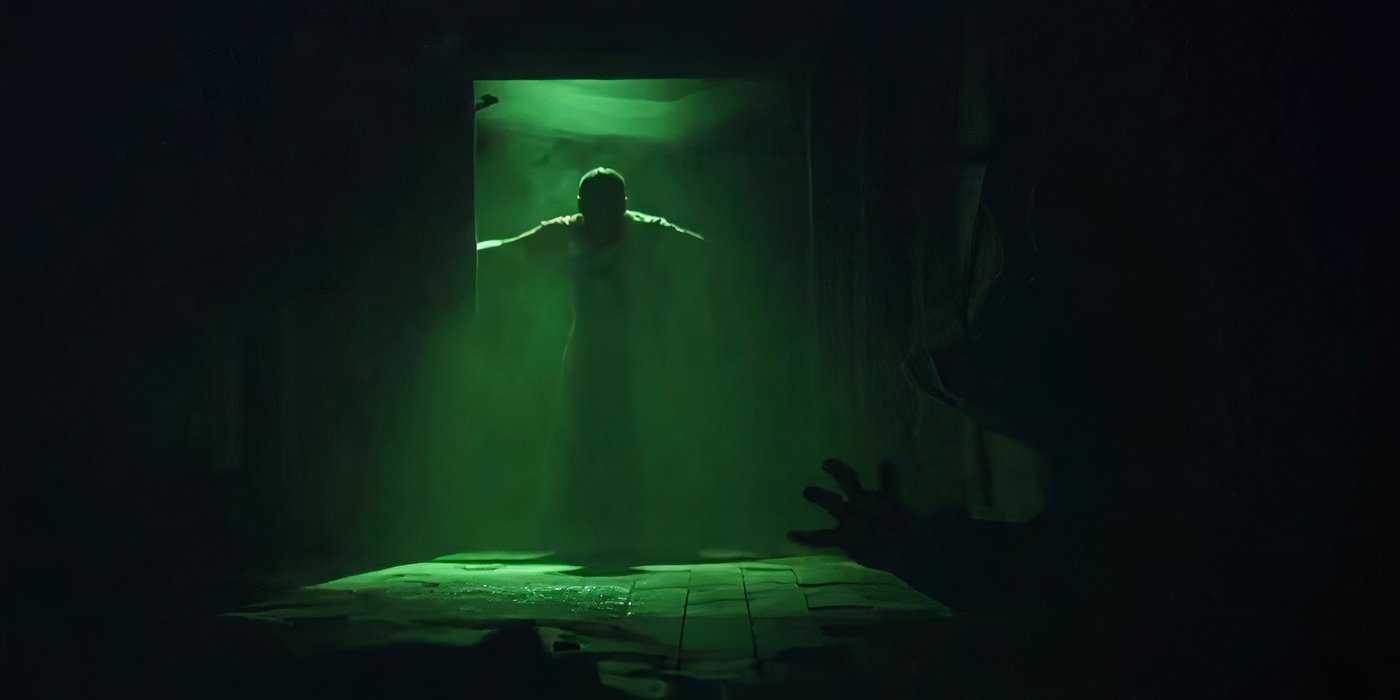
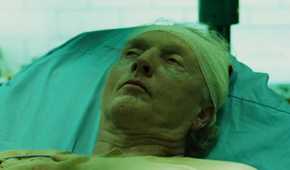
However, Adam jumps on Zep and bludgeons him with a toilet lid, revealing that the bullet only wounded him. Gordon promises to seek help and crawls away. Adam pats down Zep, looking for a key, but he instead finds another tape recorder. The tape reveals that Zep was a victim of Jigsaw's games too, and killing them was the only way he'd be given the antidote to the poison Jigsaw put in his body. The dead body in the middle of the room then rises, revealing himself as John Kramer, who was alive the whole time. Kramer leaves the room and seals the door shut, leaving Adam to die.
Why Adam And Dr. Lawrence Gordon Were In The Room Together
Jigsaw Was Giving Them Both A Chance At Redemption

The Jigsaw Killer chooses his victims based on who he believes need to learn a lesson, as his victims tend to have bad habits and vices that might mean they don't value their lives. For Dr. Lawrence Gordon, it was having extramarital affairs. The Jigsaw Killer thinks that surviving these traps will prove that the victims are deserving to continue living and that they won't ever return to their old lives. And if they lose the game, they'll die in the most disturbing ways possible. The killer put Gordon in one of his games because he thought that he wouldn't ever have an affair again.
But Adam's test in Saw was much vaguer. The photographer was hired by the former detective David Tapp to follow and take photos of Gordon, as Tapp thought Gordon was the Jigsaw Killer. But while the two victims are connected that way, no specific reason was given as to why the Jigsaw Killer chose Adam as a victim, at least not as specific as why Gordon was in there. However, he is chastised for watching others from the shadows, as the tape tells him, "are you going to watch yourself die here today, Adam, or do something about it?"
Adam Could Have Escaped Easily Escaped
Jigsaw's Plan Included A Method Of Early Release

Adam suffered a lot by the time the Saw ending arrived, but he could have spared himself the immense physical suffering if he'd approached his situation more cautiously. With the use of flashbacks, the Jigsaw Killer's disturbing tests are on full show. But following Jigsaw's reverse bear trap where Amanda Young had to disembowel a man to find a key hidden in his body, it's clear that Adam could have had it much easier.
When John Kramer rises at the end of the movie, he tells Adam that the key to unlock himself is simply in the bath. However, when he woke up hours earlier, that key washed down the plug hole when he removed the plug. In all the splashing and frantic jumping around, Adam lost his one chance to escape without injuring or hurting himself whatsoever.
Zep Was Just Another Victim Of Jigsaw's
The Character The Movie Teased As Jigsaw Was Caught Up In A Game Of His Own

Until the very ending of Saw, the plot seems to suggest that Zep is the Jigsaw Killer, though this turns out to be a red herring. What's more, Zep himself was also part of his own Jigsaw game. Throughout Saw, Zep watches the surveillance camera in the bathroom, kidnaps Gordon's family, and tries to shoot Gordon. However, of all of Jigsaw's many apprentices, Zep was short-lived, literally.
In fact, Zep wasn't even an apprentice, but just another victim of Jigsaw. Zep was abducted by the Jigsaw Killer, who injected slow-acting poison into his body. Though they had seemingly formed a close bond in the hospital, Jigsaw chose to test Zep because he wasted his life with dreams that were never going to come true, such as becoming a doctor.
John Kramer Is The Real Jigsaw Killer
Tobin Bell's Character Started His Movie Legacy In Saw

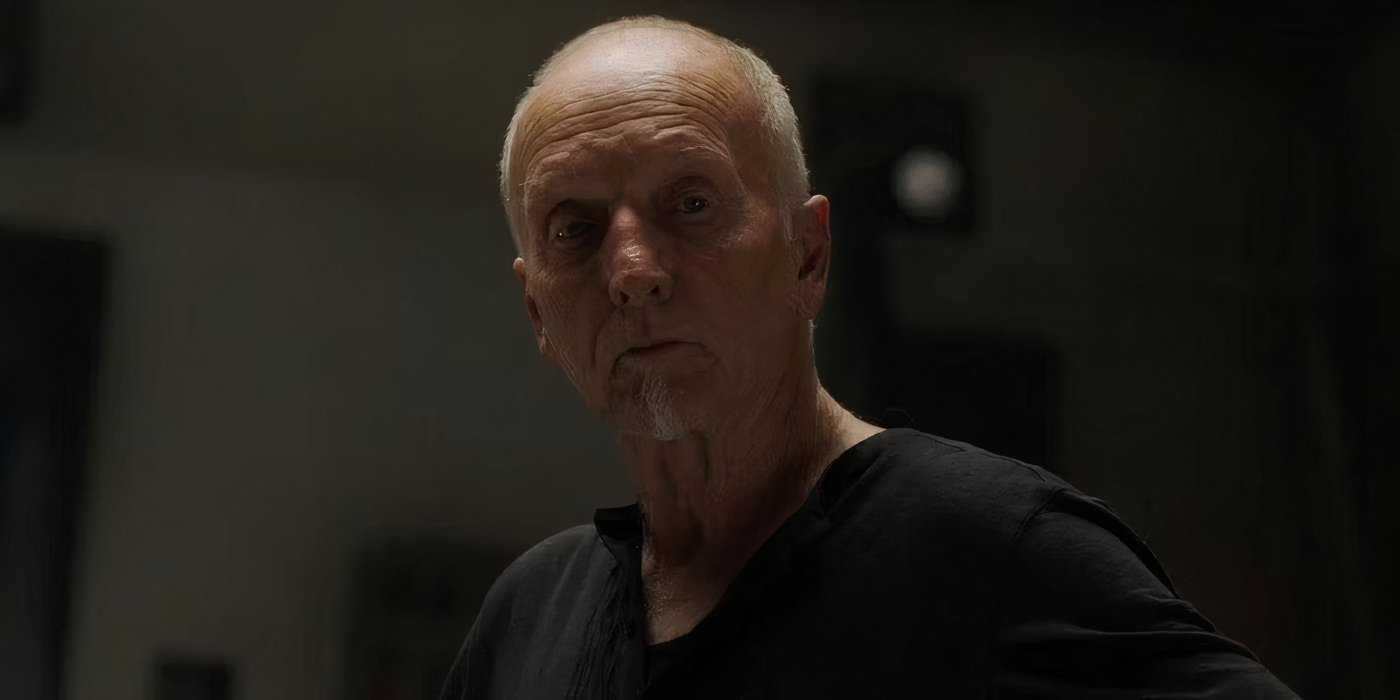
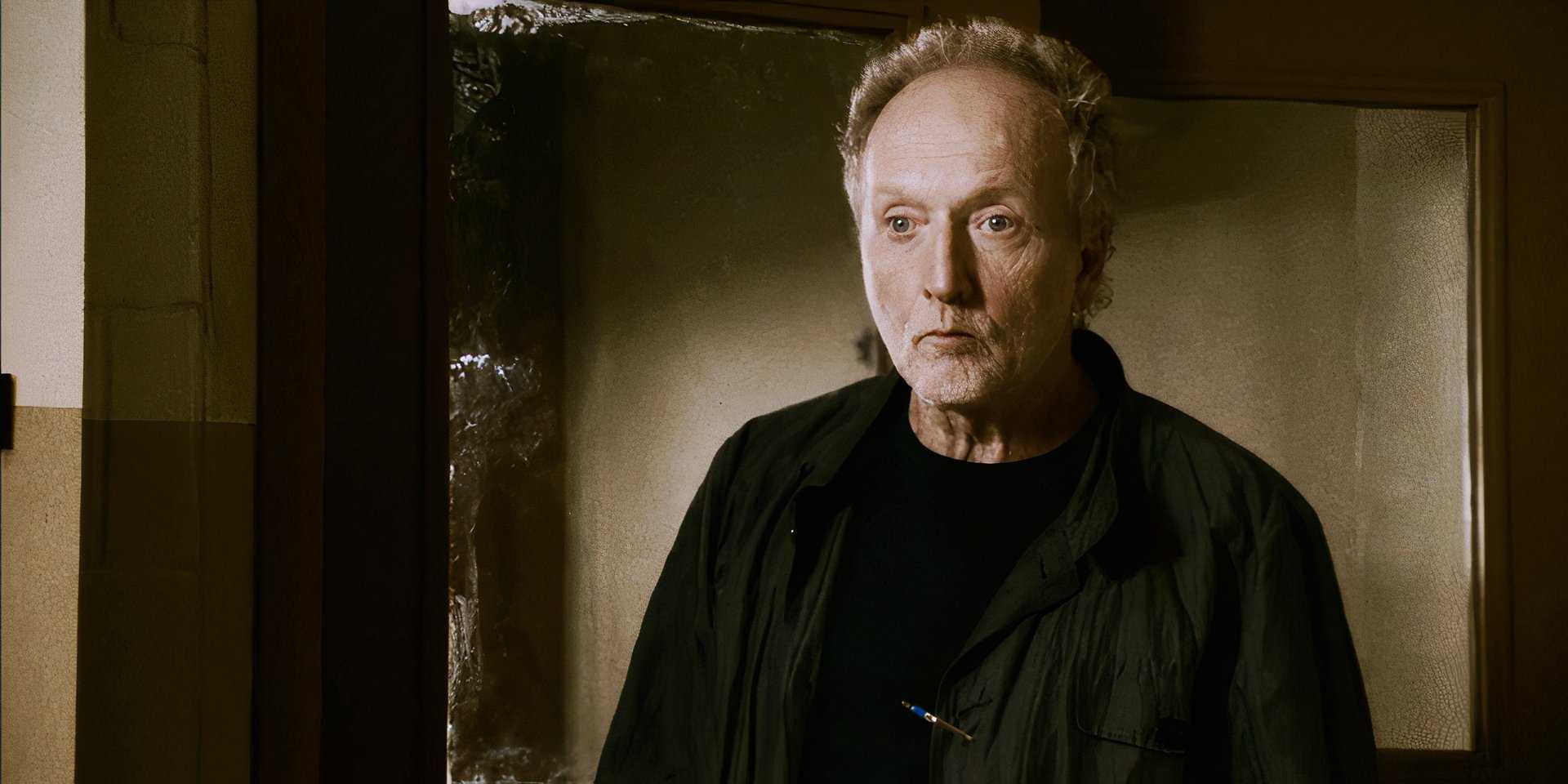
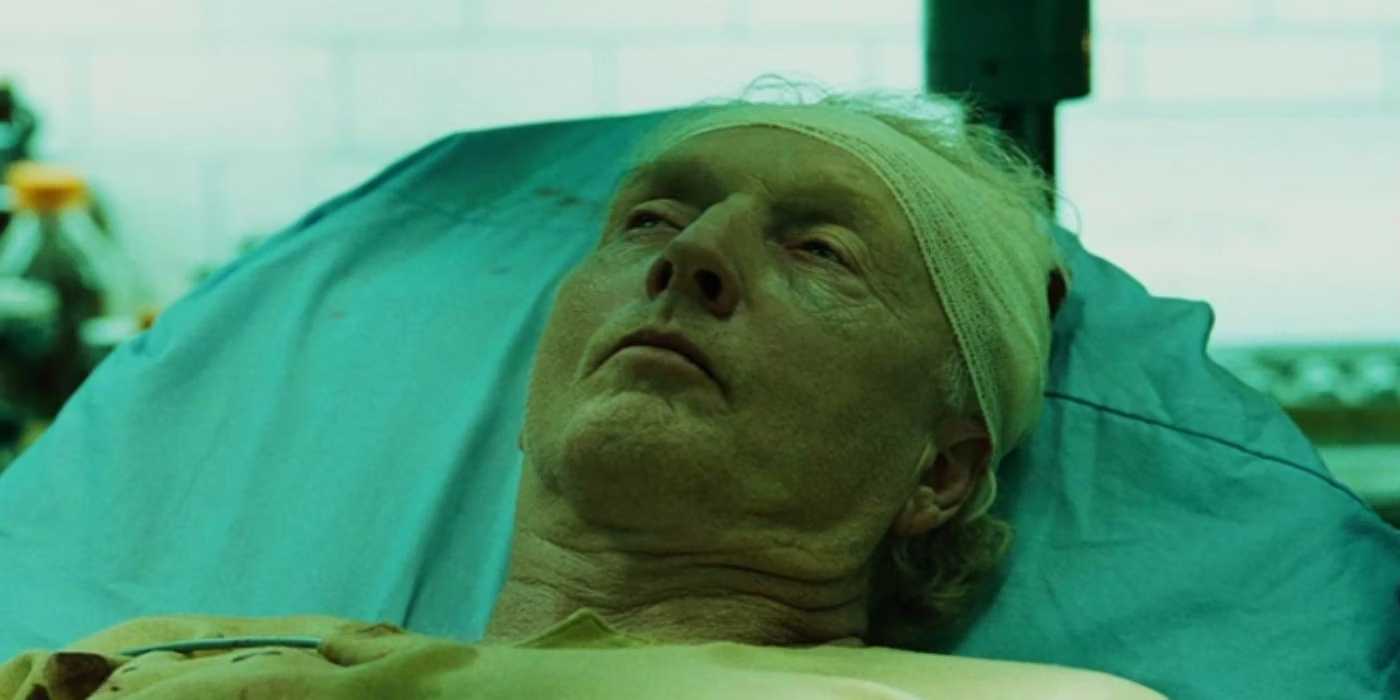
As Zep was just another one of Jigsaw's victims, it made for a shocking reveal at the end of Saw that John Kramer is the real Jigsaw Killer. Though his story would be told in much more detail in the sequels, John Kramer was in the hospital bed when Gordon was teaching the medical students, which was a subtle clue to him being the real killer.
Gordon explained to his students that Kramer has terminal brain cancer, and his illness inspired him to become the Jigsaw Killer. He doesn't see himself as the villain and genuinely thinks that he's improving people's lives, but also that those who don't appreciate life don't deserve it.
The Saw Ending Was Referenced Often Later In The Series
The Following Nine Movies Often Circled Back To The 2004 Original

Part of what added to the iconic nature of the Saw ending was how often it was referenced throughout the franchise. The climax of Saw II ended up right back at the Bathroom Trap where Adam's corpse and Gordon's foot could be seen before Eric Matthews was left for dead there. Saw III revealed that Amanda returned to the room to mercy kill Adam via suffocation. There were also scenes throughout that included Amanda and Hoffman as Jigsaw's apprentices helping to set up the trap from the first film.
The biggest callback to the original Saw ending came in Saw: The Final Chapter. The whole series built to the reveal that Jigsaw had one more apprentice in Dr. Gordon, who was saved after sawing off his foot. He helped Jigsaw in the shadows and is ultimately the person who gets the upper hand over Hoffman at the end of the original set of movies, furthering how pivotal that first film's ending was.
Due to the success and impact of the Saw ending, follow-up installments of the series attempted to replicate that moment. A lot of them were well done with positive reception going toward Amanda and Gordon being revealed as apprentices, though audiences were less happy with Jigsaw's death in Saw III and the reveal of Hoffman at the end of Saw IV. Despite that, they were shocking moments. Spiral: Book of Saw struggled there, with many fans easily figuring out the twist way before the reveal, showing that the series may have lost its tough to stun viewers.
The Real Meaning Of Saw's Ending
The Final Moments Are An Exploration Of Survival Instincts

The idea of Saw was created from the writer and director attempting to make a movie with a small budget, but Wan and writer Leigh Whannell took the premise of two people in a room as far as it can go. It might have been just the beginning of Dr. Gordon's Saw timeline, but Whannell and Wan originally intended to shock audiences, and that's exactly what the morbid ending of the 2004 movie does. The team didn't plan on Saw being the start of a billion-dollar franchise, and as popular as the vulgar sequels might be, the shocking ending of Saw works better if considered a standalone movie.
The final few minutes of Saw are full of mystery and twists, but it also tackles the idea of valuing life and survival instincts. Saw considers how much somebody is willing to lose and how much pain they're willing to suffer to avoid death. Ultimately, it's all about how each individual person values their life differently, and it attempts to provide different perspectives on that. And regardless of whether it pulled off such a profound message successfully or totally failed, Saw does it in such a shocking and entertaining way.
The Saw Ending Set A Franchise Trend But Could Never Be Matched
Saw Sequels Have Struggled To Live Up To The Ending Of The 2004 Original


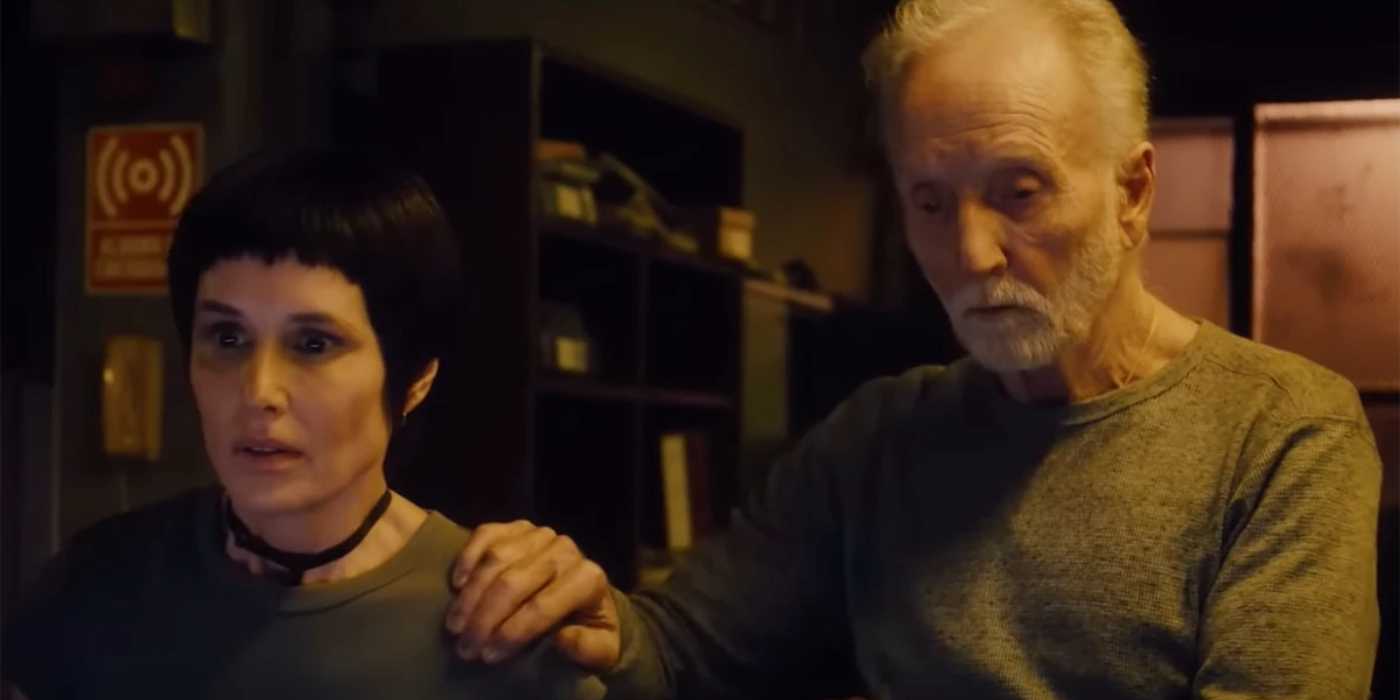

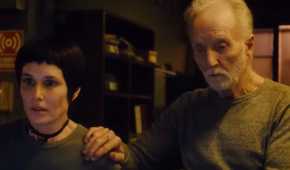
Saw released two decades ago, in 2004, and in the time since there have been nine sequels as well as a spinoff. As a horror franchise, few can boast as many twists and turns as the Saw movies. Almost every entry has moments at their end which change the perspective of the preceding narrative, with some being more effective than others. However, none of the Saw sequels have twists that are anywhere near as effective as the 2004 original.
The final reveal that John Kramer, the real Jigsaw Killer, was the corpse on the floor present throughout Saw was — without any shred of hyperbole —mind-blowing.
The final reveal that John Kramer, the real Jigsaw Killer, was the corpse on the floor present throughout Saw was — without any shred of hyperbole —mind-blowing. It's arguably the reason that the movie was considered so effective, and had it simply been that Zep was the killer all along it's likely that future Saw sequels wouldn't have happened. Few movies about serial killers have used the trope of the murderer hiding in plain sight so effectively, and what's more, the twist didn't feel forced or unbelievable.
However, this also created problems for the Saw sequels. It was simply a moment that none of them could match. While there were plenty of impressive twists in the Saw films that followed (and equally as many unimpressive ones), none of these even came close to matching the 2004 Saw ending. This, in some ways, is why 2023's Saw X was such a refreshing return to form, as it leaned into exploring John Kramer as a character rather than trying to shock the audience with a big reveal at the end.
Like many horror franchises, Saw is a series with plenty of highs and lows. It's also suffered from problems identifying exactly what it offers, with many of them leaning too far into trying to create overly-complicated plot twists in an attempt to capture what made the 2004 original so great (though the worst Saw movies arguably were those that simply tried to shock viewers with as much gore as possible at the expense of a gripping narrative). Ultimately, since the Saw franchise is still ongoing, there's still the potential for another ending that lives up to the first entry, though it will be a difficult feat to say the least.
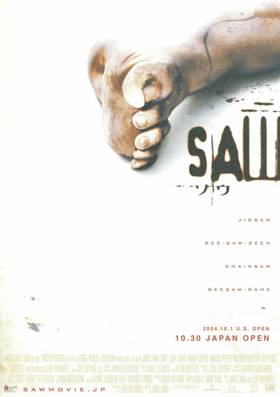
- Movie(s)
- Saw (2004), Saw 2 (2005), Saw 3 (2006), Saw 4 (2007), Saw 5 (2008), Saw 6 (2009), Saw 3D (2010), Jigsaw (2017), Spiral: From the Book of Saw (2021), Saw X (2023)
- Created by
- James Wan
- First Film
- Saw (2004)
- Latest Film
- Saw X
- Upcoming Films
- Saw XI
- Cast
- Tobin Bell, Shawnee Smith, Costas Mandylor, Betsy Russell, Cary Elwes, Danny Glover, Leigh Whannell, Donnie Wahlberg, Lyriq Bent
The Saw film franchise is an anthology of horror films centered around the Jigsaw Killer, a mastermind who crafts elaborate traps to test his victims' will to live. Victims, often morally flawed, are forced into gruesome games where they must inflict severe pain on themselves or others to survive.
