

Summary
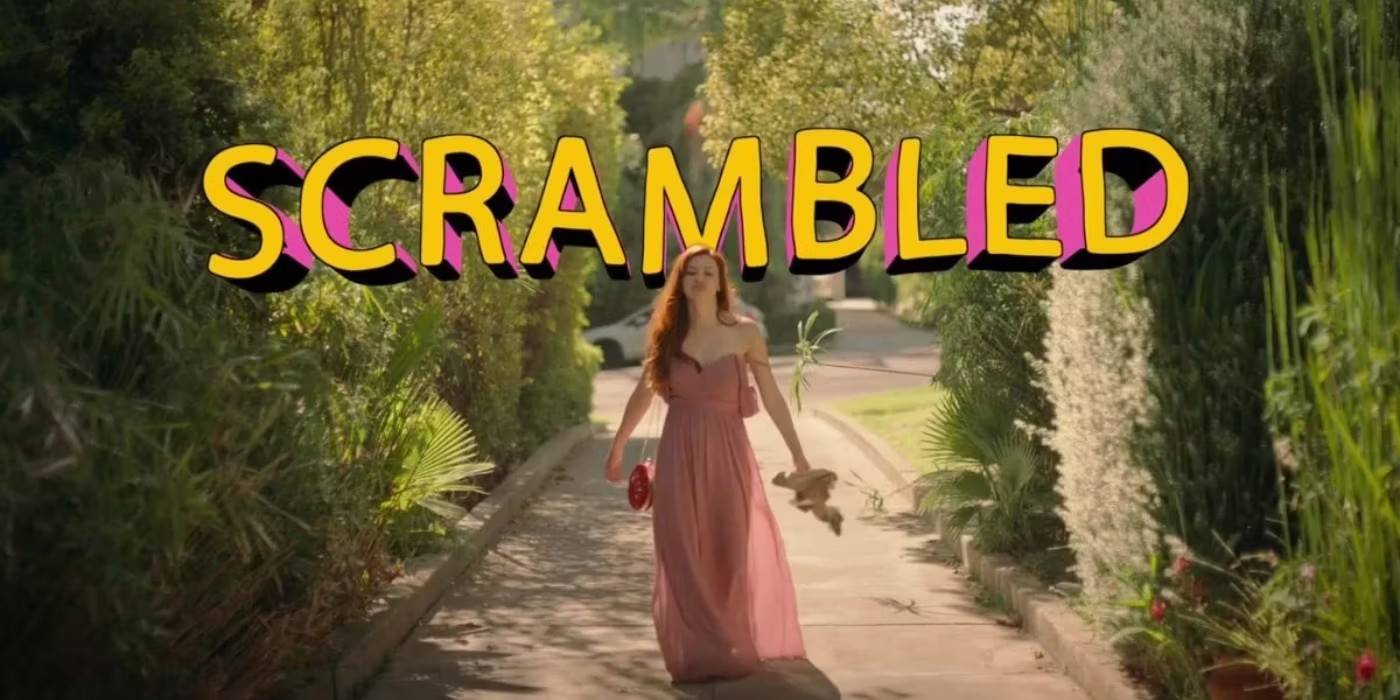
- Scrambled is a comedy film based on Leah McKendrick's own experiences with egg retrieval, filled with heartbreak, self-reflection, and humor.
- McKendrick transformed her personal life into a screenplay, using her own emotions and experiences to create an authentic and relatable story.
- The movie explores the loneliness and existential aspects of egg freezing, shedding light on a topic that has not been widely depicted in cinema yet.
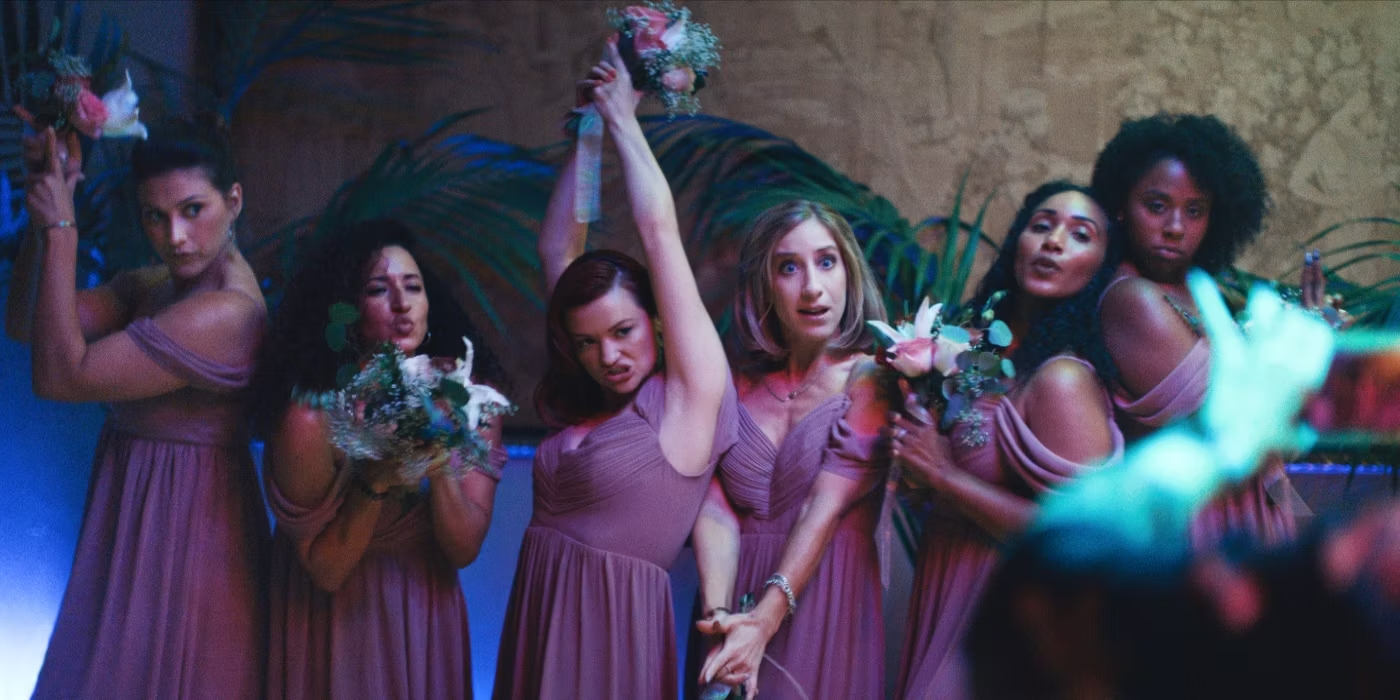
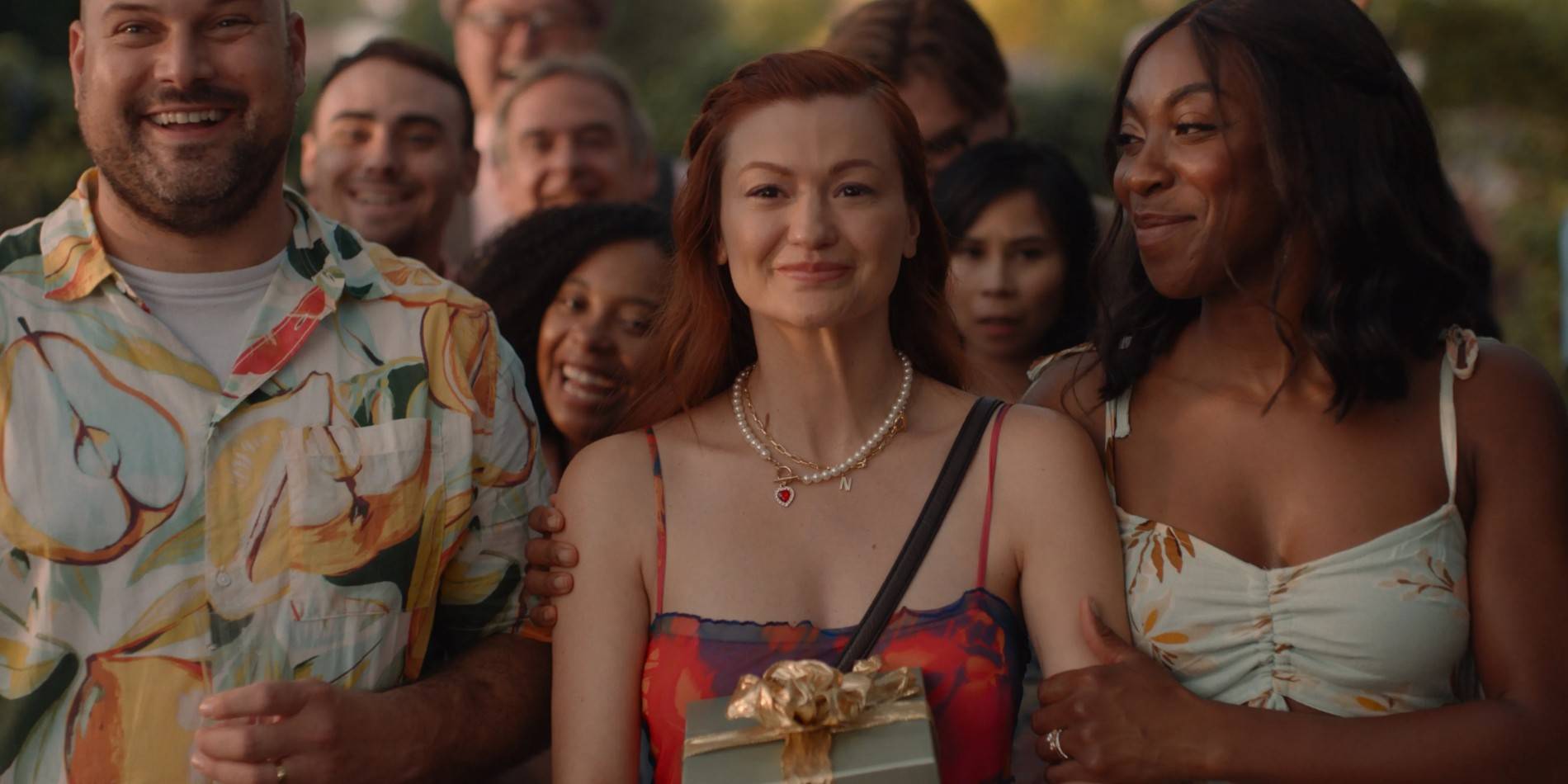
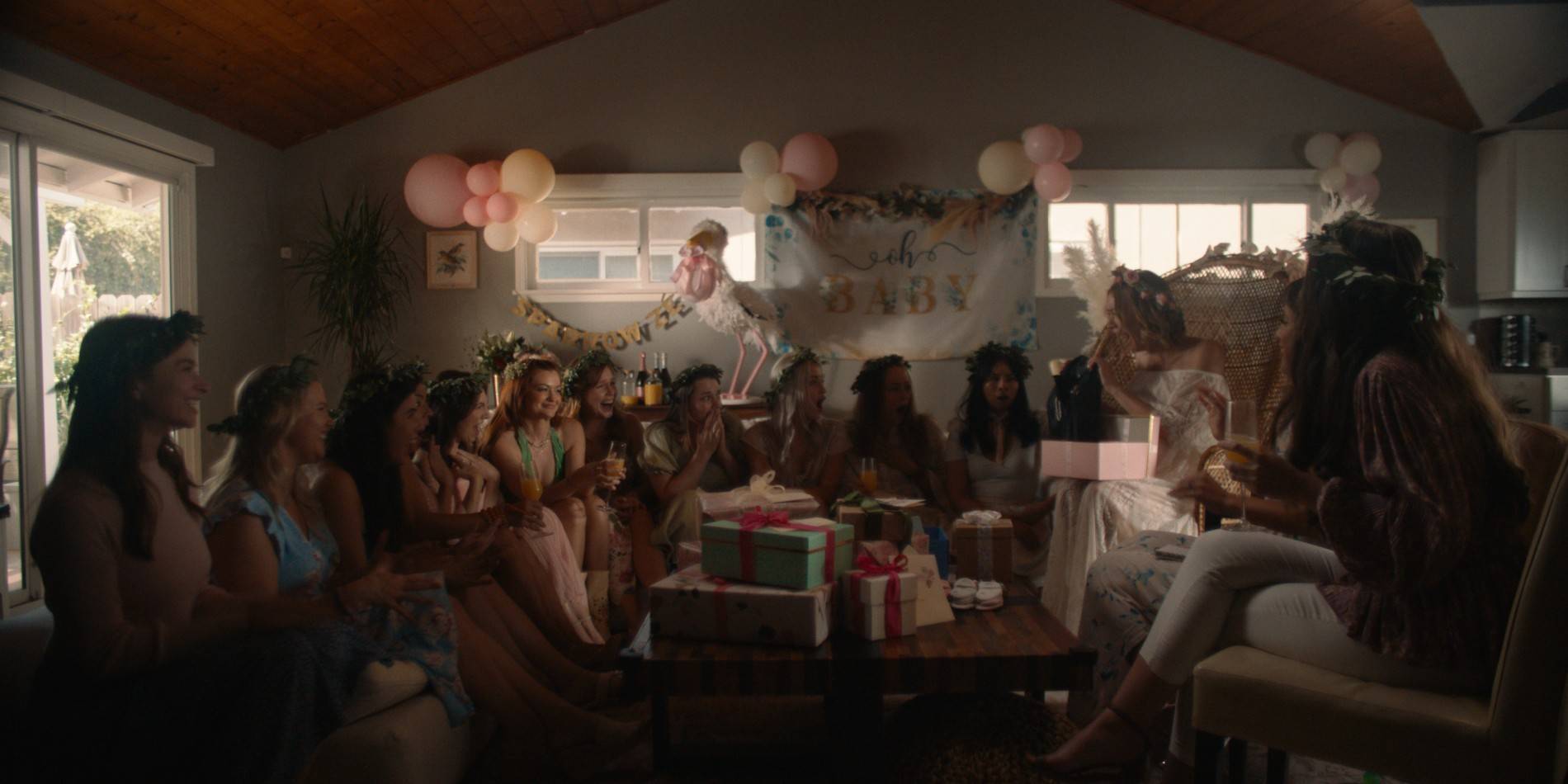
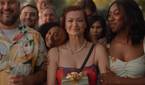
Scrambled follows Nellie Robinson as she watches her friends tackle a new stage in life with an endless barrage of weddings and baby showers. As Nellie loses hope of finding "the one" after several bad dates, she begins to contemplate egg retrieval to keep her options open in the future. This decision sets Nellie off on a journey of self-discovery full of heartbreak, self-reflection, and comedy.
Leah McKendrick wears many hats as the star, writer, and director of Scrambled, which is based on her own experience with egg retrieval. The cast also includes Clancy Brown, Ego Nwodim, Andrew Santino, Adam Rodriguez, and Laura Cerón. Scrambled is produced by Gillian Bohrer, Jonathan Levine, Brett Haley, and Amanda Mortimer. The movie first debuted last year at South by Southwest.
Screen Rant interviewed Leah McKendrick about her new movie, Scrambled. She discussed adapting parts of her life and what she learned from her experience directing her first feature. McKendrick, who is writing the screenplay for the new I Know What You Did Last Summer sequel, teased what fans can expect from the next installment.
Director & Star Leah McKendrick Talks Scrambled



Screen Rant: This movie was so much fun, yet an unexpected emotional journey, so really, really well done balancing those two, and I love the ending.
Leah McKendrick: Yay!
I know this was inspired by some of your own experiences with egg retrieval. What was it like to transform kind of your own life into screenplay?
Leah McKendrick: So much of all my screenplays have me in them. Yeah, I'm not creative enough to come up with everything a hundred percent out of the blue. Everything that I experience in some way goes into my writing because that's how I feel that I have an authentic insight into it and a connection into it, and it warms me up to, and I also work through, I process some of my tougher stuff through my work, and this is a perfect example of that.
I feel like I had so much I wanted to talk about and I had so much I was still hurt about, and I had so much that I felt resentful wasn't out in our world of cinema yet. And sometimes I have to remind myself how young cinema is, how young the movies really are. I have this poster of where I live, which is Beachwood Canyon under the Hollywood sign when it's Hollywood Land, and it feels like it could be a thousand years ago, but it's not. It's like a hundred years ago.
So, sometimes I have to remind myself that cinema isn't lame. It's just that women have only really been empowered to make movies, movies very recently. It's kind of happening right now. So, I felt a lot of fire and determination to make a movie about egg freezing because it's so lonely and existential and harrowing.
I love that. That's so funny because I literally was having that conversation with someone yesterday about how Hollywood is relatively young, so that's so cool. And then, with this being your feature directorial debut, what did you learn from the experience that you want to bring into your next project? And then, on the flip side, what did you learn that maybe will change your approach in the future?
Leah McKendrick: Ooh, that's such a good question. I learned to trust myself more as an actor that if I am feeling it and it feels real and it feels authentic, I need to trust that it is translating. Because I think there were several days there, especially upfront, where I was racked with guilt that I wasn't nailing it the way that my actors were because my head was in so many places and the thing that helped me most was every single night, as soon as I was off shooting, I would just review all of my footage from the day and then I would go, "No, I got it. I got it. It's there." And to trust myself a little bit more rather than constantly beating myself up internally thinking that I'm sucking.
So, that's one thing. Something that I would do differently. That's a great question. What is this too, insidery transitions between scenes, is that too driven? But it's not something that I thought about previously. It's something that Julia, my cinematographer, opened my eyes to that we and my editor Sandra, we needed to find sometimes we were having to create transitional stuff that wasn't there because my brain wasn't always on it. So, on the next film, and especially as I'm working on writing my next film, I'm trying to think what's a smart, interesting way we can thread these together through visual transitions.
I love that answer because I never would've thought of that.
Leah McKendrick: Right. I didn't go to film school. And those are one of those things that I'm sure they teach you in film school.
No, I did. They don't. You're good.
Leah McKendrick: Okay. That makes feel a little bit better.

One of the things that I've always found very, very interesting is kind of how horror and comedy are unexpectedly two sides of the same coin because both of them have the setup and then either punchline or scare. So, one of the things I'm curious about is what you're going to take from your experience with Scrambled that you want to take into the I Know What You Did Last Summer sequel script that you're working on.
Leah McKendrick: Oh my God, I've never heard that. And that's brilliant. And I am just such a big horror fan. I grew up on horror films. Horror is really where my heart is. I think what I learned from Scrambled big time is we got to be leaner, Leah. Leah, be leaner, stop overriding everything. We had to cut an hour out of my assembly. It was two and a half hours long, and Lionsgate was like, "We need it to be one and a half hours long."
So, I'm just crying and kicking and screaming in the editing day, cutting all of my favorite, not my favorite, but some very beautifully done moments by my actors, some entire characters that just crying, right? And I think with Jen, my director on I Know What You Did last summer, it's scarier if you're seeing it in the eyes. And when we're trusting our actors because I love dialogue. I'm like, oh, look at this witty one-liner. It's going to be a meme.
It's going to be, I'm like all obsessed with the pop culture aspects of it and the zeitgeist, the zeitgeisty way that we could spread it. But I have to remind myself that sometimes less is more, and sometimes we just want the strongest moments to be in subtext. Trust your audience. They're going to get it. You don't need to spoonfeed them.
Is there anything you can tease for longtime fans that you're excited for them to see as a horror fan yourself?
Leah McKendrick: I'm trying to be careful. I don't want to get in trouble. I will tell you that your favorite most iconic line from the original will be repurposed and brought back for the old school fans. I'm always thinking of you. I am one of you. It is safe in my hands. It is safe in Jen's hands. We are living the dream working on the film, and there are so many Easter egg and nods to the OG fans, so I hope that we don't let you down.
I love that answer. And then we're going to pivot back to Scrambled. I love how it's so sarcasm-based in the comedy. I am very sarcastic myself. So, how did you kind of find that right sense of tone with the humor that not only brought out those comedic moments, but really showcased who Nellie is as a character as well as the complications in her relationship?
Leah McKendrick: People ask me a lot about tone, and I just never really know if it's going to work. I'll be very honest. I never really know. I just don't know. But I do think that if you have stayed in a space that is so sincere, it's probably a time that somebody punches you in the face. As an audience member, I'm waiting. I want you to be leaned in when I'm going to slap you across the face. And that's sort of a device that I love as a viewer.
And I talk a lot about how I really do think that you can be crying in real life. You can be at your darkest moment and then something ridiculous happens and you're laughing. Or you could be laughing your ass off and then something heartbreaking happens and you're crying. And life is messy. Life is not one genre. So, I try to reflect that in my work that it's all a mess. We're all just trying to survive. We're all fighting for our god damn lives and we're trying to have some laughs in the process. So, I never really know what's going to happen, and I hope that it works.
More About Leah McKendrick's Scrambled

Quintessential eternal bridesmaid Nellie Robinson (Leah McKendrick) constantly finds her between weddings, baby showers, and bad dates. When she begins to feel like the clock is ticking and is faced with bleak romantic prospects, Nellie decides to freeze her eggs - setting her on an empowering journey to a brave new world where she ultimately discovers "the one" she's looking for might be herself.
Scrambled hits theaters February 2.
Source: Screen Rant Plus


Scrambled
- Release Date
- February 2, 2024
- Runtime
- 97 minutes
- Director
- Leah McKendrick
- Writers
- Leah McKendrick
- Producers
- Brett Haley, Jonathan Levine, Matthew Helderman, Amanda Mortimer, Luke Taylor, Mariah Owen, Gillian Bohrer
Cast
-
 Leah McKendrickNellie Robinson
-
 Ego NwodimSheila
- Studio(s)
- Megamix, Bondit Media Capital
- Distributor(s)
- Lionsgate, Roadside Attractions

