


Summary
- Changing the tone in a sequel can reinvigorate a franchise or ruin it.
- Teenage Mutant Ninja Turtles II shifted its tone to become more comedic, leading to fewer box office earnings.
- Batman Forever altered the franchise with a lighter tone, making it almost unrecognizable.
Most franchises contain multiple films that tend to be in the same genre, but some sequels shift the tone entirely. Popular film franchises may share characters, settings, storylines, and themes in common, but there is a precedent for franchises to change tones and explore new genres with spin-off movies. However, when a series of films decide to change the tone in a sequel, it can be jarring.
If the first and second entries of a series are dark and gritty, like the first two entries of Thor, then a sudden shift to something light and funny is a big leap, but it can also be the perfect way to reinvigorate the franchise. For other movies, like First Blood, and the sequel, Rambo: First Blood Part II, the two films feel like completely different franchises because of the changes to tone and narrative. Changing the tone in a sequel can be done to great effect, or it can ruin the franchise.
10 Teenage Mutant Ninja Turtles II: The Secret Of The Ooze (1991)
Teenage Mutant Ninja Turtles (1990)

When the original Teenage Mutant Ninja Turtles movie was released in 1990, it garnered mixed reviews, but it was also a huge hit at the box office, earning over $200 million, despite a budget of just $13.5 million (via The Numbers). While both movies were action comedies, the sequel, Teenage Mutant Ninja Turtles II: The Secret of the Ooze, moved away from the darker tone of the original, and focused more on the comedy. This change didn't resonate with the audience and the film earned less than half of the original earnings at the box office (via The Numbers).
9 The Amazing Spider-Man 2 (2014)
The Amazing Spider-Man (2012)


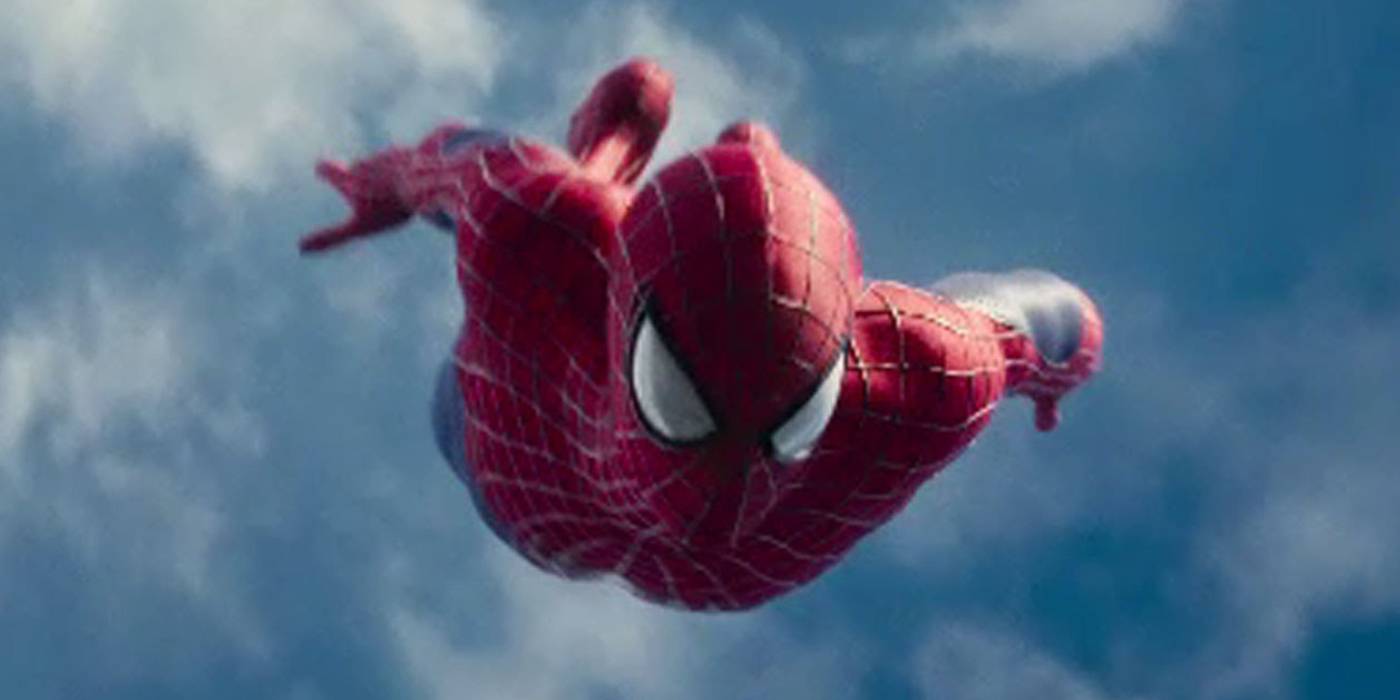
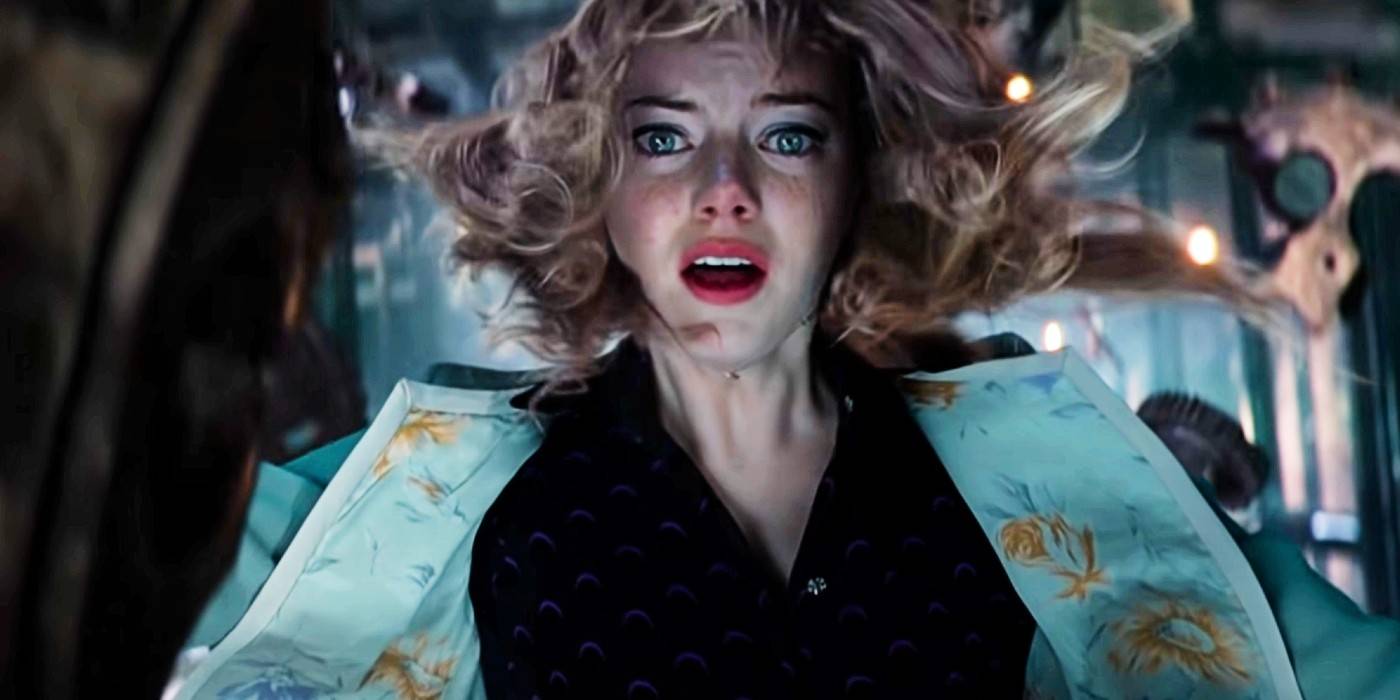
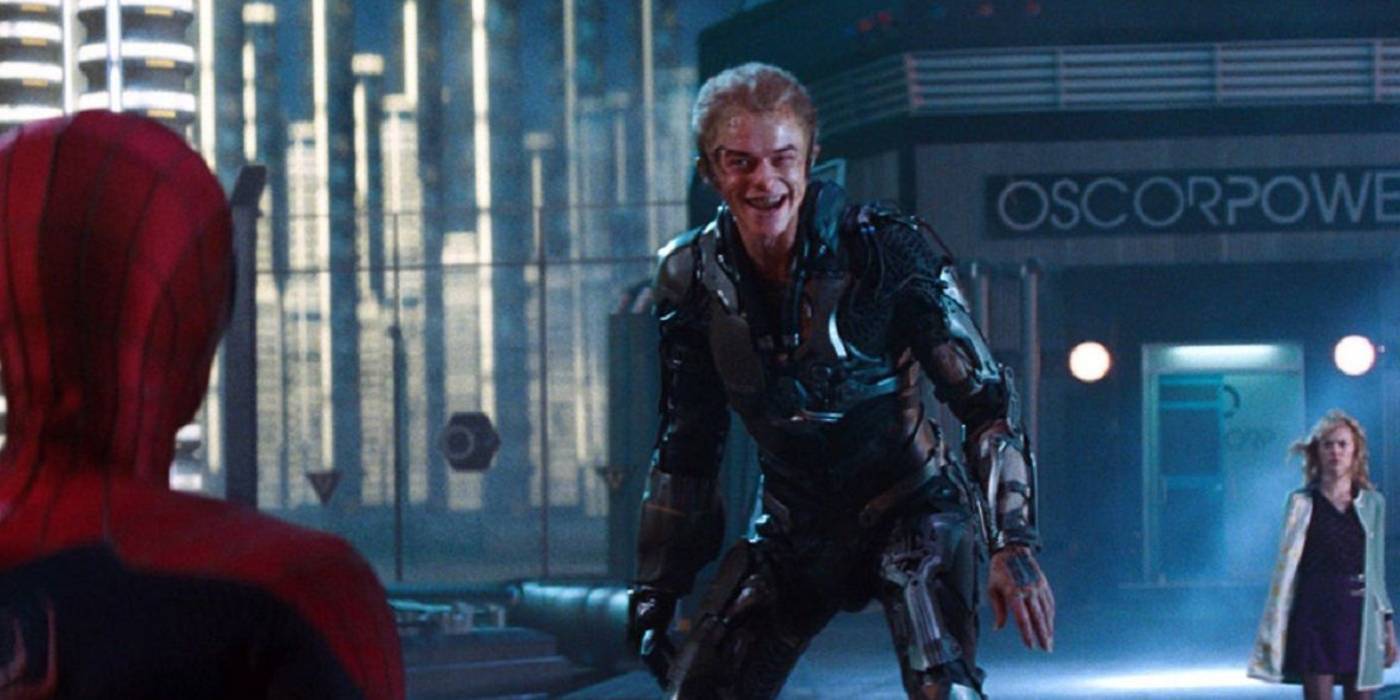
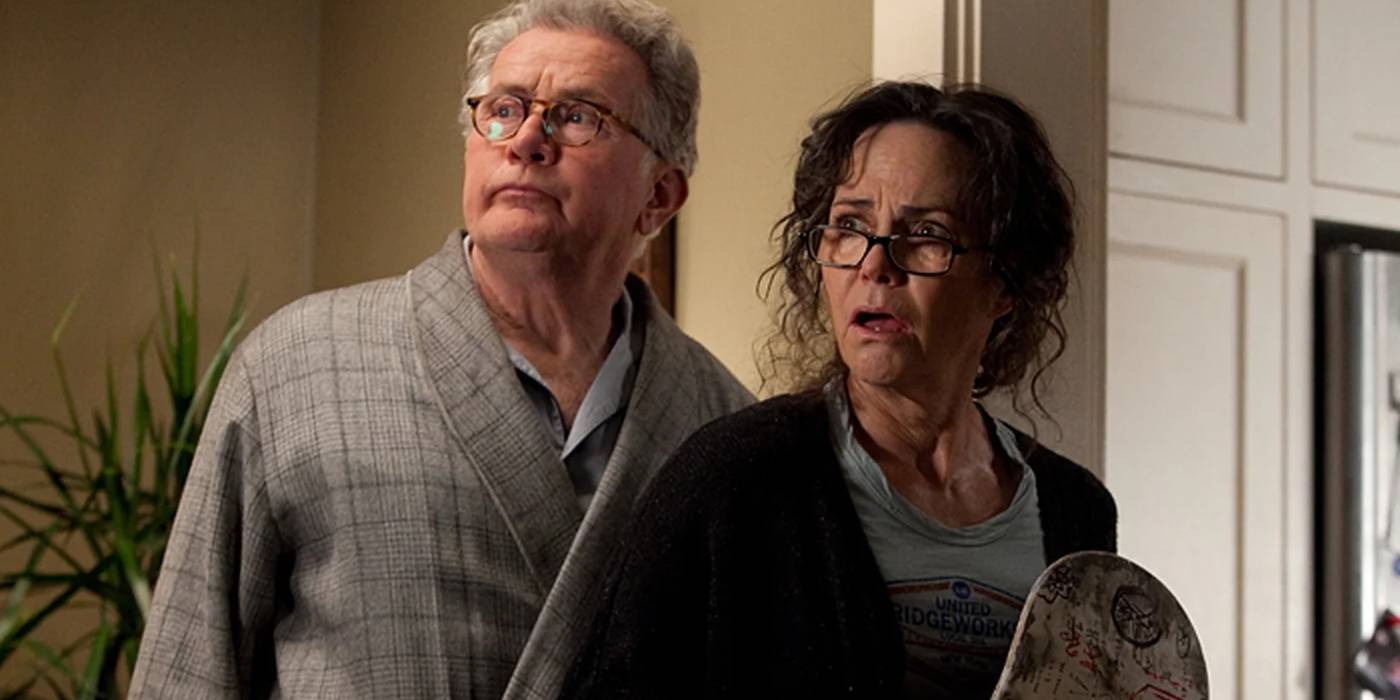
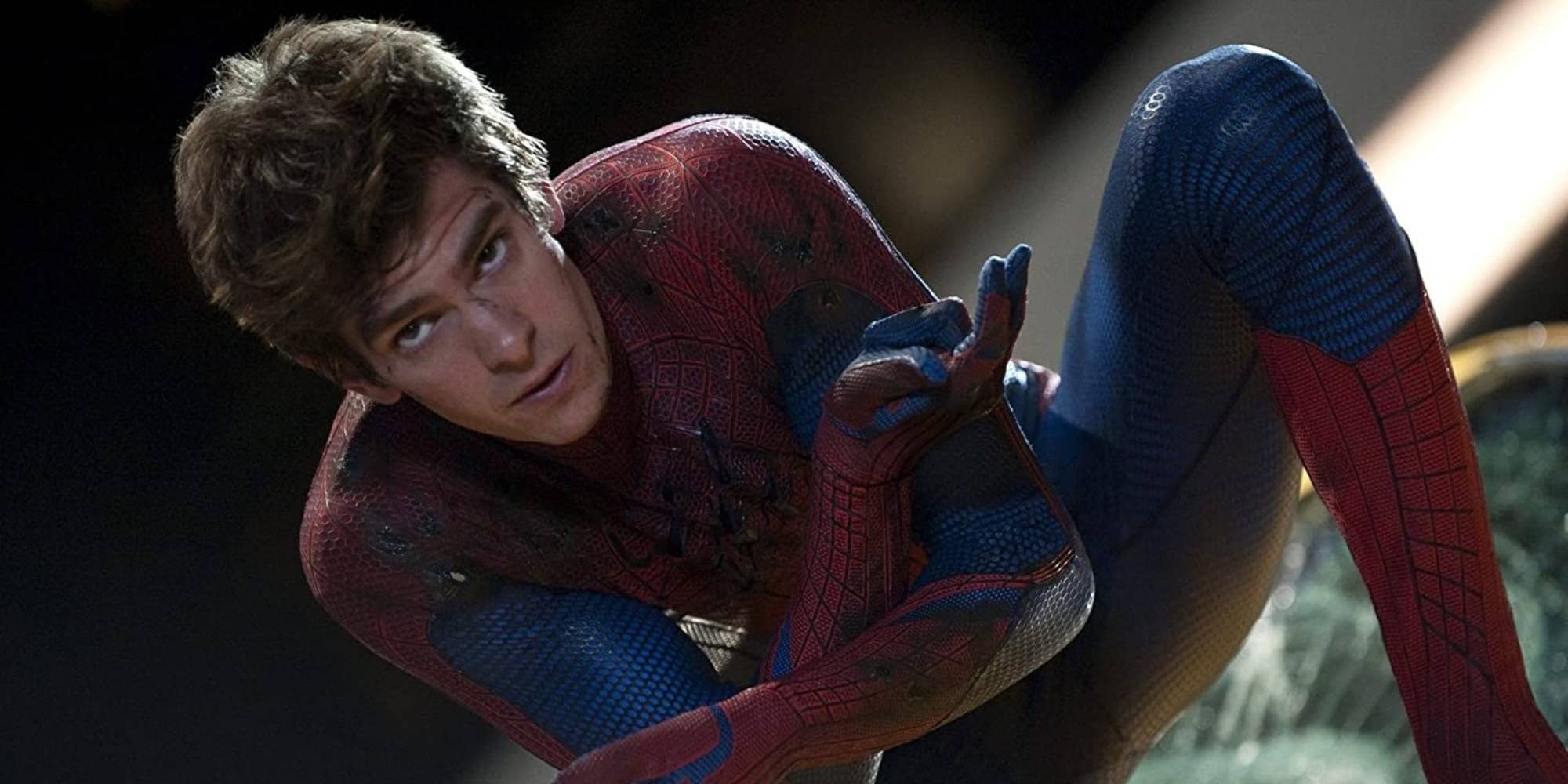


Similarly, The Amazing Spider-Man 2 was a departure from the 2012 film as it swapped out a more grounded and darker style for something more cartoonish and light. TASM2 was also the film that saw Gwen Stacey falling to her death and the juxtaposition of the events to the ways the characters reacted and interacted was just too jarring, and likely part of what led to the series being discontinued despite big plans (via Collider). Trying to bring the character more in line with his witty comic book counterpart was well-intentioned, but poorly executed with this shift in the tone of the series.
8 Justice League (2017)
Batman V Superman: Dawn Of Justice (2016)

2017's Justice League is a controversial film, especially after the release of the much darker Snyder cut. Batman v Superman: Dawn of Justice was clearly a part of Snyder's vision for the franchise with a darker, gritty tone, which was intended to be continued in the sequel. However, due to Snyder tragically losing his daughter, Snyder stepped away from Justice League after completing much of the project. Warner Bros. then decided to bring in Joss Whedon, who directed the first Avengers movie, to finish the project, and this resulted in extensive reshoots and editing.
The movie may have been intended as a dark and gritty sequel, as seen in the Snyder cut, but the 2017 version ended up with conflicting tones. Blending in more comedy along with the darker sequences and ultimately appearing confused. In many ways, the confusion of Justice League was a significant step towards the end of the DCEU, and the franchise struggled to find its footing again after the movie's release.
7 Batman Forever (1995)
Batman Returns (1992)

Between Batman Returns and Batman Forever, almost everything about the franchise was altered. Both Tim Burton and Michael Keaton were replaced by Joel Schumacher and Val Kilmer as director and Batman respectively. While Burton is famous for his dark and quirky style, often paired with monochromatic color palettes, Batman Forever altered the franchise significantly with bright colorful costumes, more comedy, and a lighter tone more reminiscent of the original Adam West TV series, making the sequel almost unrecognizable as part of the same series.
6 Rambo: First Blood Part II (1985)
First Blood (1982)


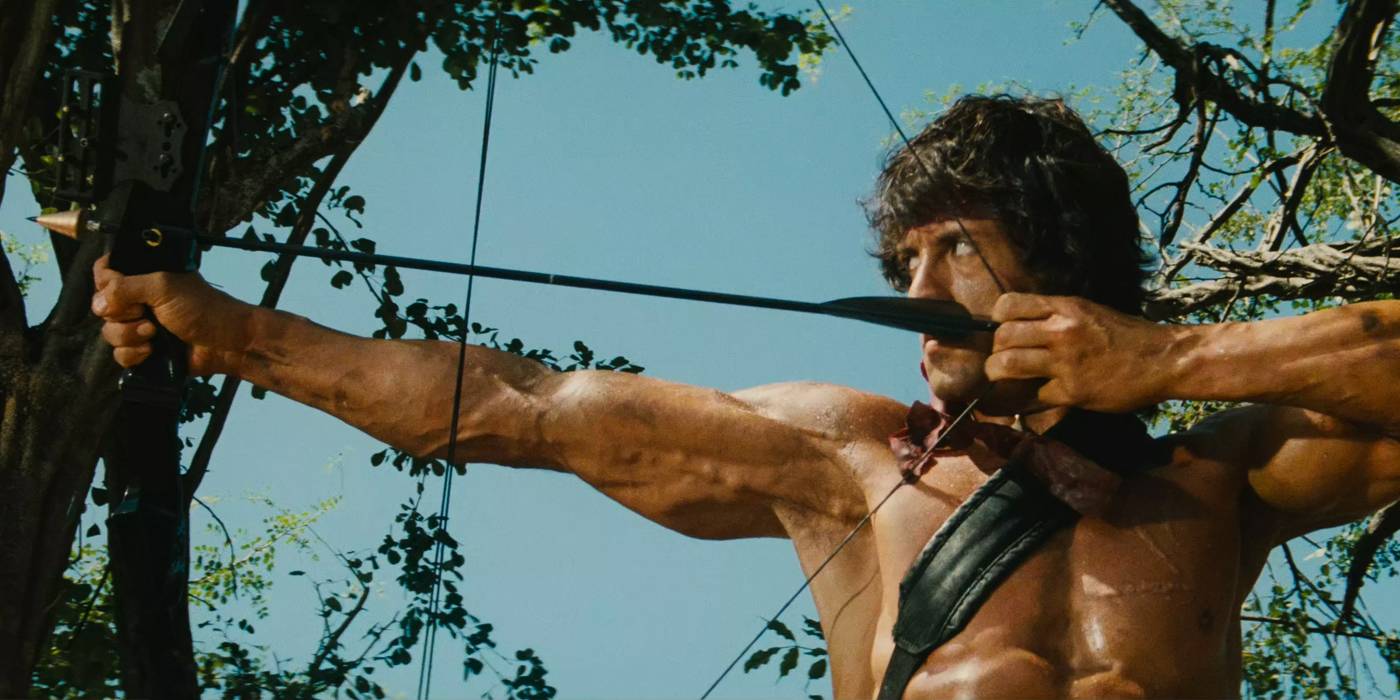
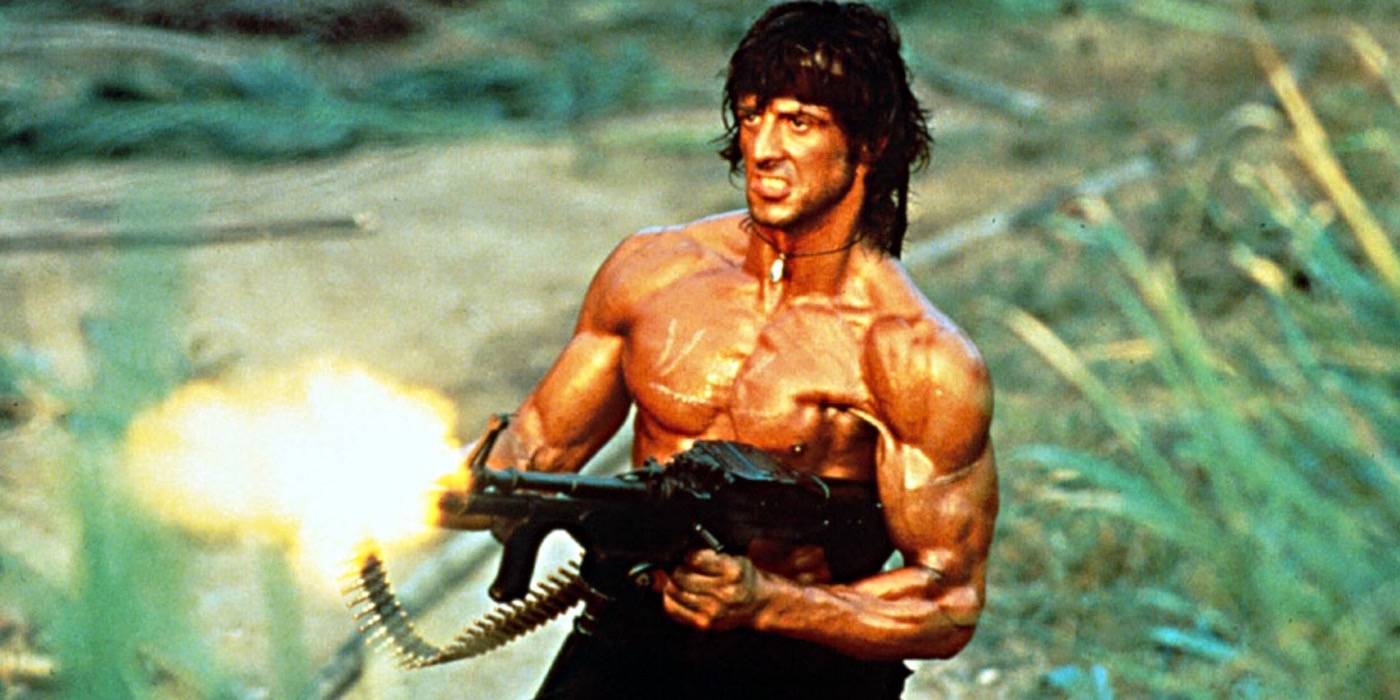
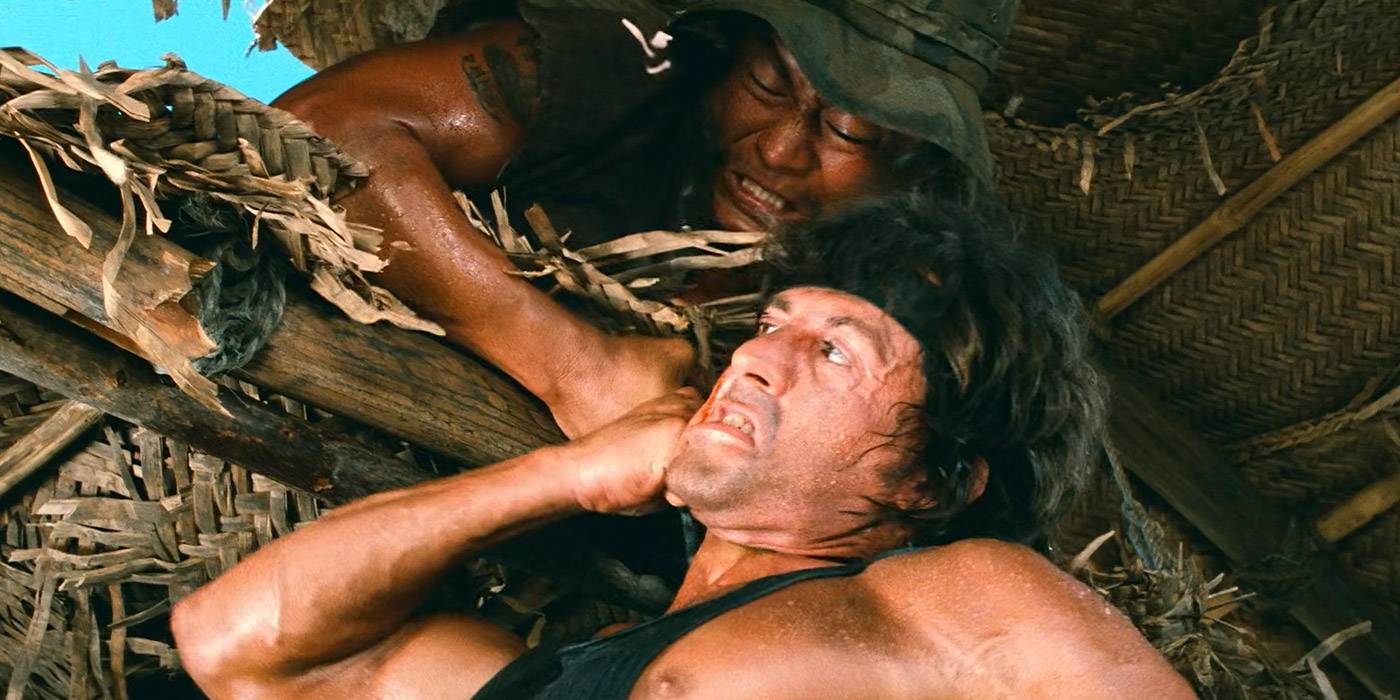
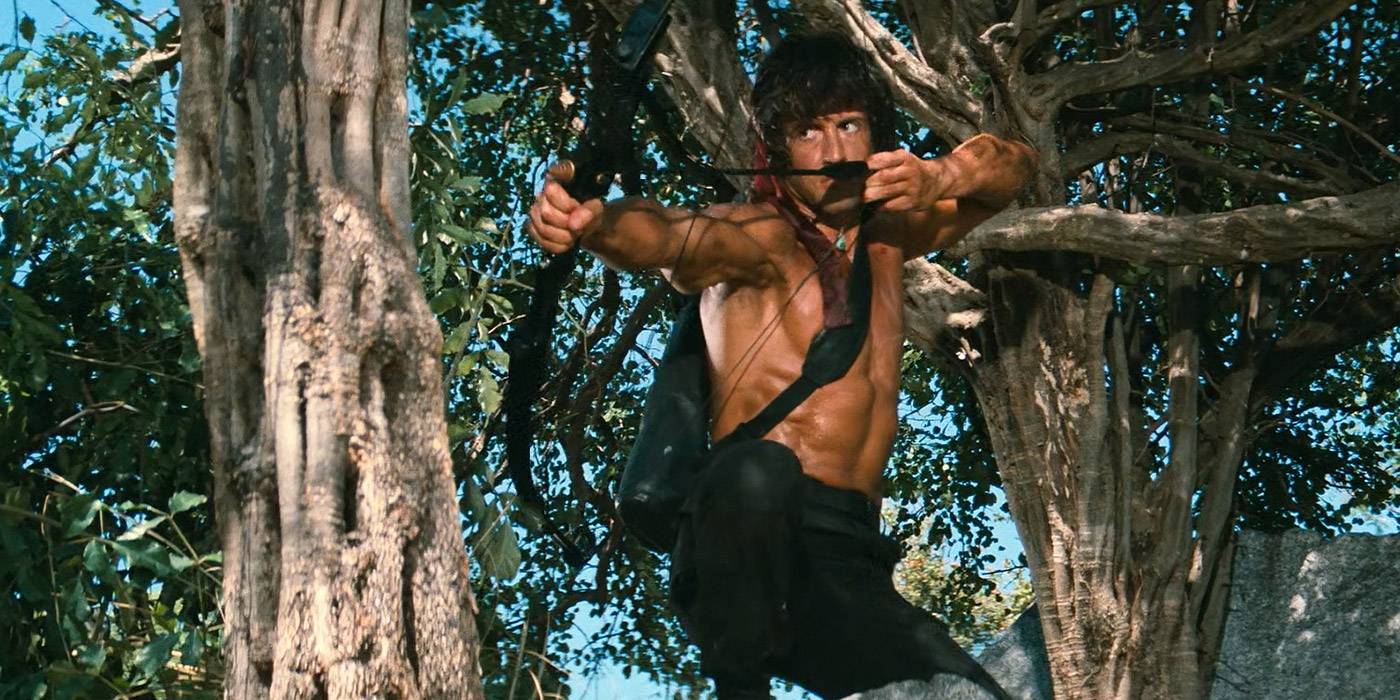
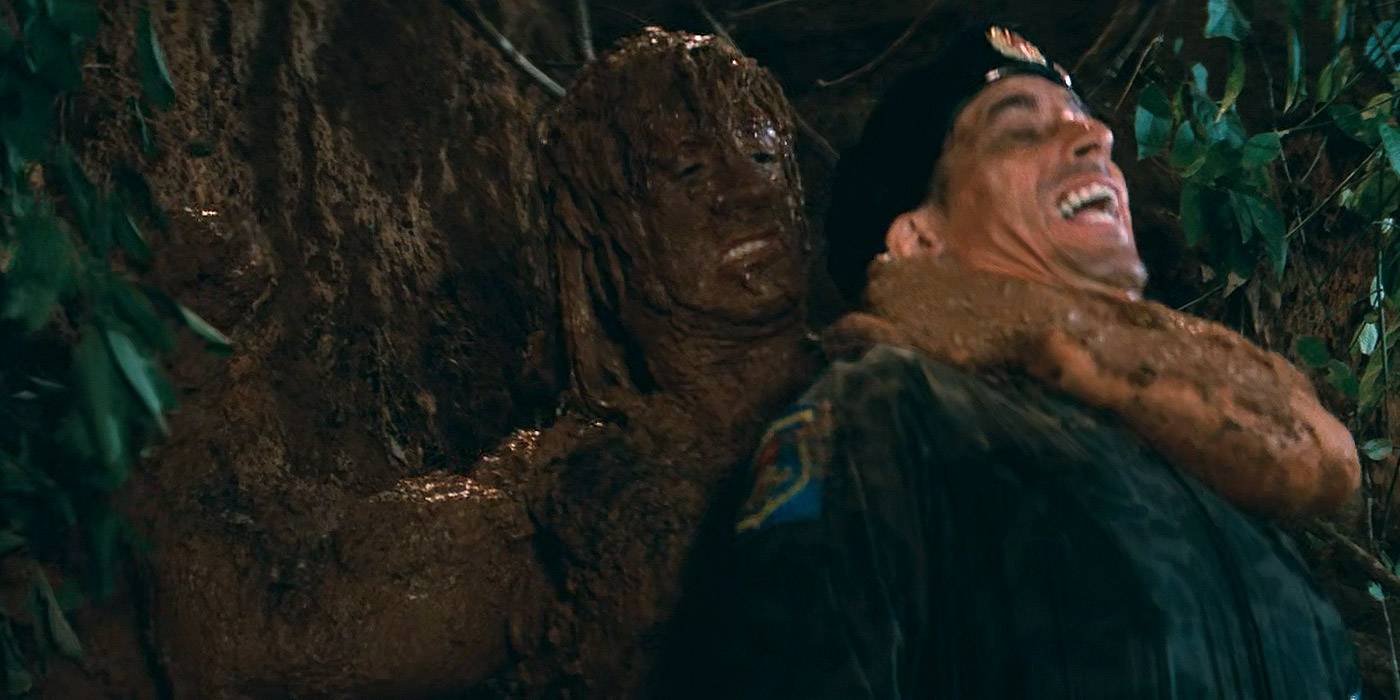
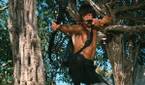
While Rambo has become one of the most popular action franchises of all time with five films total, the original movie presented a different version of the character than later sequels. In First Blood, John Rambo is a conflicted character who struggles with the life he led in the war and the man he became as a result of so much bloodshed. Rambo: First Blood Part II, however, takes the original story and alters it beyond recognition. From the second entry onward, Rambo is a vigilante killing machine, and the movie changes from a complex character film to an all-out action series.
5 Return To Oz (1985)
The Wizard Of Oz (1939)

While The Wizard of Oz was a wonderful fantasy adventure film with young Dorothy (Judy Garland) going on an adventure through the magical land of Oz, Return to Oz was a departure from the earlier entry. Return to Oz is a dark fantasy film that sees Dorothy (Fairuza Balk) returning to Oz only to find it completely altered. Her friends and the citizens of the Emerald City have been turned to stone, and a cruel new leader has taken over. The tone is much darker, with monsters out to chop off Dorothy's head and a therapist who intends to administer electroshock therapy to cure her of her delusions of Oz.
4 Fast Five (2011)
Fast & Furious (2009)

The Fast & Furious movies have enjoyed enormous popularity throughout the series' run, but that didn't come without change. While the earlier entries in the franchise focus on street racing, a criminal underworld, and undercover cops, Fast Five is where the series experiences its biggest change in tone and style. Moving more into an action-packed, heist and hero's story, the franchise adopted a more fantastical tone, with lighter moments and thrilling action scenes. Arguably, this also opened the films up to a larger audience, but it moved away from earlier entries.
3 Thor: Ragnarok (2017)
Thor: The Dark World (2013)

The first two Thor movies struggled to slot into the rest of the MCU, with a somber and regal lead character who appeared detached from events everywhere else in the franchise. Thor: Ragnarok brought in Taika Waititi as the director and drastically altered the tone of the series, introducing more comedy, color, and developing the character beyond a disconnected Asgardian god. The shift worked extremely well as the previous entries did not perform as well as other MCU films, and it brought the character more in line with the rest of the franchise.
2 Evil Dead 2: Dead By Dawn (1987)
Evil Dead (1981)


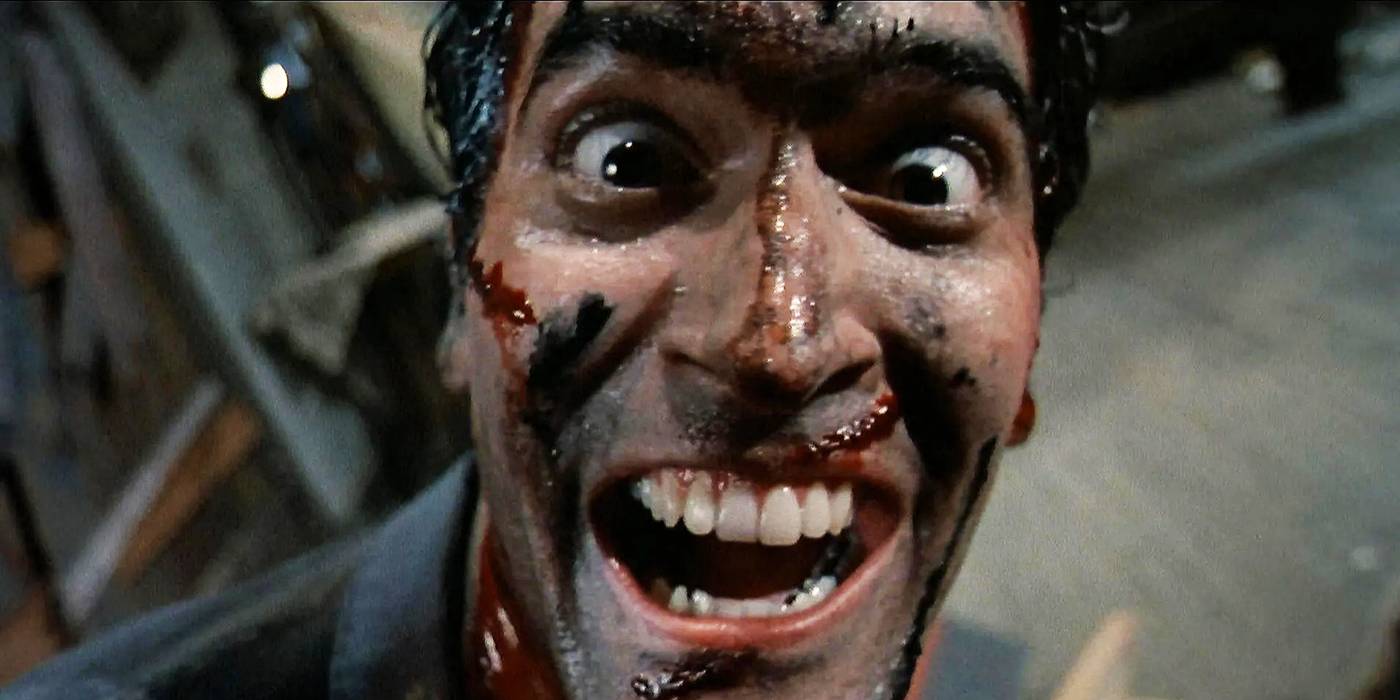
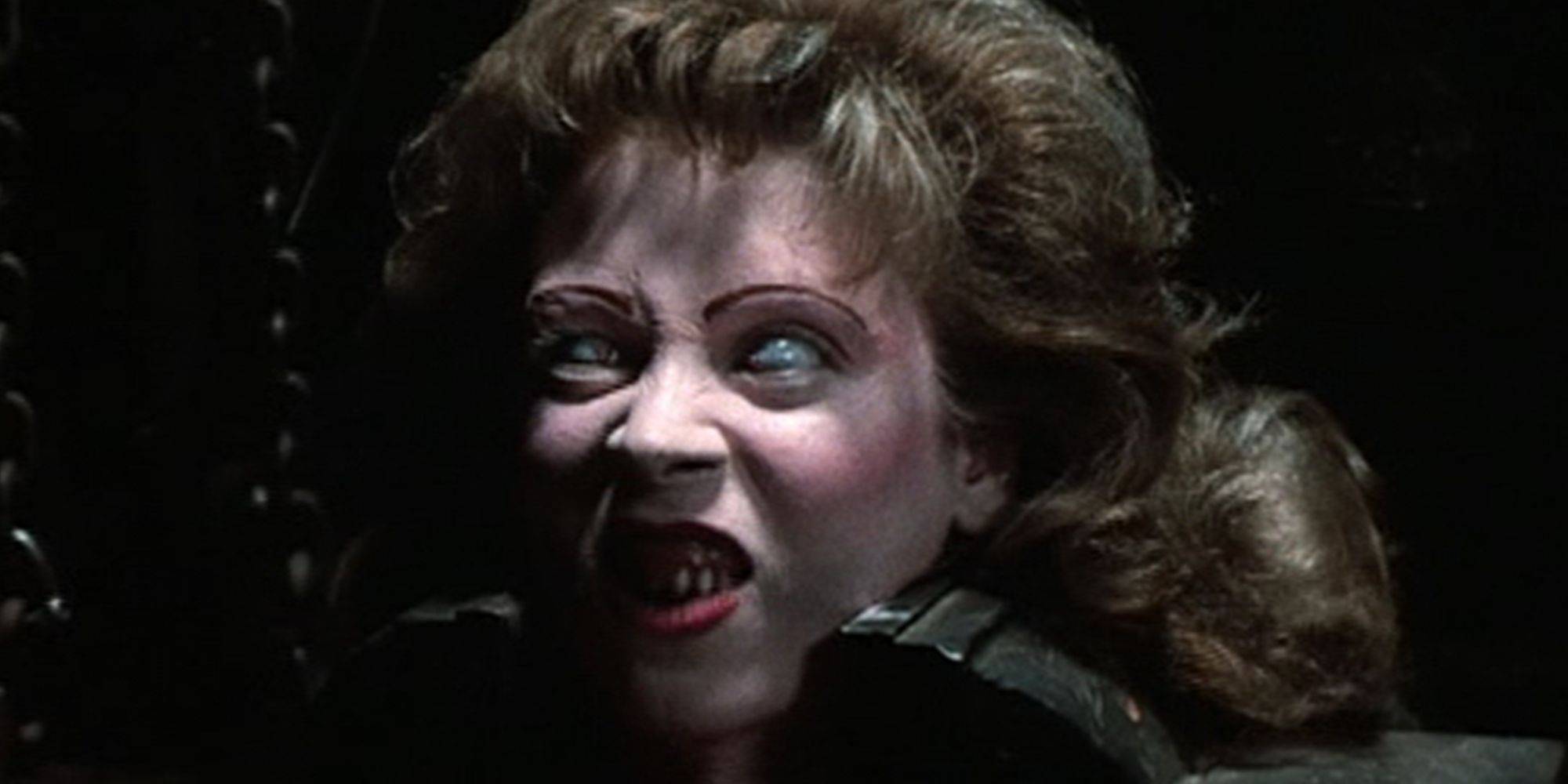
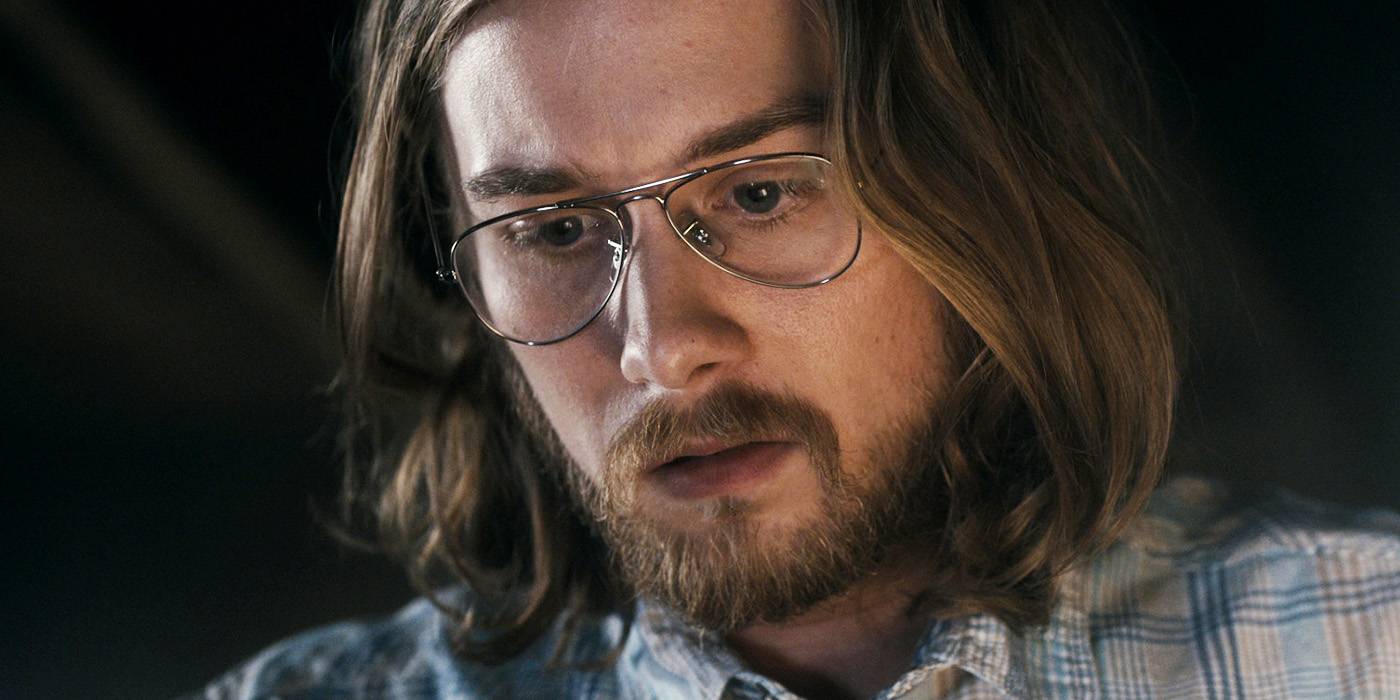
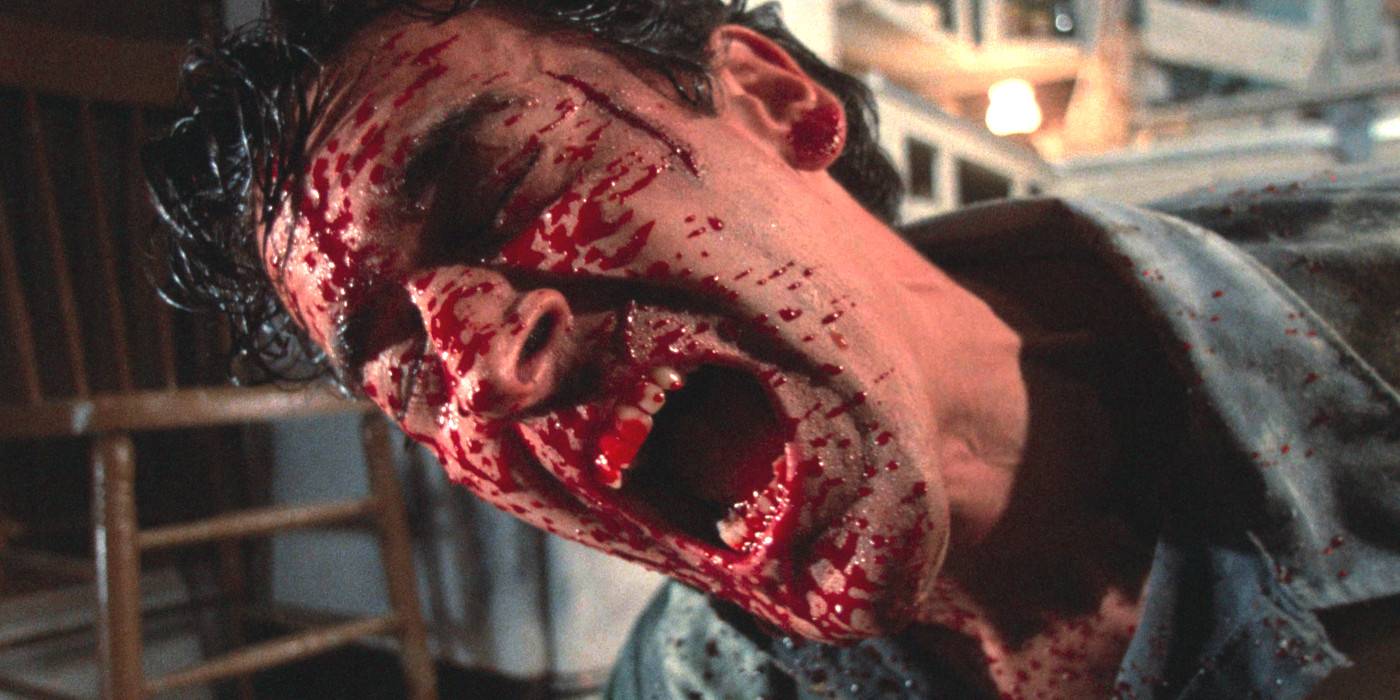
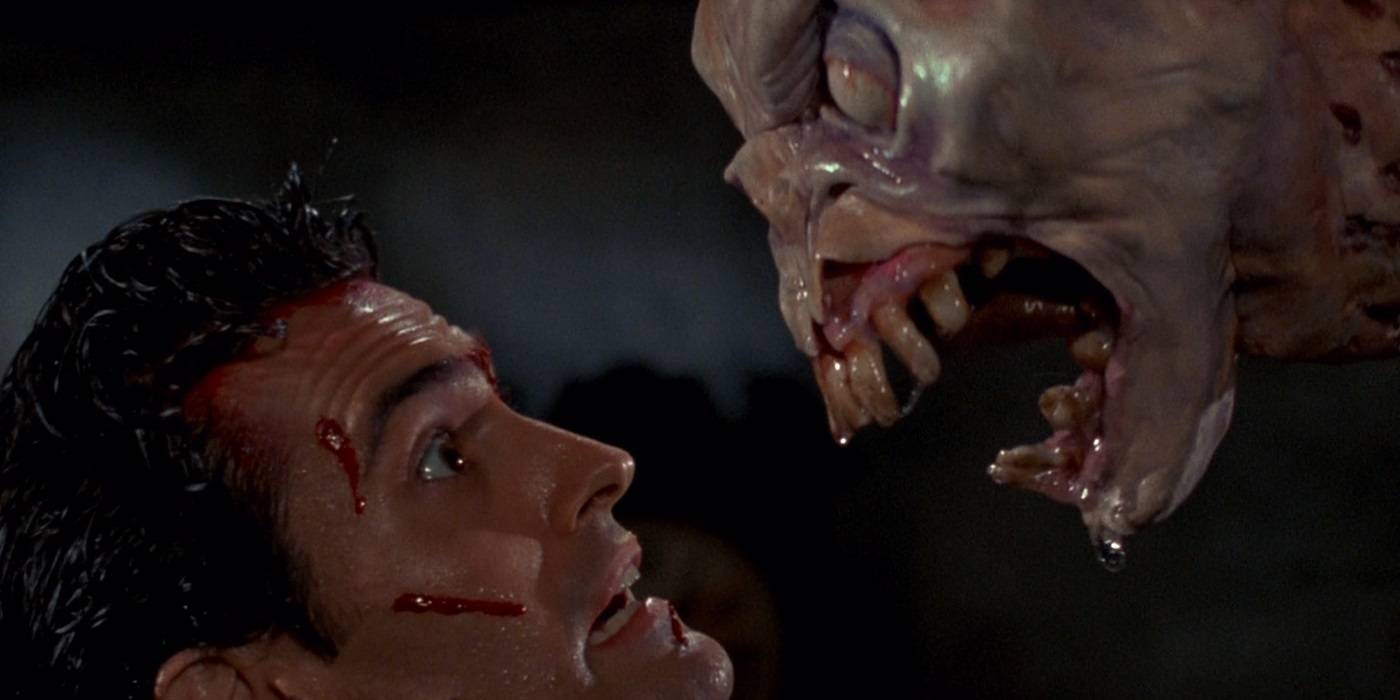
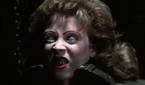

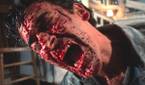
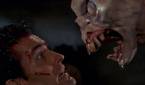
Sam Raimi's directorial debut, The Evil Dead, launched his career as a director. After the film received universal praise for the gruesome and exaggerated effects and earned Raimi a deal with studios to produce more sequels, Evil Dead 2: Dead by Dawn, was essentially a remake of the original with only the star, Bruce Campbell, reprising his earlier role. The sequel still kept the horror elements, copious amounts of fake blood, and an evil force that possessed people, but it also transitioned into more slapstick humor and comedy, which enhanced the film and cemented the signature style of the franchise.
1 The Chronicles Of Riddick (2004)
Pitch Black (2000)

Vin Diesel's 2000s science fiction action series, The Chronicles of Riddick, experienced a major shift in tone in the second film. The story shifted from a dark science fiction horror in Pitch Black, to become a much more action-oriented science fiction adventure story in the sequel. While The Chronicles of Riddick did earn the most at the box office compared to the other entries in the series, it also received harsh criticism for its changes in tone, which resulted in the sequel being a financial disappointment compared to its $120 million budget (via The Numbers).
