


This article contains discussion of suicide attempts/ideation, death, substance abuse issues, stalking, and sexual harassment.
Warning! This article contains SPOILERS for St. Elmo's Fire.
Summary
- St. Elmo's Fire was a 1980s box-office hit due to its soundtrack, ensemble cast, and relatability to main characters.
- Thanks to the Brat Pack, St. Elmo's Fire has been considered the post-college version of The Breakfast Club.
- St. Elmo's Fire showcases unlikeable characters facing post-college challenges, emphasizing self-discovery and flawed relationships.
The 1985 coming-of-age film St. Elmo’s Fire was a critical failure but a box-office, hit thanks to its soundtrack, popular ensemble cast, and potential relatability to the main characters. St. Elmo’s Fire was directed and written by Joel Schumacher, who often gets grouped with John Hughes, thanks to the “Brat Pack” and the roles their movies played in creating the group. Almost every St. Elmo’s Fire cast member was immediately named part of the “Brat Pack,” thanks to a New York Magazine article.
The conversation around the impact of this article, the Brat Pack, and St. Elmo’s Fire was a major part of the Hulu Brat Pack documentary Brats, in which director Anthony McCarthy reunited with some of his fellow St. Elmo’s Fire castmates along with other famous young actors of the time. Of the official Brat Pack members, only Molly Ringwald and Anthony Michael Hall weren’t in St. Elmo’s Fire. Whether it was because of the article, the stars, the soundtrack, or the story itself, St. Elmo’s Fire is a 1980s coming-of-age classic.
|
St. Elmo's Fire Cast & Characters |
|
|---|---|
|
Actor |
Character |
|
Emilio Estevez |
Kirby Keager |
|
Rob Lowe |
William "Billy" Hicks |
|
Andrew McCarthy |
Kevin Dolenz |
|
Demi Moore |
Julianna "Jules" Van Patten |
|
Judd Nelson |
Alec Newberry |
|
Ally Sheedy |
Leslie Hunter |
|
Mare Winningham |
Wendy Beamish |
|
Andie MacDowell |
Dale Biberman |
|
Jenny Wright |
Felicia Hicks |
What Happened In The St. Elmo's Fire Ending
St. Elmo’s Fire’s Ending Resolved Multiple Storylines

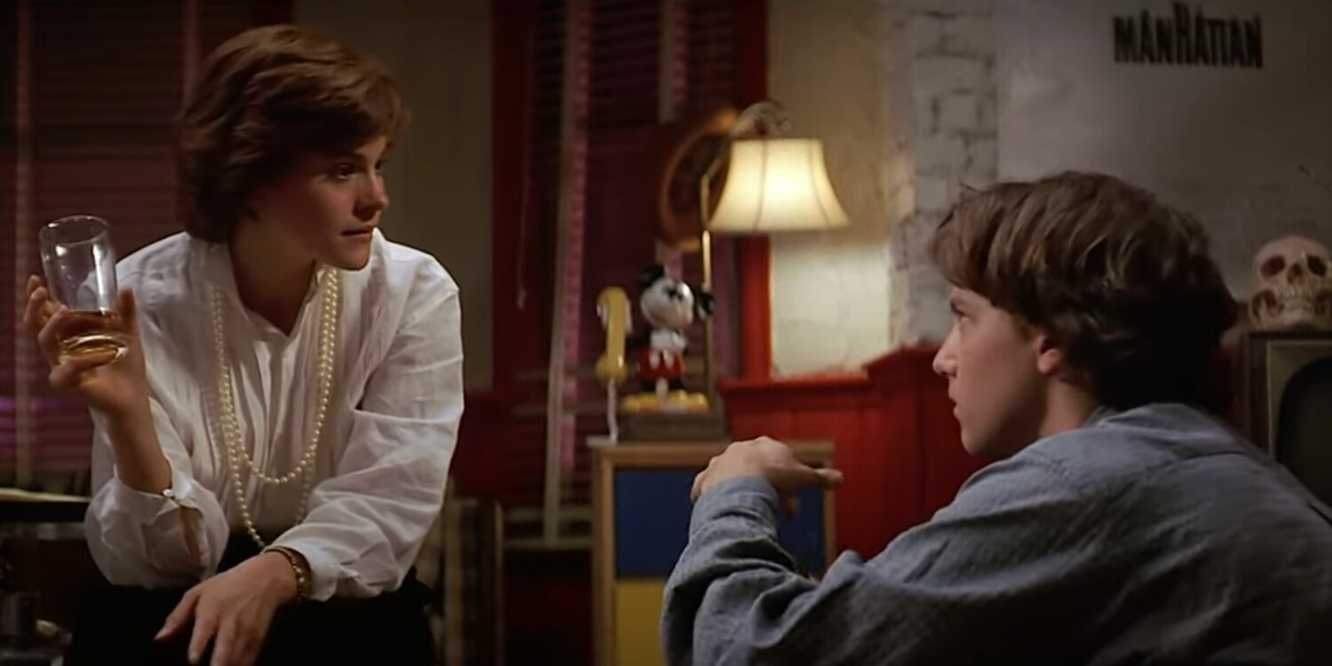



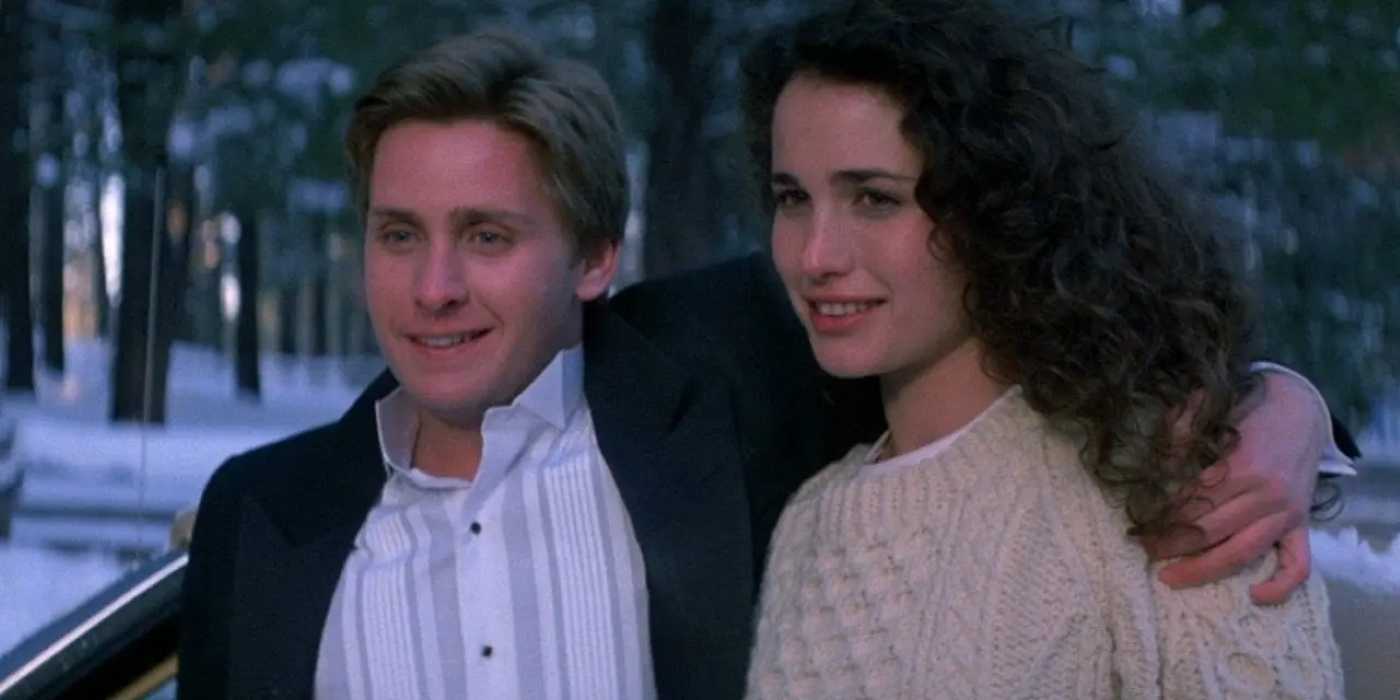
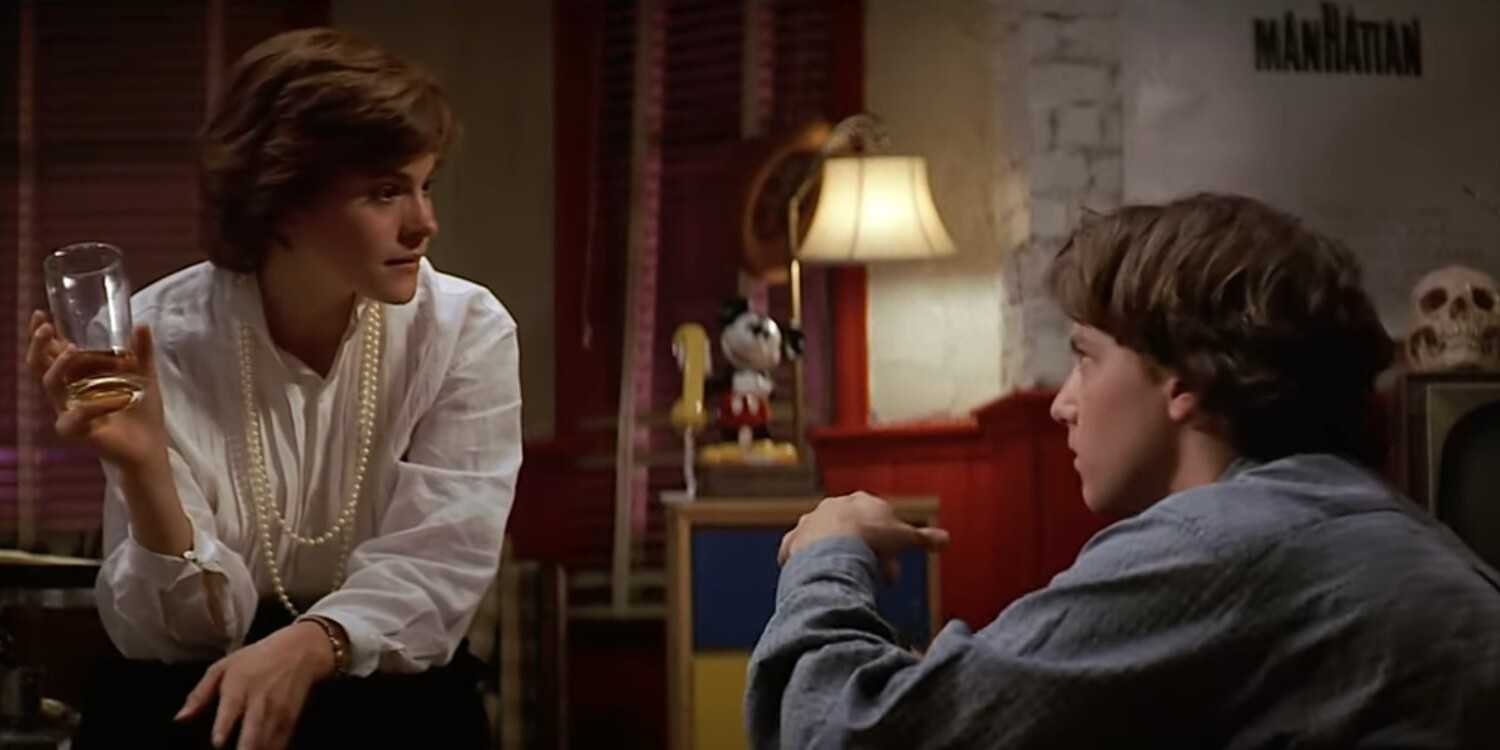

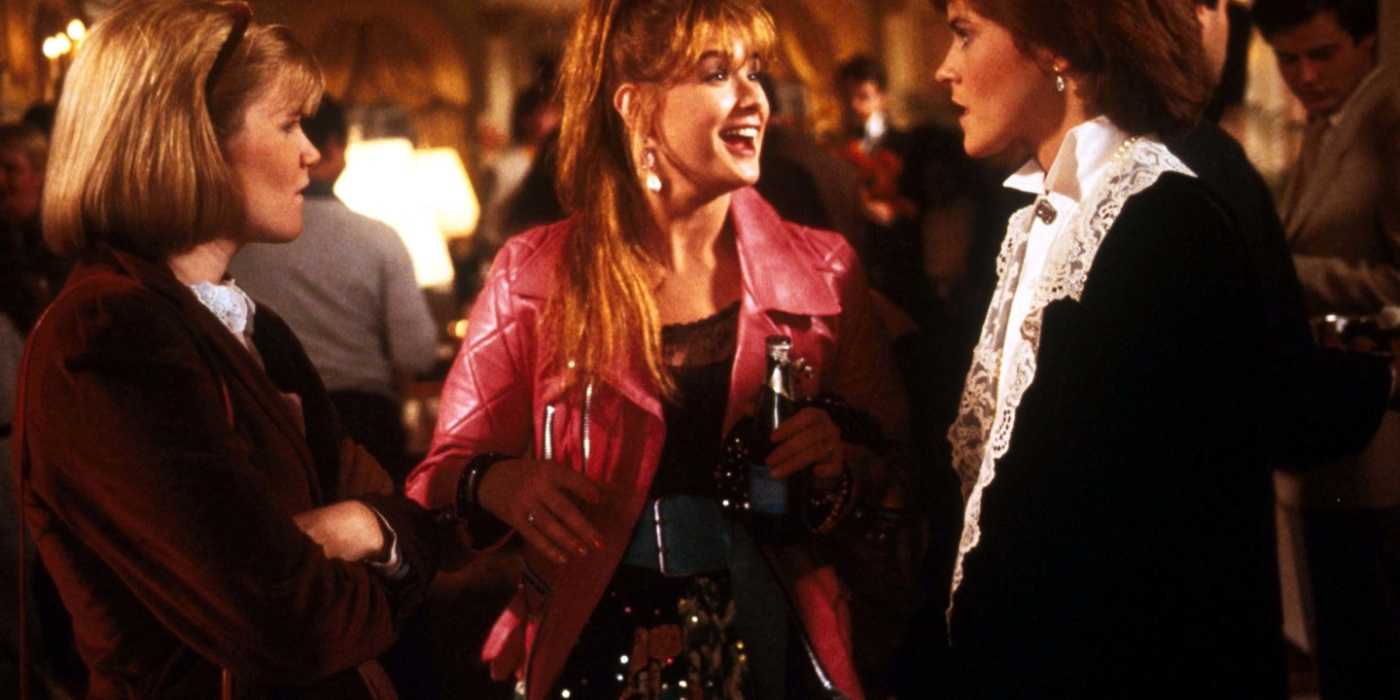
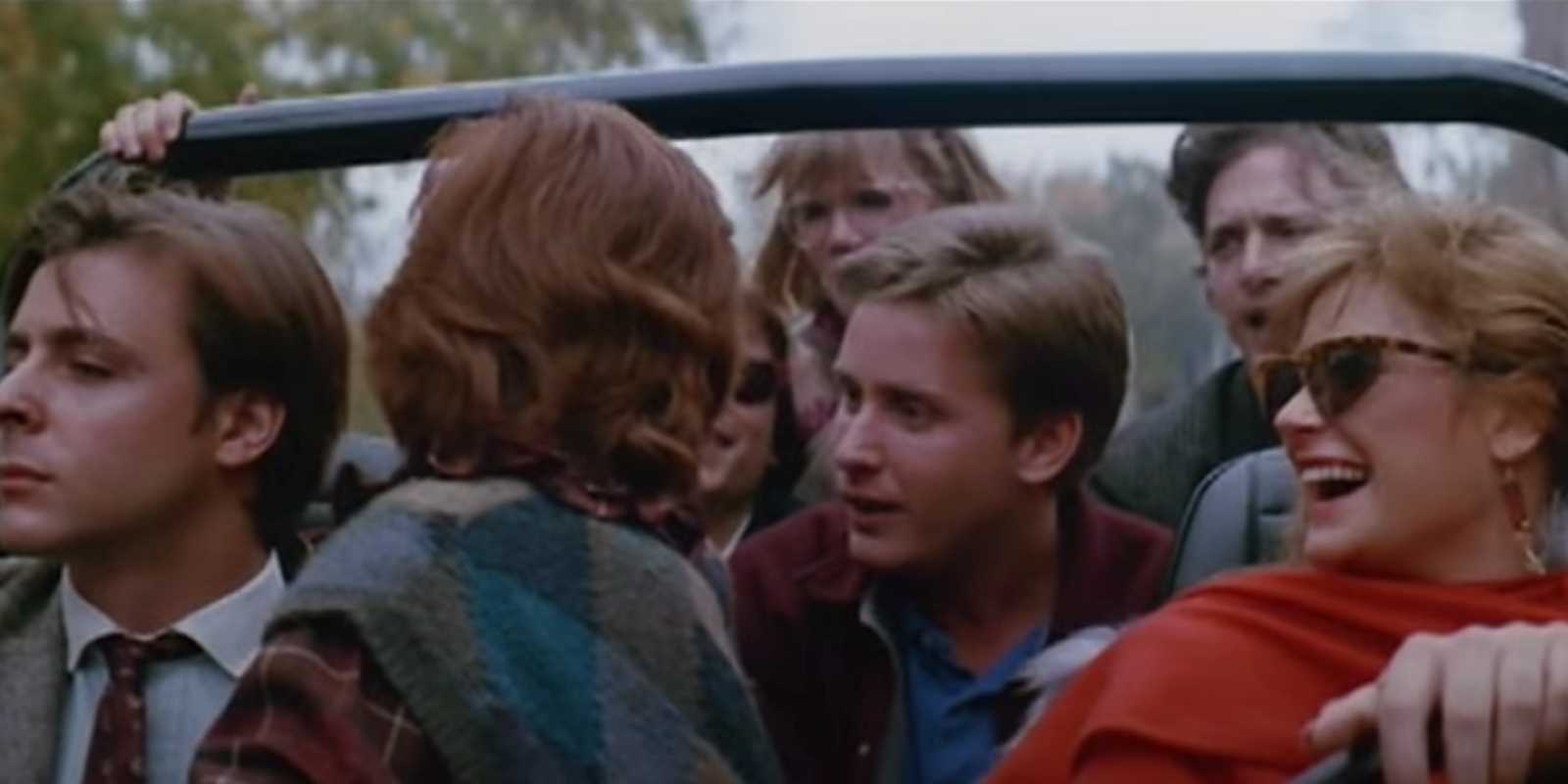


St. Elmo’s Fire follows an unlikely group of friends in their first year following graduation from Georgetown University in Washington, D.C. One of the biggest, easily understandable criticisms of St. Elmo’s Fire is that its characters are more often unlikable and harder to root for than not. This only worsens with the film’s progression, with the second half delving deeper into melodrama. Kirby, the waiter and law student of the friend group, kissed the girl of his dreams and the object of his stalking, which kicked off a series of controversial St. Elmo's Fire storyline endings.
Alec, the yuppie future politician, spent his entire relationship with budding architect Leslie cheating on her. When she finally found out, she slept with their mutual best friend, the obituary writer Kevin, who had been in love with her all along. At the end of St. Elmo’s Fire, she decided to focus on herself, choosing neither of them. However, not before Alec almost killed Kevin, while Jules, a party girl with money and addiction issues, dramatically locked herself in her apartment. She intended to freeze herself to death, but Billy stepped in.
Billy had supposedly changed, leaving behind the womanizing party boy who shirked his responsibilities as a husband and father by leaving behind his wife, baby, and friends. Before he got his fresh start in New York, he slept with the virginal social worker Wendy, who harbored a huge crush on him. At the end of St. Elmo’s Fire, they send Billy off at the bus stop and decide not to go to their usual bar, St. Elmo’s, planning brunch instead. They did one final “booga-booga” group cheer and laughed offscreen as the credits began to roll.
How Jules’s Attempt To Freeze Herself To Death Is Foreshadowed Throughout St. Elmo’s Fire
St. Elmo’s Fire Had An Obsession With Death


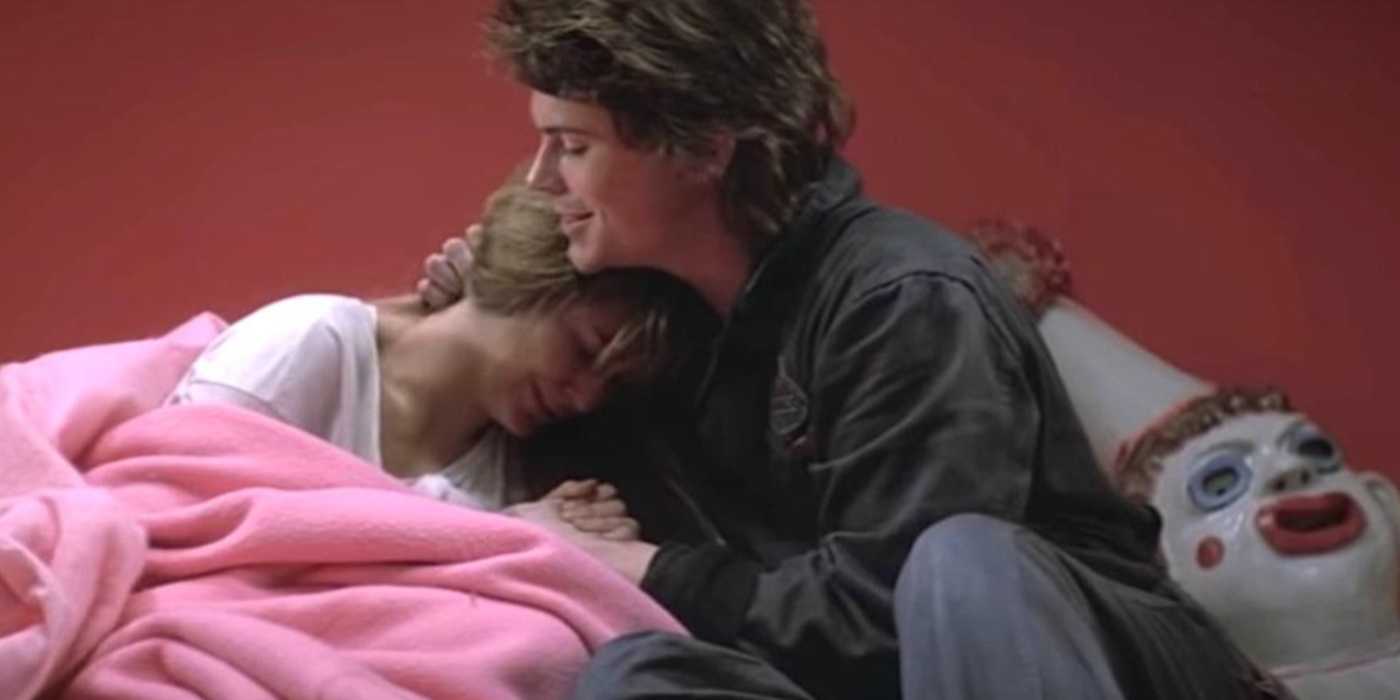
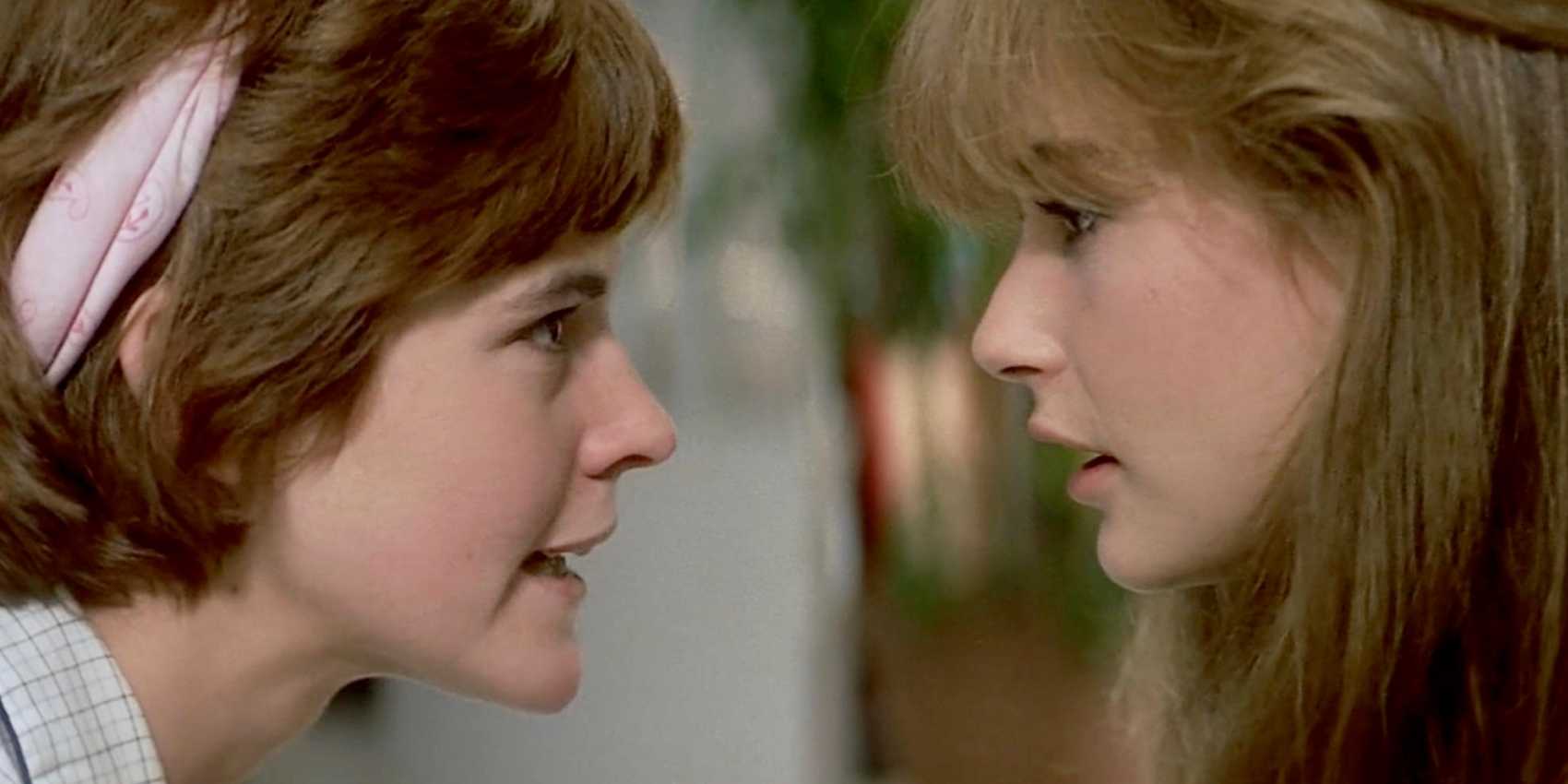

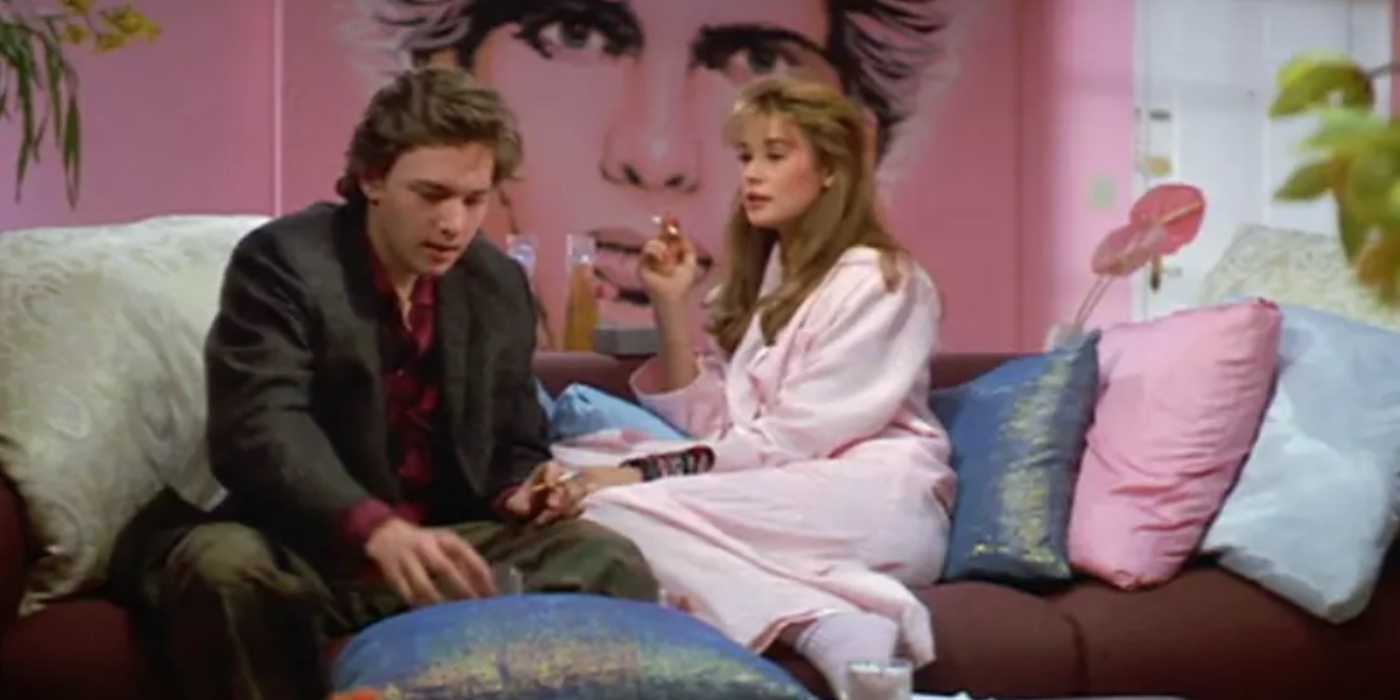
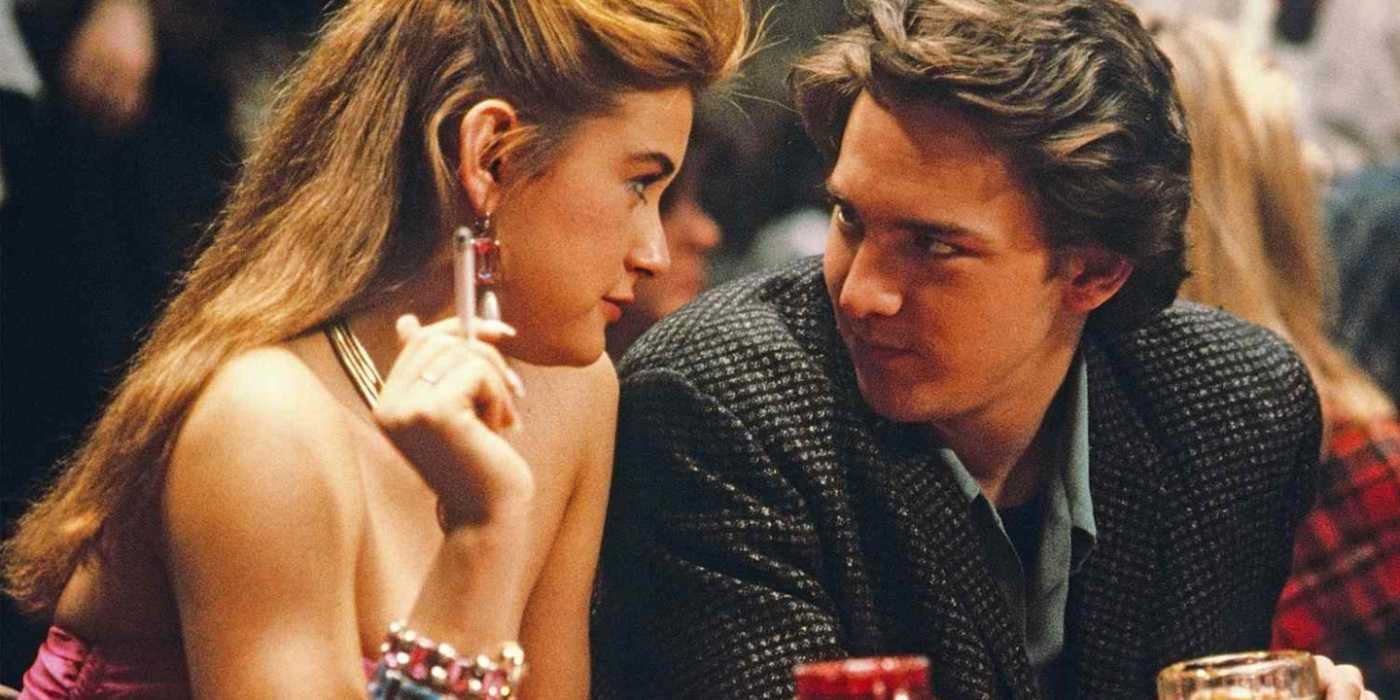
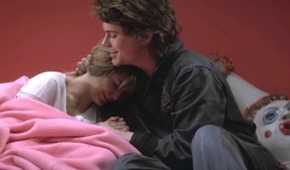




Towards the end of St. Elmo’s Fire, Jules deadbolted her D.C. apartment door, now empty as everything she owned was seized, and sat in the middle of the floor with the windows open trying to freeze herself to death. Actor Demi Moore called it her most cringeworthy St. Elmo’s Fire scene, and it’s not hard to see why. Everyone is desperately trying to reach Jules, using a blowtorch to break down the bars of the fire escape window while Alec holds Kevin over the side of the railing, threatening to kill him.
In the 'cringeworthy' St. Elmo’s Fire scene, Jules did what she thought necessary for her cries for help to be taken seriously
Yet, the scene that Schumacher intended to be melodramatic and satirical does have some heart to it, and it was foreshadowed early on. One of the first scenes established Kevin as an obituary writer. It was later revealed that he even had an empty coffin in his bedroom for aesthetic purposes. Jules spent much of St. Elmo’s Fire “funeral shopping” for her sickly stepmother. She weighed the options and costs of different burial methods to the point of concern.
Then there are her partying habits, which were mainly about having cocaine and someone to talk to. Leslie and Wendy worried about Jules, her spending, and her supposed affair with her boss, but she brushed off their concerns. The one time she truly tried to open up to a friend, hoping they'd understand, was in a car alone with Billy. When he responded by sexually harassing her, it broke her heart.
Fortunately, Jules’ friends finally came through for her. She'd displayed signs of having larger issues that went unspoken, and her lies had become obvious. In the “cringeworthy” St. Elmo’s Fire scene, Jules did what she thought necessary for her cries for help to be taken seriously, even if the scene wasn’t as serious as it could’ve, or should've, been. Moore’s delivery of the relatable “I never thought I’d be so tired at 22” helps cut through the satire.
Why Kirby Insists He & Dale Saw Annie Hall
Kirby Thinks He’s Living In A Romance Movie

As aforementioned, the characters in St. Elmo’s Fire can do pretty irredeemable things, and Kirby is far from an exception. Though he may appear harmless and in love, he actively stalked medical intern Dale, whom he "fell in love with" in college and reunited with at the hospital at the beginning of the movie. During what Kirby assumed was a date, he quoted the 1977 satirical romantic comedy-drama film Annie Hall. When she didn't understand the reference, Kirby reminded her they saw the film together in college.
Dale thought they’d seen a Mel Brooks film, likely a parody or farce. It’s a seemingly awkward, innocuous moment where Kirby insists it was Annie Hall. She left shortly after to go back to the hospital and Dale’s obsession, a word he later used to describe his "feelings" for her, grew. He stood outside in the pouring rain for her, took advantage of his wealthy boss being away to throw a party at his house for her, and even drove in the snow to where she and her boyfriend were having a ski trip after she started purposefully avoiding him.
Kirby believed he was in a romantic comedy where if he did all the big grand gestures, Dale would fall madly in love with him. However, she and Dale are never on the same page, as shown by the Annie Hall confusion. Unfortunately, Dale gets somewhat rewarded for his creepy, stalking behavior with kindness and a kiss he initiated. Their final scene even implied that Dale wished she had given him a chance when she had a kind, supportive, seemingly normal boyfriend. In perhaps another bit of foreshadowing, the main couple of Annie Hall don’t even end up together.
Does St. Elmo’s Fire Have A Villain?
St. Elmo’s Fire’s Main Characters Can Be Easily Criticized



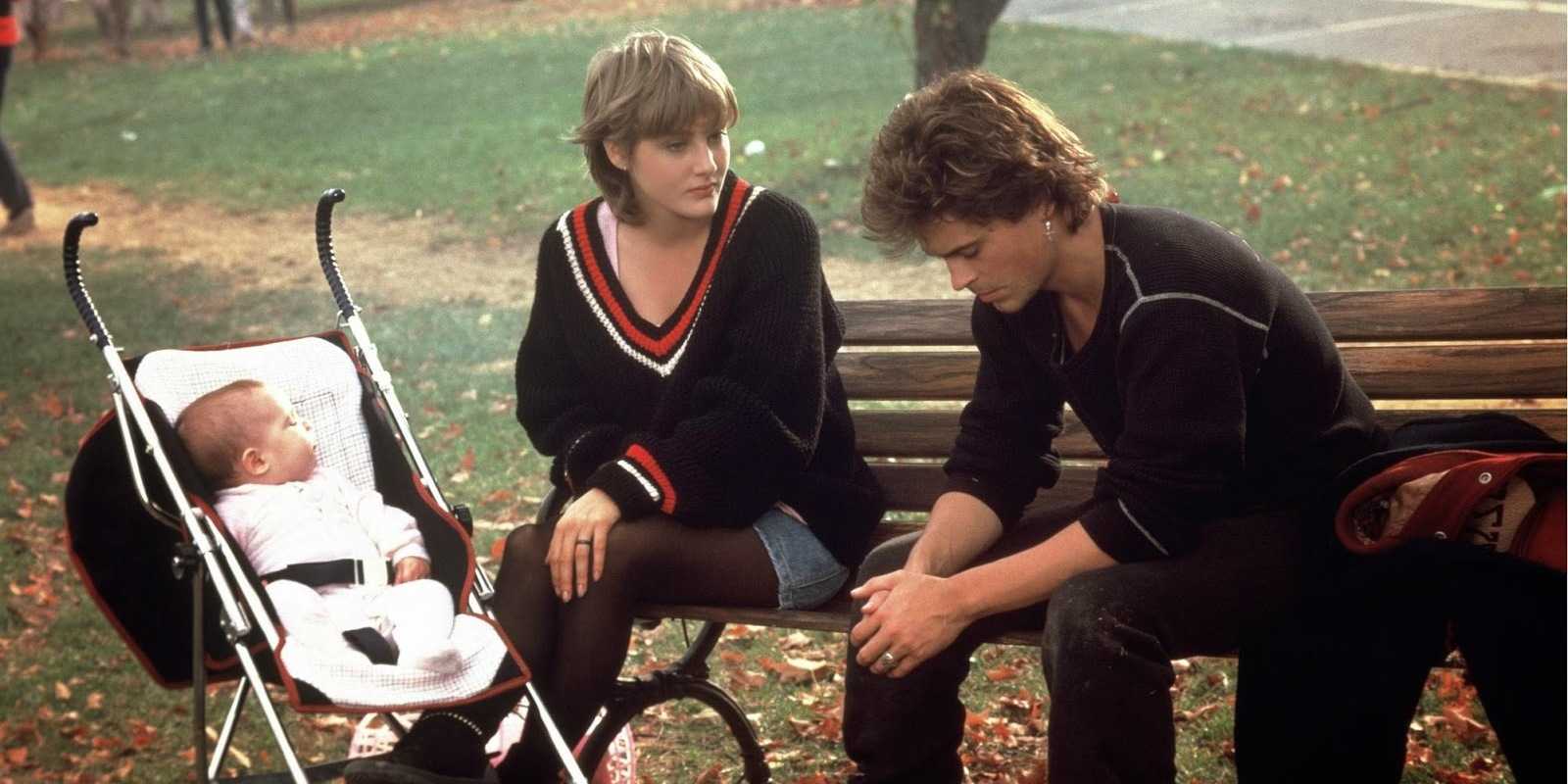
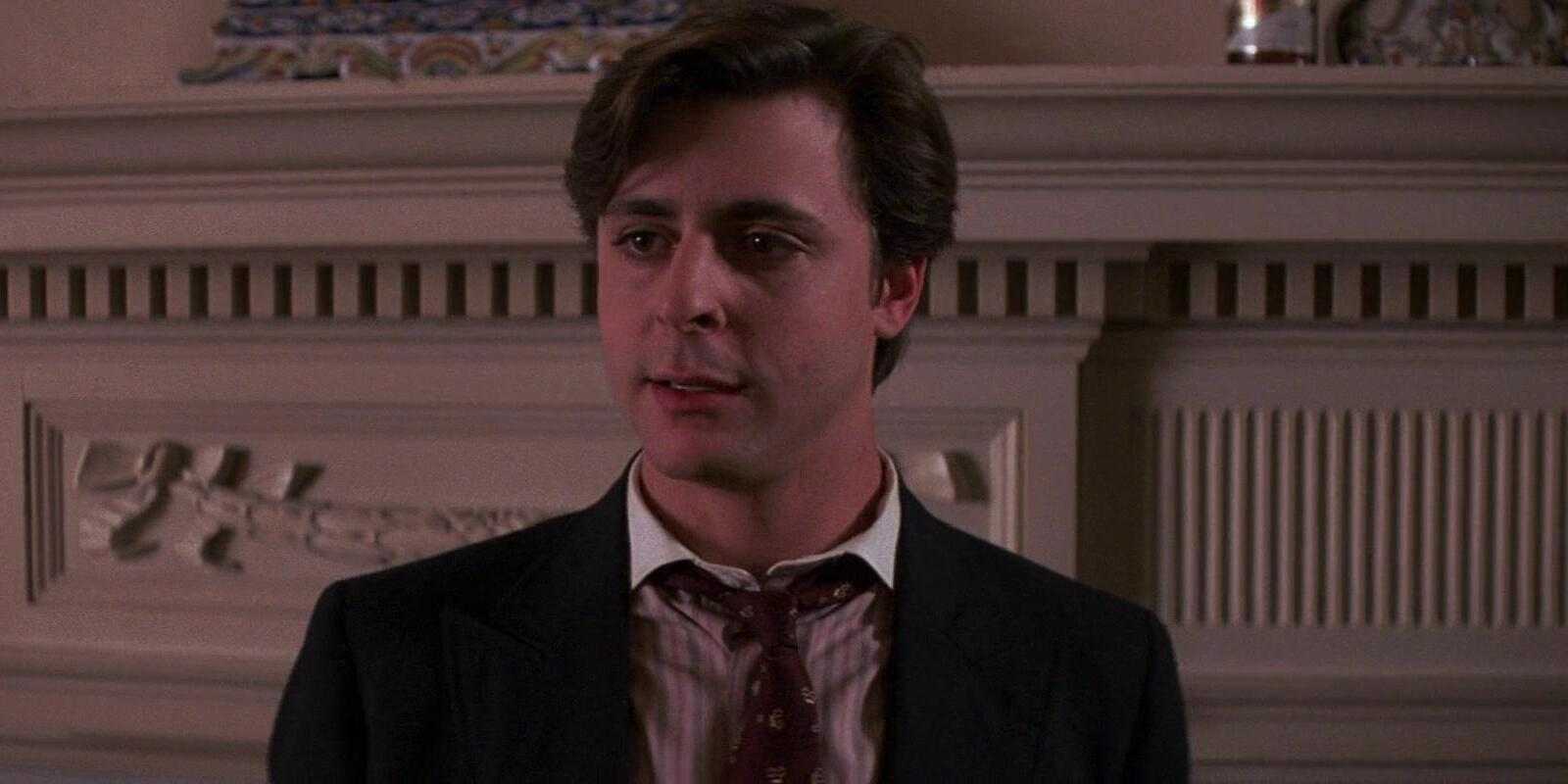
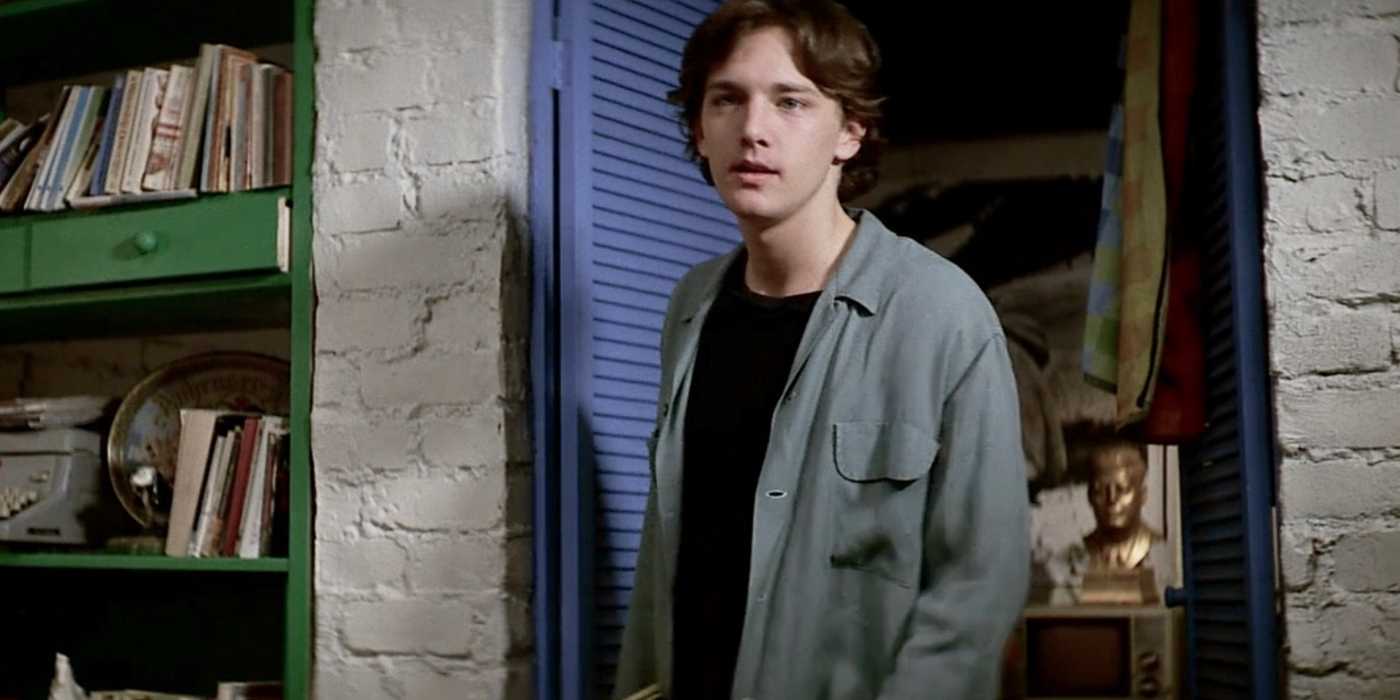
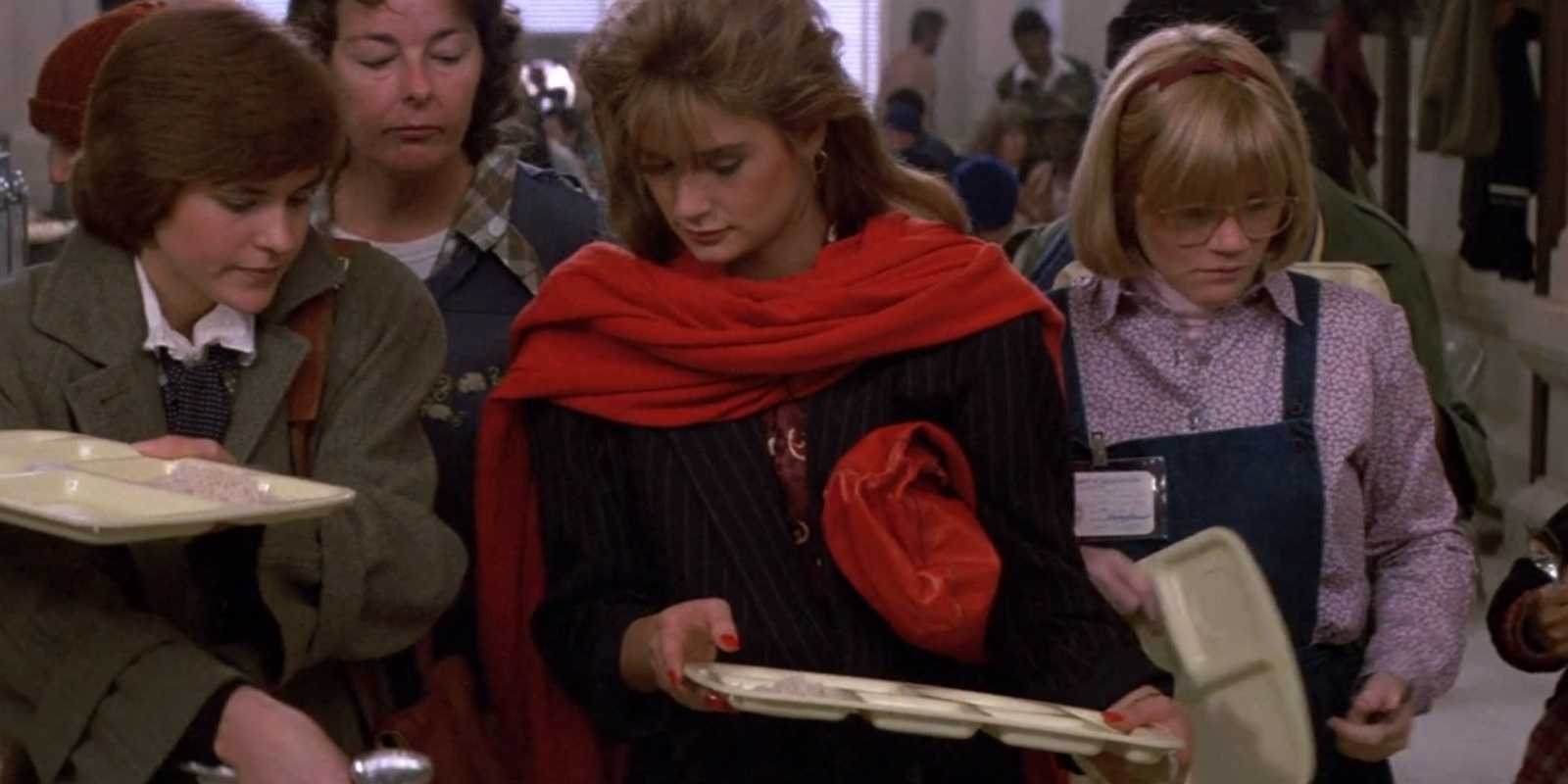

St. Elmo’s Fire doesn’t have a traditional villain, but many characters commit villainous acts, for which critics and viewers have understandably vilified them. Kirby and Dale’s subplot could have been a horror film, and St. Elmo’s Fire began with Billy getting himself and Wendy into an accident because he was drinking and driving. Alec’s connections kept Billy out of jail, and Wendy easily forgave him, but that was far from the end of his troublesome behavior.
Yet, at the end of St. Elmo’s Fire, he left all the "trouble" in his life behind, including his wife and child. He also finally slept with Wendy, with his move absolving him of the serious, monogamous relationship Wendy might have sought. Alec initially appeared to be the villain in St. Elmo’s Fire with his infidelity, arrogance, and misogyny with no signs of changing. Even after he’s confronted with truly losing Leslie, he makes her out to be a villain for sleeping with Kevin, whom he nearly kills out of jealousy.
Kevin was in the more traditional sympathetic, perhaps even heroic, role of the best friend watching the girl he loves get mistreated by a man, knowing he would never treat her that way. This narrative falls apart when considering he kept Alec's infidelity a secret and later tried to force Leslie into a relationship she didn’t want. Thus, the top Letterboxd review of St. Elmo’s Fire, made by user Kevin Clarke, calls the movie "A parade of the worst men ever."
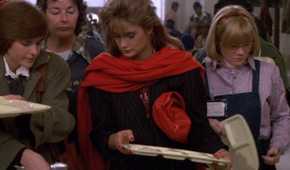
There’s no one true villain in St. Elmo’s Fire, and none of the characters were meant to be villains, but they’re far from heroes, or even sometimes just far from likable. The female characters are not absolved from criticism either. In one odd scene, Leslie and Jules went to the soup kitchen where Wendy volunteered, partially ate a free meal, and talked loudly about their privileged lives. Everyone is a spoiled brat at best at some point.
The Deeper Meaning Of St. Elmo’s Fire’s Title Explained
St. Elmo’s Fire Is A Natural Phenomenon

Much of St. Elmo's Fire takes place at the bar they frequent, St. Elmo’s. This is one dimension to the film's title, as the bar is likely named after St. Elmo’s fire, a lightning-like weather phenomenon named after St. Erasmus of Formia, or St. Elmo, the patron saint of sailors. When Billy had trouble calming Jules down towards the end of St. Elmo’s Fire, he told her,
“This isn’t real. You know what it is? It’s St. Elmo’s fire … Sailors would guide entire journeys by it, but the joke was on them, there was no fire. It wasn’t even a St. Elmo… They made it up because they thought they needed it to keep them going when times got tough, just like you're making up all of this. We're all going through this. It's our time at the edge.”
This dialogue explains the meaning of St. Elmo’s Fire’s title and delivers its message. These lines are supposed to comfort Jules and viewers who might feel like her. They’re all going through a post-college adjustment period, and though they react to it differently, it’s not easy on any of them. As Billy said, they’re at “the edge,” it’s like a cliff where you’re always scared you'll trip over the edge if you're not standing completely steady on top, but you're not standing alone. Still, the phrase "making up" when her property was seized during a mental health crisis could have been better used.
Is St. Elmo’s Fire The Post-College Version Of The Breakfast Club?
St. Elmo’s Fire & The Breakfast Club Are Considered The Ultimate Brat Pack Movies


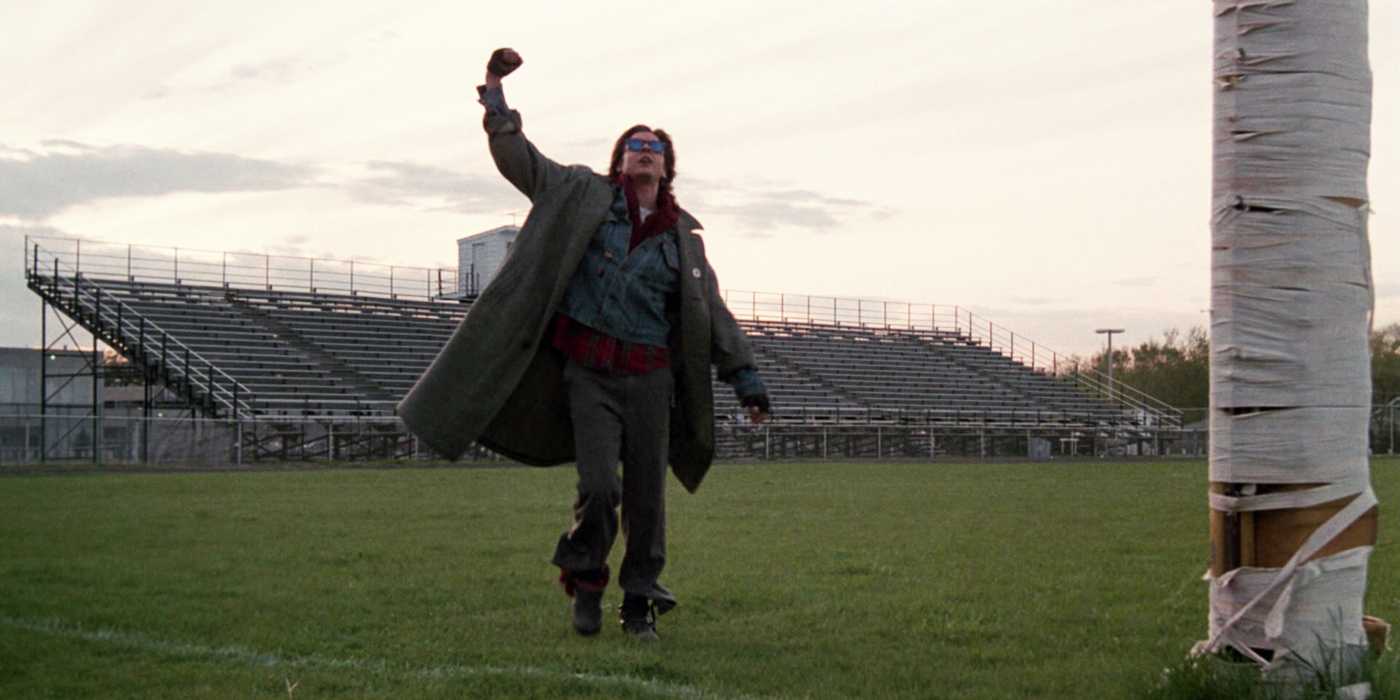
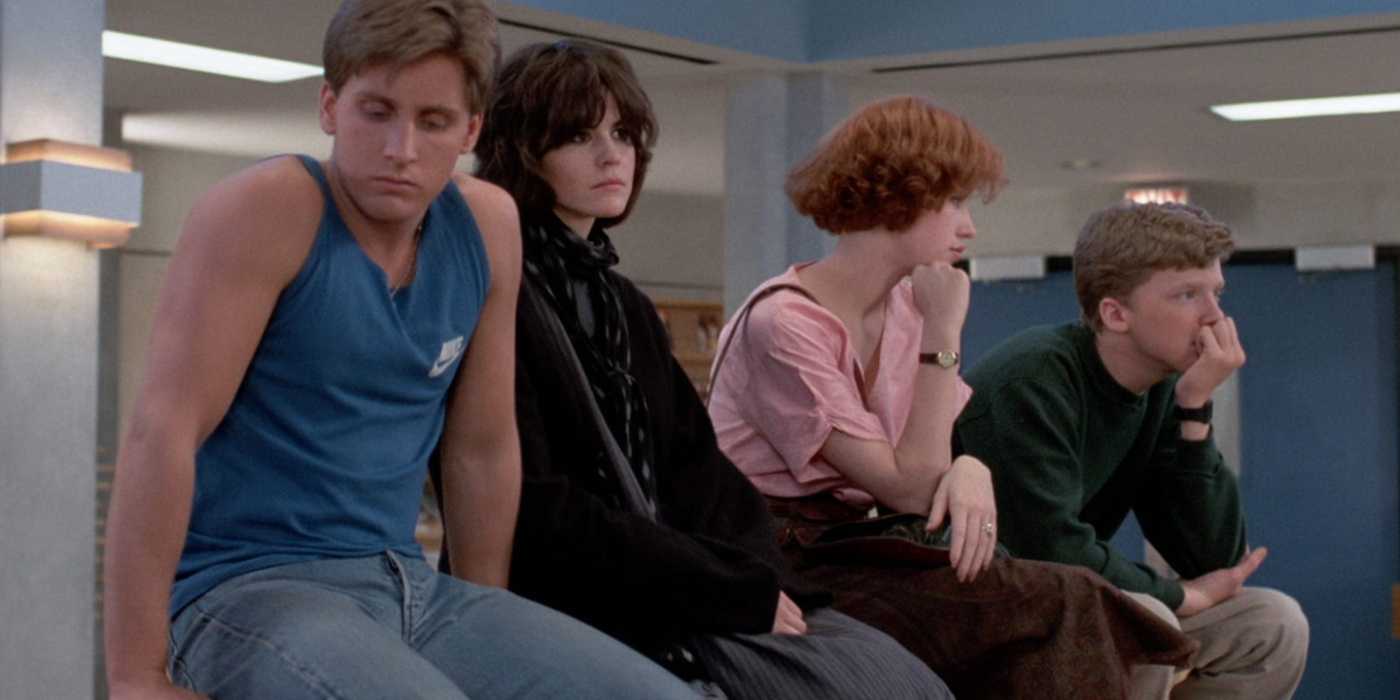
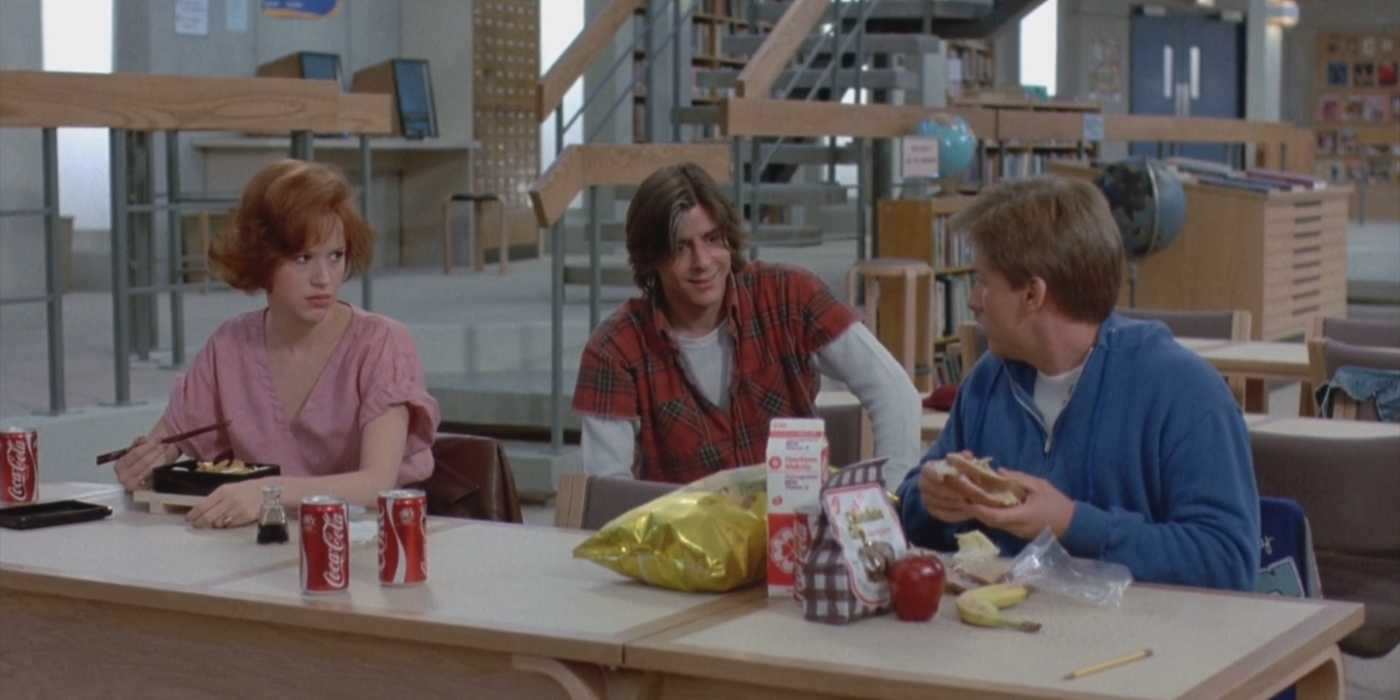
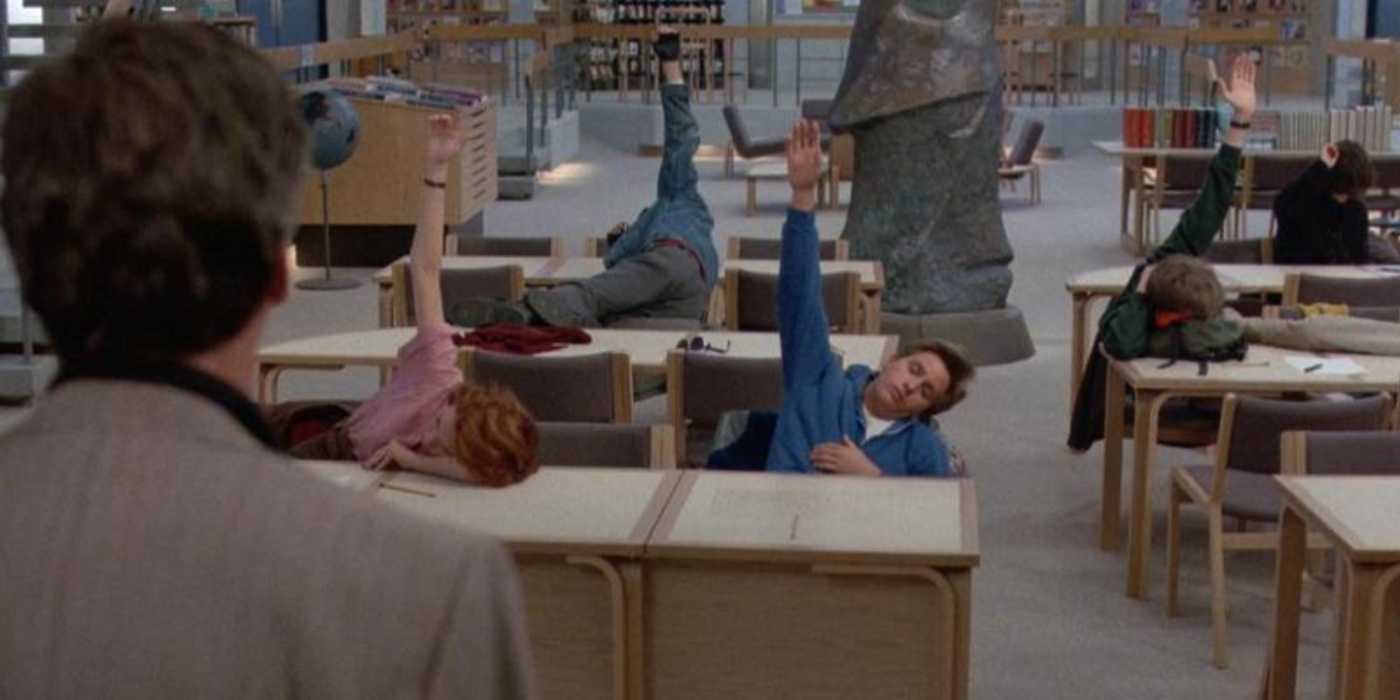
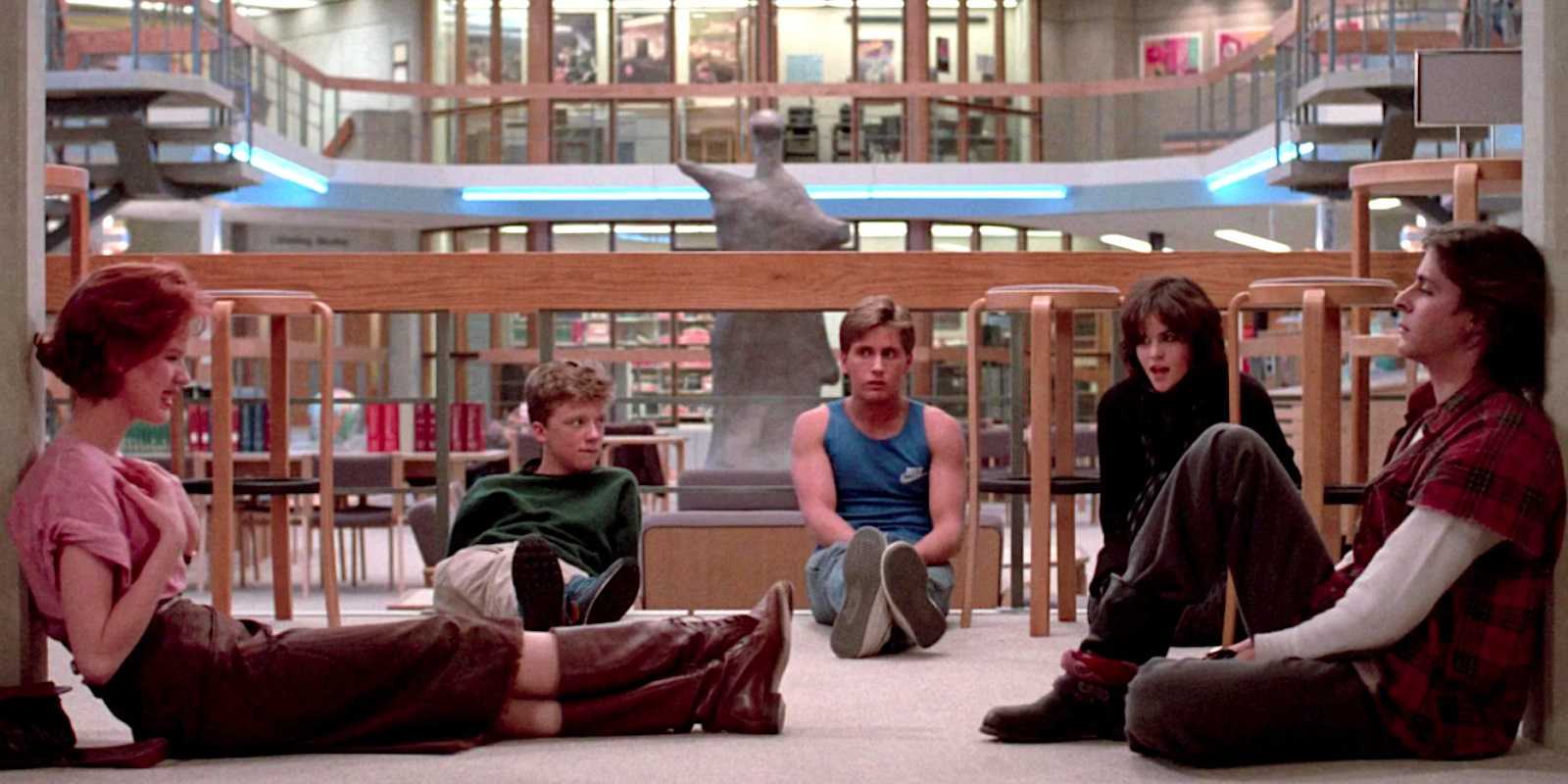
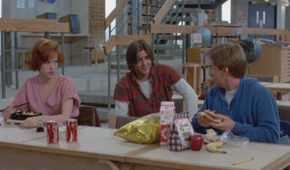
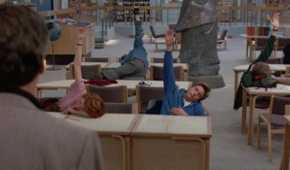

St. Elmo’s Fire came out about four months after The Breakfast Club, and the New York Magazine article came out 18 days before the release of St. Elmo’s Fire. With three stars (Andrew McCarthy, Judd Nelson, and Ally Sheedy) overlapping between them, it was, and still is, easy to group the films. They’re both coming-of-age films with talented young actors that came out in 1985 and attempted to break down stereotypes; they just dealt with different age groups.
The Breakfast Club takes place in one day, with five high school students in differing social groups and grades spending a nine-hour lunch detention together. St. Elmo’s Fire has an indeterminate timeline, but it’s set in D.C. with students four months out of college. Thus, one can easily view St. Elmo’s Fire as the “post-college version” of The Breakfast Club, especially because The Breakfast Club ends without answering whether they’ll stay friends after their intense bonding period, leaving it up to the viewer to decide.
St. Elmo’s Fire could be an example of what their friend group might have looked like if they’d stayed friends or met in college where cliques and parental and societal influence look different. Yet, many have questioned why St. Elmo’s Fire characters are friends beyond proximity. Though the actors have chemistry, their personalities can clash, like in The Breakfast Club. The films will forever be linked, but they’re not connected.
The Real Meaning Of St. Elmo’s Fire’s Ending Explained
Why The Characters Decide Not To Go To The Bar

At the end of St. Elmo’s Fire, the characters huddled together in the cold outside the bar and watched Billy board the bus to New York. This image is overlaid briefly with all seven main characters walking together after graduation. This transitioned to them walking as a group without Billy. As the image appeared and disappeared, Leslie said,
“I can't remember who met who first or who fell in love with who first. All I can remember is the seven of us always together.”
When they stopped in front of St. Elmo’s, they saw all the college kids inside and turned down Leslie’s suggestion to go inside. They have work in the morning, or they have to find work. They instead agree to Leslie’s suggestion of Sunday brunch, and Alec suggested they go to another place called Houlihan’s that wasn't “so noisy” and didn't have “so many kids.”
Here, they’re making the “grown-up decision,” just like Billy did by leaving. Yet, they’re just making a surface-level change. This is quickly shown in the final lines, as immediately after agreeing to brunch, Jules starts talking about her stepmother’s cremation bills again. They laugh and, without Billy, do their “booga-booga” group cheer. Things might look like they’re changing, but it could be St. Elmo’s fire. For better or worse, the characters in St. Elmo’s Fire are who they are, and it takes more than a couple of months from college graduation to truly grow and evolve.
Source: Letterboxd


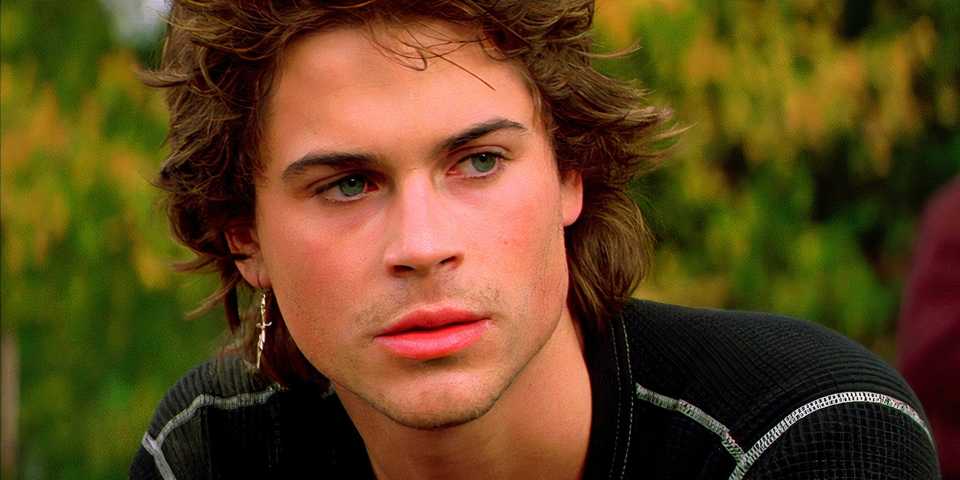
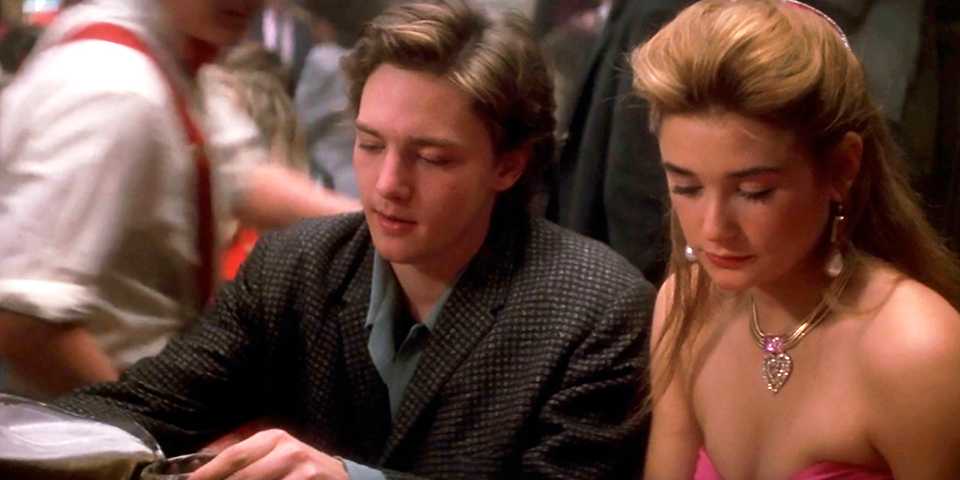


St. Elmo’s Fire (1985) follows seven recent Georgetown graduates as their close-knit friendships begin to strain under careers, romance, jealousy, and the messy transition into adulthood. Directed by Joel Schumacher and featuring a defining Brat Pack ensemble, the film became one of the signature youth dramas of the 1980s despite its initially mixed critical reception.

