


Warning! Spoilers ahead for Star Trek: The Original Series, The Next Generation, Deep Space Nine, Voyager, Discovery, and Strange New Worlds!
In Star Trek's 60-year history, these are the most impressive twists it has pulled off. From memorable episodic swerves to lore changes that upended Trek canon as fans know it, these plot turns and major reveals are the pinnacle of the franchise's ability to shock and surprise.
When Trek debuted in 1966, it was the next great sci-fi television show after The Twilight Zone, Rod Serling's notoriously twisty anthology series. Star Trek offered something different. Epic action and adventure, and a vision of the galaxy as the next great frontier for humanity. That said, it was also dramatic TV, meaning it had to hurl its own share of curveballs at the audience to keep them tuned to NBC.
Over the years, Trek has featured countless twists, small-scale and large scale. This list charts the most memorable of them all, across most of Trek's major live-action TV shows.
10 Janeway's "Counterpoint" To Being Betrayed
Star Trek: Voyager, Season 5, Episode 10 "Counterpoint"

As episodic television, Star Trek was built on a bedrock of small-scale twists and cliffhangers. This first entry stands in for all those surprise reveals and bits of narrative sleight-of-hand that Trek pulled off on a weekly basis; episodes like Voyager's "Counterpoint" might not have been lore groundbreakers like some later entries, but they are part of what makes the franchise such monumental TV.
In "Counterpoint," Janeway shelters a group of telepaths onboard Voyager in a part of the Delta Quadrant where they're persecuted. This leads to a game of wits with Kashyk, a representative of the local ruling alien species, the Devore. At first, Kashyk acts like he wants asylum too, but it's a ruse. His treachery is a twist astute viewers are likely to anticipate, but ultimately, it's only set-up for Janeway's big heroic moment at the episode's climax.
Without giving it away entirely, Janeway proves why she's Starfleet's best captain once again in "Counterpoint." Because the captain always has to be one step ahead of everyone else, and in this episode, Janeway confirmed she's more like 2-3 steps ahead.
9 Captain Braxton Goes Through Hard Times
Star Trek: Voyager, Season 5, Episode 24, "Relativity"

Later in Season 5, Voyager served up another all-time memorable episodic twist with "Relativity." The episode, and it's big swerve, rely on guest star Bruce McGill, who took over as the character Captain Braxton from the classic Season 3 two-parter "Future's End." Originally portrayed by actor Allan G. Royal, Braxton was a member of the 29th century Temporal Integrity Commission. Essentially, Trek's version of a Timecop.
In "Relativity," McGill's version of Braxton comes back to the 24th century to help Seven of Nine prevent Voyager's destruction by a bomb. Things get even more complicated, though, when it turns out that another Braxton, from even farther in the future, is the one responsible for the plot to blow up Voyager.
It's a dark turn for the character, one that is even more resonant because of Braxton's existing relationship with Voyager, which ends on a sour note. "Relativity" is also one of Star Trek's best time travel twists, using temporal tricks it to subvert viewers' expectations and lead to a classic pay-off.
8 The Alternate History Of Captain Pike's Accident
Star Trek: Strange New Worlds, Season 1, Episode 10 "A Quality Of Mercy"


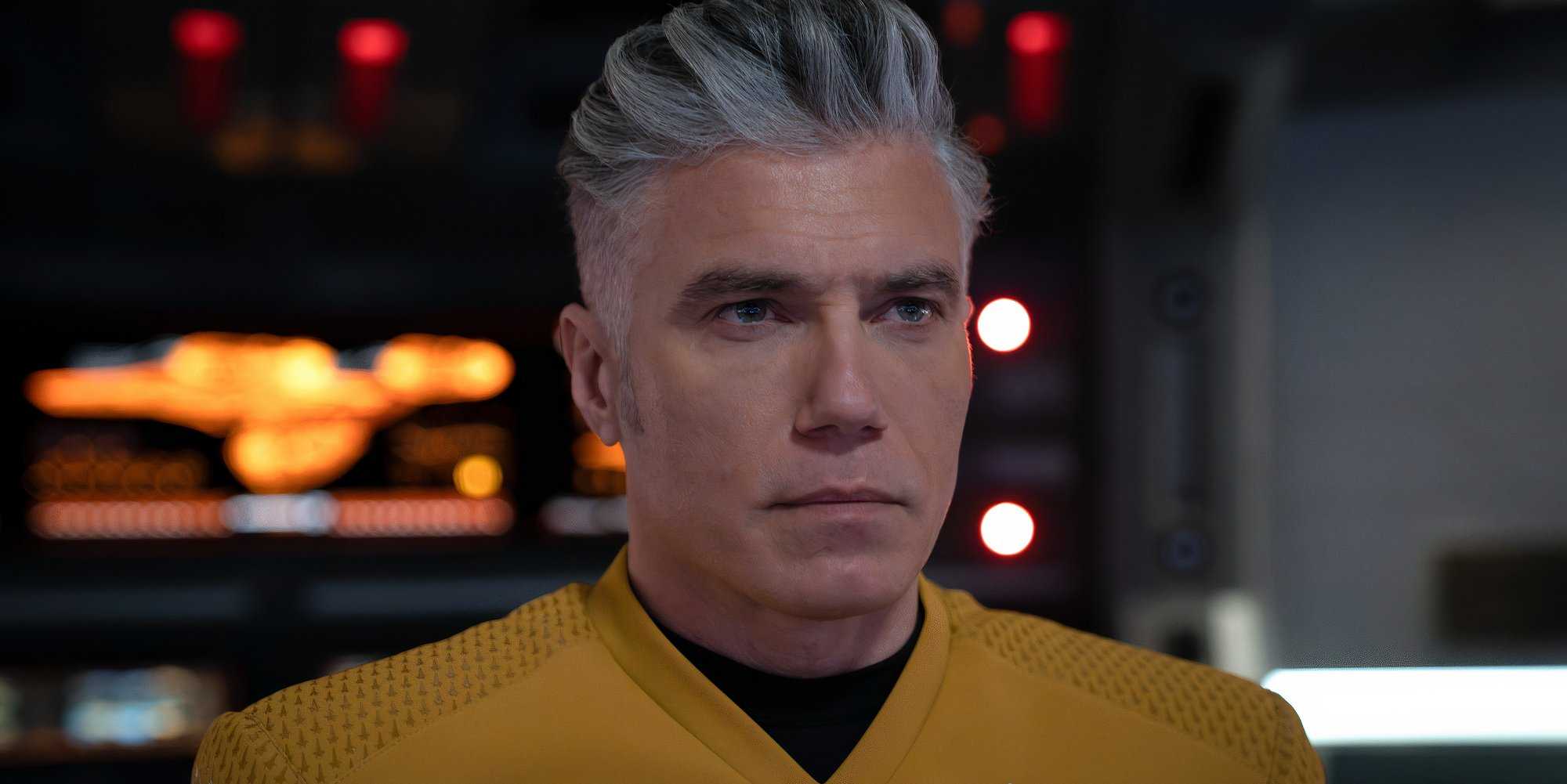
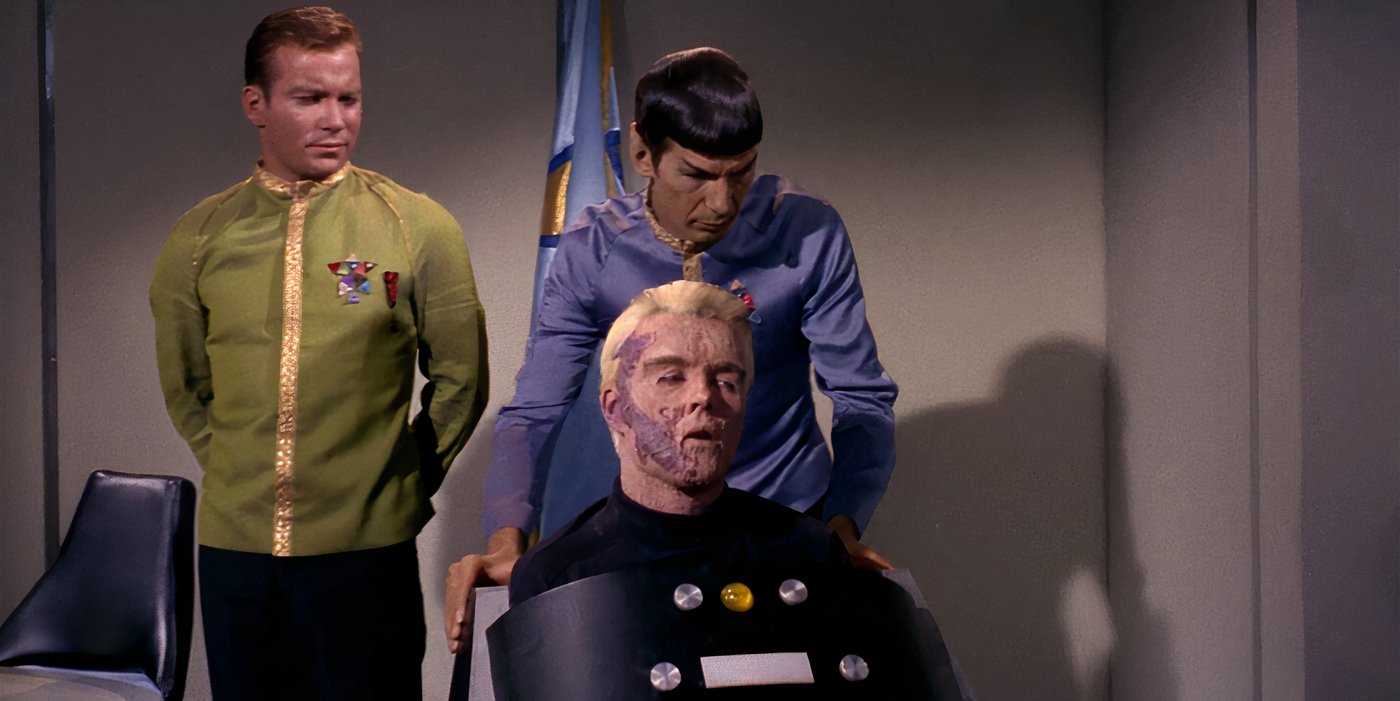
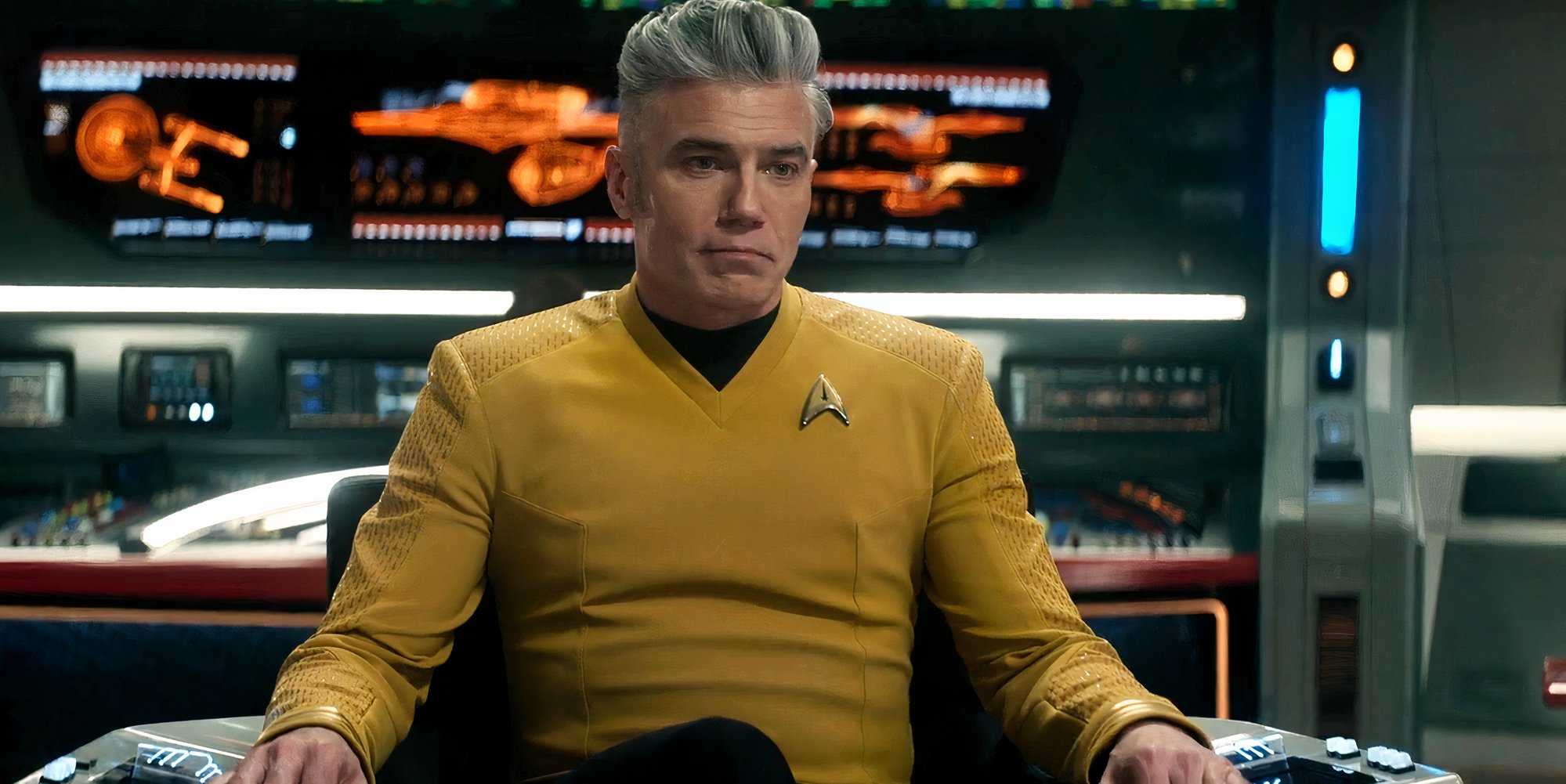
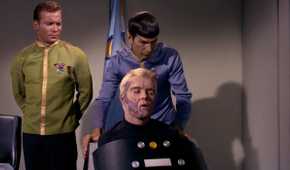
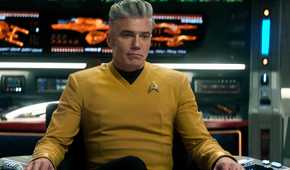
Captain Pike has a complicated Star Trek history, both on screen and behind-the-scenes. Pike was Trek's original protagonist and the Enterprise's captain. But when the first pilot for The Original Series, "The Cage," was rejected by NBC, actor Jeffery Hunter bailed on the series and was replaced by William Shatner as James T. Kirk. Footage from "The Cage" was later repurposed into "The Menagerie," which turned Pike into a tragic figure.
That was in 1966. Fastforward 56 years to Star Trek: Strange New Worlds, which brought Pike's arc full circle. The prequel series charts his tenure as the Enterprise's captain, and a pivotal plot point in Season 1 was that Pike knows his fate. This twist on established Trek lore was established in the Star Trek: Discovery episode "In the Valley of Shadows." Strange New Worlds' Season 1 finale, "A Quality of Mercy," was the spectacular pay-off for that canon change.
In the episode, Pike confronts the alternate timeline that would result if his injuries from "The Menagerie" didn't occur. It's bleak. And despite the temptation to save himself, Christopher Pike secures himself a seat at the table with Star Trek's other great captains by deciding to move forward toward his destiny to ensure a better tomorrow.
7 Captain Lorca's True Identity Is Discovered
Star Trek: Discovery, Season 1, Episode 12, "Vaulting Ambition"

Star Trek: Discovery was the first Trek show of the modern era. The first in 12 years, since Enterprise went off the air. It was a messy, ambitious television series, which tried to weld classic Trek elements onto the Prestige TV model. Fans had their eyes on Jason Isaacs as Captain Gabriel Lorca from the start of Discovery. He was too recognizable, and too good at playing bad, to be just another stalwart Starfleet commander.
And those early predictions proved to be spot on. Discovery's Season 1 episode "Vaulting Ambition" revealed that Lorca was an escapee from the dangerous alternate timeline known as the Mirror Universe. Where was original Lorca? Presumably dead, though he does remain a dangling Trek plot thread.
Unfortunately, Mirror Lorca was also dispatched before Discovery finished its inaugural season, before Isaacs could make the most of the role. But as far as surprises goes, even if some viewers anticipated something deeper to the character, Lorca's Mirror Universe origins were a great reveal.
6 Sisko Makes Hard Choices In One Of Trek's Best Episodes
Star Trek: Deep Space Nine, Season 6, Episode 19, "In The Pale Moonlight"

"In the Pale Moonlight" is often held up as the pinnacle of Deep Space Nine, and it appears high on most "best episode" lists for Trek. (See where Screen Rank ranked it, for example.) And rightly so. It's a perfect example of Trek as a medium for other genres. In this case, an espionage thriller.
"In the Pale Moonlight" is framed as a monologue by Captain Sisko, speaking to his personal log after a harrowing few days in the midst of the Dominion War. If you know the episode, you know the story. If you don't, the particulars are too good to spoil. Go watch it. The episode forces Sisko to make hard choice after hard choice, losing personal moral battles to help with the war for the Federation.
And it caps off an astounding performance by Avery Brooks with a pitch-perfect moment, one more choice for Sisko, that seals its greatness. Star Trek: Deep Space Nine might still be Trek's most underrated show, but "In the Pale Moonlight" and its twists and turns rightly get their due.
5 Enterprise's Early Earth/Romulan Encounter
Enterprise, Season 4, Episode 12, "Babel One"

The fifth Trek show, Enterprise, was the franchise's first major prequel. It took viewers back to the Enterprise NX-01, the first starship to bear the name. But while space was supposed to be a wild, uncharted frontier for humanity at this point in Star Trek history, its writers had to navigate the polar opposite problem: lots of existing Trek lore.
The Season 4 episode "Babel One" is one of Enterprise's best moments. The temptation to use the Romulans in an episode proved too great to pass up, but that presented a problem. It is concrete lore, established by The Original Series episode "Balance of Terror," that humanity and Romulans have never made visual contact up to that point. (We'll get to that classic episode shortly.) "Babel One" finds a simple, but brilliant workaround. Essentially, a Romulan drone.
The Romulan ship the NX-01 encounters is remotely piloted. Viewers get to see its Romulan handlers, but the Enterprise crew doesn't. But what sells it as great is how satisfying the reveal is when "Babel One" plays its hand.
4 The "Conspiracy" At The Heart Of Starfleet Is Revealed
Star Trek: The Next Generation, Season 1, Episode 25, "Conspiracy"


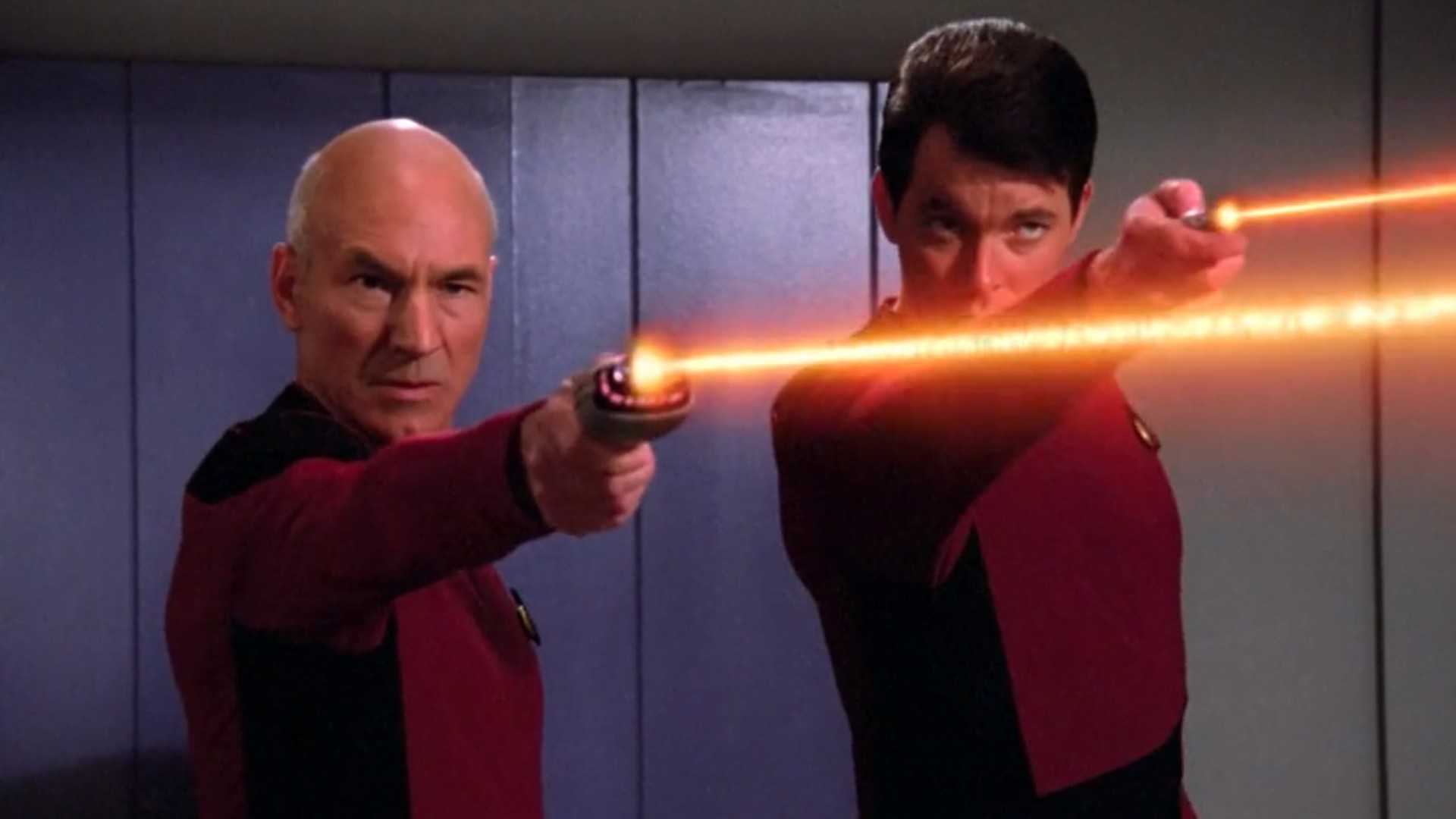
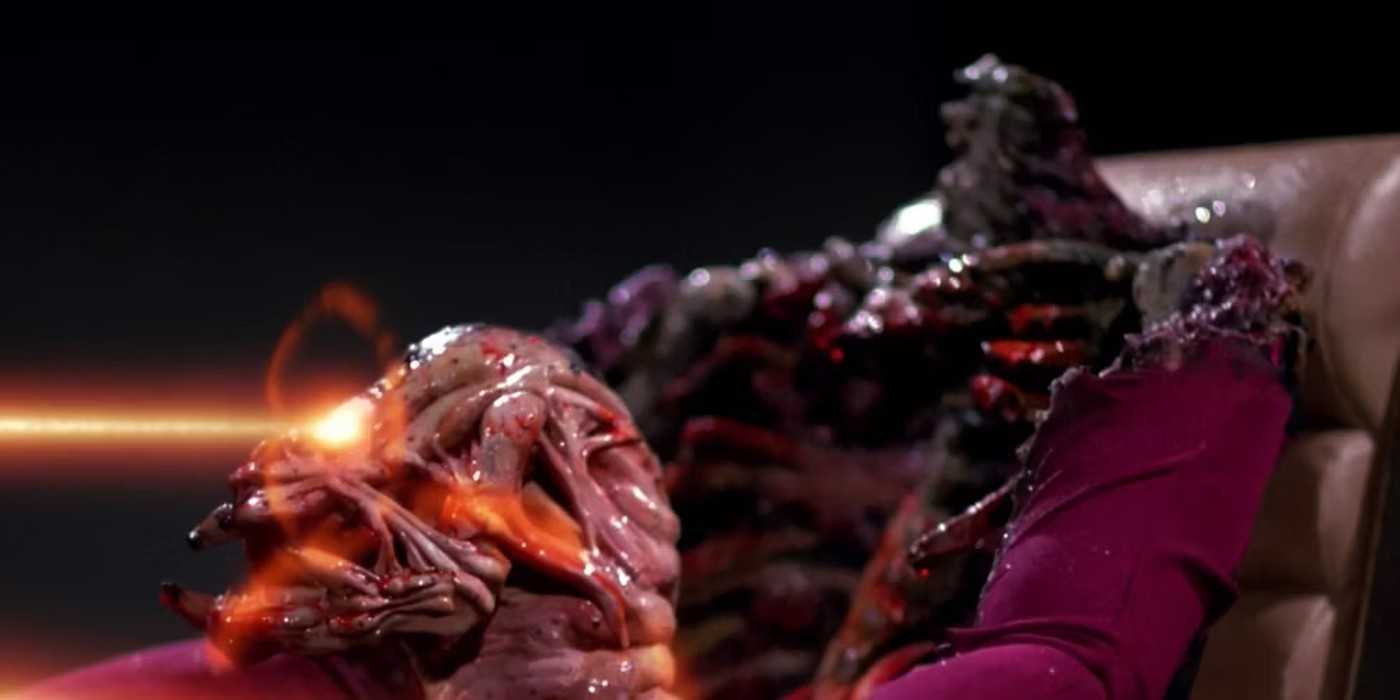
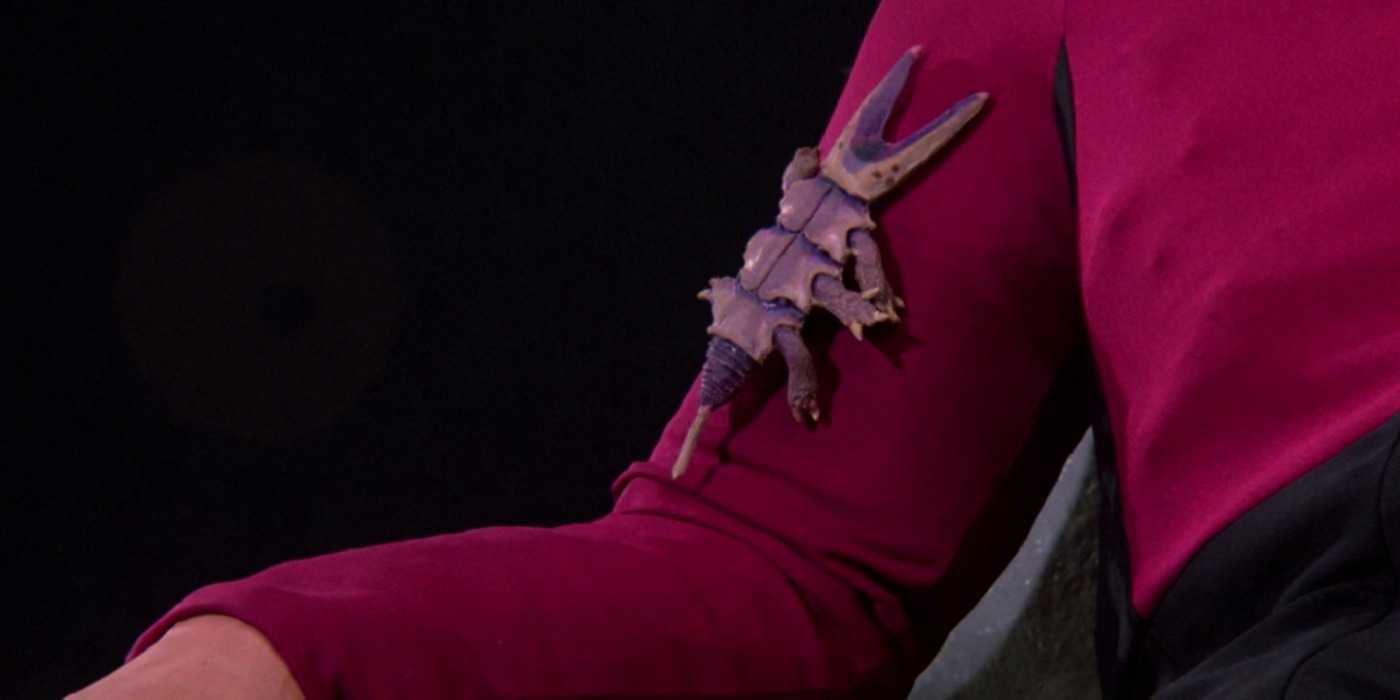
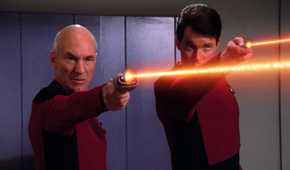
"Conspiracy" is one of Star Trek's wildest episode. It goes full Alan Pakula paranoid thriller, and full David Cronenberg body horror at the same time. It's also wild because it uncovers a vast alien conspiracy within Starfleet, which is defeated by Picard and the Enterprise crew, and then never mention again in Star Trek: The Next Generation. (Though subsequent Trek comics and books have followed through on the plotline.)
That was a product of '80s episodic TV thinking, but nearly 40 years later, it feels like a huge missed opportunity for a recurring villain. In fact, the parasitic aliens from "Conspiracy" were reportedly the early pitch for the Borg, before they were reconceptualized as the techno-organic collective Trek fans know and love.
Still, the huge reveal in "Conspiracy" stands as one of Star Trek's most intense turns. Though The Next Generation infamously got off to a rocky start, by the end of the first season, it delivered one of its most unforgettably thrilling episodes with "Conspiracy."
3 The Next Generation Complicates Tasha Yar's Legacy
Introduced In TNG Season 4, Episode 24, "The Mind's Eye"

It was a shock when Star Trek: The Next Generation killed off Denise Crosby's character Tasha Yar late in the show's first season, but not exactly a plot twist. Behind-the-scenes, Crosby was unhappy on the series, and asked to be let go. It was more of a twist when Crosby reprised her role as Yar for the Season 3 episode "Yesterday's Enterprise," but it was seemingly a one-off.
The major twist came late in TNG Season 4, when Crosby popped back up again, this time playing Yar's half-Romulan daughter, Sela. The character's very existence was the dark butterfly effect resulting from Crosby's decision to leave the show in the first place, and then, the ending of "Yesterday's Enterprise," which sent Tasha Yar back in time alive.
Sela never fully amounted to the A-list Star Trek villain she had the potential to be, but her debut alone still holds up as a peak jaw-dropping Trek moment.
2 Deep Space Nine Uncovers Dr. Bashir's Dominion Doppleganger
Star Trek: Deep Space Nine, Season 5, Episode 14, "In Purgatory's Shadow"

For the penultimate twists on our list, we return to the darkest days of the Dominion War, as depicted in Star Trek: Deep Space Nine. An earlier DS9 gamechanger had been the revelation that the antagonistic Dominion's rulers, the Founders, were shapeshifters, like DS9's security chief, Odo. That was a dramatic "Chekov's gun" that the series inevitably had to fire.
That is, Deep Space Nine introduced the idea that the Federation's enemies could, and had, infiltrated it and Starfleet. The Season 5 episode "In Purgatory's Shadow" spectacularly paid this off, when Worf and Garak find Dr. Julian Bashir among the population at a Dominion prisoner of war camp.
DS9 resolved the Bashir dupe storyline in the next episode, "By Inferno's Light." Perhaps a little too quickly for some fans' tastes. But as a singular moment, when the real Bashir appears on screen in "In Purgatory's Shadow," the episode, and that scene, have few equals.
1 The Vulcan-Romulan Connection, An Early Gamechanging Swerve
Star Trek: The Original Series, Season 1, Episode 14, "Balance Of Terror"


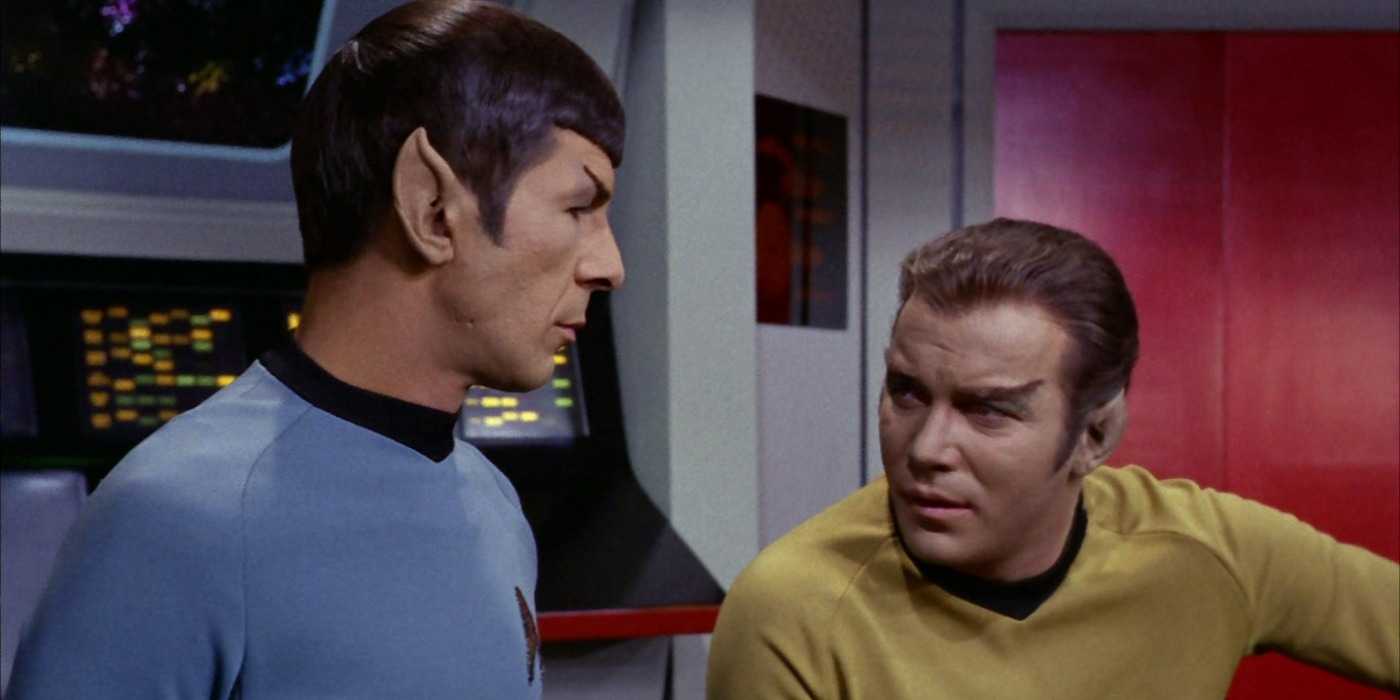
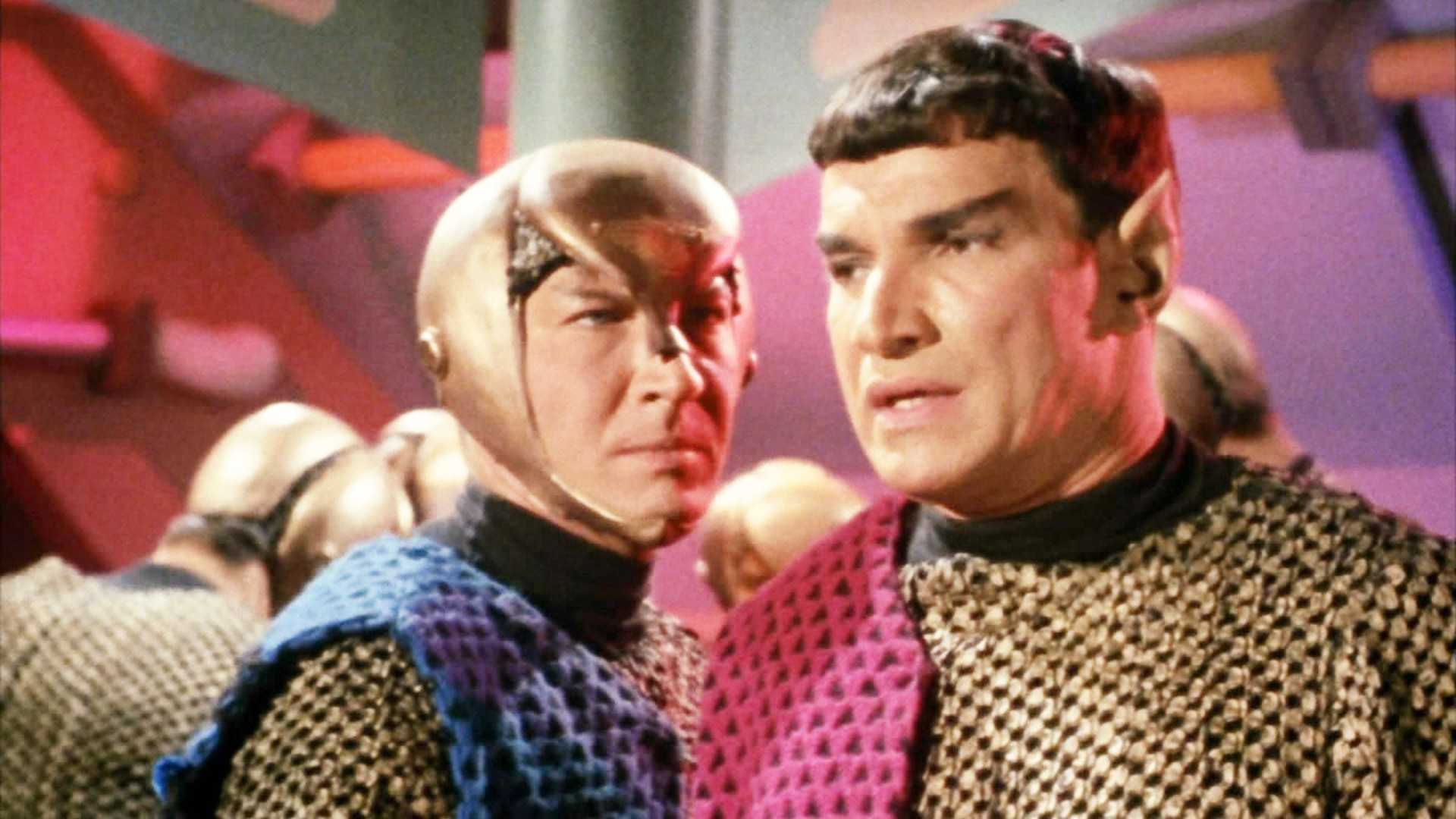
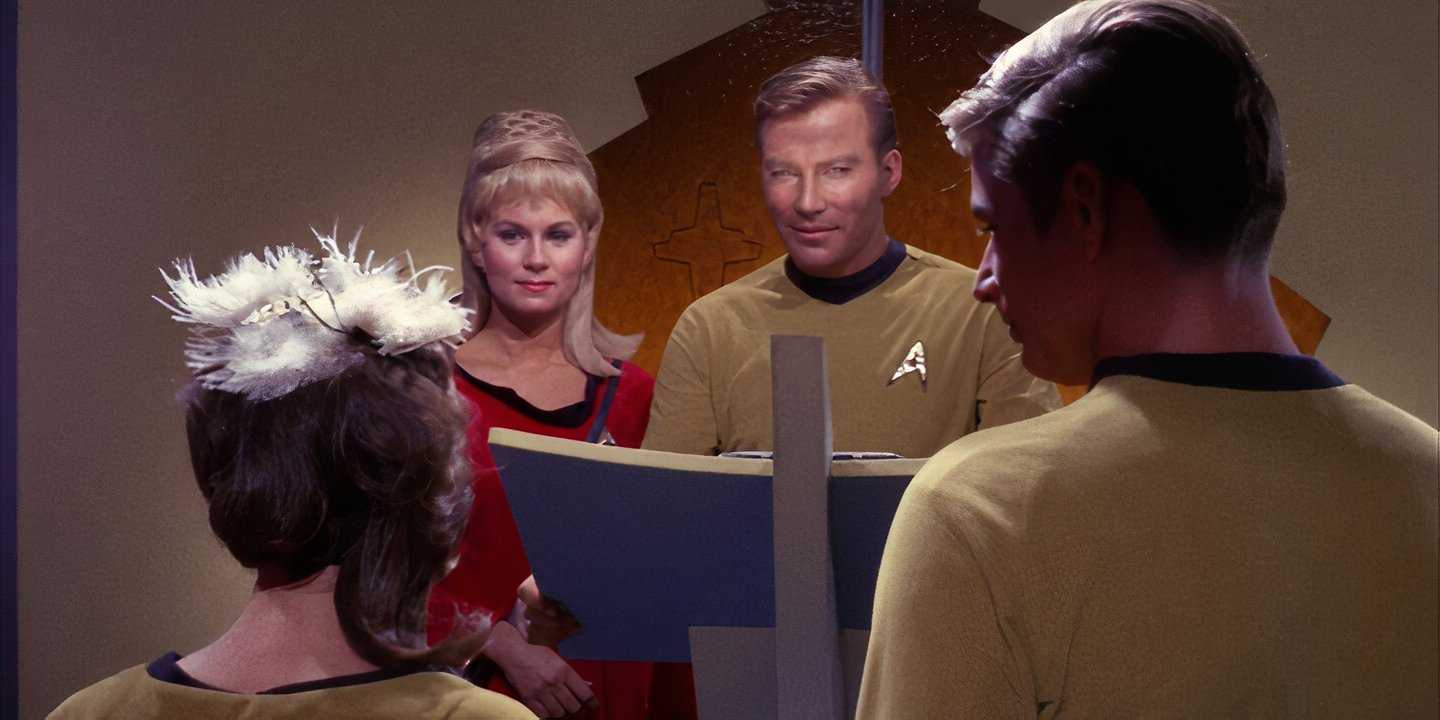
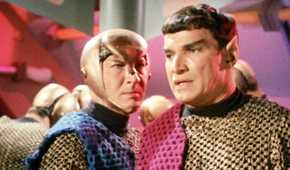
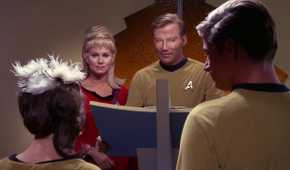
The Original Series episode "Balance of Terror" introduced major recurring foes, the Romulans, and it did it with a twist that changed what early Star Trek fans thought they knew about Spock and his people, the Vulcans. Again, if the parameter is a single moment of television that upends viewers' expectations completely and has them jump out of their seats, there's nothing like "Balance of Terror."
Specifically, the moment the Romulans first appear on-screen, and the crew of the Enterprise's reactions when they see a face that looks like Spock's staring back at them. It's melodramatic '60s TV, and OG Trek, at its apex. It's a moment that arguably elevated the art of the big episodic TV twist.
And it set the standard for Trek twists, still proving hard to top 60 years later. "Balance of Terror" is approaching its 60th anniversary this December, meaning it's the perfect time to rewatch the episode, or watch it for the first time, and pretend you don't know Star Trek's biggest Original Series twist is coming.
Sound off, Trek fans. What big twists did we omit? What's your personal ranking of biggest Trek twists and reveals?
- Created by
- Gene Roddenberry
- First Film
- Star Trek: The Motion Picture
- First TV Show
- Star Trek: The Original Series
- First Episode Air Date
- September 8, 1966
- Cast
- William Shatner, Leonard Nimoy, George Takei, Nichelle Nichols, Deforest Kelley, James Doohan, Walter Koenig, Jonathan Frakes, Patrick Stewart, Michael Dorn, Marina Sirtis, Gates McFadden, Brent Spiner, LeVar Burton, Wil Wheaton, Avery Brooks, Nana Visitor, Rene Auberjonois, Alexander Siddig, Cirroc Lofton, Armin Shimerman, Colm Meaney, Terry Farrell, Kate Mulgrew, Robert Beltran, Roxann Dawson, Jeri Ryan, Robert Duncan McNeill, Robert Picardo, Ethan Phillips, Garrett Wang, Jolene Blalock, Connor Trinneer, Dominic Keating, Scott Bakula, Linda Park, John Billingsley, Anthony Montgomery, Chris Pine, Zachary Quinto, Simon Pegg, Zoe Saldana, Karl Urban, John Cho, Chris Hemsworth, Benedict Cumberbatch, Anton Yelchin, Idris Elba, Sonequa Martin-Green, Mary Wiseman, Doug Jones, Anthony Rapp, Wilson Cruz, Oyin Oladejo, Emily Coutts, Jess Bush, Christina Chong, Anson Mount, Ethan Peck, Rebecca Romijn, Michelle Yeoh
- TV Show(s)
- Star Trek: The Original Series, Star Trek: The Animated Series, Star Trek: The Next Generation, Star Trek: Deep Space Nine, Star Trek: Voyager, Star Trek: Enterprise, Star Trek: Discovery, Star Trek: Short Treks, Star Trek: Picard, Star Trek Lower Decks, Star Trek: Prodigy, Star Trek: Strange New Worlds, Star Trek: Starfleet Academy
Star Trek is one of pop culture's biggest multimedia franchises, spanning multiple movies, TV shows, books, comics, video games, and various other media. The franchise was created by Gene Roddenberry and started with the 1960s TV series starring William Shatner and Leonard Nimoy. Over the decades, several equally popular series have come out since as Star Trek: The Next Generation and Star Trek: Discovery.
