


Andor intentionally avoided a focus on the Jedi or the Force, and that absence was perfectly set up by A New Hope nearly 50 years ago. From the beginning, Star Wars movies and TV shows have heavily centered on the story of the Jedi. Even more recent shows that deviated from the norm in various ways, such as Star Wars: The Bad Batch, still felt linked to the Jedi; in this case, because the clone troopers had worked so closely with the Jedi and were haunted by Order 66.
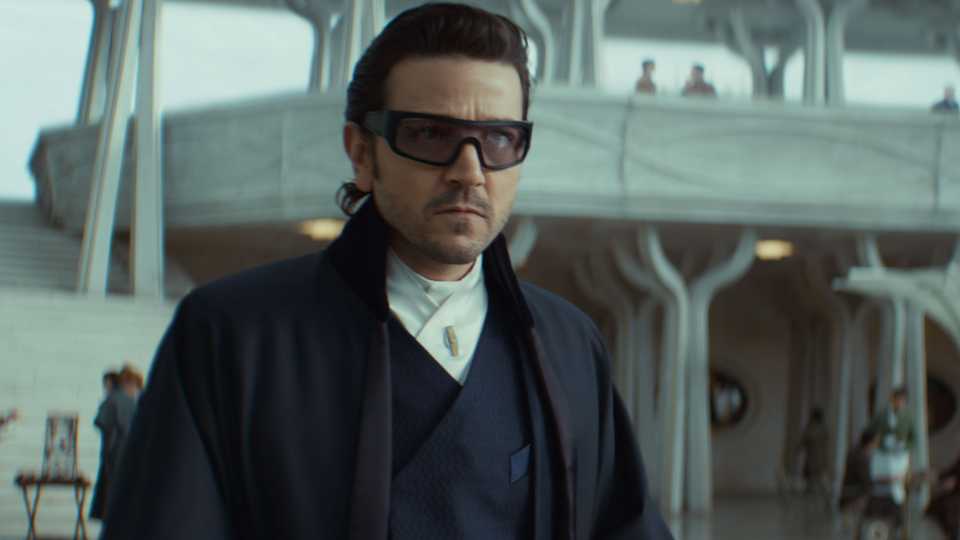
Yet, Andor really did stick to a story separate from the Sith, the Jedi, and the Force. Palpatine, though mentioned at multiple points (and whose presence was obviously felt given the atrocities of the Empire shown throughout the show), was never even shown on screen. This choice was more than just a way for Andor to set itself apart, though. Instead, the absence of the Force in Andor actually reinforces an essential truth about the galaxy that was set up 48 years ago in A New Hope.
Tony Gilroy's Explanation Makes Perfect Sense
Gilroy Offers The Perfect Reminder That The Galaxy Is So Much Bigger Than The Jedi

Andor was meant to feel like something truly new in Star Wars, which I feel strongly the show ultimately accomplished, but this doesn't mean the Jedi and the Force were absent in Andor solely for originality's sake. As Andor showrunner Tony Gilroy explained, the absence of the Force in Andor serves as a reminder that the galaxy is so much bigger than the Jedi and the "royal family" of Star Wars, the Skywalker family. Per Star Wars Holocron on X, Gilroy explained:
“How many people in that galaxy of all the billions of beings know of the Force? Nobody. How many have seen a lightsaber? Probably very few. How many know the royal family that you’ve been making the movies about? Nobody.”
Because of how familiar Star Wars audiences are with the Skywalkers, the Jedi, and the Force after decades of movies and shows about them, it's difficult to remember that the galaxy is so much bigger than just these people and these concepts. Yes, the Jedi were peacekeepers in the galaxy, but even in the prequel trilogy, those numbers were small when compared against the billions of beings in the galaxy, some of whom were quite a long way from the core worlds.
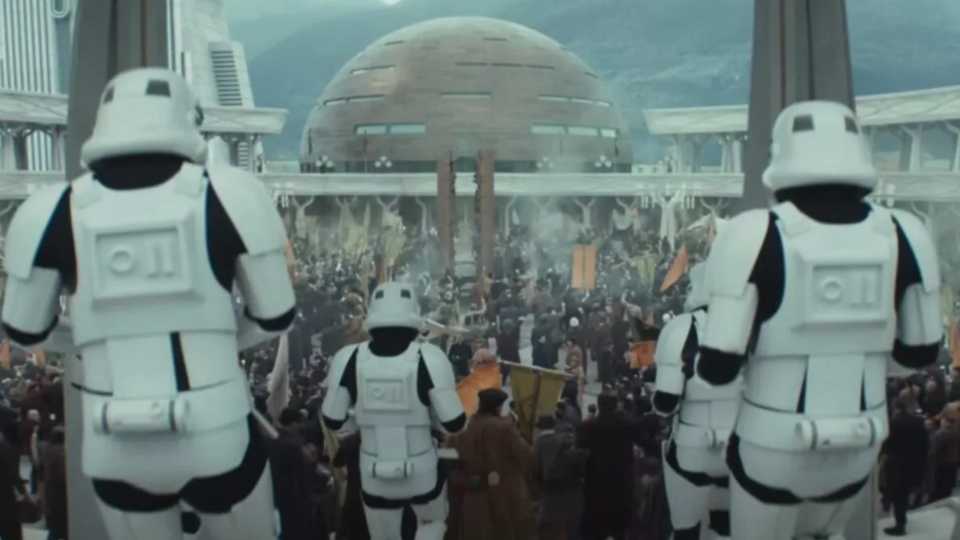
Given how dedicated Gilroy was to representing the effect the Empire had on the everyday people living under Imperial rule, it makes perfect sense that the Jedi and the Force wouldn't be well-known or a focus in Andor. This is particularly true after the near eradication of the Jedi during Order 66, even though some of those Jedi did survive and were connected in varying degrees to the Rebel cause. In addition to Order 66 itself, though, this absence in Andor also reflects another successful ploy by Palpatine.
The Empire Had Successfully Erased All Knowledge Of The Force
Palpatine Didn't Just Want To Kill The Jedi; He Wanted To Remove Any Memory Of Them


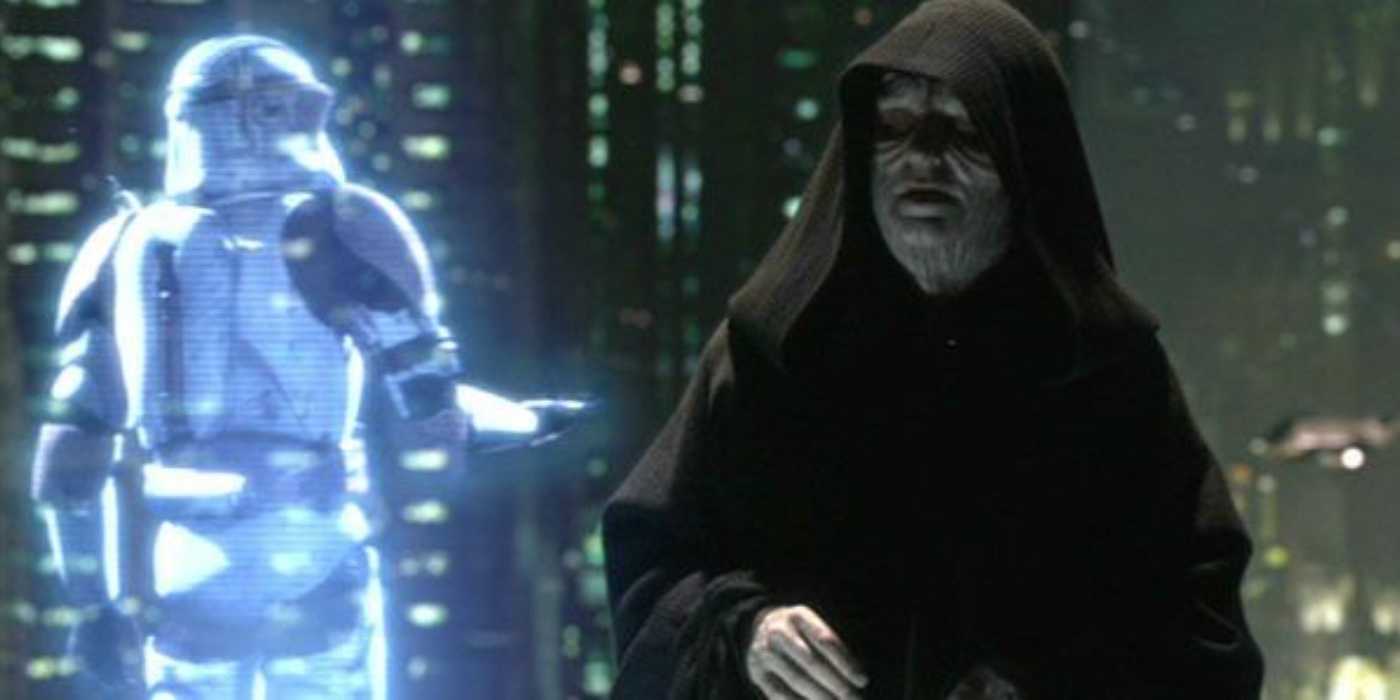
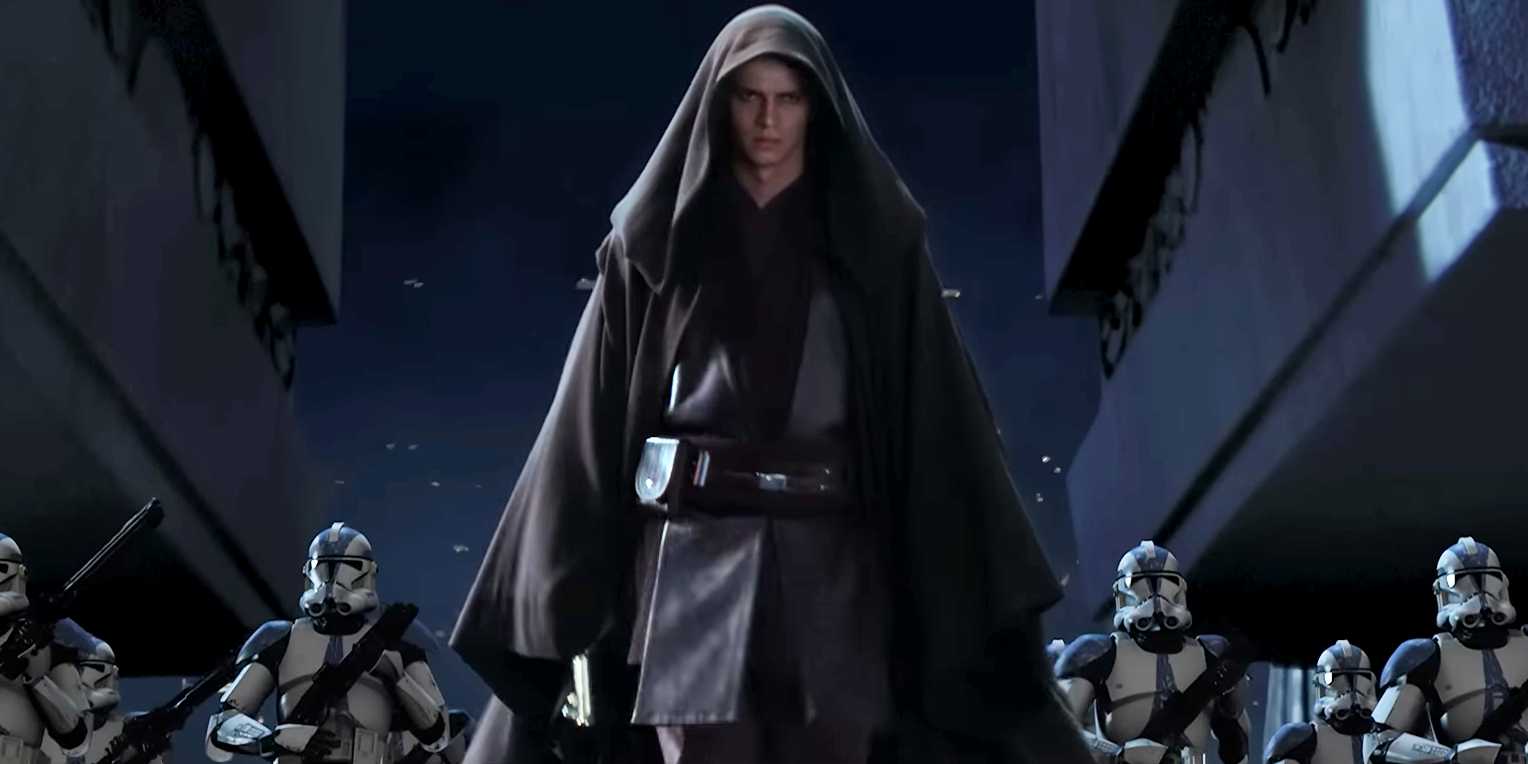
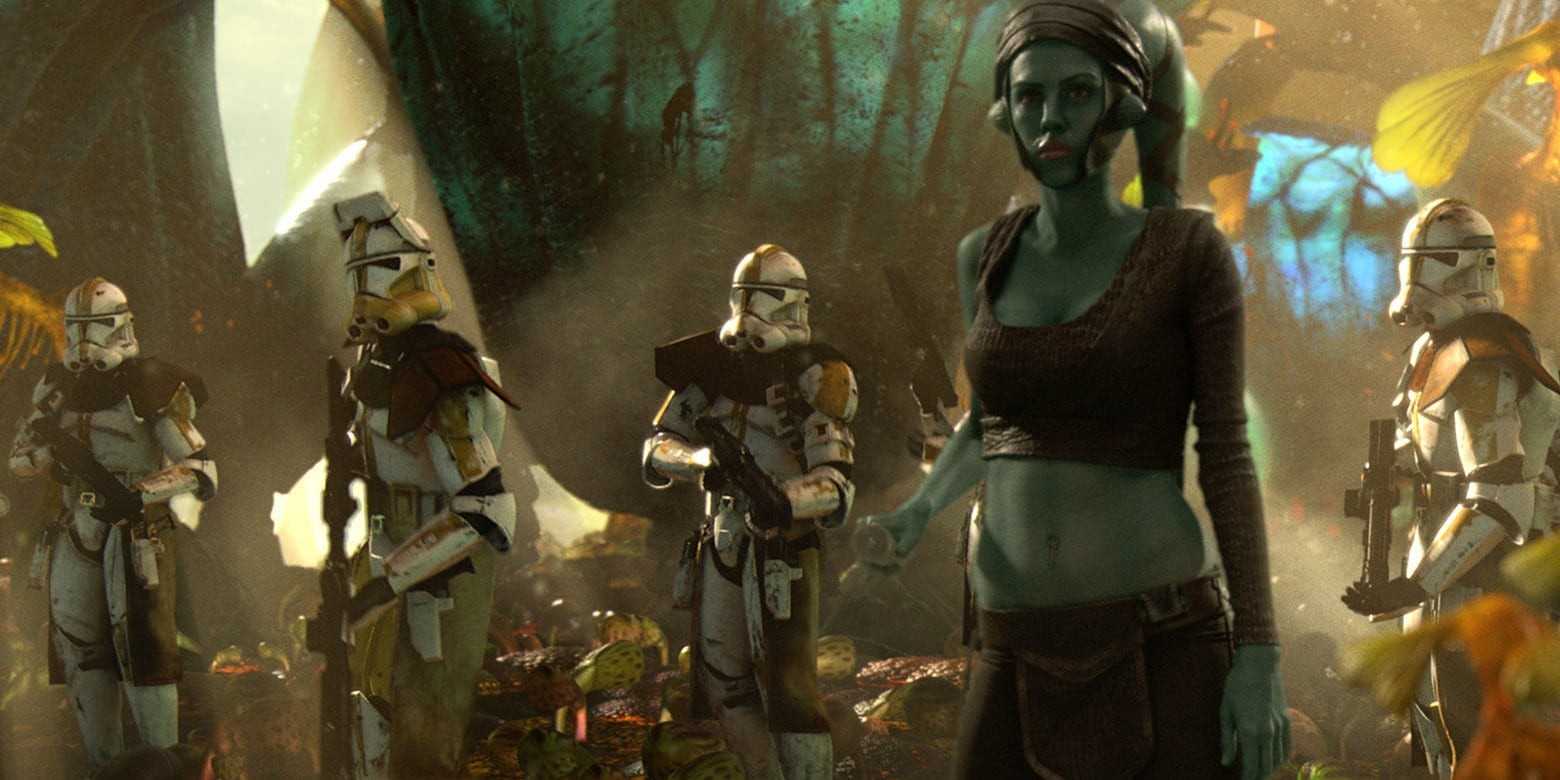
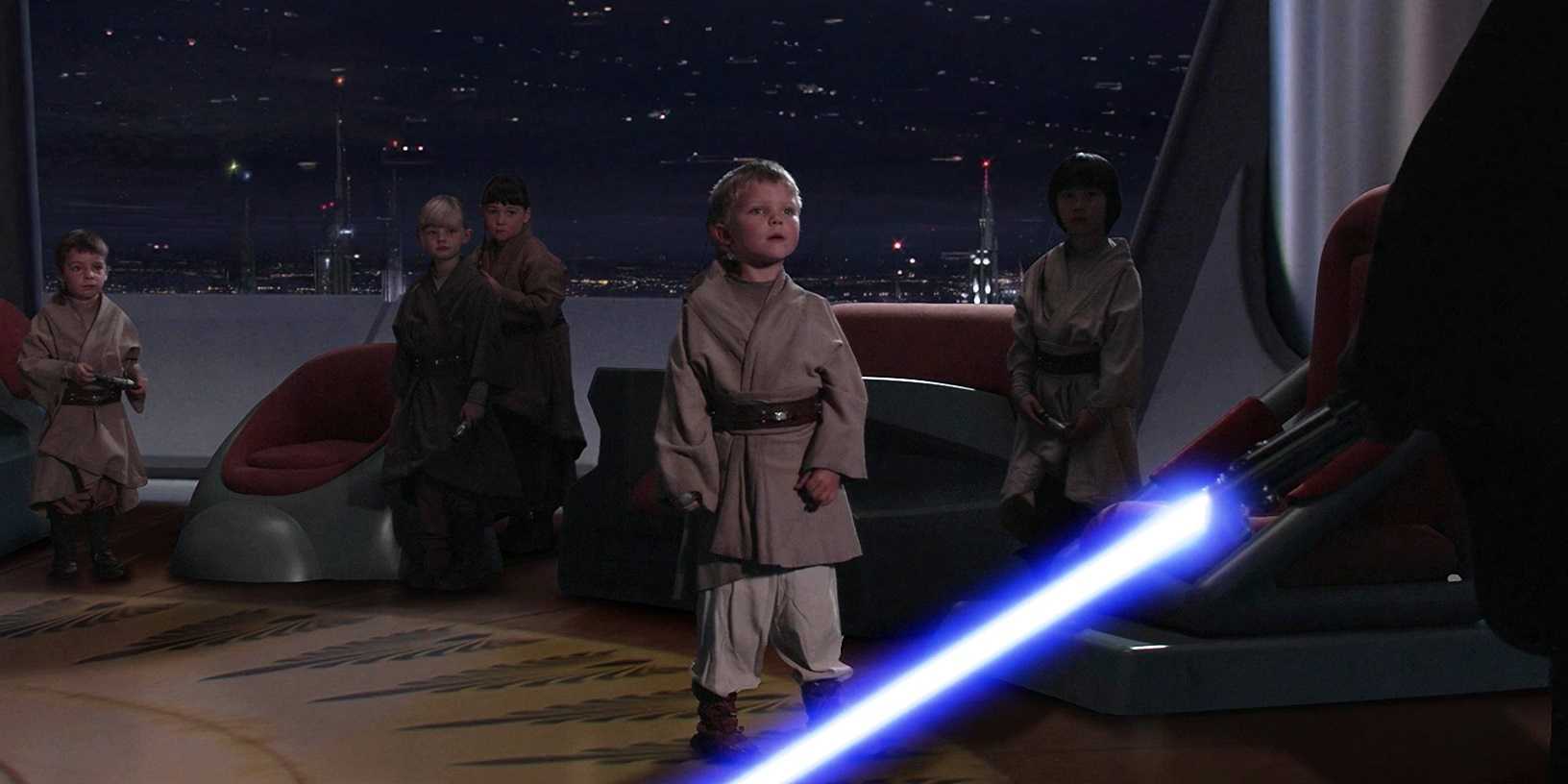
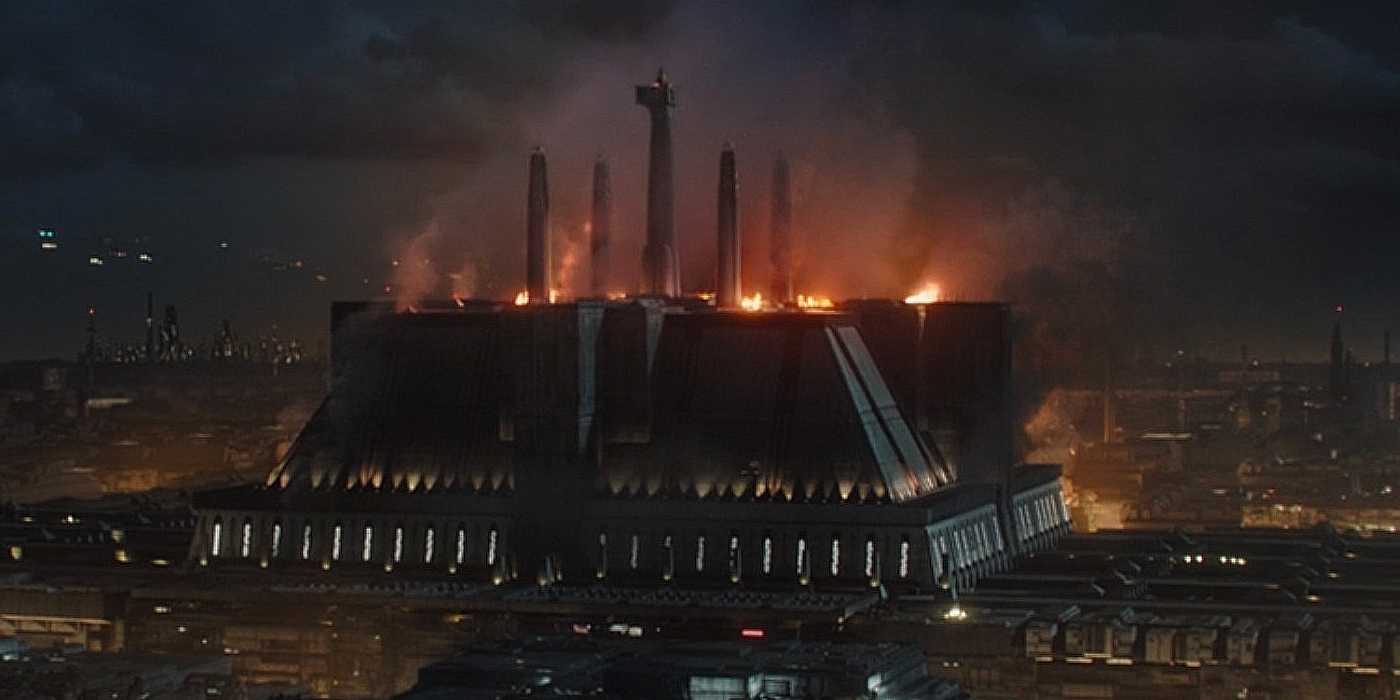

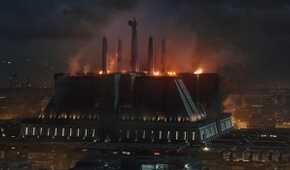
Even at the height of the Jedi Order, there were still only around 10,000 Jedi. That's considerably more than after Order 66, of course, but it's still conceivable, based on that number, that the Jedi and the Force wouldn't be known throughout every corner of the galaxy. In fact, shows like The Acolyte revealed that the Jedi were withdrawing more and more from the galaxy, making them even less known. If this was true even before the fall of the Jedi Order, then it only became that much more so once Palpatine took control.
The Jedi were withdrawing more and more from the galaxy, making them even less known.
Palpatine wasn't only trying to kill the Jedi; he was trying to rid them from the galaxy's memory. Hope, as the original Star Wars trilogy proved and shows like Andor further solidified, was too dangerous a weapon against Palpatine and his Empire. If the Jedi and the light side of the Force were better known, it would only give people hope that some day he could be overthrown. Interestingly, this focus on squashing the history of the Jedi was proven effective not only with Cassian Andor but also with one of Star Wars' best characters from the original trilogy.
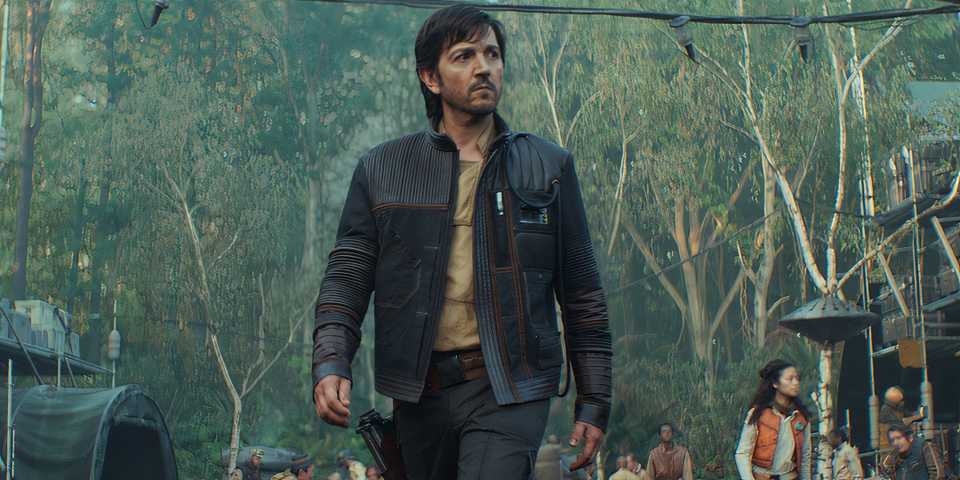
Cassian Andor Shared Han Solo's Skepticism
Cassian, Like Han, Wasn't Even Sure The Force Was Real

Image via Disney+
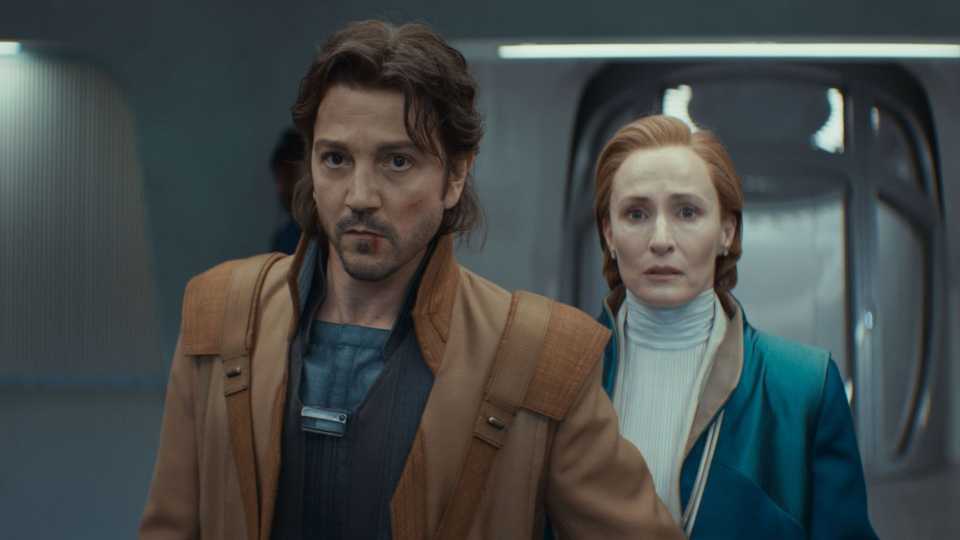
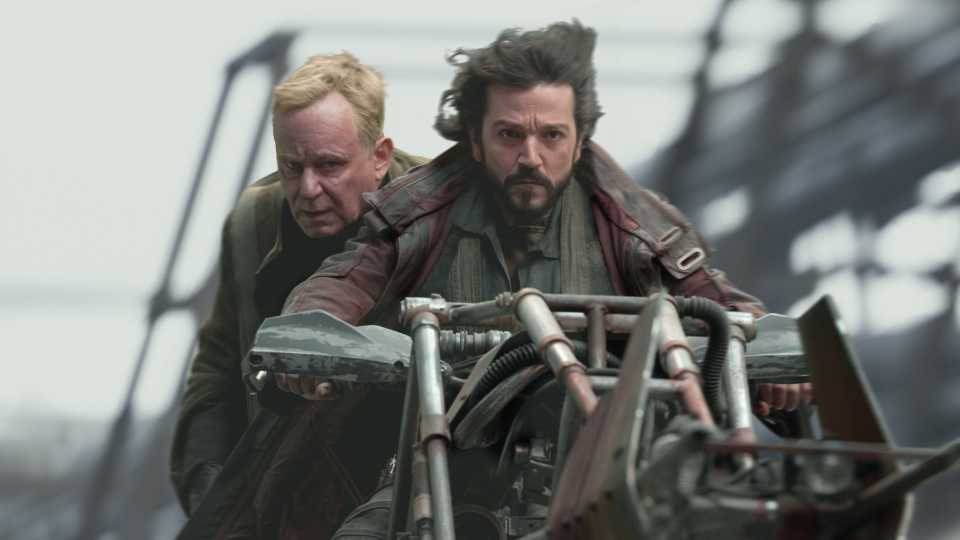
In Andor season 2, Bix Caleen and Cassian Andor visit a Force healer, about whom Cassian expresses considerable doubt (and annoyance). His skepticism seems to stem from the idea that the Jedi and Force-users more generally are essentially scammers, taking advantage of a myth to deceive people. This same view of the Force was initially expressed by Han Solo in A New Hope, who believed the Jedi and the Force were both little more than a myth.
In fact, when Han meets Rey and Finn in Star Wars: The Force Awakens and Rey asks if the stories are true, Han says he'd once doubted the Jedi and the Force as well. The belief that the Jedi and the Force were myths, even so relatively soon after the fall of the Order in A New Hope, makes it logical that neither was featured in Andor. Already, the galaxy had come to doubt the existence of both, so Tony Gilroy was right to leave the Force and the Jedi—as well as the Skywalkers—out of Andor.
-
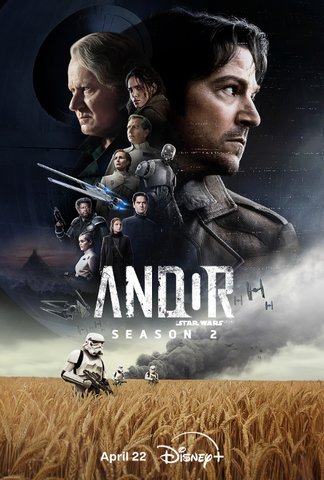
Andor is a Star Wars prequel series set before the events of Rogue One, following Cassian Andor as he navigates a world of danger and deception. The series delves into his transformation into a pivotal figure in the struggle against the Galactic Empire.
-

Your comment has not been saved
Star Wars: Episode IV - A New Hope
 10/10
- Release Date
- May 25, 1977
- Runtime
- 121 minutes
Cast
-
 Luke Skywalker
-
 Han Solo
The film that began the Star Wars franchise, Episode IV - A New Hope tells the story of wistful Force-sensitive Luke Skywalker, longing to leave his home planet of Tatooine to fight the evil Empire. After inheriting his Jedi father's lightsaber weapon, Luke sets off under the tutelage of Obi-Wan Kenobi with smuggler Han Solo to join the Rebellion and face the evil Darth Vader.








Your comment has not been saved