


Coruscant is one of the most important planets in Star Wars, both in canon and Legends. Throughout Star Wars movies and TV shows, there have been a number of crucial planets, including Palpatine and Padmé's homeworld of Naboo and Tatooine, the former home of Luke Skywalker and Anakin Skywalker. Even given Tatooine's numerous Star Wars appearances, though, perhaps no single Star Wars planet has had more influence on the galaxy than Coruscant.
Not only is Coruscant known for being the location of the Jedi Temple—although there were other planets with Jedi Temples in the High Republic Era—but it was also the location of the Old Republic Senate. During the Dark Times, Coruscant also became the location of the Imperial Palace, taking over what had once been the Jedi Temple. In addition to all this significance, Coruscant has an extensive history in Star Wars and will continue to be critical in Star Wars' upcoming TV shows and several upcoming Star Wars movies.
Coruscant's Legends Origin Explained

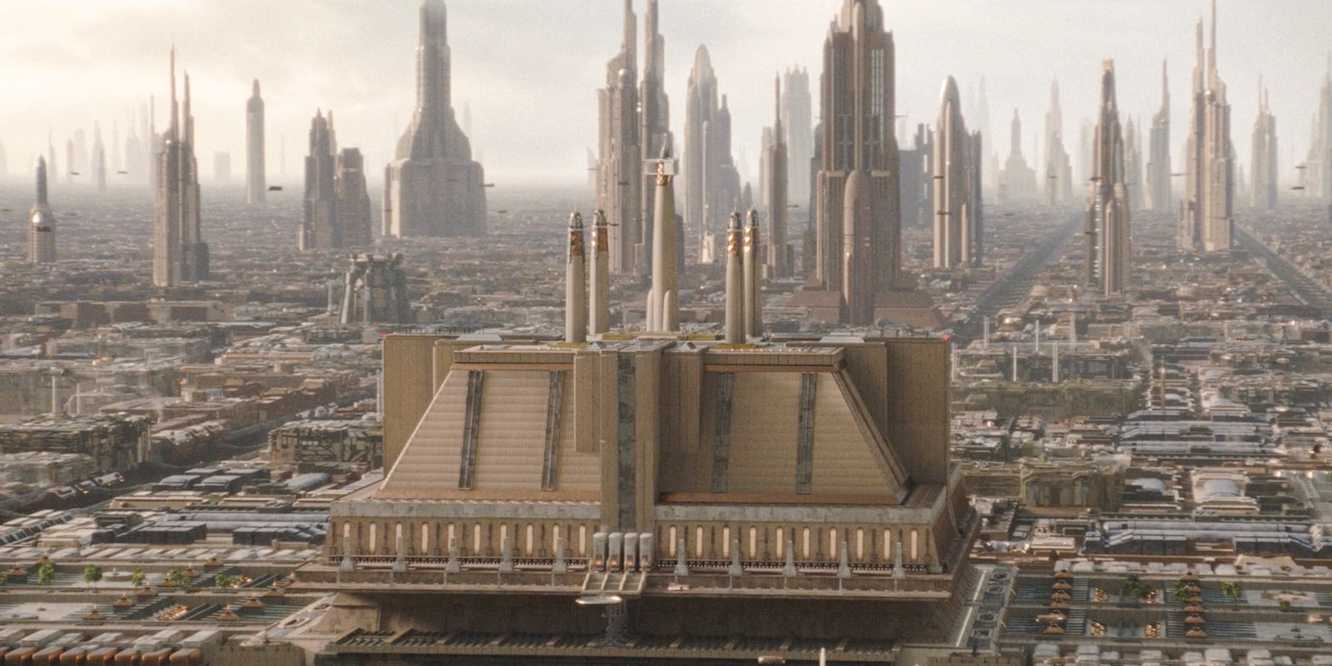


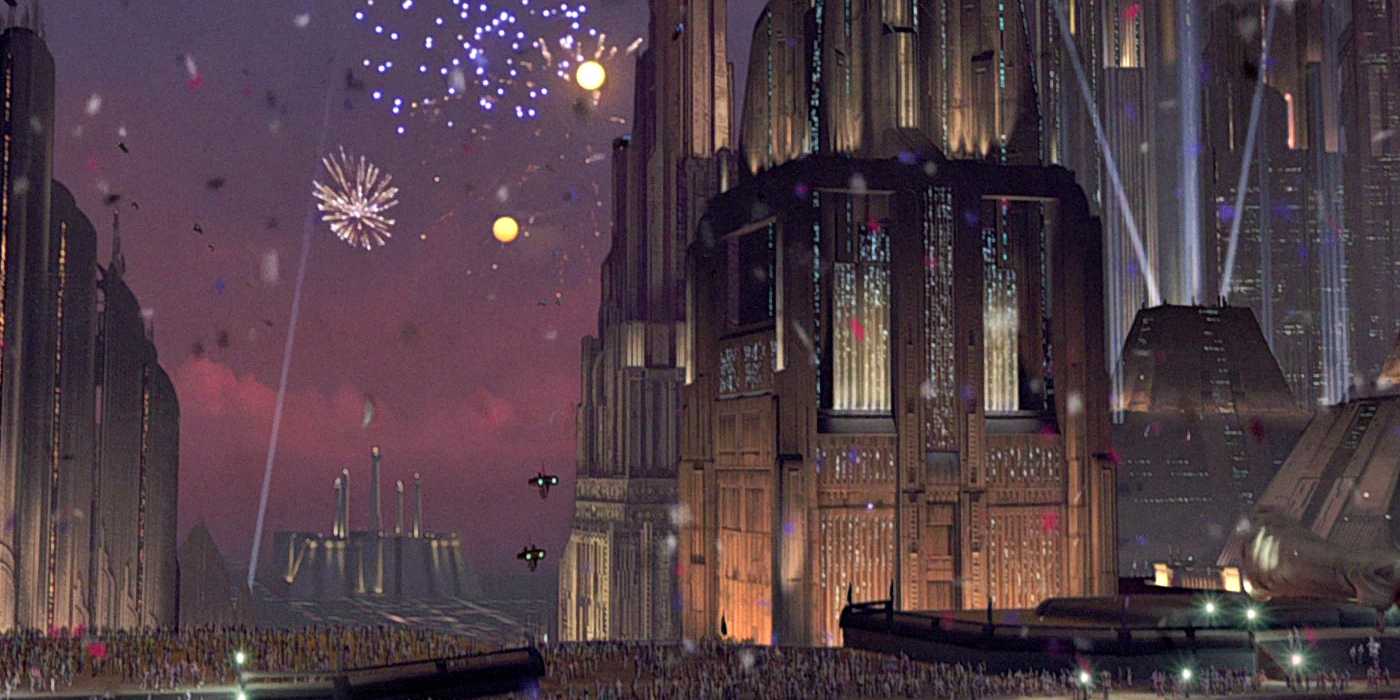
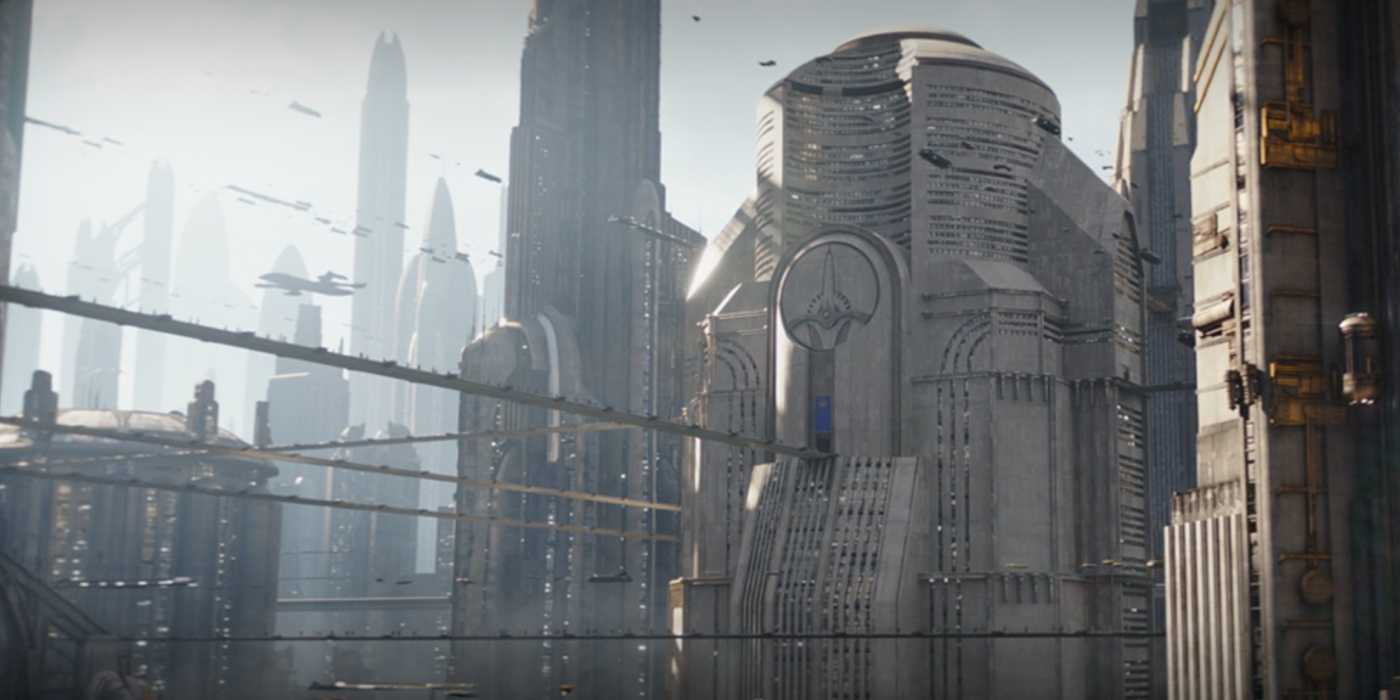
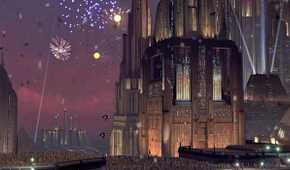
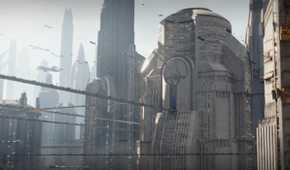
In Legends, Coruscant was believed to be the planet from which humans originated. Originally called Notron in ancient Legends history, Coruscant was a home planet for the Taung and the Zhell, two species that are considered the ancestors of humans in Legends. Over time, Coruscant was developed and urbanized, and it became a key part of the Rakatan Empire, or the Infinite Empire.
"Coruscant was a home planet for the Taung and the Zhell, two species that are considered the ancestors of humans in Legends."
The collapse of the Rakatan Empire ultimately led to the formation of the Galactic Republic, at which point Coruscant was established as the capital of the new government. It was following the Great Hyperspace War, which was fought between the Galactic Republic and the Sith Empire, that the Republic granted the Jedi a bit of land on Coruscant. This would ultimately be the location of the Jedi Temple that has become so well-known in Star Wars.
Coruscant Was A Powerful Dark Side Nexus

Despite Coruscant being known for its connection to the Jedi and the Republic, the planet was also a dark side Force Nexus. A Force Nexus, or vergence in the Force, is a location (or, less commonly, even a person) that is particularly strong in the Force. It is essentially a 'hot spot' of the Force.
Coruscant is one of several Star Wars planets particularly strong in the Force, although canon stories have confirmed that, in Coruscant's case, this power had a connection to the planet's history with the dark side of the Force. Shockingly, below the Jedi Temple on Coruscant, there was a Sith shrine. This Sith shrine had been built there because it was the location of the Force vergence on Coruscant—one that the Sith had claimed for themselves. This shrine became known as the Shrine in the Depths.
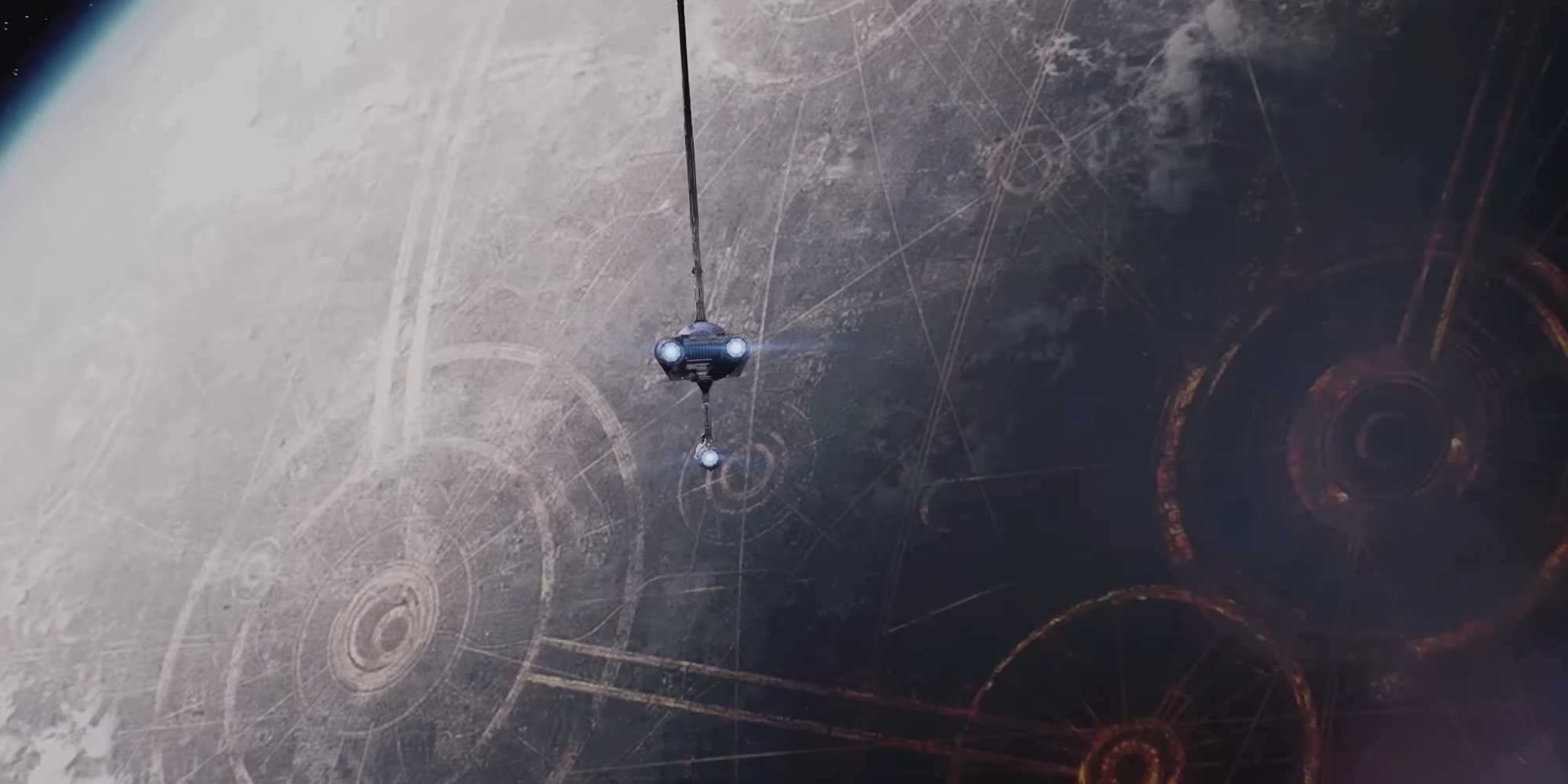
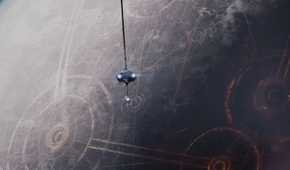
The actual origins of the vergence on Coruscant are less known, though. While the Sith ultimately took control of it, and the Jedi then built their Temple atop it in an attempt to keep this dark side energy at bay, it's clear the Force vergence on Coruscant is quite a bit older than that shrine. In fact, the star map to Peridea in the Ahsoka show, which seems to be a map of vergences to which the Purrgil have traveled, included Coruscant. This suggests Coruscant's Force vergence could be one of the oldest in the galaxy.
Coruscant Has Been At The Center Of The Republic Since The Beginning


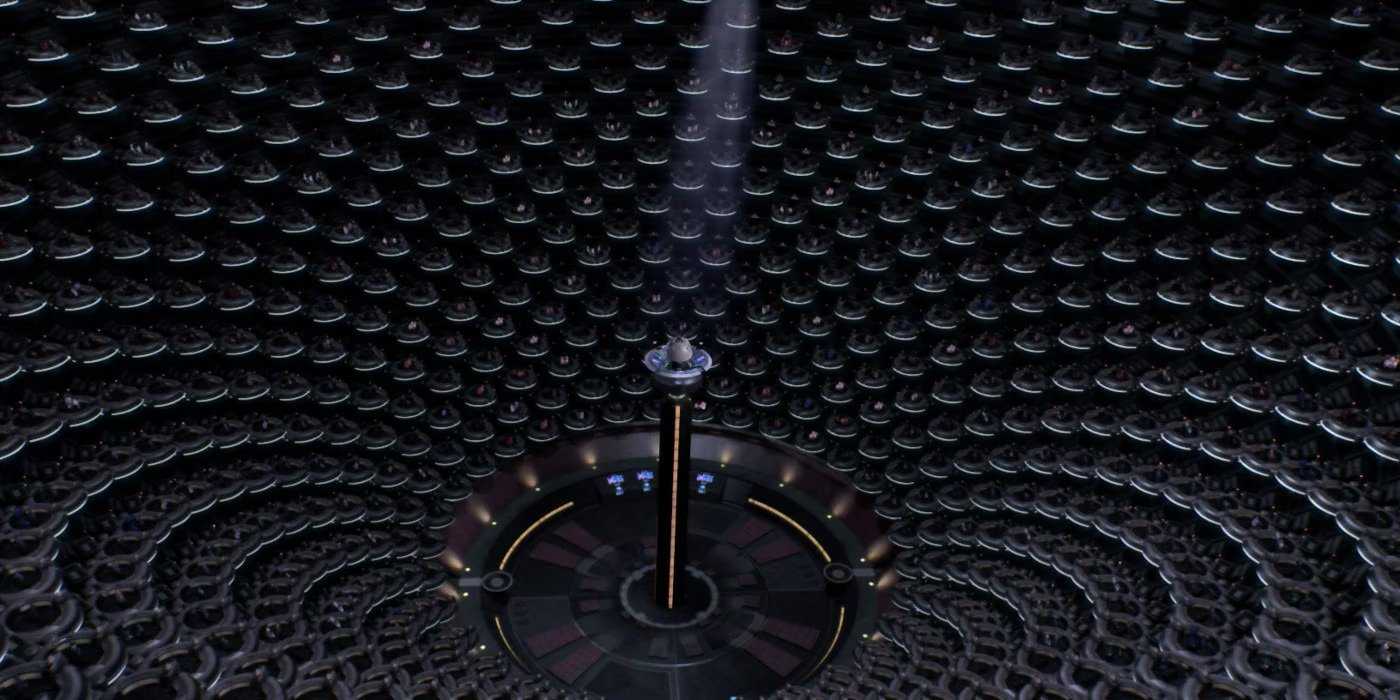
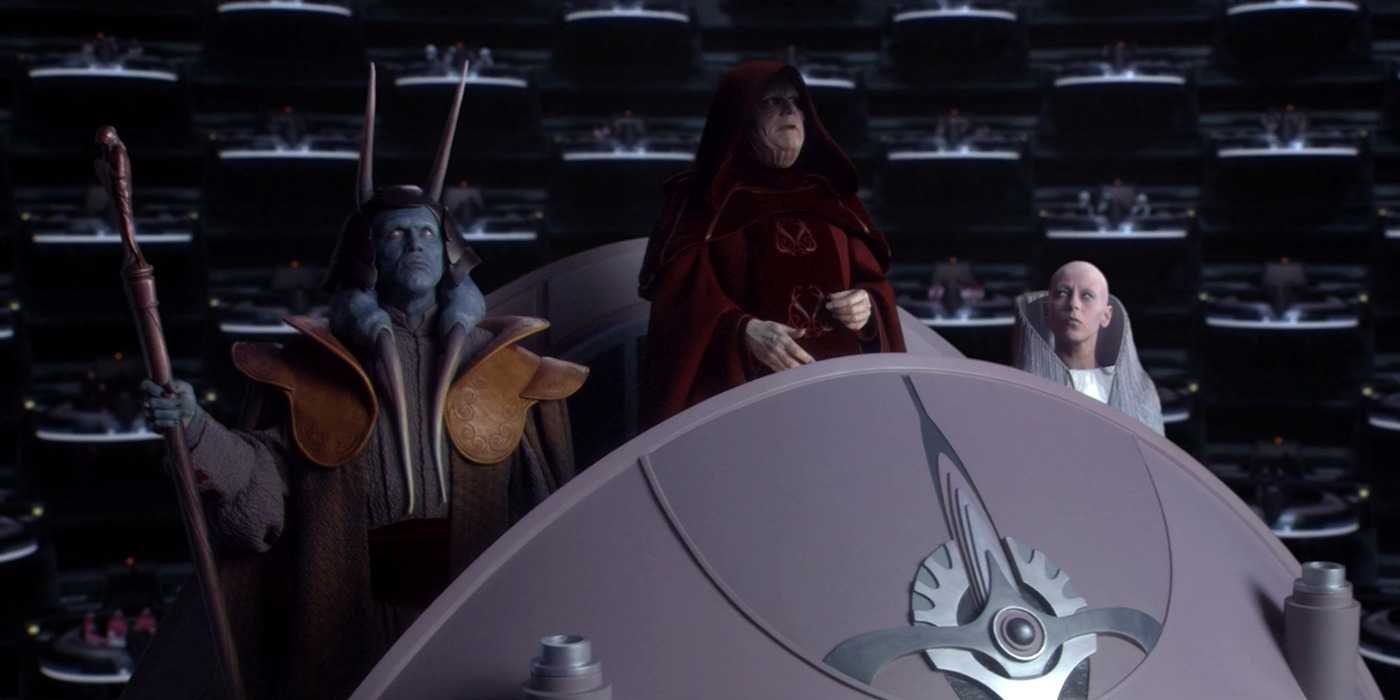
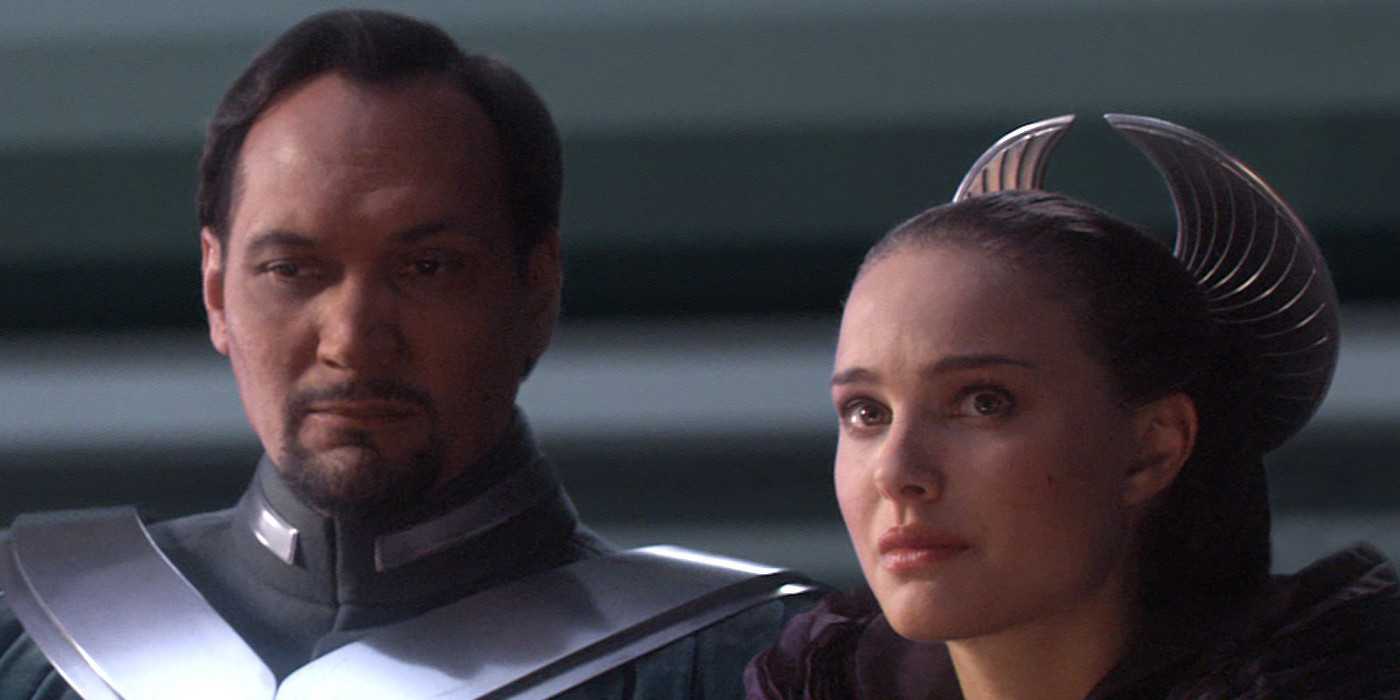
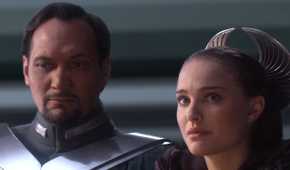
Coruscant was established as the center of the Galactic Republic from the beginning, and the Star Wars prequel trilogy revealed how essential Coruscant really was to the Republic. Even among the other Core Worlds, Coruscant stood out because it was the location of the Republic Senate, which also meant that countless key events in the galaxy—good and bad—took place there. In fact, there are only a handful of other planets in the Star Wars prequel trilogy outside Coruscant, Naboo, and Tatooine, and while planets like Kamino and Geonosis are important, Coruscant is the focal point.
The Acolyte, which takes place approximately 100 years before Star Wars: Episode I - The Phantom Menace, also revealed Coruscant's importance in the High Republic Era. Like in the prequels, in The Acolyte, nearly all key events related to the Jedi and the Senate took place on Coruscant. In the end, Coruscant was also sadly where the Old Republic met its end.
Coruscant Became The Center Of Palpatine's Empire

When Emperor Palpatine took power at the end of Star Wars: Episode III - Revenge of the Sith, he maintained Coruscant's position and importance as the heart of the galaxy. In a sense, this was logical. Palpatine was turning the Republic into the Galactic Empire, but he effectively flipped the Republic Senate into the Galactic Senate. Given how thorny his power grab already was, it makes sense that Palpatine wouldn't have further disrupted the transition of power by moving the location of the Senate.
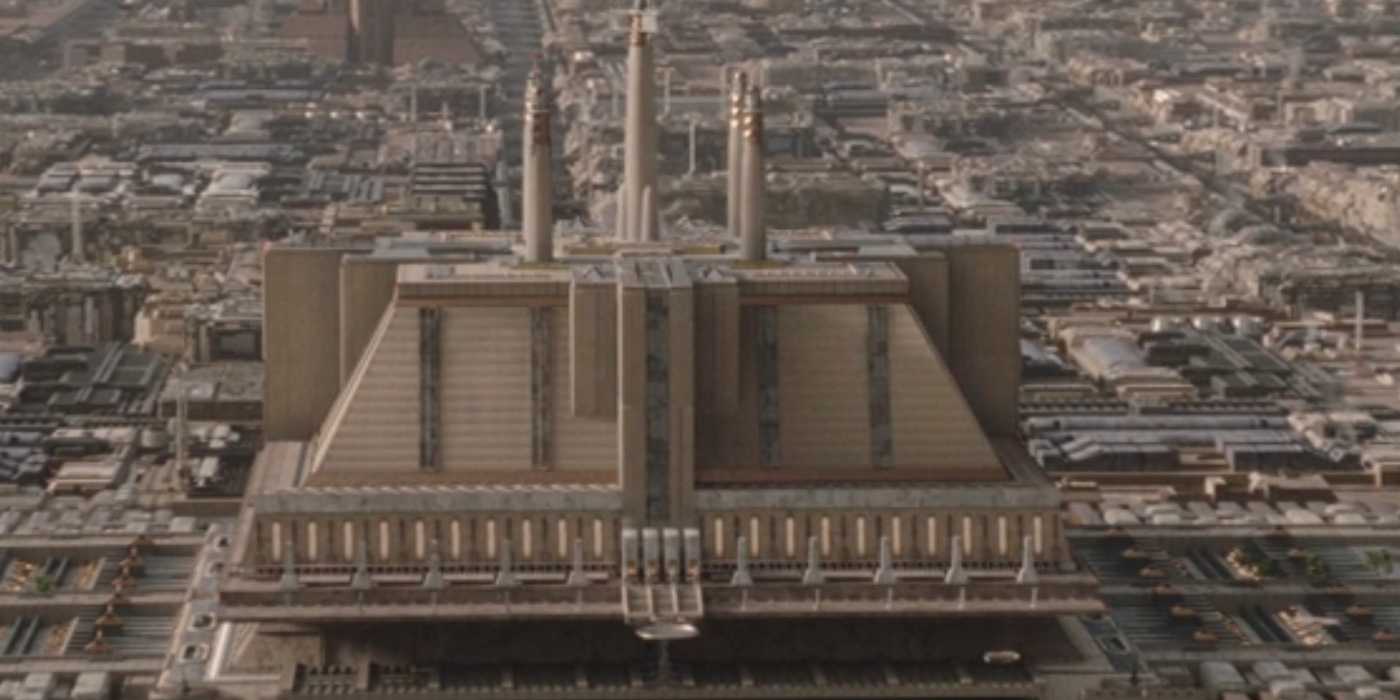
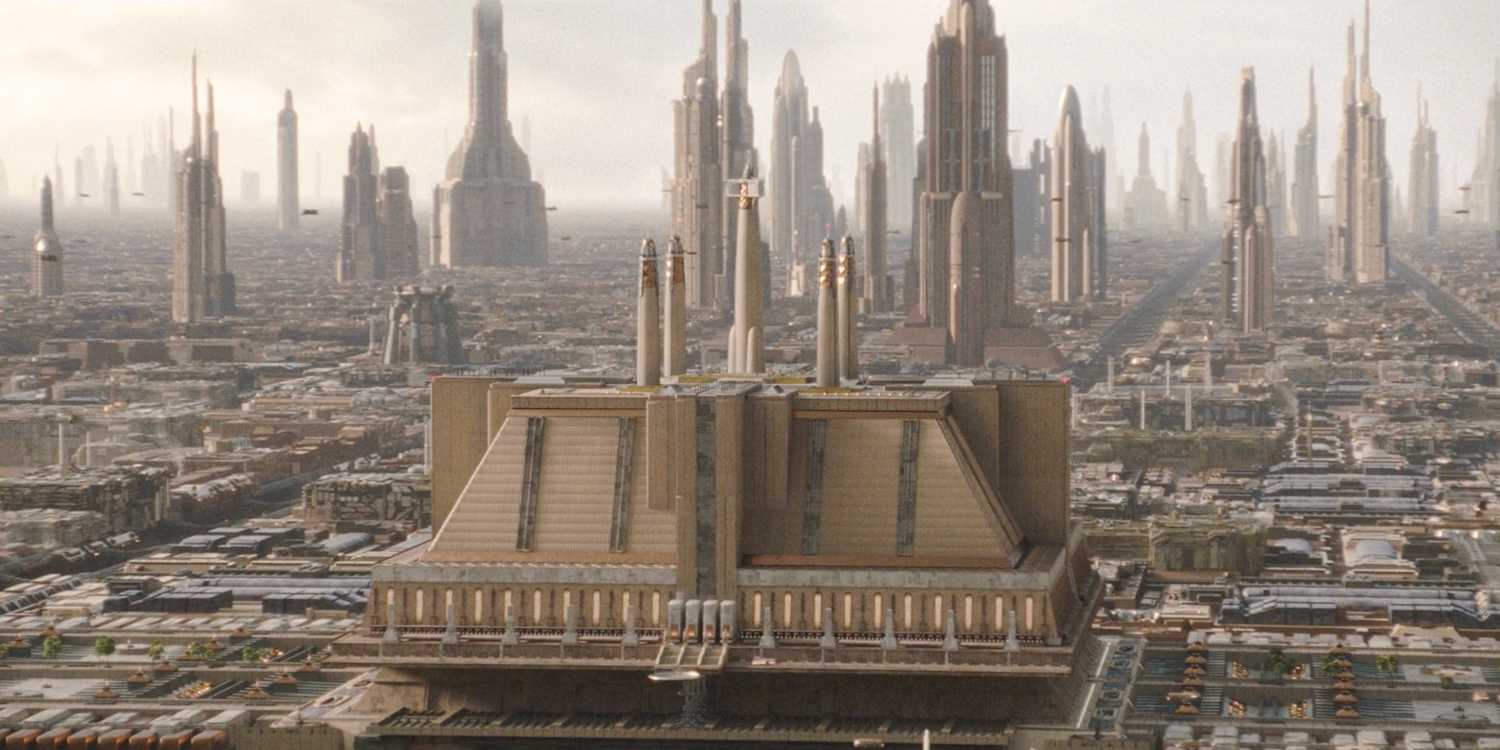
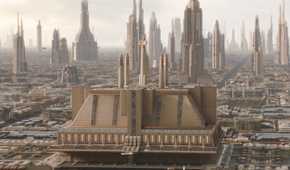
Palpatine also turned the Jedi Temple into his Imperial Palace.
Palpatine also turned the Jedi Temple into his Imperial Palace, which was one last insult to and attack on the Jedi. He was physically and symbolically wiping them out. This was also strategic. The Jedi Temple was too big a threat to Palpatine's reign to be kept as it was; it would have been a reminder of all the Jedi had been. Taking it over was also better than simply destroying it. By claiming the Temple as his own, Palpatine was making it clear that the Jedi were gone and the Empire was the new order of the galaxy.
The New Republic Claimed Coruscant As Its Capital In The Mandalorian Era

The Ahsoka show, which is set between Return of the Jedi and Star Wars: The Force Awakens in the Star Wars timeline, shocked viewers by returning to Coruscant when Hera Syndulla had to stand before a New Republic court comprising multiple senators, most notably Mon Mothma. This came as a surprise because it seemed to suggest that Coruscant was the center of the government once more, now in the New Republic era. This contradicted what had been established thus far in Star Wars.
Briefly, the New Republic capital was Chandrila, the homeworld of Mon Mothma. This was in fact why Ben Solo's birthplace was Chandrila, as Leia was on the planet helping significantly with the formation and early days of the New Republic. Star Wars has already revealed that during the sequel trilogy, Hosnian Prime was the capital of the New Republic, though, meaning Ahsoka season 2, or some other upcoming Star Wars project, will have some explaining to do regarding Coruscant's role as the capital.
Coruscant's New Republic Future Explained

Coruscant's role in the New Republic will prove even more interesting as the era progresses towards the sequel trilogy. If Coruscant is indeed still the capital, then some event must trigger the capital being moved to Hosnian Prime in order for the sequels to make sense. This is also lucky news for Coruscant, as the First Order wiped out the New Republic in The Force Awakens, which would have meant the destruction of Coruscant—a move Star Wars very clearly wasn't willing to make.
Coruscant does have its own interesting sequel trilogy-era story, though, which could indicate what is to come for the planet as Star Wars continues to explore the New Republic in its upcoming movies and shows. Star Wars has confirmed that Coruscant was never conquered by the First Order, which accounts for the planet's absence in the sequel movies. Star Wars has also revealed that, during this period, Coruscant was a hub for crime syndicates and had succumbed to lawlessness, which suggests quite a bit happens between Ahsoka and The Force Awakens.
This story could be detailed in Ahsoka season 2, The Mandalorian & Grogu, or even Star Wars' next TV show, Star Wars: Skeleton Crew. Surely, the franchise will need to address the planet's fate, particularly given its surprising appearance in Ahsoka. No matter what the future holds for the planet, Coruscant has more than proven itself as one of the most important planets in all of Star Wars.
