


Summary
- The Star Wars universe has a massive number of sentient species, allowing for further exploration and diverse representation.
- The vast galaxy has nine regions, with billions of inhabited planets and a host of aliens that have yet to be explored in live-action.
- Showcasing the galaxy's enormity through Canon and Legends media is key to portraying the richness and depth of the Star Wars universe.
The Star Wars galaxy is vast, with many sentient species dwelling in it. The galaxy that George Lucas created has grown exponentially over the decades since his first Star Wars movie was released in 1977. Since then, Star Wars began expanding its extended universe (now known as legends) into something so large that Star Wars media has barely scratched the surface of the galaxy's enormity.
The Star Wars universe is continually expanding, with new planets being introduced up through The Acolyte. Lucasfilm is able to do this thanks to the galaxy's sheer size. Increasing the number of planets and species shown in Star Wars has been vital for the franchise's continual growth and embellishing upon the first trilogy. This is partly due to the massive number of planets that have been established and the number of confirmed species in the Star Wars galaxy.
The Star Wars Galaxy Is Much Bigger Than You Think
The Galaxy's Expansion Has Been Key To The Franchise's Growth
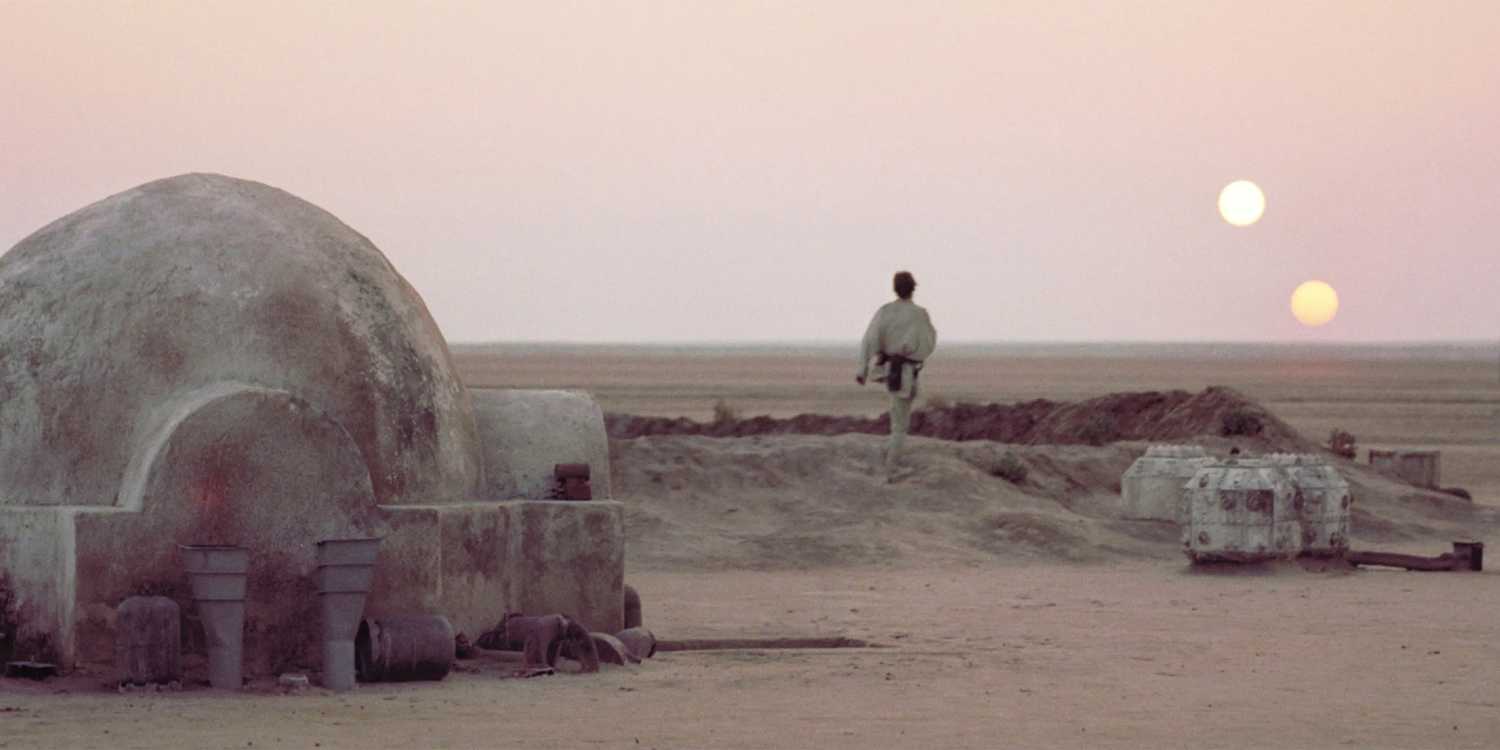
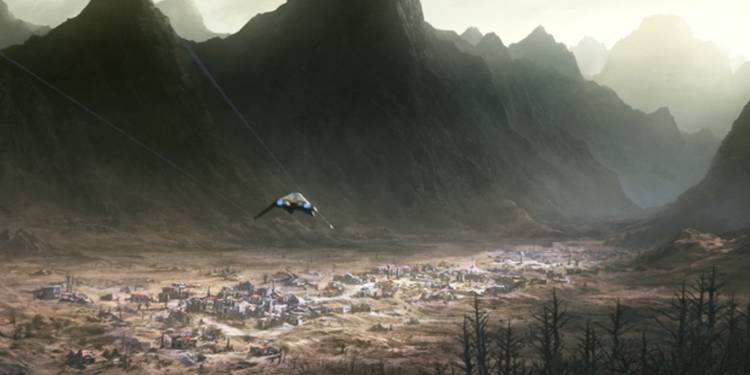
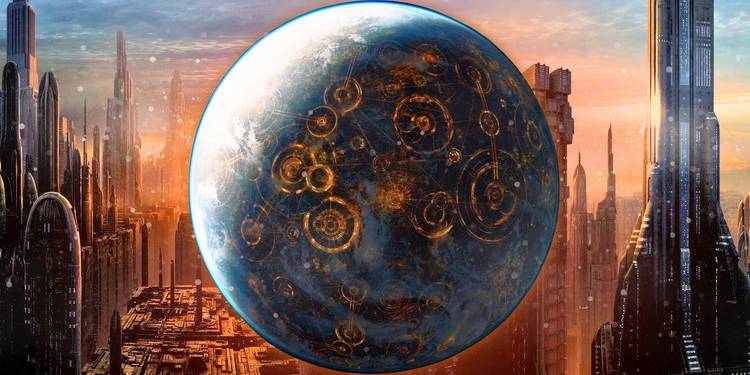
Custom Image by Debanjana Chowdhury


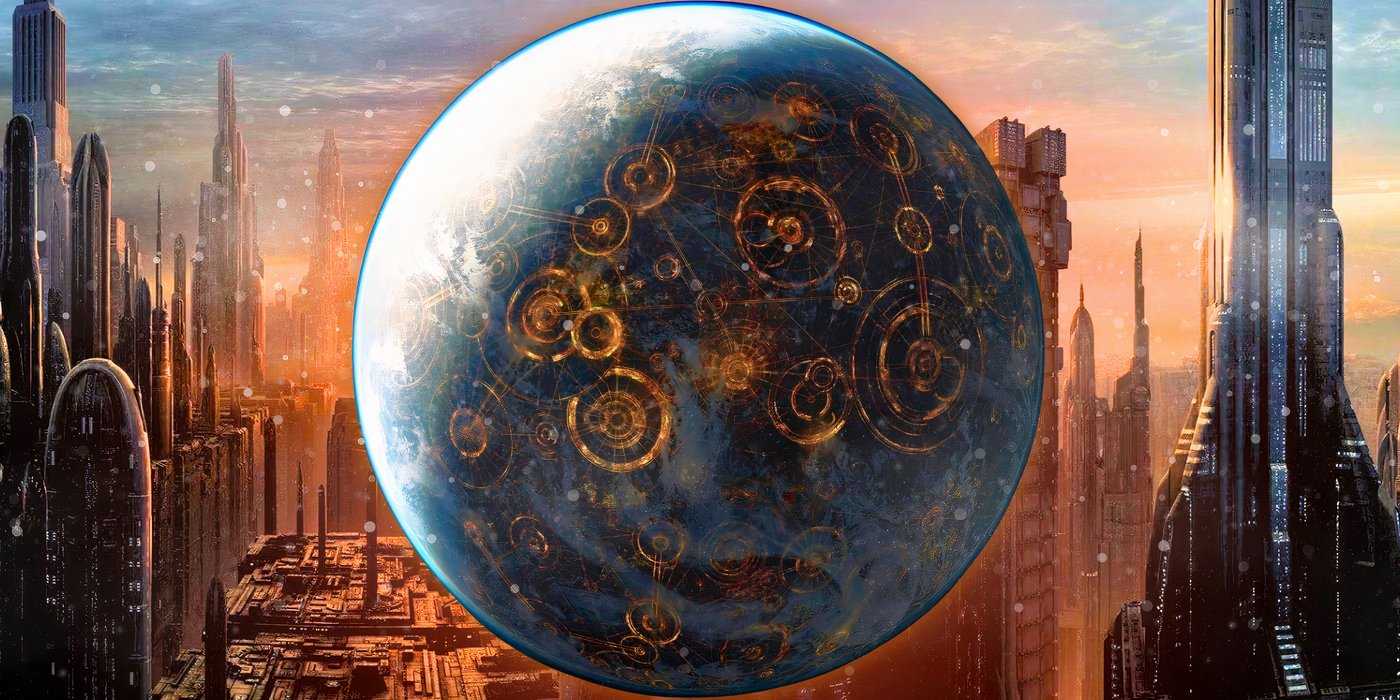
Custom Image by Debanjana Chowdhury
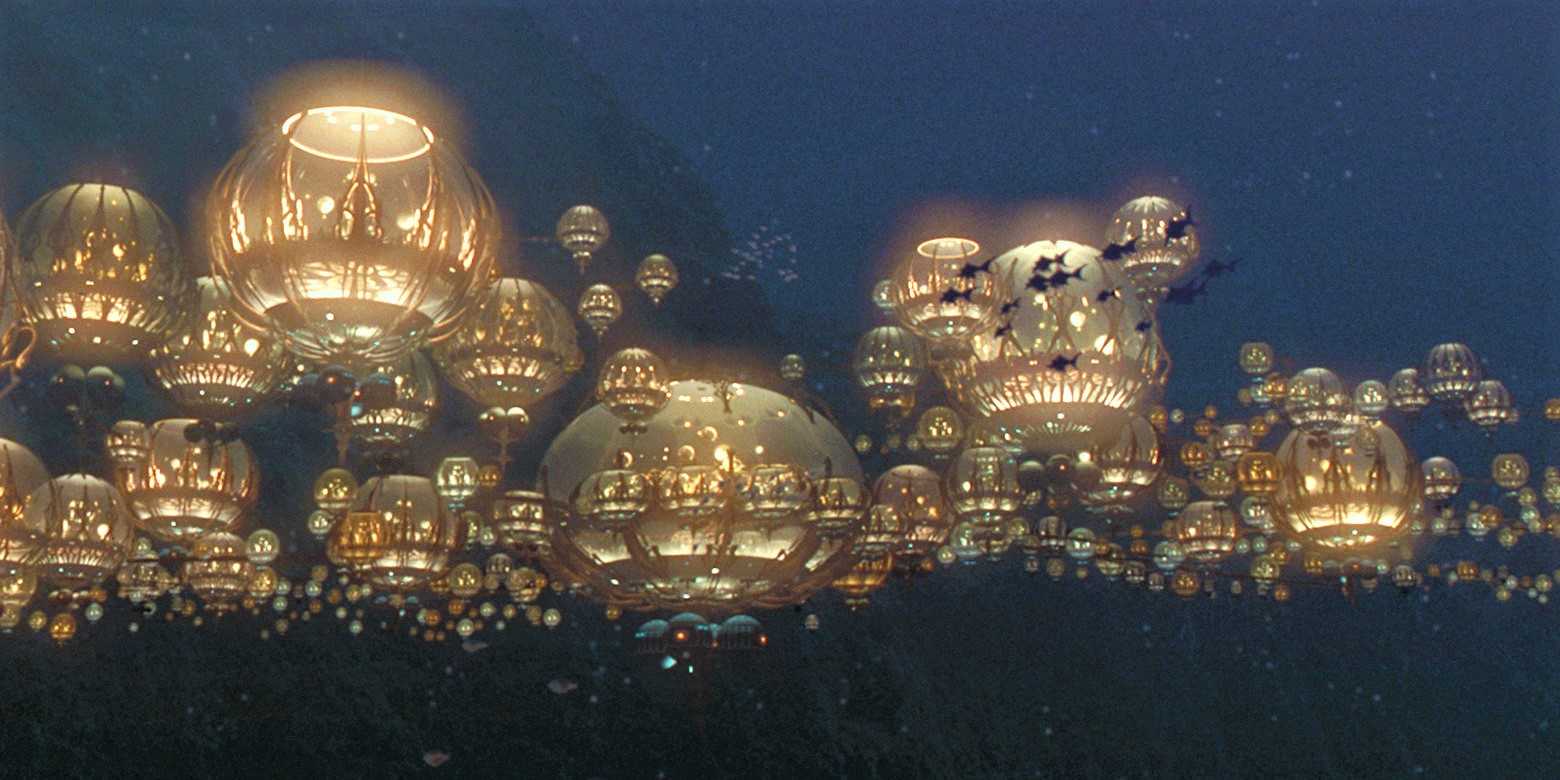
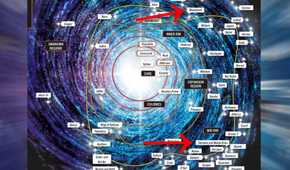
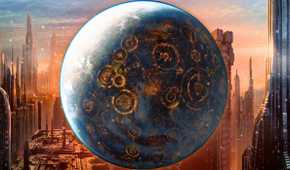
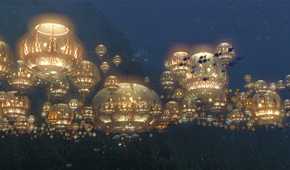
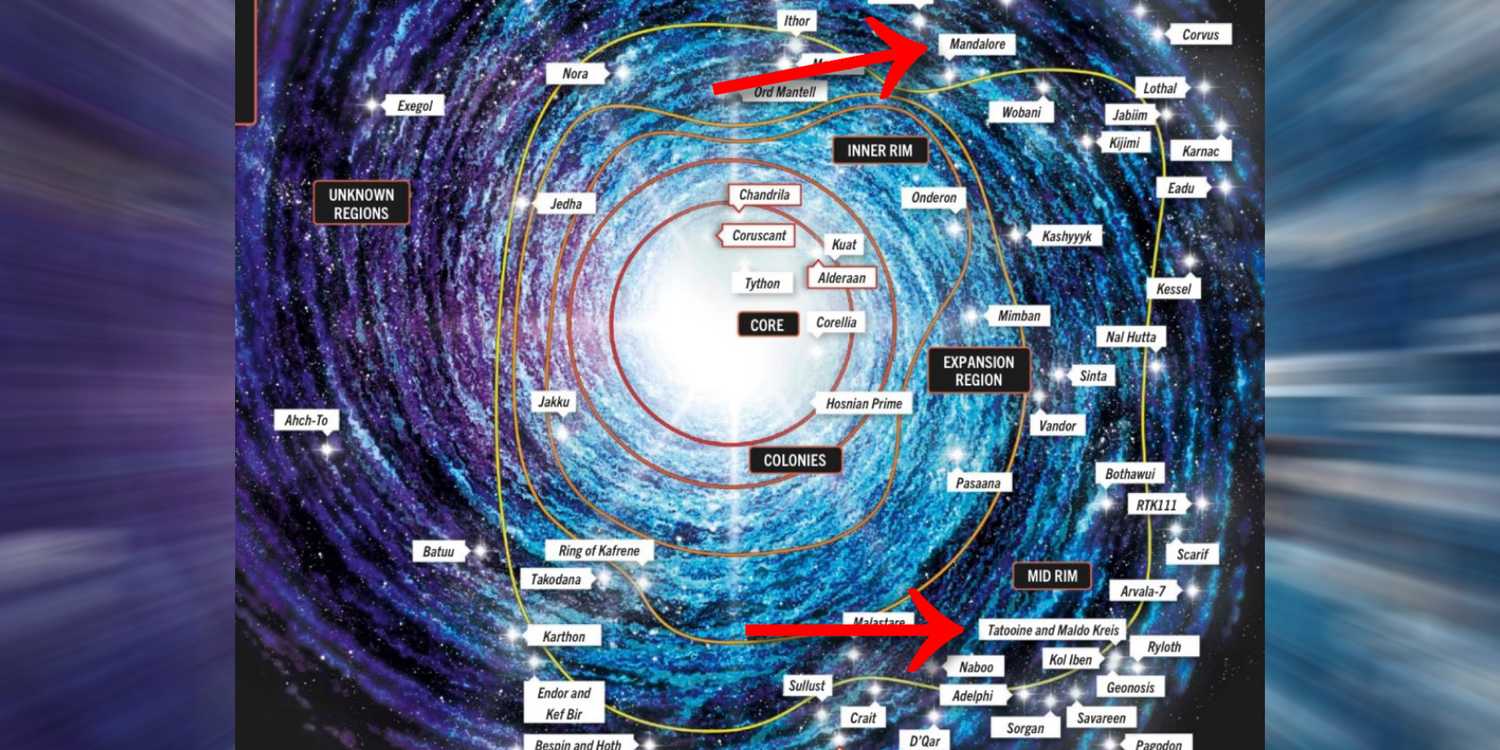
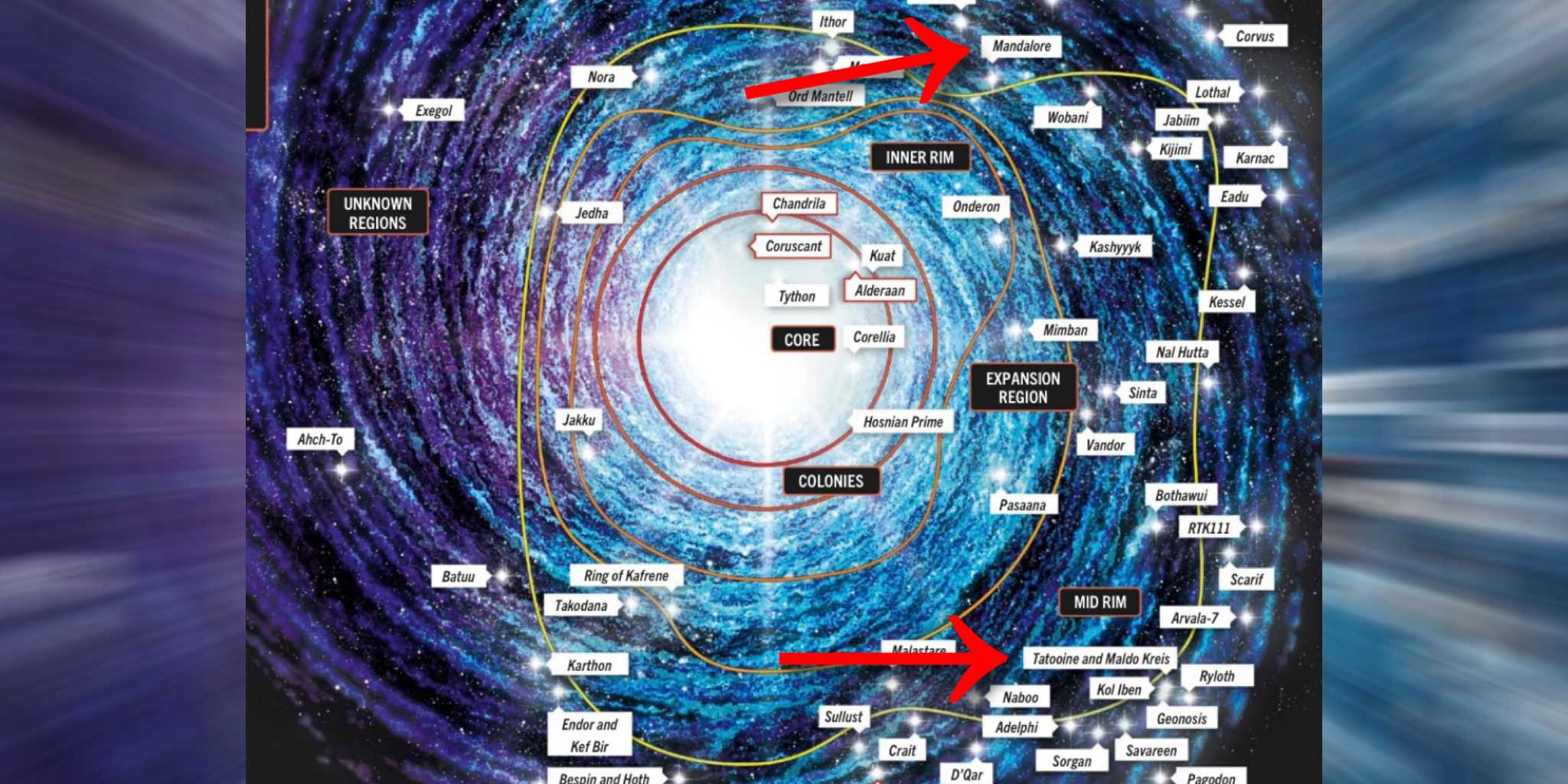
By enlarging the galaxy's scale, the Star Wars franchise has grown to an unfathomable size. Looking at a Star Wars galaxy map that shows all the regions, it shows that the right side has been explored to a much greater extent, while much of the area on the left half is unexplored. This indicates that while a lot of space is known, the size of the whole galaxy is enormous.
The galaxy has nine regions: the Core Worlds, the Inner, Mid, and Outer rims, the Colonies, the Wild Space, the Expansion Region, the Deep Core, and the Unknown Regions. The more familiar planets in Star Wars are the Core Worlds (i.e., Coruscant and Alderaan) and the Rim planets (i.e., Tatooine, Naboo). In comparison, other areas (Wild Space, Deep Core) have seldom been explored, while the Unknown Regions have just started being explored in the sequel trilogy. Altogether, there are an estimated one billion inhabited planets in the Star Wars galaxy, with billions more able to sustain life.
Star Wars' Unknown Regions can only be navigated using the Force.
How Many Alien Races Live In The Star Wars Galaxy?
The Amount Allows Lucasfilm To Continue Showcasing New Species As Significant Characters

The canon number of Star Wars alien species was revealed surprisingly through the Star Wars X account. After the Kenobi series premiere, the franchise took a stand against racism by revealing the number of sentient species in the galaxy. With an official count of over 20 million species, it's no wonder that all the movies and shows only encompass mere fragments of the Star Wars galaxy. George Lucas' original trilogy had various species, but primarily as background characters. The prequels introduced more species to the franchise, particularly on the Jedi council.
The franchise's most considerable leap in this regard was The Clone Wars series, which did a great job showing the galaxy's proper size and the number of species within it. These portrayals allow Lucasfilm opportunities to explore even more of the canonized galaxy. Even taking influence from Legends would be a great tool to display everything established over the decades off-screen. Using the information they have at their disposal, Lucasfilm can transfer more species on-screen, exhibiting the proper size of the galaxy.
Shows like Ahsoka, which has the first non-human lead, and The Acolyte cast, which includes multiple non-human characters, are stepping stones towards more portrayals of non-human characters. Lucasfilm has the chance to explore more of the established galaxy's non-human species and the planets they hail from due to the galaxy's size. Star Wars is a large entity that can be explored much further than it already has.
However, the Star Wars galaxy is genuinely colossal. With millions of species and inhabited star systems, showcasing every single species and all parts of the known galaxy would be impossible. Lucasfilm has an enormous databank of planets, species, and stories to take inspiration as they create new stories. With this benefit, Lucasfilm can and should continue taking steps to canonize more species into live-action Star Wars.


