


Summary
- Hyperspace travel in Star Wars involves traveling faster than light in a different dimension.
- The Empire used gravity well generators to pull ships out of hyperspace and strand them, creating "road blocks" on major hyperspace lanes.
- While entering lightspeed in a planet's atmosphere should be impossible, exiting lightspeed in a planet's atmosphere is not out of the question.
Traveling through hyperspace has always been an essential aspect of the Star Wars universe. Without hyperspace, the various character in a galaxy far, far away would never be able to reach each other. According to Han Solo in A New Hope, “traveling through hyperspace ain’t like dusting crops.” Instead, it was a complicated and risky maneuver involving precise calculations. Much like a voyage at sea, any miscalculation or malfunction could cause the death of the passengers. However, recent Star Wars projects have taken hyperspace for granted, ultimately confusing the audience as to how hyperspace actually works.
While some aspects of hyperspace are confusing, the basic concept still remains the same throughout the franchise. Essentially, hyperspace involves traveling faster than light. So fast, in fact, that the ship or being enters a different dimension where both time and space act differently. Within the hyperspace dimension, a ship can travel great distances in impossibly short amounts of time. Nevertheless, even though hyperspace was a different dimension, the gravity of planets and other objects with mass could still affect ships traveling in hyperspace. And if one’s calculations or trajectory were incorrect, it could cause the traveler to sling straight into a planet or a star.
It Should Be Impossible To Jump Into Hyperspace From Inside A Planet's Gravity Well

When a ship is near a planet, the gravity well messes up the navigational system enough to make hyperspace travel unsafe or impossible. The Empire used this fact to their advantage by developing the experimental Interdictor-class Star Destroyer, which generated its own gravity well. The gravity well of an Interdictor was powerful enough to actually pull ships out of hyperspace and strand them near the Star Destroyer. In other words, the Empire had the ability to put “road blocks” on major hyperspace lanes, ensuring no one slipped by unauthorized.
In Star Wars Rebels season 2, episode 9, Ezra Bridger and Commander Sato’s ship is pulled out of hyperspace by an Interdictor. Sabine Wren later explains that the gravity well of an Interdictor is vastly different from the average tractor beam. Tractor beams in Star Wars were directional, requiring them to “lock on” to a ship’s location in order to pull them in. Meanwhile, an Interdictor’s gravity well acted much like a planet, pulling everything—even objects in hyperspace—toward itself. And because of the gravity, ships couldn’t risk jumping back into hyperspace near the Interdictor.
Star Wars: The Clone Wars Revealed It's Possible... But Destructive

In Star Wars: The Clone Wars season 1, episode 13, Anakin Skywalker and Ahsoka Tano’s ship accidentally enters hyperspace while still in the atmosphere of the planet Quell. Despite successfully entering hyperspace, the navigation routes them straight toward a star, forcing the Jedi to shut the ship off to reset the navigation. Even then, the Jedi barely missed being burnt alive by the star, and end up crashing into a nearby planet. In other words, jumping into hyperspace anywhere near a gravity well creates an unknown destination.
The Clone Wars proved that jumping into hyperspace while in the atmosphere of a planet isn’t impossible, but it also demonstrated just how dangerous it is. If someone were to intentionally jump to lightspeed near a planet, they would run the high risk of flying through a star, planet, or some other type of mass that could incinerate them instantly. Nevertheless, the Star Wars sequel trilogy ended up ignoring this rule.
Rise Of Skywalker's "Lightspeed Skipping" Went One Step Further



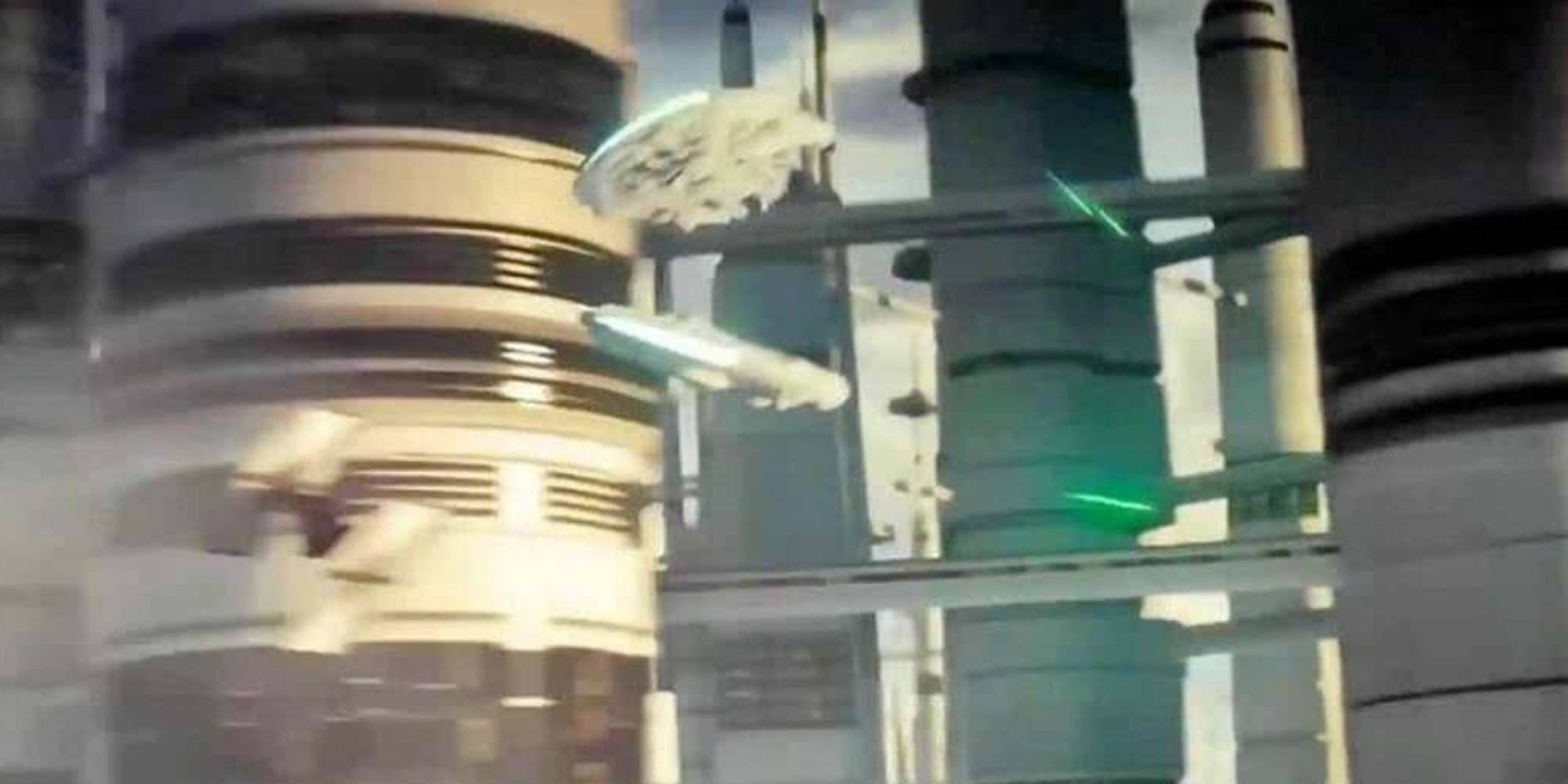
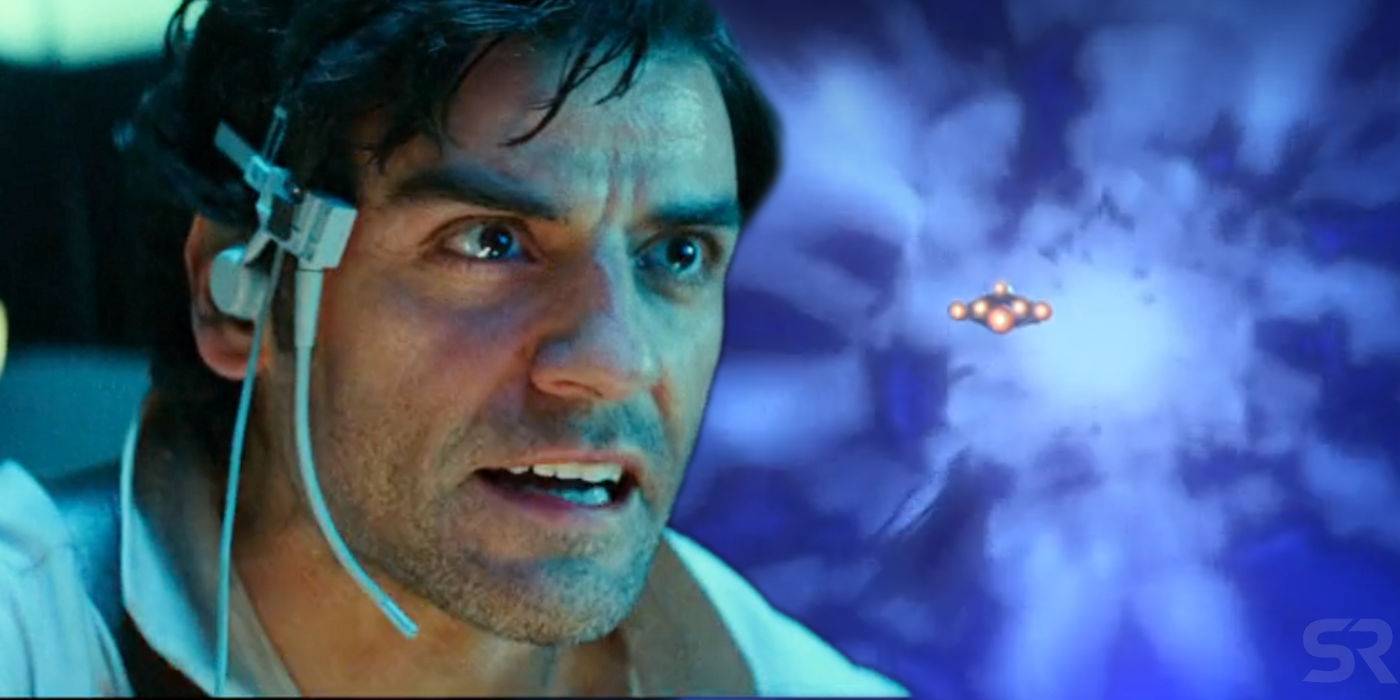
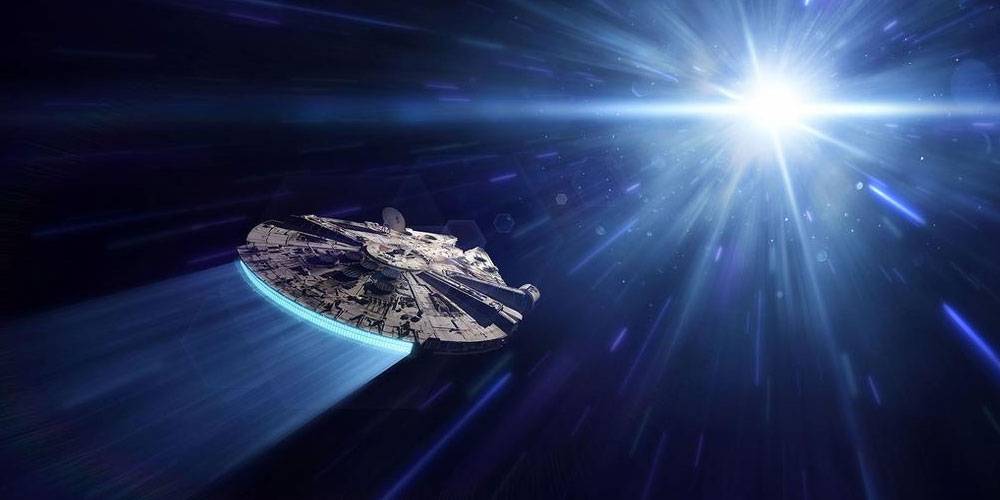


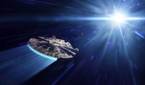
Because gravity can alter the hyperspace dimension, it is generally impossible for a ship to jump into hyperspace while too close to a planet. But Star Wars: The Rise of Skywalker seemingly broke this rule by having Poe Dameron “lightspeed skip” the Millennium Falcon at the beginning of the film. This new technique showed him quickly entering and exiting hyperspace to avoid being captured by the First Order. However, according to most of the laws for hyperspace, Poe shouldn’t have been able to enter lightspeed while in a planet's atmosphere without his destination being completely unknown.
Poe Dameron's "lightspeed skipping" technique in The Rise of Skywalker could have gotten himself and his crew killed, since he had no idea where he would end up.
Despite Poe doing it in Rise of Skywalker, entering lightspeed in a planet’s atmosphere shouldn’t be possible in Star Wars. However, exiting lightspeed in a planet’s atmosphere isn’t out of the question. Han Solo demonstrated this impossible technique in Star Wars: The Force Awakens when he managed to exit hyperspace inside the atmosphere of Starkiller Base, bypassing the shield in the process. But this maneuver was borderline unthinkable, as the gravity well would mess up the exit point at the last second. Nevertheless, Han Solo proved his merit as a pilot by pulling it off. But still, the Star Wars sequels don’t seem to understand how hyperspace works.
