


Summary
- Kylo Ren's origins in the Star Wars sequel trilogy were heavily inspired by George Lucas' original sequel plans, particularly the concept of Leia and Han's son falling to the dark side.
- J.J. Abrams wanted Kylo Ren to be a villain inspired by Darth Vader, with the character evolving from an early draft named "Jedi Killer" to the final incarnation of Kylo Ren.
- Designing Kylo Ren's costume, particularly his helmet, was a challenging process that involved multiple iterations before settling on a black helmet with a chrome lining. The costume was intentionally created to look unfinished, reflecting Kylo Ren's inner turmoil and unfinished emotional journey.
Despite the overall divisiveness of the sequel trilogy, Star Wars fans often agree that Kylo Ren was a fantastic villain whose origins even link to the franchise of old. The sequel trilogy began development almost instantaneously after Disney's acquisition of Lucasfilm in 2012. With the goal in mind to reignite the franchise, Lucasfilm president Kathleen Kennedy hired filmmaker J.J. Abrams to develop the first installment in what would become a new Star Wars trilogy. While it is hard to imagine the Star Wars franchise stalling now given the upcoming Star Wars movies in development, Star Wars: The Force Awakens was the first theatrical film in just over a decade.
As such, a lot of pressure was placed upon the film to deliver the classic Star Wars feeling of the original trilogy after the prequels largely disappointed the masses. This led to a reversion to more familiar plot themes, storylines, and characters. One such character was Adam Driver's Kylo Ren who is often remarked as one of Star Wars' more powerful villains and a bright spot of the controversial sequel trilogy. Given Kylo's fan-favorite status in a series as divisive as the Star Wars sequels, it is worth exploring his origins from the similarities in his character to George Lucas' original sequel plans to his links to Darth Vader.
Lucas' Star Wars Sequels Featured Han & Leia's Dark Side Son

Firstly, when exploring Kylo Ren's origin, it is worth delving into what Lucas had planned for the Star Wars sequels before Disney's acquisition of the franchise. Initially, Lucas had planned to center the sequel trilogy on Leia, Han, and their children. Similar to the now-Legends stories of Jacen Solo, Lucas would have featured Han and Leia's son falling to the dark side of the Force. Lucas has since stated that he envisioned the prequel trilogy about the father (Anakin), the original trilogy about the son (Luke), and the sequel trilogy about the daughter (Leia).
While this naturally did not pan out given Lucas' sale of Lucasfilm, it is evident that a large portion of these concepts carried over into the production of Star Wars: The Force Awakens. The marketing for The Force Awakens revealed little about Kylo Ren's character, simply positioning him as a fanatic of Darth Vader who is looking to finish the work of the former Sith Lord in the galaxy. Of course, one of the big twists of Star Wars: The Force Awakens was that Kylo Ren is actually Ben Solo, the son of Han and Leia. As it turns out, Abrams chose to retain this aspect of Lucas' sequel plans.
In using Leia and Han's son as the primary antagonist of the film, not only did the film automatically have a sense of tension between the heroes and villains, but it kept some of the spirit of Lucas' vision for the franchise. Another aspect of Lucas' sequel plans involved Leia and Han's son murdering the latter, another aspect utilized for Kylo Ren's story when he killed Han in The Force Awakens' climax. If anything, these similar aspects only prove that the origins of Kylo Ren were heavily inspired by Lucas' original plans, which may inform why his character was a rare unanimously beloved aspect of Disney's sequel trilogy.
J.J. Abrams Wanted A Villain Inspired By Vader's Legacy


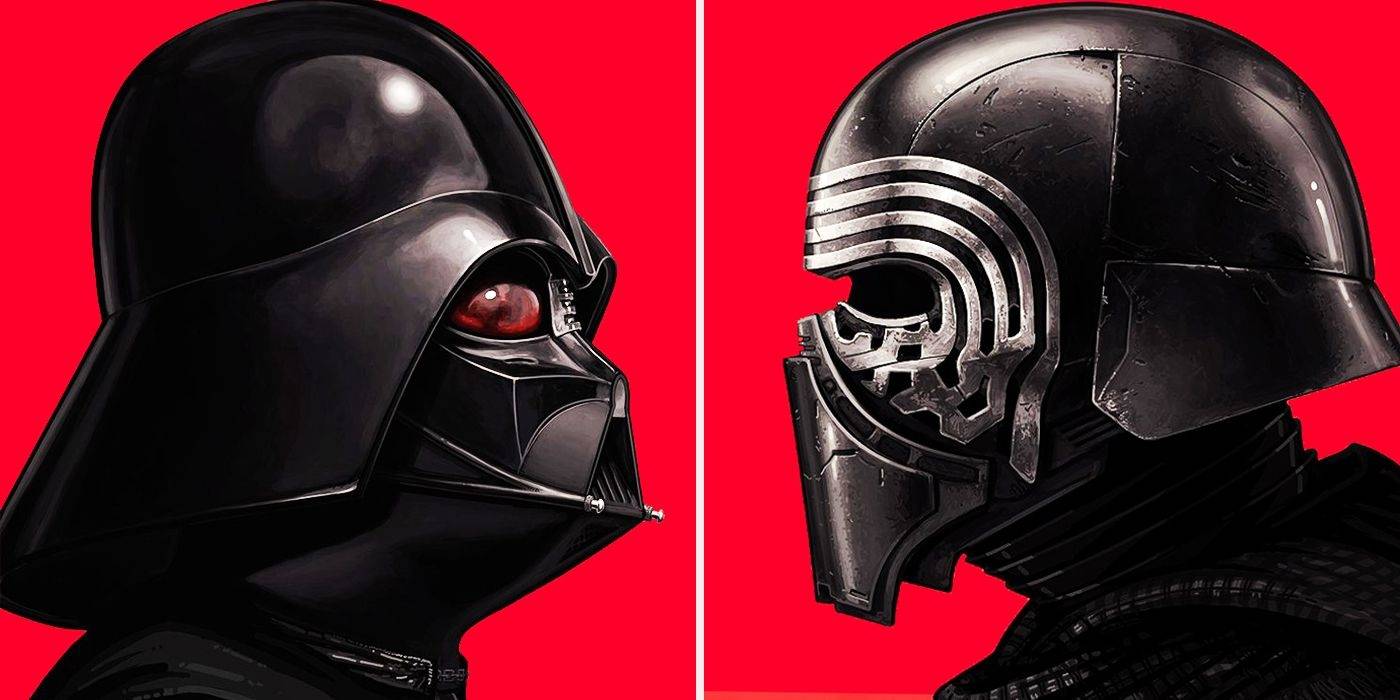
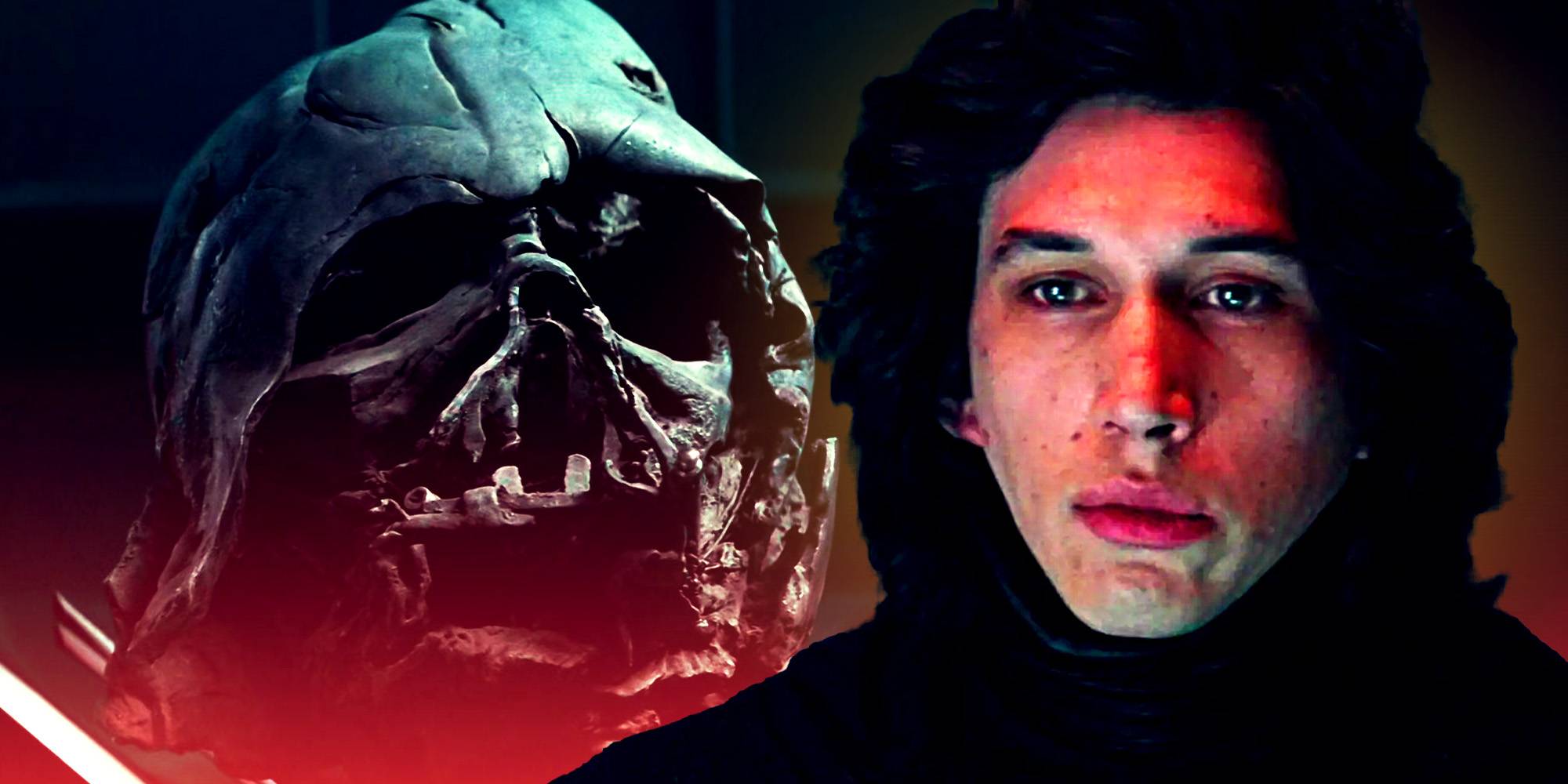

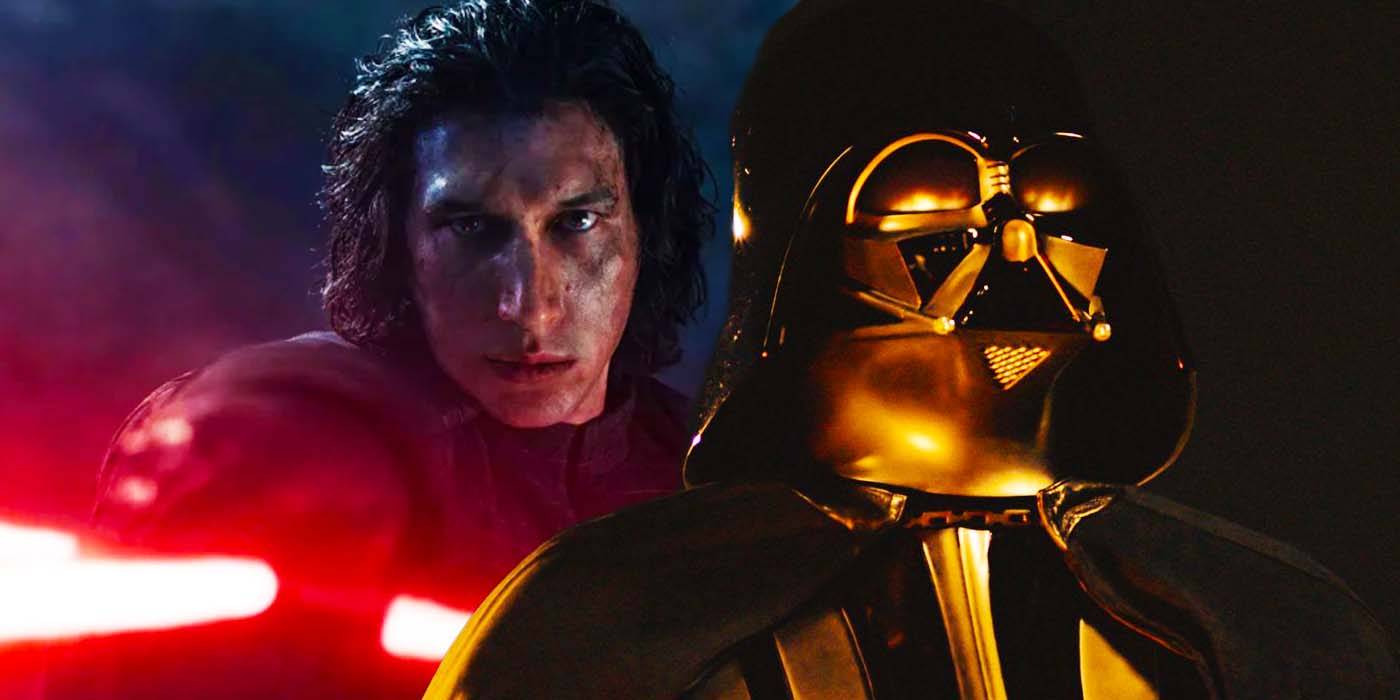
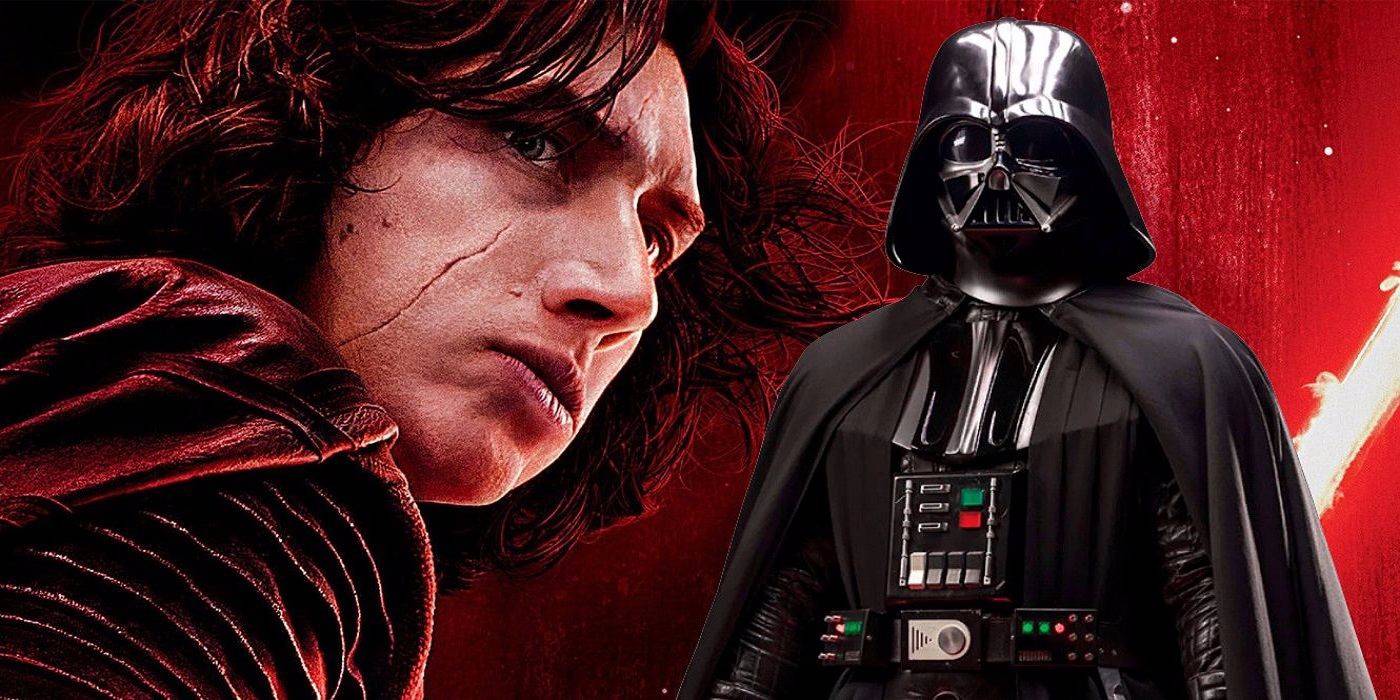
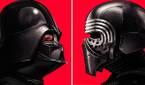
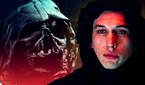

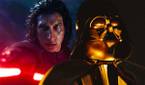

Aside from the similarities between Kylo Ren and the plans of Lucas' sequel antagonist, J.J. Abrams began fleshing out the villain in a way that saw him morph into Adam Driver's portrayal across the three sequel films. Initially, screenwriter Michael Arndt of Toy Story 3 and The Hunger Games: Catching Fire fame was hired to write the script for Star Wars: The Force Awakens. In Arndt's draft, Kylo Ren was very similar to Darth Vader in that he was simply named "Jedi Killer" and had prosthetic limbs and life support systems exactly as Anakin Skywalker did after Star Wars: Episode III - Revenge of the Sith.
Upon the announcement that Abrams and Lawrence Kasdan were rewriting Ardnt's script, a handful of changes were made to the character. According to Abrams, the director landed on the name of Kylo Ren fairly early in the development process and the character evolved from there. In the behind-the-scenes documentary of The Force Awakens' production, Abrams specifically mentioned that having a villainous character be inspired by Darth Vader was the core idea that spawned Kylo's origins, stemming from the more overt nods to Vader in Ardnt's original draft.
Secrets of The Force Awakens: A Cinematic Journey is available to watch on Star Wars: The Force Awakens' Blu-ray release.
Abrams also stated that Kylo Ren's helmet was an important aspect of the character. In giving Kylo a helmet, not only are the links to Darth Vader much more obvious, but it also gives the character a duality between a faceless, evil villain and the more timid, conflicted teenager beneath. Regarding the former aspect, Abrams highlighted that he viewed a masked villain as being a key ingredient to Star Wars. In holding the view that no Star Wars villain can eclipse Darth Vader, the idea of an impostor who is very similar to the original Sith Lord was founded, explaining Kylo's similarities to Vader and the inspiration behind it.
Kylo Ren's Costume Was The Hardest To Nail Down

After Kylo Ren's name, connections to Lucas' original plans, and similarities to Darth Vader were decided upon, attention turned to the character's physical appearance. Given the obvious inspiration that Kylo was taking from Vader both in terms of the film's production and within the film's story, his costume was always going to be very reminiscent of the dark lord of the Sith from the original trilogy. The aforementioned documentary from The Force Awakens delves deeper into the process of nailing down Kylo Ren's physical appearance, something that was much more difficult than many anticipated.
In the documentary, The Force Awakens' costume designer Michael Kaplan goes into detail about why Kylo Ren's costume was so challenging to finalize. According to Kaplan, much of the difficulty centered on Kylo's helmet. Several iterations of the mask were created which led to some even being passed on to other characters, including Captain Phasma. Eventually, the production team settled on a gold-polished helmet for Kylo Ren. This transitioned into the chrome-lined mask that was seen in the final product.
Aside from the helmet, much of the thought process behind Kylo Ren's costume was driven by the story and even Adam Driver's performance as the character. In the documentary, Driver mentions that the costume - and Kylo's lightsaber - were intentionally created to look unfinished. While Vader's suit was polished, intimidating, and imposing in his first scene in A New Hope, Kylo's was more reckless to emulate the unfinished man underneath. This rings true with Kylo Ren's arc across the sequel trilogy, with his origins proving to be a consistent starting point of one of the Star Wars sequels' best characters.
