


Summary
- The Phantom Menace explored Sith history, setting up crucial lore for the original trilogy and the franchise as a whole.
- The movie introduced the Rule of Two and revealed the Sith had been hiding for a thousand years, mirroring the Jedi in the original trilogy.
- Chancellor Palpatine's influence on Anakin Skywalker started early, setting the stage for his fall to the dark side in Revenge of the Sith.
When Star Wars originally introduced the concept of the Sith in A New Hope, there was a lot of room left to expand through the prequel trilogy - most notably Star Wars: Episode I - The Phantom Menace. Previously, it was unknown what it actually meant to be a Dark Lord of the Sith. For the most part, this lore is unexplored in the original trilogy for the sake of focusing on Luke Skywalker’s path to becoming a Jedi. So much of the Sith’s history as it's known today was created for the prequel trilogy, starting with The Phantom Menace.
Despite the fact that Chancellor Palpatine’s presence is felt much more strongly in the last two movies in the prequel trilogy, The Phantom Menace manages to introduce most of what makes the Sith the evil body of power viewers know today. This is information that, going back, is vital to both the plot of the original trilogy and the franchise as a whole, offering more context to an otherwise still interesting villain. Below are some of the most important things revealed about the Sith in the first prequel movie.
5 The Phantom Menace Fleshed Out The History Of The Sith
The Original Trilogy Only Lingered On Darth Vader And The Emperor
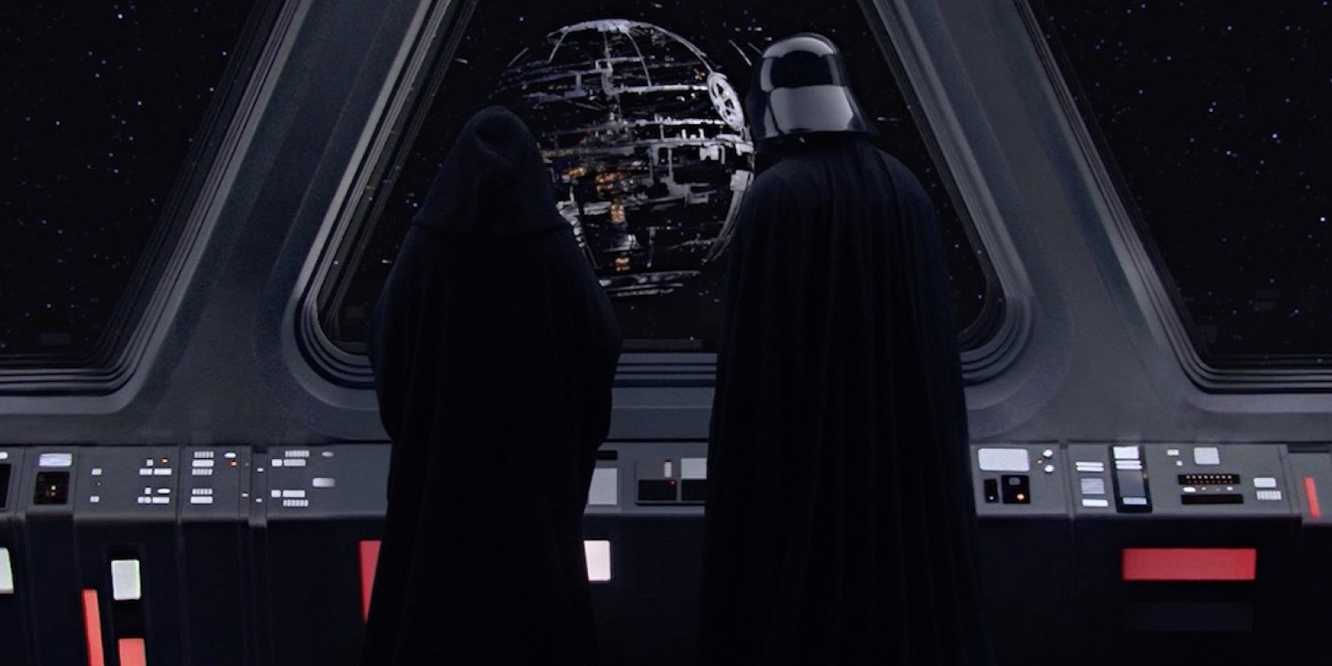
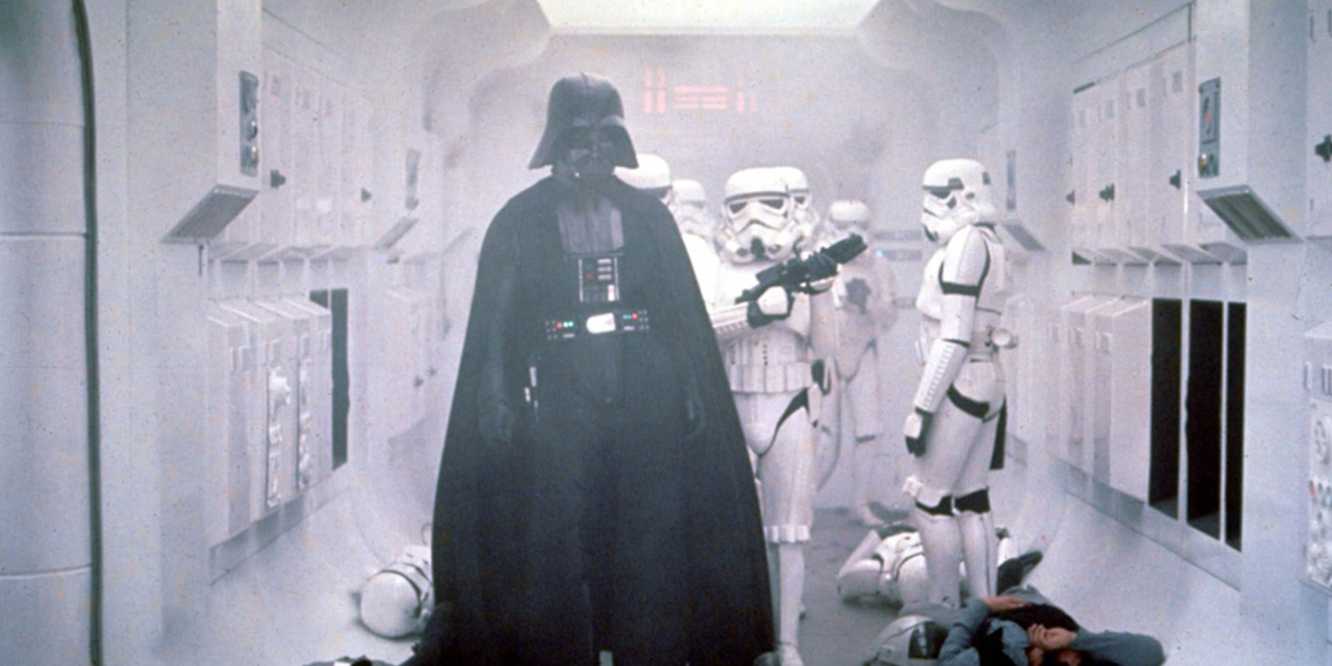


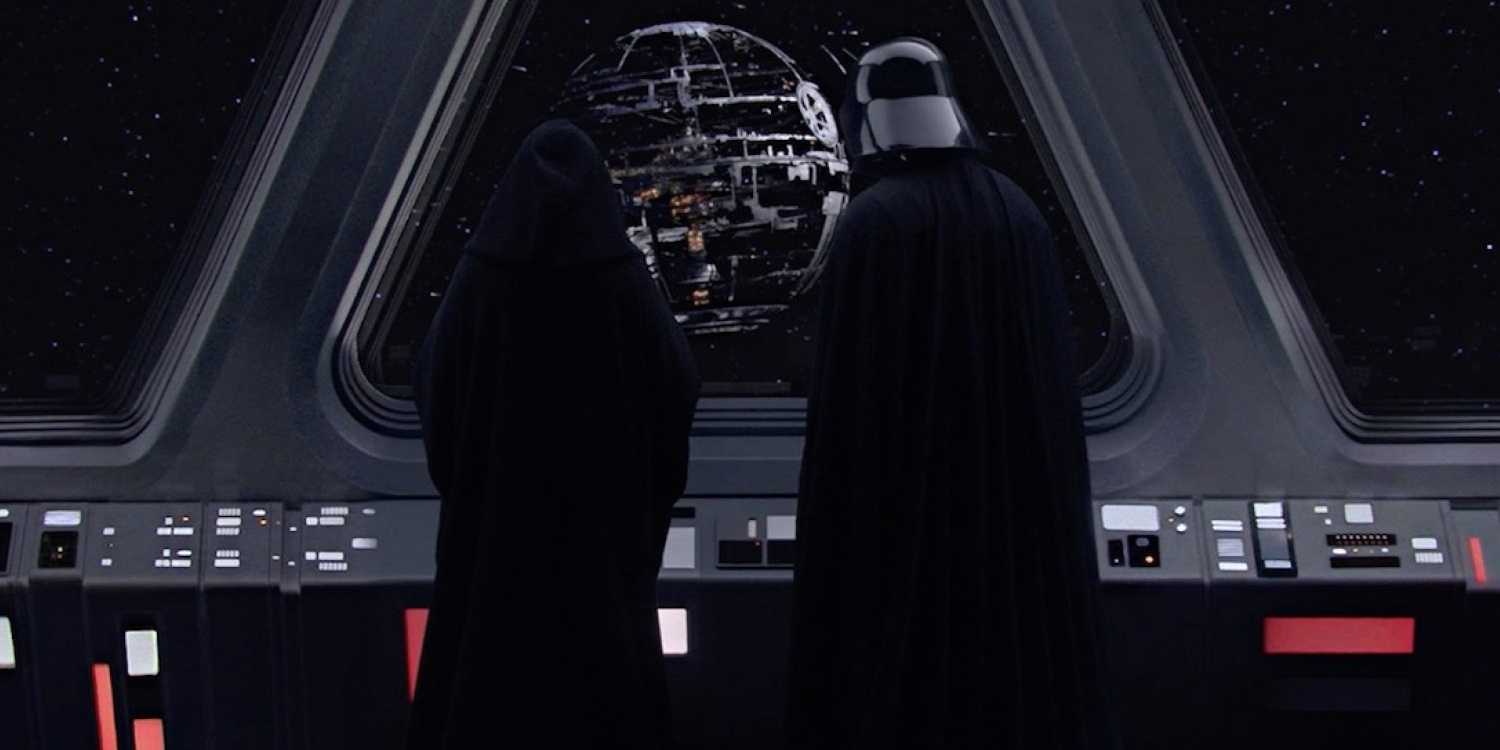
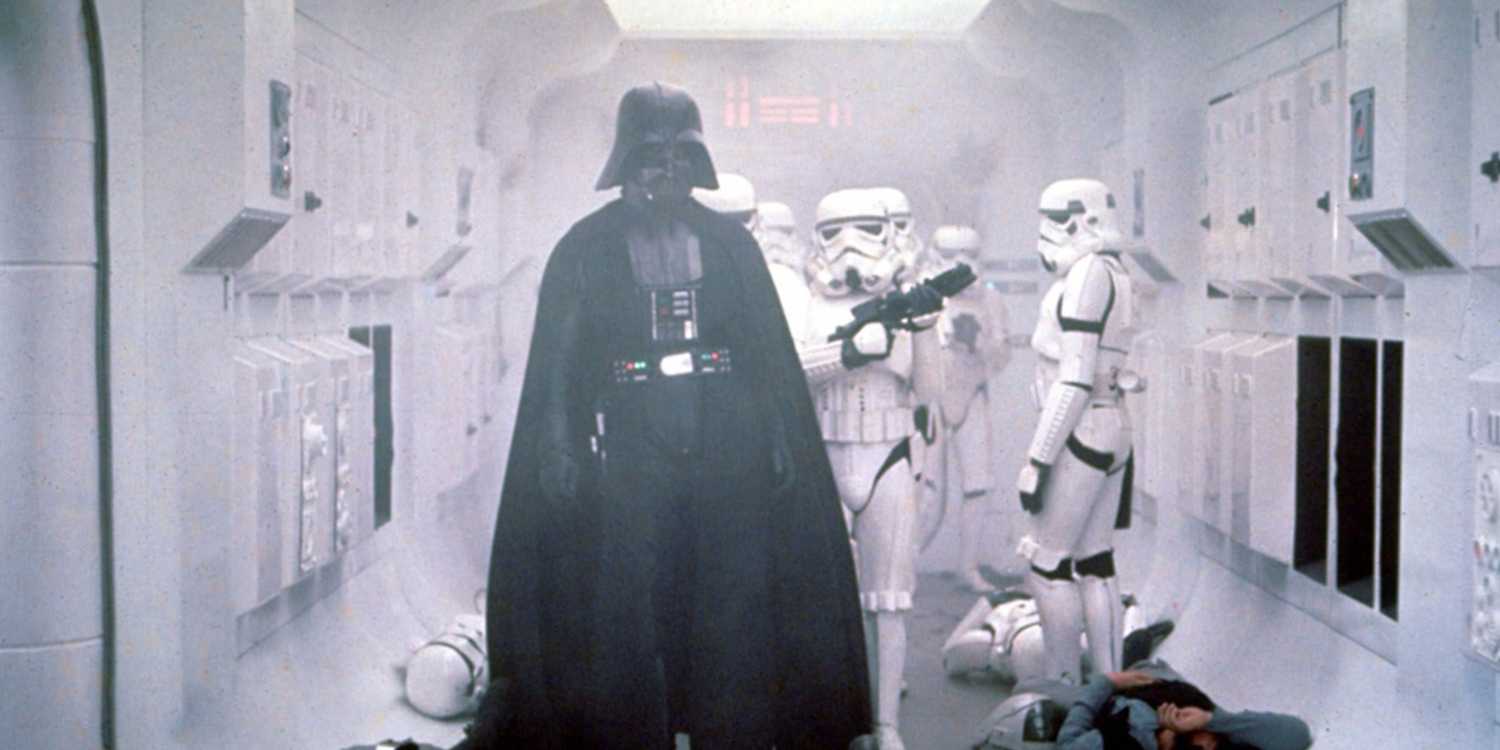
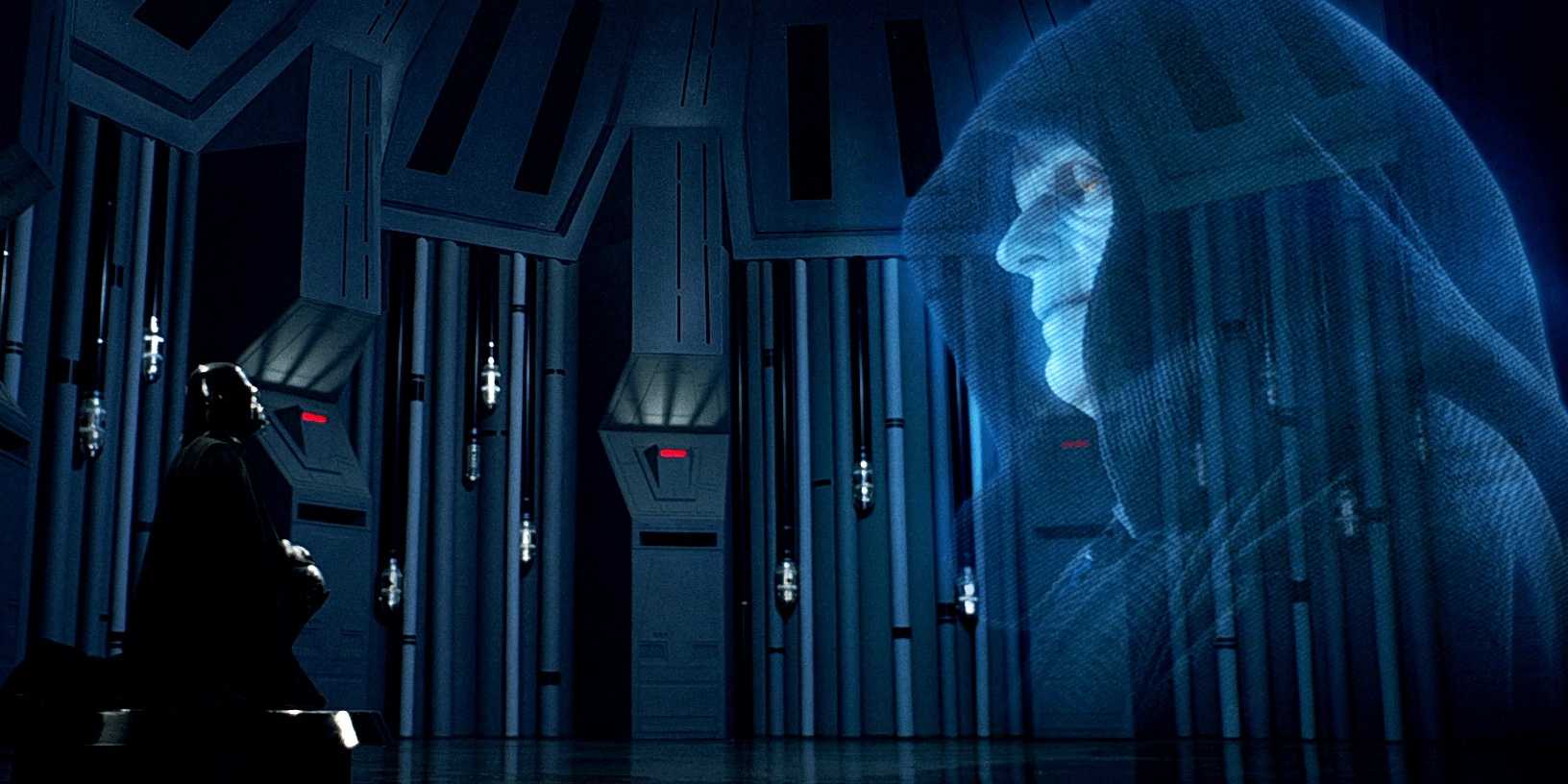
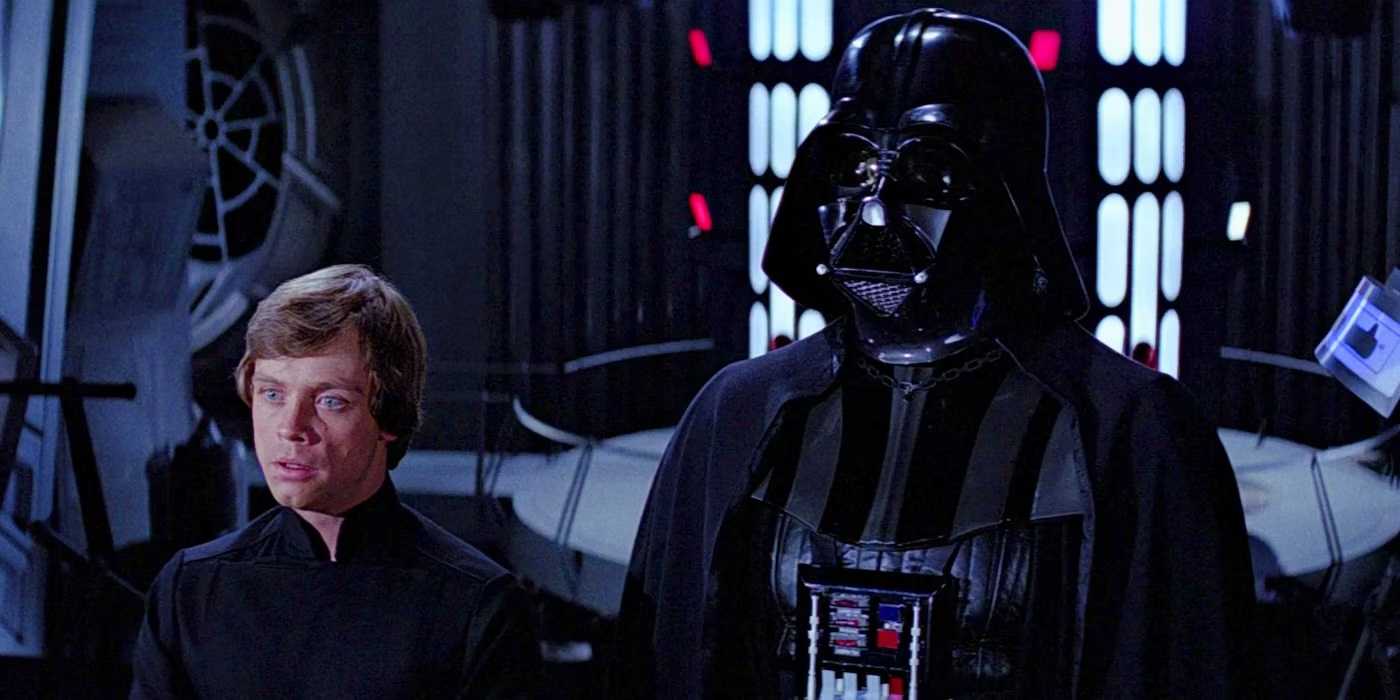
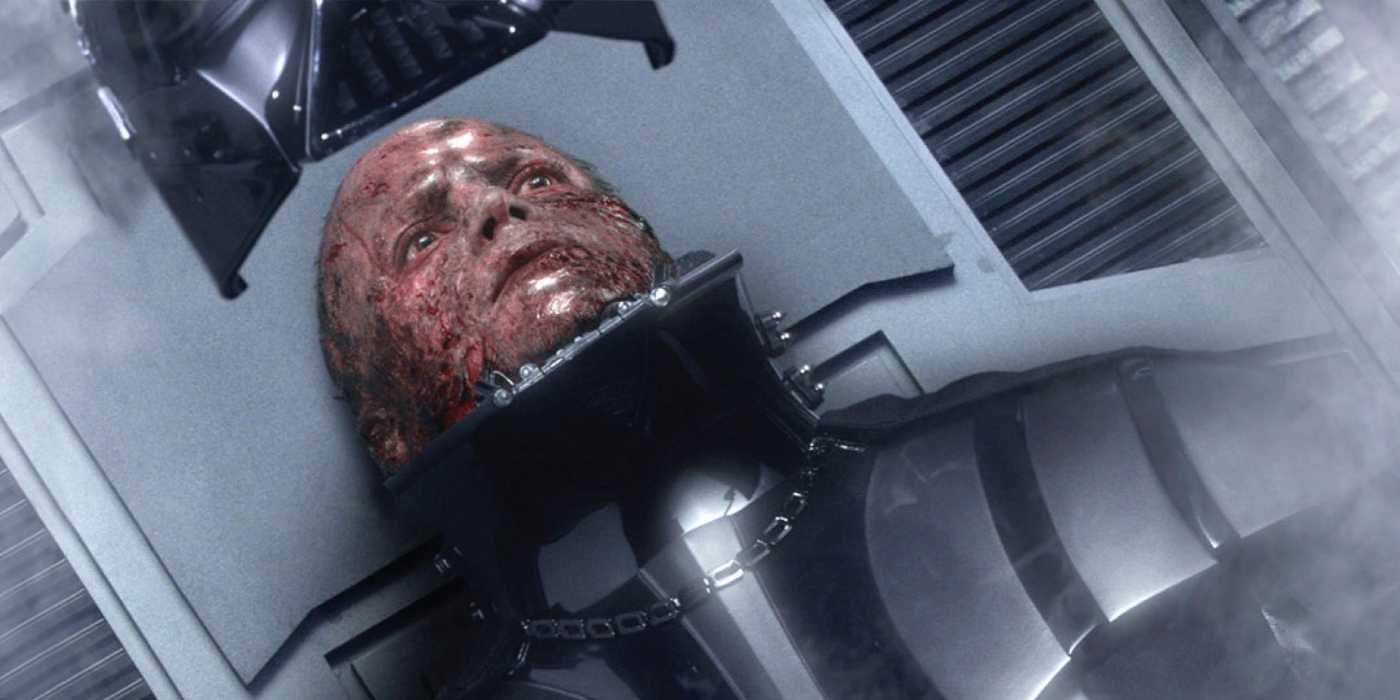
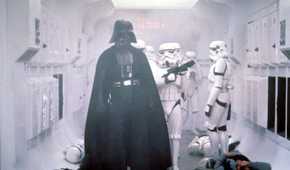
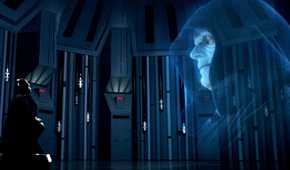
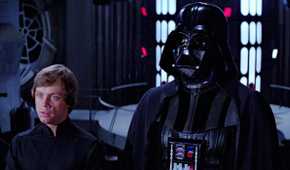
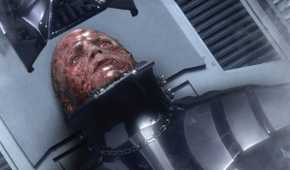
In the original trilogy, the history of the Sith only reached as far as the trilogy’s timeline. There was no exploration of what the Sith were like before the rise of the Empire, and at the time there was no need to. The Empire was the Sith in a way, and that was the threat that needed dealing with in order for Luke Skywalker to complete his mission and both save the galaxy and become a Jedi Master. There was no time to delve into the rise of the Empire.
This offered The Phantom Menace the unique position of fleshing out the Sith’s history. Not only does the movie cover a time before the original trilogy, showing the state of the Sith in a time when Jedi flourished, but it also establishes a history of the Sith’s rise and fall. This retroactively adds to their presence in the original trilogy, as their history seems to mirror the Jedi’s own.
4 The Phantom Menace Established The Rule Of Two
Darth Bane’s Legacy Began In The Prequel Trilogy


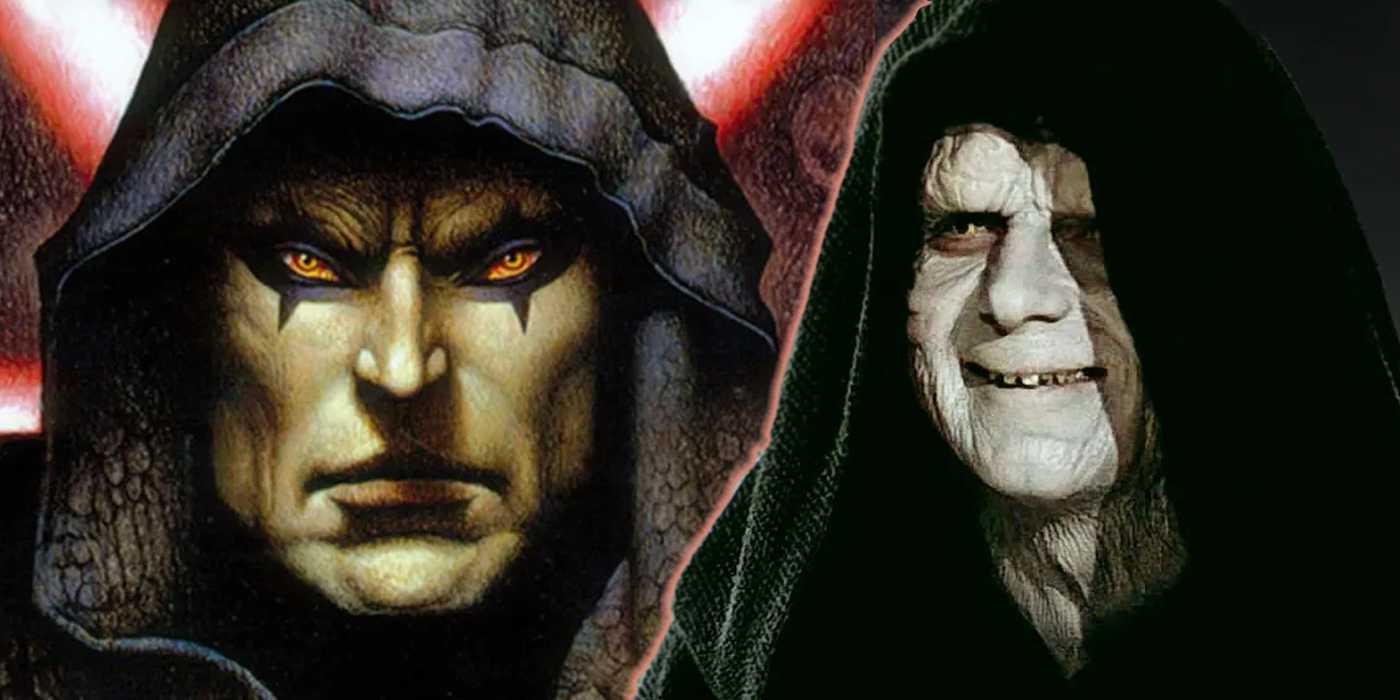
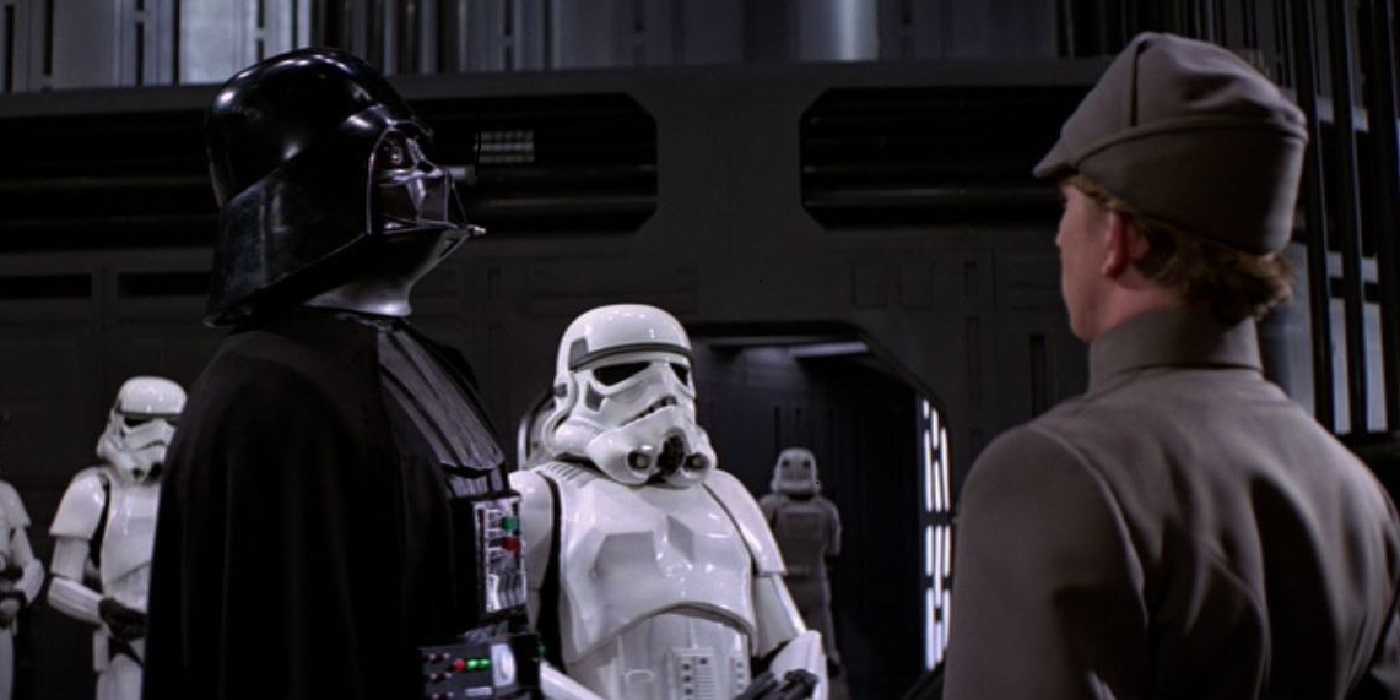
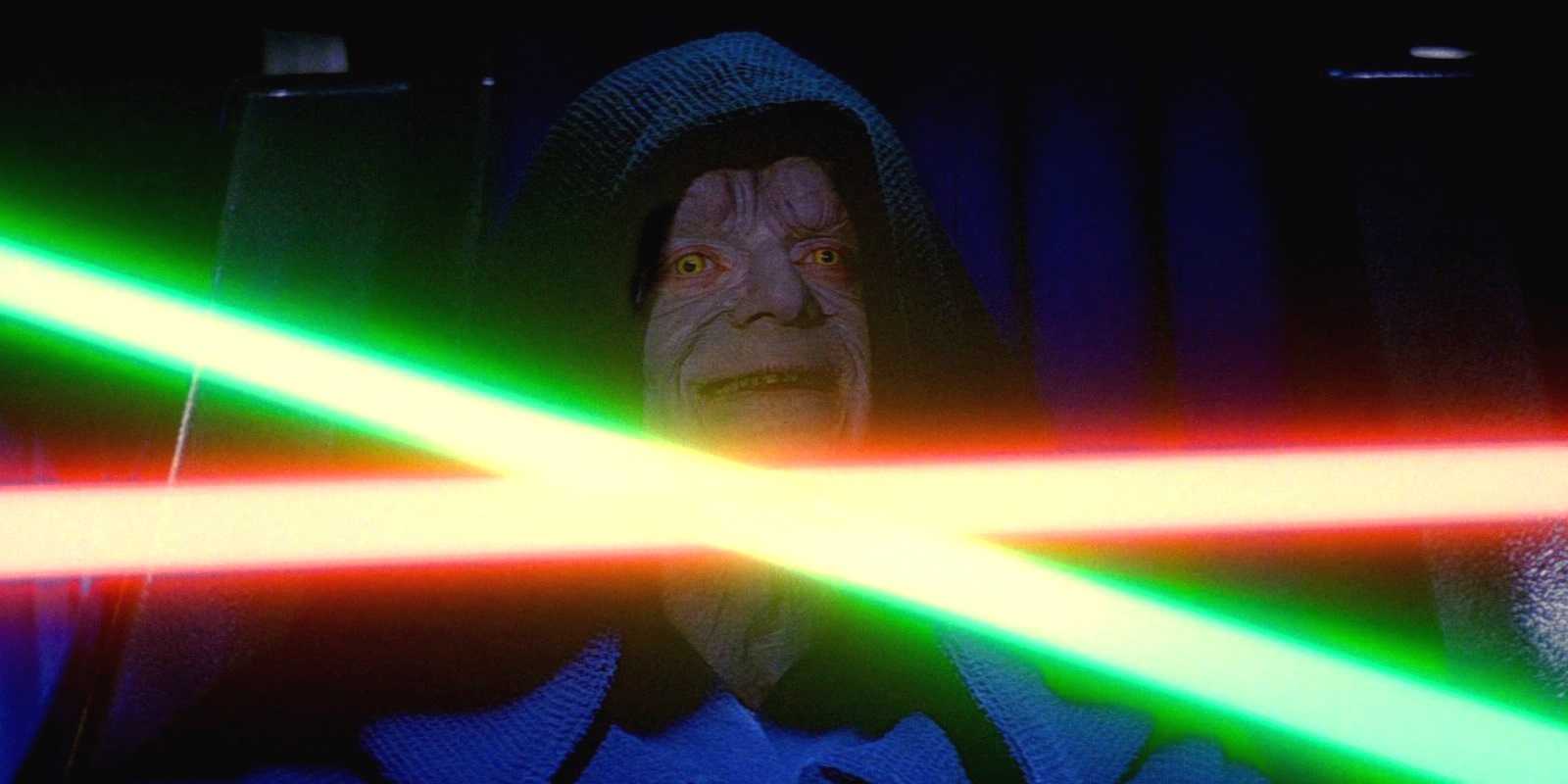
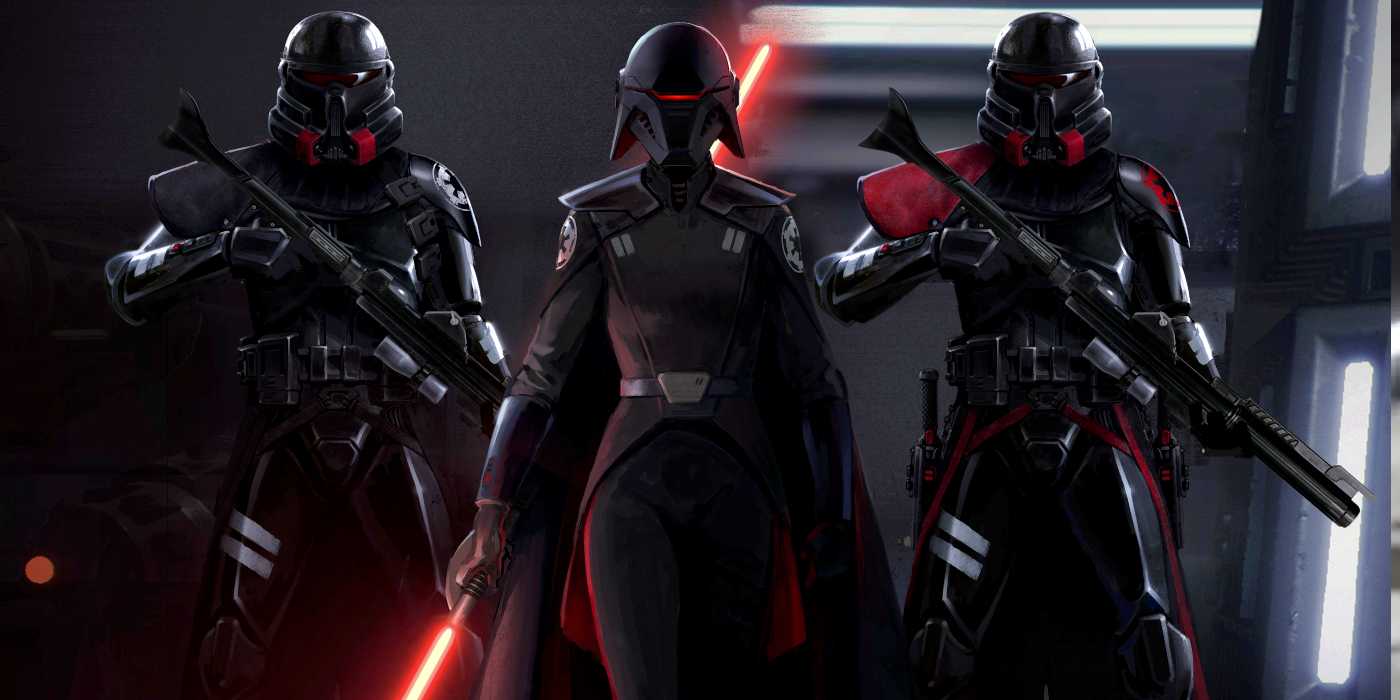
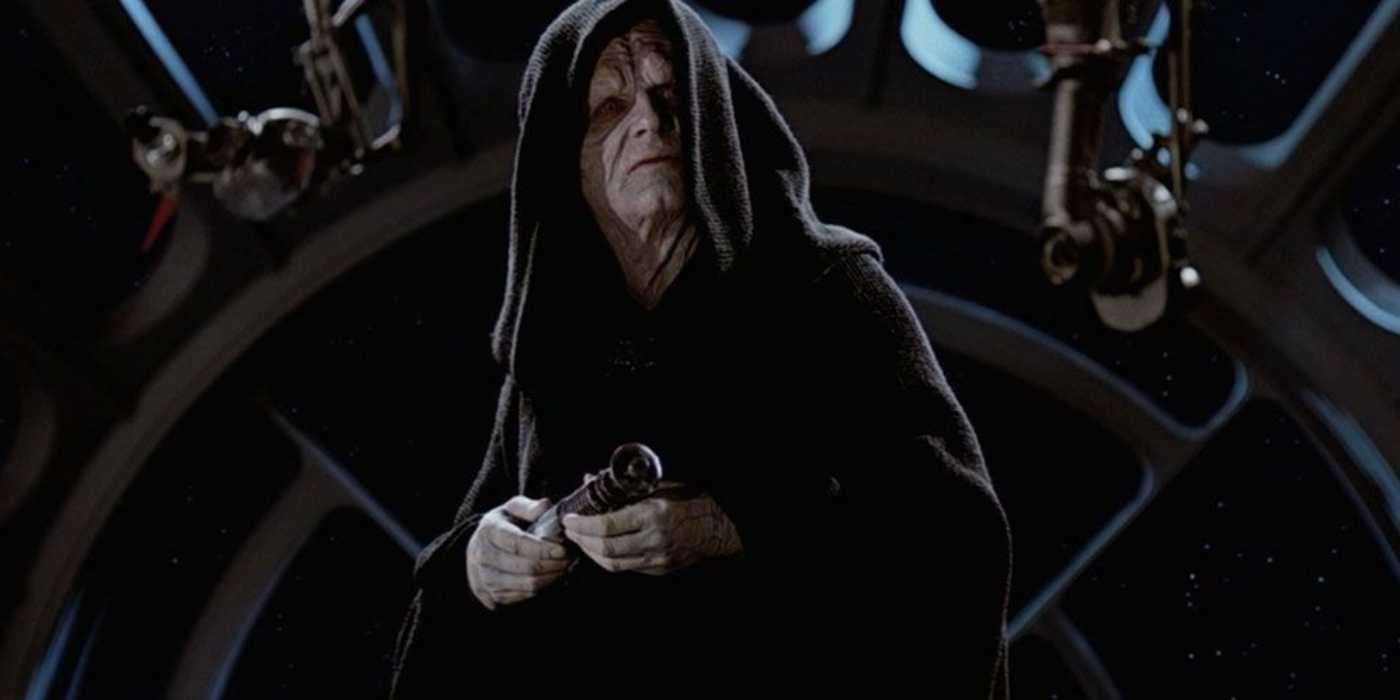
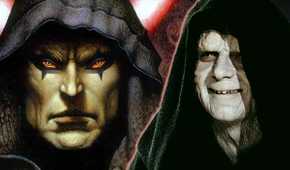

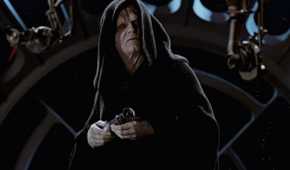
The appearance of the Emperor and Darth Vader as the main villains of the original trilogy was originally simply because the two of them were master and apprentice. However, The Phantom Menace makes it clear that the Jedi Council knew about the Sith Rule of Two, something originally introduced for the Sith in the prequel film. According to this rule, originally instituted by the Sith Lord Darth Bane, there should never be more than two Sith Lords at a time.
Now, it makes much more sense as to why there were only two Sith in the Empire and not an entire army. The Empire would break the Rule of Two if there were to be any more official Sith. Although it was later revealed that Darth Vader trained the Imperial Inquisitors under the Empire’s regime, the Rule of Two was still retroactively applied to the original trilogy.
3 The Phantom Menace Confirmed The Sith Had Been Hiding For A Thousand Years
The Sith In Hiding Mirror The Jedi In The Original Trilogy


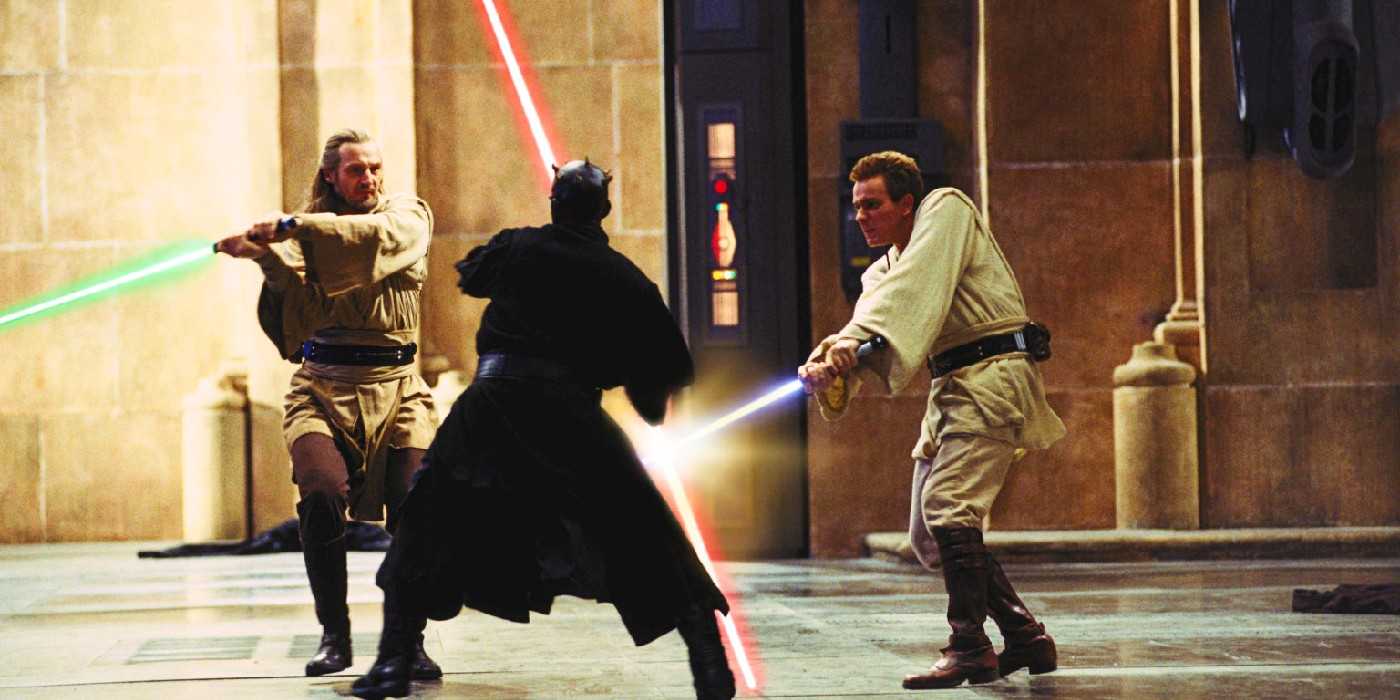
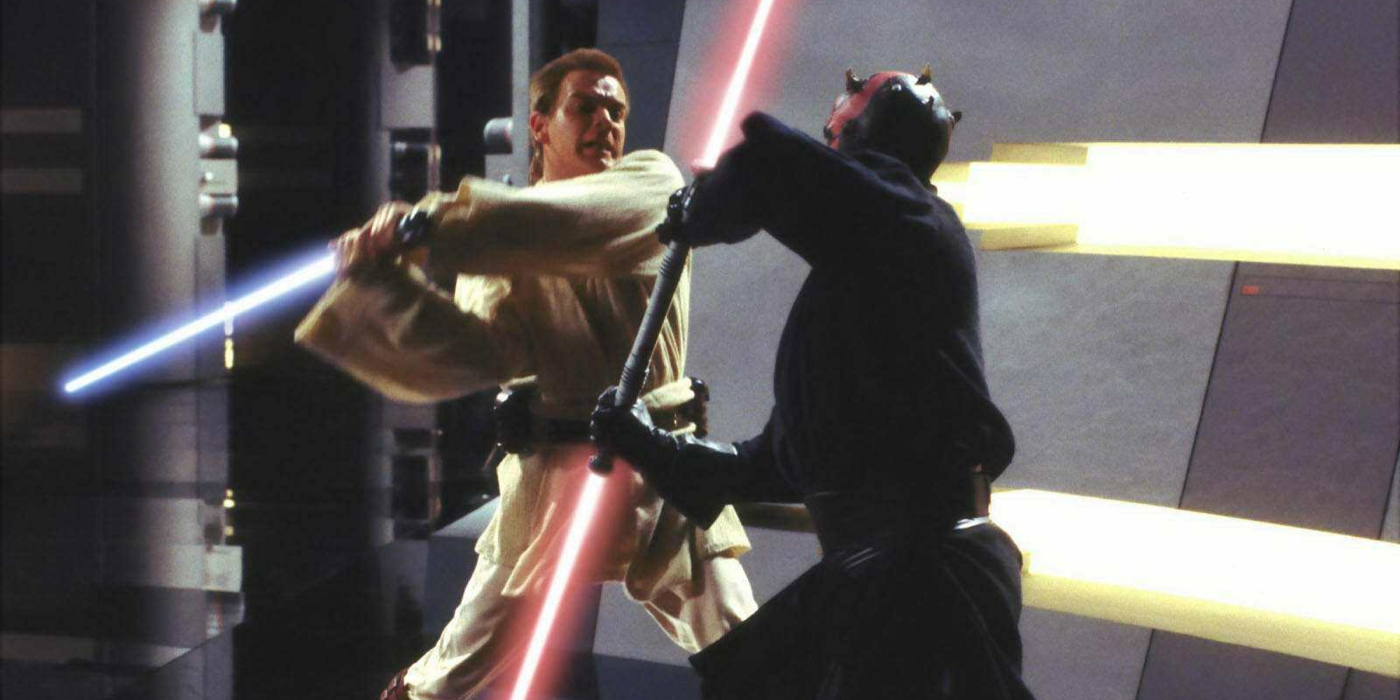
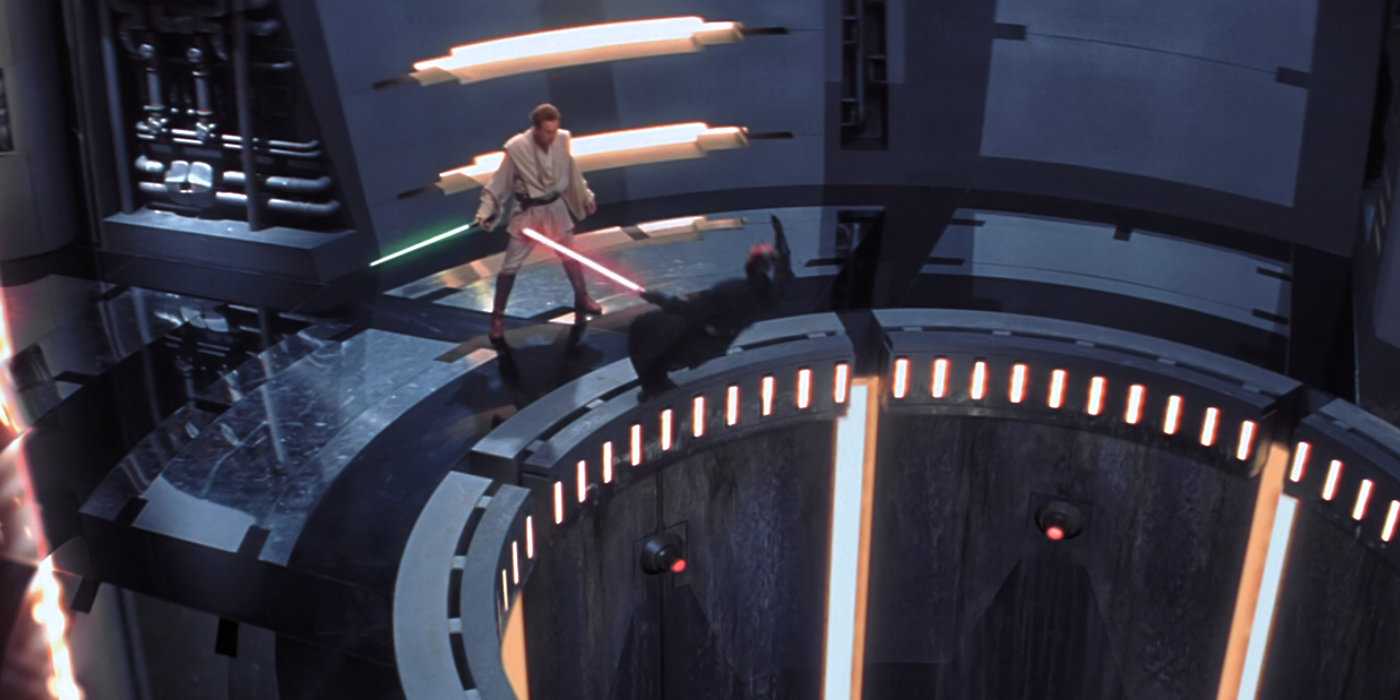
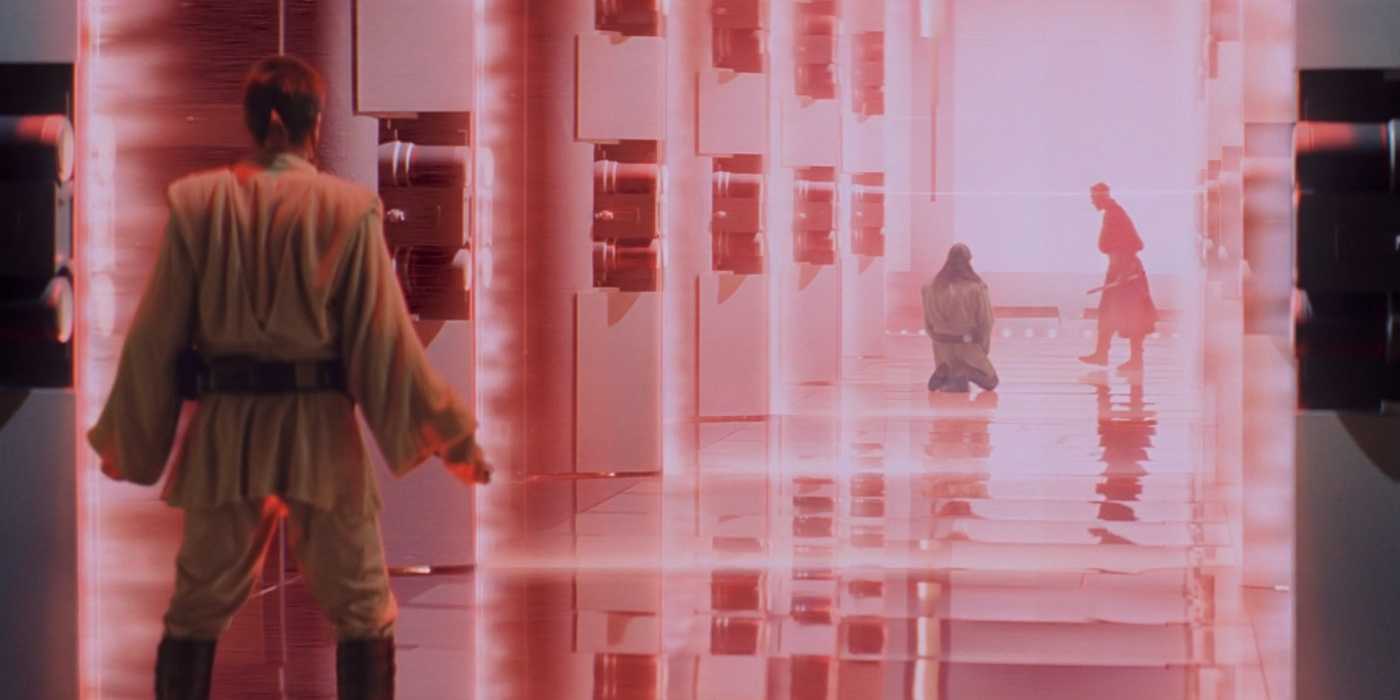
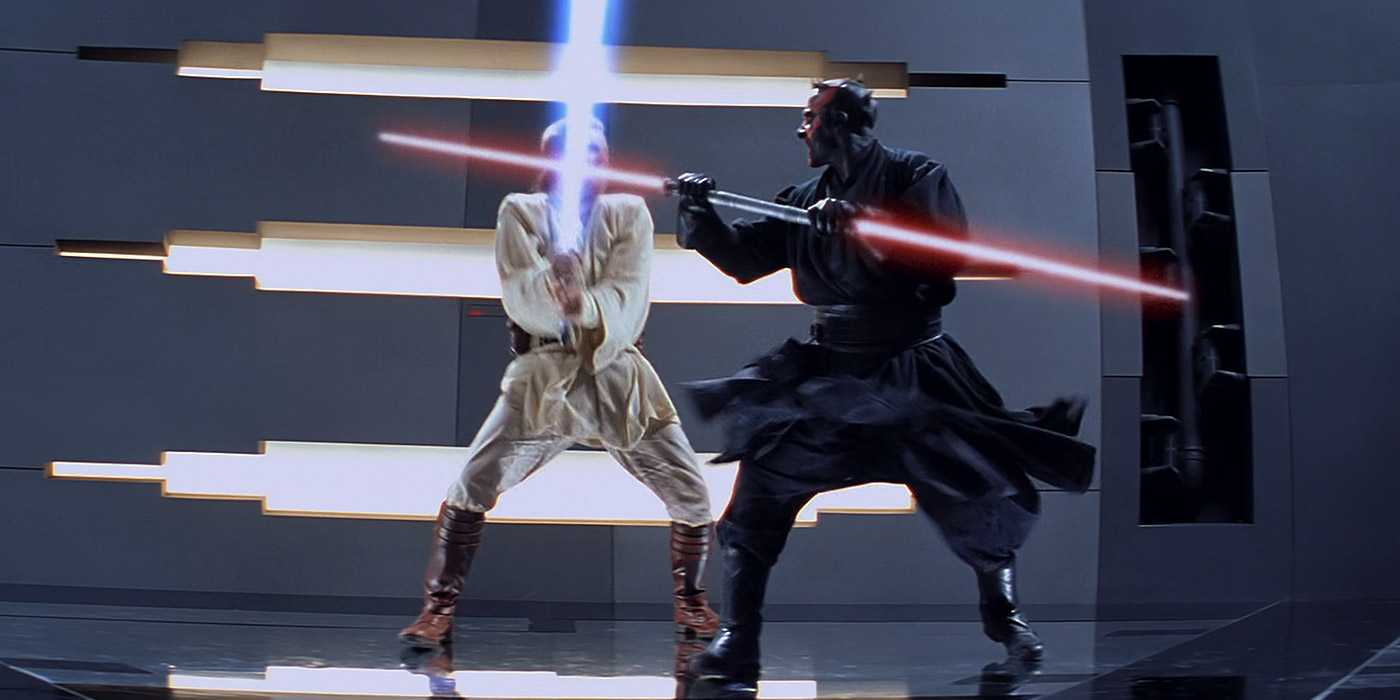

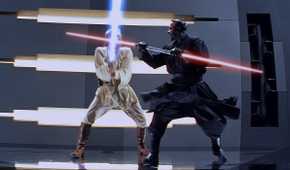
One of the main conflicts in The Phantom Menace is the return of the Sith and Qui-Gon Jinn’s struggle to convince the Jedi that they have actually returned. At this point in the Star Wars timeline, it is revealed that not only have the Sith been in hiding, but the Jedi had thought them completely extinct. This contributes to a lack of action by the Jedi Council, one that directly results in Qui-Gon’s death at the hands of Darth Maul.
The Phantom Menace was the first to show that it was once the opposite, with the Jedi flourishing while the Sith hid in the shadows.
This role reversal mirrors the state of things in the original trilogy. In A New Hope, the Jedi are thought to be extinct, hunted to the edges of the galaxy by the Empire. The Phantom Menace was the first to show that it was once the opposite, with the Jedi flourishing while the Sith hid in the shadows.
2 The Phantom Menace Set Up Palpatine's True Plans
Anakin Skywalker Became Part Of A Much More Sinister Plot



- Created By
- George Lucas
- Cast
- Ian McDiarmid, Sam Witwer, Ian Abercrombie
- First Appearance
- Star Wars: Episode V - The Empire Strikes Back
- Died
- Star Wars: Episode IX- The Rise Of Skywalker
- Movies
- Star Wars: Episode IV - A New Hope, Star Wars: Episode V - The Empire Strikes Back, Star Wars: Episode VI - Return of the Jedi, Star Wars: Episode I - The Phantom Menace, Star Wars: Episode II - Attack of the Clones, Star Wars: Episode III - Revenge of the Sith, Star Wars: Episode IX- The Rise of Skywalker
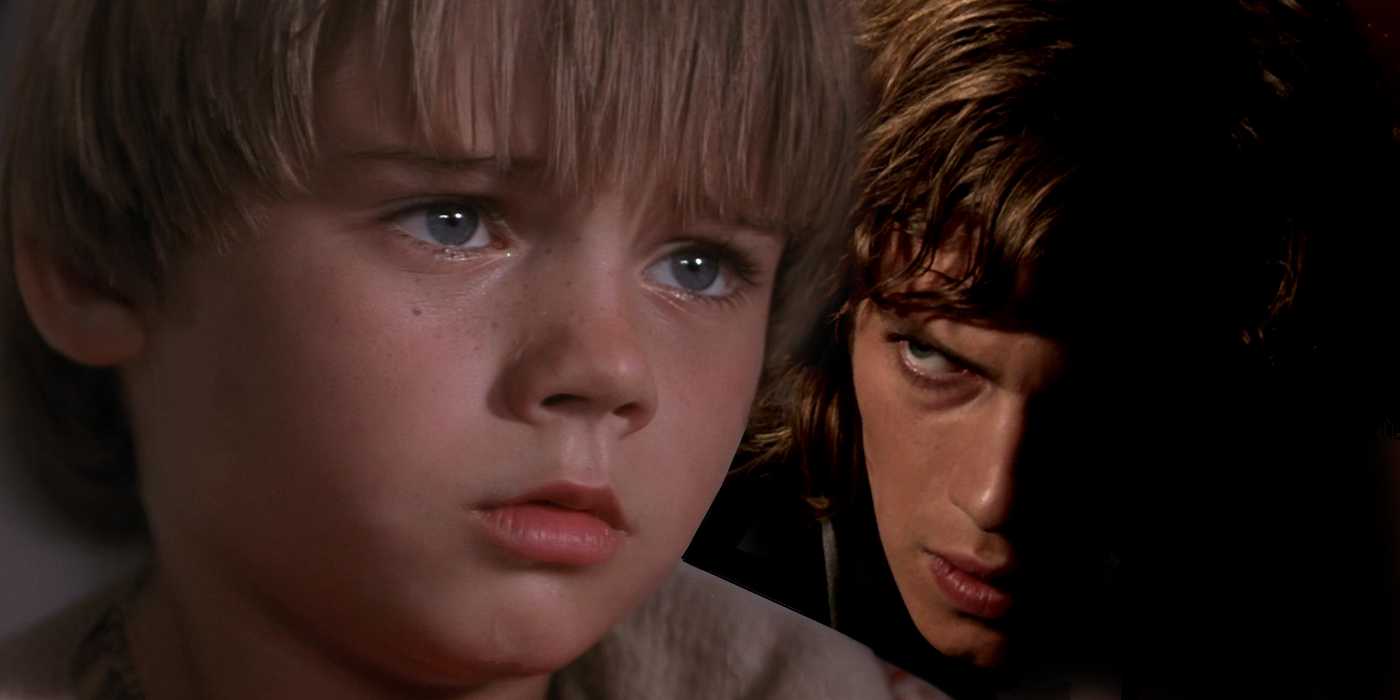
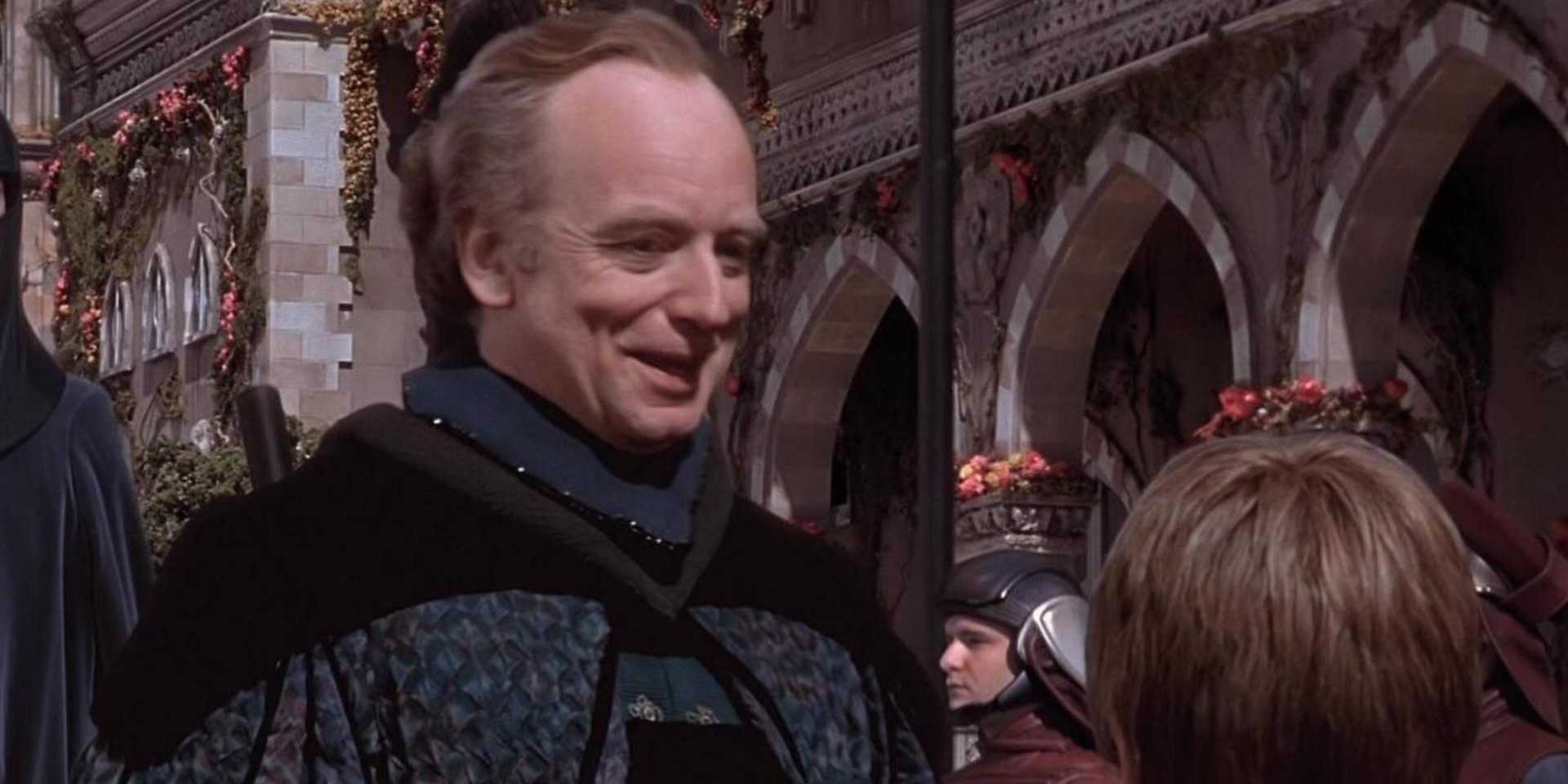
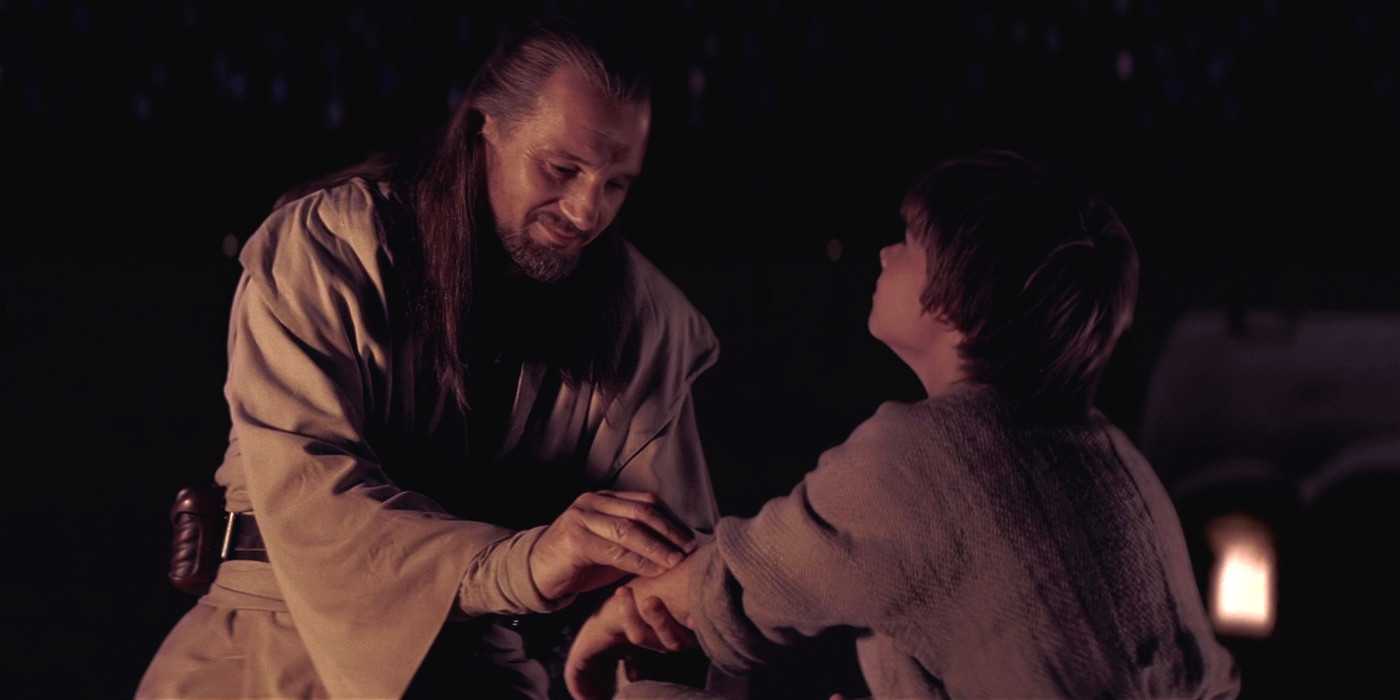
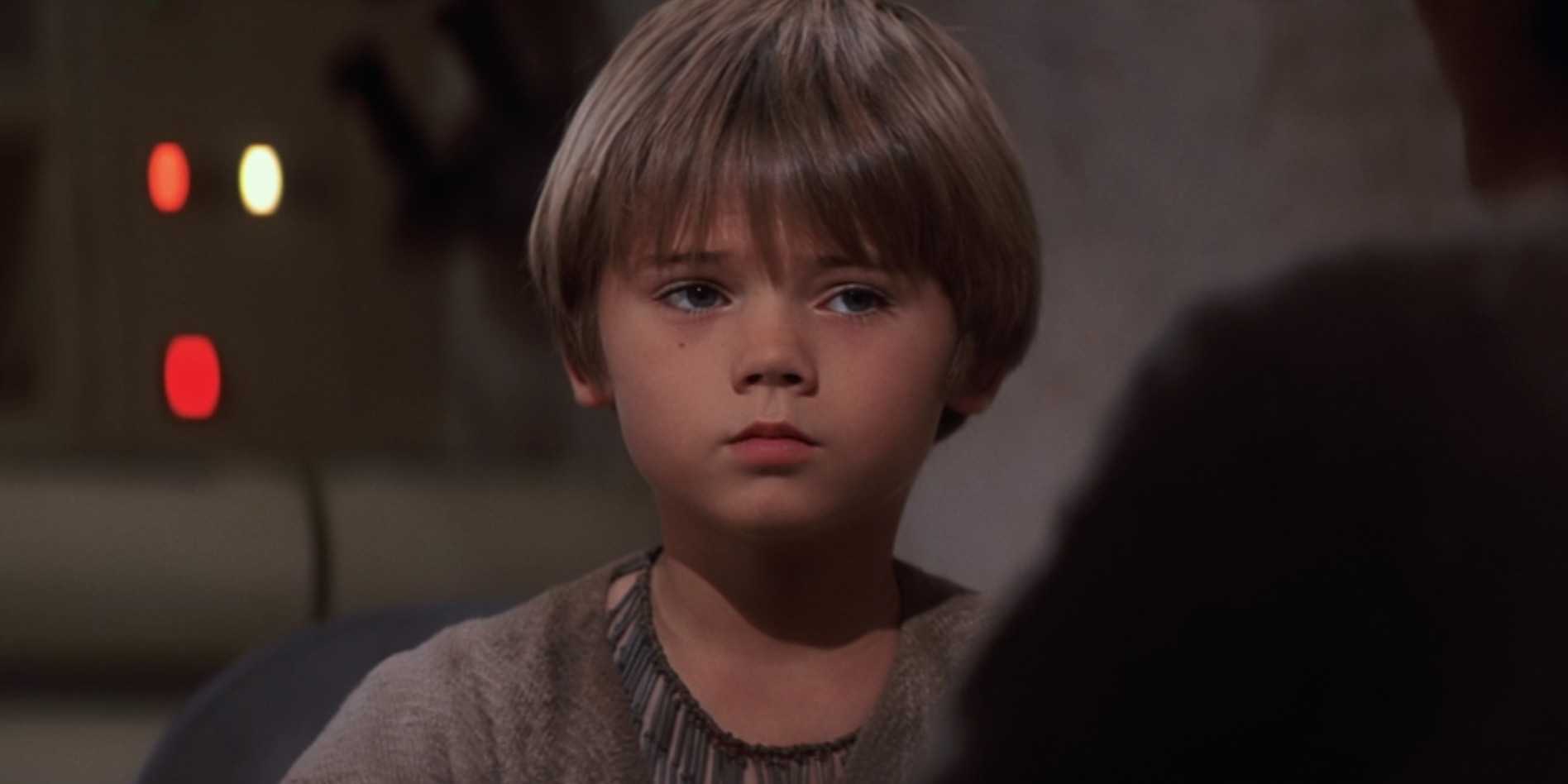
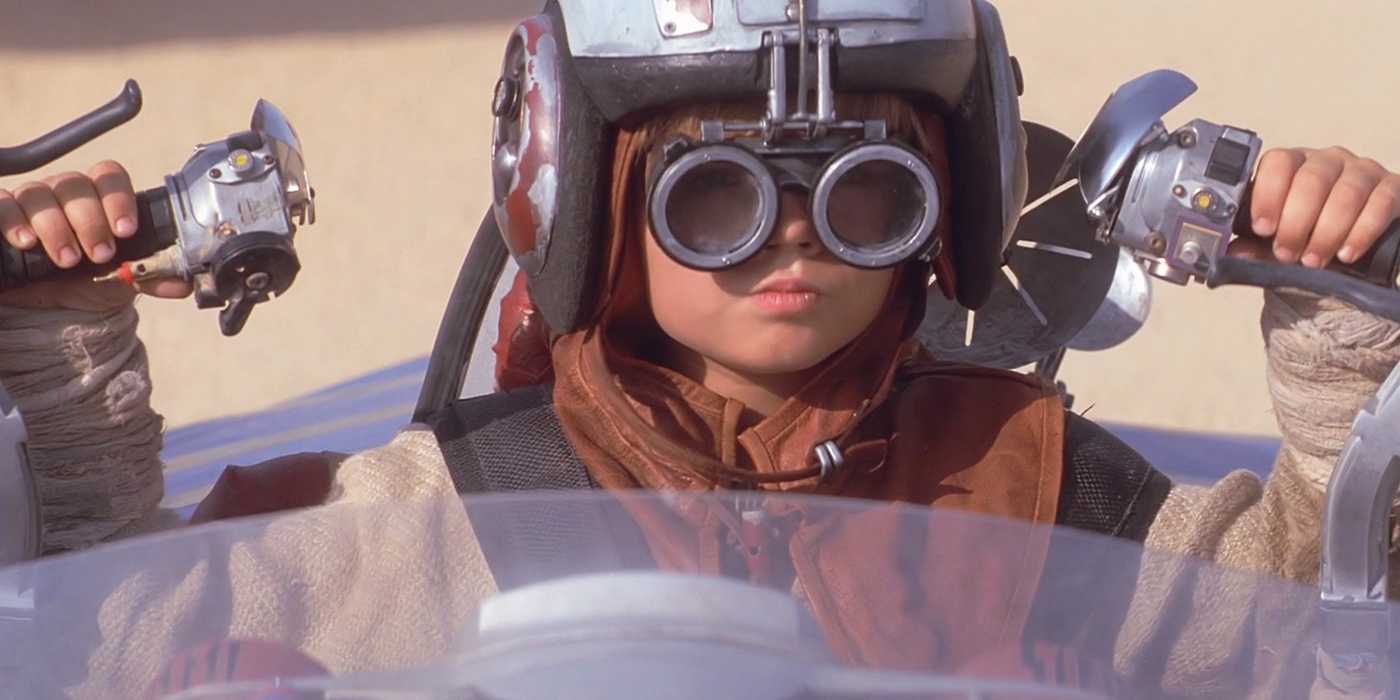
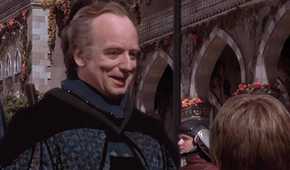
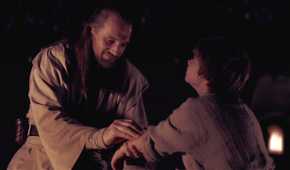
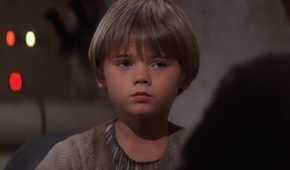
One of the most gut-wrenching aspects of the prequel trilogy is Chancellor Palpatine’s influence on a young Anakin Skywalker’s life. The Phantom Menace makes it clear that Palpatine is grooming Anakin from the start, as seen when the two of them meet on Naboo for the first time. Palpatine already has his sights set on him, making it clear that turning Anakin to the dark side was a part of his goal from the beginning.
This, coupled with the Emperor’s presence within the Galactic Trade Federation, starts to add context to how exactly Palpatine built the Empire in the first place. In the original trilogy, the Empire is already at its peak with no indication as to how they got there. However, The Phantom Menace begins to lay the groundwork for a much more sinister bait and switch that only finally pays off once Order 66 and Anakin’s fall are solidified in Star Wars: Episode III - Revenge of the Sith.
1 "Darth" Was Officially Confirmed As A Sith Title
Darth Sidious Was Confirmed And Characters Like Darth Maul Were Added To The Roster


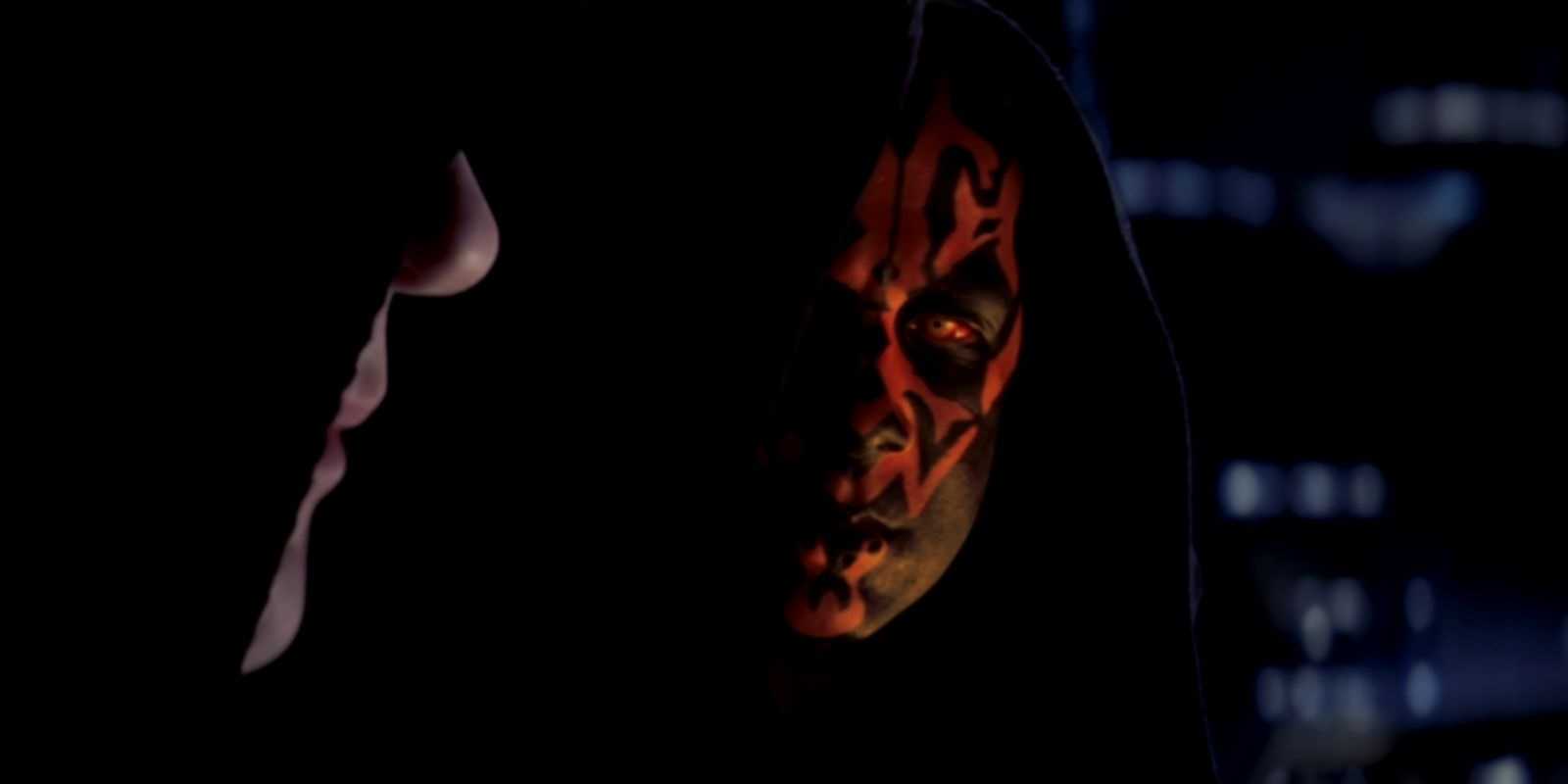
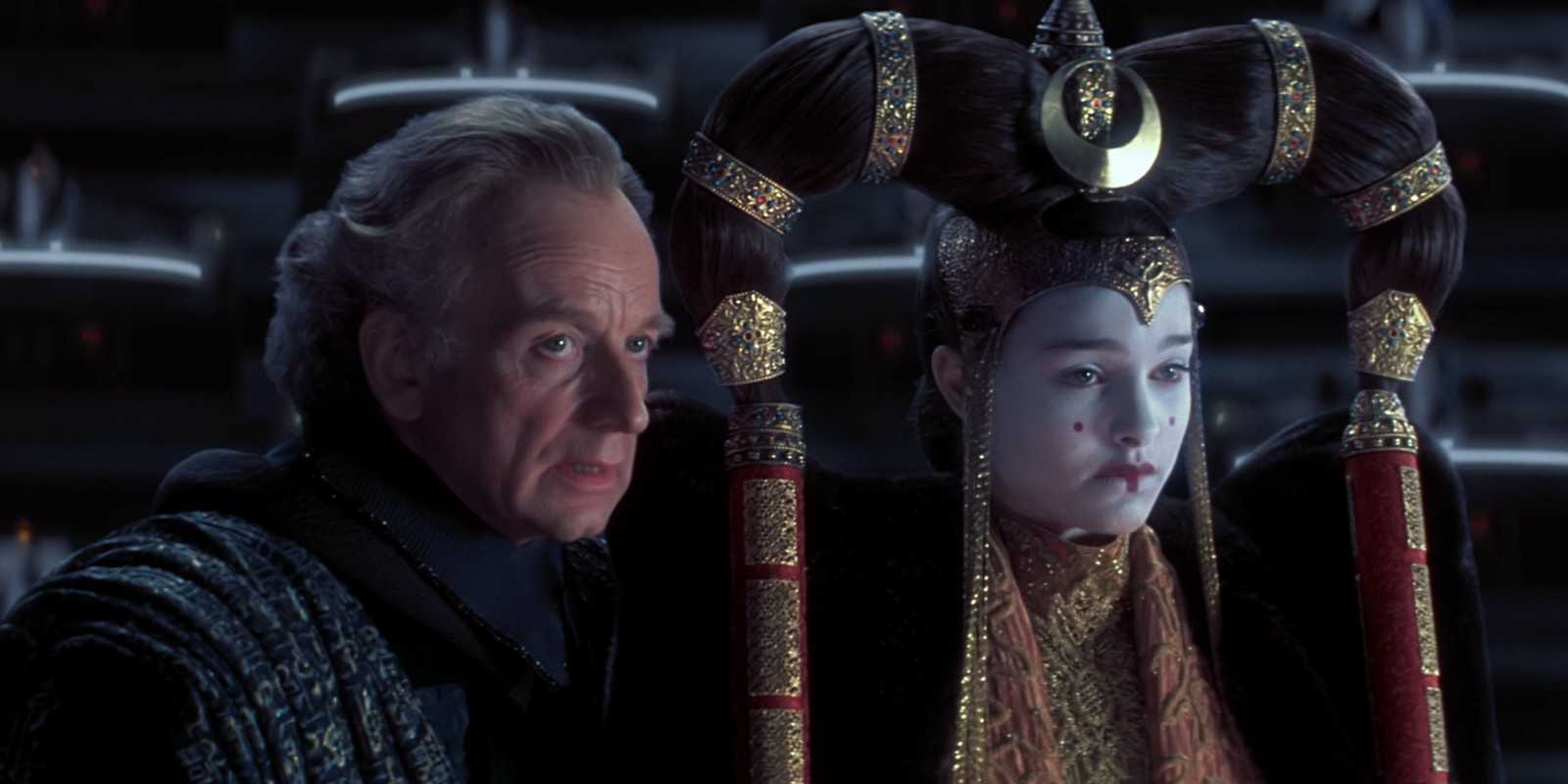
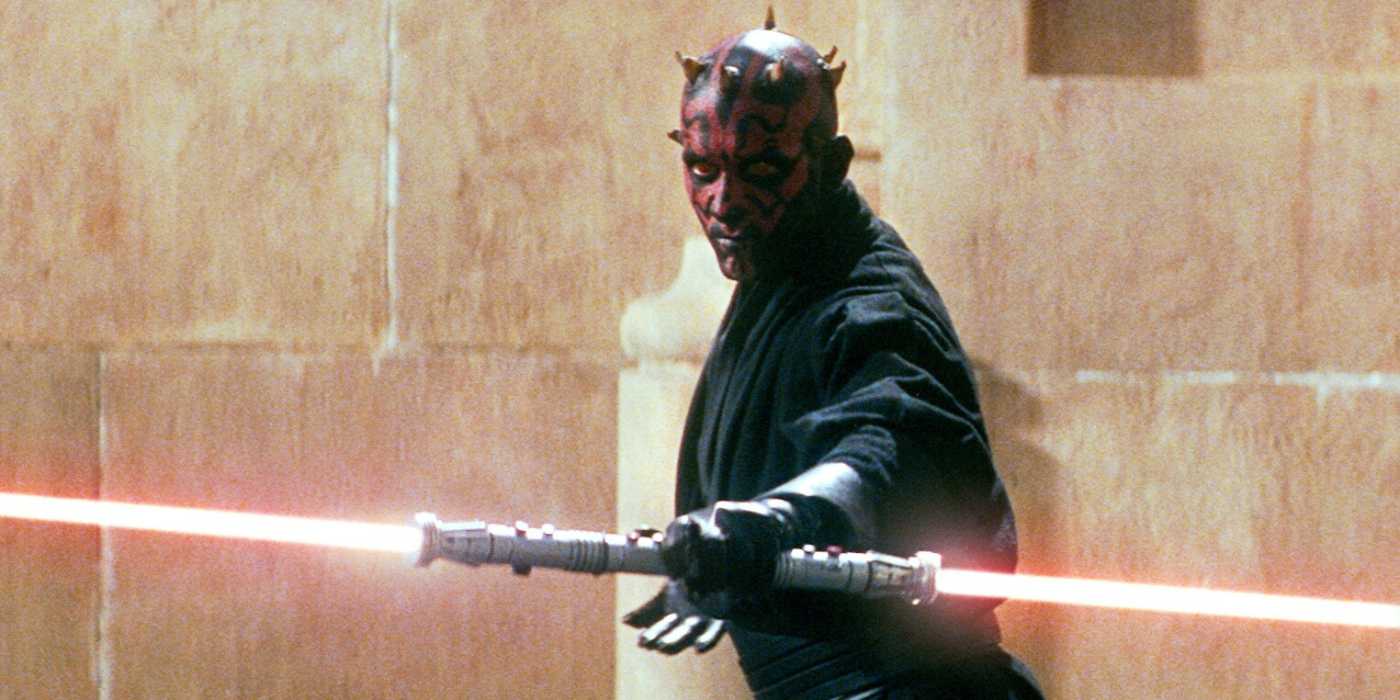
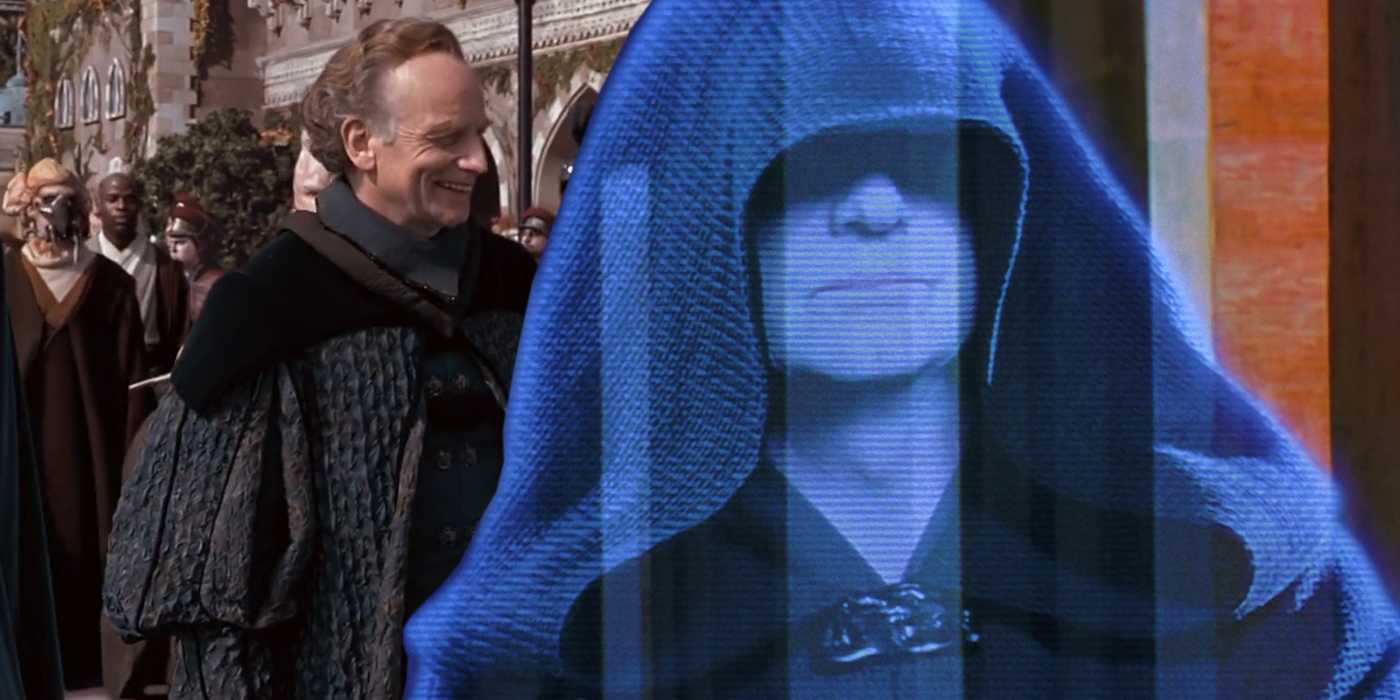
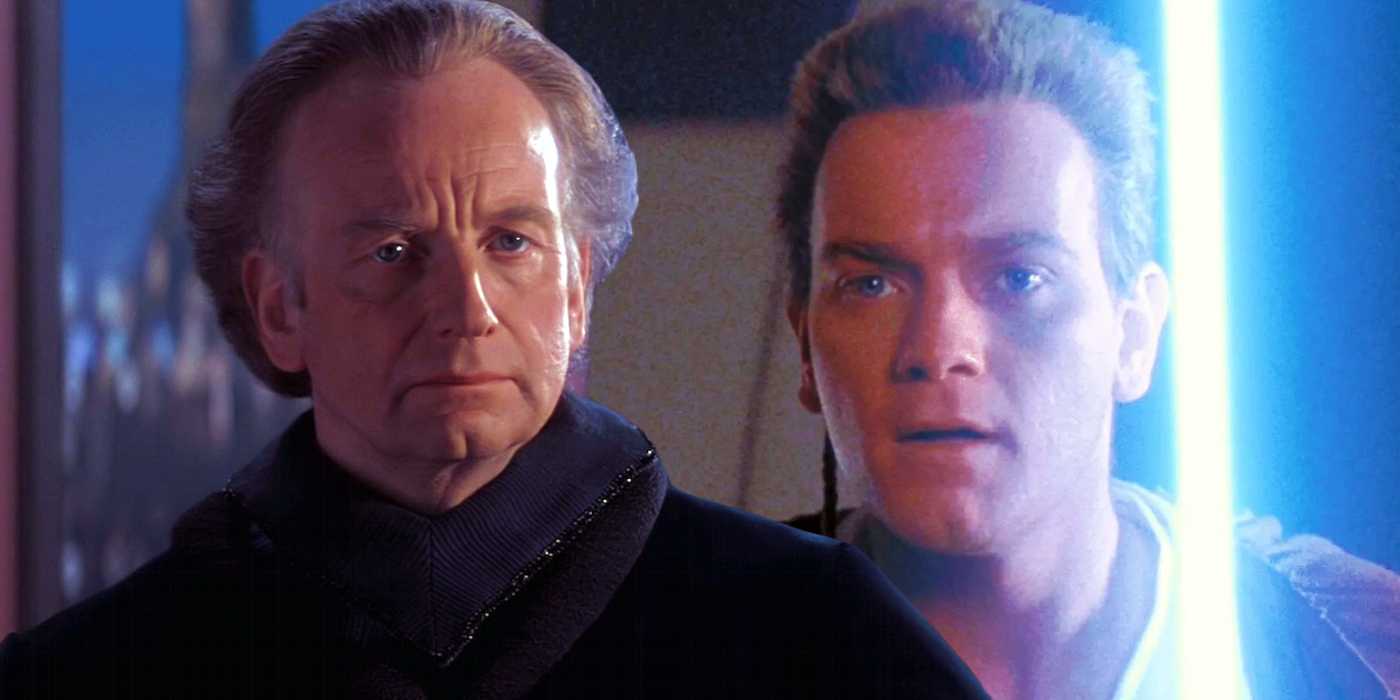
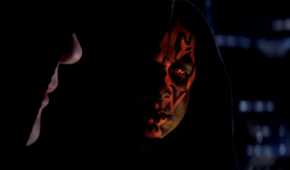
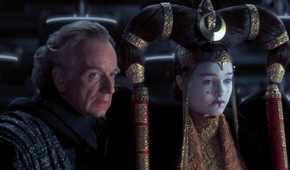
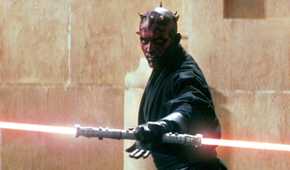
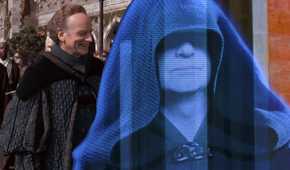
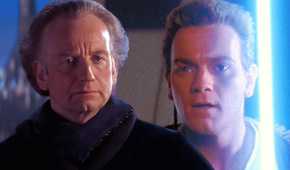
Before The Phantom Menace was released, the Emperor was simply referred to as the Emperor. He did not have a Sith title in the original movies, but this was changed with the release of The Phantom Menace. Here, he is strictly referred to either by his Sith title, Darth Sidious, or his actual name, Sheev Palpatine. This is because, at this point in time, there is nothing for him to be the emperor of.
“Darth” made its way into the common lexicon as a title to be used for Sith Lords.
Previously, the only character to use the title of “Darth” was Darth Vader. However, with the reveal of The Emperor’s Sith designation and the introduction of a new character with the inclusion of Darth Maul, “Darth” made its way into the common lexicon as a title to be used for Sith Lords. Now, with so many Sith following suit and inheriting the title, this lore from The Phantom Menace has become a staple of the Star Wars franchise.


- Release Date
- May 19, 1999
- Runtime
- 136 minutes
- Director
- George Lucas
- Writers
- George Lucas
- Producers
- Rick McCallum
- Sequel(s)
- Star Wars: Episode II - Attack of the Clones, Star Wars: Episode III - Revenge of the Sith, Solo: A Star Wars Story, Rogue One: A Star Wars Story, Star Wars: Episode IV - A New Hope, Star Wars: Episode V - The Empire Strikes Back, Star Wars: Episode VI - Return of the Jedi, Star Wars: Episode VII - The Force Awakens, Star Wars: Episode VIII - The Last Jedi, Star Wars: Episode IX - The Rise of Skywalker
- Franchise(s)
- Star Wars
Cast
-
 Obi-Wan Kenobi
-
 Qui-Gon Jinn
- Studio(s)
- Lucasfilm
- Distributor(s)
- 20th Century
- Budget
- $115 Million

