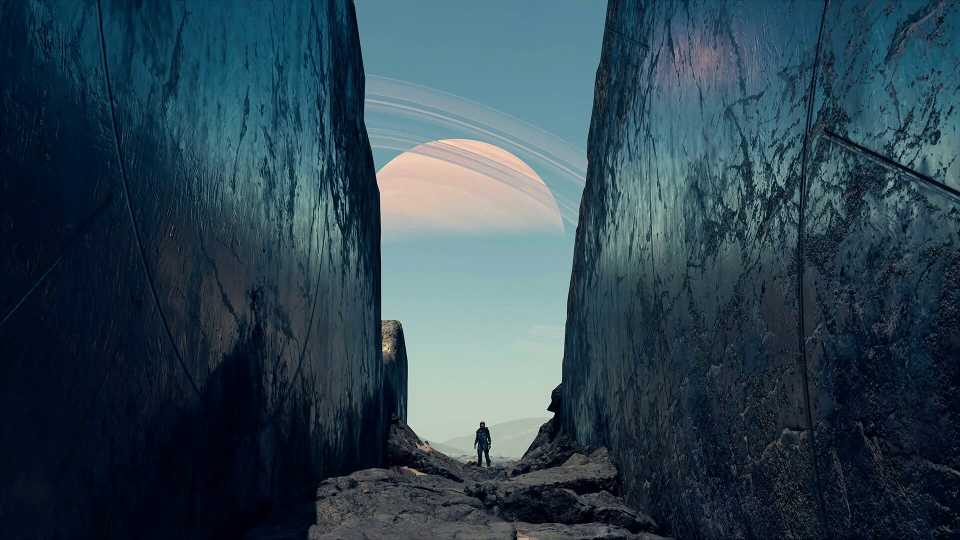
Starfield may be too far gone to fix with updates. Soon to enter its second year of life, Starfield has had a generational run of controversy: a buggy launch, a lackluster DLC, and now, a dearth of updates, although Bethesda has promised more coming later this year.
A lot of Bethesda games have undergone similarly troubled launches. Fallout 76 had people angrily mailing bobby pins to Bethesda HQ, but it's come a long way in the years since, and is actually a solid RPG today. But I'm afraid Starfield will never have the same kind of redemption arc - its issues are too big, too central, to be resolved in patches, updates, and DLC.
Some Starfield Changes Would Need To Come In A Sequel
Starfield Is Fundamentally Broken

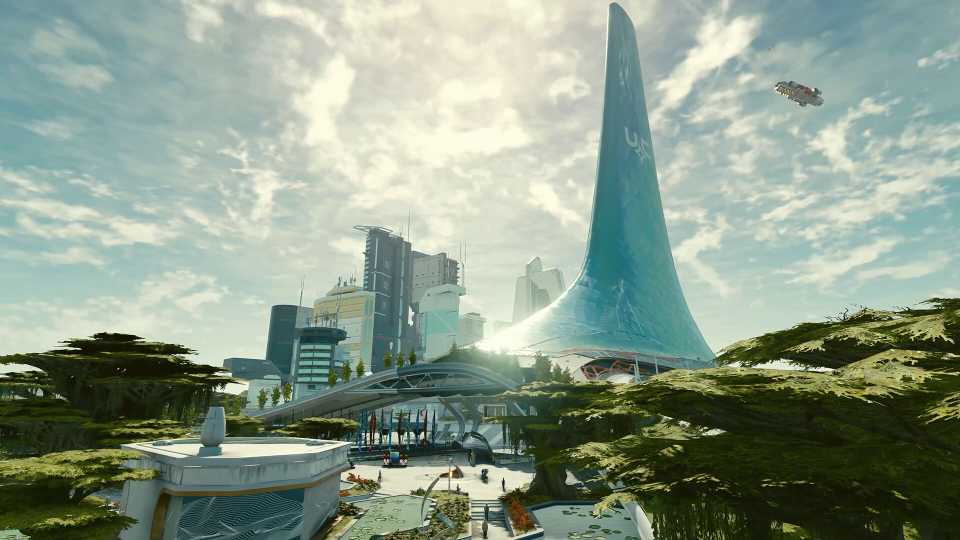
Starfield ran poorly and was incredibly buggy at launch. I still recall, the first time I entered a building in New Atlantis, after an hour of adjusting the settings to make the game run at 30 FPS. My character immediately fell through the floor, beneath the map, breaking both of his legs and forcing me to reload an earlier save.
To its credit, Bethesda has resolved some of these issues in updates since. It's a lot easier to launch and play Starfield without crashes or devastating bugs like this one today.
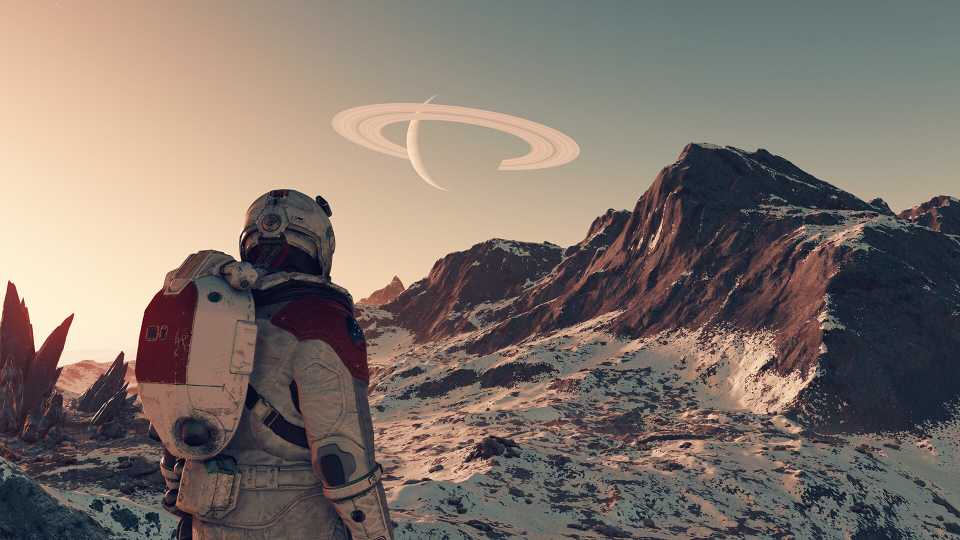
But, when I finally did get Starfield working on my PC and set out to explore the galaxy, I quickly discovered that the game was functionally empty. I think it's partly an issue with the procedurally generated planets, which simply aren't interesting to explore. Landmarks and points of interest are too often copied and pasted, or separated by massive swathes of barren, empty terrain.
But more so than that, I find the core gameplay loop of Starfield boring. The combat's not exciting, the story is fairly basic and predictable, and sidequests don't do much to break up the monotony. Player choices feel pointless and unimpactful.
This might ordinarily be disrupted by a more interesting base-building/survival mode, making Starfield's copy-paste planets interesting to navigate, and giving the game legs beyond its lackluster main story. But it doesn't deliver on that front, either. Base-building is no more exciting, much more time-consuming, and, besides making you lots and lots of money over time, feels just as pointless.
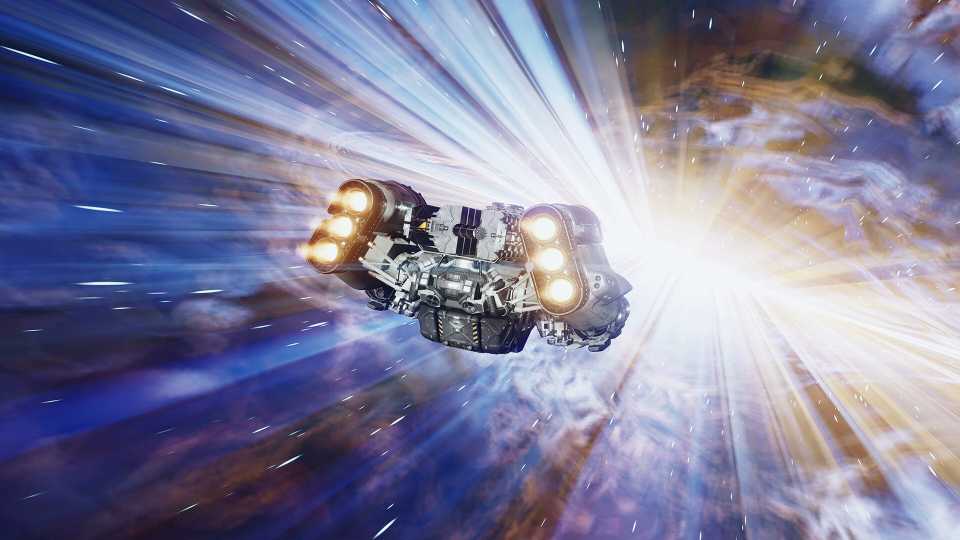
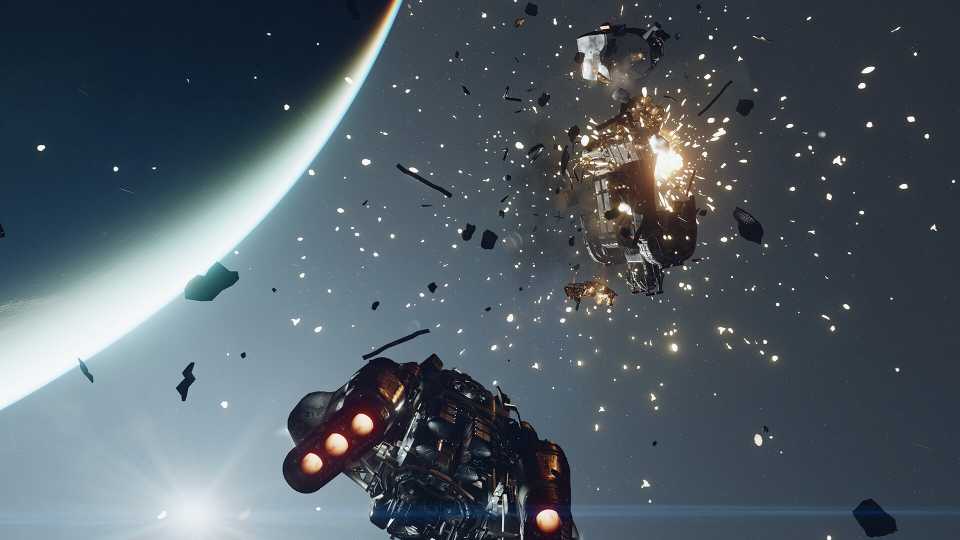
The only other aspect of the game with the potential to be interesting - exploring the vast reaches of space - is something you're actively discouraged from doing, instead being locked into fast travel from one place to the next. This usually means lots of downtime and multiple loading screens, just to spawn on another empty planet.
Some games have managed to come back from similarly disastrous launches. No Man's Sky, also a sci-fi game with procedurally generated planets, was similarly panned when it was first released, but after a series of expansive updates, it's an excellent, well-liked survival game today.
But here's the thing: in all those updates, very little has changed about the core gameplay loop of No Man's Sky. Sure, there are a million new features, more immersive planets, a concrete endgame, et cetera, but at the end of the day, you're still logging on, farming resources, upgrading your ship, selling the rest, and moving on to the next planet.
My fear, at this point, is that Starfield's core gameplay loop is too fundamentally flawed to be fixed. Its biggest problems seem to exist at a game engine level: combat is boring, there's no real support for long-distance space travel, and procedural generation creates boring planets.
These aren't things you can fix with a simple update. They run too deep. So all Starfield can do at this point is tack on new features, as it attempted to do in the Shattered Space DLC and associated base game update. But Shattered Space played it far too safe to make a real difference.
Better yet, Bethesda should consider Starfield a lesson learned, and move onto developing its sequel. Starting from scratch would allow it to build a much better spacefaring RPG, with hand-crafted environments that are interesting to explore, real space travel, and an attention-grabbing story.
A Starfield Sequel Seems Like A Pipe Dream
Playing It Safe

Unfortunately, I doubt we'll see a Starfield sequel, at least not anytime soon. After its failure to meet expectations, Bethesda is much more likely to focus on proven IP, like the still-missing Elder Scrolls 6. It's just good business: Bethesda needs a guaranteed hit, and Starfield's negative perception would undoubtedly cut into a sequel's sales.
It's a shame, too: I really did think that there was a nugget of genius in the meshing of No Man's Sky-style space exploration and Bethesda RPG. Dungeon crawling in Bethesda games has always been fun, while games like Oblivion excel at quest concepts and sandbox gameplay.
It's easy to see how Bethesda could've married that with a new, intergalactic setting to make something unique out of Starfield. Unfortunately, the final product is neither a good RPG nor a good work of science fiction, and that may have killed the IP before it even had a chance to flourish.
Starfield Can Still Improve Through Updates
Building On A Shaky Foundation

That said, I have some hope: I do think Starfield can still improve. To be clear, I don't expect a No Man's Sky-style redemption arc for it. But it can get better, and it may have already found the path forward.
Recent rumors have it that Starfield is planning on adding some form of interplanetary travel, potentially allowing players to pilot their ships from one planet to the next and land on them without the need for fast travel. Of course, it'll probably still involve a loading screen, but even so, this could be massive for Starfield's future.
If it did add some kind of meaningful space travel, I'd certainly give Starfield another shot. Games like No Man's Sky have proven that these mechanics can be interesting, if they're implemented right, and with the right amount of detail and care, I have confidence in Bethesda to pull that off.
Even so, improvements like this are only building on Starfield's shaky foundation. Too many of its problems exist on a fundamental level for it to ever become a perfect game. That said, improvements like these stand a chance to make Starfield a lot better, so I'm inclined to root for them.


 OpenCritic Reviews