


Summary
- Suncoast, a film inspired by the filmmaker's own experiences, follows Doris as she cares for her terminally ill brother and navigates the chaos of protestors while finding her own identity.
- The relationship between Doris and Max is slowly revealed through flashbacks, reflecting Doris' struggle to connect with her brother and convey her emotions.
- Laura Linney and Woody Harrelson deliver standout performances, portraying flawed yet lovable characters, adding depth and complexity to the mother-daughter and protester-teenager dynamics.
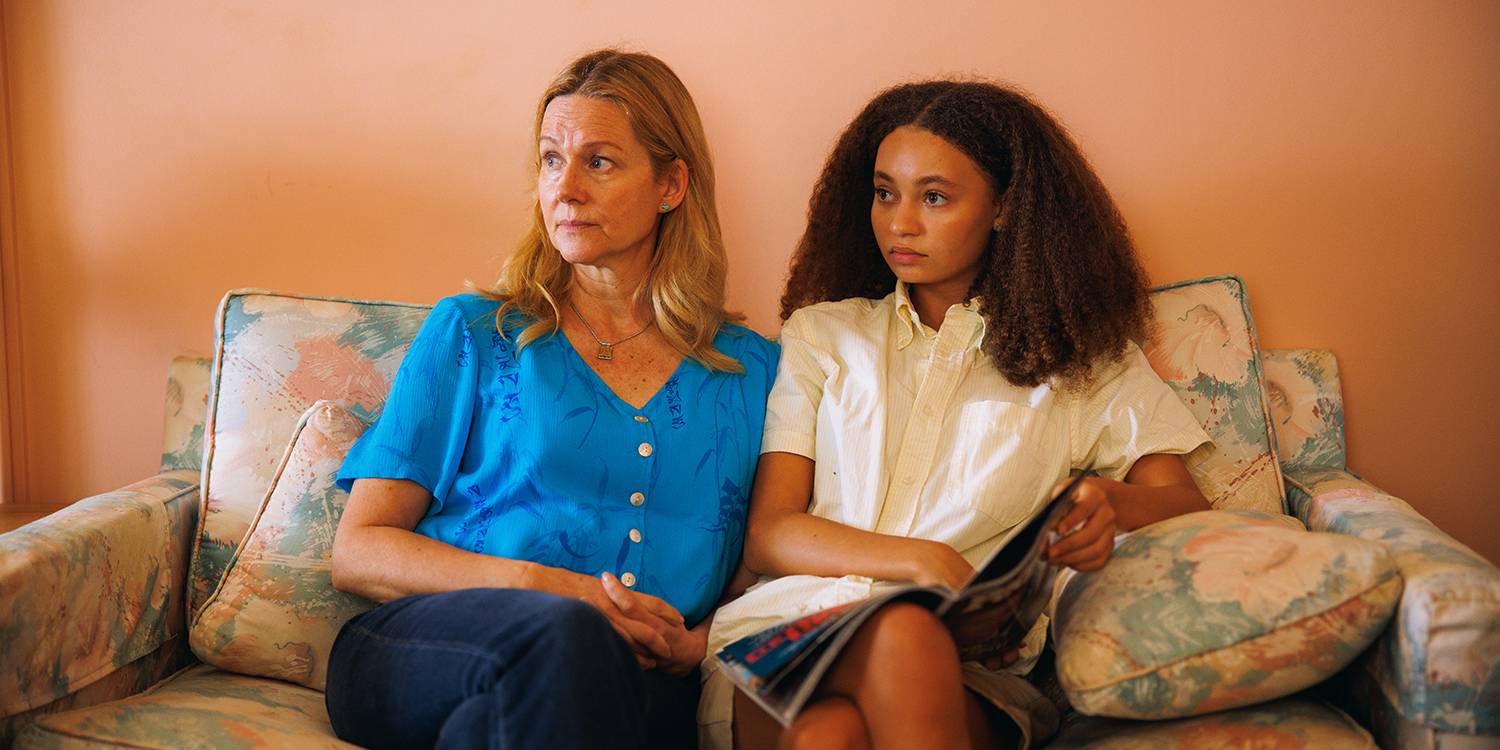
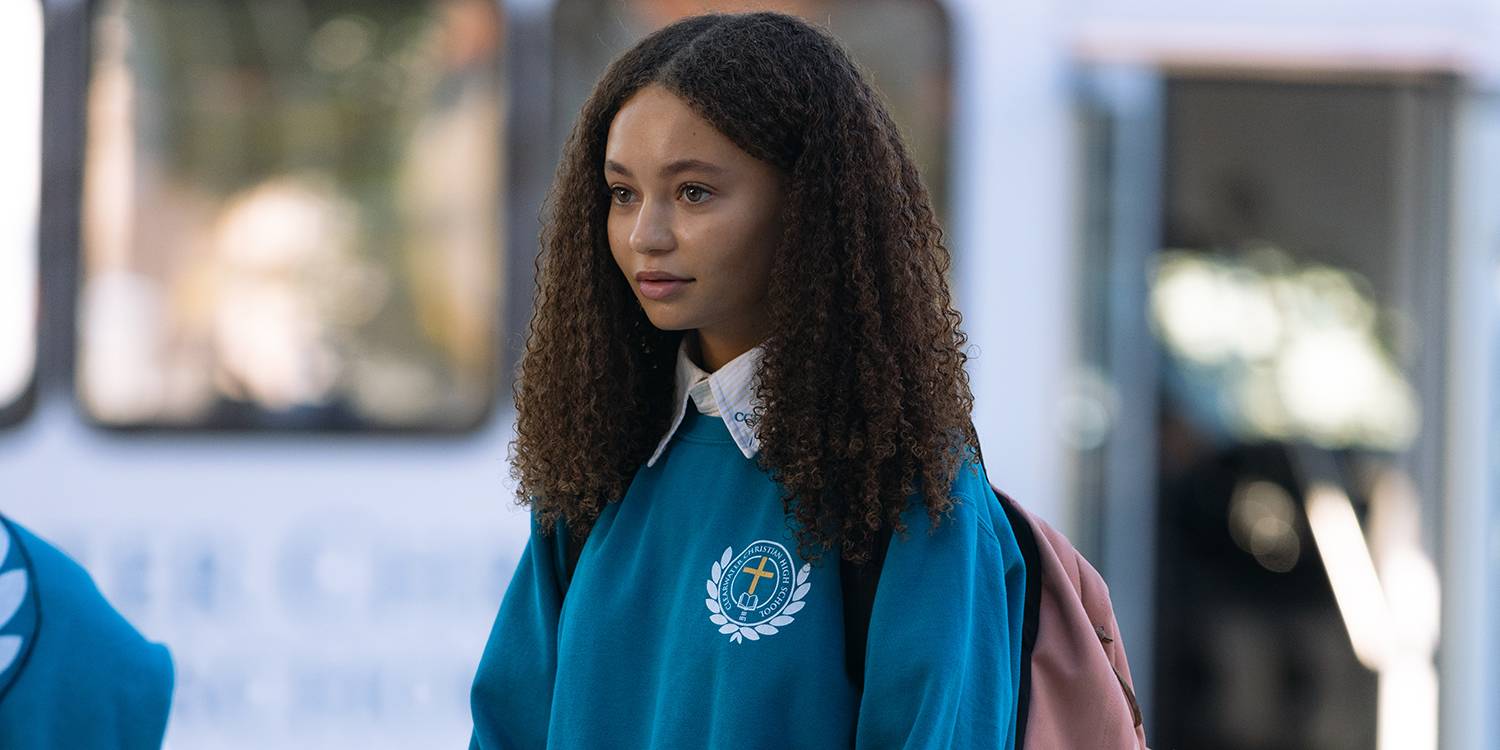
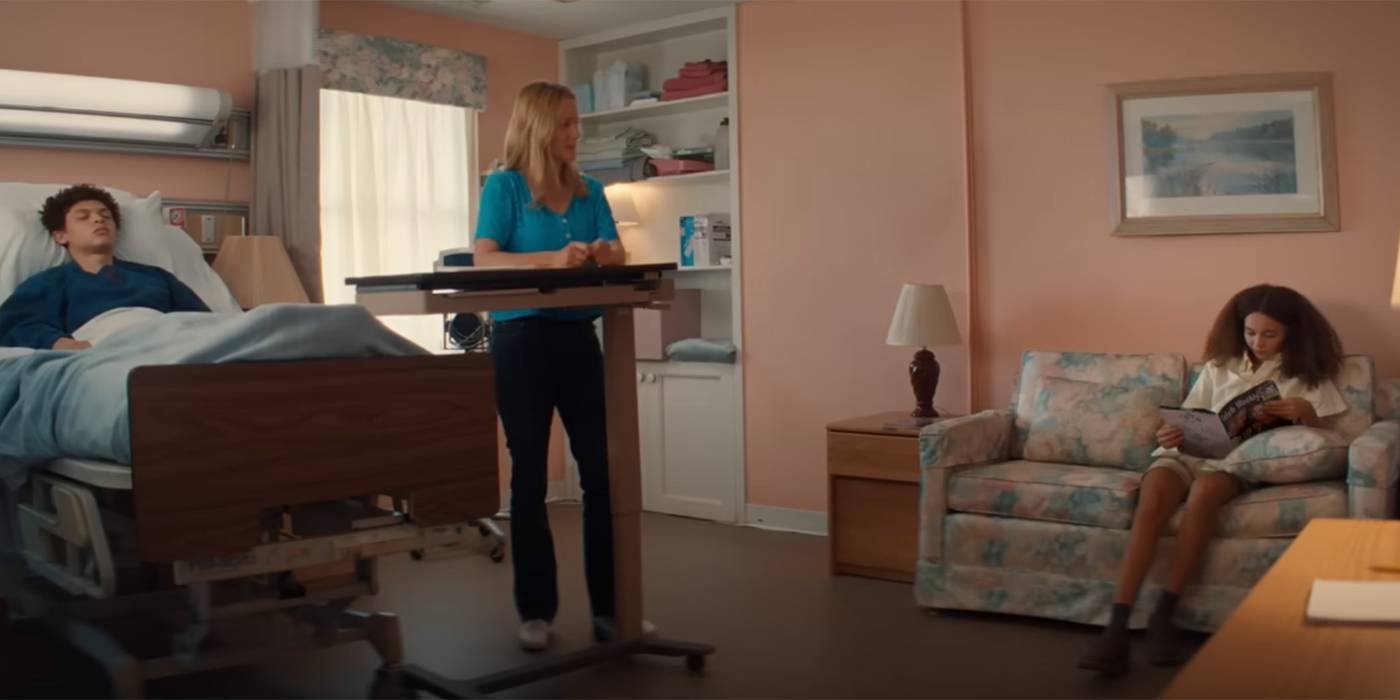
After its world premiere at Sundance Film Festival and a limited release in theaters, Suncoast will be available to stream on Hulu on February 9. The project serves as Laura Chinn's feature film debut and was inspired by events from her teenage years. Nico Parker stars as Doris, a quiet teenager who spends her time caring for her terminally ill brother Max (Cree Kawa) and being at odds with her frazzled mother Kristine (Laura Linney).
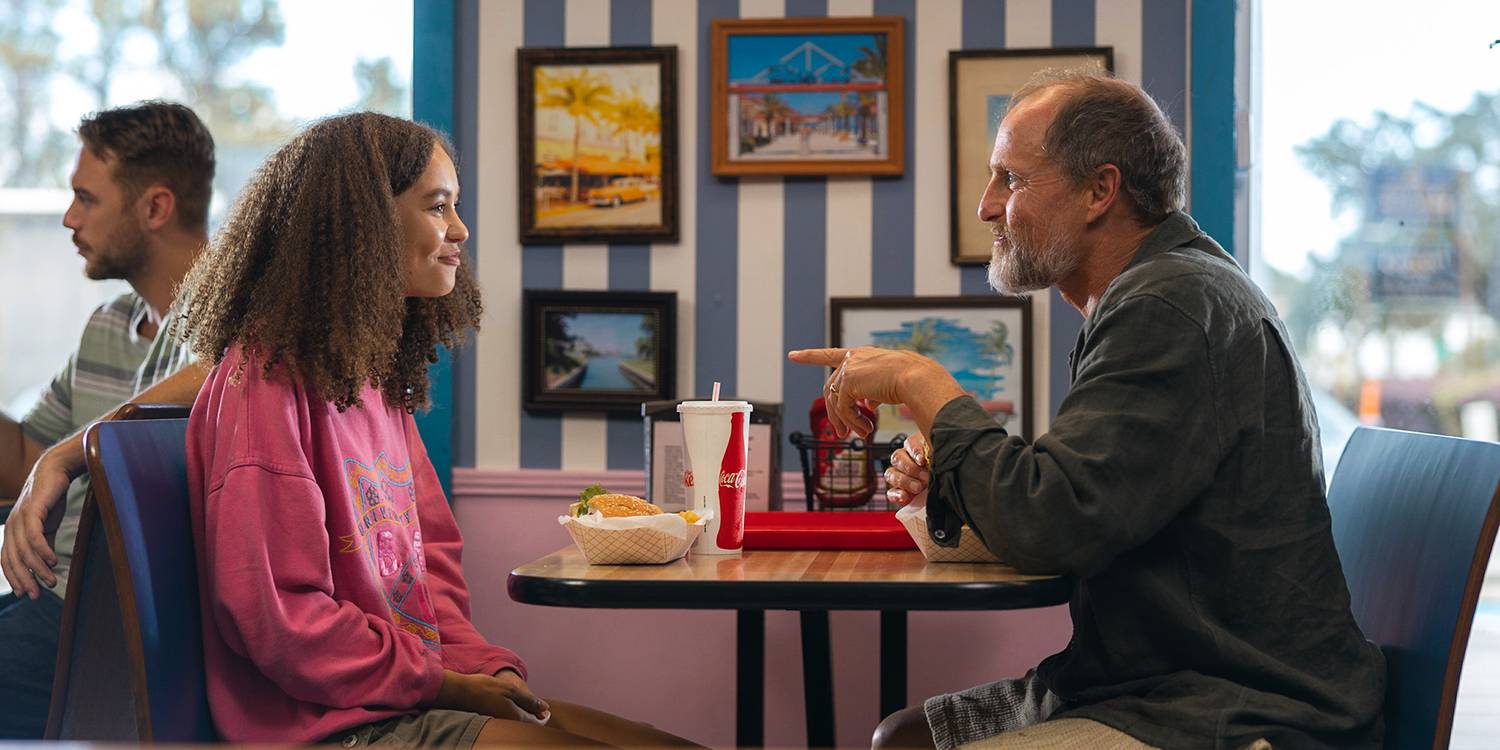
Their life becomes even more chaotic when it turns out the hospice they just moved Max into is the same one housing Terri Schiavo. While mother and daughter prepare to say farewell to a loved one, they must also navigate daily altercations with protestors, including Paul (played by Woody Harrelson), who befriends Doris despite having very different opinions on the importance of quality of life. At the same time, Doris also starts making friends at school and learning what it really means to be a teenager after having had to grow up too fast. Suncoast also stars Matt Walsh, Keyla Monterosso Mejia, Scott MacArthur, Ella Anderson, Daniella Taylor, Amarr, and Ariel Martin.
Screen Rant interviewed Chinn about the making of Suncoast and how the autobiographical elements took on a life of their own, why Linney and Harrelson were perfect for their roles, and what her moviemaking plans are after her successful Sundance premiere.
Laura Chinn Talks Suncoast & Looking Back On Her Past Through A Filmmaker's Lens




Screen Rant: Given that Suncoast comes from your personal experience, what elements of Doris did you want to emphasize the most, and how did she evolve as you were writing the film?
Laura Chinn: I think that in looking at the screenplay, I was trying to figure out how to show 7,000 different emotions that took place over a six-year period, where my brother was sick for six years, and condense them into an hour-and-40-minute movie. I think with that, everything was just a little bit more heightened. I consider myself a shy person; Doris is much shyer than I am. My mother was raging against the machine and my brother was dying; Kristine is raging much more than my mother. It's all just an attempt to express all the ways that I felt.
But I think Doris is much more of a wallflower and hasn't come into her own yet, whereas I had friends and a boyfriend. I wasn't Cinderella. I wasn't the sole caregiver of my brother, and my mom wasn't waitressing. She was mostly taking care of my brother. I was being a teenager, whereas in this movie, Doris is being a teenager for the first time. When you have a sibling who's ill, there’s the sadness you feel for them and the jealousy you feel of them, and all of those things were just were emotions that I was trying to figure out how to capture in a story.
Another thing I thought was really interesting was how flashbacks of Doris and Max are withheld until a pivotal moment later on. Was that always the case? What made you want to go that route?
Laura Chinn: Because I wanted the relationship between the two of them to slowly build. I think as she's sort of struggling with speaking to him, she's sort of detached and numb, and so I wanted the audience to kind of be inside that feeling where there's almost a wall between them or he's underwater and she's above water and she can't quite reach him. And I wanted that to be felt.
I think if there was too much closeness or connection or flashbacks or awareness of what their dynamic was before, I don't think you would be as much inside Doris, whereas she's in this numb state and as the movie unfolds, she's getting closer and closer and closer to him, maybe she doesn't even realize it, until the end when she's finally able to feel everything.
How did you land on Laura Linney and navigate the mother-daughter dynamic on screen? Because we are rooting for Kristine, but at the same time we're like, "Ma'am, what is happening?"
Laura Chinn: It was a fine line because we knew that Kristine had to be an actor who we just love. Really. Because she can be kind of acerbic and flinty and she's Doris's obstacle, and Doris is our hero. But at the same time, I never wanted it to be like, "I hate Kristine." It really was looking for those actresses who are just so lovable that their soul shines through their eyes and you're like, "I know this is a good person, even though she's saying something I don't agree with?"
It was being aware the whole time that this is a person who's going through something really intense, and she's waitressing and taking off her wrist brace when we first meet her and saying hi to her son who she hasn't gotten to see all day. Even though she's Doris's obstacle, you understand why she is behaving the way she is.
Speaking of someone who is innately lovable, that describes Woody Harrelson to a T. Was the inspiration for having a character like Paul as the sounding board and also tapping into his own pain without that ever taking the spotlight from Doris?
Laura Chinn: I know that this Terri Schiavo case has two sides, and there is a side of that case that will dislike the protester side. I wanted to find a way into the humanity of this character and a way that anyone, no matter how you felt about that case or whose side you were on, you see that this is a human being with a good heart. I tend to view the world with a lot of compassion. I don't see evil and good in the same way that the news tells us to, and so I really wanted that to come through. I really wanted you to feel his humanity.
That was with Woody too. I mean, he's just so magical. He's Woody Harrelson. And his story, as much as there's so much depth to it and stuff, it somehow doesn't ever take the spotlight. But that was just never the intention.

I know the Terri Schiavo case was happening in real-time for you, but did you have to go back and do any research when you were preparing for the movie? Was there anything surprising you discovered or something that played out differently than you remembered it?
Laura Chinn: The whole thing was surprising, because I was 18 at the time. I had blinders on. I just was walking through this group of people every day, and I would have small interactions with them, and we would get our car searched for bombs and get patted down at the door. One day, they took my camera out of my purse and they were like, "No cameras allowed inside." And I was like, "But my brother's dying. Can I take photos of my brother?" And they were like, "No, I'm so sorry. No."
It was also just going on in the background because the star of the show was my brother. In going back and researching it, it was mind-blowing. I was like, "Oh my God, this is so much." I called my mom when I started working on the script, and I was like, "Mom, why didn't we move him to a different facility? There was so much going on.” And she was like, "Honey, I don't know. We did the best we could. It was just one foot in front of the other." But it really was eye-opening to see the scope of the media and how many people were out there. Somehow, I was able to keep it in the background of what was going on.
I know that you said that Nico was on the shortlist from near the beginning, and she really was so wonderful in this. I was wondering what was it about her presence or her previous work that really told you she's right for Doris?
Laura Chinn: Gosh, it was everything. It was literally everything about her. At first, it was just her image and her hair. And her hair, I wanted her hair to be a character in the movie. I was like, "This hair is incredible." Because I had my hair straightened a little bit over the years just from, I don't know, aging, but my hair was really curly and I always felt like this curly-haired other person. And so I really wanted that to come through in her.
When I met her, she was so much smarter and wiser than I was when I was 17. I was like, "I want people to think that I was this smart and this wise." She showed depth and then she read. She read an emotional scene between herself and Kristine and I was like, "Yeah. This is the one."
Cree doesn’t get to interact much, but both Nico and Laura have to project all of their love onto him. Was there any behind-the-scenes family bonding? How did you approach those scenes?
Laura Chinn: Cree is incredible. He's such a good actor and he's so committed, and so just after every take he's like, "How was that? Do you need me to do something different?" He was so dialed into what he was doing, and it was so challenging. He would never break during a scene, even though they're moving his body around, doing all these things and fighting over him and all these things, and he's so dialed in. "Do you want me to blink? Do you want me to not blink?" He's incredible. We got so lucky with him.
The fact that they look so much alike I think is so important. I think it adds such a layer of understanding of just the sibling relationship, and this is her sibling. And they could be twins. I mean, they look so much alike. And that was really important to me. We scoured America looking for somebody who looked like her because if you're telling a story with images, I think them looking alike is so powerful just for her journey in the film.
How strong was your aesthetic vision from the start? Because I feel like the color palette of the movie feels very different from what you'd imagine when you're describing what is happening to someone. How did that play into who you brought on and what conversations you guys had setting up the movie?
Laura Chinn: I put together a lookbook early on because I know with the script you could read it and sort of visualize dark and shaky camera. You could visualize more adding heaviness to it with the look. But I was trying to add buoyancy with the look. I think whenever you have a child who's sick, that's fine on the heaviness, we're good on the heaviness. And so I really wanted the look of the movie to lift it up.
When I met with Bruce Francis Cole, our cinematographer, he put together a lookbook that was equally sort of colorful and beautiful, and he had these images from this photographer, Patrick Collins, with these beautiful images of girls with reflections. And we both were sort of just digging, Justine Kurland has this book called Girl Pictures, and they're these girls from the early aughts and they're kind of feral girls on the road, and everything was very cool but still there was a lightness to everything.
That was just with our production design, with our costume designer, everybody had this same idea. And knowing that all the visuals should sort of lift up the movie and remind us we're in Florida, and this is a coming of age story and there are teenagers and cute outfits, and because I think that the subject matter on its own could be enough.

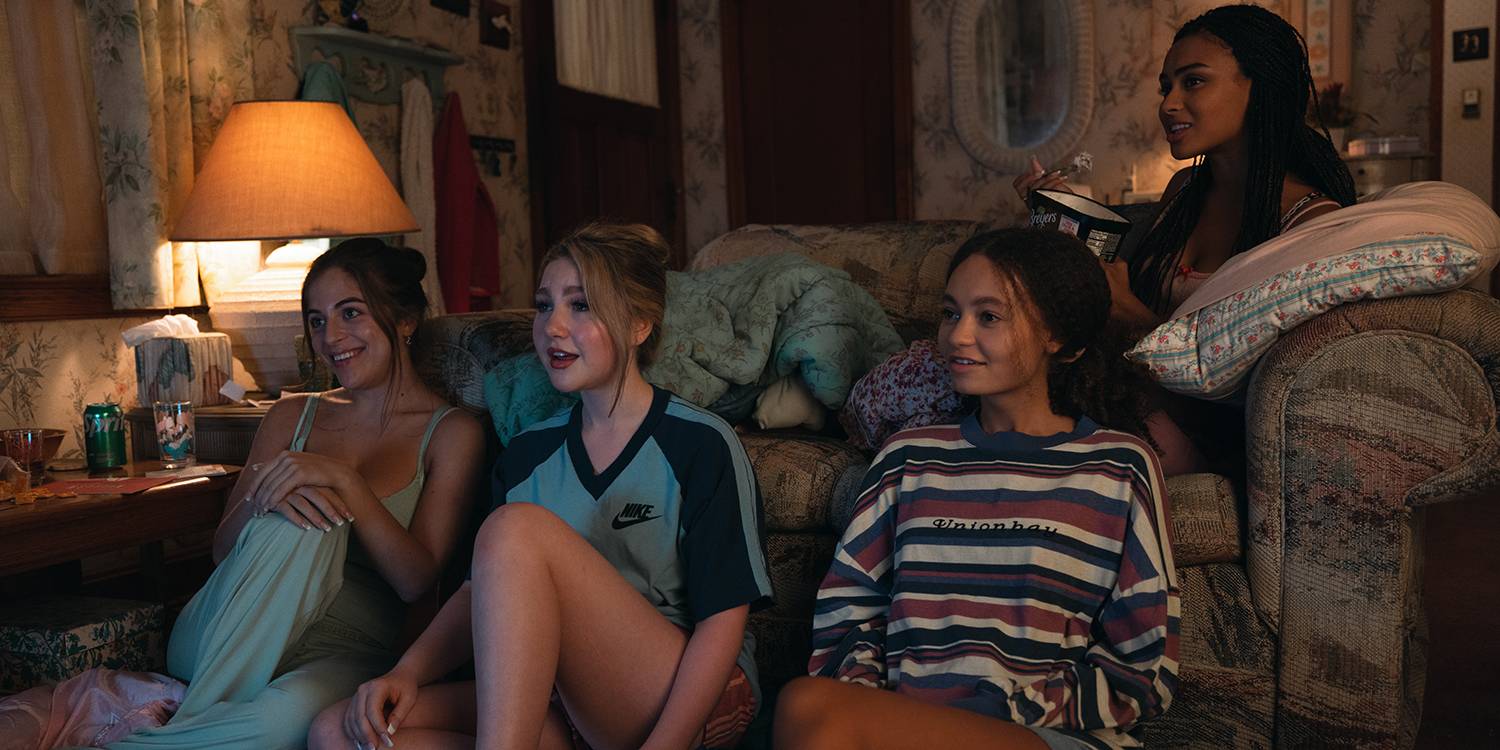
What was your approach to that friend group and bringing her high school side to life for the first time?
Laura Chinn: I wanted the girls to be really comfortable with each other. So our rehearsal was all about just getting comfortable, whatever that means. Truly, I had them looking into each other's eyes for, I set a timer, and they would just sit and stare into each other's eyes, and they're all squirming in their bodies but I'm like, "We have to do this."
We did improv and any exercises that would get them to be comfortable because I really wanted this to feel like a real friend group. And it was really important to me that they never turn on her, they're not mean girls, they're good people. I think for myself that was what I experienced. My friends were all really good people. Sometimes they didn't know what to say or they didn't know because they weren't dealing with a dying brother, but they were all really good people. That was important to me to get across with these girls, and for it to feel like a breath of fresh air. We can laugh, and it can feel light and take us on this journey that's not all one note and all sad.
The fact that Este Haim is one of the composers of the movie blows my mind. I love how the score and the soundtrack mesh together so well. How did that collaboration with her and Christopher Stracey begin, and how did you influence each other through the process?
Laura Chinn: It was such a dream. Mary Ramos was our music supervisor, and she brought up Este and Chris. I've been a huge Haim fan for so long, so I was like, "Wait, but how?" And she was like, "She read the script, and she wants to meet with you." She was the only composer I met. We talked about the music and the feel of it, and I listened to the other composing that she had done for Cha Cha Real Smooth and Maid. I just instinctually felt like they were going to be able to capture this tone that I was really trying to get across, which is not emotionally manipulative; not adding heavy on heavy on heavy.
Some of their score does the same thing that the production design and the wardrobe and cinematography does, which is lift up the moments. It's amazing. Early on in the director’s cut, they were like, "Here are some inspirational tracks," they're all in the movie. They're geniuses, and everything they do is just exquisite.
You’ve worked in television, but this was your feature film debut. How differently did things turn out than you first expected?
Laura Chinn: I just had no experience in the film world, so I think when the script was first written, everybody was like, "Oh, it's going to take 20 years to get this movie made. It's an indie film." So I didn't expect to get the movie made. I just wanted to write the script and tell the story and see, maybe get a rewriting job out of it. I really wasn't like, "I have to make this movie." I just was like, "I have to tell this story."
The script being so well-received was very surprising. The process moving along relatively smoothly compared to what I'm told about indie films was very surprising. And it all felt like a lot of blessings and angels every step of the way unlike how, sometimes with TV, things start and die and you get your hopes up just to get slashed. With this movie, knock on wood, there have been a lot of blessings.
I know you've also acted plenty. What has your experience as an actress taught you about directing? How does that change your approach to other actors?
Laura Chinn: It definitely makes it easier. We have so much empathy. I think if you've never acted before, you don't have as much empathy for actors. You're like, "Oh, this is easy. Hair and makeup and then they say their lines." And you're like, "No, no, no, no, no." You're just aware of how challenging the job is. It's so challenging to be stared at and told what to do and all those things. It's really vulnerable and challenging, and I think it gives me a lot of empathy for performing and hopefully helps me in speaking to them, that would have to come from them. But hopefully, it's helpful in that.
Overall, I highly recommend directors take acting classes because you'll see what it's like to have a camera on you, and it's challenging.
Since Suncoast has already been so well-received, are you already thinking of or working on your next project? What is your plan from here?
Laura Chinn: I wrote a book called Acne that was published by Hachette Books, and I'm looking at possibly adapting a part of it that's not this part. Other than that, I don't know. I'm very open. I'm also tired of talking about myself, so there's also a world where I never talk about myself again. We'll see.
About Suncoast

Inspired by the semi-autobiographical story of a teenager (Nico Parker) who, while caring for her brother along with her audacious mother (Laura Linney), strikes up an unlikely friendship with an eccentric activist (Woody Harrelson) who is protesting one of the most landmark medical cases of all time.
Check out our other Suncoast interviews here:
- Laura Linney
- Cast & Crew at Sundance
- Nico Parker
Suncoast is in select theaters now before streaming on Hulu February 9.


