


Summary
- The Terror seasons 1 and 2 may have different settings, but both explore themes of imprisonment and the supernatural.
- Despite no recurring characters or settings, The Terror series retains a consistent identity through its thematic connections.
- Season 3 of The Terror will continue the tradition of exploring entrapment and authority against a supernatural backdrop.
The Terror is a highly-rated horror series that has hitherto focused on telling different and distinctive stories across its two seasons. However, just because there is no obvious narrative connection between the fateful expedition in season 1 and the sinister internment camp in season 2 doesn't mean that there are no connections between the two projects. In fact, on a thematic level, The Terror seasons 1 and 2 are just as closely related as any direct sequel would be.
Part of what makes The Terror unique is its time-hopping story that shines a light on multiple historical eras. In season 1, for instance, the action takes place in the middle of the 19th century, as a British expedition becomes stranded on a mission to find the mythical Arctic Northwest Passage – a quest that ends in tragedy for almost all involved. Season 2, by contrast, is set during World War II in a Japanese internment camp – a radical departure, given the success of the first setting. Nevertheless, despite this difference, both seasons share a clear identity that marks the franchise out.
The Terror Season 2 Is A Different Story From Season 1
There Are No Recurring Characters Or Settings


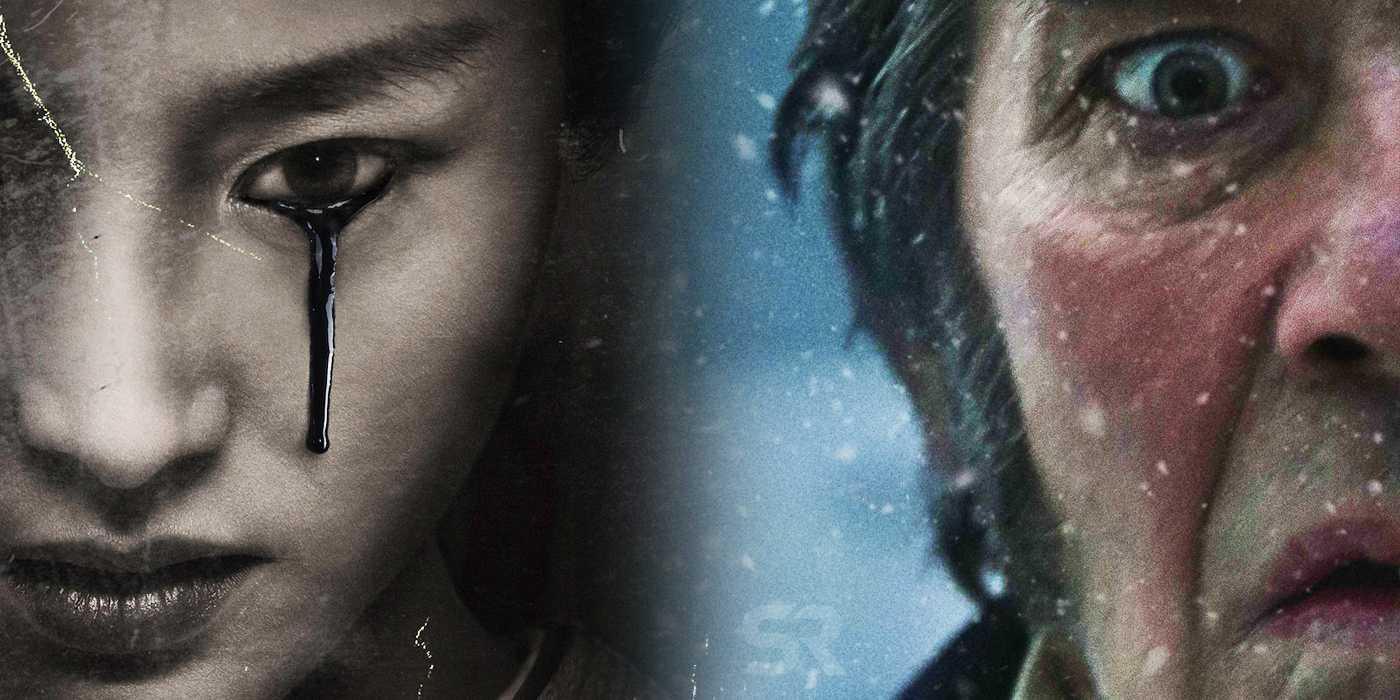
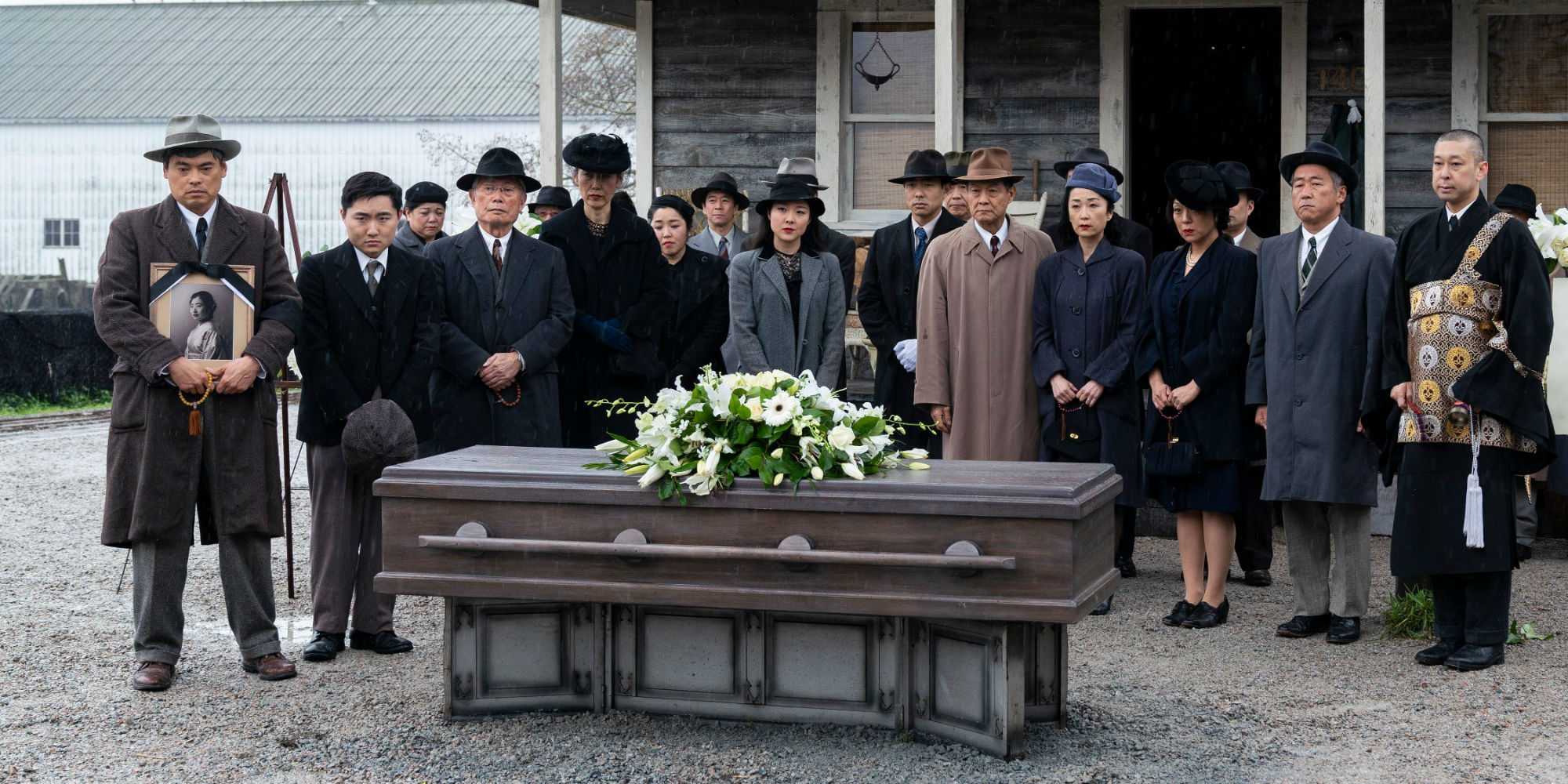
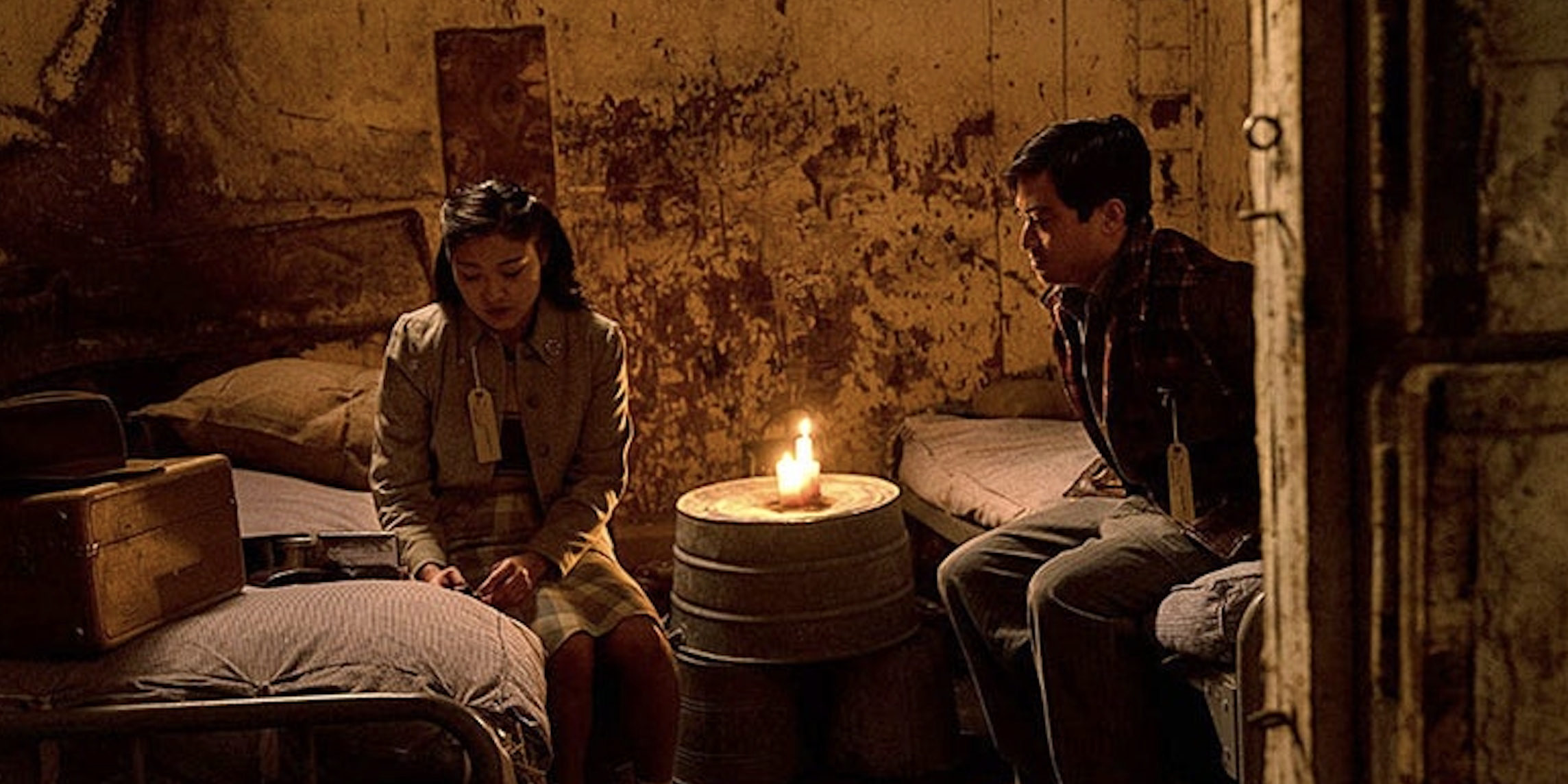
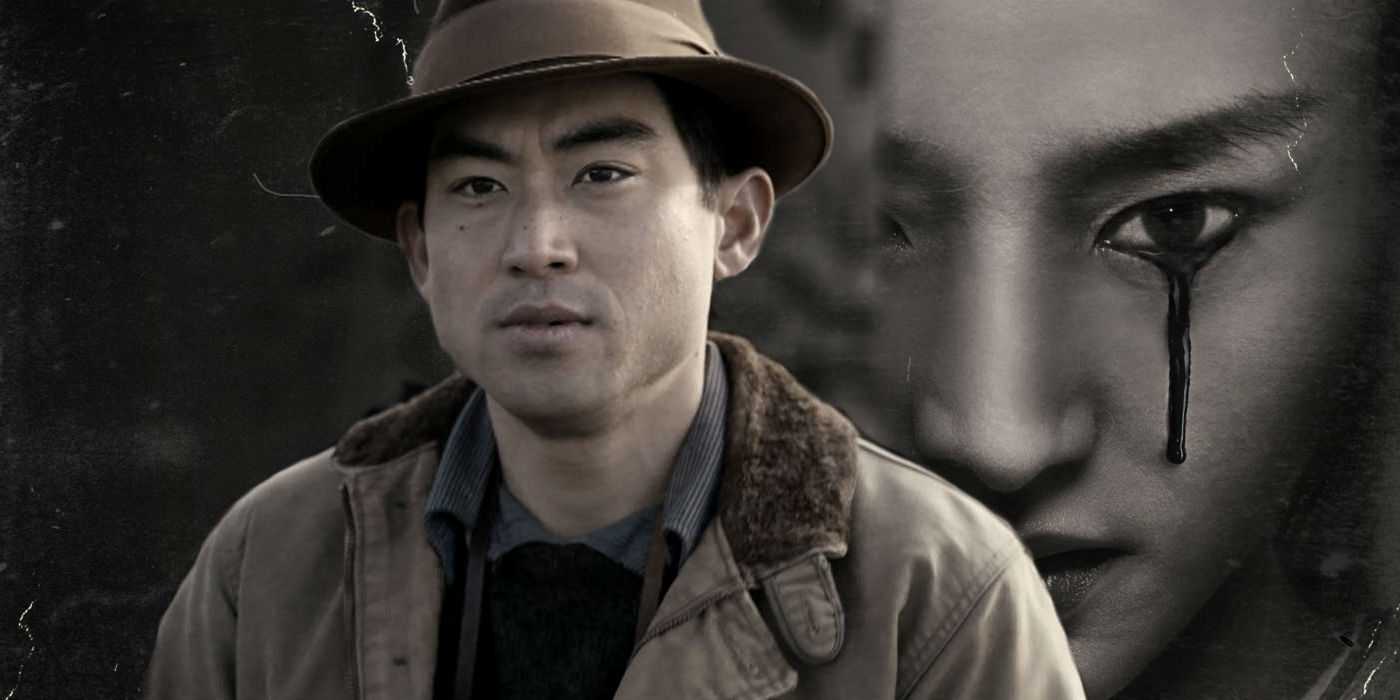
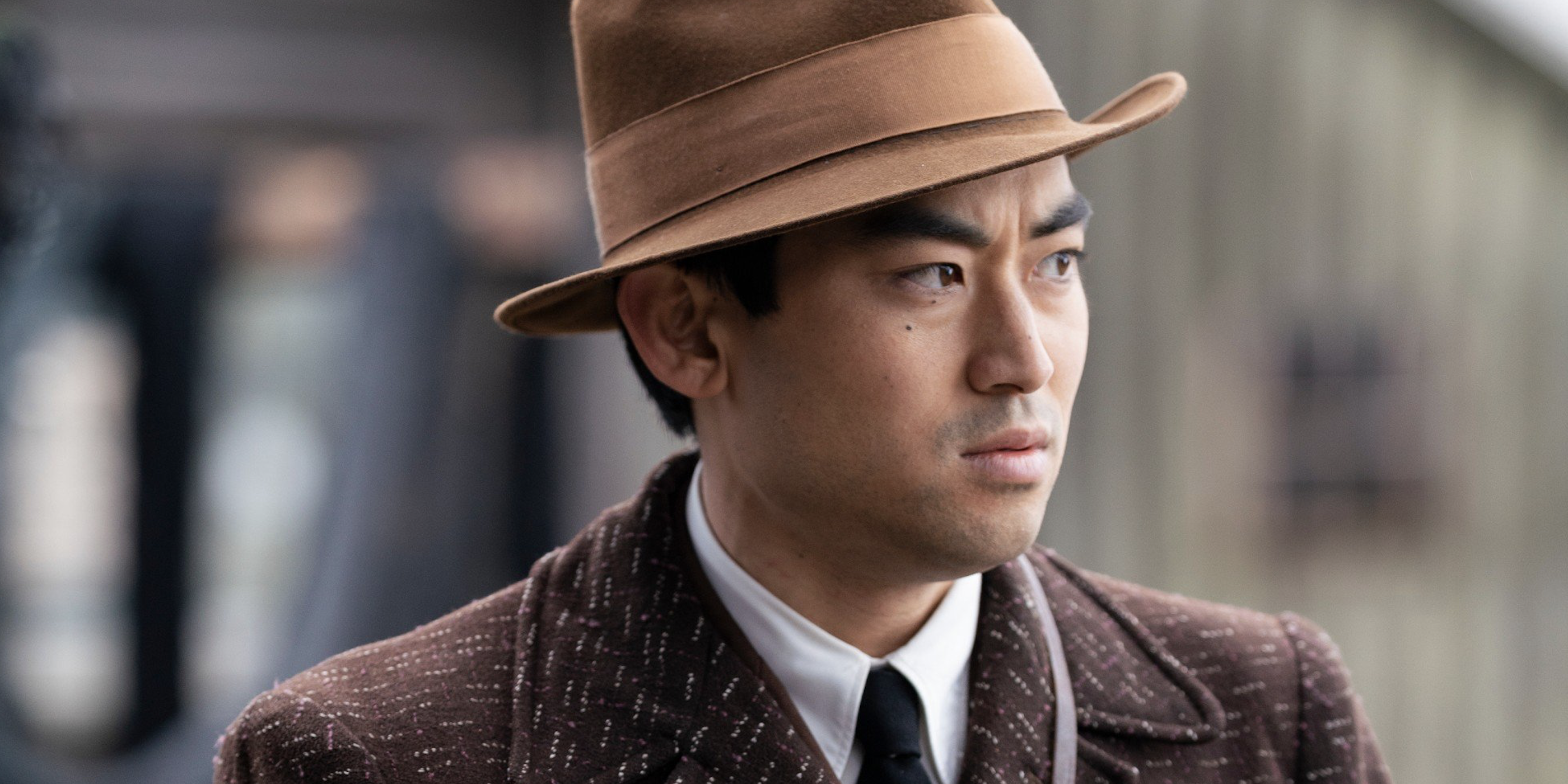

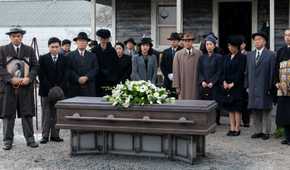
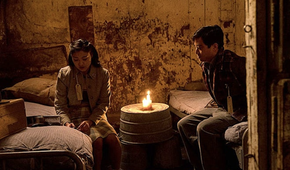

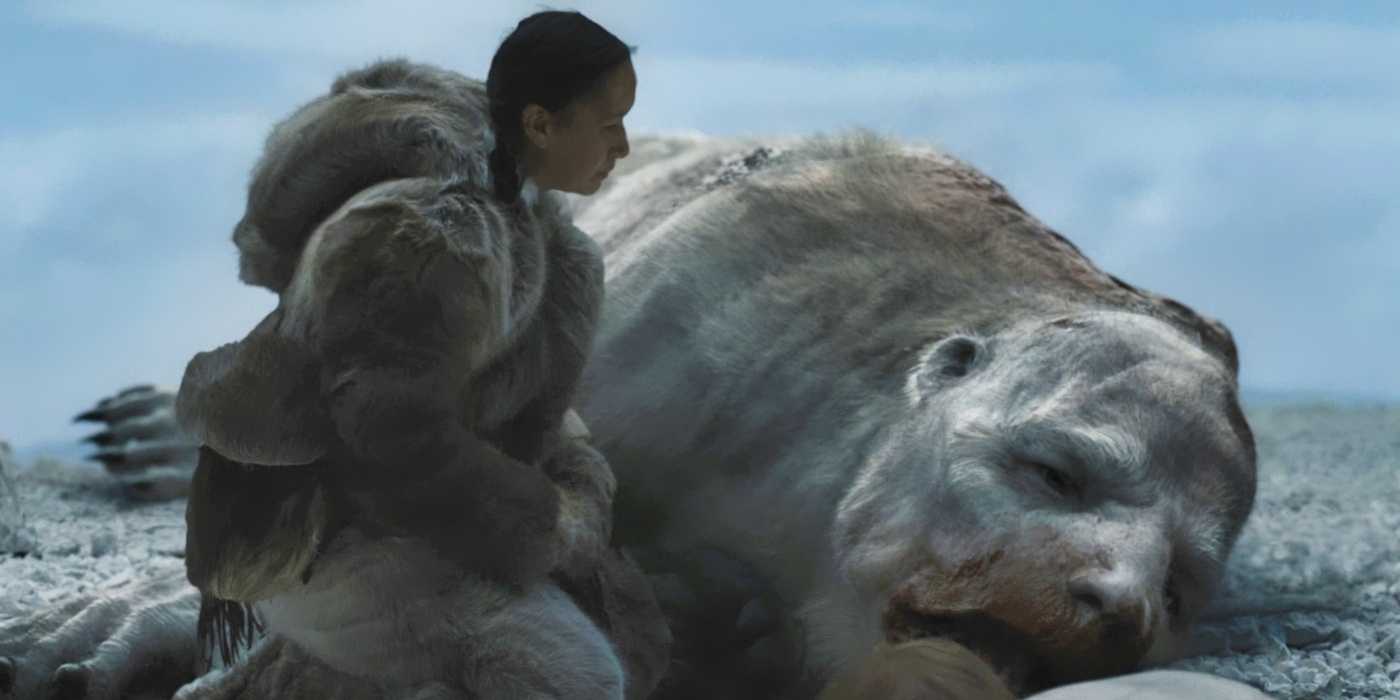
On a superficial level, The Terror season 2 (also known as The Terror: Infamy) is completely disconnected from season 1. In the first season, the drama centered around two stranded British ships, HMS Terror and Erebus, frozen in the ice as their planned expedition unravels. While stuck, suspicion and paranoia start to circulate – fueled by fear of the local Netsilik people and a monstrous, polar bear-like creature that stalks them. This eventually leads to a total psychological breakdown among almost everyone, mutiny, murder, and much worse.
The Terror season 2, on the other hand, arguably features a more recognizable setting. Taking place during the Second World War, there is no remote polar expedition. Instead, the horror this time is confined to a Japanese-American internment camp – a historical setting where many thousands of people of Japanese descent were forcibly incarcerated following Japan's attack on Pearl Harbor.
The stories...create a very different atmosphere, with season 1 playing on the terrifying emptiness of the polar wilderness, and season 2 using confinement and incarceration as key sources of horror.
Given that the two stories take place almost a century apart and on completely different continents, it is perhaps unsurprising that there are no shared characters or locations. The stories also create a very different atmosphere, with season 1 playing on the terrifying emptiness of the polar wilderness, and season 2 using confinement and incarceration as key sources of horror. However, while these differences are important elements of the show, there is actually more that unites The Terror seasons 1 and 2 than divides them.
The Terror Has Consistent Thematic Connections
The Two Series Explore The Same Ideas


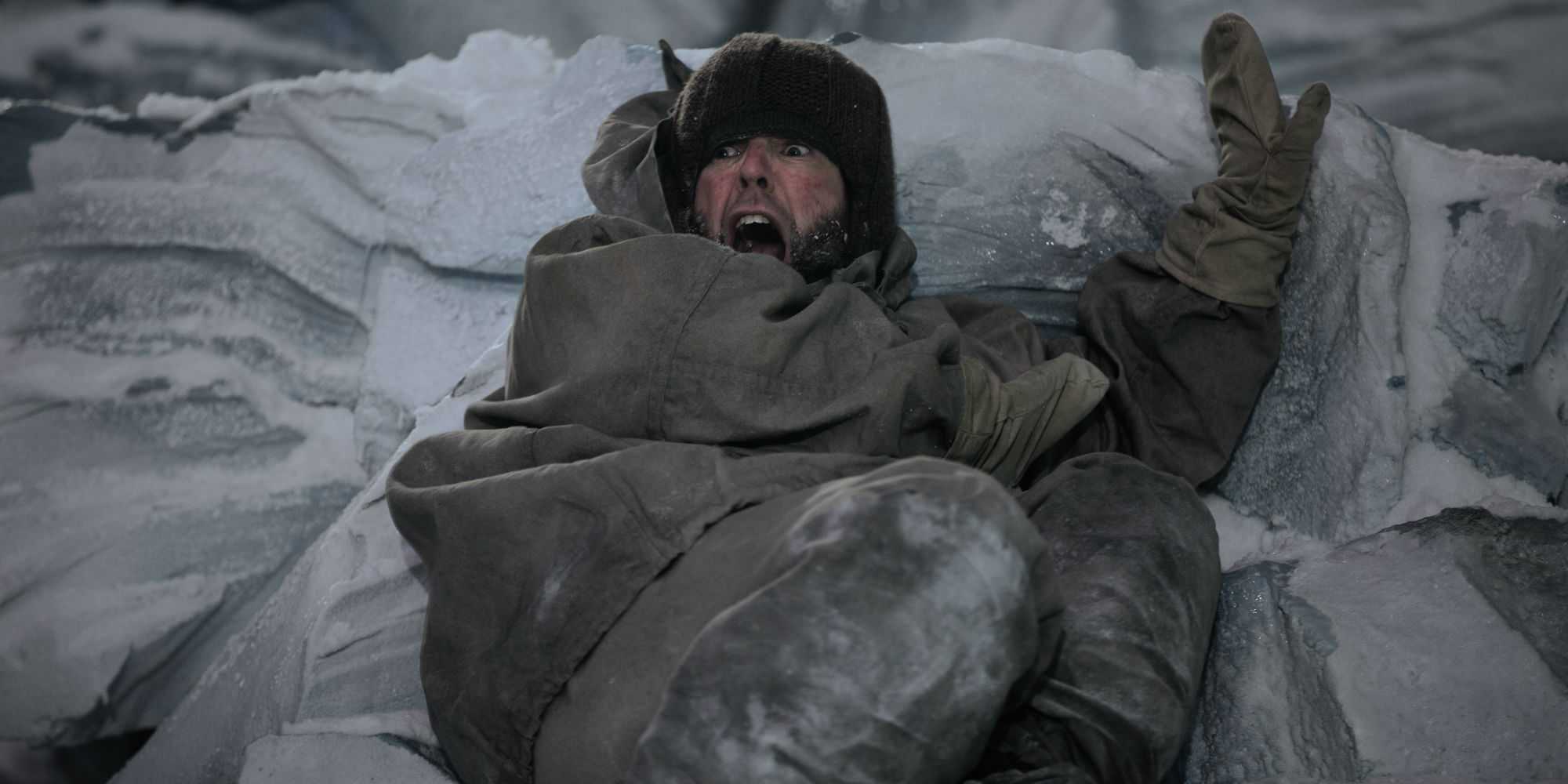
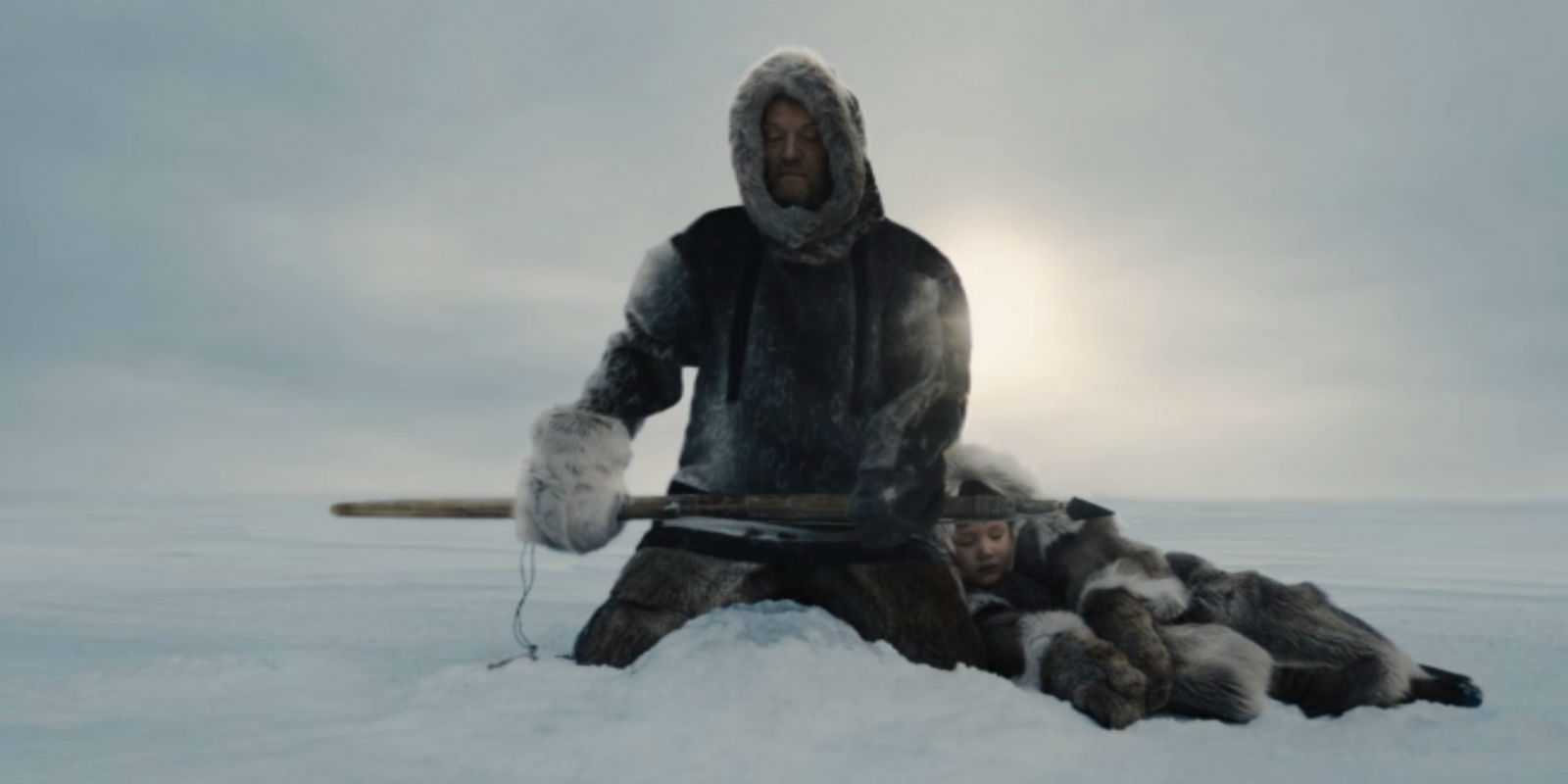
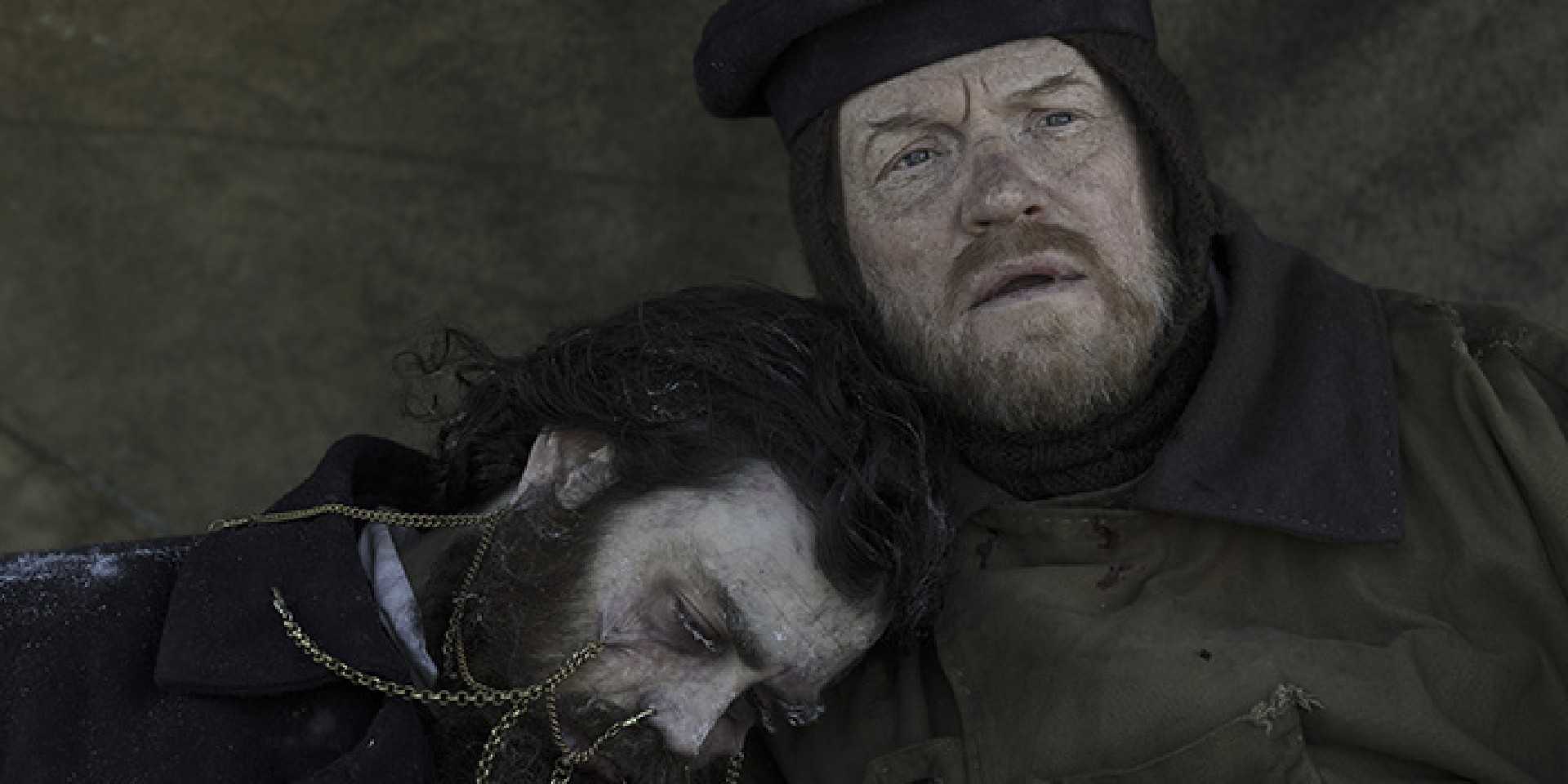
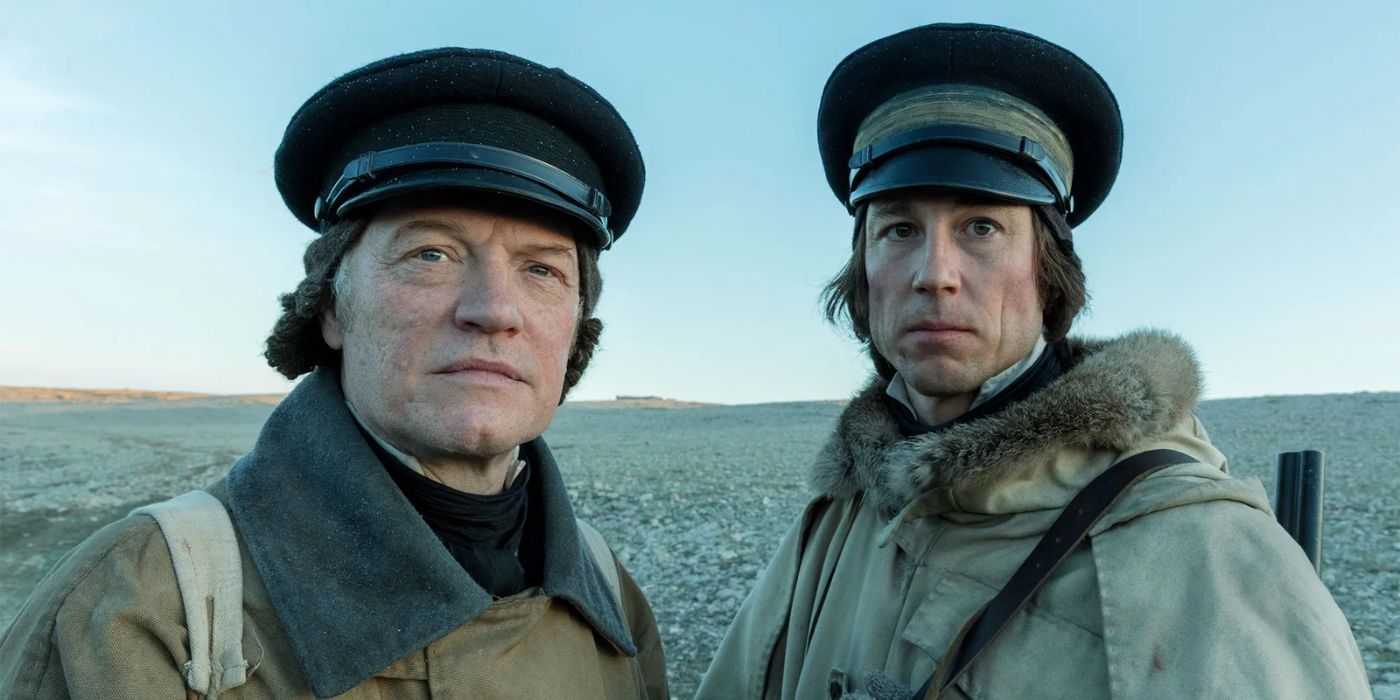
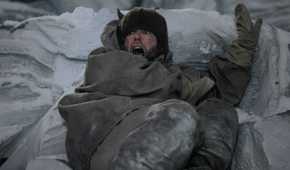
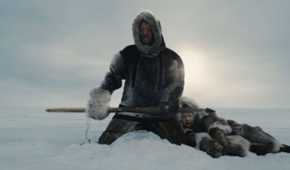
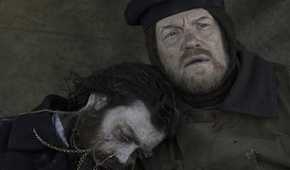
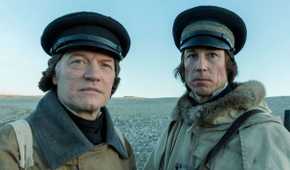
Despite their starkly contrasting stories, The Terror season 1 and The Terror: Infamy succeed thanks to their evocation and exploration of very similar themes. For instance, despite the very different settings of an internment camp and the Arctic, both shows delve into the effects of imprisonment. The characters in both shows suffer hugely because they are unable to escape, with the psychological trauma growing and growing as the narrative progresses. In essence, the two series' main takeaway is that imprisonment, in whatever form, can be hugely damaging and degrading – mentally as well as physically.
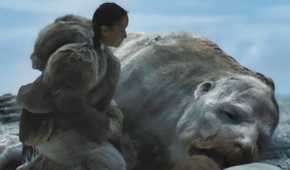
Perhaps the biggest inter-series link, however, concerns the supernatural. The monster in The Terror season 1 is very different from season 2. Dubbed the "Tuunbaq" it resembles a giant carnivore that stalks the ice, seemingly under the control of a shamanic figure. The ghosts in The Terror season 2 are both more human and seemingly more numerous. However, both spirits play a similar role – simultaneously terrorizing the protagonists, and begging the question to what extent their existence can be trusted. In both cases, the main concern is the interplay between psychology and the paranormal.
How Does Season 3 Link To The Rest Of The Terror?
It Will Continue These Themes

The thematic connection that has so far defined The Terror as an anthology is set to continue with The Terror season 3. Like the previous two seasons, the third installment (set to arrive in 2025) will revolve around a completely new narrative, based on Victor LaValle's novel The Devil in Silver. With Dan Stevens set to star, the show will also continue the series' tradition of no recurring characters.
However, despite these differences, the story's contents reveal a clear through line. Like the book, The Terror season 3 is set in a psychiatric ward, following the arrival of a new patient who has to battle both oppressive authority figures and a sinister supernatural presence. The twin concepts of entrapment and authority, juxtaposed against the threat posed by a mysterious and dangerous entity, mirror everything that fans have come to expect from The Terror. While the characters and setting may be unfamiliar, there's no doubt that the story makes sense alongside seasons 1 and 2.

- Release Date
- 2018 - 2026-00-00
- Network
- AMC, Shudder, AMC+
- Showrunner
- David Kajganich, Soo Hugh, Christopher Cantwell
- Directors
- Tim Mielants, Edward Berger, Sergio Mimica-Gezzan, Fred Toye, Karyn Kusama, Michael Lehmann, Josef Kubota Wladyka, Lily Mariye, Toa Fraser, Meera Menon
- Writers
- David Kajganich, Shannon Goss, Tony Tost, Steven Hanna, Andres Fischer-Centeno, Benjamin Endsley Klein, Danielle Roderick, Alessandra DiMona, Josh Parkinson
Cast
-
 Dan StevensPepper
-
 Ciarán HindsSir John Franklin
- Seasons
- 2

