


Summary
- The Big Short provides a humorous and accessible way of understanding complex financial concepts related to the 2008 financial crisis.
- The film's ending contrasts the success of its main characters with the impact of the crash on real people, serving as a warning for the future.
- The epilogue of The Big Short warns that little has been learned from the 2008 crisis, as banks continue to sell high-risk investments similar to the infamous CDOs.
The Big Short does a great job of making complex financial topics accessible to viewers, but the movie’s ending still leaves a few aspects of its true story unexplained. Based on Michael Lewis’s 2010 book about the 2008 financial crisis, Adam McKay's film highlights how some key figures in the world of finance were able to profit from the housing market crash. Following an ensemble cast comprised of Christian Bale, Ryan Gosling, Steve Carell, and Brad Pitt, The Big Short shows how the main characters predicted the crash, and how the fallout of their predictions came to fruition.
Going into The Big Short’s ending, the U.S. economy is doomed as the 2008 financial crisis becomes inevitable. Though the film's real-life (and some loosely fictionalized) main characters are all able to profit from the crash due to their bets against the market, the victory is bittersweet as they realize the misery that befalls the real people who are affected. The Big Short’s conclusion contrasts the success of its main characters, the underbelly of the broken economic system, and how the crash impacted U.S. citizens, all while providing a warning for the future.
"Bespoke Tranche Opportunity": The Big Short's Epilogue & Warning Explained
Will History Repeat Itself?

After depicting the collapse that led to the 2008 financial crisis, The Big Short includes an epilogue that covers the fates of the main characters while teasing another potential exploitation of the system like what investors did in 2007.
According to the epilogue, banks began selling billions in a new investment vehicle called “bespoke tranche opportunities” in 2015, which The Big Short claims are basically the same as the infamous CDOs. This detail is included as a warning that few, if any, lessons were learned from what happened in 2008, and that history could repeat itself again, this time with the bespoke tranche opportunities.
The Big Short’s Financial Concepts Explained
The Complexity Of The Big Short's Terms Require Exploration

The Big Short follows several key figures who were able to predict and profit off of a crash in the housing market. As such, there are several complex financial terms that are thrown around in the movie by its main characters, which are humorously explained by Margot Robbie and other celebrities the movie. Though incredibly complicated, these financial concepts are crucial to understanding the events that led up to the 2008 financial crisis, which finally sets in during The Big Short's ending after over two hours of anticipation.
Mortgage Bonds
A mortgage bond is a kind of bond that represents a pool of mortgages bundled into one security, which is then sold to investors. These underlying bonds receive a rating from a credit rating agency based on how “creditworthy” they are, or how likely it is that they will pay back the money.
In the past, these mortgage bonds had been incredibly lucrative, but when banks began to run out of mortgages to put into the mortgage bonds, they began filling the bonds with riskier, “subprime” mortgages, despite still rating them highly. The fact that these mortgage bonds were filled with subprime mortgages is what Christian Bale’s Michael Burry discovered.
Collateralized Debt Obligations (CDOs)
Another crucial financial element in The Big Short is collateralized debt obligations (CDO). In the finance world, CDOs are complex securities that are created by bundling together various forms of debt — in the case of The Big Short, mortgages — into one product. The film's main characters, namely Michael Burry, Jared Vennett, and Mark Baum, realize that the CDOs are filled with subprime mortgages that are likely to default, which would cause their value to collapse. Betting against these CDOs is how the characters end up profiting at the end of The Big Short.
"Shorting" The Market
One main way that The Big Short’s characters are able to profit off of the anticipated collapse of mortgage bonds and CDOs is through “shorting” the market. This is when an investor borrows a security from a broker and immediately sells it with the hope of the security’s price decreasing, which would allow them to buy it back at a lower price, give it back to the broker, and keep the difference as their profit.
This is how the main characters profited by betting against the CDOs, and the idea of “shorting” the market is ultimately where the title of the movie comes from.
Credit Default Swap
In The Big Short, credit default swaps are insurance contracts that protect against the default of specific financial products, like mortgage bonds or CDOs. After discovering the instability of the mortgage bonds and CDOs leading up to the 2008 financial crisis, The Big Short’s main characters all bet against them by purchasing credit default swaps.
These credit default swaps are bought under the assumption that those underlying subprime mortgages will default. When they ultimately do at the end of the movie, the main characters receive the payout from the credit default swaps, which is how they end up accruing such a massive profit.
Why Mark Baum Refused To Sell For So Long
Guilt Overcame Steve Carell's Character

While The Big Short changes aspects of the true story, Steve Carell's character, Mark Baum, is based on a real figure involved in the events. Throughout the end of The Big Short, it’s emphasized that Baum continually refuses to sell his position even though others around his team already are. Even when the collapse of the economy is imminent, Baum holds off on selling until the very last moment of the movie.
In Baum’s eyes, if he sold his position, then he would be no better than those other people, whom he considered “crooks.”
Baum was one of the main characters who was aware of what was going to happen and who would profit massively from the crash, so it initially seems confusing that he refused to sell. However, the reason he held off on selling for so long speaks directly to the values integral to Mark Baum’s character. The Big Short establishes Baum’s distrust of the system and cynical nature when it came to his job and the people around him, and the 2008 financial crisis exposed to him that the system was even worse than he originally thought.
Upon realizing how the crash would affect real people, Baum was disgusted with the careless actions of his contemporaries in profiting off of others’ miseries. In Baum’s eyes, if he sold his position, then he would be no better than those other people, whom he considered “crooks.” Not selling until the last moment is how Baum attempted to retain his morality, which it was unfortunately too late for.
Why Michael Burry Closed His Hedge Fund
Burry Faced Immense Backlash Leading Up To His Massive Profits


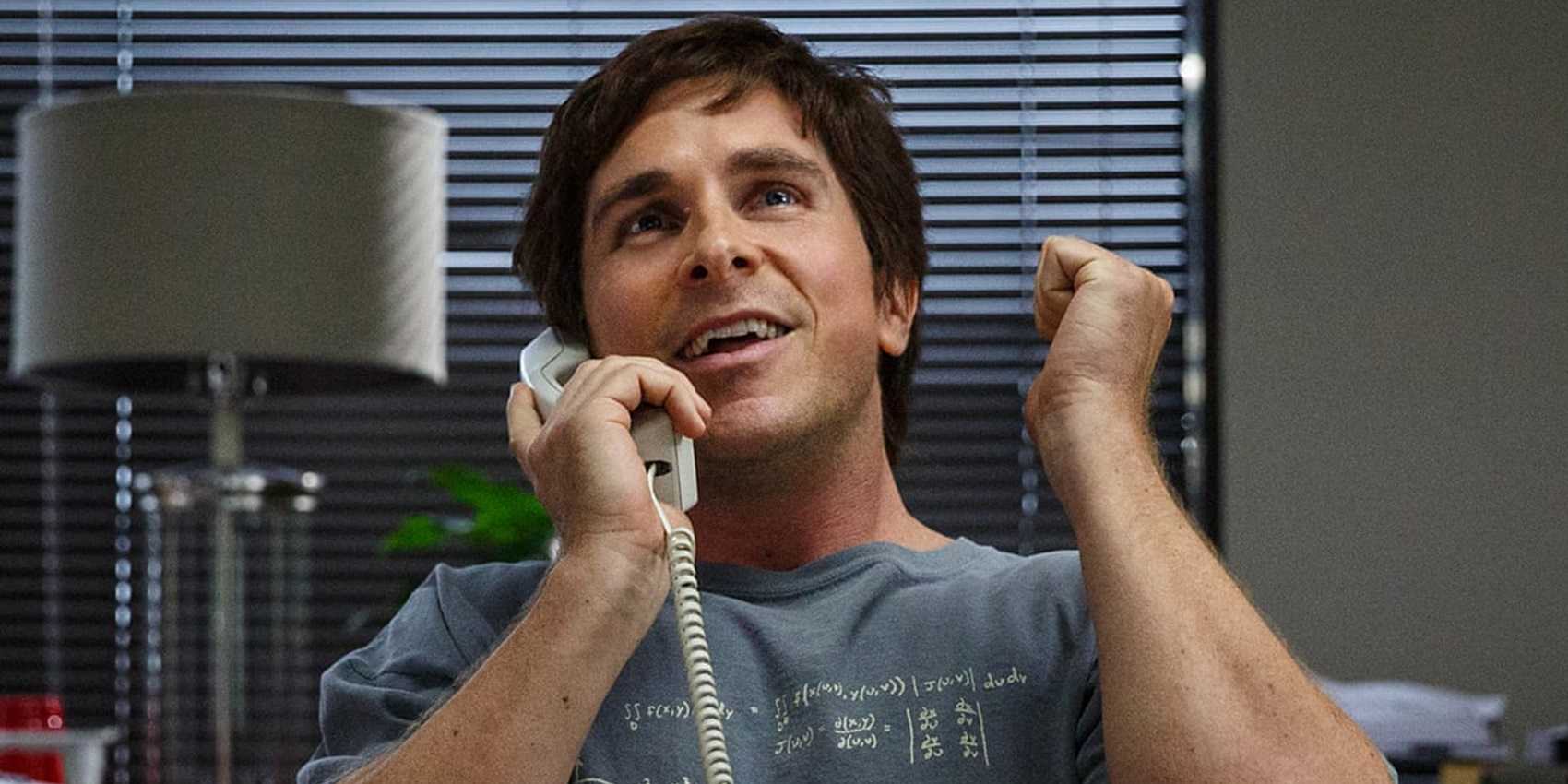
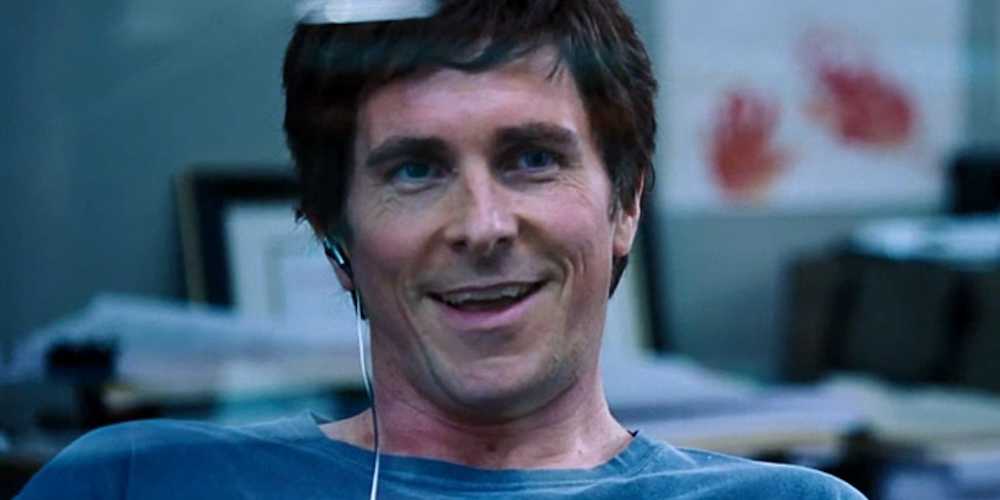
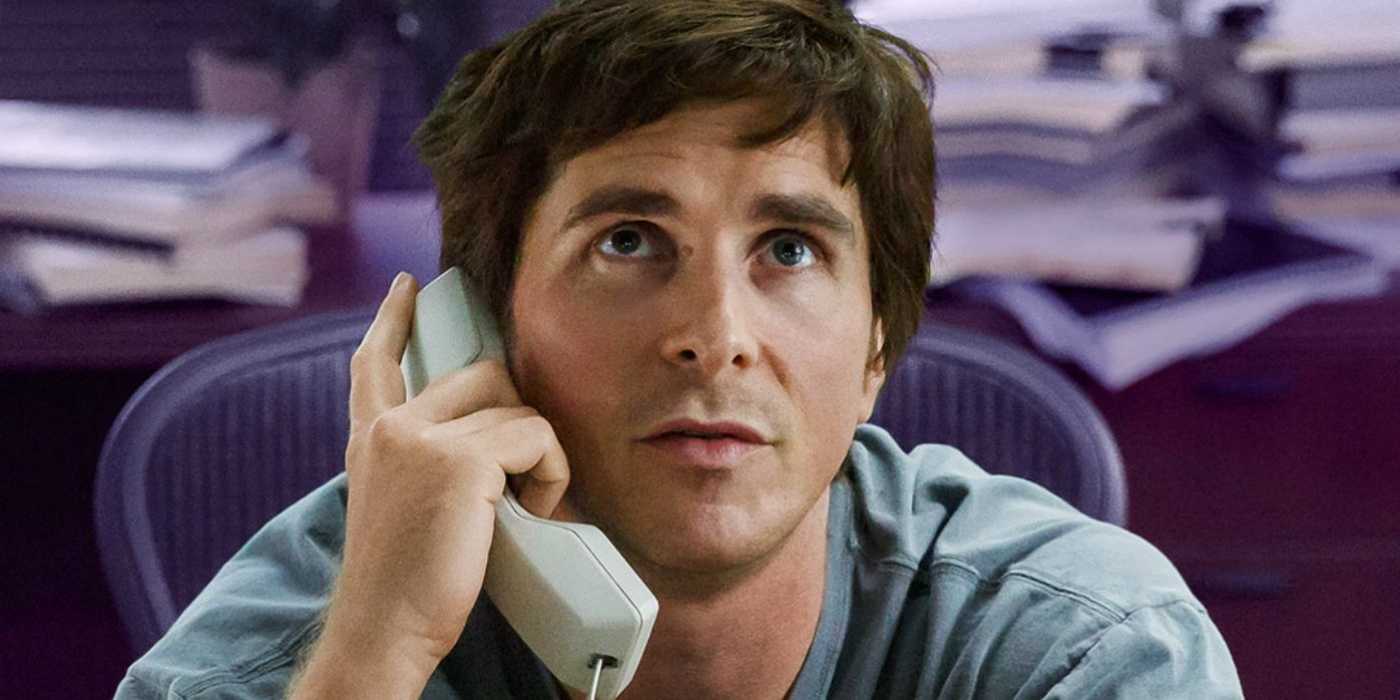
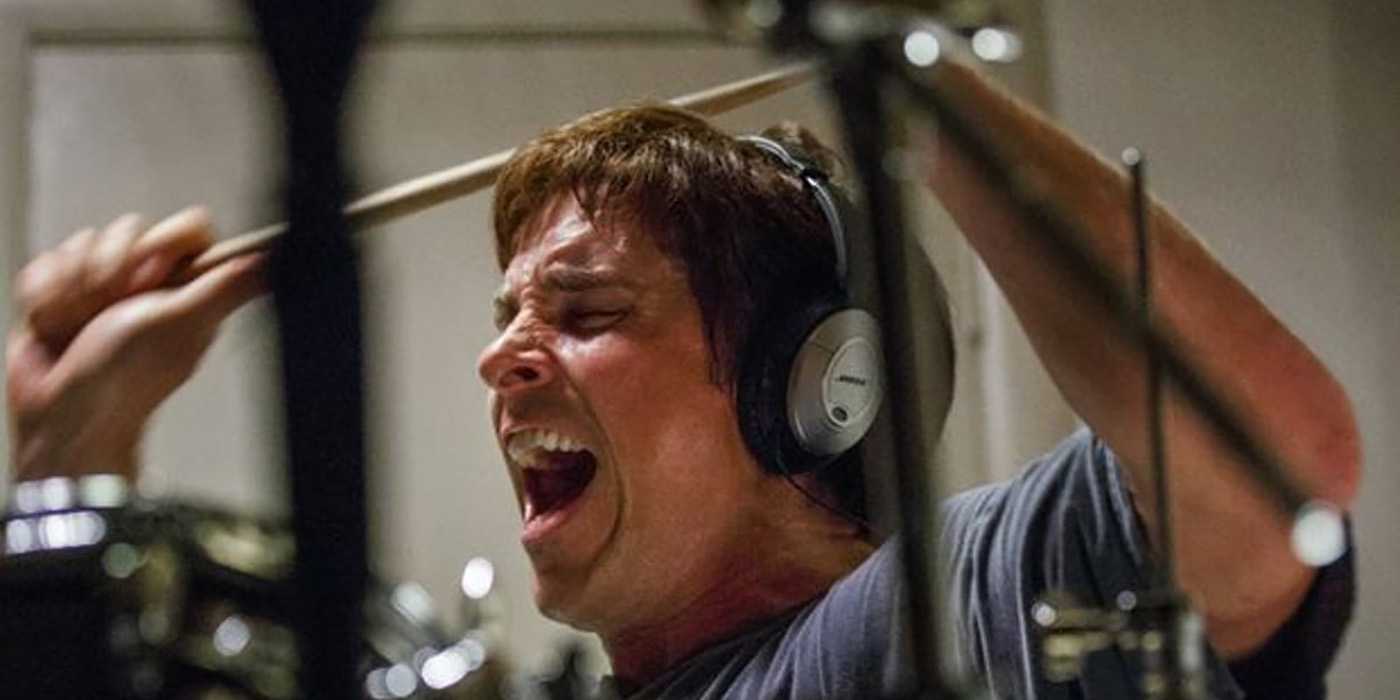
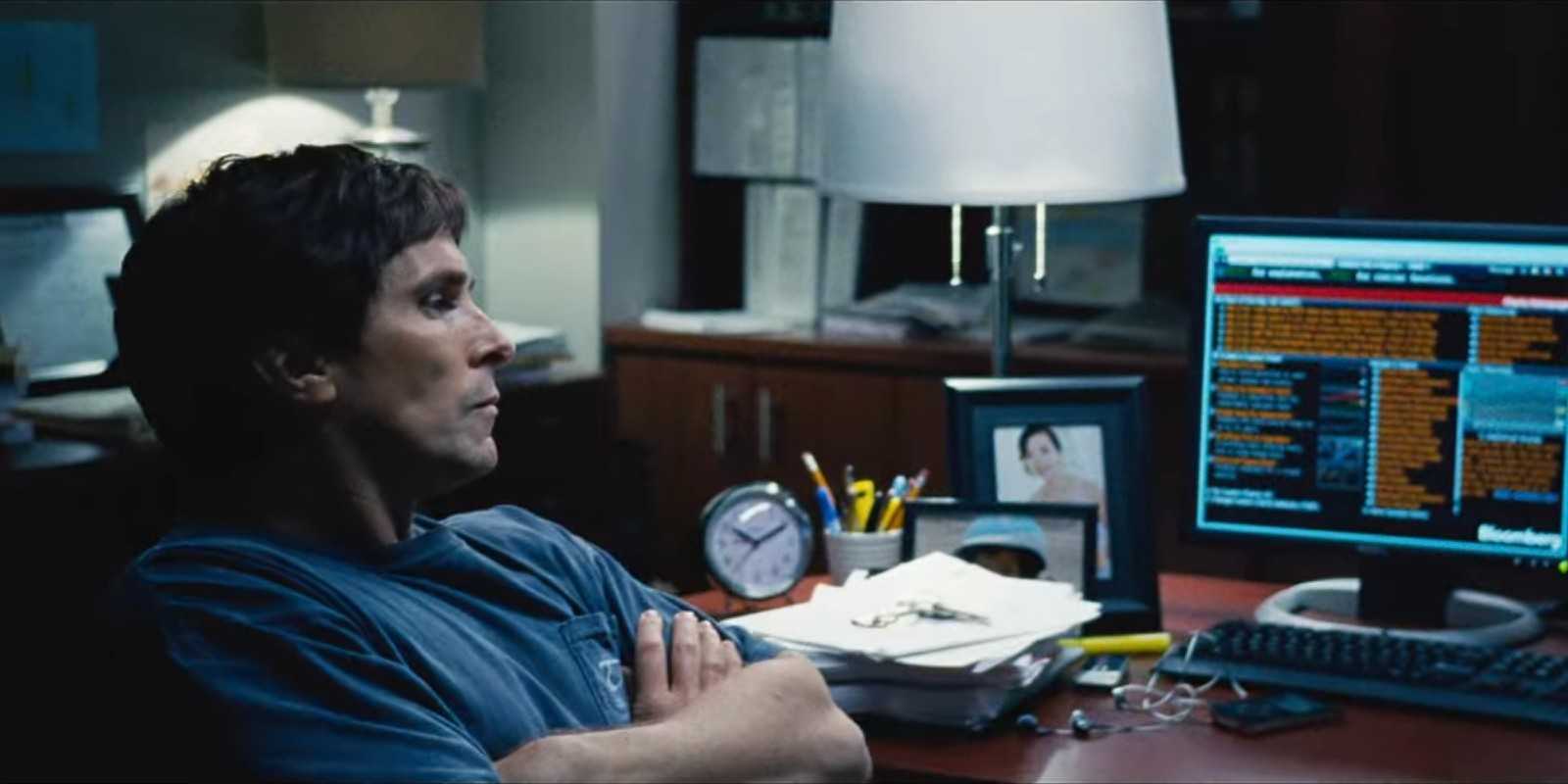
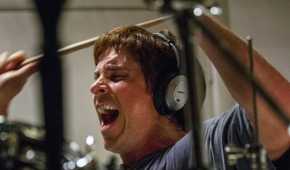
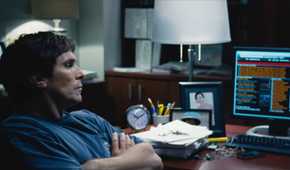
Although The Big Short presents Michael Burry as the first person to realize the truth about the faulty mortgage bonds and bet against them, he ultimately closes his hedge fund at the end of the movie. Burry’s decision to close the fund is initially odd considering his heavy involvement in betting against the market against the wishes of his investors. However, some of his rationale for this decision can be gleaned from the email he drafts at the end of the movie.
According to Michael Burry’s email, during the lead-up to the crash, he became burdened by the pressure and backlash caused by his actions, exemplified by his claim that “All the people I respected won’t talk to me anymore except through lawyers.” Additionally, Burry began to have difficulty reconciling his actions with the impact that the crash he was betting on would have on real people.
The backlash Burry had been receiving as well as the realization that he was profiting off of the despair of real people is ultimately what led him to close down the hedge fund.
The Big Short’s Interjected Images Of Real People Explained
The Movie Highlights The Real Victims Of The Crisis

Throughout The Big Short, the movie intersperses its scenes with still images of real people. In the rest of the movie, these still images have several functions, such as grounding audiences in the time period of the movie or showing what was happening in the rest of the world while this impending crisis was happening on Wall Street.
...doing this divorces audiences from the actual humans that the collapse of the bonds impacts, which is the sudden realization that both Michael Burry and Mark Baum eventually have.
However, the appearance of these images ramps up significantly toward the conclusion of the movie, giving The Big Short’s ending a frenetic yet depressing feeling. Though these images could feel random or distracting, their intensified frequency actually has an important meaning.
Given that The Big Short tells the story of the onset of the 2008 financial crisis from the points of view of investors, the emphasis is often put on the CDOs and making profits off of them. However, doing this divorces audiences from the actual humans that the collapse of the bonds impacts, which is the sudden realization that both Michael Burry and Mark Baum eventually have.
Therefore, these interjected images of real people at the end of The Big Short serve as reminders of the impact of the collapse and financial crisis: the real people who lost their jobs and homes as a result of The Big Short’s events.
Why Kareem Serageldin Was The Only Trader Sent To Jail For The 2008 Financial Crisis
Settlements Allowed Many Bigger Offenders To Avoid Jail

A narration from Ryan Gosling’s Jared Vennett at the end of The Big Short reveals that despite the widespread knowledge of wrongdoing by banks and investors in the lead-up to the 2008 financial crisis, only one person, Kareem Serageldin, was imprisoned for his actions. Serageldin hid several millions in mortgage bond losses for Credit Suisse, which Vennett notes is “something most of the big banks did on a good day during the crisis.”
If Vennett’s claim that other big banks were doing the same criminal acts as Serageldin during the crisis, it seems bizarre that he was the only one to suffer the consequences. The reason that Kareem Serageldin was the only trader to be imprisoned for his criminal actions reveals the nefarious nature of Wall Street. As Mark Baum predicted, the banks took taxpayers’ money to reimburse themselves, used real people as scapegoats, and lobbied against big reform.
Additionally, the Department of Justice’s focus on reaching settlements rather than prison sentences meant few received real punishments for their actions. This meant that ultimately, there were no meaningful changes put in place, so many people who facilitated the crisis got out unscathed, except Serageldin.
What Happened To The Real Characters After The Big Short's Ending
The Epilogue Details The Aftermath Of Their Success


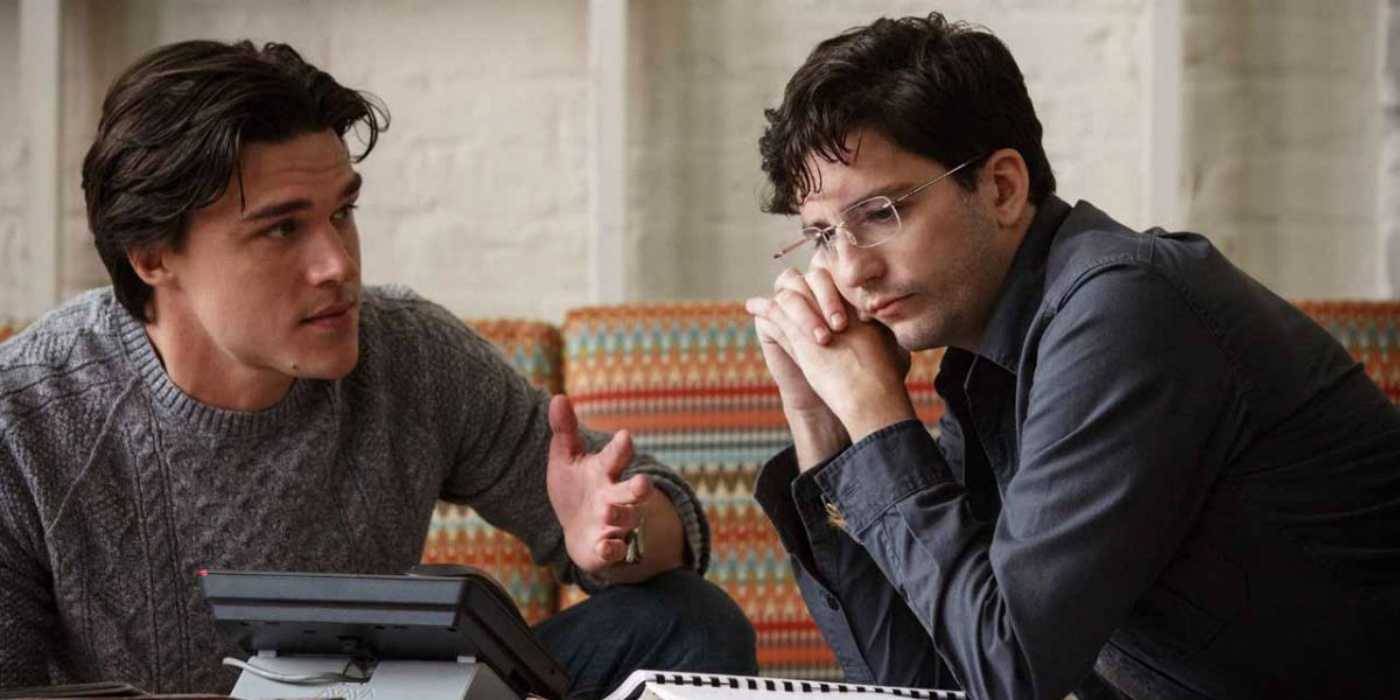

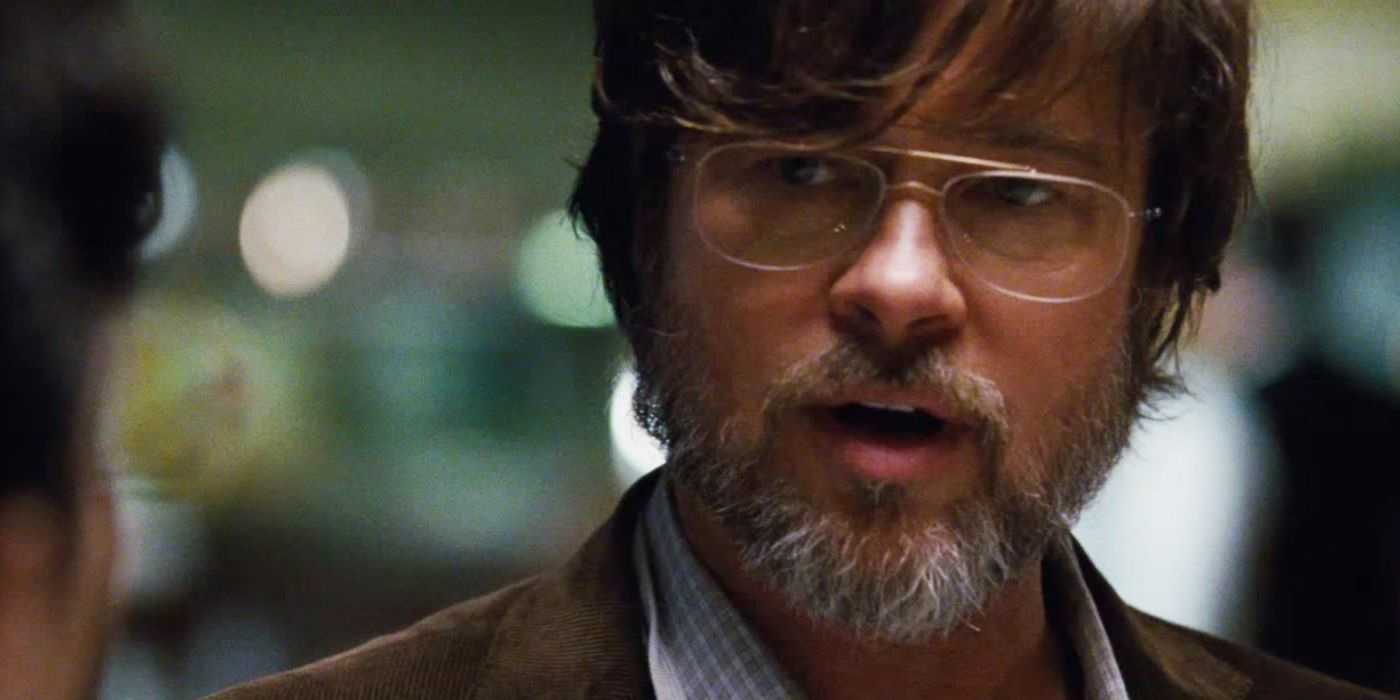
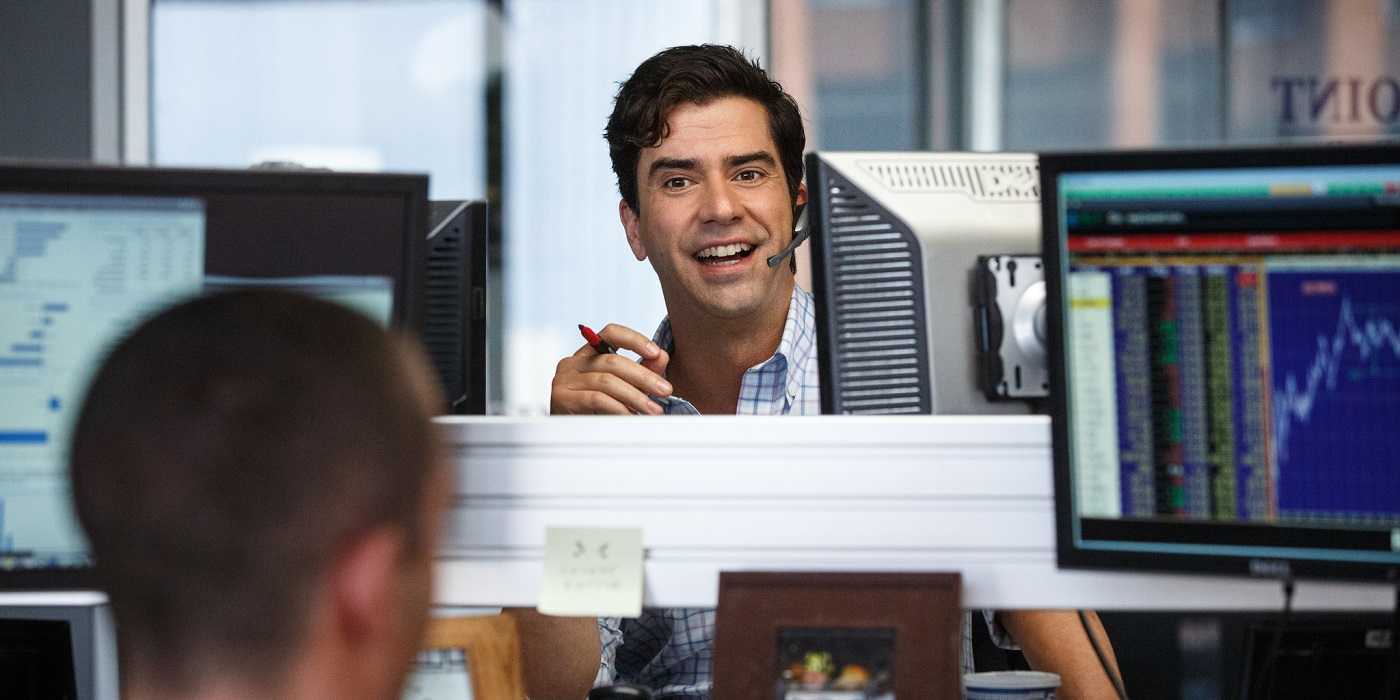
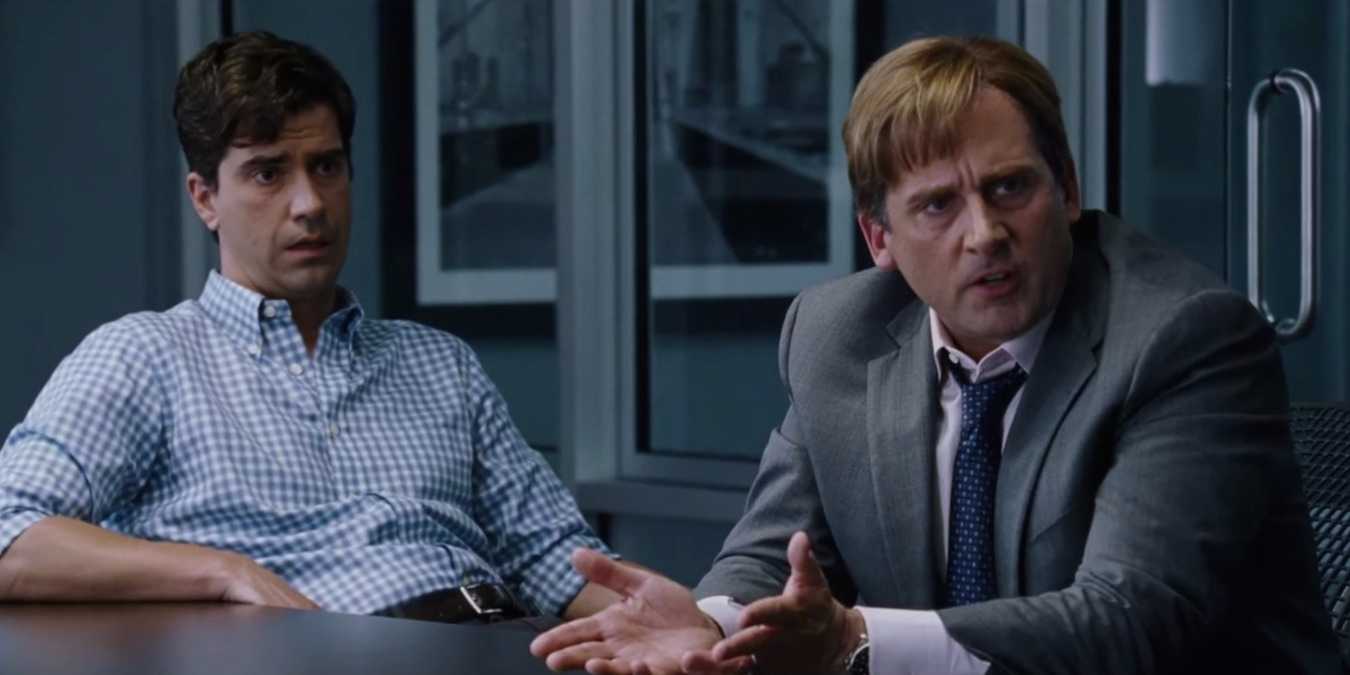


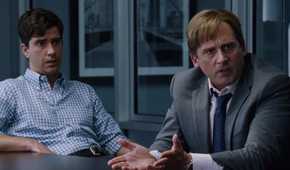
During The Big Short’s epilogue, the fates of several of the characters after the 2008 financial crisis are revealed. The Big Short states that Mark Baum became incredibly gracious after the 2008 financial crisis, which contrasts with his acerbic persona during the movie. In real life, Mark Baum’s inspiration, Steve Eisman, ended up leaving FrontPoint Partners in 2011 and now serves as a managing director and portfolio manager for the Eisman Group. According to The Big Short, Baum’s staff members continue operating their fund in Manhattan.
The Brownfield Capital team has a fairly bittersweet experience after The Big Short. Jamie Shipley and Charlie Geller attempted to sue the rating agencies without success. In the epilogue, it’s revealed that the two investors eventually parted ways, with Jamie still running Brownfield and Charlie moving to Charlotte to start a family. Brad Pitt’s Ben Rickert returned to enjoying his peaceful retirement after the crash, making his ending one of the few overtly happy ones.
While it’s known that Michael Burry closed his hedge fund at the end of The Big Short, it’s also revealed that he has been audited several times by the IRS as well as questioned by the FBI. In 2013, Burry reopened his hedge fund, now called Scion Asset Management. According to the movie’s epilogue, the little investing that Burry still does is focused on water. In August 2023, it was reported that Burry’s hedge fund had placed bets on a U.S. stock market crash, meaning the history shown in The Big Short could potentially repeat itself.
The Real Meaning Of The Big Short Ending
The Victories Of The Main Characters Are Tainted By The Loss Of The American People

The ending of The Big Short is one that recontextualizes the movie that audiences just watched. For much of the runtime, The Big Short is a fun and exciting story about a group of underdogs who, despite everyone else telling them how wrong they were, found an opportunity no one else could see. It was like a heist movie with these characters setting the stage to get a big payoff in the end. However, when that payoff comes, the result is very different from what audiences usually see in these kinds of caper movies.
While there is some satisfaction in seeing characters like Burry proven right and collecting on those risky bets, The Big Short makes the cost of their victories clear. As Rickert points out, they are betting against the American economy and if they're right it will mean a lot of people's lives will be ruined. That is the sentiment in the final scenes of the movie. The victories are bittersweet, with the main characters understanding that the reality of what has happened is a crisis for many and they just happen to be the few who made it out on top.


- Release Date
- December 11, 2015
- Runtime
- 131 minutes
- Director
- Adam McKay
- Writers
- Adam McKay, Charles Randolph
- Producers
- Arnon Milchan, Brad Pitt, Dede Gardner, Jeremy Kleiner
Cast
-
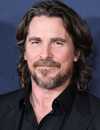 Michael Burry
-
 Mark Baum

