


Warning: This article contains MAJOR SPOILERS for Netflix's The Decameron.
Summary
- The Decameron shows how greed corrupts even the noblest characters, leading to a fight between religiously driven mercenaries and the guests of the Santa Villa.
- The series captures the anxiety of the Black Plague era, depicting nobles trapped in a villa trying to survive.
- Themes of betrayal, loyalty, and sacrifice drive the plot, with only half of the main characters surviving the first season.
Netflix’s fast-paced, raunchy series The Decameron includes exciting twists and turns until the very end. Following in the path of other anachronistic historical shows like Bridgerton and My Lady Jane, The Decameron is a sexy dark comedy set in a villa outside Plague-stricken Florence in 1348. The show starts with members of the nobility being invited to stay in the Villa Santa with its owner, Leonardo. Leonardo’s cousin Filomena and her servant Licisca set out for the villa, but Licisca pushes Filomena off a bridge when she gets angry about the servant giving a starving man bread.
Licisca goes to the villa pretending to be Filomena. She arrives to meet the rest of The Decameron's cast – Leonardo’s betrothed, Pampinea; her servant, Misia; a noble couple, Panfilo and Neifile; a whiny rich man, Tindaro; his doctor, Dioneo; the cook, Stratilia; and the servant of the house, Sirisco. Though Licisca thinks her dead, Filomena soon shows up and pretends to be the Licisca to stay, rounding out the cast. When everyone learns that Leonardo is dead, they fight to control the Villa Santa. In The Decameron’s hilarious ending, the villa's guests and servants must deal with Leonardo’s cousins, Pampinea’s lies, and mercenaries led by the Church.
How The Decameron's Characters Escape The Villa Santa & What It Means
Mercenaries Corner The Characters In The Villa Santa

The characters in The Decameron get trapped in the Villa Santa when the mercenaries attack. The characters hide in the cellar, hoping the mercenaries won’t find them. Multiple characters try to fight back at the same time, though. Panfilo throws things at the mercenaries from the top floor to distract them, while Licisca sneaks down to save Filomena. At the same time, Misia seals Pampinea in a barrel and sets it on fire, killing two birds with one stone. Meanwhile, Sirisco and his friends light the building on fire. This shows how ill-equipped the group is to fight off mercenaries.
Despite their best efforts, the group only escapes the villa when Panfilo carries Neifile’s body into the room, shouting that she has the plague. This moment shows just how terrified people were of the black plague in the 14th century. It doesn’t matter whether the men have weapons or shields. Infectious diseases don’t discriminate between mercenaries, nobles, and servants – an especially poignant message ever since the COVID-19 pandemic.
Which Characters Actually Survive The Decameron Season 1
Only Half The Decameron's Main Characters Make It To The End

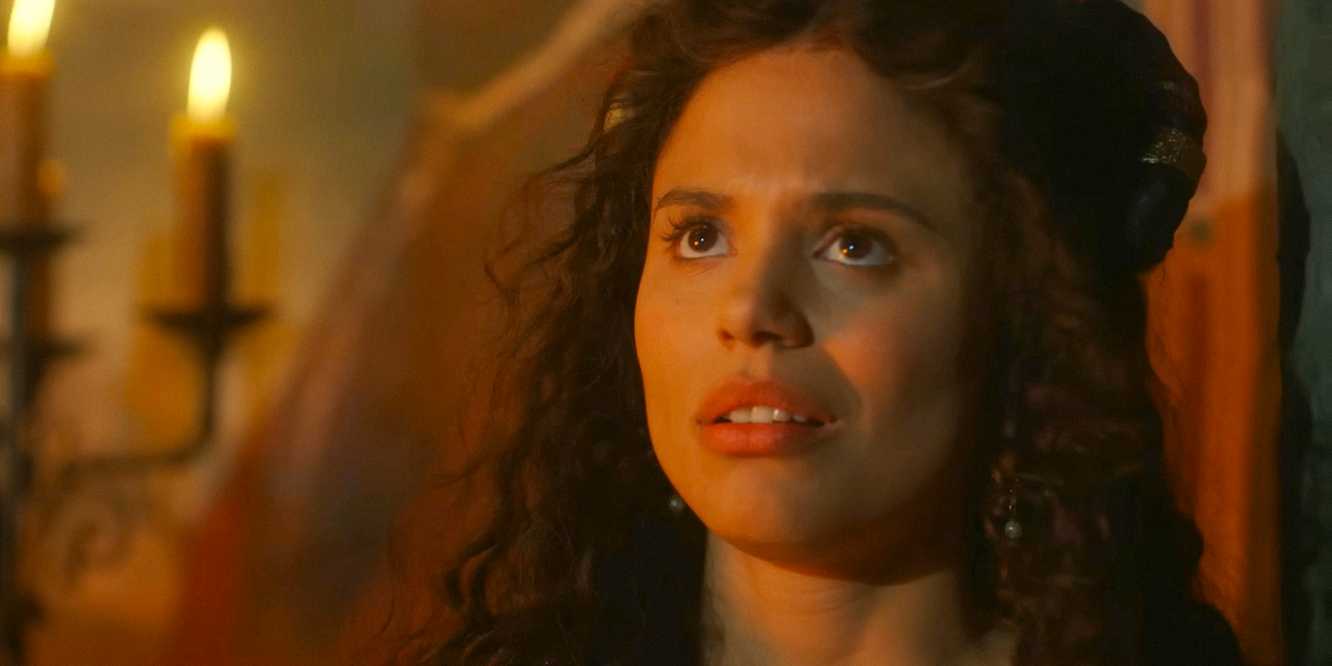



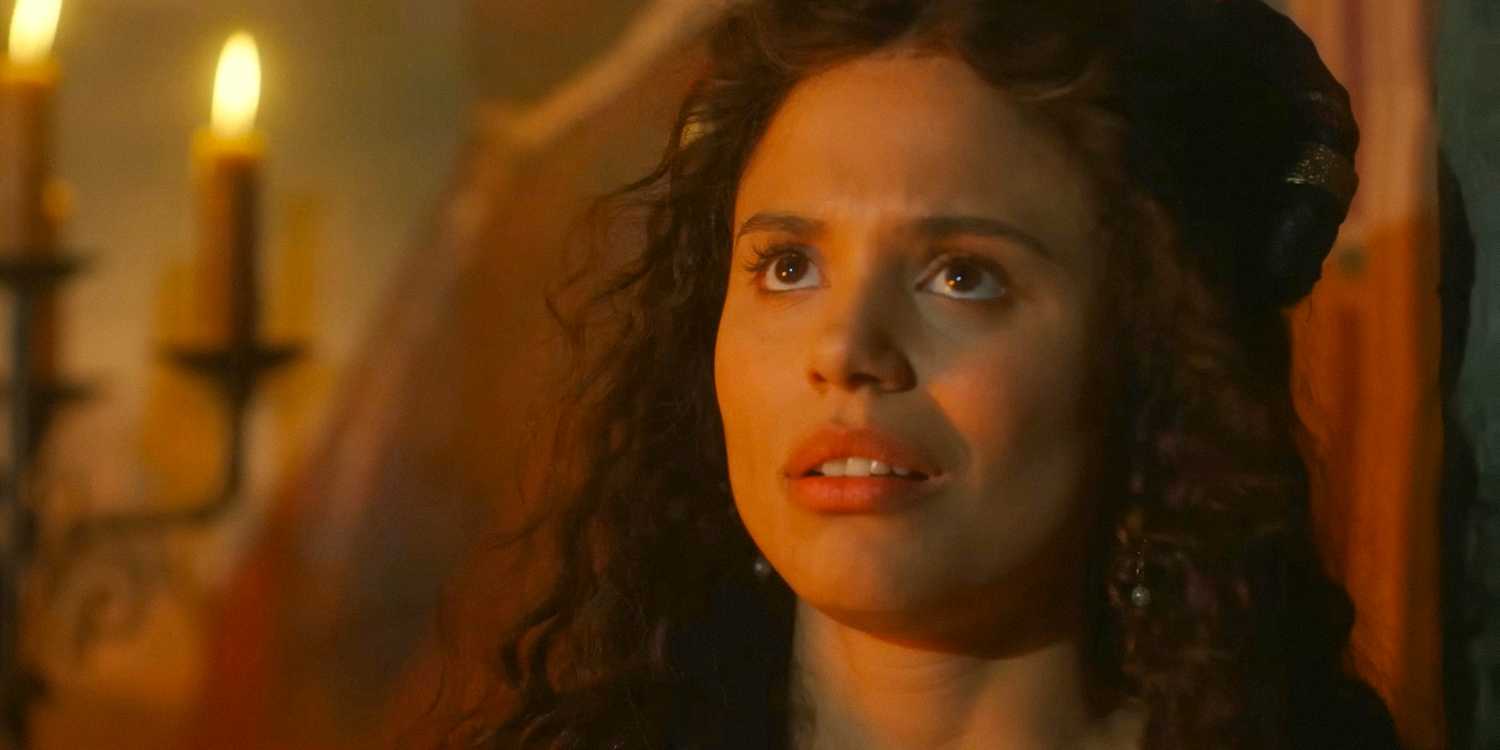
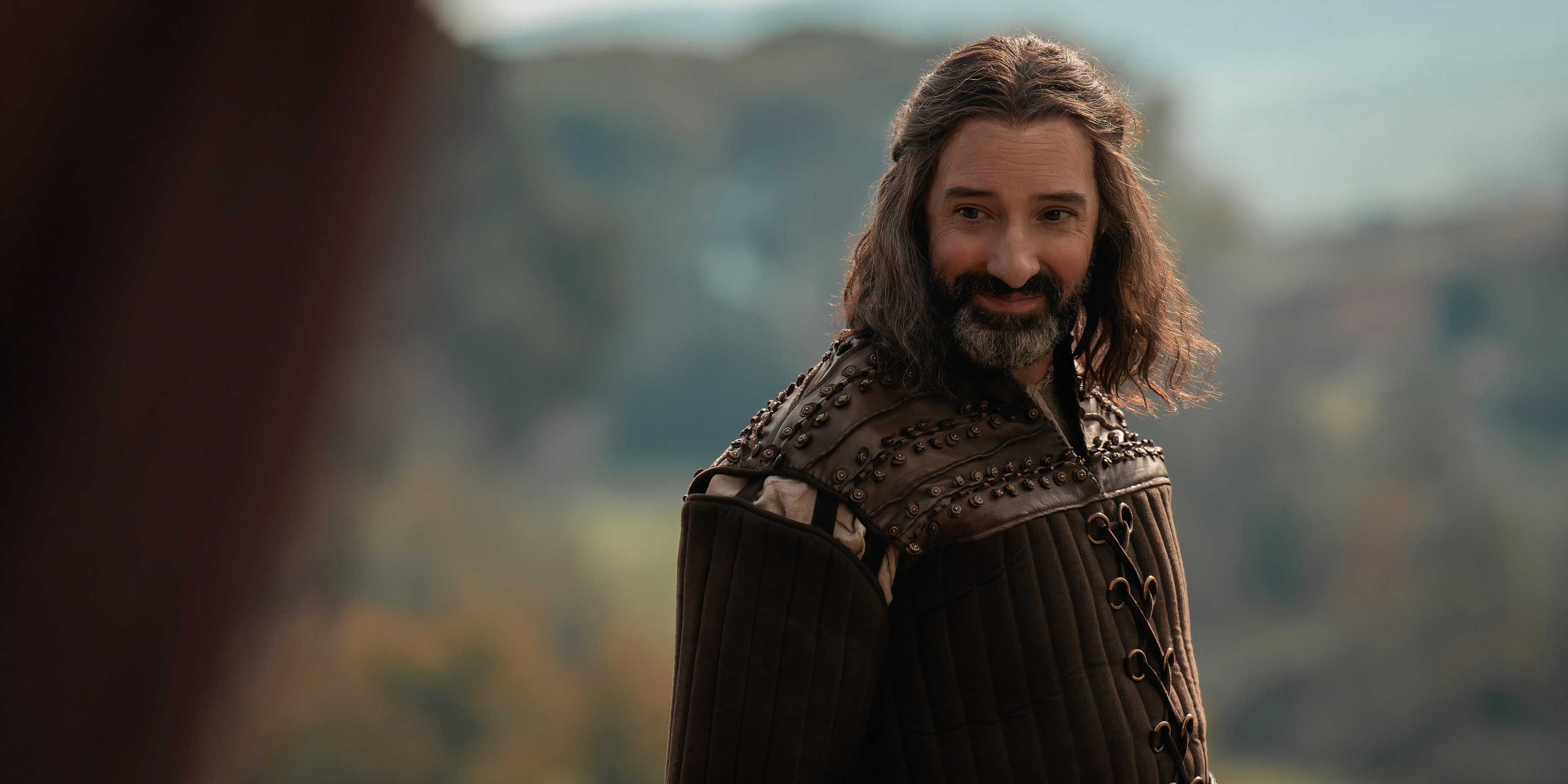
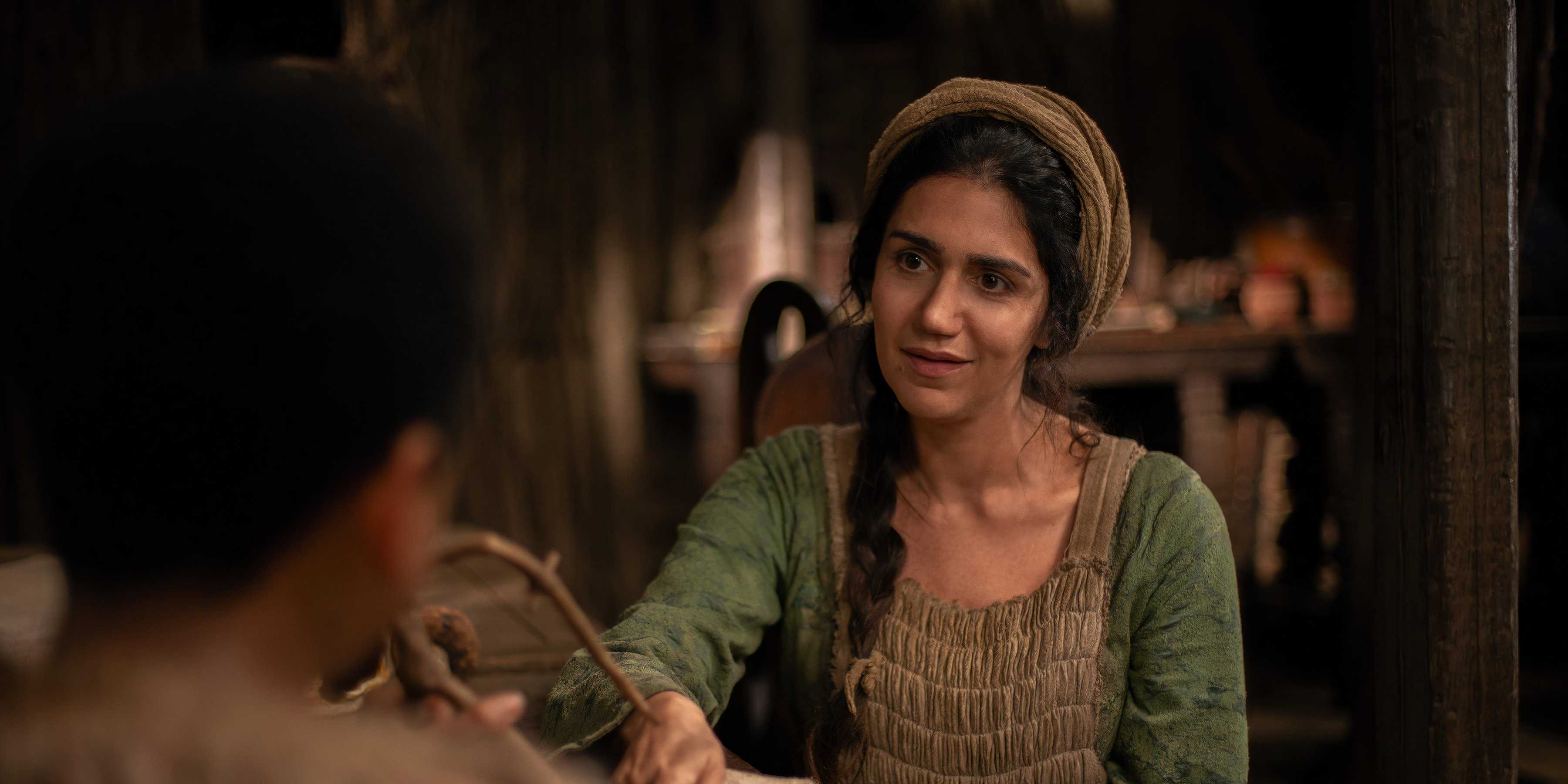
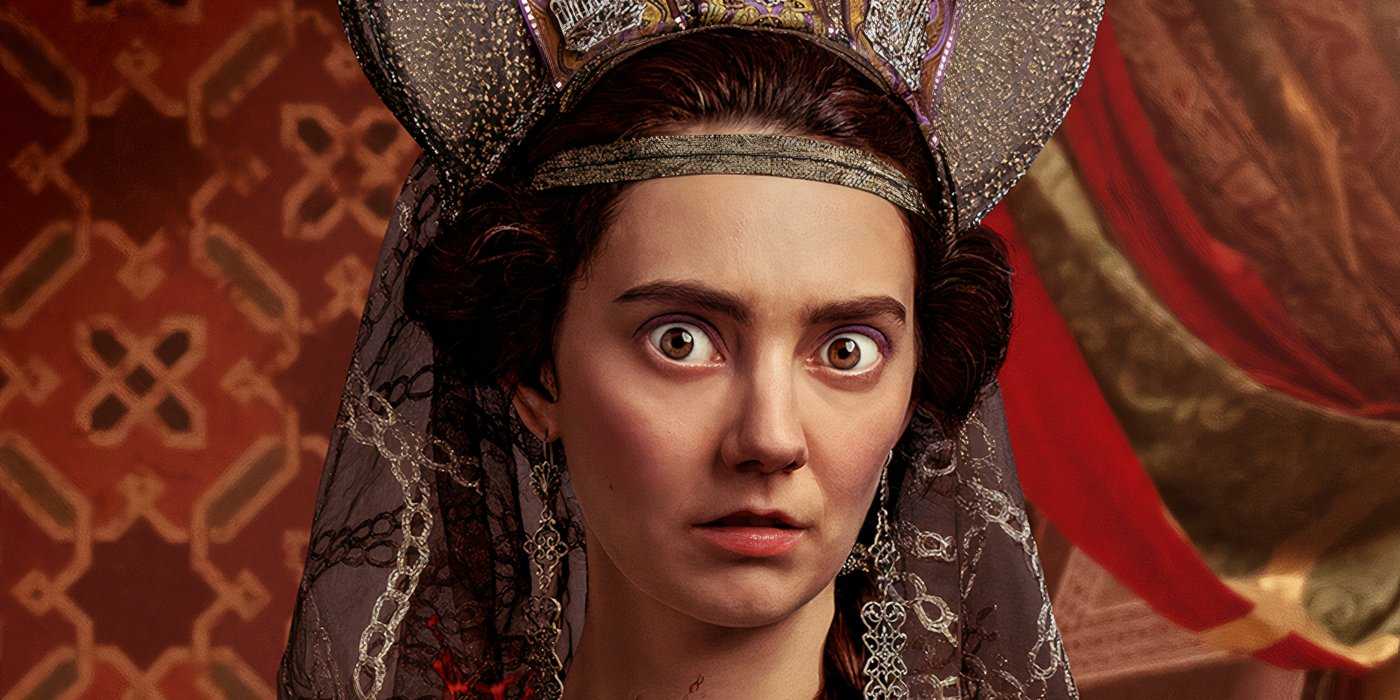
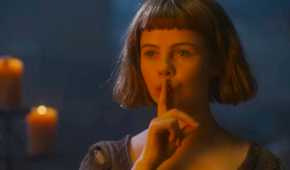

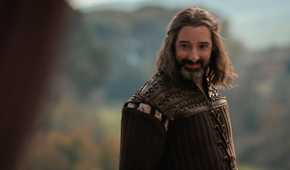
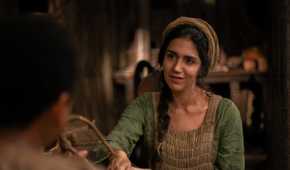
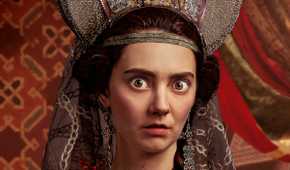
Unlike other shows, The Decameron's trailer promises no mercy for the main characters. Though the series starts out with ten leads, only half of them make it to the end of The Decameron. Dioneo and Neifile both die from the plague. Panfilo sacrifices himself to the mercenaries, getting shot to death by the archers’ arrows. Pampinea gets trapped in a barrel and lit on fire by Misia. Lastly, Tindaro dies from a knife wound.
The choice to kill so many characters feels appropriate to the time period. The plague wiped out approximately a third of the people in Europe, so at least some of them had to die in this manner. The loss of so many main characters forces the audience to feel the instability and loss that the people who lived in the 14th century felt.
The main characters alive at the end of the season are Filomena, Misia, Licisca, Stratilia, and Sirisco. The supporting character Jacopo, Leonardo and Stratilia’s secret son, also lives. The characters who live at the end of The Decameron are the servants – plus Filomena, who worked as a servant for the first three episodes despite being a nobleperson. The survival of these characters reinforces the ending’s message about the dangers of greed and self-righteousness.
Who Is The Villa Santa’s True Heir In The Decameron?
Leonardo Has A Secret Child In The Decameron

Throughout The Decameron, many characters try to lay claim to the Villa Santa once they discover that Leonardo is dead. The two characters with the best claim are Ruggiero – Leonardo’s cousin – and Filomena – Leonardo’s first cousin once removed. Surprisingly, the latter never attempts to claim Villa Santa, possibly because she would have to reveal her lie. Panfilo also has a loose claim to the property because he reveals to Ruggiero that he is also a distant cousin. None of these characters is shown to be the true heir to Villa Santa in The Decameron.
The show reveals Stratilia and Leonardo’s child, Jacopo, as the heir in The Decameron episode 5, “Switcheroo,” but the validity of his claim is complicated. Even though Jacopo is Leonardo’s son, the child would not legally have a claim to the Villa Santa because children born out of wedlock in the Middle Ages couldn’t inherit their parents’ property. This could be part of the actual reason Stratillia receives pushback from Sirisco when she tries to take the villa for Jacopo. Sirisco seems to be a loyal servant who would follow the instructions of the proper heir.
Misia’s Many Betrayals & Twists Explained
Misia Aligns With Pampinea Until The Last Episode Of The Decameron

Of all the characters in The Decameron, the most complicated is Misia – the servant of Pampinea. Throughout the series, she’s shown acting in ways that bend her morals and put Pampinea’s wishes above her own well-being. Throughout the season, Misia’s betrayals are typically towards the group to help Pampinea. Her first betrayal was lying to the group about Pampinea marrying Leonardo, which could be seen as a self-preservation tactic. If Pampinea owned the villa, Misia would have a place to live that was away from the plague.
Despite her undying loyalty, Misia finally frees herself from Pampinea’s control in a final act of betrayal at the end of The Decameron.
However, her motives become increasingly tainted by Misia’s feelings of fealty and love for Pampinea. Following the nobleperson's orders, she stabs Ruggiero so that he can’t claim the villa. This is a betrayal to the other visitors at the Villa Santa, who don’t want Pampinea in charge. She then secretly gives Pampinea her dowry even though it could keep the group safe from the mercenaries. These choices differ from the first one because they benefit Misia’s master but hurt her. Misia has a way to escape Pampinea, but she still falls back into unhealthy patterns.
Despite her undying loyalty, Misia finally frees herself from Pampinea’s control in a final act of betrayal at the end of The Decameron. She seals the noble in a barrel and lights it on fire, killing Pampinea alive. This is a significant moment of character development and symbolizes individuals freeing themselves from the oppressive forces that keep them down.
What The Rats Really Mean In The Decameron's Intro
The Rats Allude To One Way That The Black Plague Spread

While it's a central part of the setting, The Decameron does very little to explain the Black Plague. This makes the rats in the intro credits confusing to viewers unfamiliar with the illness. The bacillus Yersinia pestis – which causes the Plague –is typically transmitted by fleas, though the most severe form, pneumonic plague, can transfer from human to human.
From its discovery in 1897 until 2017, historians and scientists believed that rats were the primary carriers of these fleas, though recent research suggests humans as the main carriers (via CNN Health). Because of the popular understanding of the disease, the rats in the introduction of The Decameron are a visually intriguing way of shaping the setting and reminding viewers of the Black Plague’s influence on the story.
How The Decameron Season 1’s Ending Connects To The Book
The Decameron Is Only Loosely Based On The Source Material

The Netflix comedy The Decameron is only connected to the eponymous book by Giovanni Boccaccio in the loosest way. The show seems to pull inspiration from the frame story in that the nobles and their servants go to a villa outside Florence, Italy, to escape the Black Plague. A few of the names are also the same. However, this is where the direct connections end. Despite this, the last few minutes of The Decameron are somewhat inspired by the book.
After escaping the Villa Santa, the remaining characters lie beside the cave and take turns telling stories. The characters pass around the mourner's wreath, which they wear around their neck during their turn. Unlike the book, this isn’t a competition where one person picks the theme and decides on a winner. There are also only six people instead of ten. Still, the last five minutes of The Decameron capture the spirit of the book in a way that’s magical to watch. There’s an air of loss and death among the characters, but they still find a way to celebrate life.
It's unknown whether The Decameron will have a second season.
The True Meaning Of The Decameron’s Ending
The Villa Santa Represents The Greed Of The Nobility
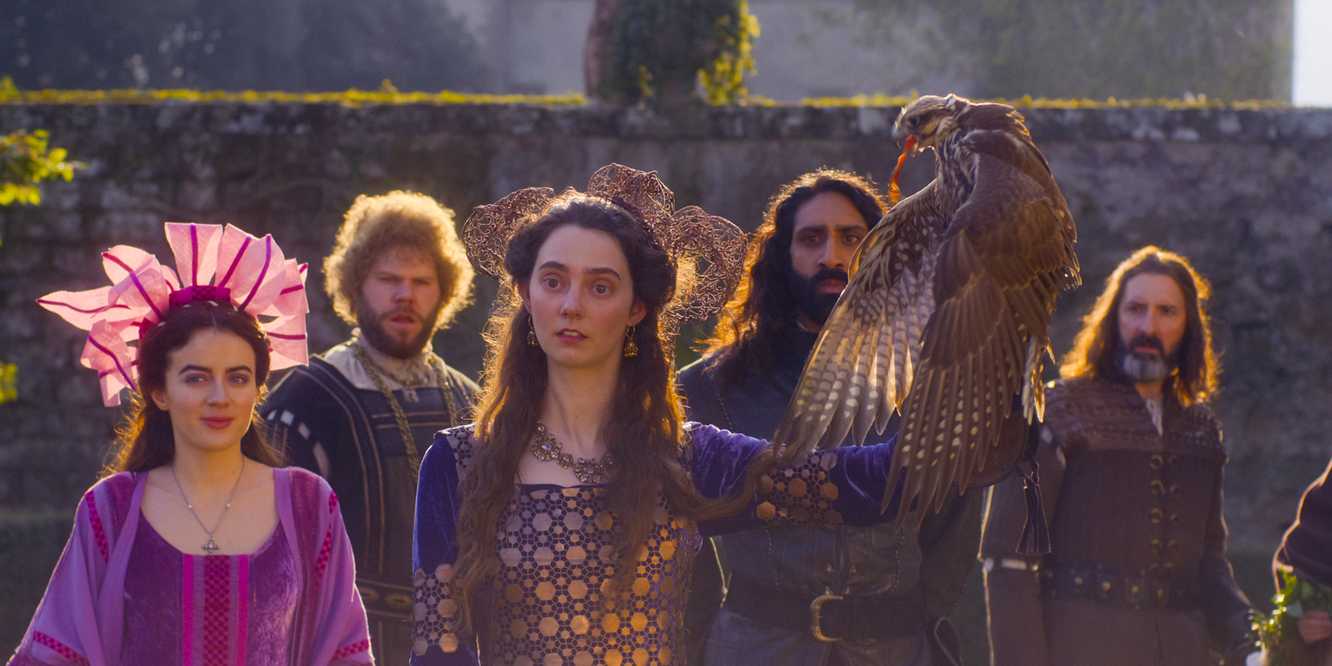
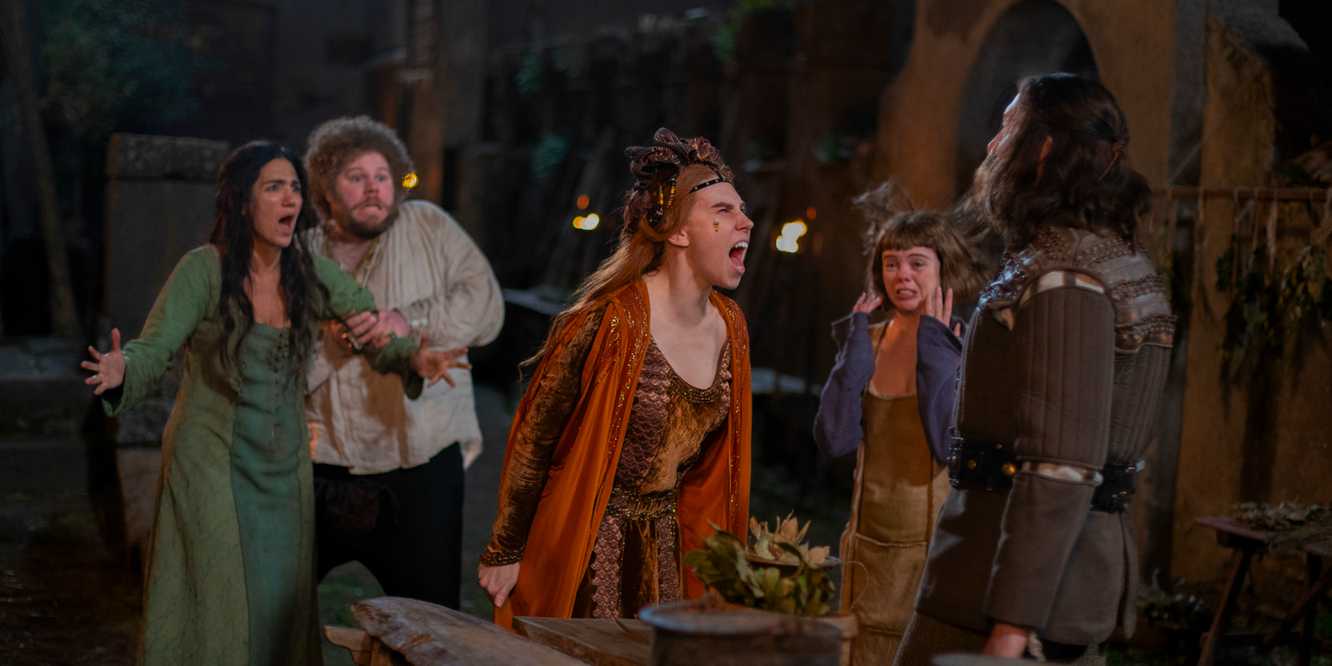
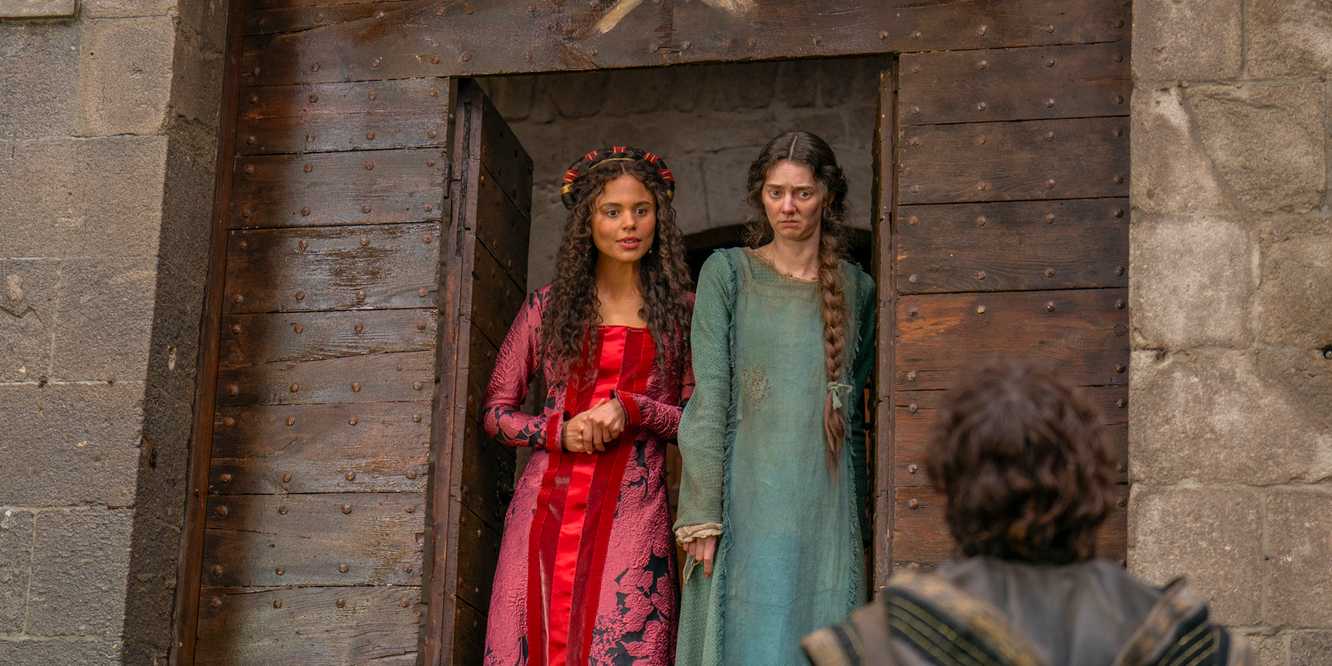

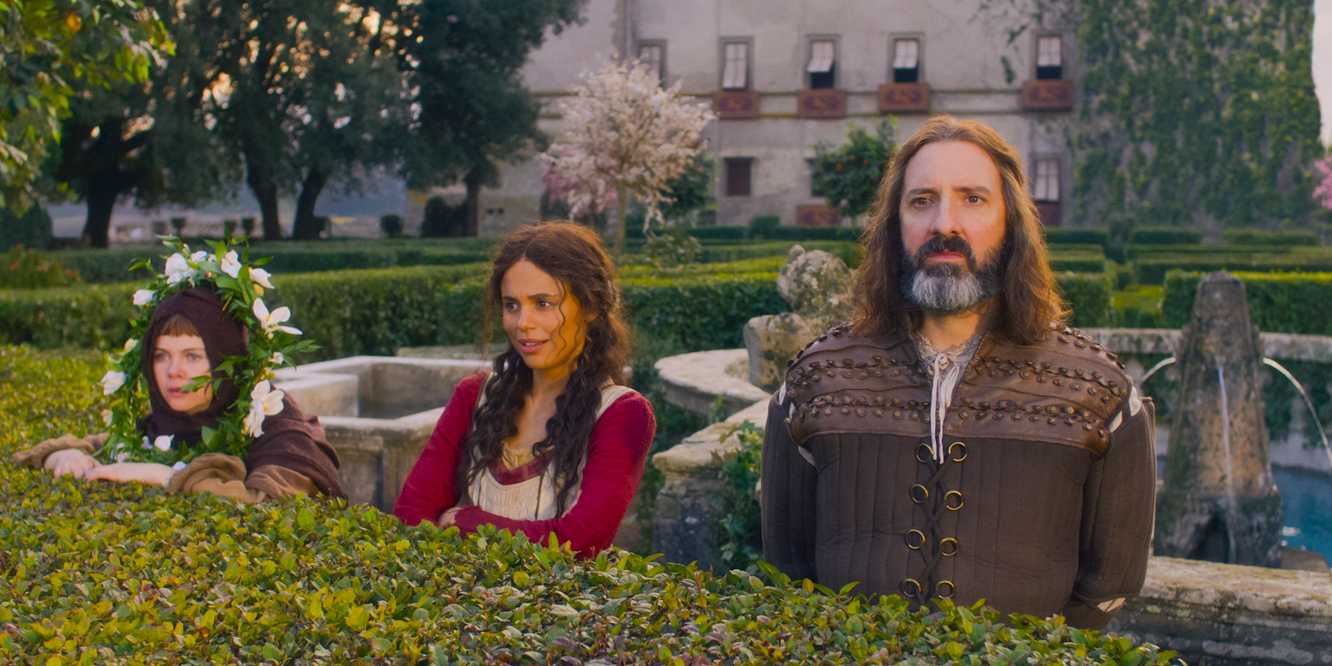


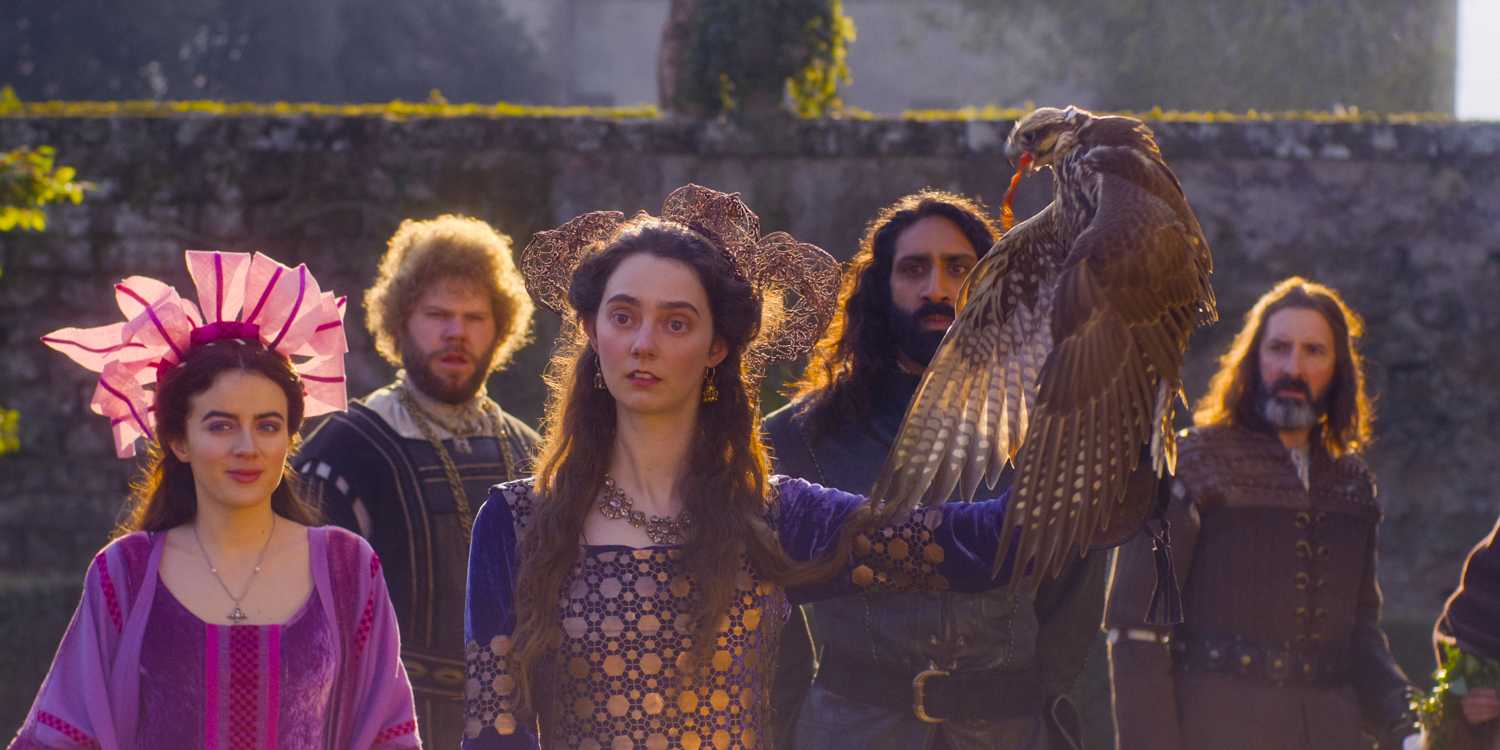 Image via Netflix
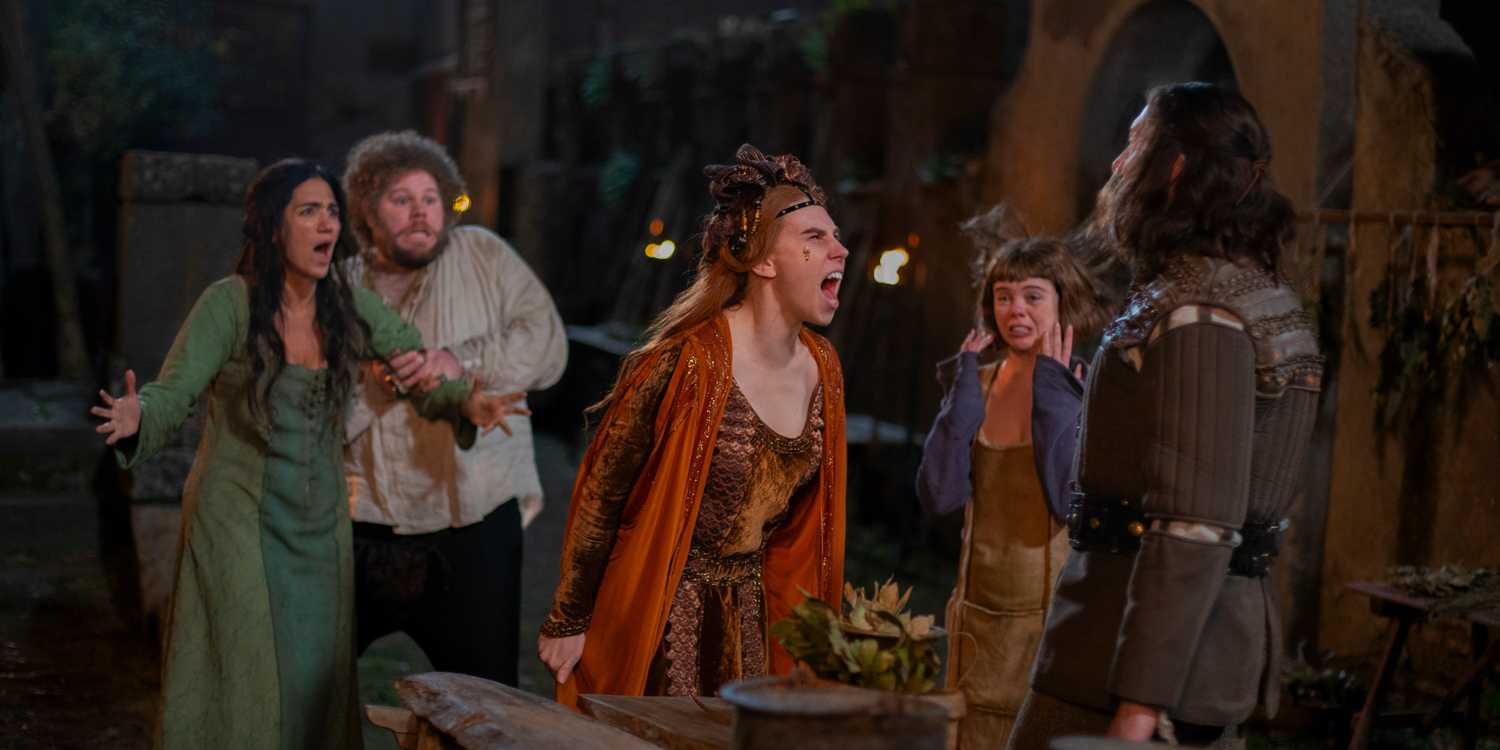
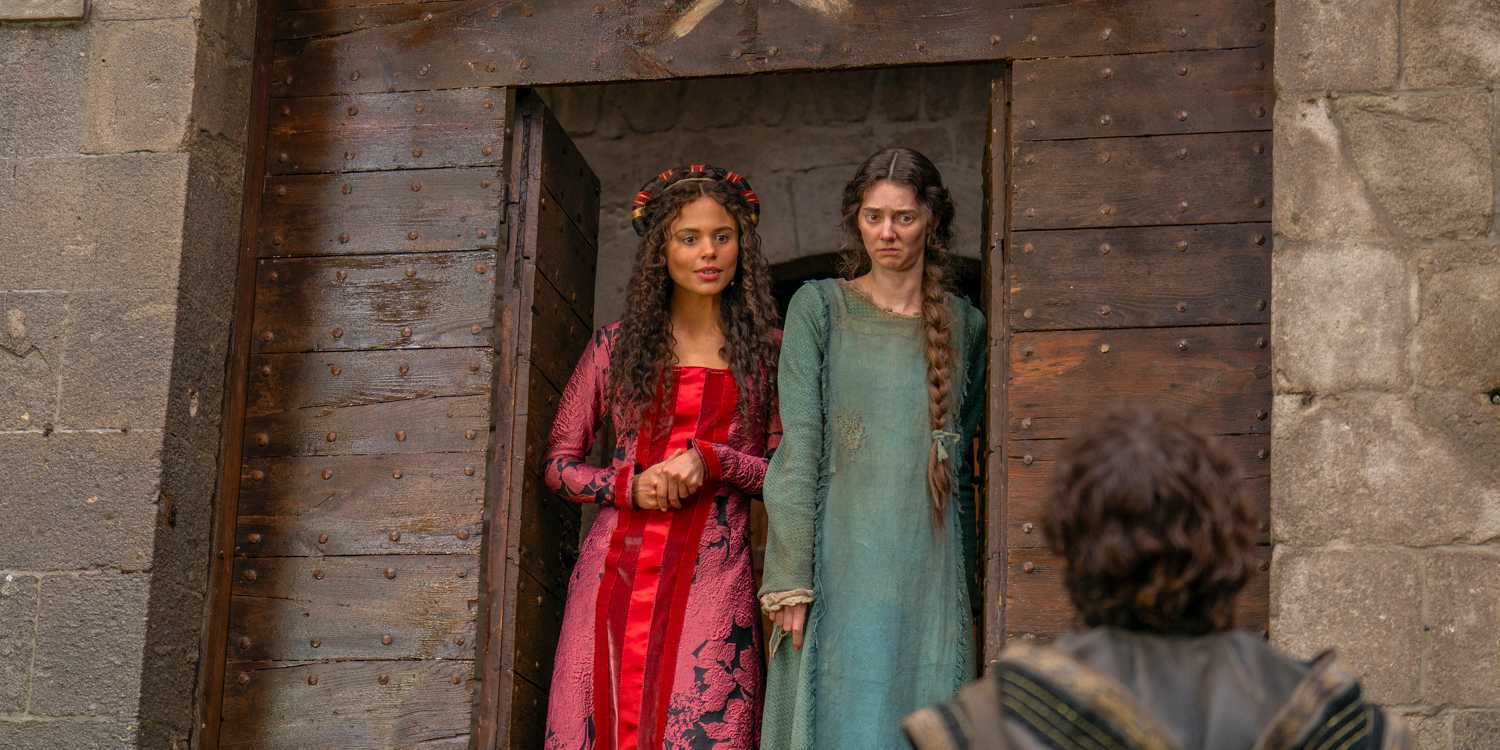 Image via Netflix
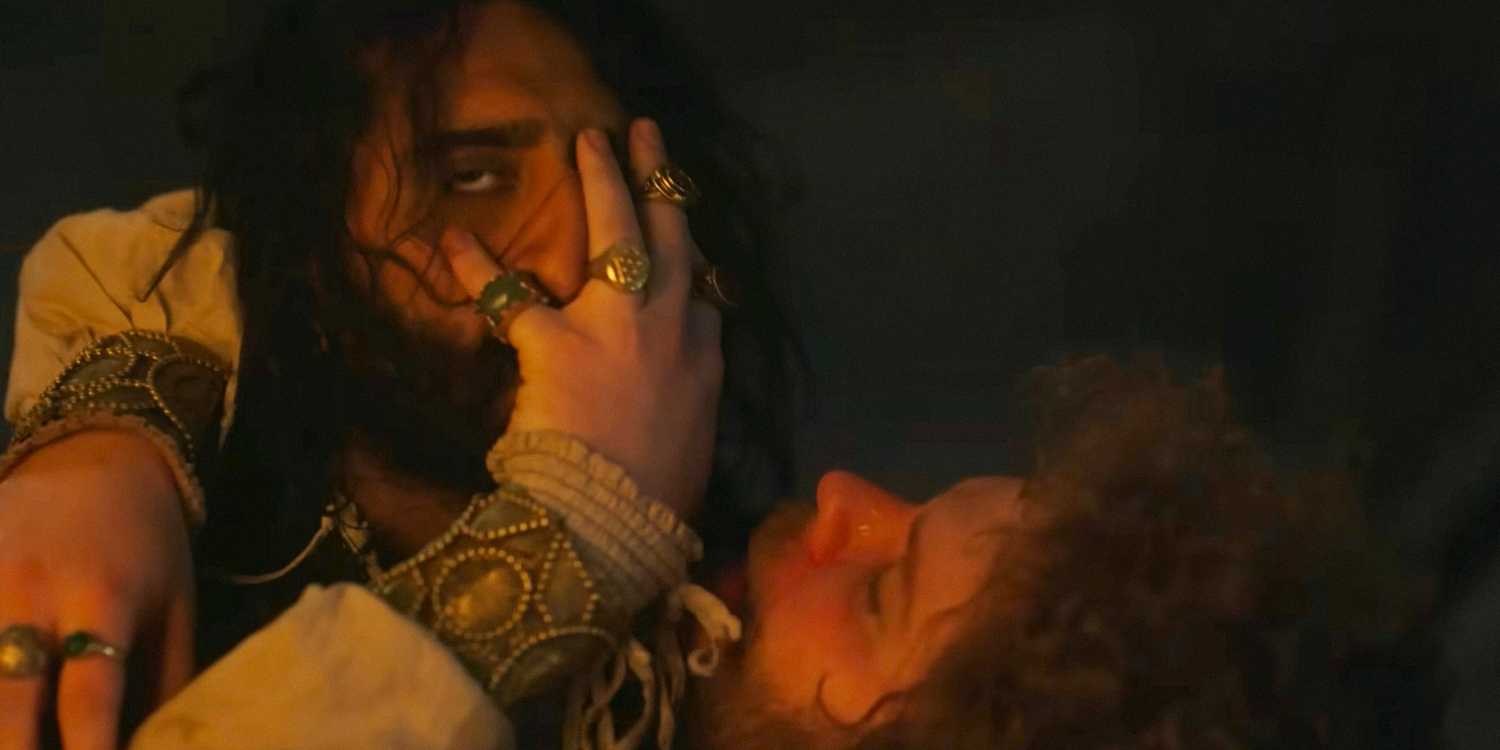 Image via Netflix
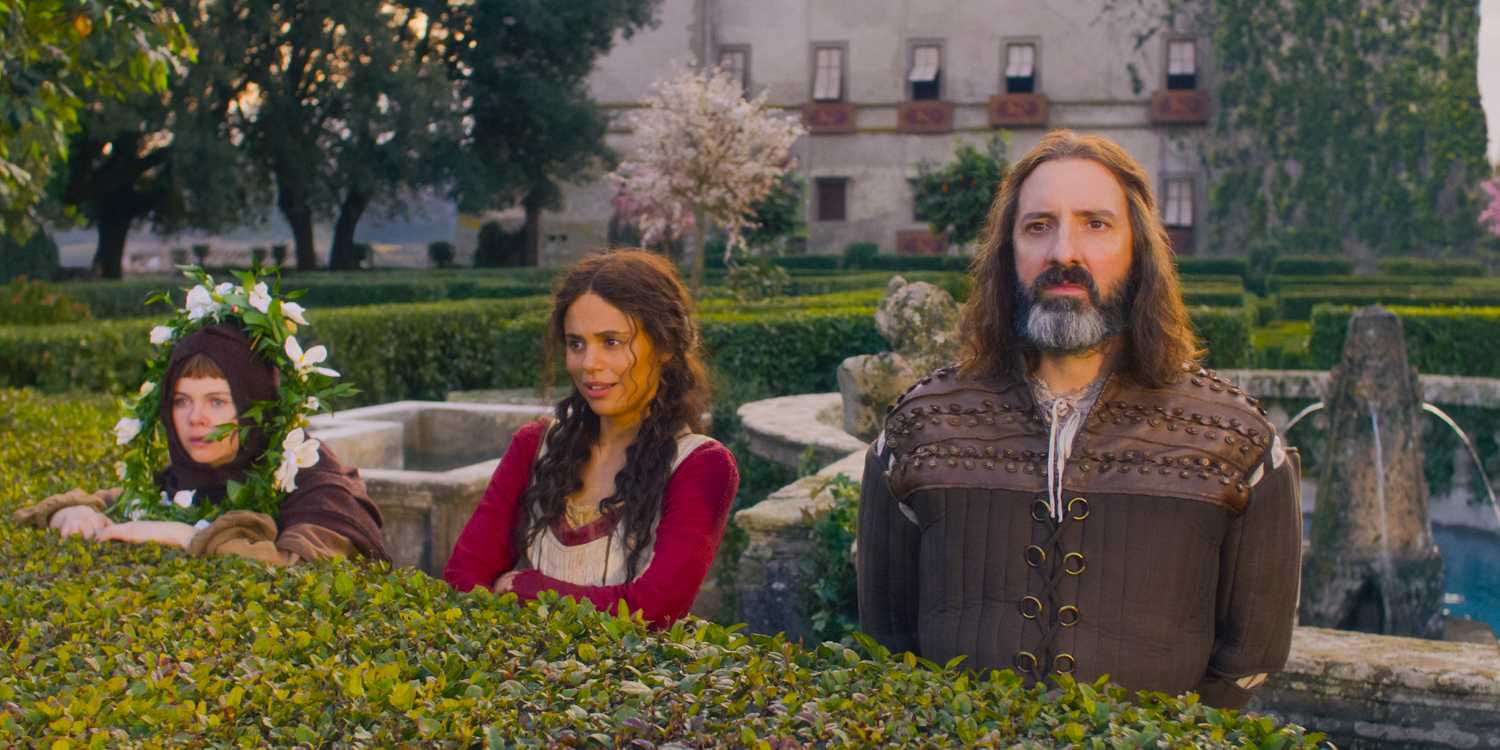 Image via Netflix
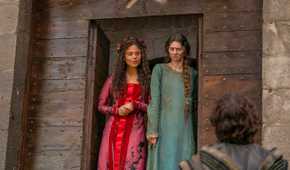
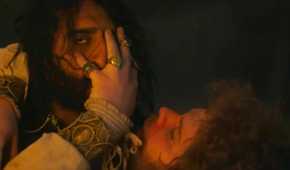
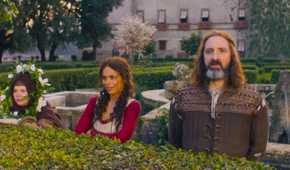
The ending of The Decameron reflects the paraphrased Biblical adage that greed is the root of all evil. Rather than defeating the mercenaries and keeping the villa, characters in The Decameron only keep their lives by fleeing the Villa Santa – a symbol of greed, vanity, and unnecessary opulence. It’s telling that the only characters who survive to the end are the servants who never had anything to their names and Filomena, who learned to reject her greed when being perceived as a servant. Even Panfilo, the most likable noble who died, sought to keep the villa.
The message about greed also extends to the characters who act like they’re the pinnacle of piety. Neifile, the character in the villa who wanted to be a nun, displays greed that contradicts her religious beliefs. The church leader in charge of the mercenaries also spouts self-righteousness, but he also tries to claim the villa for himself and his army. Ultimately, this narrative choice shows that greed is not only a dangerous but corrupting force that exists in everyone. Only when the surviving characters in The Decameron have nothing do they truly get a moment of happiness and peace.
Source: CNN Health


- Release Date
- 2024 - 2024-00-00
Cast
-
 Amar Chadha-Patel
-
 Lelia Farzad
- Seasons
- 1
- Main Genre
- Drama
- Creator(s)
- Kathleen Jordan

