


Summary
- The First Omen, a prequel to The Omen, impresses with intense body horror and a standout performance by Nell Tiger Free as Margaret Daino.
- Director Arkasha Stevenson skillfully blends new elements with the original Omen lore, creating a chilling and prestigious experience for viewers.
- Through research on historical horrors like Nazi Germany, the film delves into the darkness of humanity, offering a fresh perspective on evil's origins.
The First Omen is a prequel to the 1976 horror classic The Omen. The movie follows Margaret Daino, an American woman sent to Rome, where she plans to begin her service to the church as a nun at an orphanage. However, strange occurrences lead Margaret to question her own faith as a sinister evil begins to insidiously invade her life. As she discovers more about a dark plot, it becomes clear that she is being used to bring evil incarnate into the world.
The First Omen is an impressive feature debut for Arkasha Stevenson, as she makes her voice known in the world of horror by reigniting this beloved franchise. The movie nearly earned an NC-17 rating due to the intense body horror, and, while it is R, they lean heavily into this subgenre of horror. Nell Tiger Free brings an impressively visceral performance as Margaret Daino leads an impressive cast in this new installment in The Omen universe.
Screen Rant interviewed The First Omen director Arkasha Stevenson. She explained how The First Omen ties into the original Omen movie and the surprising research she did into Nazi Germany. Stevenson also broke down why the movie was nearly given an NC-17 rating and praised Free's incredible performance.
The First Omen Director Teases Connections To The Original Omen

Screen Rant: I love The First Omen. I feel like you hit my expectations and surpassed them. I described it as deliciously visceral, and I find films involving religious aspects and horror the most terrifying. What inspired you to take on the challenge of creating a prequel to such a classic horror as The Omen?
Arkasha Stevenson: Thank you so much for saying all that. That is so freaking nice to hear and I think taking on this project was absolutely terrifying because I grew up on the 1976 Omen, and I have so many child memories of sitting on the couch and just stuffing my face with cookies and watching Gregory Peck almost murder his son.
I'm sure a lot of people have those memories. So you don't really want to mess with people's childhoods, and you don't want to mess with perfection, which I think The Omen is. So, it was really nerve-racking, but also really exciting because we did have space, I feel like, in the script to create our own message and our own film that could stand alone, but also can hold the hand of the '76 version. And honestly, I think that's the only way we could have earned our place in The Omen franchise.
Both as the co-writer and director of this film how do you approach blending your vision within the established lore of the original film?
Arkasha Stevenson: You know this is going to sound I guess trite, but it was actually a pretty easy marriage. We have a very clear end point where we're going to dovetail into 1976, and so that left a lot of room to play with on the front end, especially when it came to the lead character Margaret. We were given a lot of space to create her internal landscape, her history, her world, and her own journey, which I was really, really grateful for.
One of my favorite movies is Klute, the Alan Pakula movie. Jane Fonda plays a prostitute in a world where somebody's killing women, and it's a character piece. You think you're going to walk into a horror movie, and it's a character piece about Jane Fonda. So, when horrible things happen to her, you're really terrified for her. And so, we were able to have that real estate to invest in Margaret. Which was so important. All the Easter eggs and the homages seem to seamlessly fit into her storyline, which I was thrilled about.
Why The First Omen Explores Father Brennan's Backstory

The original Omen from 1976 is such an iconic horror film. What elements from the original film did you find essential that you wanted to retain in this version of The Omen? Because I feel like right off the bat, there's this great homage.
Arkasha Stevenson: I think the original Omen is so successful, and you want to watch it over and over again because of the caliber of the acting. You hear Gregory Peck and Lee Remick in a horror movie, and that forces you to take the world seriously, to take the content seriously, to take the relationship seriously. And so, I think it was so important to bring that level of prestige to our cast.
And we ended up being exceptionally lucky with that. We had Charles Dance, Bill Nighy, Ralph Ineson, Soñia Braga, and then we have this young cast of characters and Nell Tiger Free, who's just a freaking dragon. She's a force of nature. And so, I think that we were really lucky that actors of that caliber were like, Yes, we want to create this reality with you.
And then that also speaks to what I was mentioning with Klute is that the character building, you need to fall in love with Margaret or else the movie doesn't work. It's hard not to fall in love with Nell the first second you meet her. So, we have that going for us. She's wonderful. But then the studio gave us time to live with her, which I was really grateful for.
I want to talk about casting 'cause in terms of casting, what were the qualities you were looking for to ensure that they fit into the Omen universe, especially the Margaret character played by Nell Tiger Free that might connect to the original story?
Arkasha Stevenson: Margaret needed to be played by somebody who had zero fear. She goes to the gambit. Her arc is just an extreme one, and it's extremely physically taxing, but just so deeply emotionally taxing. I think she had to go to some very dark places that weren't going to be very glamorous, and Nell wasn't afraid of any of that. In fact, we saw Servant and just kind of zeroed in on her immediately.
Not only was she not afraid of any of that, but she was just joyous the entire time. What do you need? It's such dark content, and you do need to find the fun in it. It was a blast working with her, and she just became such a collaborator and had such great instincts. Sorry, I could go on and on about [her], no, I'll move on, but I could go on for an hour about her.
And then we got to work with Ralph, and he plays this same figure Father Brennan, which is so, I don't know about you, but that was a character that really stuck in my mind as a kid. And I think one of the things that could have been the pitfall would've been to mimic that character or to do a character of that character because he's a little unhinged.
But Ralph was so wonderful because he was like, "Okay. This is where we're going to end." And I'm going to explore the backstory and kind of the emotional toll that this knowledge has taken on this man. And it was so wonderful 'cause he did it in such a physical way as well. You could see how heavy his soul got over time.
"We Have A Vagina In A Disney Movie": The First Omen Director Breaks Down The Rating Controversy

Speaking of backstory, could you share some insight into how you and the writing team approach the story development for the prequel? Were there any particular challenges in plotting the backstory of an already well-known narrative?
Arkasha Stevenson: I was actually really lucky to come on board when the bones of the script were in a pretty good place. We knew who we started with, and we knew where we ended, which was actually really what hooked me into this story right away. I was like, "Oh, man, this is a great beginning." And so, it was interesting really getting to explore more of the why when given a map like that and where you're going to go and where you're going to end. You just need to know what kind of fuels in the tank. And that was really interesting to research.
I didn't realize this at the time, but we actually ended up really doing a lot of research on the Nazi party and fascism in World War II. I did not expect that when I first signed on. My partner, Tim, and I went to Rome when we weren't even sure if we were hired yet. Actually, to be totally honest with you, we were just so excited. We were like, Let's go to Rome and do some research.
And we got to see this art exhibit, it was in honor of Dante Alighieri's death, his 750th death. And so, there was all this artwork. There wasn't a topography to hell until Dante's Inferno. So, it was like the artistic history of hell. And you see all this imagery of demons ripping up humans and making them drink melted gold and all sorts of craziness. And then the second floor was artwork that was done by Holocaust survivors and anything else from World War II. And what really struck us was the one-to-one similarities between the depiction of hell and hell that was brought to earth by man.
And that I think grounded us in this idea that this really doesn't have anything to do with the devil. It has to do with the darkness in man's heart and the pursuit of power. And so, we started to read a lot about the Nazi Party, and one quote that really stuck with me was there was this pro-Nazi Party flyer that was being approved by Hitler, and it said, Through God and terror. And he crossed out God and said, we need no God when we have terror. And I thought like, "Oh, this is about the spiritualization of terror." And using it as a weapon. And that gave us the motivation for the church and why Damien came into existence.
That's incredible. I love that story. Now, the original film is known for its chilling and sometimes controversial scenes. Without giving too much away, what can we expect from any similarities or impactful scenes from The First Omen? And also, correct me if I'm wrong, that you had a fight for the R rating?
Arkasha Stevenson: We sure earned our R [rating]. That was an earned R. Yeah, we were thinking a lot about the spirit of the imagery in the '76 version, and how the deaths and the gore and the content just pushed so many boundaries. And in really unique ways that I think weren't just gratuitous, but spoke to culturally what people were feeling at the time.
A lot of our discussions were about, "How do we want to have something that stands up to that, but isn't gratuitous and doesn't fetishize or dehumanize?" Telling a story through the female perspective was really important to me, and telling it through the lens of body horror - exploring the female perspective through the body war - is a little eerie [because of] the timing. And I think it's a really big opportunity, so it was really important that we didn't shy away from that imagery, and shy away from humanizing who that imagery was happening to.
The shot of the vagina was the only thing that was holding up the R rating. It wasn't any of the gory deaths. It wasn't men being severed; it was literally just the shot of the vagina. It wasn't what was happening to that body part that was offensive; it was the body part that was offensive. It's 2024, we need to stop looking at the female body as an object of horror fascination. That's why we fought so hard. I just can't believe that we were so supported by our producers in the studio. This is crazy! We have a vagina in a Disney movie.
About The First Omen
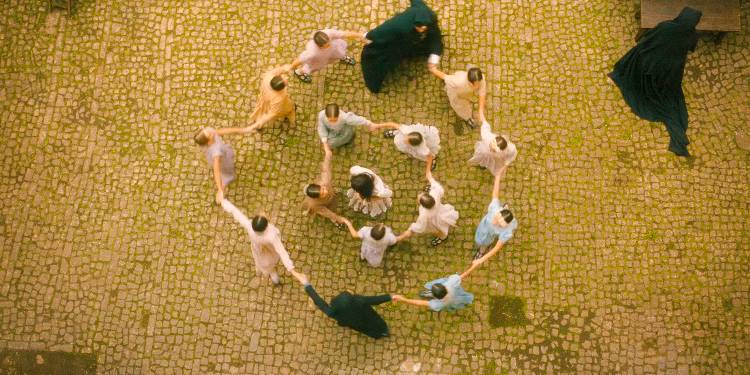
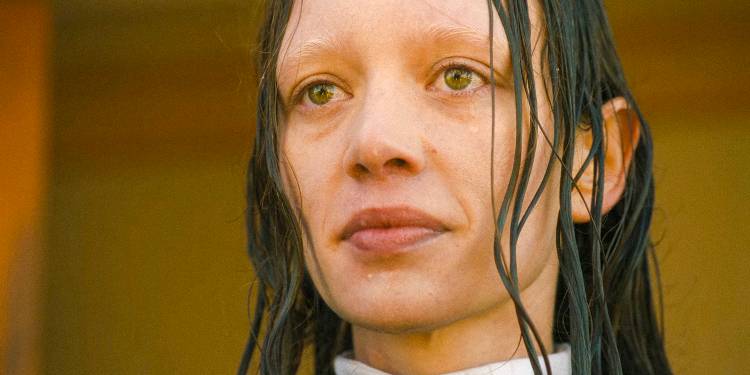
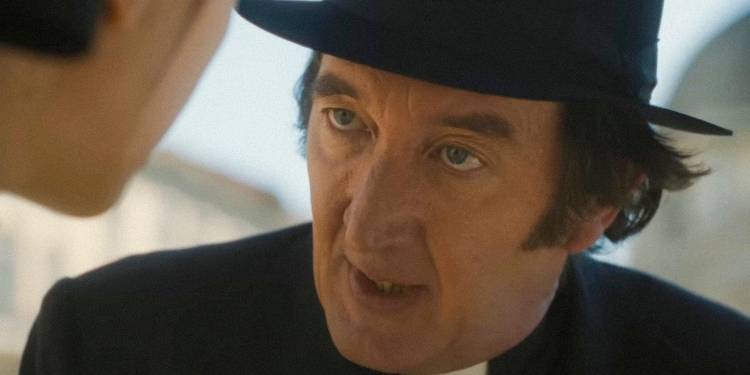
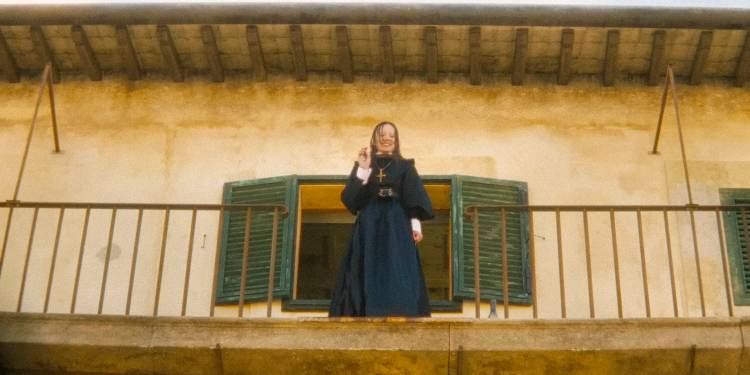
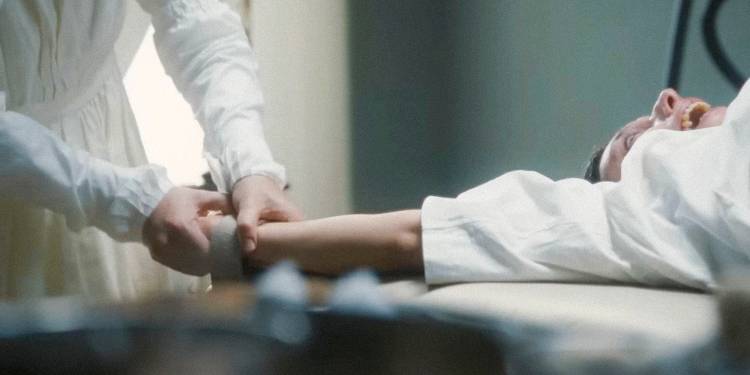


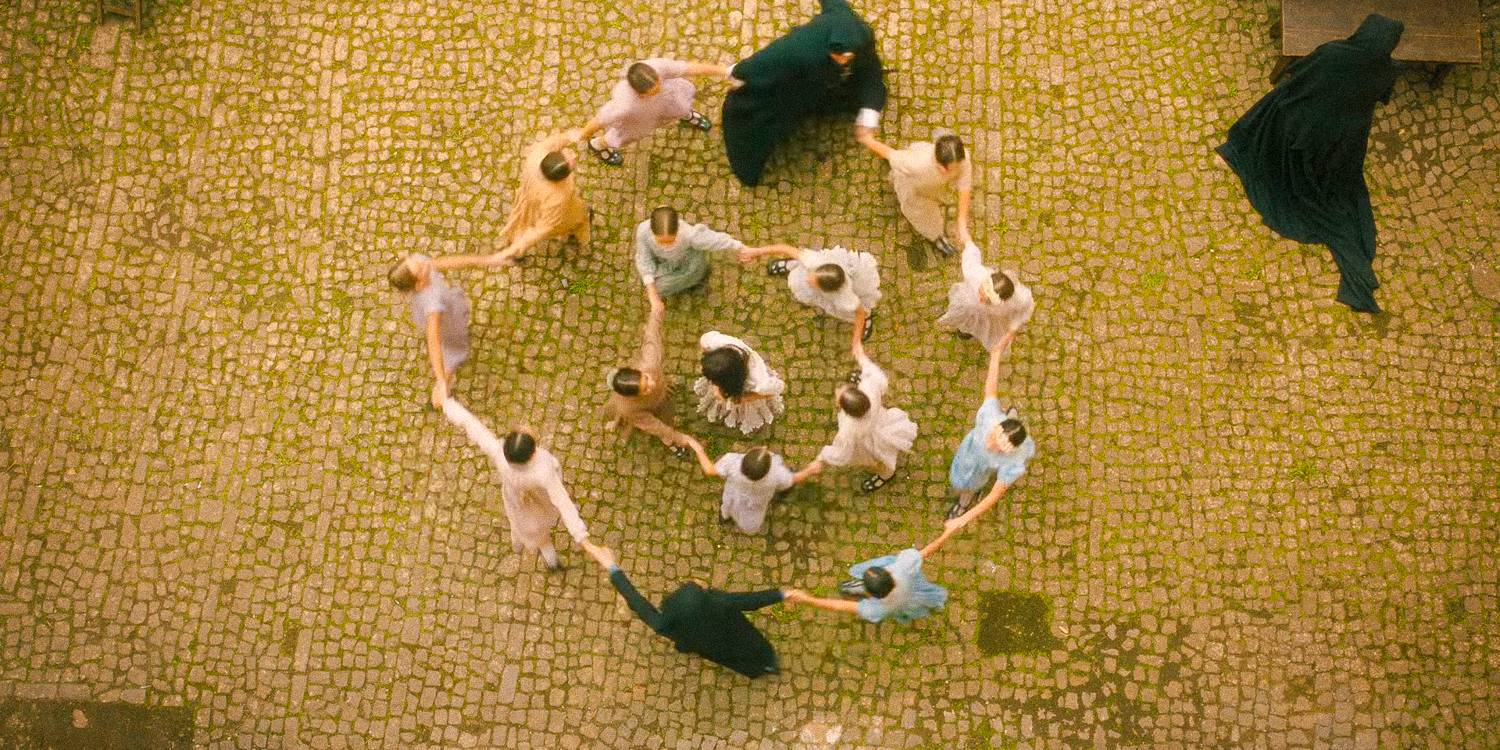 Image via 20th Century Studios
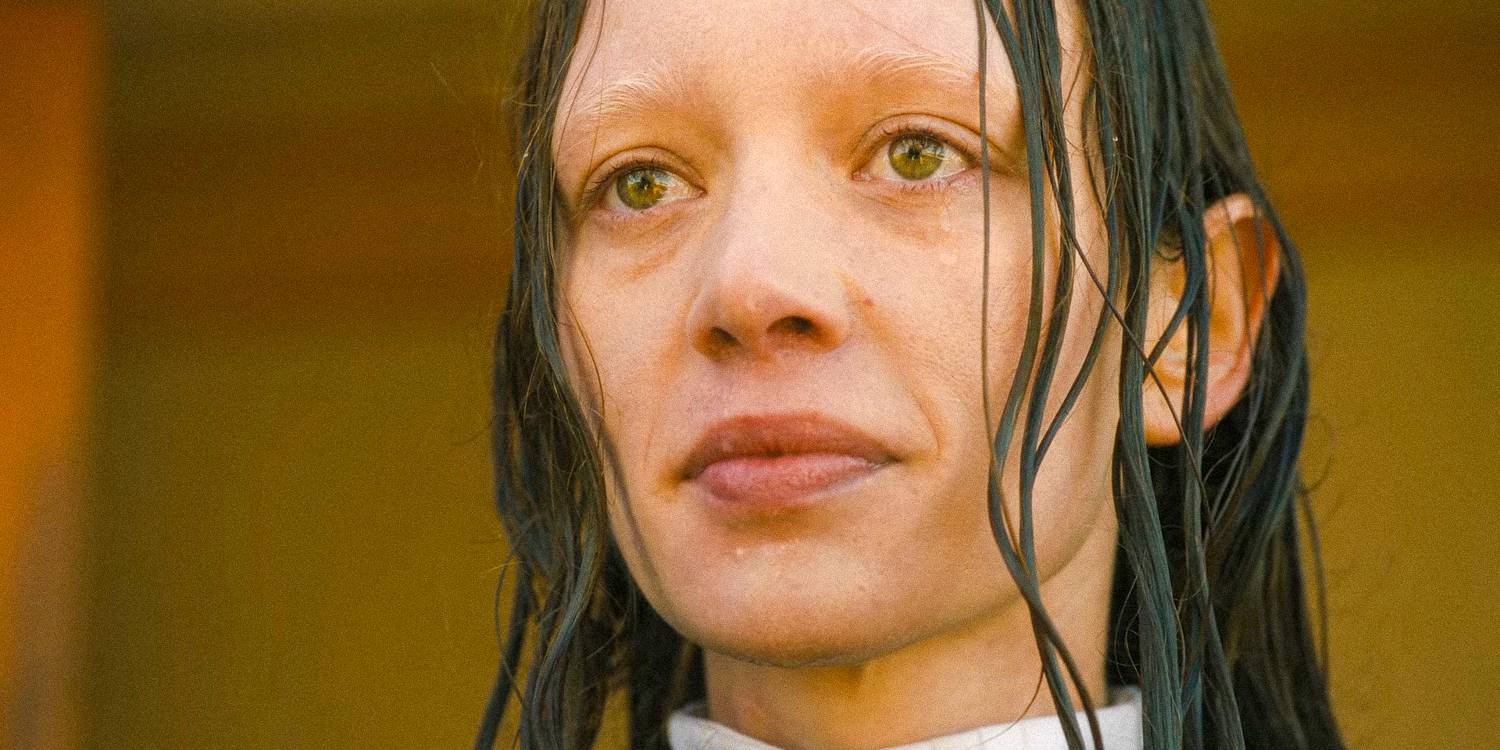 Image via 20th Century Studios
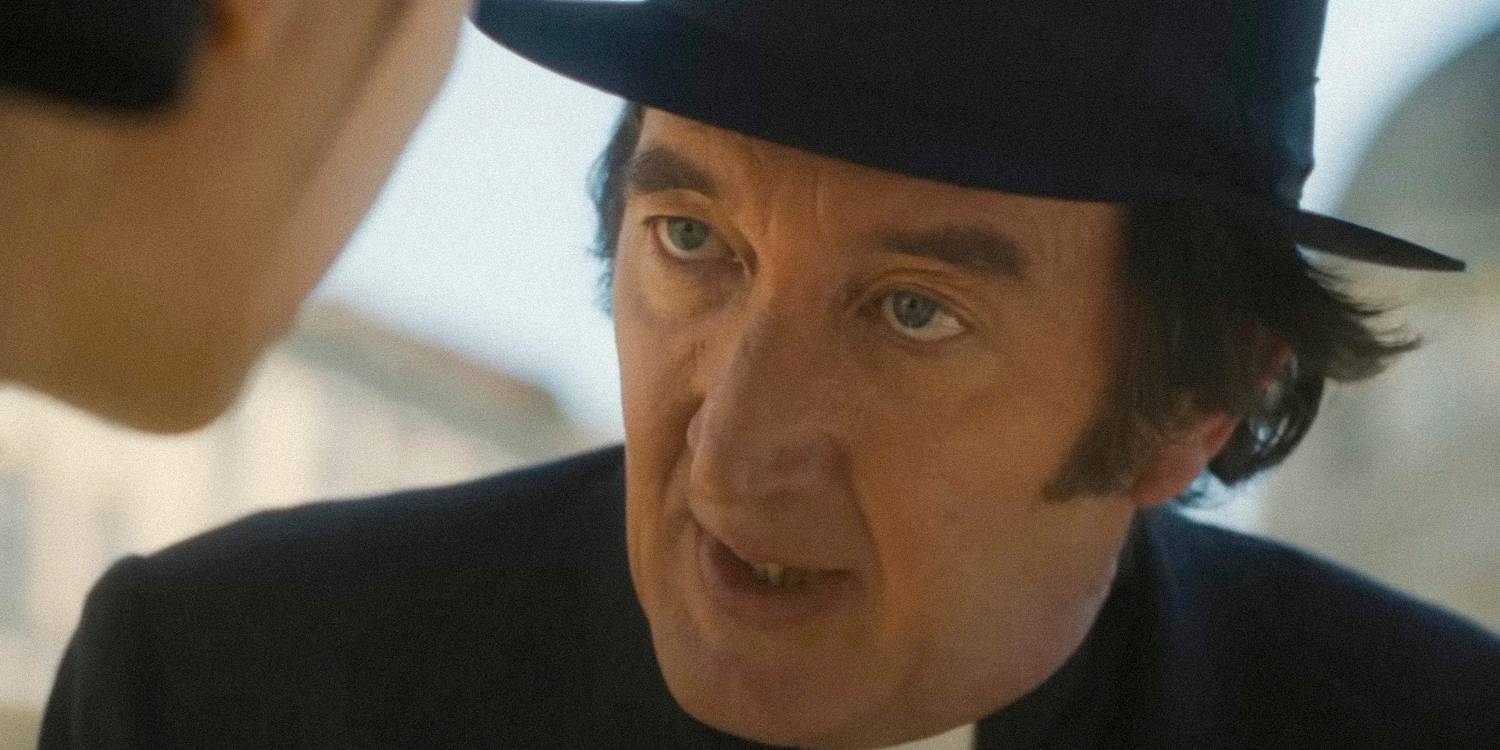 Image via 20th Century Studios
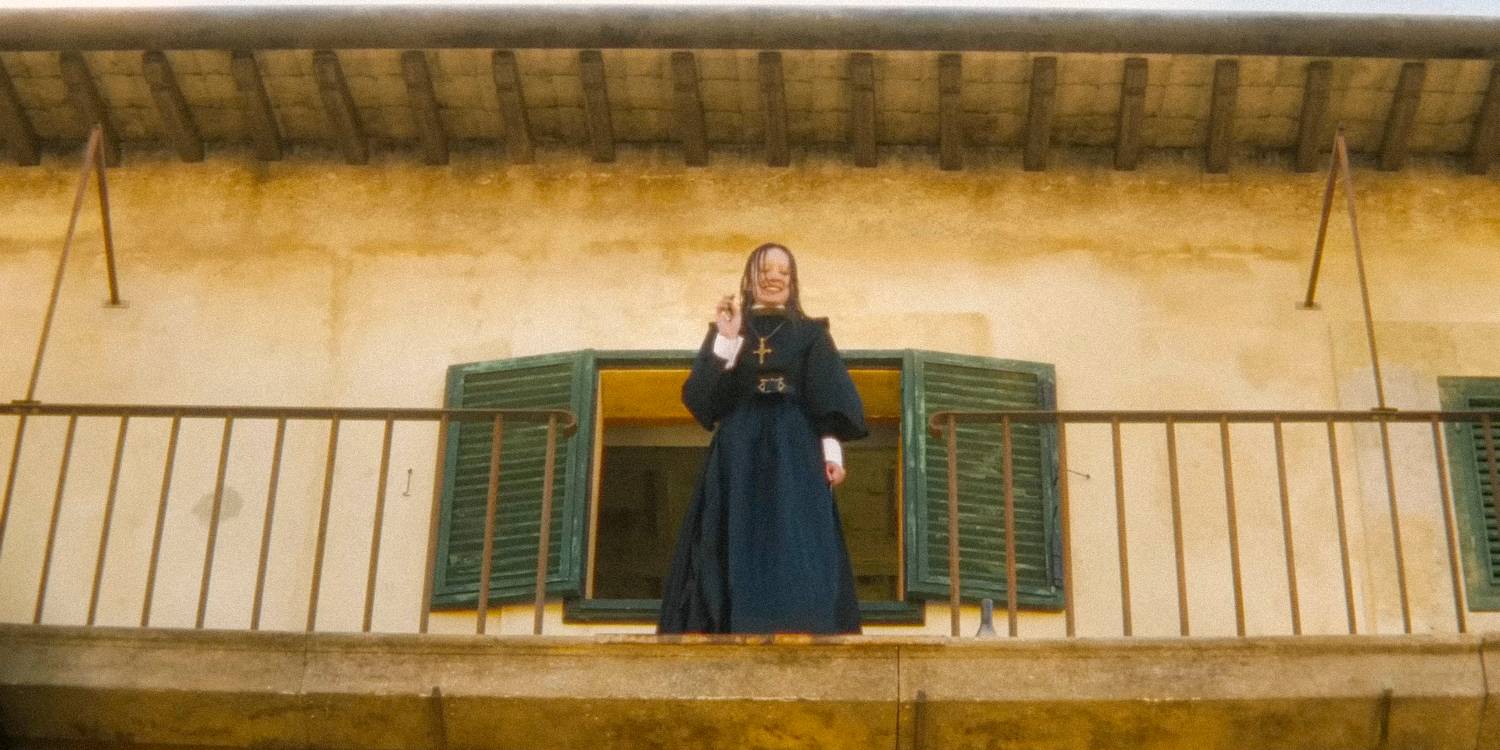 Image via 20th Century Studios
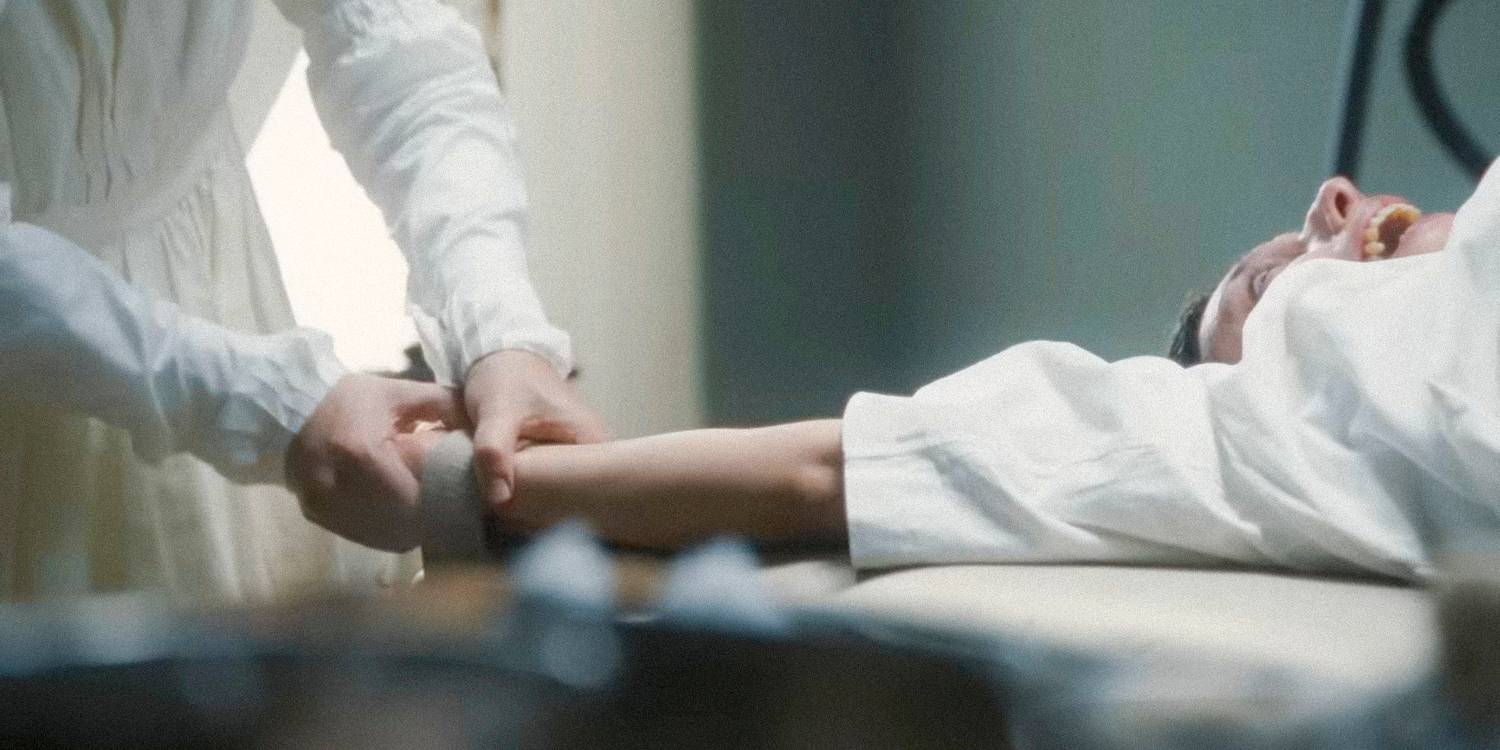 Image via 20th Century Studios




When a young American woman is sent to Rome to begin a life of service to the church, she encounters a darkness that causes her to question her own faith and uncovers a terrifying conspiracy that hopes to bring about the birth of evil incarnate.
Check back for our interview with The First Omen producer Keith Levine.
The First Omen hits theaters on April 5.


The First Omen is a horror film from director Arkasha Stevenson that acts as a prequel to the 1976 film The Omen. The film follows a young woman who goes to Rome to become a nun but begins to question her faith after encountering a terrifying darkness that aims to spawn an evil incarnate.
- Studio(s)
- Phantom Four
- Distributor(s)
- 20th Century

