


True-crime stories remain staggeringly popular. Royal scandals always sell. Why not fuse the two into one bite-sized, four-episode package? This reasoning, I imagine, is what seduced BritBox, ITV, and The Crown producers Left Bank Pictures into backing The Lady, which chronicles the Cinderella-like rise and violent fall of Jane Andrews (Agatha Christie's Seven Dials' Mia McKenna-Bruce), convicted of murdering her partner, Thomas Cressman (Ed Speleers), in the early 2000s.
Andrews, a young, working-class woman from Grimsby — an industrial town in the North of England, far removed from the glitz and glamor of Buckingham Palace — worked as a personal assistant and royal dresser for the former Duchess of York, Sarah Ferguson (Game of Thrones' Natalie Dormer), for nearly 10 years, landing the seemingly prestigious job after responding to a job advert in the newspaper.
While this may sound like a dream come true, it was anything but for Andrews, who dealt with cutting remarks about her background, pushing her to shed her former self and fully embrace a posh new world. Andrews changed her accent, her clothes, and her social circle, but rather than the key to happiness, what she found instead were toxic relationships, both romantic and professional; her already fragile mental health and depression strained under the pressure of her new life.
However, Cressman's murder occurred a while after Jane and the Duchess unpleasantly parted ways — in fact, Jane's relationship with Ferguson had relatively little to do with Cressman's death — forcing The Lady to pivot from a rags-to-riches story of class and social inequality into a psychological case study, a police procedural, and a courtroom report. It's a lot for a four-episode miniseries to handle, especially for a story that requires a delicate touch, navigating undeniably serious, sensitive topics and the lived experiences of people who are still very much alive.
The result is a competently made but ultimately unnecessary semi-true crime drama, one that dredges up a traumatic case that would arguably never have gotten this much public scrutiny had Jane Andrews not been tangentially involved with the British royal family.
The Lady Is A Well-Produced But Frustrating Watch
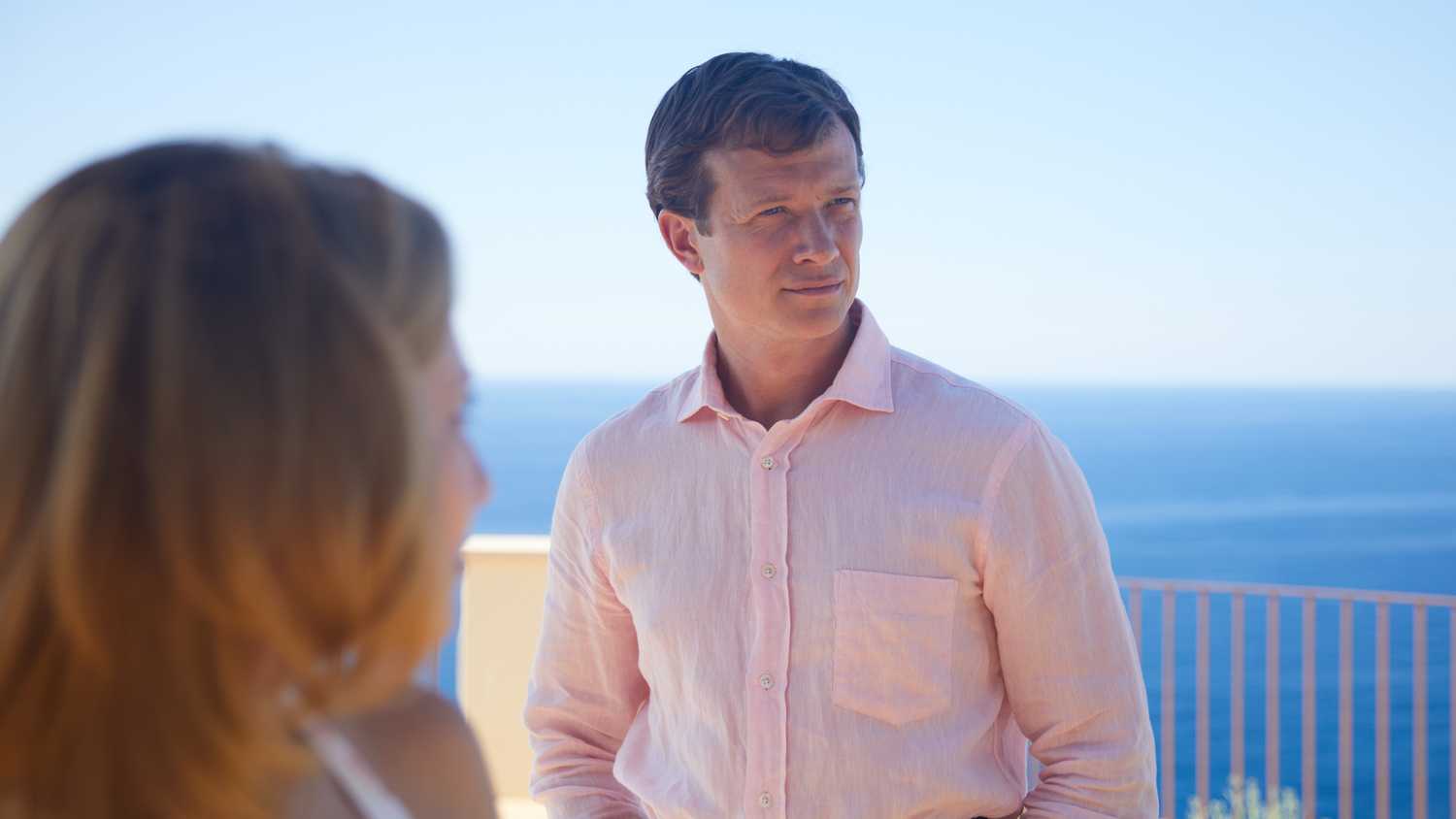
Production-wise, The Lady is certainly watchable, with loud '80s and '90s outfits, convincing set design, and brief scenes of glamorous Greek and French seaside vistas providing plenty of visually appealing grandeur. Paired with a nostalgic soundtrack, the show has a real period drama vibe, despite much of it being set in this century.
This isn't a Netflix show, and it's clear The Lady didn't have The Crown's budget, but nothing was skimped on, either. It pulls you into Jane Andrews' world and her love of fashion and opulence, making it a little easier for the viewer to understand why she became obsessively enamored with Sarah Ferguson and her ilk in this fictionalized, "created and merged" version of events.
Despite solid performances and appealing visuals, The Lady struggles with its narrative structure.
After a star-making turn in murder mystery drama Agatha Christie's Seven Dials, Mia McKenna-Bruce once again proves she has what it takes to dominate the British small screen, effortlessly shifting between Jane's unpredictable moods and quieter, desperate moments. Dormer, who donated her earnings from The Lady to charity after Ferguson's real-life involvement with Jeffrey Epstein was revealed late last year, plays the Duchess as chaotic and larger-than-life, which smartly reflects how Jane must have seen her beloved boss but also overwhelms most of the scenes she's in.
When it comes to production and performance, The Lady is solid. It emulates many other UK crime dramas, true or otherwise; viewers familiar with BritBox's catalog will no doubt recognize the show's distinctly British feel, but that's not where The Lady struggles. The problem is that the show's four, less-than-an-hour-long episodes simultaneously feel like too much and not enough.
The Lady Juggles Too Many Genres And Timelines In Its Four-Episode Run
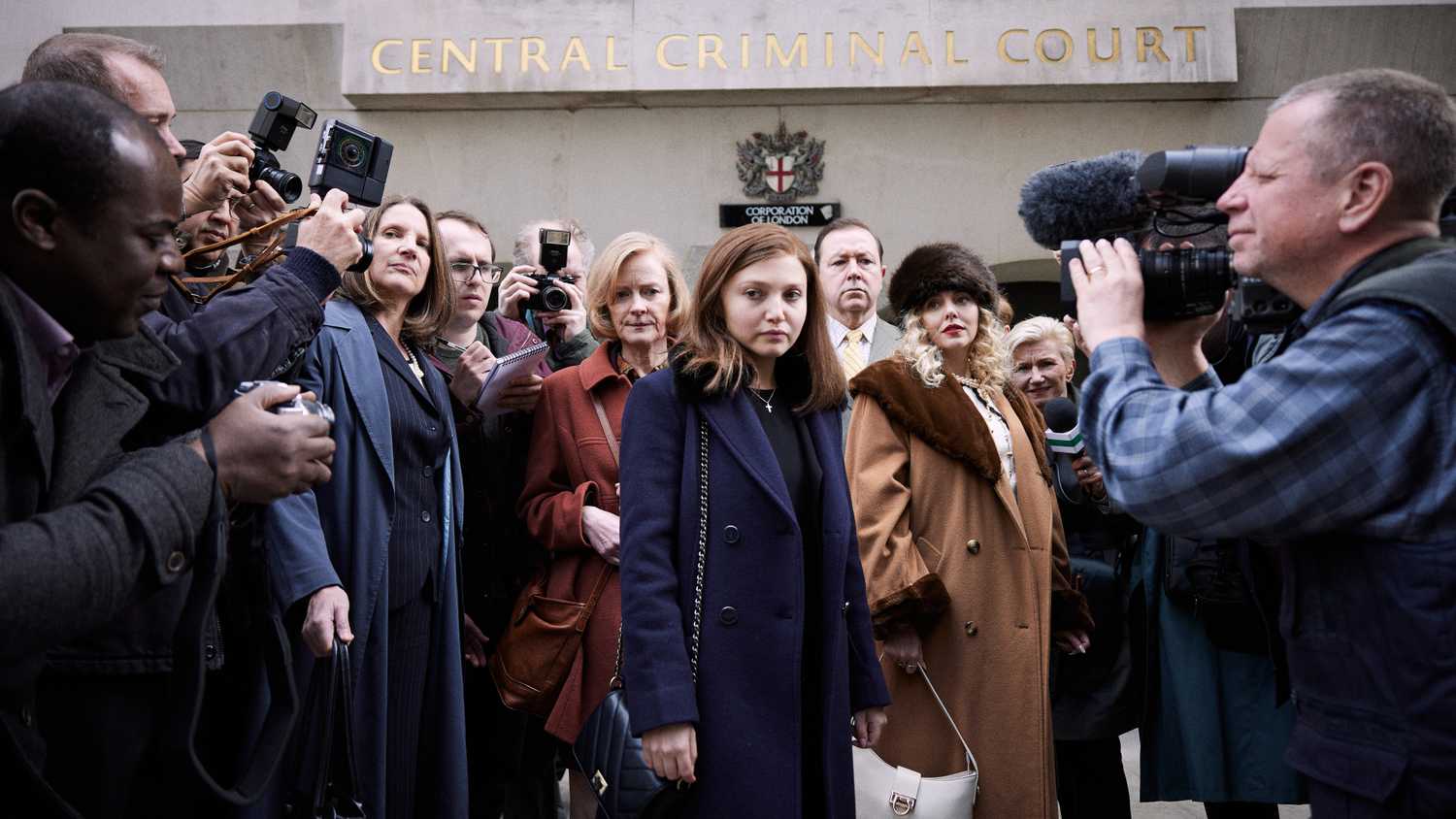
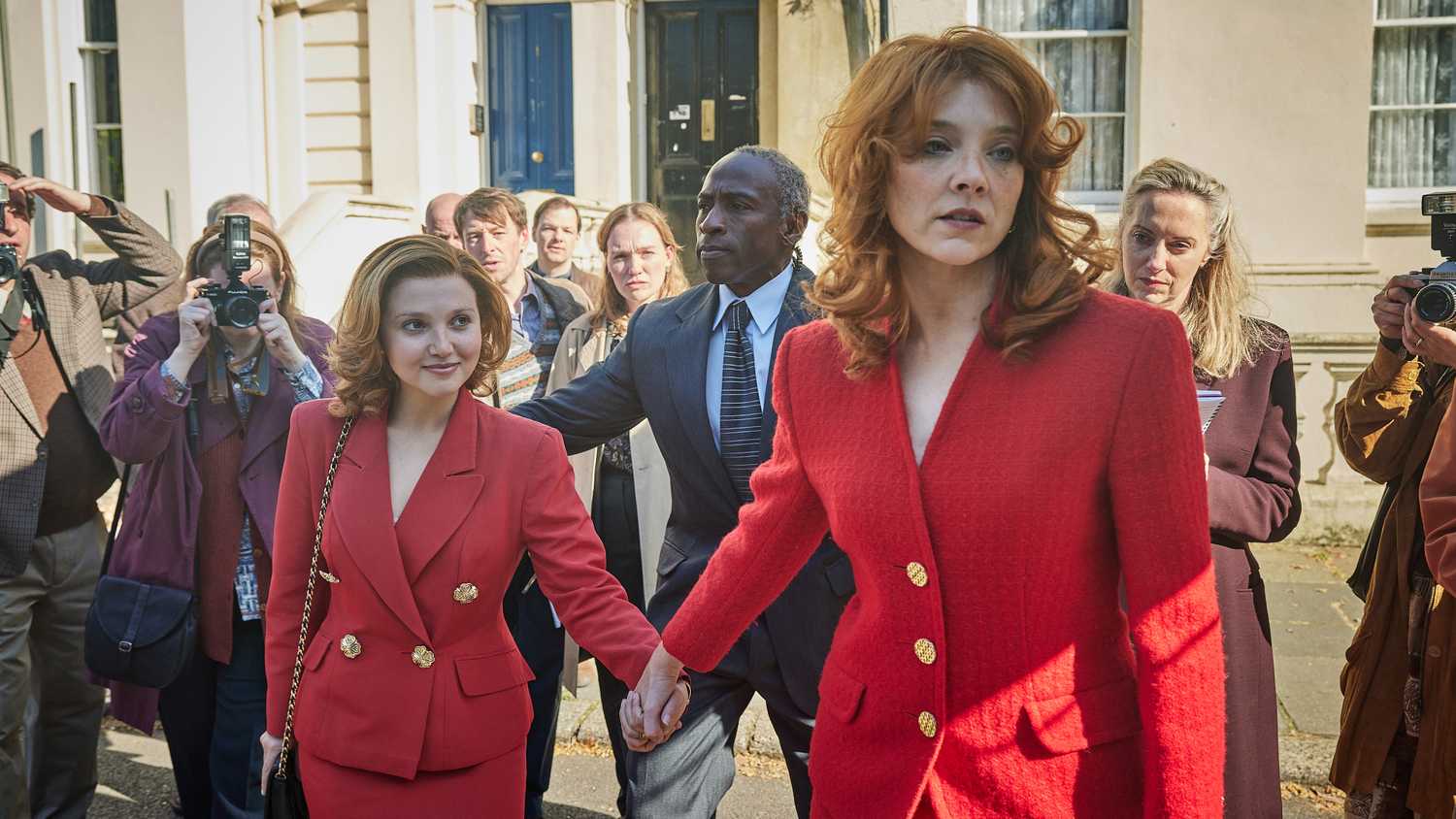
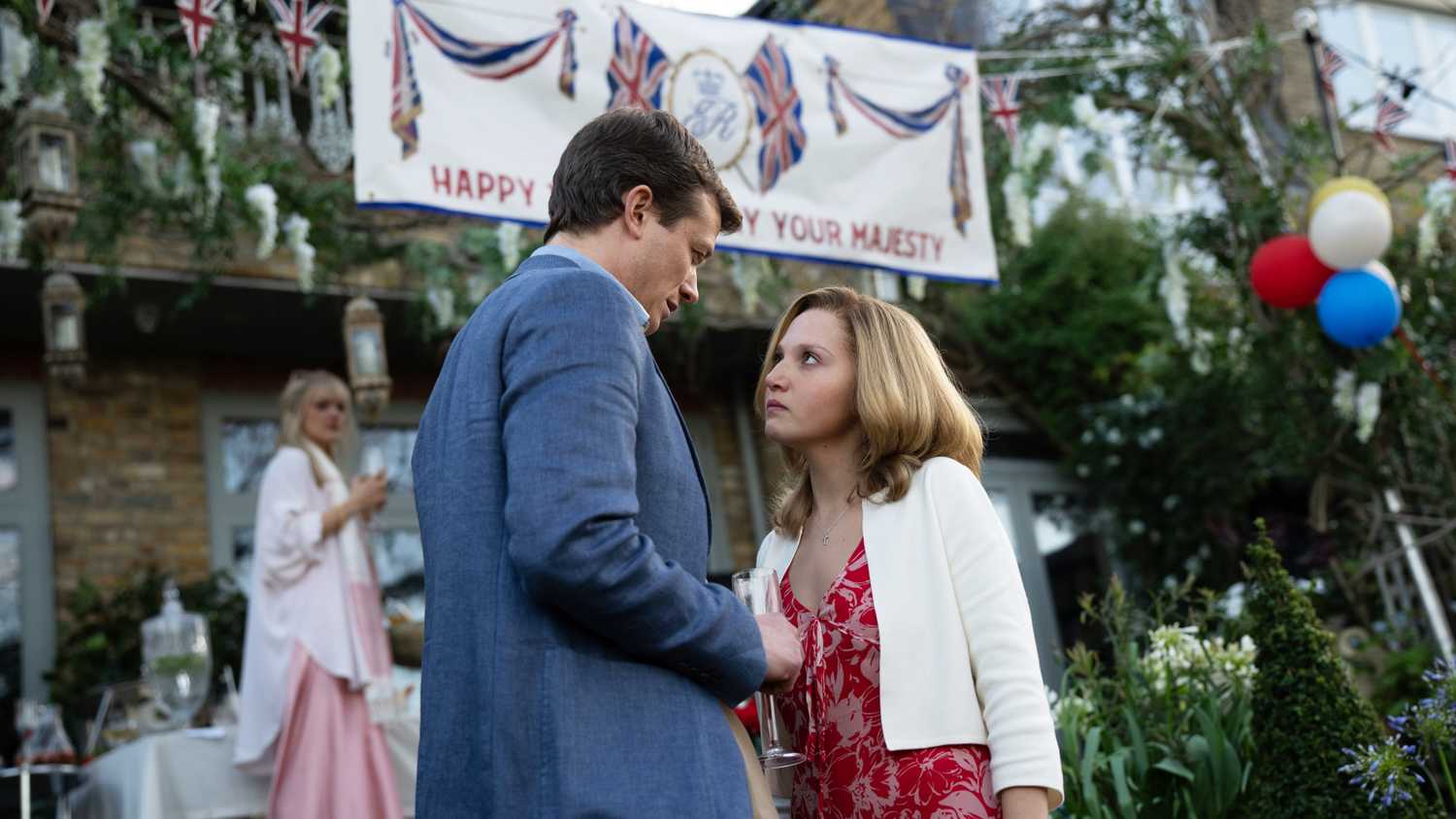
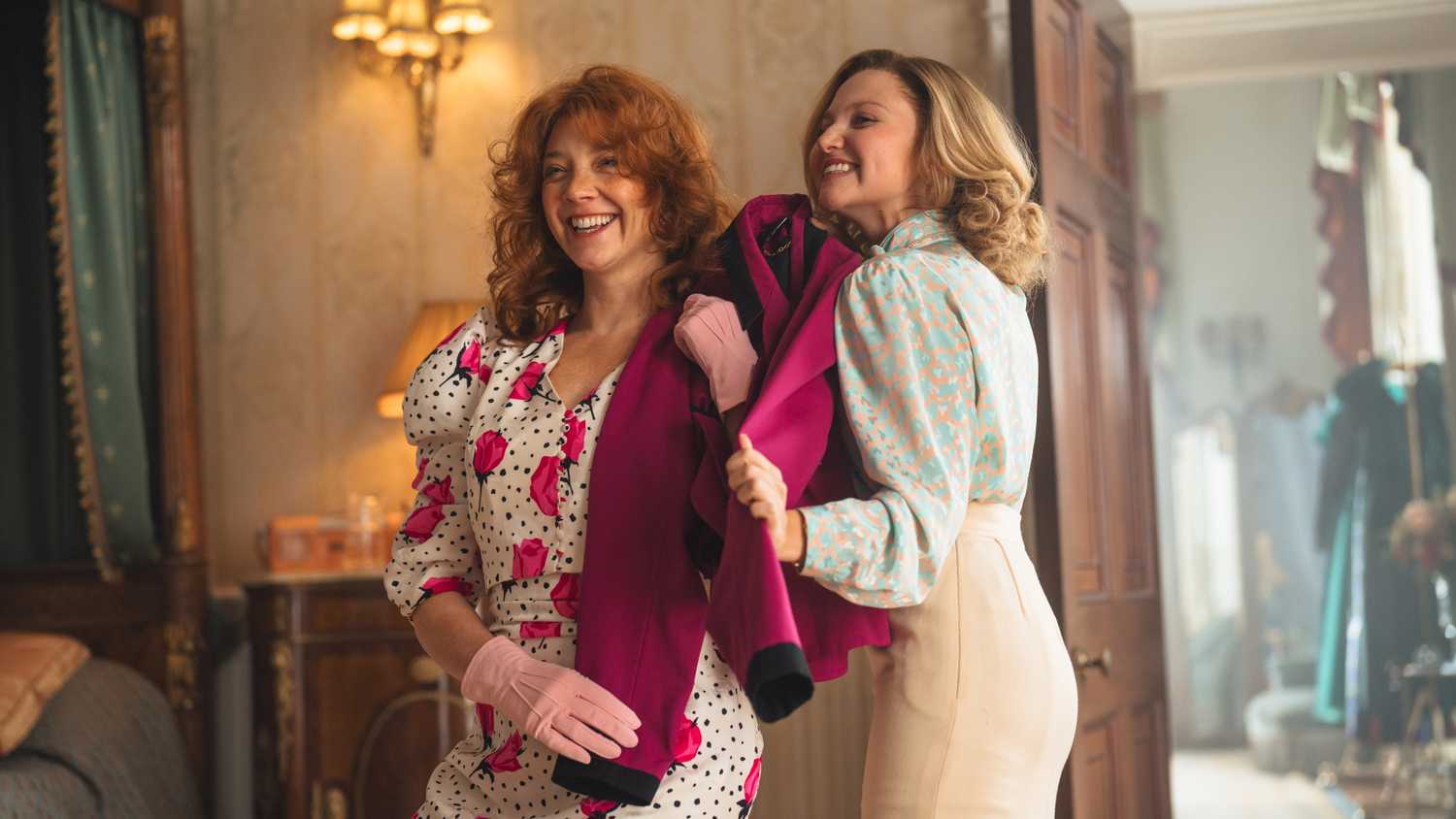


 Credit: Jonathan Ford - Courtesy of BritBox
 Credit: Jonathan Ford - Courtesy of BritBox
 Credit: James Pardon - Courtesy of BritBox
 Credit: James Pardon - Courtesy of BritBox
 Credit: Jonathan Ford - Courtesy of BritBox
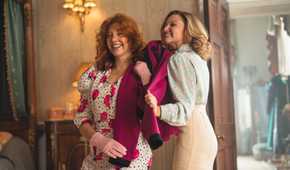
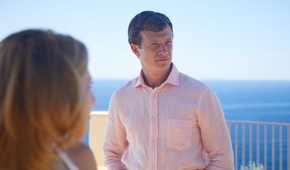
Despite solid performances and appealing visuals, The Lady struggles with its narrative structure. In the first three episodes, there are two timelines in play: one thread follows the aftermath of Cressman's murder, including the police investigation and Jane's response, and the other thread covers the lead-up to Jane's job at the Palace, her relationship with Ferguson, losing her job, meeting Cressman for the first time, and their ensuing cyclical romance. The two threads come together in the final episode, as the show recreates Jane's court case and her conviction.
There's never any warning when The Lady switches between the two timelines, which chops up the story into small, disjointed chunks. It never feels like there's enough time to understand Jane's emotional state and deteriorating well-being, either. Likewise, her relationships with the people in her life, even Ferguson and Cressman, who are understandably given the most screen time (for vastly different reasons), feel underdeveloped.
Jane's nearly decade-long Royal service is almost glossed over, stitched together with rom-com-style makeover montages, Pretty Woman-esque shopping sprees, and paparazzi swarms. Later, her relationship with Cressman jumps from a love-at-first-sight romance to domestic arguments in a snap, and much of what happens in between is quick and oddly forgettable.
The investigative scenes are not much better. Philip Glenister, no stranger to playing a high-ranking British police officer, gives the role of DCI Jim Dickie zero energy. His sergeant, DS Smart (Stephanie Street), seems to be more invested in the proceedings, though the dialogue in these scenes also leaves much to be desired. The problem is that there's no mystery here, and the investigation storyline serves little additional narrative purpose beyond being a framing device. From the show's very first shot, Jane's future is clear, even for those unfamiliar with the real-world story.
The series uses the investigation, the court case, and the in-universe filming of a documentary about Thomas Cressman's murder as a way to give a voice to the victim's family, an attempt to balance out the show's examination of Jane's life and the circumstances that might have led to her committing such a violent act. They're only a very small part of the larger story told in The Lady, though, and none of those characters feel fully realized. It certainly doesn't help settle any debates about the ethical issues surrounding true crime dramas and the way the genre handles real people's experiences to create what, at the end of the day, is meant to be an entertainment product.
The Lady premieres on BritBox on March 18, with new episodes dropping weekly on Wednesdays.


The Lady
- Release Date
- 2026 - 2026-00-00
- Network
- ITV1
- Directors
- Lee Haven Jones
- Writers
- Debbie O'Malley
Cast
-
 Natalie DormerSarah Ferguson
-
 Mia McKenna-BruceJane Andrews
- Creator(s)
- Debbie O'Malley
