


With 2019's The Outer Worlds, it really felt like a "fine, I'll do it myself" statement from Obsidian. Fallout: New Vegas has been heralded as the best of the modern series by many, and while Bethesda has been the steward of the franchise since, Obsidian deserved another crack at crafting an open-world, tongue-in-cheek dystopian universe. It turns out it did so well, we're getting The Outer Worlds 2.
I was a big fan of the original entry, but you could visibly see its limitations, both in terms of budget and scope. Thankfully, The Outer Worlds 2 addresses a lot of those issues.
The Outer Worlds 2 Feels Like A True Sequel
It's More Alive, And Expansive

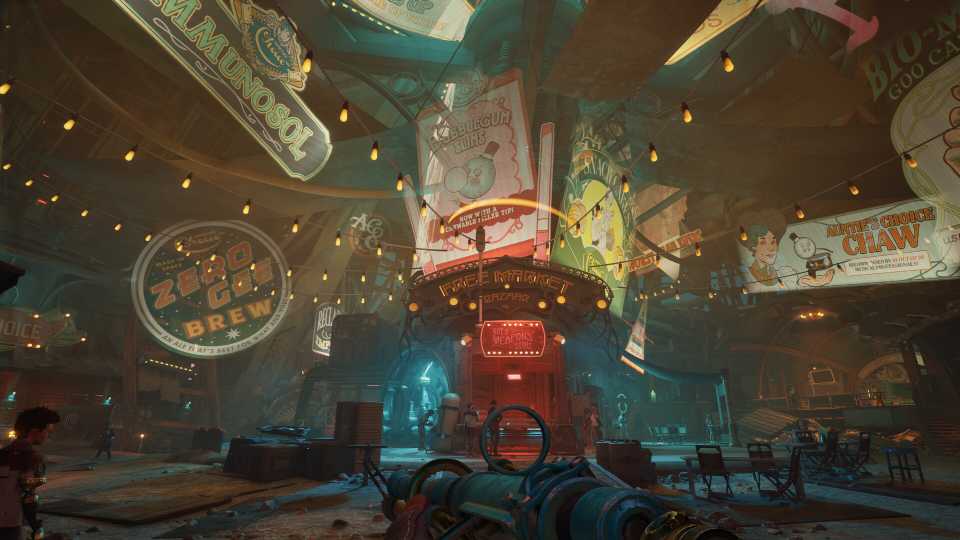
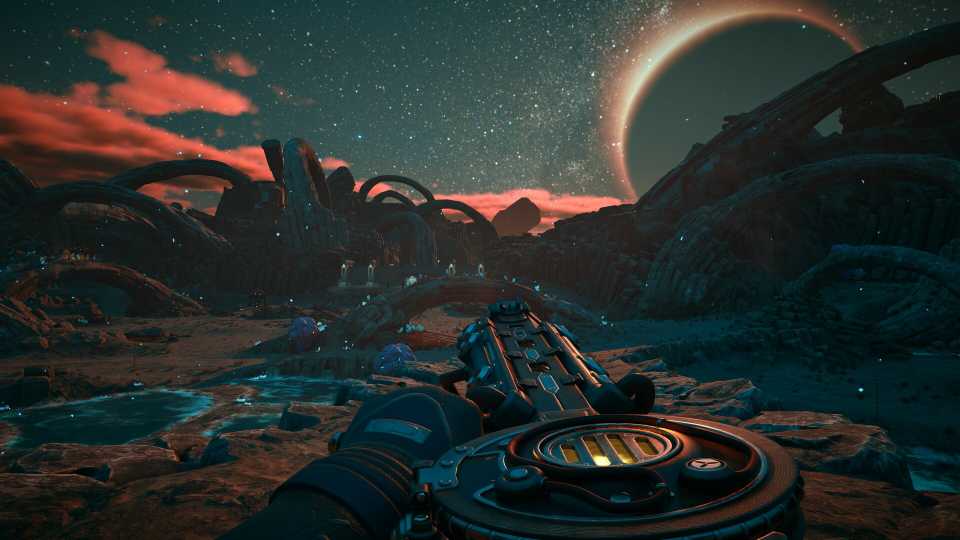
Space might be the final frontier, but it's fairly finite when it comes to open world video games. Starfield had this problem in particular, as you'd often land on a planet, explore a bit, and come away thinking it was the same as a few other planets you just went to. The Outer Worlds 2 addresses this pitfall with a classic Obsidian tactic: charm.
From the creation screen to the end of the game, charm is baked into the DNA of The Outer Worlds 2. There are silly serial meta-narratives to follow, companions to meet and recruit, and oddball NPCs to deal with. All of this effort, when it comes together, glosses over the fact that the worlds can feel cramped and small on occasion. The sequel also goes bigger in nearly every way, which helps.
Creation is essential, as it can influence how people treat you, directly through the game's dialogue. You might be a renegade who's escaping their past. Or a lawbringer who devotes their lives to order, and can talk people down from tense situations. Traits like brilliance, heroism, and innovation come into play, along with specializations and skills.
Obsidian has really nailed the open world game flow at this point. They make it exceedingly easy for anyone to get involved, even with zero prior experience with the genre, while allowing a high ceiling for hardcore folks. The act of providing four difficulties (story, normal, hard, very hard) drives this principle.
Player Choice Is At The Forefront
It's Fun To See What's Coming Next

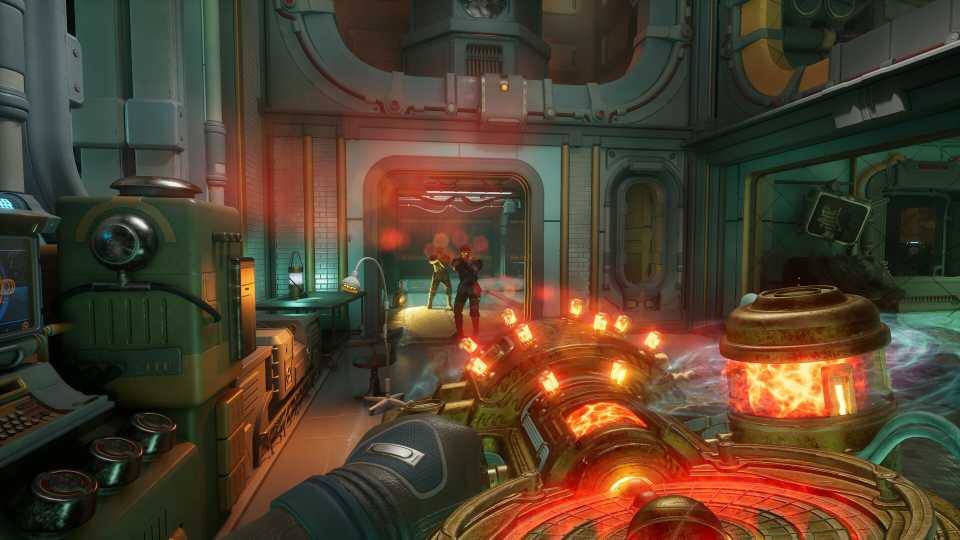
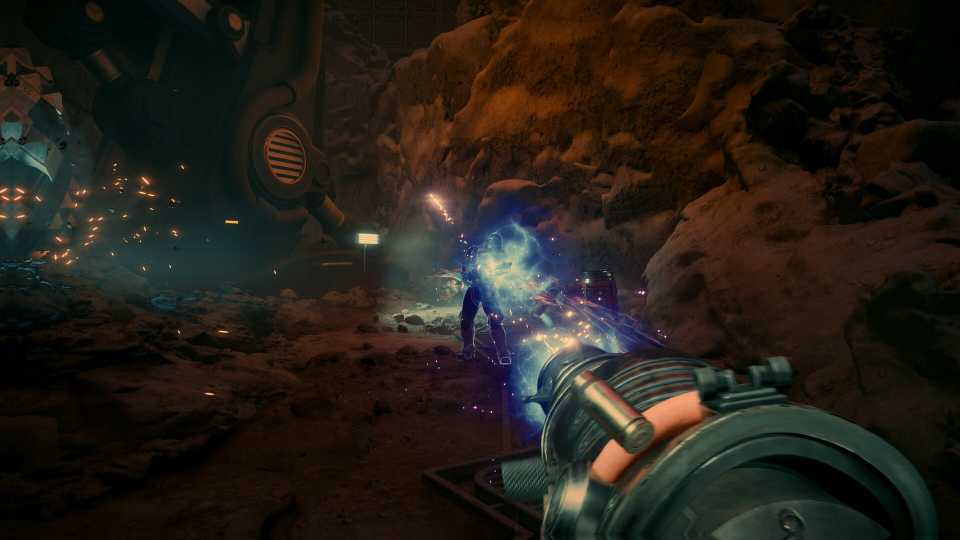
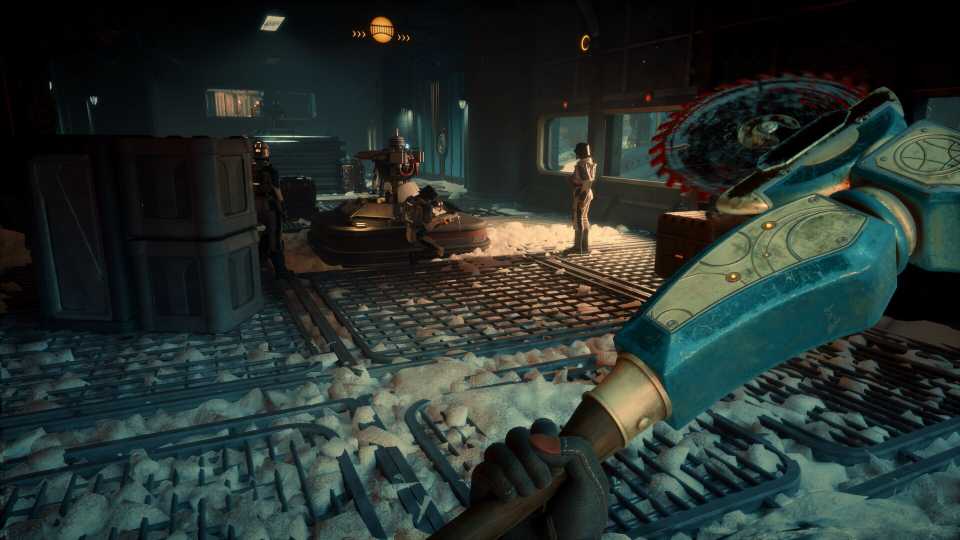
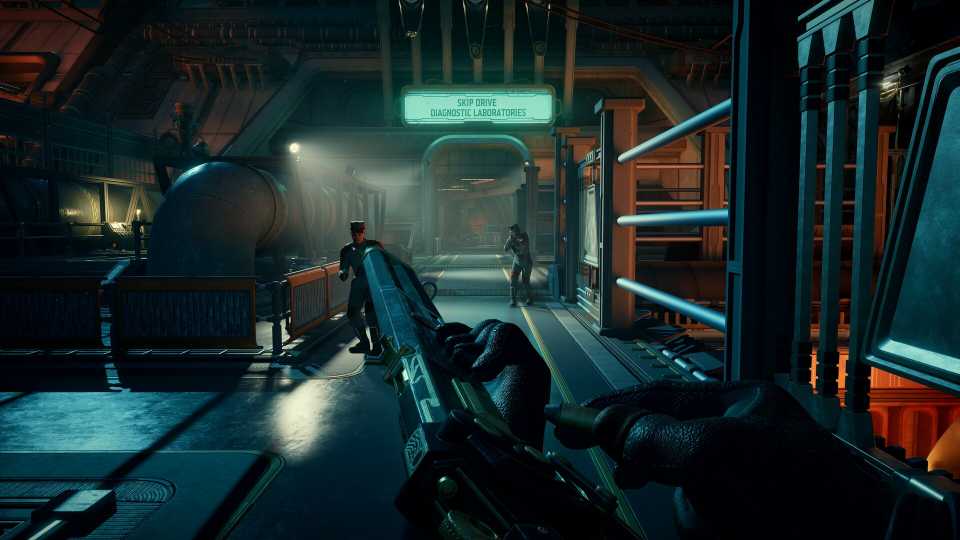
I was in basically from the intro onward. The tutorial sequence is simple but satisfying, as it showcases the multiple ways you can approach nearly every conflict. If you want to sneak by and try a pacifist run, you can do that for the most part. You can also go in guns blazing, or sneak around like a space assassin. Or, you can simply use your wits and talk to people, using words as weapons. It's classic FPS RPG gameplay, and I'm glad that studios are keeping this tradition alive in the first-person space.
The Outer Worlds 2 is also cleverly upfront with how it handles player choice. During a particular heated conversation with another NPC, you might find an option for a resolution that's visible, but greyed out because you don't have the particular skill required. It's a great way to let you know that one day you can accomplish even the most gargantuan of tasks, and encourage multiple playthroughs with different builds.
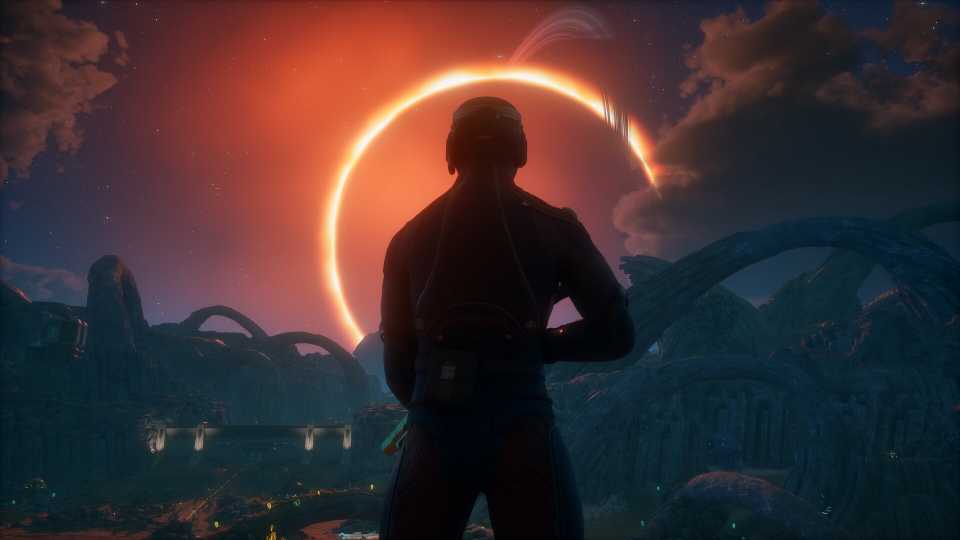
The narrative also has a great sense of pacing, propelling you into the unknown constantly. In the sequel, we've moved away from the Halcyon system and into Arcadia, and out of Spacer's Choice. This time, this affluent system thrusts you in the role of a member of the Earth Directorate, in a commander position, no less.
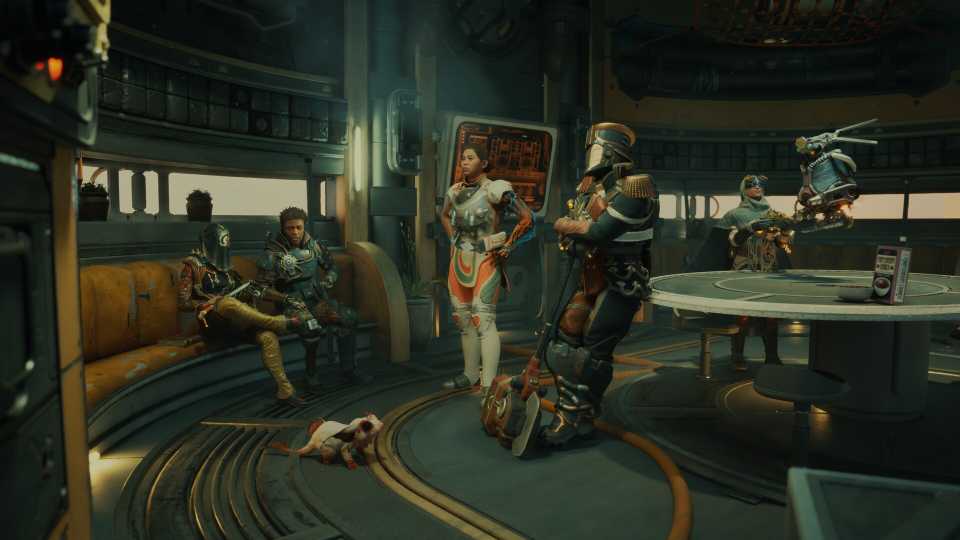
It makes for a stark contrast between the two The Outer World games, and helps cement that this is a different part of the same universe. You're the commander of a micro-squad with authority, which adds to the game's scope and adds immediacy to the campaign as soon as you spawn in. Speaking of a squad, companions are another thing Obsidian has historically nailed throughout its existence as a studio.
You'll be able to bring two companions along with you, who provide banter and utility. Each of them has a unique ability, and they will actually participate in combat. By the time you get to Paradise Island (the first major zone), it feels like a proper adventure, party and all. There is very little downtime in this game where you aren't doing something interesting.
That said, there are select areas in the game that are technically large, but not fully realized. Going into houses and individual structures seems cool at first, but some are empty, or they contain NPCs that won't be doing or saying anything. In the grand scheme of things, The Outer Worlds 2 delivers, but it's something to keep in mind.
The Outer Worlds 1 & 2 Make A Great Pairing
Both Are Worth Playing

As I played through The Outer Worlds 2, ideas swirled in my head for upcoming runs. Missed doors, fights with NPCs that put them at odds with me, and story choices all stuck out as something I would be happy to revisit.
I'm immediately planning another run of The Outer Worlds 2, with a completely different build and specializations. You couldn't really ask for much more with a game like this.



-
 OpenCritic Reviews
- Top Critic Avg: 83/100 Critics Rec: 88%
- Released
- October 29, 2025
- ESRB
- Mature 17+ / Intense Violence, Blood and Gore, Strong Language
- Developer(s)
- Obsidian Entertainment
- Publisher(s)
- Xbox Game Studios
- Engine
- Unreal Engine 5


- A rich tongue-in-cheek world with great performances.
- Improved first-person gameplay compared to the original.
- Endless choices to make.
- Some areas can still feel confined.
