


War has long been a central theme in art, but anime has a uniquely haunting way of showing the devastation left in its wake. From sweeping historical tragedies to intimate family losses, the medium uses breathtaking animation and quiet storytelling to expose the deep scars of conflict. These are not action-packed epics, they’re raw, emotional portraits of human suffering.
The following seven anime titles dig deep into the emotional core of war. They don’t glorify violence or offer easy redemption. Instead, they depict the cost of batte, especially for children, civilians, and dreamers caught in the crossfire. If viewers have ever wondered how anime tackles the brutal realities of war, these masterpieces prove that sometimes the quietest stories hit the hardest.
7 First Squad: The Moment of Truth
Anime Series by Studio 4°C; Based on an Original Concept by Aljosha Klimov and Misha Sprits

First Squad: The Moment of Truth is a surreal mix of historical war and supernatural mysticism, set during World War II’s Eastern Front. Soviet teenagers with psychic powers are enlisted to battle Nazi necromancers raising the dead. The anime’s eerie tone highlights how youth are manipulated and militarized, becoming tools in battles they barely understand.
Though it leans heavily into fantasy, the emotional devastation is very real. The protagonists lose more than comrades; they lose their childhoods, their identities, and their ability to trust the world around them. War in First Squad is not just a battlefield but a mindscape of fear, loss, and moral ambiguity that lingers long after the final scene.
The film's fragmented storytelling mirrors the fractured psyche of its characters, showing how trauma disorients as much as it wounds. Through stark visuals and a haunting score, First Squad doesn’t romanticize heroism, it deconstructs it. Even victory feels hollow when innocence is the price.
What makes this film especially brutal is its merging of Soviet realism with anime aesthetics. Cold, color-drained environments give way to sudden bursts of violence and spectral horror, reminding viewers that the dead are never truly gone in wartime, not emotionally or symbolically.
6 Barefoot Gen
Anime Series by Madhouse; Based on the Manga by Keiji Nakazawa

Barefoot Gen
- Release Date
- June 13, 1992
- Runtime
- 83 Minutes
- Director
- Mori Masaki
- Writers
- Keiji Nakazawa
Cast
-
 Issei Miyazaki
-
Catherine Battistone
-
Yoshie Shimamura
-
Iona Morris

Barefoot Gen is not subtle. It doesn’t need to be. The film is one of the most shocking and visceral portrayals of the Hiroshima bombing ever animated. Told through the eyes of a young boy named Gen, the film shows the ordinary joys of life instantly incinerated in a flash of white-hot light.
What follows is pure horror. The survivors are disfigured and desperate, clawing through the rubble for loved ones who’ve already been reduced to ash. The animation doesn’t flinch, showing melting flesh, scorched bodies, and silent screams burn themselves into viewers memory. It’s not just gut-wrenching; it’s morally devastating.
Yet Barefoot Gen is not just a story of destruction, it’s a story of endurance. Gen’s resilience in the face of total collapse is what makes the film bearable. But even this hope feels poisoned. What future can exist when innocence is vaporized in a moment, and the world refuses to learn from it?
The film’s message is urgent, showing people that this happened, and it could happen again. War isn’t an abstract political game — it’s a bomb falling on a school, a mother buried under rubble, a child forced to grow up in a nightmare. Barefoot Gen demands that we never forget.
5 Giovanni’s Island
Anime Series by Production I.G; Based on a Story by Shigemichi Sugita


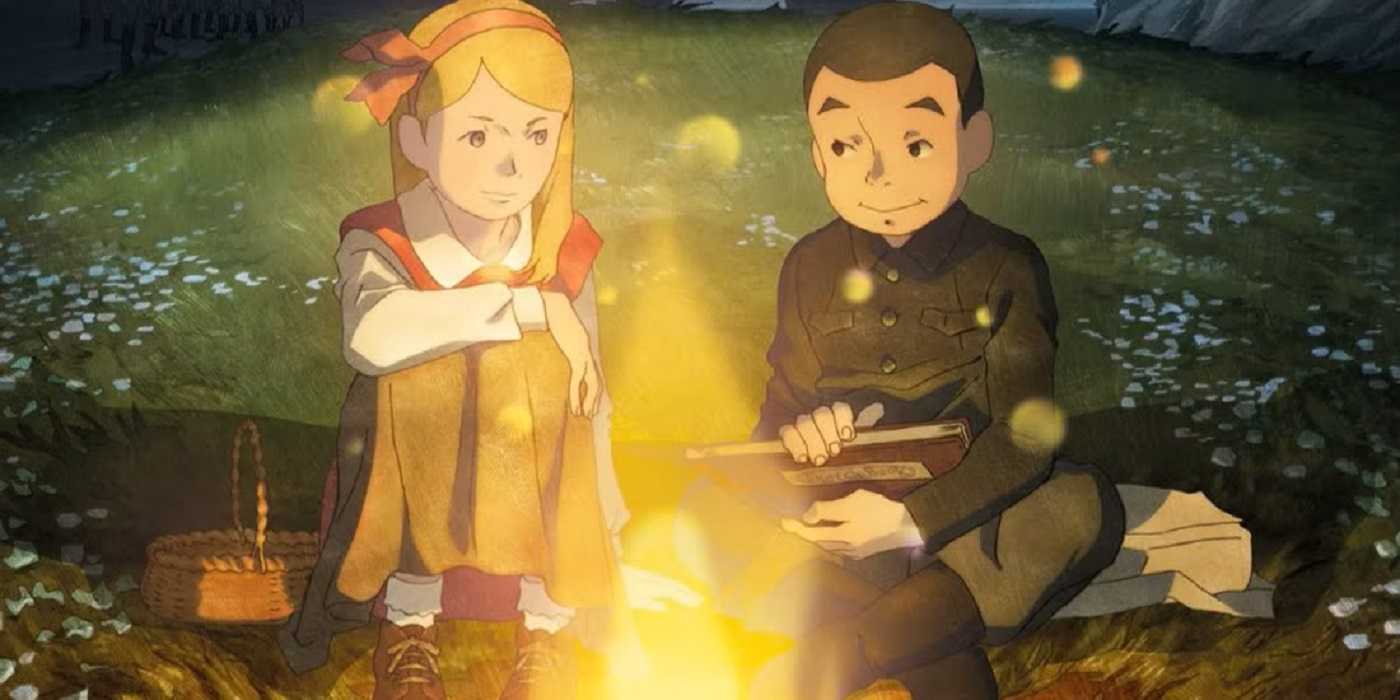
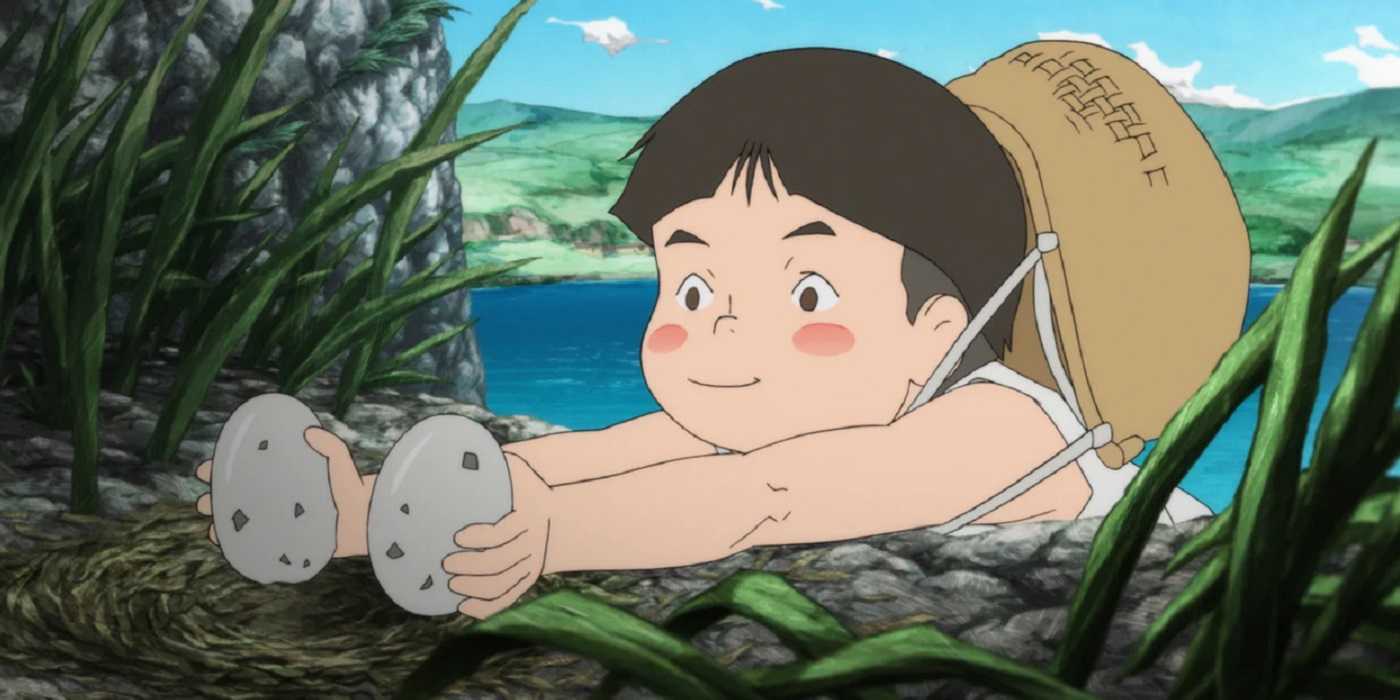
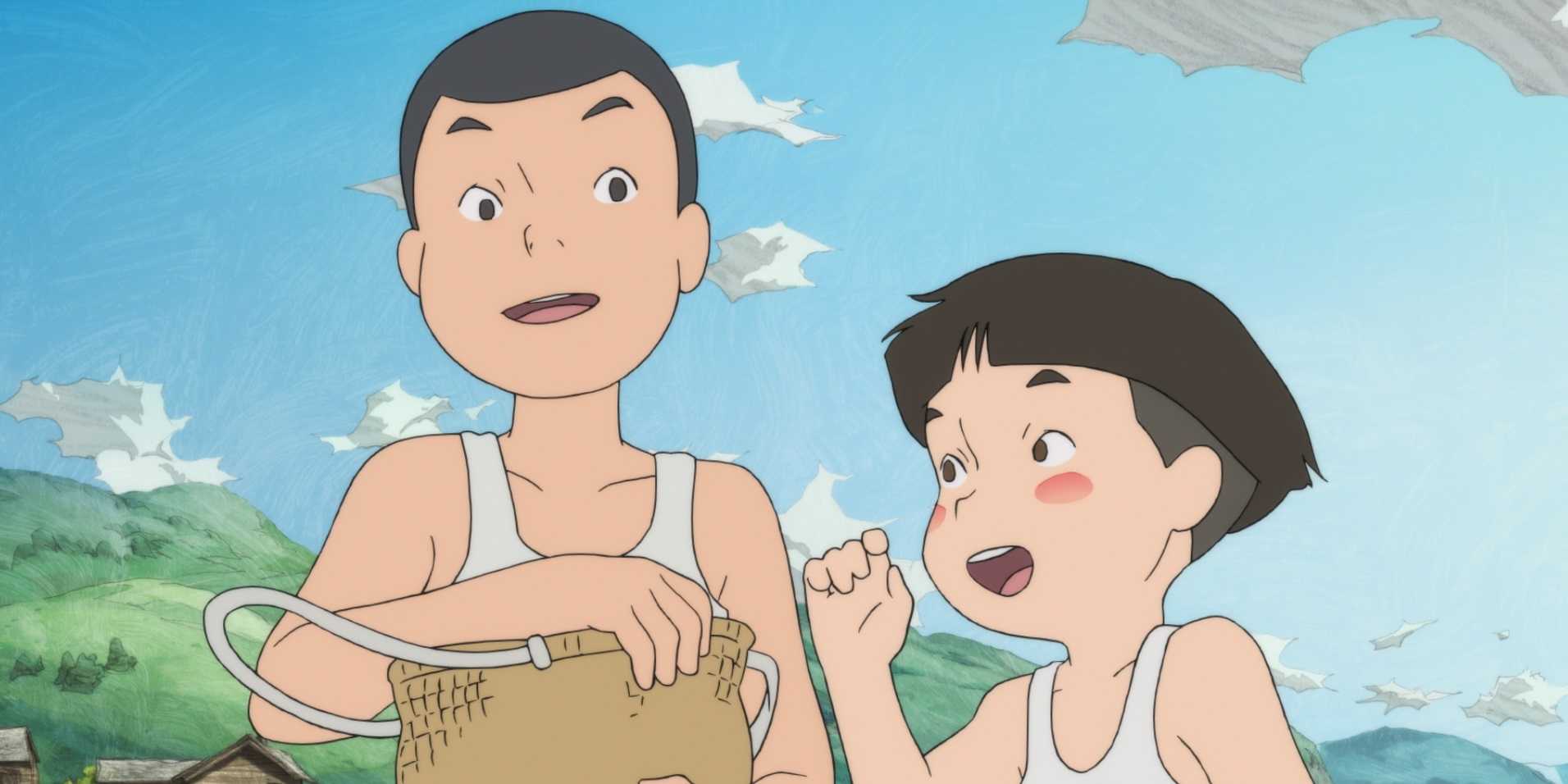
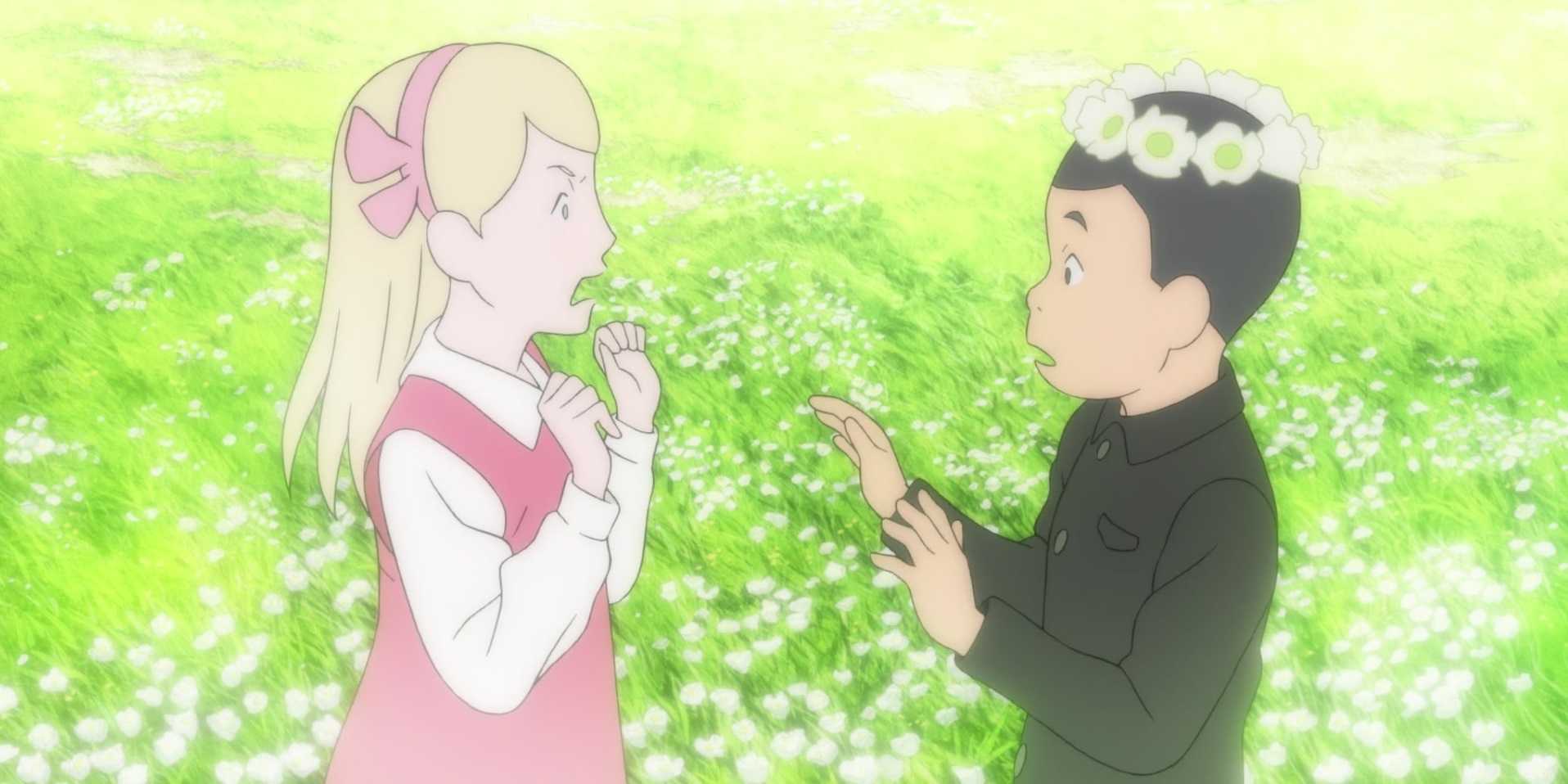
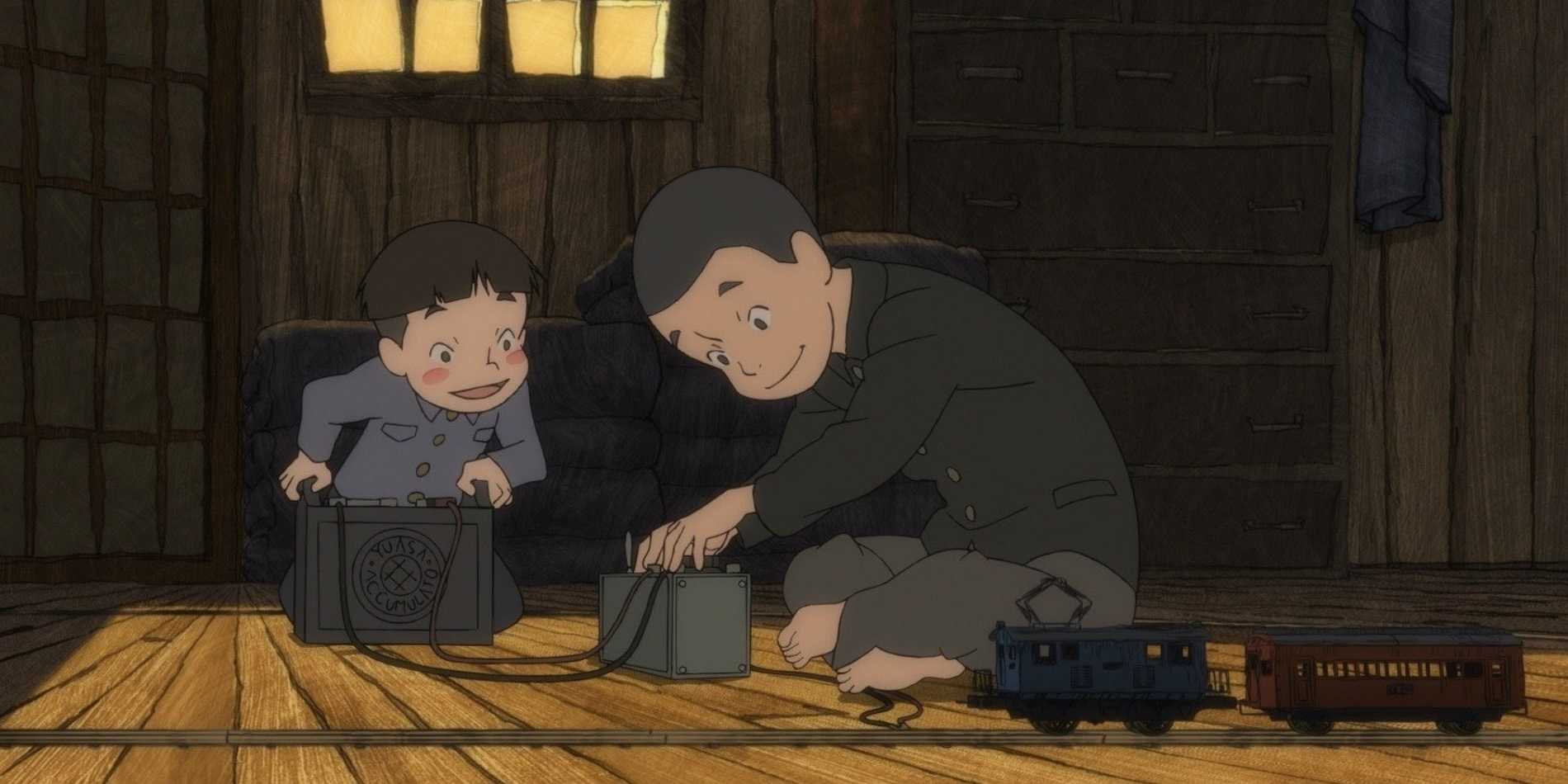
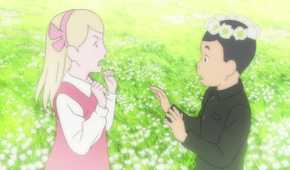
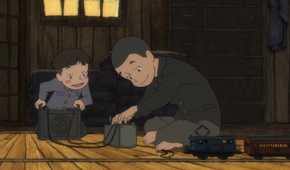
Giovanni’s Island takes a quieter, more personal approach to war’s aftermath. Set on the small island of Shikotan after Japan’s surrender in World War II, the story follows two brothers whose lives are turned upside down by Soviet occupation. It’s a tale about borders, literal and emotional, that tear people apart.
The beauty of Giovanni’s Island lies in its use of childhood innocence as a storytelling lens. For young Junpei and Kanta, the arrival of Soviet soldiers doesn’t immediately spell doom. In fact, they befriend a Russian girl named Tanya. But as politics tighten their grip, the cracks widen, and friendship becomes an impossible luxury.
This anime doesn't rely on grand battles. Its power comes from small, heartbreaking moments like a confiscated home, a stolen notebook, and a goodbye that comes too soon. These details reflect how war doesn’t end when the guns fall silent. It creeps into homes, schools, and playgrounds, rewriting the rules of daily life.
In the end, Giovanni’s Island is about loss, not just of territory or freedom, but of human connection.
The animation style helps amplify the emotional weight. Watercolor-like visuals contrast with the cruel decisions adults make. In the end, Giovanni’s Island is about loss, not just of territory or freedom, but of human connection. War kills more than people — it kills the very possibility of understanding.
4 In This Corner of the World
Anime Film by MAPPA; Based on the Manga by Fumiyo Kouno

Your comment has not been saved
In This Corner of the World
- Release Date
- November 12, 2016
- Runtime
- 129 Minutes
- Director
- Sunao Katabuchi
- Writers
- Sunao Katabuchi, Fumiyo Kono, Chie Uratani
Cast
-
Non
-
Ava Pickard
-
Kenna Pickard
-
 Karen Strassman
In This Corner of the World is a slow, meditative film that lulls viewers into a false sense of peace before shattering it. Set in Hiroshima before and during World War II, the story follows Suzu, a young woman trying to make a life amid escalating chaos. Her domestic struggles echo the quiet tragedies often left out of war narratives.
Suzu’s world is one of small joys that include drawing, cooking, and tending to family. But the war creeps in like a distant storm. Food grows scarce, air raids increase, and loved ones vanish without warning. By the time the bomb drops, her life has already been slowly dismantled piece by piece.
What makes In This Corner of the World so powerful is its refusal to sensationalize. Suzu doesn’t deliver rousing speeches or chase revenge. She simply survives, each day a quiet act of resistance. Her trauma is subtle but profound, made more heartbreaking by the gentle art style and soft color palette.
The film is a reminder that not all war stories are loud. Some are whispered in kitchens, painted in sketchbooks, or hidden in silences between family members. Suzu’s life is both ordinary and epic, a testament to how war changes everything, even when the world pretends it hasn’t.
3 Who’s Left Behind?
Anime Film by Magic Bus; Based on the Picture Book by Ayako Ishigaki

Who’s Left Behind? is a short film, but its emotional impact is massive. It tells the story of a young girl named Kayoko who is left in Tokyo during the wartime evacuations. While other children are sent to the countryside, she remains behind, alone in a city preparing for destruction.
The film’s brevity doesn’t lessen its power. In just a few minutes, it shows how war isolates the most vulnerable. Kayoko is surrounded by adults obsessed with survival, yet no one truly sees her. She wanders empty streets, clutches her doll, and stares at the sky, waiting for something, anything, to change.
Who’s Left Behind? is all about emotional silence. There's little dialogue, and that quiet allows the weight of fear and abandonment to settle in. Viewers feel her confusion, her longing, and the gnawing sense that she’s been forgotten, not just by society, but by the world itself.
While other wartime anime show battlefields or bombings, Who's Left Behind? shows emotional abandonment as its own kind of violence.
It’s a devastating look at the cost of policy decisions on children. While other wartime anime show battlefields or bombings, Who's Left Behind? shows emotional abandonment as its own kind of violence. War doesn’t just kill bodies, it erases the needs of those who survive in its shadow.
2 The Wind Rises
Anime Film by Studio Ghibli; Based on the Novel by Tatsuo Hori and the Manga by Hayao Miyazaki

Your comment has not been saved
The Wind Rises
- Release Date
- July 20, 2013
- Runtime
- 126 minutes
- Director
- Hayao Miyazaki
- Writers
- Hayao Miyazaki
Cast
-
 Hideaki Anno
-
Hidetoshi Nishijima
Hayao Miyazaki’s The Wind Rises is unlike any other war anime. It follows Jiro Horikoshi, the real-life engineer who designed Japan’s infamous Zero fighter planes. But rather than glorifying his work, the film presents it as a tragic pursuit, the story of a dreamer whose ambitions are hijacked by war.
At its core, the film is about creation turned to destruction. Jiro wants to build beautiful machines. But his designs will eventually rain fire on civilians across Asia and the Pacific. The contradiction haunts every frame. His passion is pure, but the outcome is deadly.
What makes The Wind Rises so gut-wrenching is its quiet acceptance of moral compromise. Jiro isn’t evil, he’s just someone who looked the other way. His personal tragedies, including his wife’s illness, run parallel to the larger national catastrophe. The film doesn’t punish him, but it doesn’t absolve him either.
Miyazaki’s final message is haunting, and it shows that beauty and horror can coexist. And sometimes, the most dangerous people aren’t generals or politicians, they’re dreamers whose creations become weapons. The Wind Rises is a love letter to innovation, and a funeral hymn for innocence.
1 Grave of the Fireflies
Anime Film by Studio Ghibli; Based on the Short Story by Akiyuki Nosaka

Your comment has not been saved
Grave of the Fireflies

- Release Date
- April 16, 1988
- Runtime
- 89 Mins
- Director
- Isao Takahata
- Writers
- Akiyuki Nosaka, Isao Takahata
Cast
-
Tsutomu Tatsumi
-
Ayano Shiraishi
No list about the horrors of war in anime would be complete without Grave of the Fireflies. This film is emotionally punishing from its opening scene to its final frame. It tells the story of Seita and Setsuko, two siblings struggling to survive after their city is firebombed. It’s not just sad, it’s annihilating.
Unlike many war films, Grave of the Fireflies doesn’t focus on battles. It shows the long, slow death of children in a world that no longer has room for them. Starvation, illness, and despair creep in gradually, and by the time you realize hope is gone, it’s already too late.
The animation is beautiful, which only makes the tragedy worse. Fireflies glow like stars in a world where joy has all but disappeared. Every sweet moment between Seita and Setsuko is a knife twist and a reminder of what’s been lost and what will never return.
This isn’t just an anti-war film, it’s a condemnation of apathy. Seita isn’t a soldier, and Setsuko isn’t collateral damage. They’re the war's real victims who are innocent, voiceless, and forgotten. Grave of the Fireflies doesn’t ask viewers to cry. It dares them not to.

Your comment has not been saved