


Summary
- Crunchyroll doesn't update name changes from Korean to Japanese in subtitles, causing confusion for English viewers of Tower of God.
- Main character Bam is named Yoru in Japanese, enhancing his character with a softer edge and maintaining the night theme.
- Localizing names in Tower of God may be frustrating, but the changes ultimately help new fans appreciate this popular manhwa series.
Tower of God is a hugely successful manhwa series that has an equally successful anime adaptation. As a Korean series, the characters' names are Korean but localized in Japanese for Japanese viewers. Unfortunately for English speakers, Crunchyroll doesn't update this change on their subtitles, leaving many fans confused when Yeon Yihwa is referred to as "RIka". I took a look at the localization changes and every character's Korean and Japanese names so you don't have to.
The changes are pretty substantial across the board which can be pretty frustrating. The biggest changes come from the main character and the primary antagonist of the series. Other name changes are seen in both the main character's allies and enemies.
Some of the protagonist's friends have the same names in Korean as they do in Japanese which makes everything a lot easier.
The Biggest and Most Confusing Name Changes
The Main Character and Primary Antagonist Have Odd Names

The main character of the Tower of God is an adorable yet clinical Irregular named Baam in Korean and Yoru in Japanese. Both words translate to "night", which is what Rachel named him when she found him in a cave way back in Tower of God season one. While Bam would've been a great name to keep in the Japanese version of the show, calling Bam "Yoru" does give him a softer edge and maintains the night theme. Bam uses a pseudonym after Rachel pushes him into the abyss of the Tower and keeps it in both versions. No matter if you're reading the manhwa or watching the anime, the FUG Slayer candidate is named Jue Viole Grace.
The King of the Tower, Jahad, has three different names depending on the spelling and localization. In the original manhwa, his name is Zahard, and it's even sometimes pronounced Zahad without the 'r'. In the Japanese version, he's known as Jahad with a 'J' so the change isn't too severe. His Princesses, Army, and Empire all adopt the name change in the anime as well.
Side Characters Have Sweeping Name Changes
Some Name Changes Are More Confusing Than Others


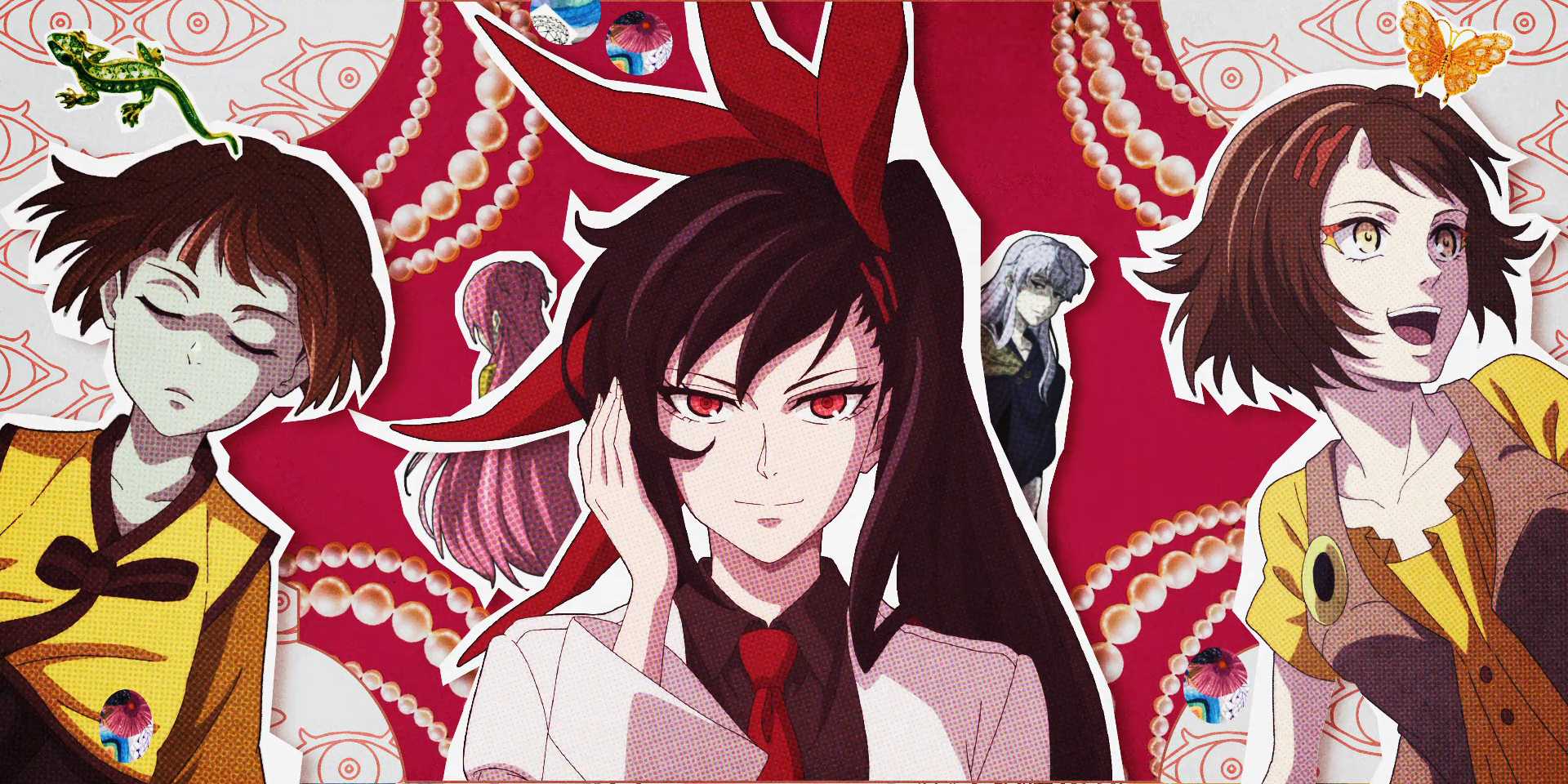
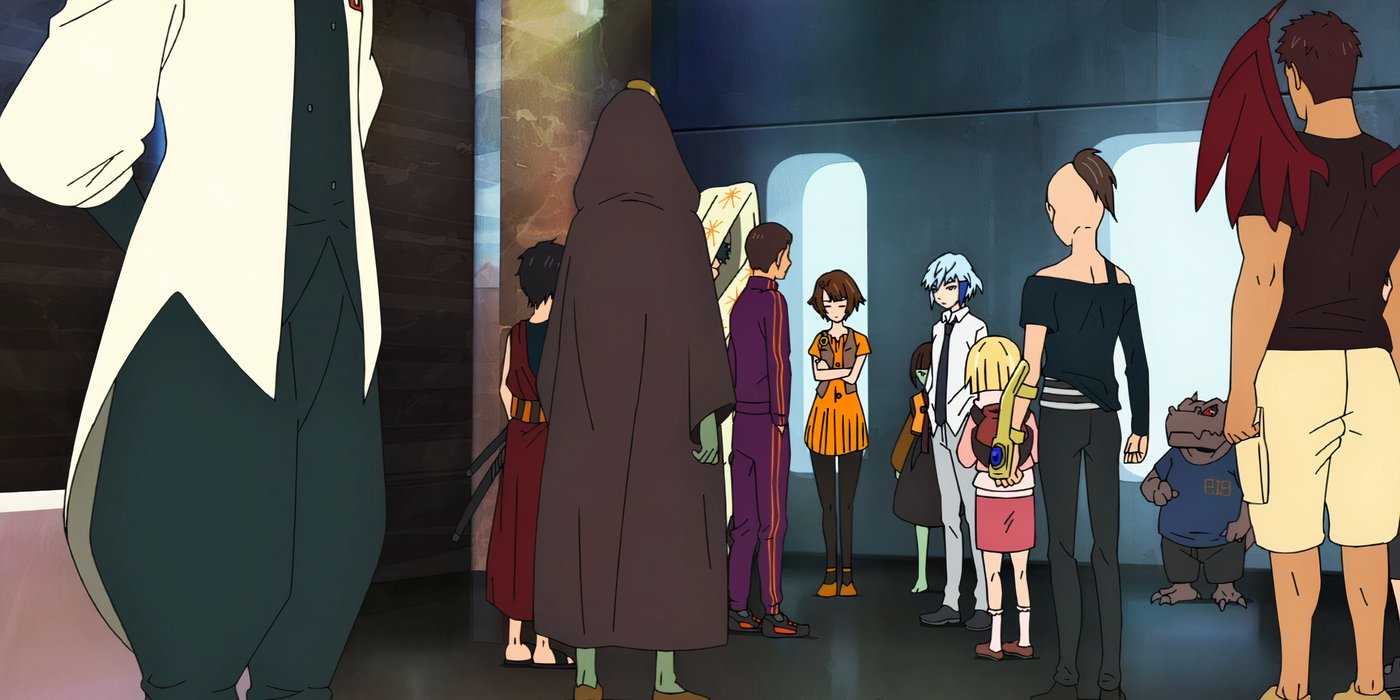
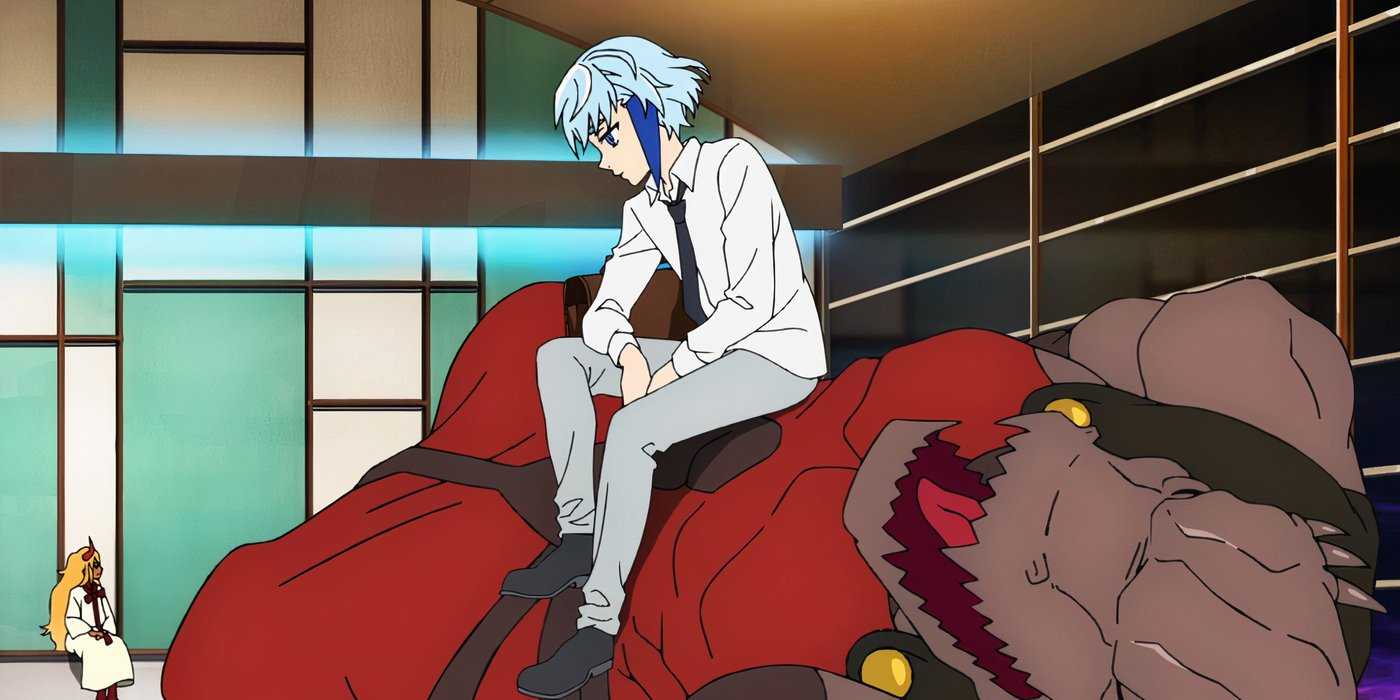
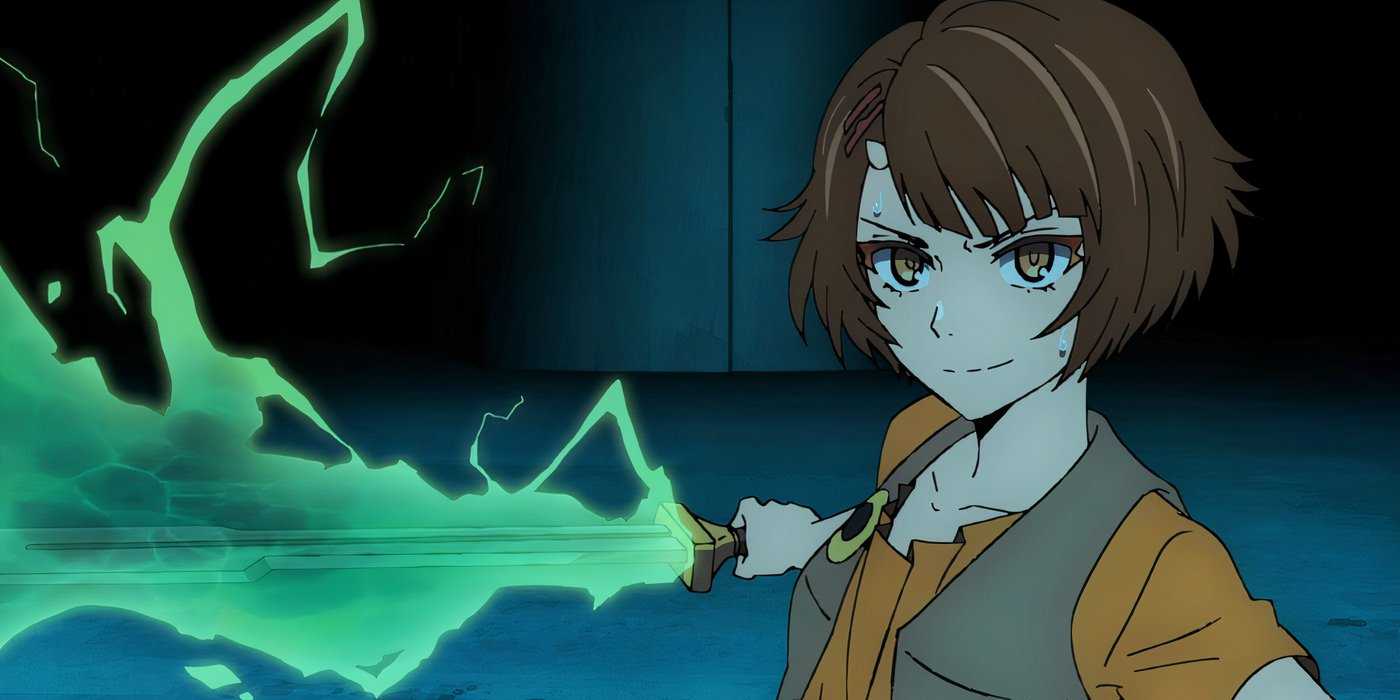
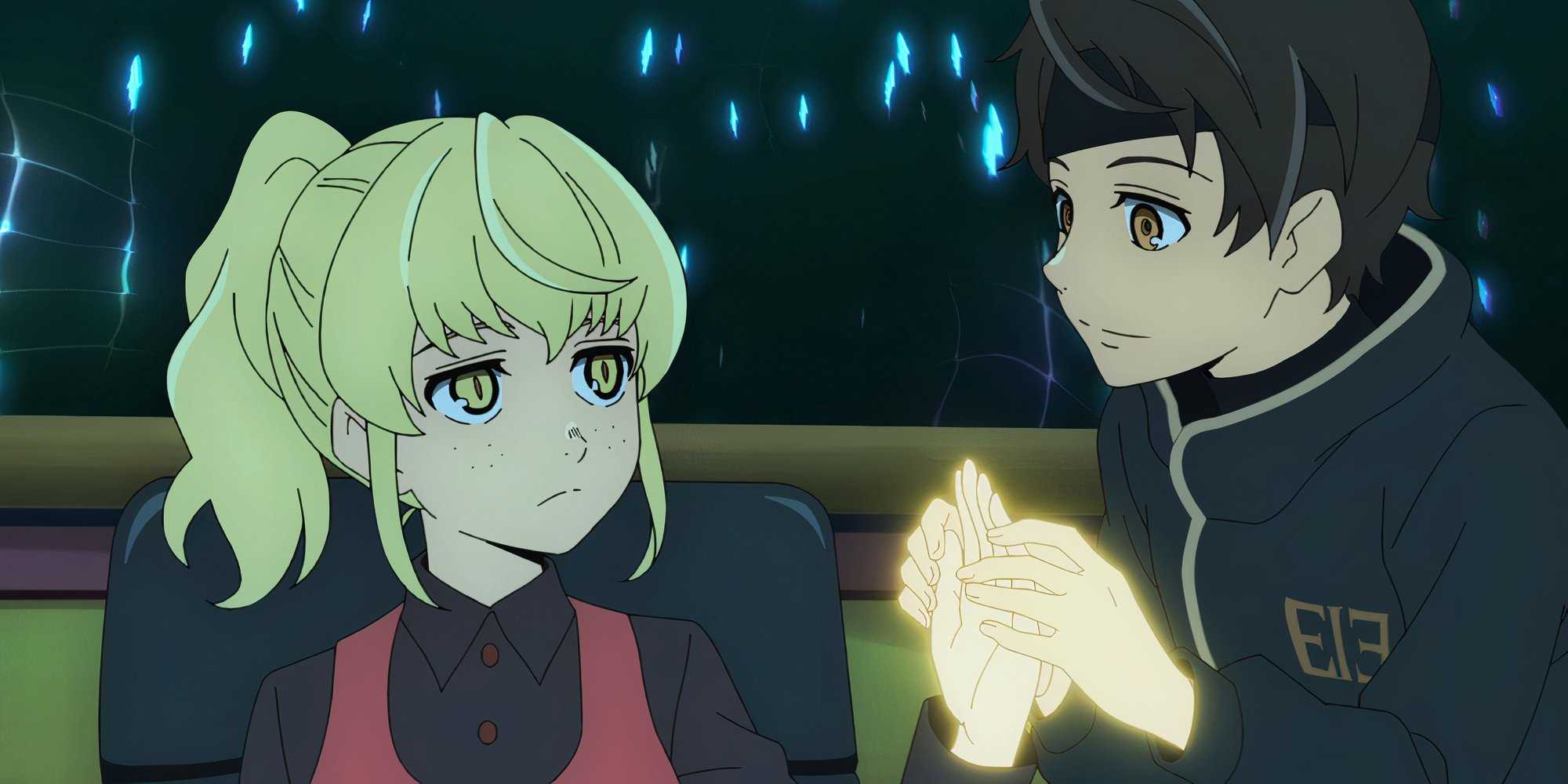




The side characters in Tower of God add a lot of value to the series. Some of the ones closest to Bam have the same names in Korean as they do in the localized Japanese version. The three main characters who share their names in both versions of the show are Rak Wraithraiser, Khun Aguero Agnis, and Rachel, also known as Michelle Light for a little bit.
Outside the big three, Bam's friends all have slightly different names. Ship Leesoo, a super-intelligent Scout who teams up with Bam and Khun, goes by Shibisu in the Japanese version. It's a clever way to maintain his name while adapting it to Japanese audiences. Princess of Jahad Androssi Zahard goes by Endorsi Jahad in the anime. Season two introduces a whole new cast of interesting characters with new name changes as well.
In season two, when Bam is undercover as Jyu Viole Grace, he meets some fellow climbers on the 20th floor looking to make their way up the tower. Ja Wangnan is one of the main protagonists of the second part of Tower of God and both his name and name change have some meaning to them. When read backwards in Korean, Ja Wangna means "I am Prince", referring to the second part of Tower of God titled "The Return of the Prince". In Japanese, Ja's name is Oji Naru, which also roughly translates to the same thing.
Jyu Viole Grace meets Yihwa Yeon of the famed Yeon family, the right hand of the devil Kang Horyang, and family members Miseng and Goseng. In the Japanese localization, all of these characters have different names. Yihwa Yeon's is Ren Rika, a pretty different change when reading it as Yihwa and hearing Ren. Kang Horyang's name is read as Torasuke. Miseng and Goseng's names are changed to Mana and Kana respectively.
How the Name Changes Affect the Series
They're Frustrating at First, but You Get Used To Them

While the name changes in Tower of God can be frustrating for English subtitle watchers, Tower of God is so good you get used to it after an episode or two. Plus, hearing Rachel affectionately refer to Bam as "Yoru" is the most sickeningly sweet sound in the series. Bam's main friends in Rak Wraithraiser and Khun Aguero Agnis don't have their names changed, and it would've been nice to see that extended to the rest of the cast.
Localizing a show's character's names is a good way to strip away the show's identity. Despite this though, the changes are ultimately unnecessary given how interconnected the world is. Hopefully, by localizing the names in Tower of God, more new fans can check out what's considered one of the best manhwa of all time.

- Release Date
- 2020 - 2024-00-00
- Directors
- Takashi Sano
- Writers
- Erika Yoshida
- Franchise(s)
- Tower of God
Cast
-
 Johnny Yong Bosch
-
Matthew David Rudd
Tower of God is an anime series based on the South Korean webtoon by SIU. It follows a young boy named Bam who embarks on a perilous journey to ascend a mysterious tower, where each floor presents unique challenges and tests. The tower promises to grant the deepest desires of those who reach its top. Along the way, Bam forms alliances and confronts adversaries while uncovering hidden truths about himself and the tower.
- Seasons
- 2
- Streaming Service(s)
- Crunchyroll
- Main Genre
- Animation
- Creator(s)
- Lee Jong Hui

