


Summary
- Some TV shows have episodes that perfectly encapsulate their unique style and essence, even if they may not be the best episodes overall.
- These standout episodes can be pivotal in shaping a show's direction and style, and they often include bold narrative structures or experiments.
- If someone watches one of these episodes and doesn't enjoy it, chances are they won't enjoy the show as a whole.
Some TV shows develop such distinctive styles that they become inimitable, and their most iconic episodes act as examples of their signature flair. These episodes aren't necessarily the show's best, but they are an essential distillation of everything that makes the show great. Sometimes, a single episode can be so revolutionary that it influences the show's entire style moving forward, and it marks a clear turning point. In short, if a person tries one of these episodes and doesn't like it, they probably won't like the show as a whole.
To sum up a show in just one episode isn't always easy, especially when a show changes its cast and its setting relatively frequently. Often, episodes which break the mould are a great way to view things from a different perspective, and it helps that these experiments tend to stand out from the pack. People remember season finales, bottle episodes, and other bold narrative structures the most. These are the episodes which are often held up as shining examples of a show's defining traits, especially because they can be enjoyed out of context.
10 "The Chinese Restaurant" - Seinfeld
Season 2, Episode 11

Seinfeld famously describes itself as a "show about nothing" and "The Chinese Restaurant" is the perfect crystallization of this concept. Jerry, George and Elaine spend the entire episode waiting for a table at a chinese restaurant before they go to the movie theater. Even for a bottle episode, "The Chinese Restaurant" is a bold experiment, but it works because of the oustanding cast, and the way they are able to bounce off of one another. In true Seinfeld fashion, there are no lessons learned or emotional journeys, but "The Chinese Restaurant" is one of the best episodes of Seinfeld.
9 "The Reichenbach Fall" - Sherlock
Season 2, Episode 3

Sherlock brought Arthur Conan Doyle's popular Victorian-era detective novels into the 21st Century, and its best episodes manage to put a fresh twist on the familiar tales. "The Reichenbach Fall" is based on the showdown between Sherlock Holmes and his nemesis Moriarty, which takes place in the book in Germany, but in the show in London. The episode makes use of its 21st-Century setting, with Moriarty assassinating Sherlock's character by manipulating the media with digital technology. It also delivers on the premise of Sherlock, a cerebral thriller that entices its audience to solve a cunning puzzle.
8 "22 Short Films About Springfield" - The Simpsons
Season 7, Episode 21


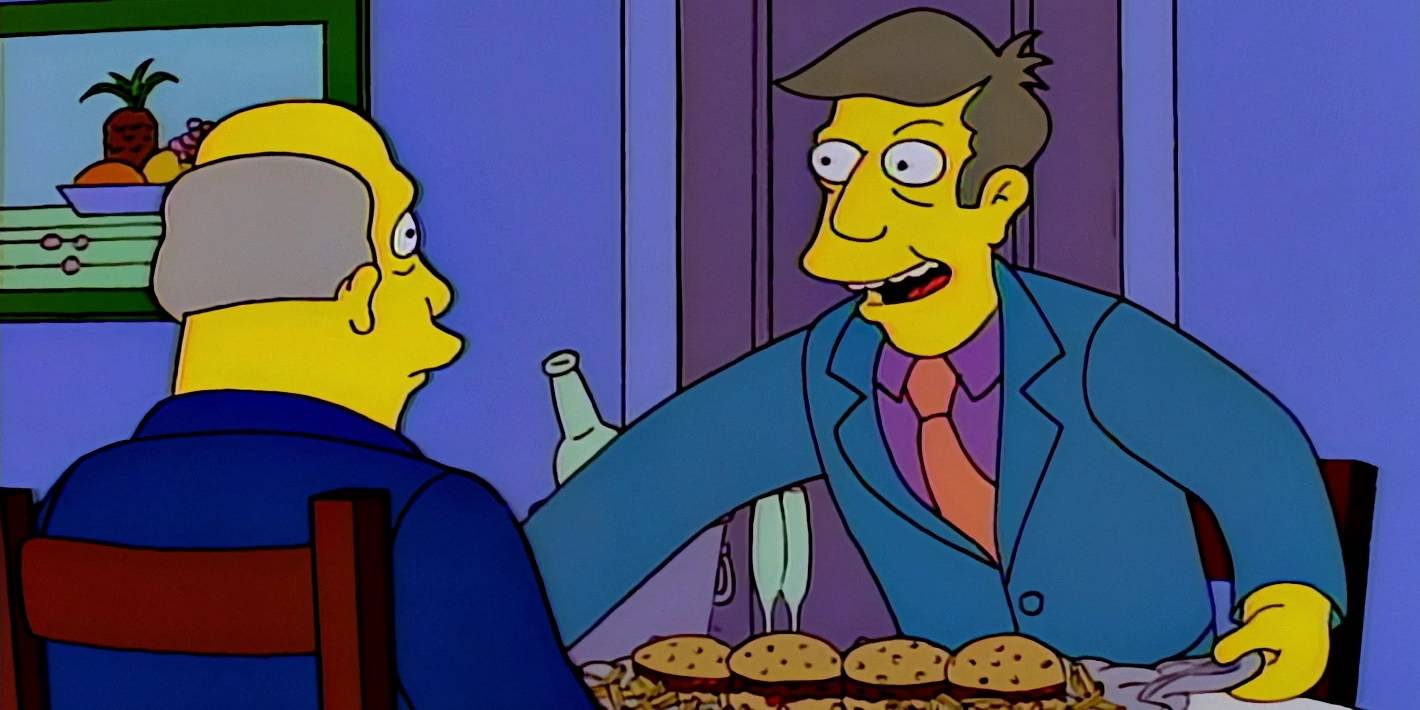
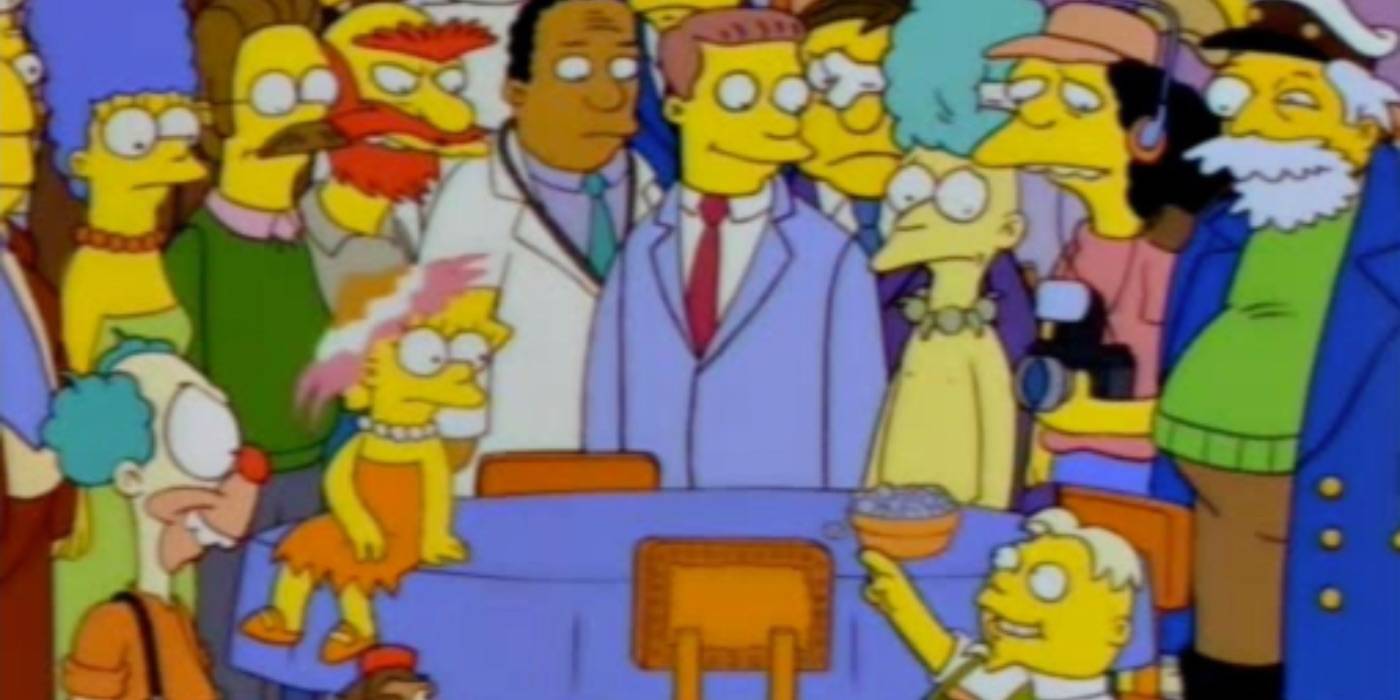
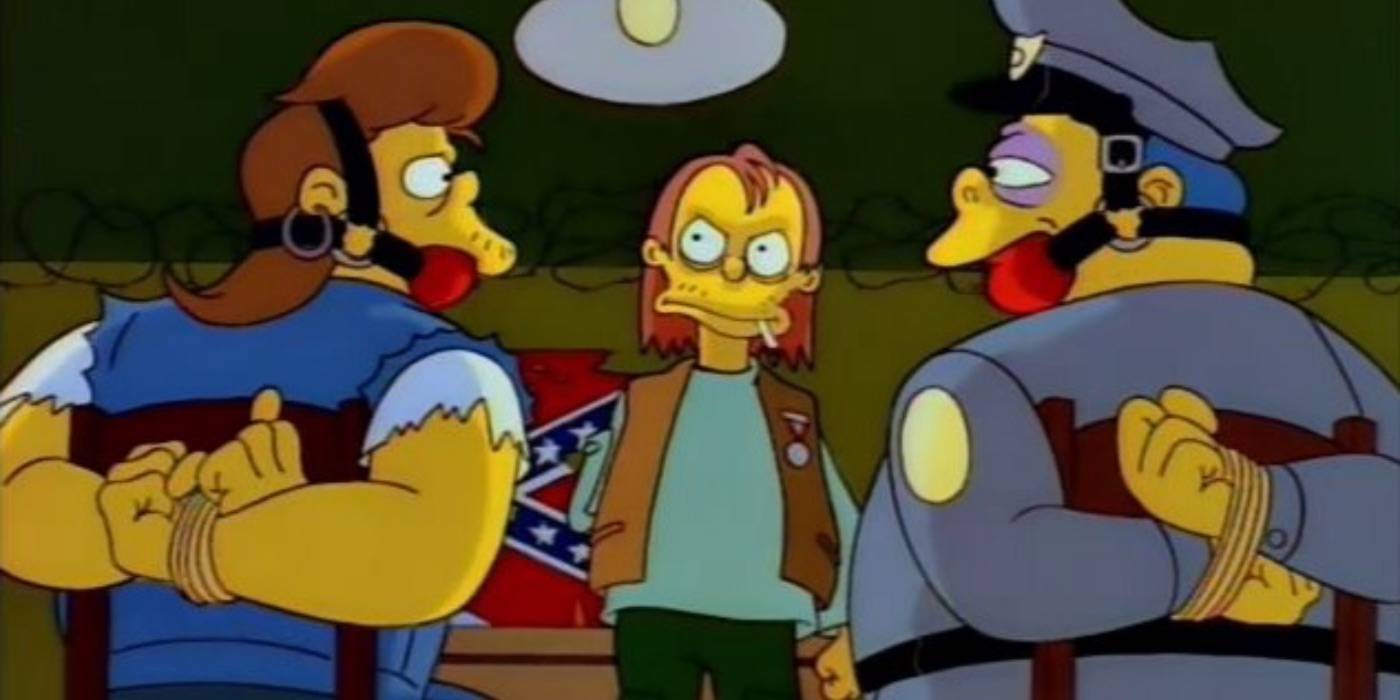
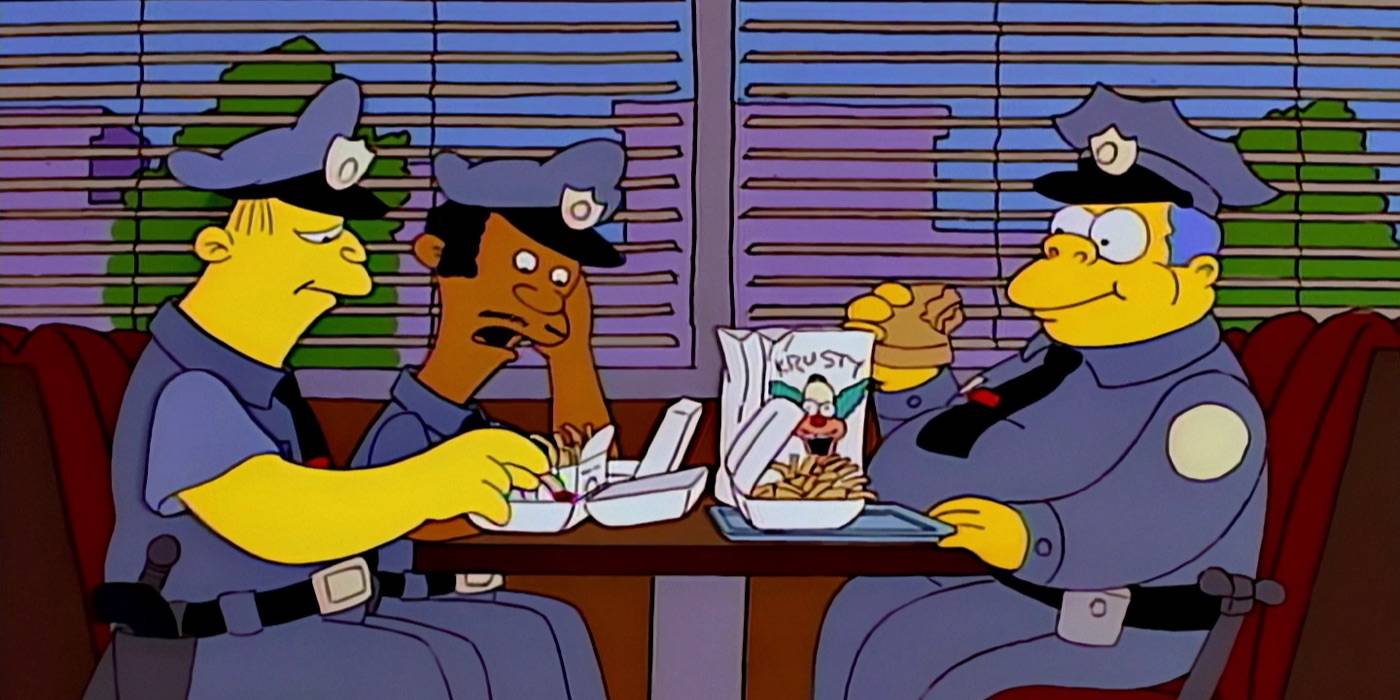
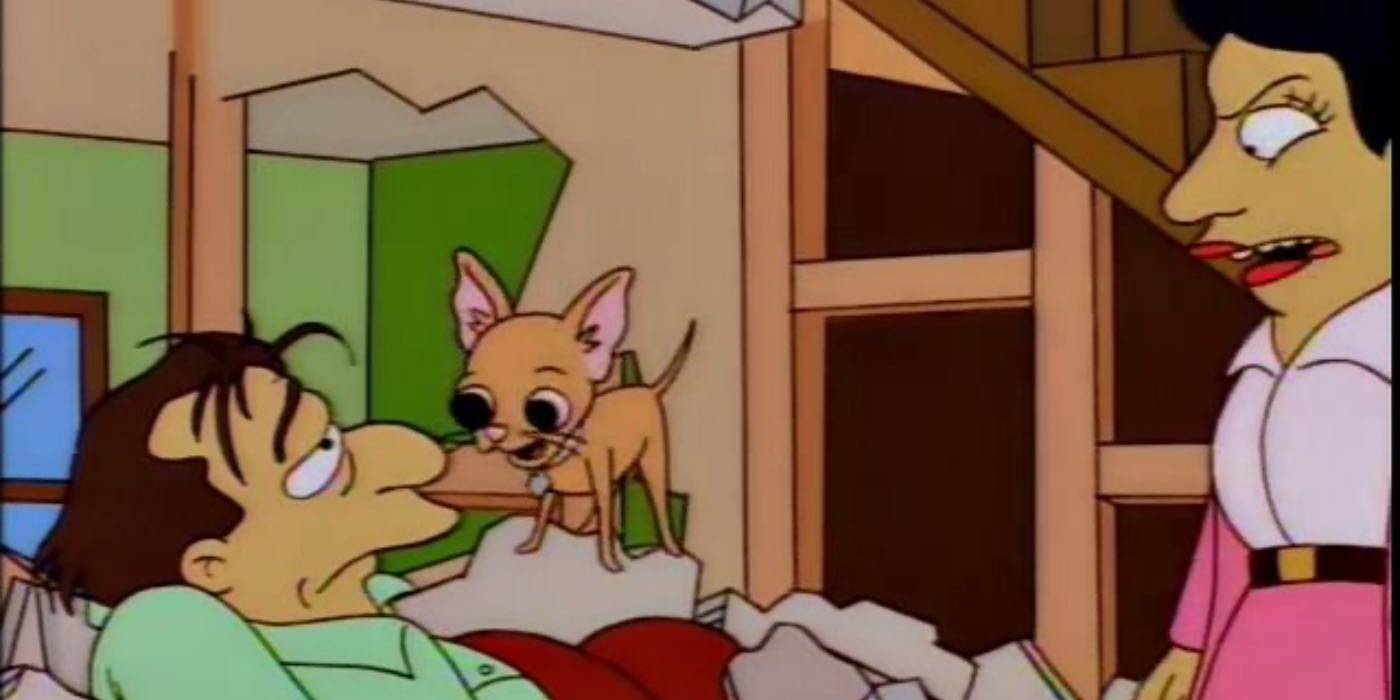
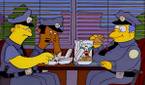
Although it breaks from the usual formula of The Simpsons, "22 Short Films About Springfield" showcases the show's fast-paced humor and its huge cast of fantastic characters. It's one of the longest-running jokes on the show that the real location of Springfield is never disclosed, and this allows it to stand in for any small town in America. The focus of "22 Short Films About Springfield" travels all over the town, giving more attention to some underrated characters on The Simpsons. Even if the episode had only given the world "steamed hams," it still would have been a classic.
7 "Shut The Door. Have A Seat." - Mad Men
Season 3, Episode 13

Mad Men really hit its stride in season 3, and the season finale remains one of the best episodes of all. In "Shut the Door. Have a Seat.," Don Draper and his associates find out that their company is about to sold out from under them, so they decide to surreptitiously set up a new company by salvaging as many contracts and personnel as possible, all in one weekend. Essentially, they steal their own company, and the episode has all the slick charm of a heist movie, with '60s style in abundance.
6 "Remedial Chaos Theory" - Community
Season 3, Episode 4

Long before Rick and Morty, Dan Harmon explored alternate timelines and the multiverse with Community season 3, episode 4, "Remedial Chaos Theory". At Troy and Abed's housewarming party, Jeff lets the roll of a dice decide who should go downstairs to get some pizza. Abed imagines the six different timelines that this event creates, and each one is a miniature episode showing how the dysfunctional group falls apart even more when one member is missing. Community often plays around with plot structures, and it uses its more experimental episodes to deconstruct traditional narrative conventions.
5 "The Castle" - Fargo
Season 2, Episode 9


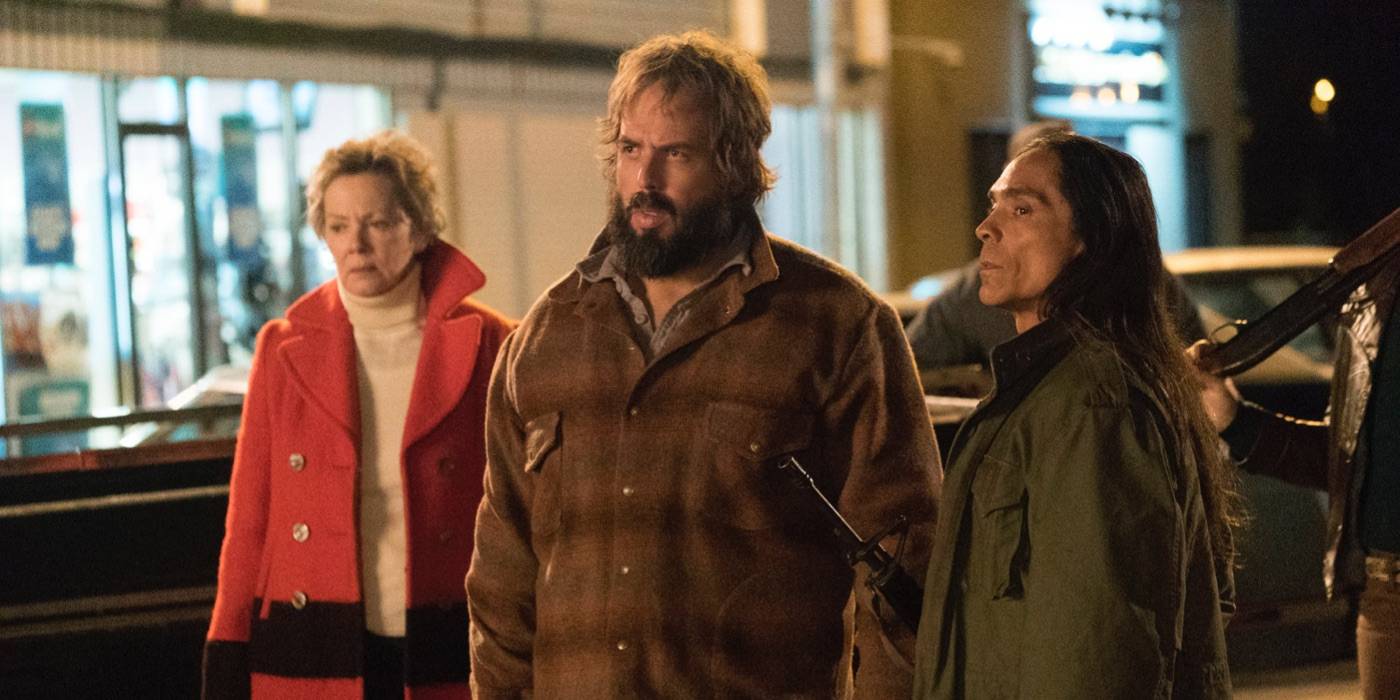
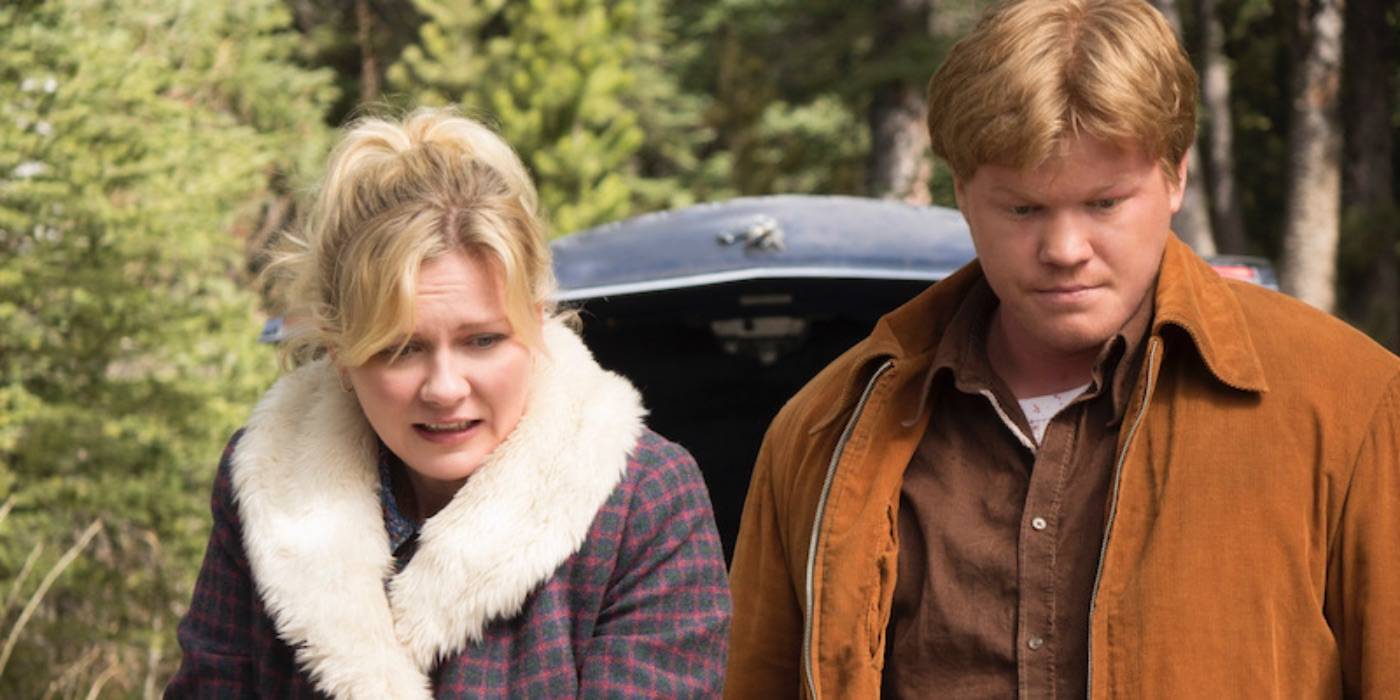
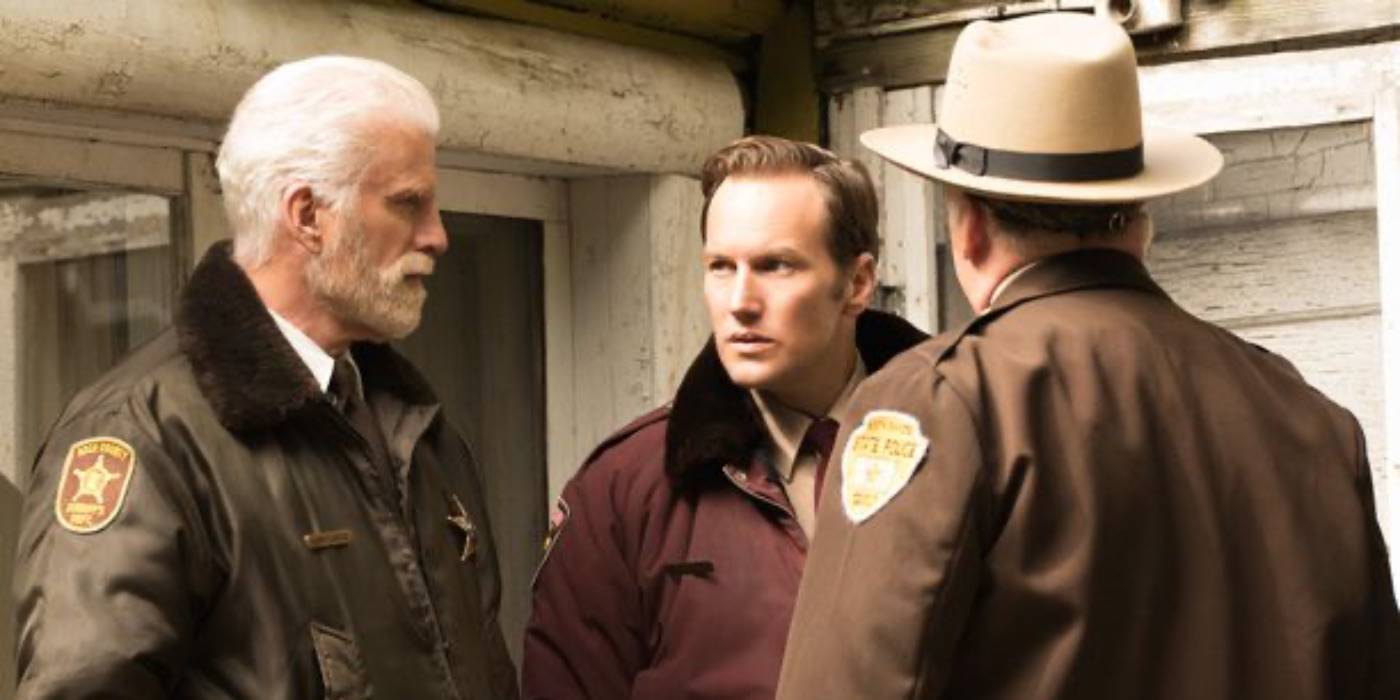
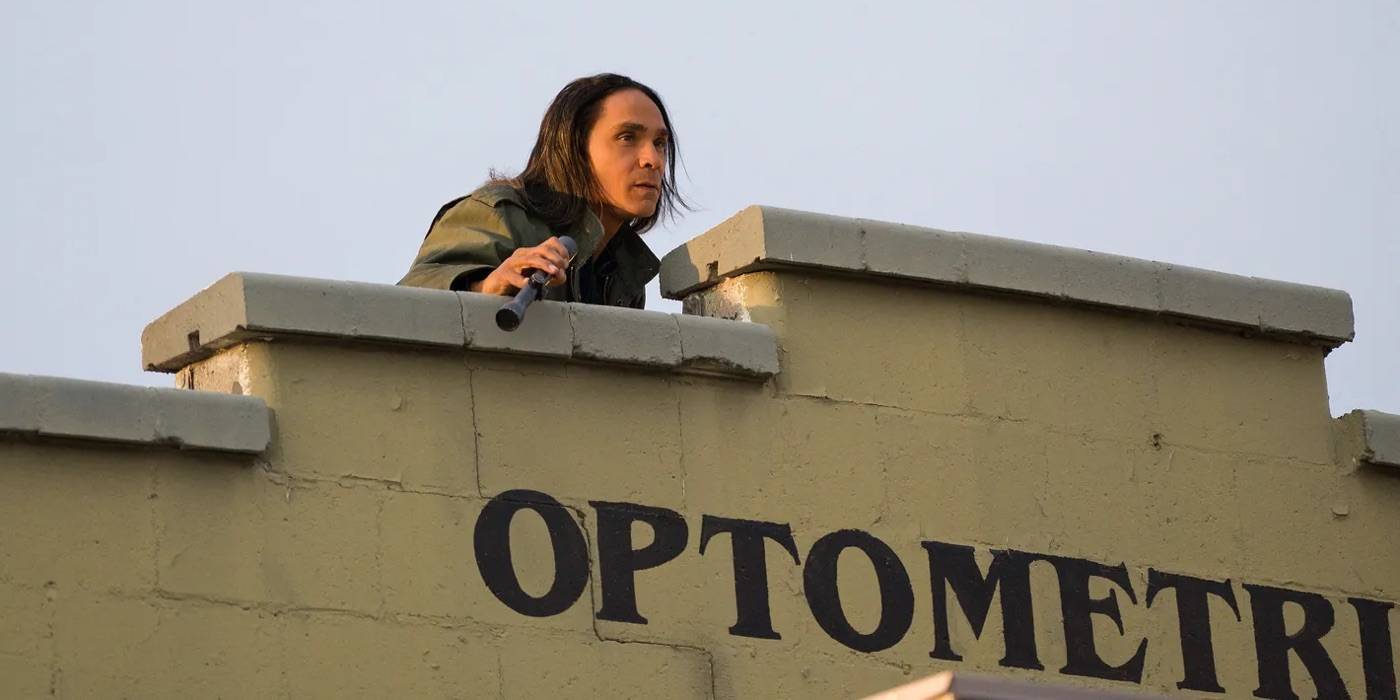
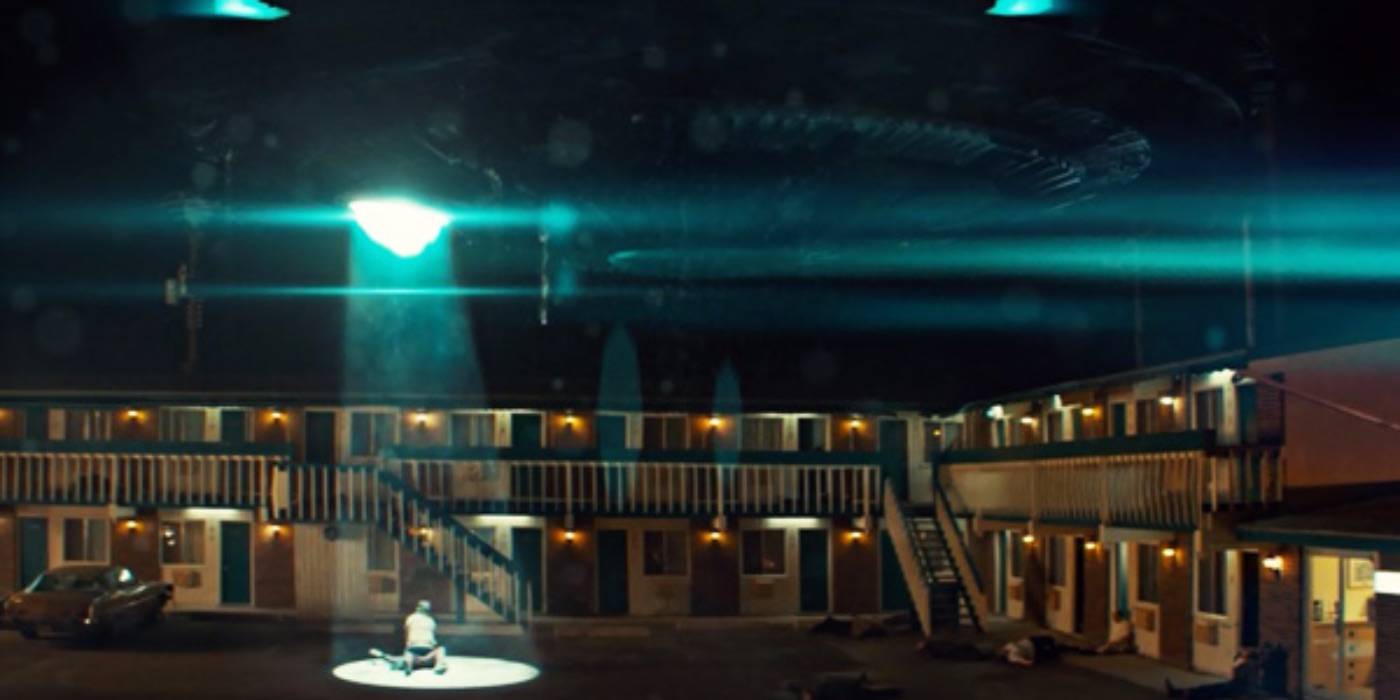

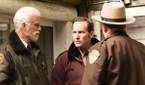
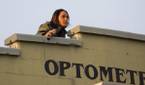
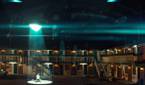
There will always be a debate over which season of Fargo is the best, but season 2 is still a top contender. With tons of charming 1970s details, season 2 follows an ordinary couple accidentally becoming tangled up with the mob. One of the mob's main enforcers is the enigmatic Hanzee, who uses his skills as a tracker to hunt down the family's enemies and tie up loose ends. "The Castle" changes his character in an instant, with brutal bloodshed to complement some outstanding storytelling. The episode also brings back the mysterious UFO, perhaps as a judge from the beyond.
4 "The Marshal" - The Mandalorian
Season 2, Episode 1

As the first live-action Star Wars TV show, The Mandalorian faced the difficult task of honoring the legacy of the franchise while also bringing something fresh to the table. "The Marshal" is a great example of how The Mandalorian solves this problem. It's connected to the main story that runs throughout the series, but it tells a compelling story that can be enjoyed without any context. The plot borrows a lot more from the Western genre than sci-fi, as Din Djarin forms an uneasy alliance with a small-town marshal to take down a common enemy.
3 "Nosedive" - Black Mirror
Season 3, Episode 1

The best episode of Black Mirror use sci-fi technologies to comment on the current state of society. "Nosedive" takes a swipe at the gig economy by applying ratings systems to everyone, based not only on food delivery or driving, but on every minute social interaction they have. It's a brilliant deconstruction of the thin veneer of polite society, and its sci-fi premise never outshines the human drama at the heart of the episode. In "Nosedive," as in life, some people are seen as lesser than others, and they are treated as such.
2 "The Rains Of Castamere" - Game Of Thrones
Season 3, Episode 9


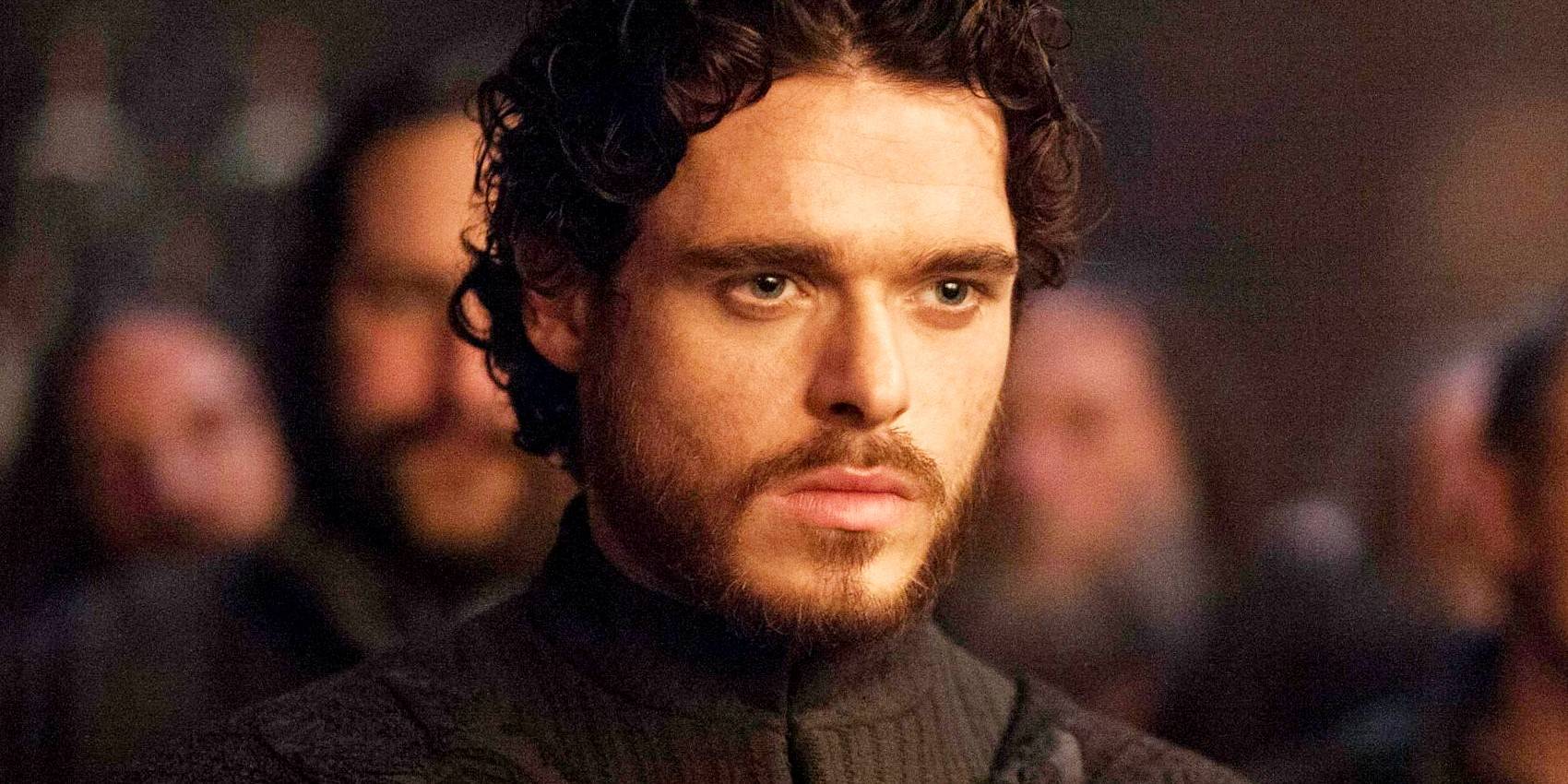
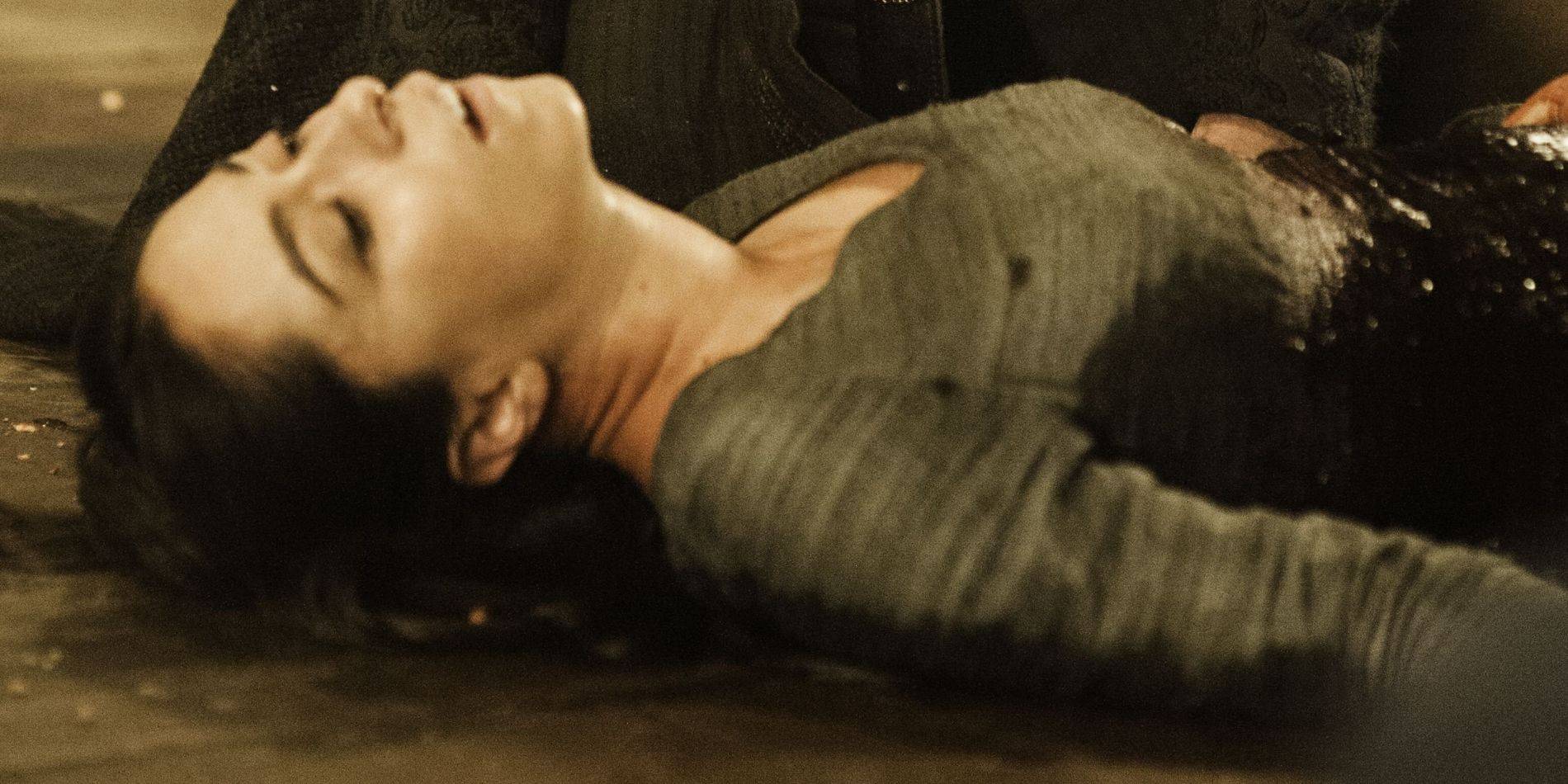
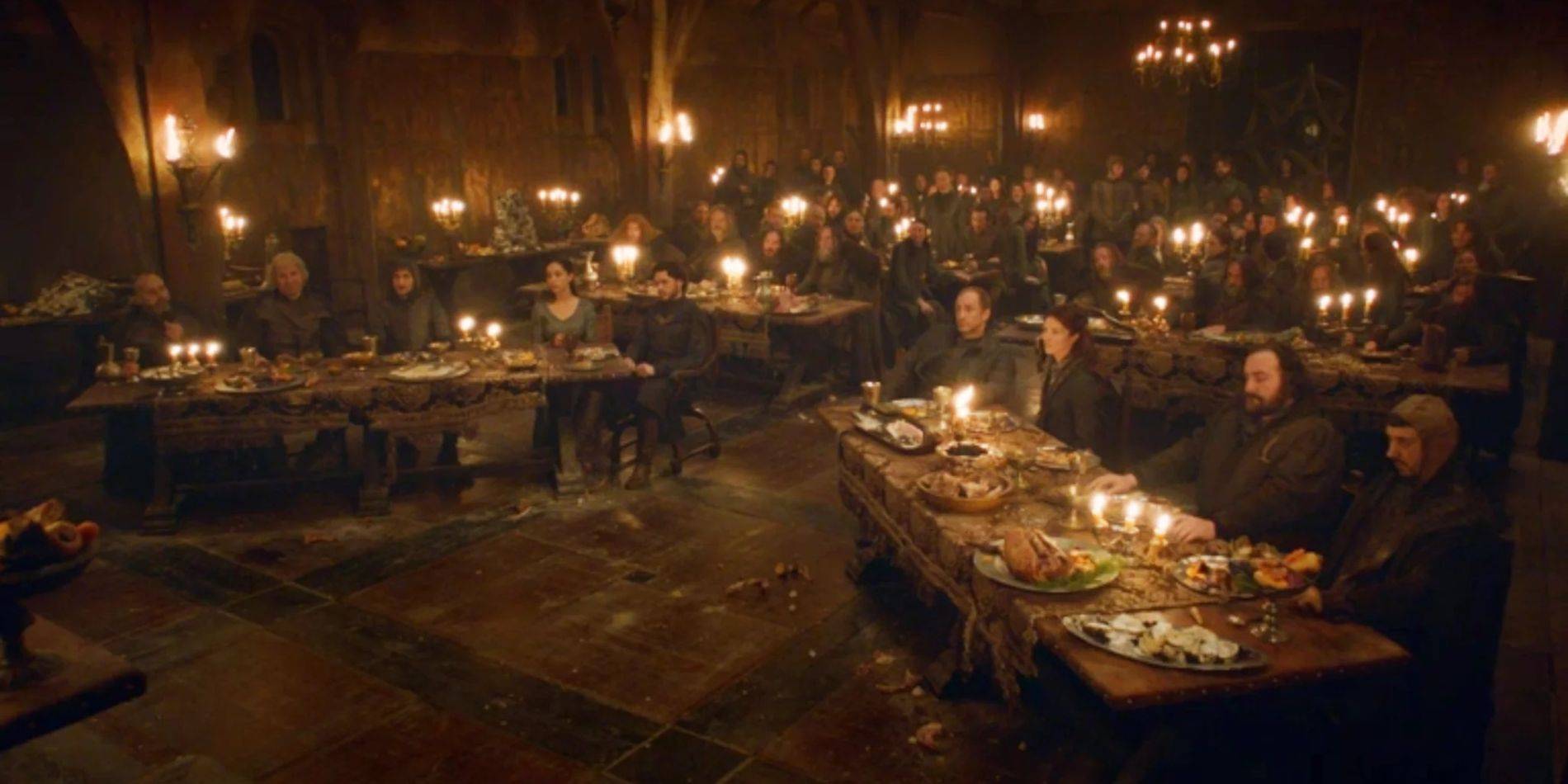
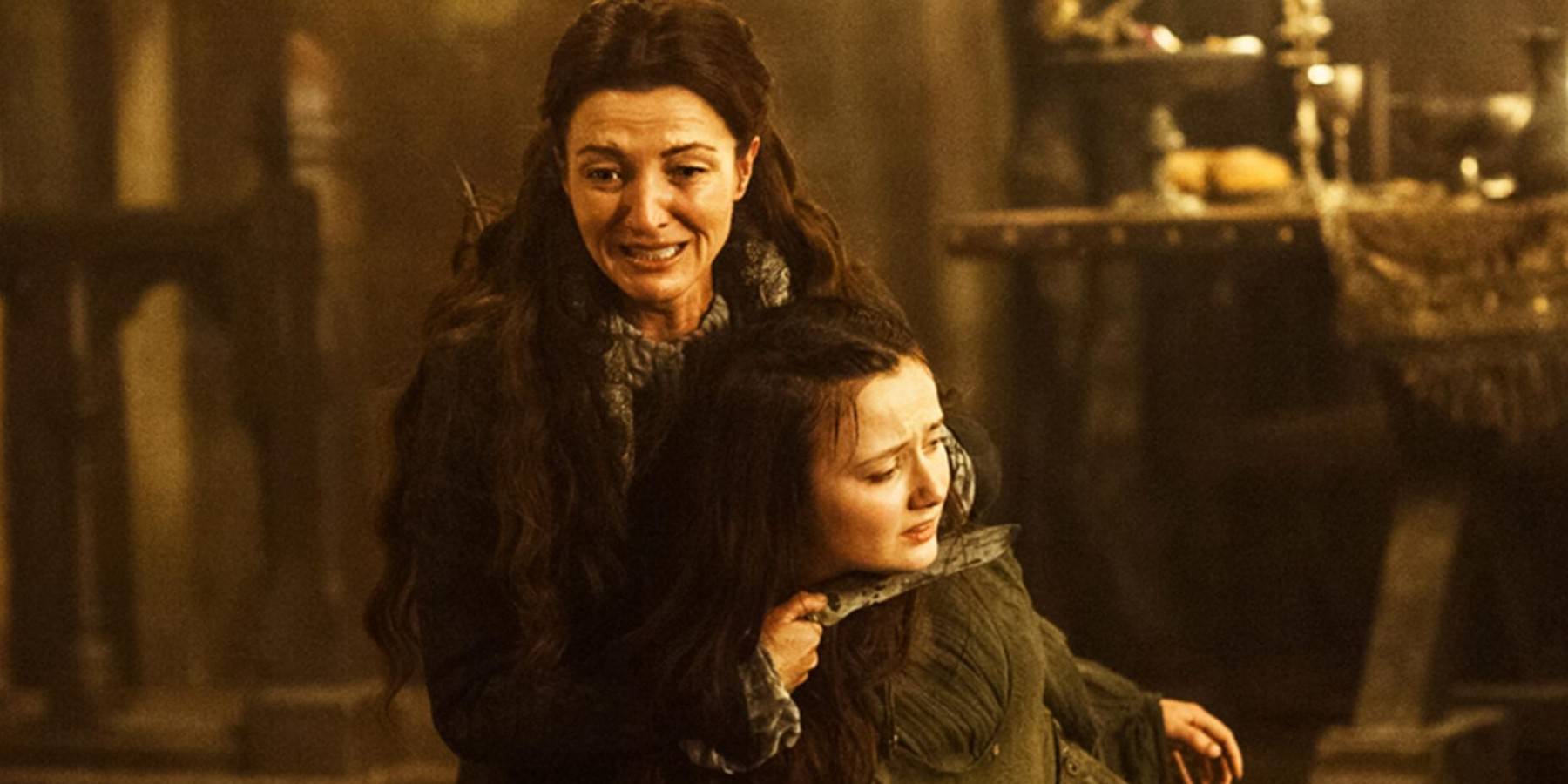


Game of Thrones could combine political intrigue with shocking violence. This was never more apparent than during the most infamous event in the show's history: the Red Wedding. The bloody revenge plot was the culmination of three seasons' worth of slowly climbing tensions, and it all unraveled in spectacular fashion. Among the deaths at Game of Thrones' Red Wedding was Robb Stark, the King in the North. His demise would have far-reaching impacts on the entire arc of the show, but "The Rains of Castamere" isn't just important for plot reasons. It's also a brilliantly written and directed drama.
1 "Downer Ending" - BoJack Horseman
Season 1, Episode 11


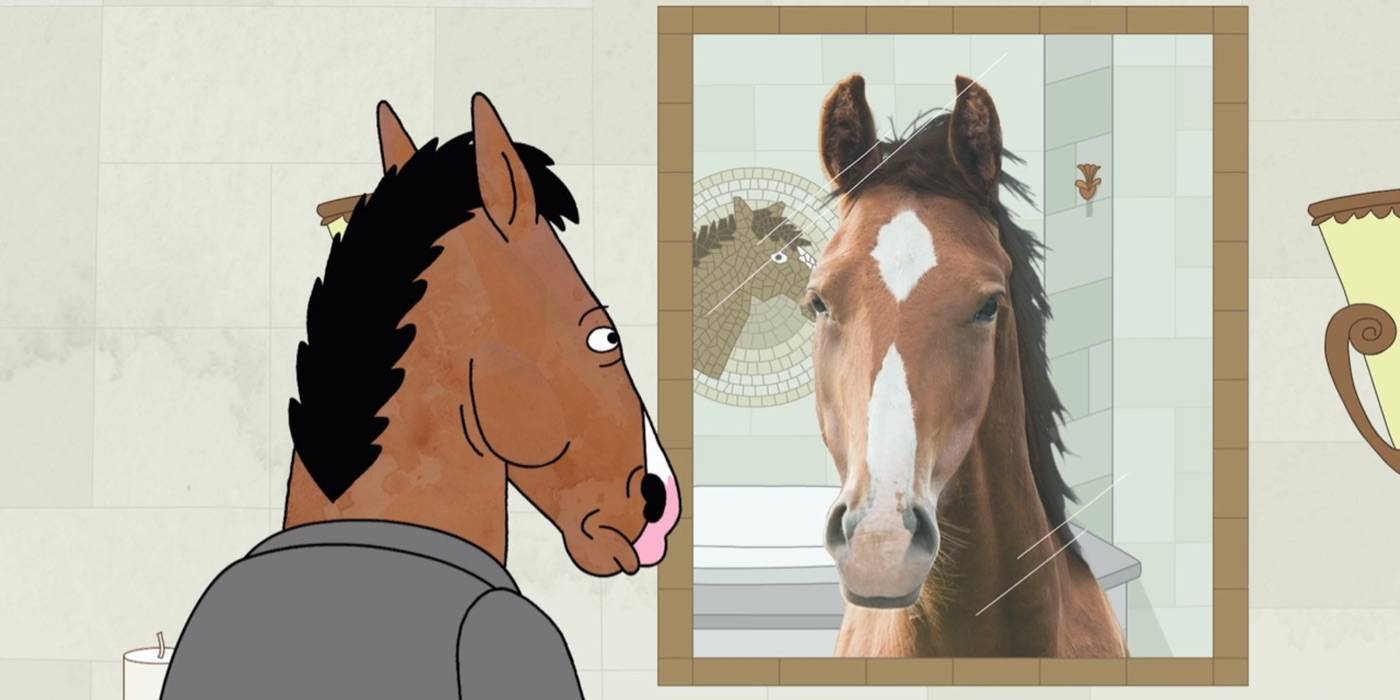
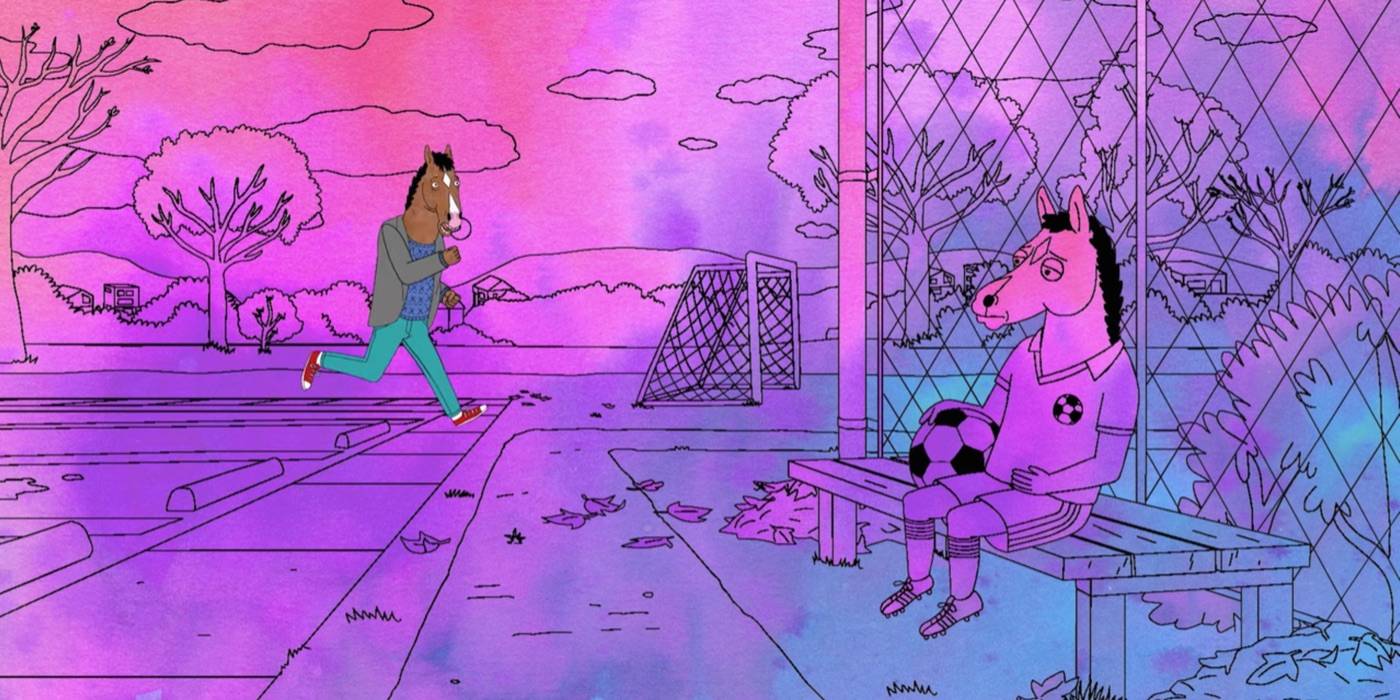
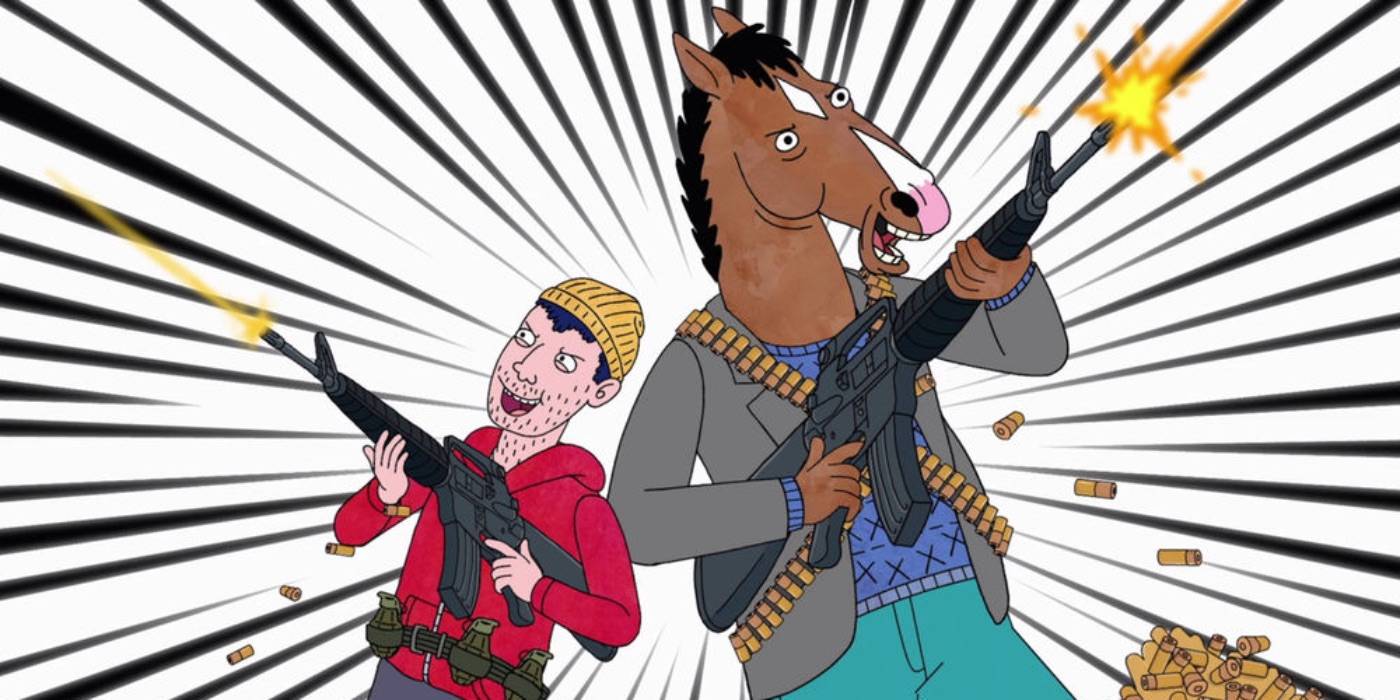
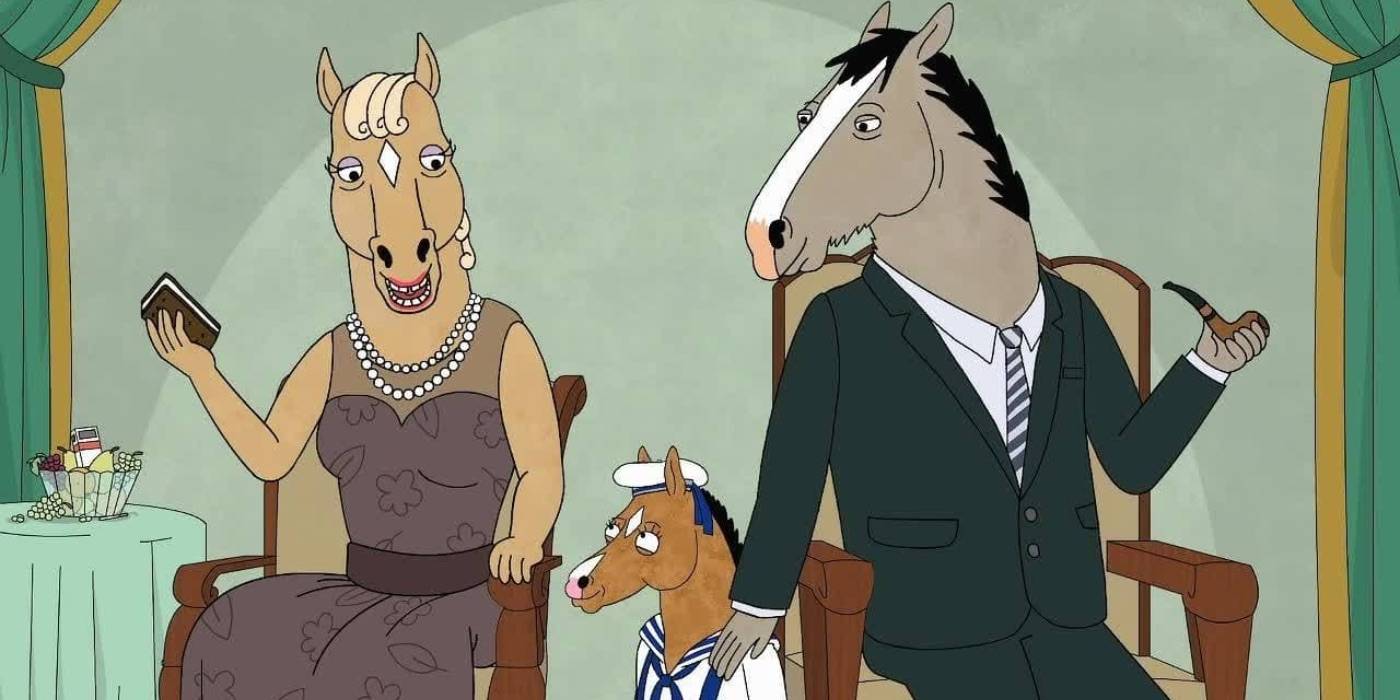
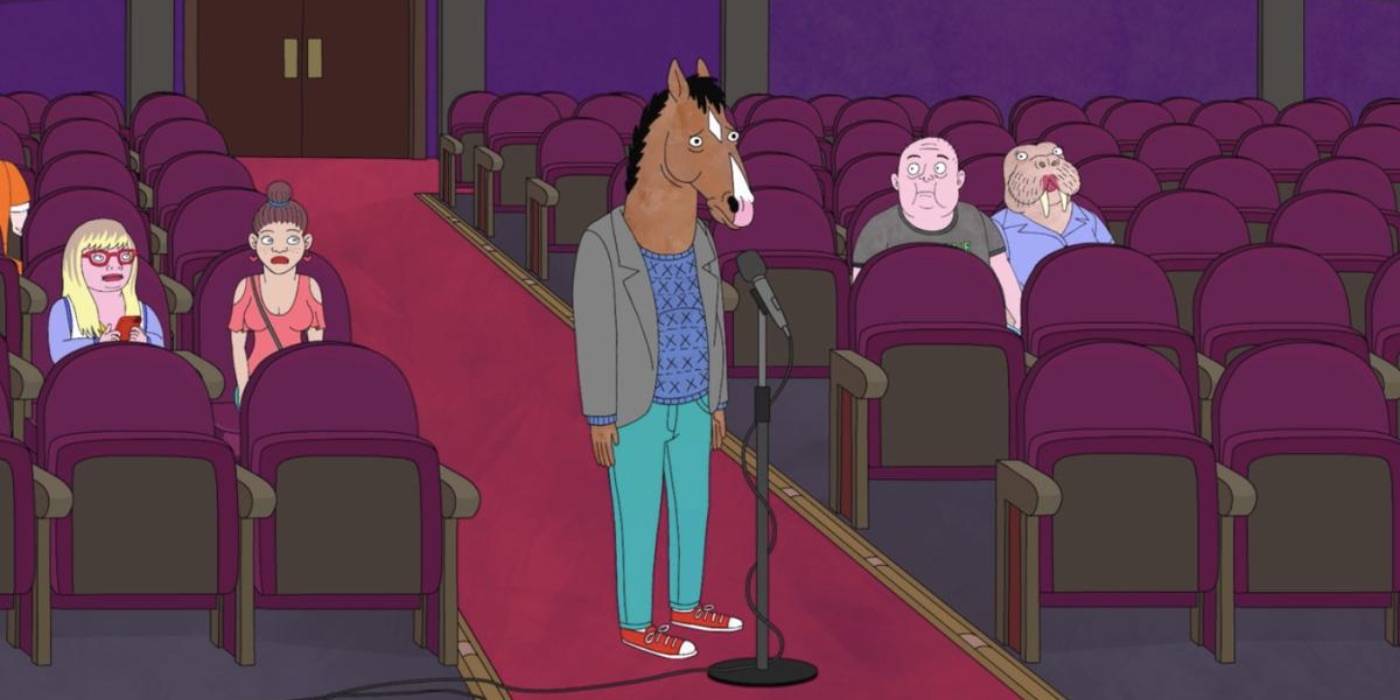
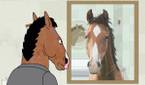
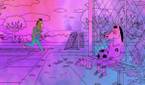
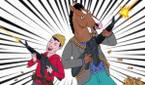
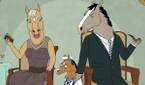
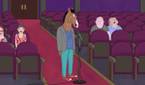
"Downer Ending" was an early indication of just how deep and dark BoJack Horseman was willing to go. In a drug-induced hallucination, BoJack reckons with his laundry list of personal demons. Chief among them are his loveless relationship with his parents, his inability to hold a steady relationship, and his ever-shifting sense of self. Somehow, this is all good fun. The peculiar genius of BoJack Horseman is that it can juggle heavy themes with jovial, silly humor, and there are plenty of laughs to brighten up BoJack's dark night of the soul.
