


Summary
- Long-running TV shows often undergo significant changes, such as cast replacements and shifts in the premise, but it's up to the show to adapt and transition to these changes.
- Some shows have benefited from unexpected changes, improving over time, while the early seasons can seem strange in comparison. Change should not always be seen as negative.
- It's fascinating to see how different TV shows handle massive changes and why some manage to fare better than others. Each show faces unique challenges in reinventing itself and appealing to its audience.
It's not uncommon for long-running TV shows to change a little over time, but in some extreme cases, they become completely unrecognizable. Cast changes are always a certainty for shows that continue for years and years, and it isn't always easy to navigate such massive shifts. Another factor which can force a show to change is a plot that reaches its natural conclusion. In these cases, shows have to find new ways to continue, even when their original premise is burned out. This isn't necessarily a bad thing, but it means that shows must completely reinvent themselves.
Any show that is on for long enough will undergo some kind of change. Some of these changes are forced, and some of them are planned from the start. What matters most is how a show responds to these changes and how it manages to transition to its new circumstances. Many shows have gotten a lot better as a result of unexpected change, and the early seasons start to seem strange over time. Change is inevitable, but it shouldn't automatically be treated as a negative. It's interesting to see how different TV shows have handled massive changes, and why some have fared much better than others.
10 Community (2009-2015)
Turbulent cast changes and a shifting premise


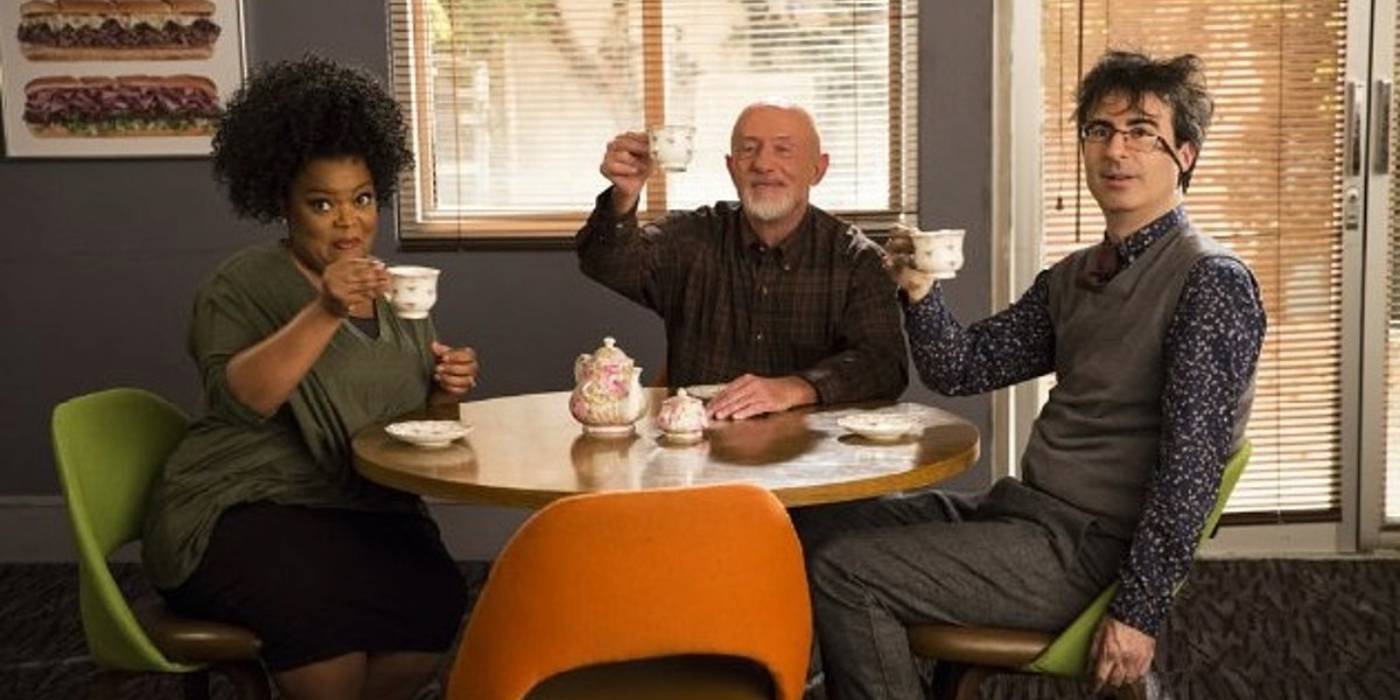
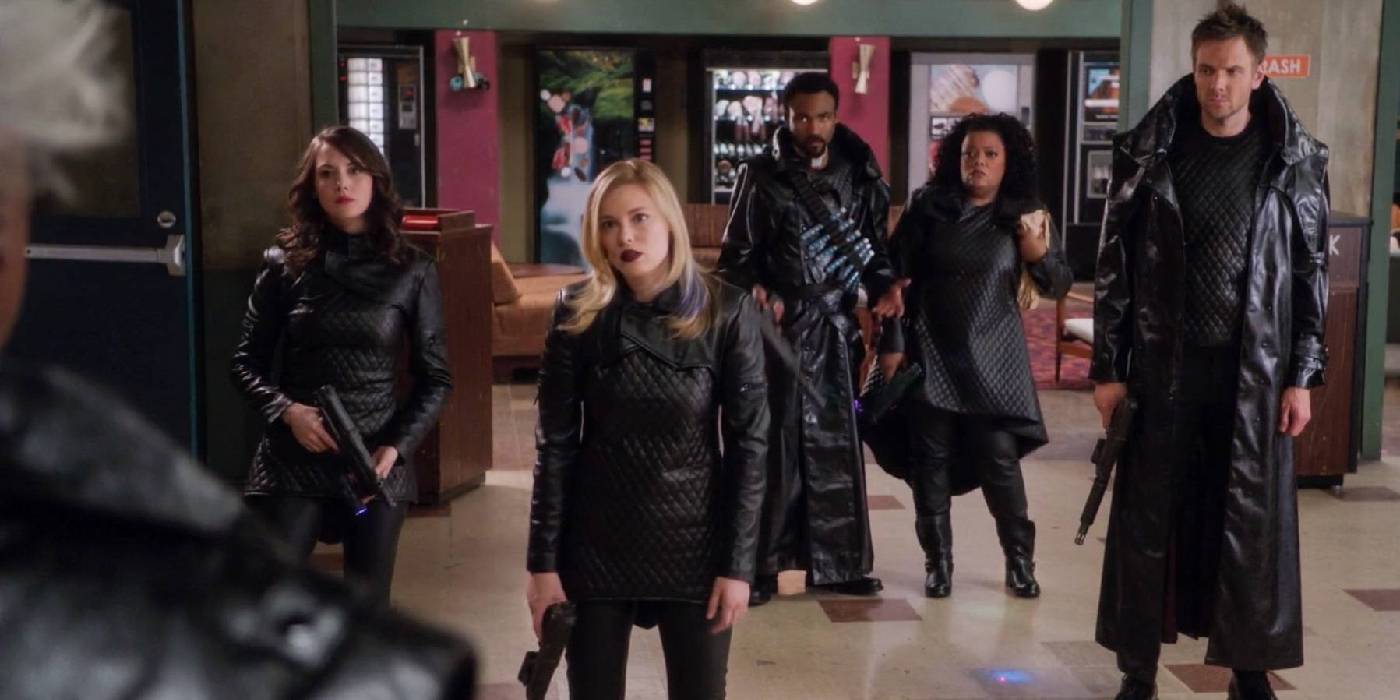
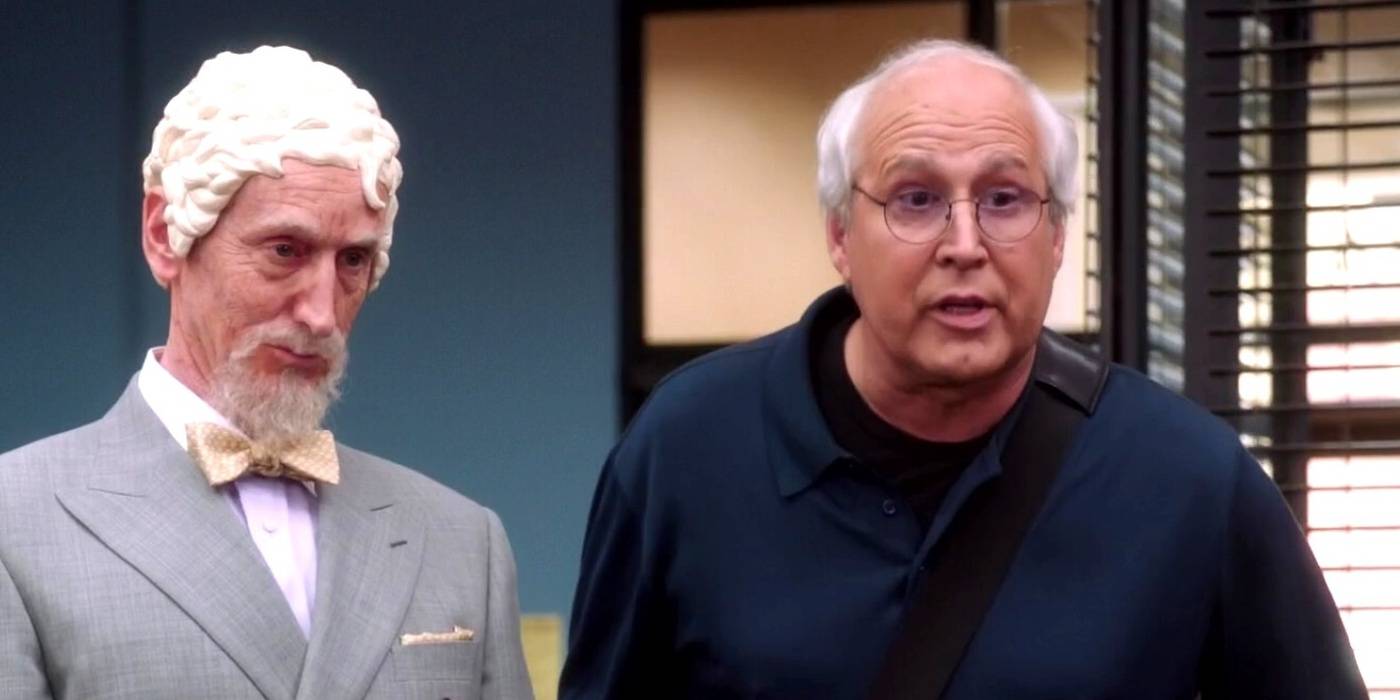
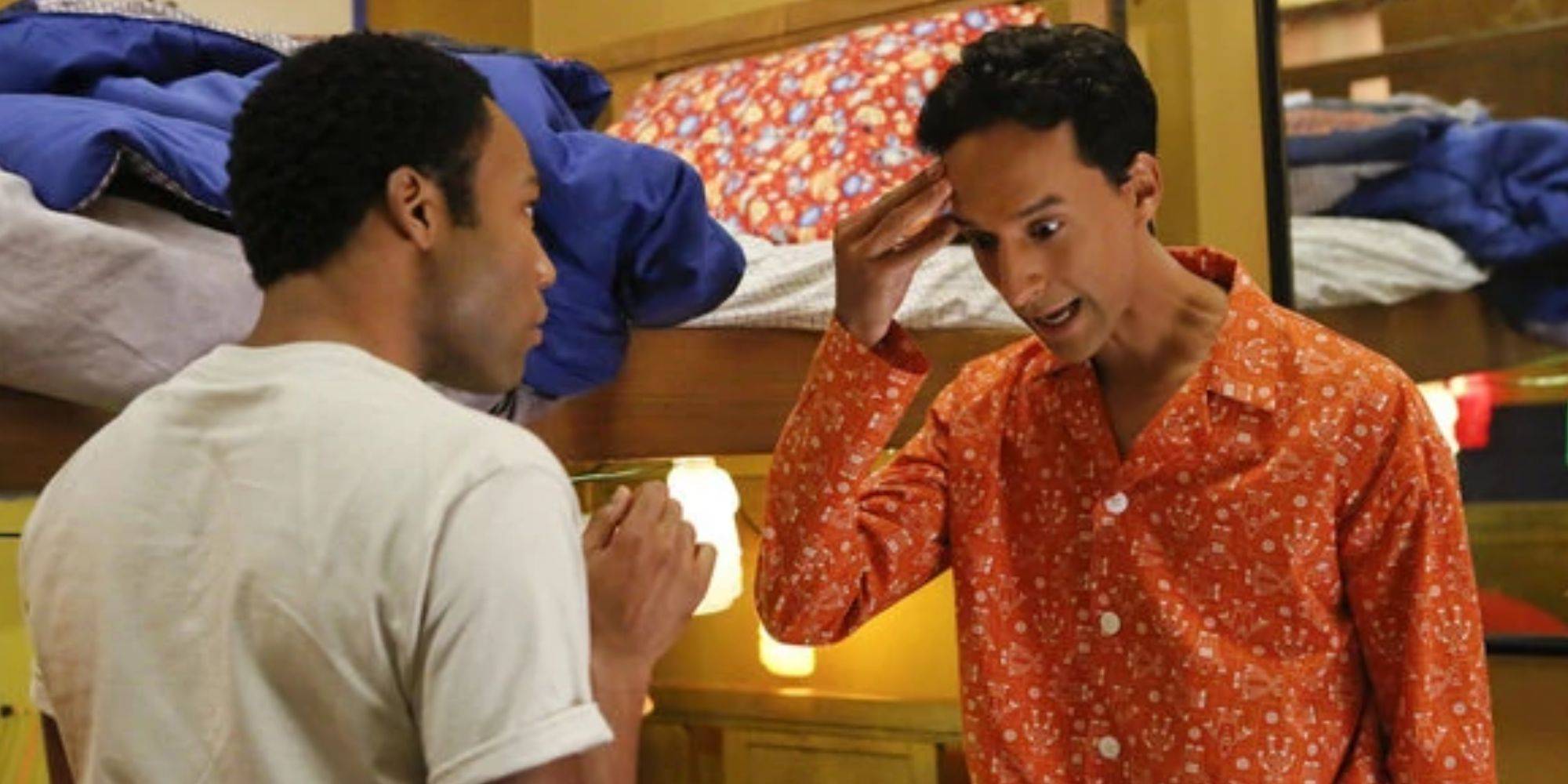
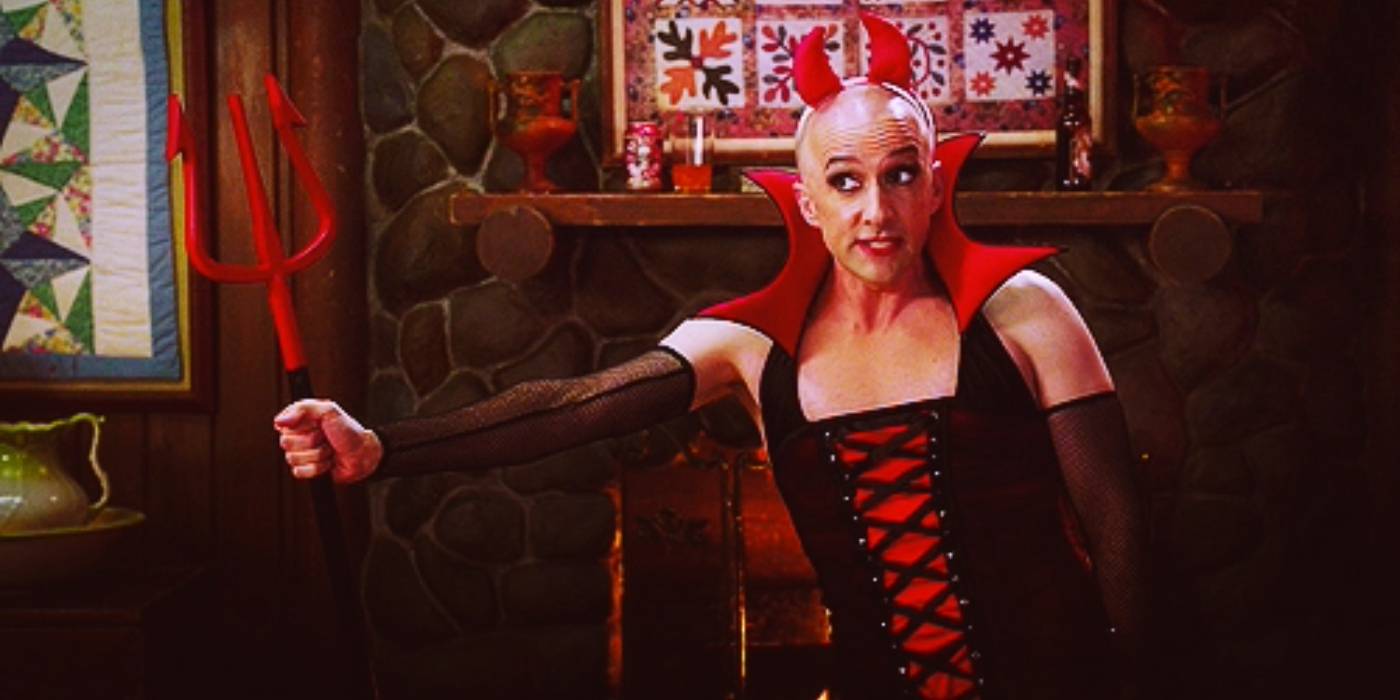





A community college education is not supposed to last for six years, so Community had to get creative to keep things interesting throughout all six seasons. The core cast started out as a study group for a Spanish class, but they underwent a number of big changes, and the study group aspect was ditched completely. Jeff became a professor, and new cast members were brought in to replace Donald Glover, Chevy Chase and Yvette Nicole-Brown, who all left before the series ended. The upcoming Community movie looks like it will include Glover and Nicole-Brown, but Chase left the show in acrimonious circumstances, so it’s unlikely he will return.
9 Archer (2009-2023)
Jumping between genres with glee

The first seven seasons of Archer follow the world’s greatest secret agent as he bounces from one perilous mission to the next, but the show changes forever after he falls into a coma. Seasons 8, 9 and 10 of Archer take place entirely within Sterling Archer’s subconscious. Familiar characters are given new personas in different eras which Archer imagines. The show expands from its spy parody premise to include pirate adventures, sci-fi horror, and film noir pastiches. Archer wakes up in season 11 and normal service is resumed, but the show is never quite the same. The Archer series finale somehow manages to tie up 14 seasons of genre-hopping chaos.
8 Prison Break (2005-2017)
The original premise ran its course

Prison Break probably should have been kept to just one season. The show’s gripping drama meant that there was always going to be an audience for more, but the storytelling lacked the clarity of purpose that the first season had. After the prison break, there wasn’t much need to continue a show called Prison Break, and the show had to generate increasingly complex conspiracies or bizarre twists to keep the action going. Prison Break’s revival season tried to cover old ground once again, but the spark was long gone, and the show barely resembled the first season which made it so great.
7 Killing Eve (2018-2022)
The plot needed a sudden rethink


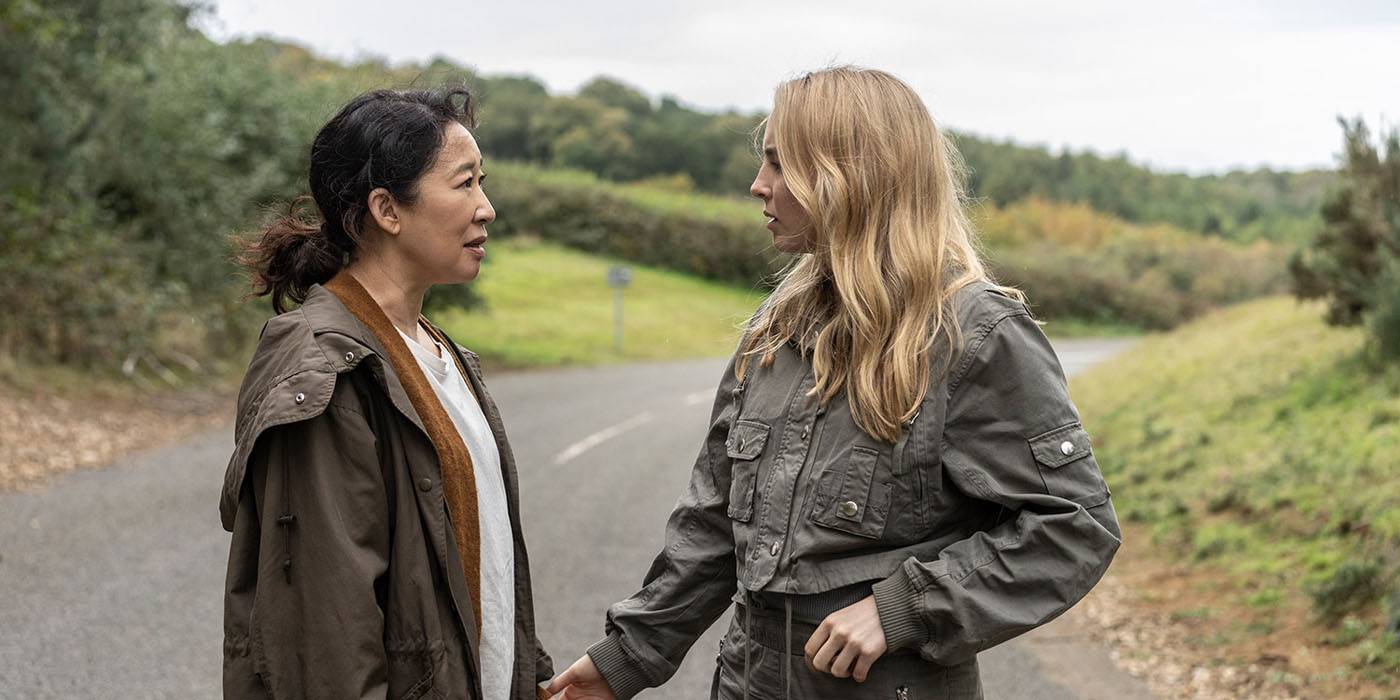
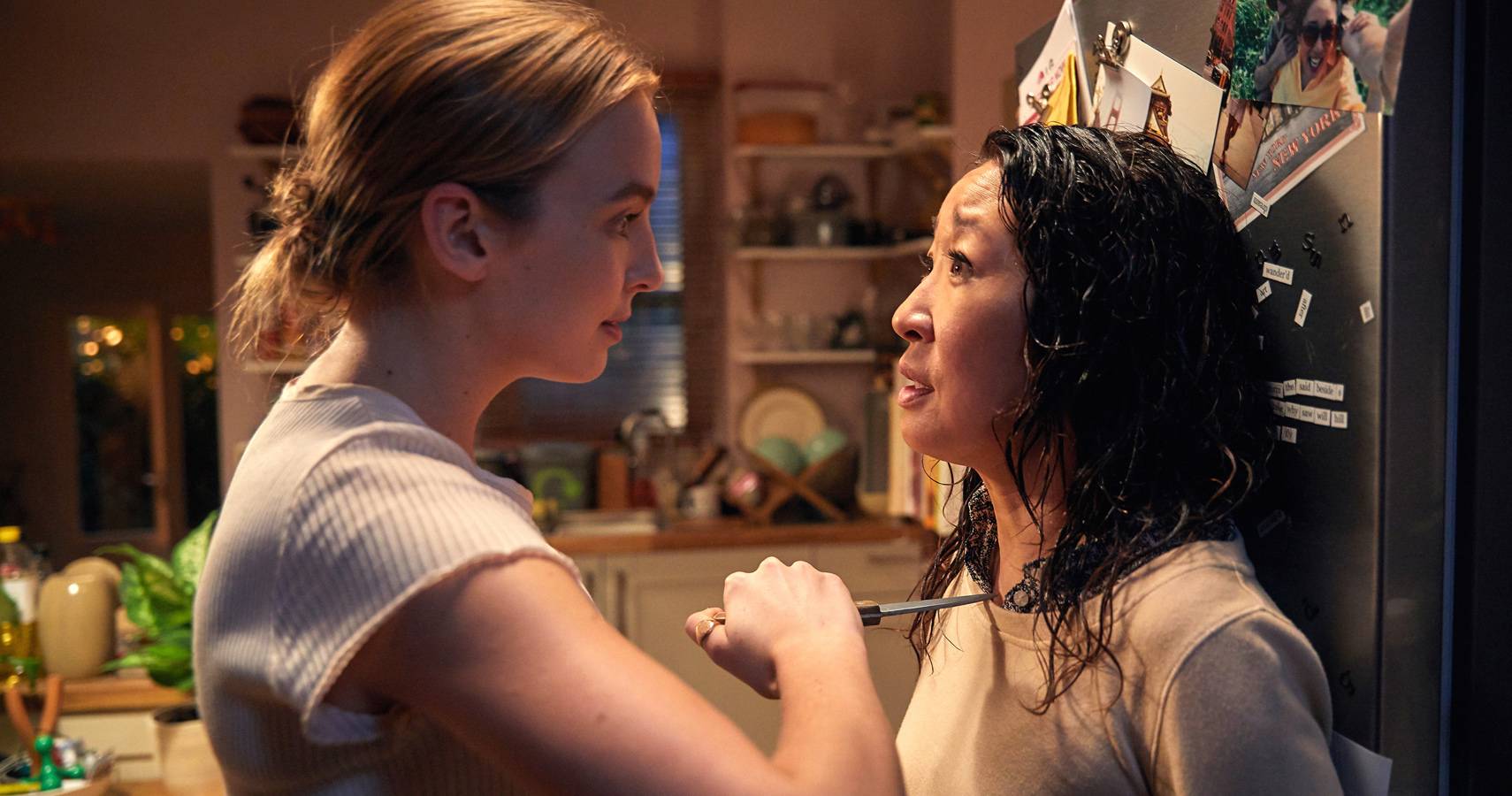
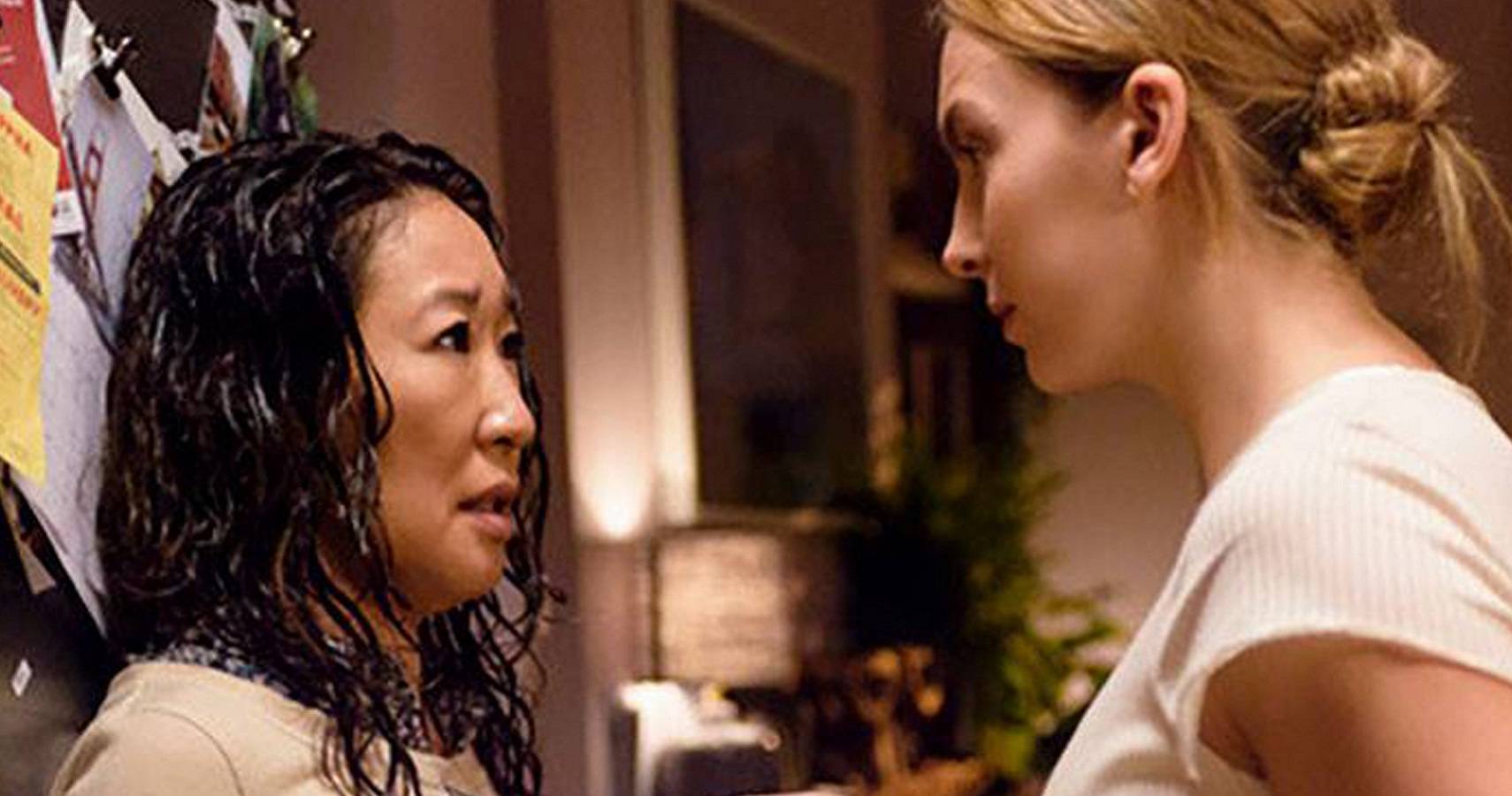



Once the two finally get to know one another, the mystery dissipates.
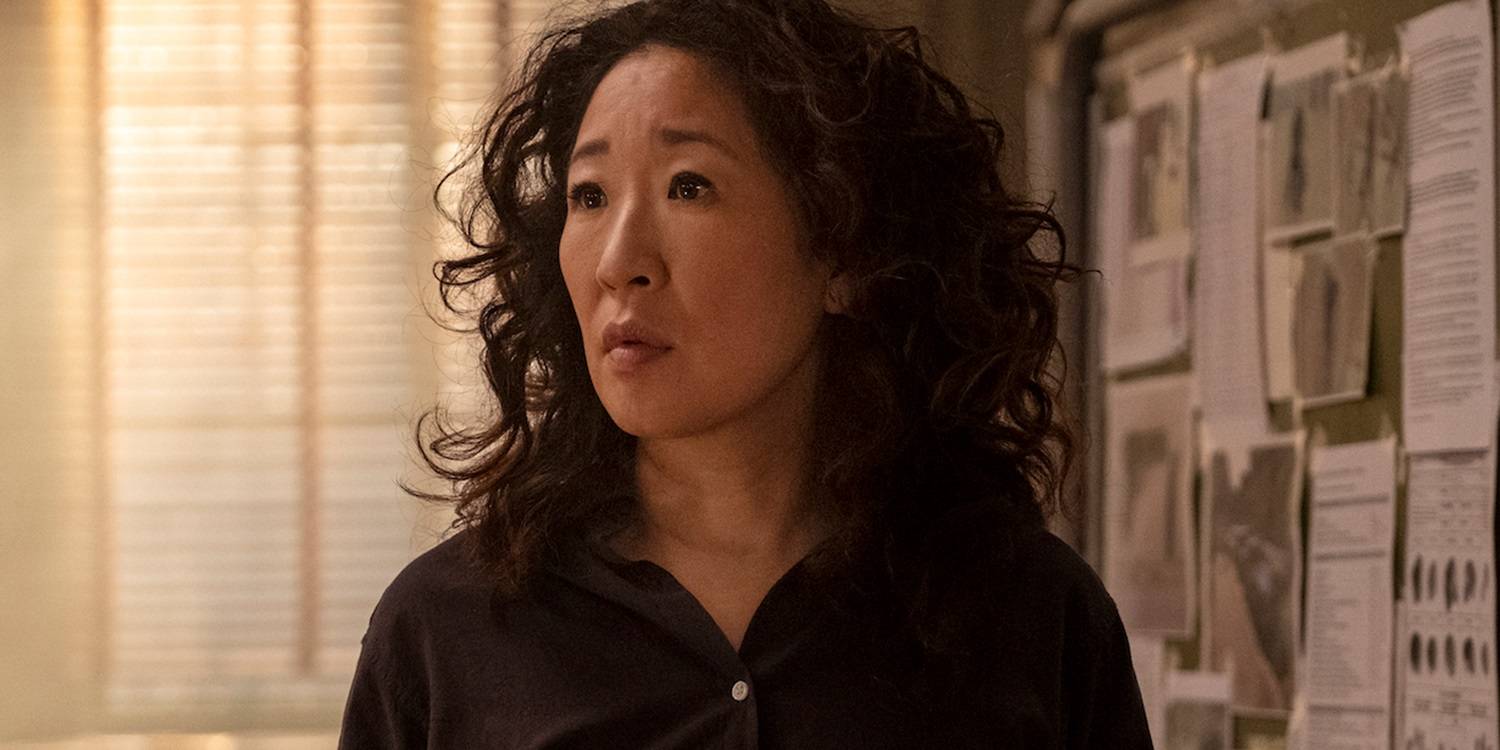
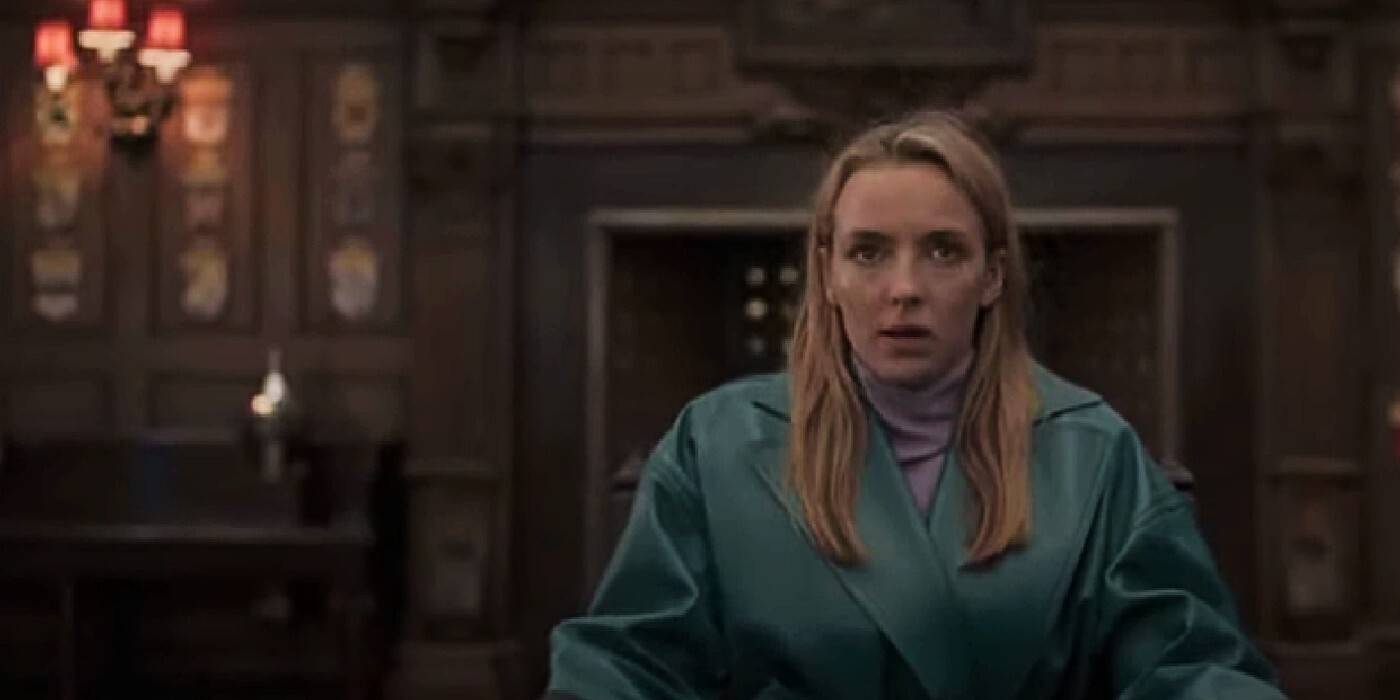
Killing Eve faced the same challenge that Prison Break did. It had a dynamite premise, but it struggled to reinvent itself after the initial tension was resolved. The start of Killing Eve portrays the dangerous game of cat-and-mouse between an MI5 security officer and a volatile, sociopathic assassin. Eve and Villanelle are both obsessed with one another in ways neither of them fully understands. There are definite sapphic undertones to their rivalry, but Villanelle is little more than a specter at first. Once the two finally get to know one another, the mystery dissipates. Killing Eve must then conjure a new story, unrelated to the original plot.
6 Adventure Time (2010-2018)
Not just for children anymore

Adventure Time starts out as a rainbow-colored children’s show about two friends on zany adventures in a land populated by candy creatures. There is very little in the earliest episodes to suggest just how dark and mature the show would eventually become. It’s still appropriate for children throughout, but Adventure Time delves into its rich lore, including the nuclear war which ended human civilization and irradiated the Earth for centuries. Finn and Jake still have the same fun adventures with some hilarious characters, but there are more horror episodes later on, and the show becomes much more appealing for adults.
5 Master Of None (2015-2021)
Different characters, setting, tone and focus

After two critically acclaimed seasons of Master of None, creator and star Aziz Ansari faced allegations of sexual misconduct. After briefly receding from the public’s gaze, Ansari went ahead with Master of None season 3, but he switched the show’s focus to Denise, who had been a relatively minor character for the first two seasons. The third season features very little in common with the ones that came before it. It’s not just the story that is disconnected. The tone is also much darker and less humorous, as the show delves into Denise’s tumultuous marriage and her career as a novelist.
4 Scrubs (2001-2010)
A new sitcom with the same old name


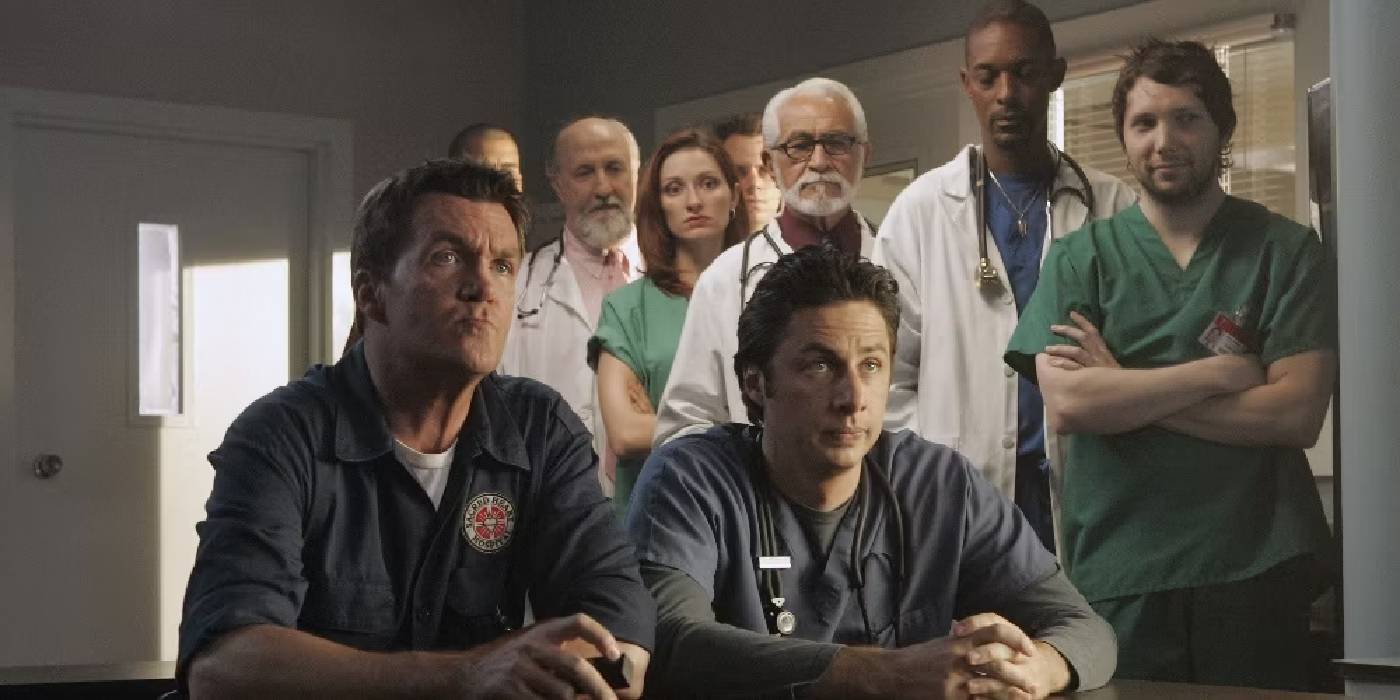
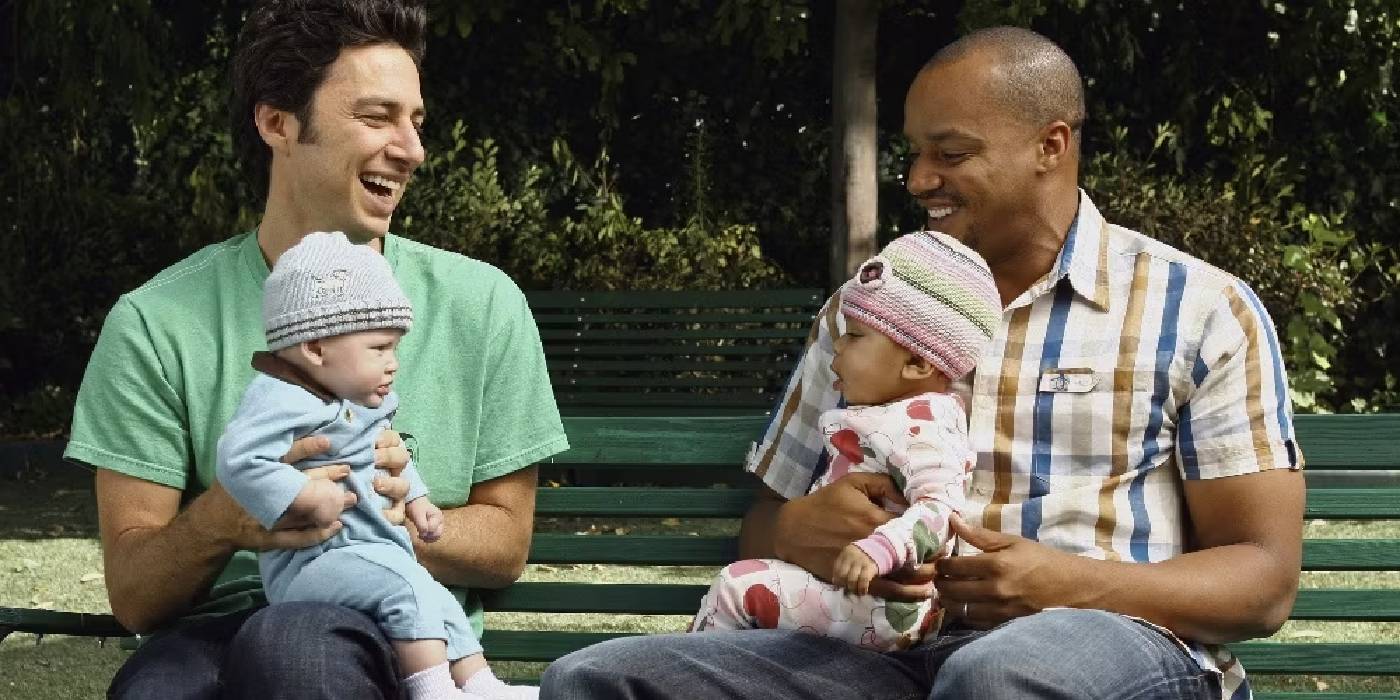
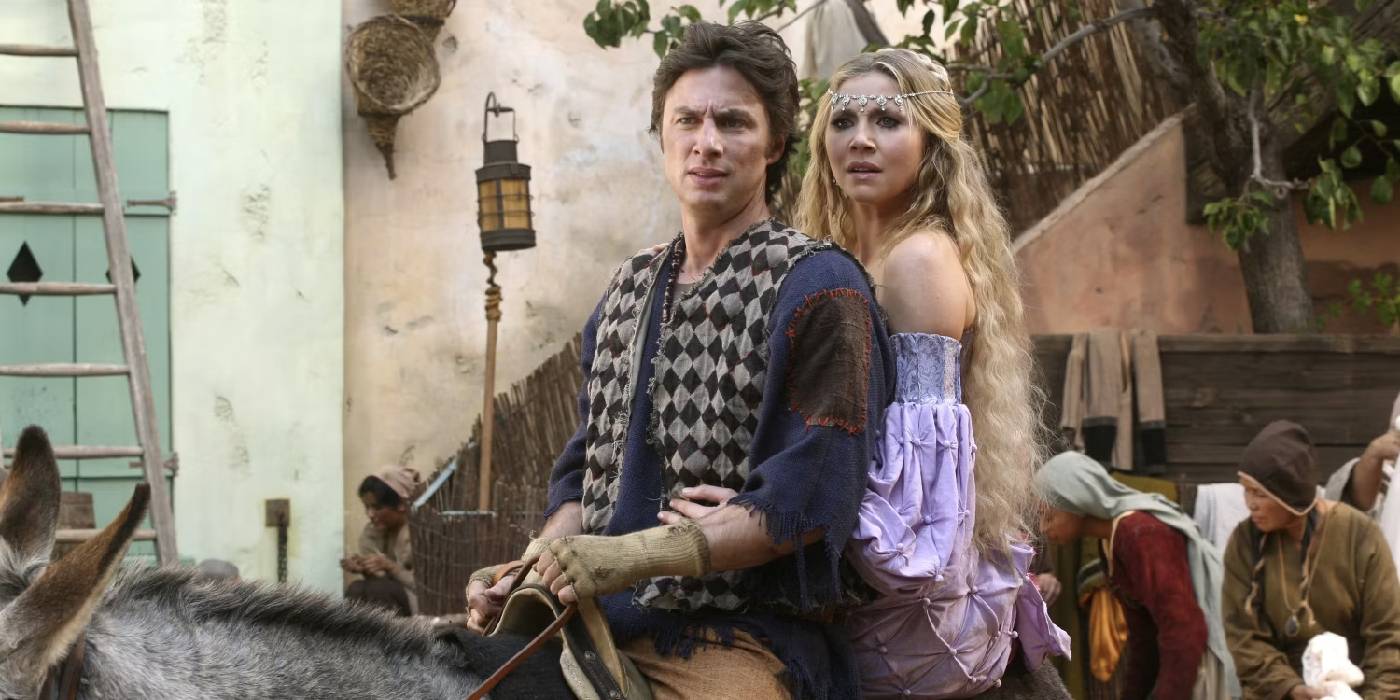
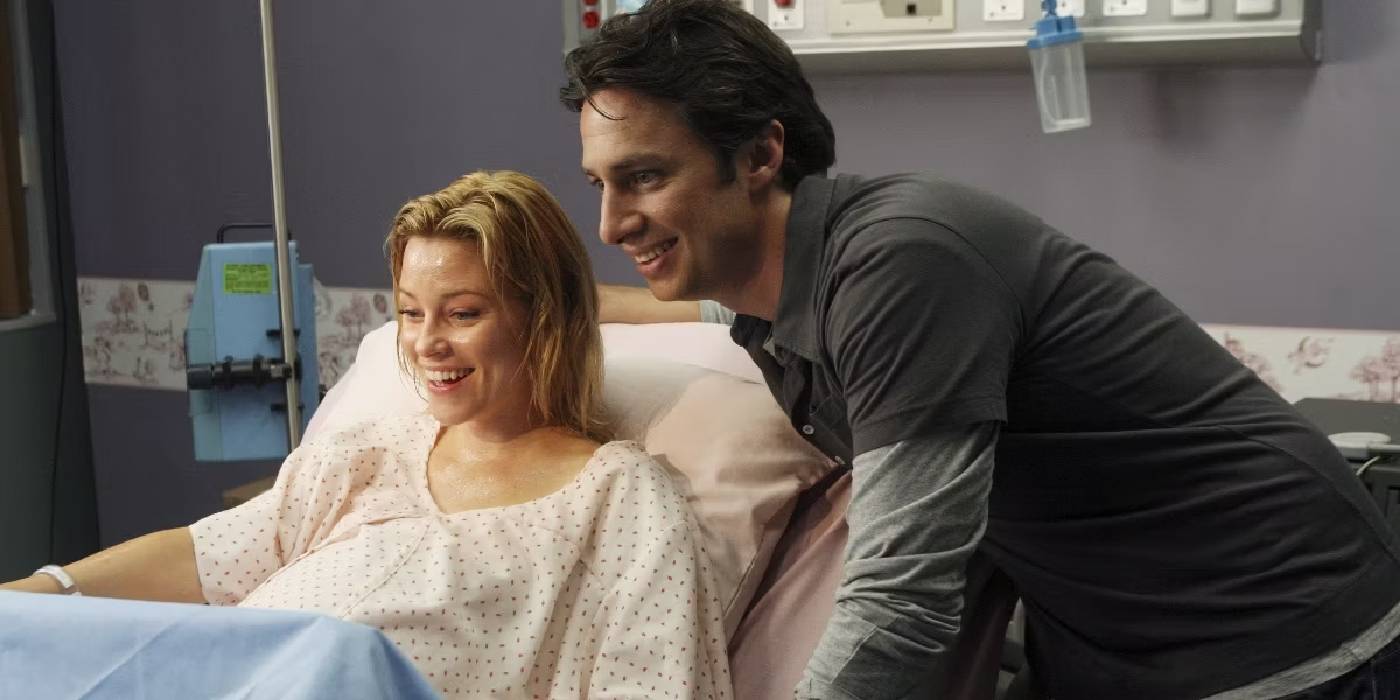





For the most part, Scrubs follows Elliot, Turk, and J.D. as they learn the ropes of medicine under the fiery Dr. Cox and Dr. Kelso. As the show progresses, they make their way up from lowly interns to become established doctors with more responsibilities and more stress. But the final season feels like a completely different show. After a brilliant series finale at the end of season 8, Scrubs was unexpectedly resurrected for a ninth season, but some stars didn’t return. Zach Braff only appeared in six episodes, as the focus shifted completely to a new cast of medical students. Season 9 of Scrubs is widely considered to be the worst.
3 South Park (1997-)
A gradual move away from convention

South Park overhauled its visual style after the pilot episode, ditching the painstaking cutout animation for easier computer-generated animation. But this isn’t the biggest change in the history of the show. South Park has shifted in recent years from a more traditional sitcom, where each episode acts as a standalone story, with some overarching plots, to a more serialized show. Many of the most recent episodes don’t make sense out of context. This all began when South Park ambitiously tried to satirize the 2016 Presidential Election in real-time, with episodes parodying real-life events which happened mere days before the show. South Park’s hour-long specials continue this trend.
2 Law & Order: Special Victims Unit (1999-)
One character takes over completely

Most long-running procedural shows go through a lot of cast changes, but these rarely impact the format and focus of a show as drastically as they have impacted Law and Order: Special Victims Unit. The show starts out by following the whole team of detectives equally. Olivia Benson and Elliot Stabler are the two main stars, but other characters get their own episodes which put them in the spotlight. In the later seasons, Benson becomes Captain, and the primary focus of the show. SVU has also become more of a serialized drama, with cases often running for multiple episodes. This helps SVU tie into Stabler’s new show, Organized Crime.
1 The Good Place (2016-2020)
Bigger and stranger with each season


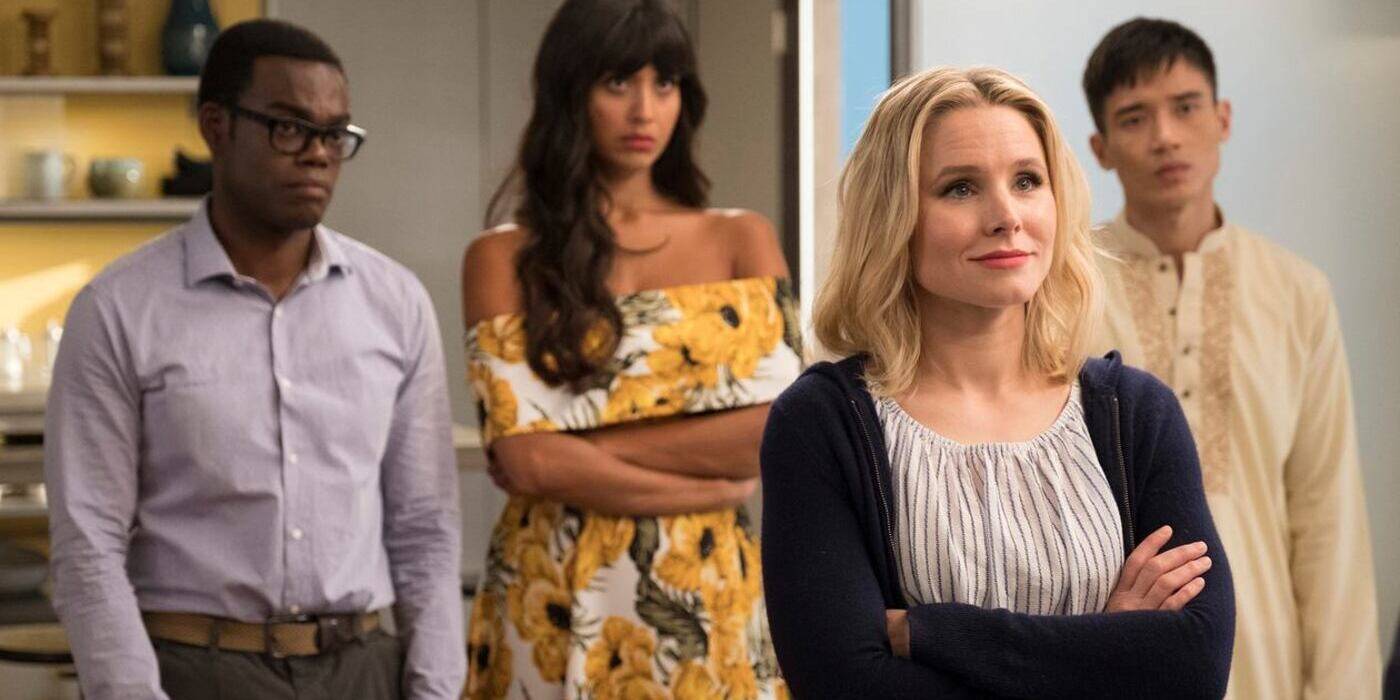

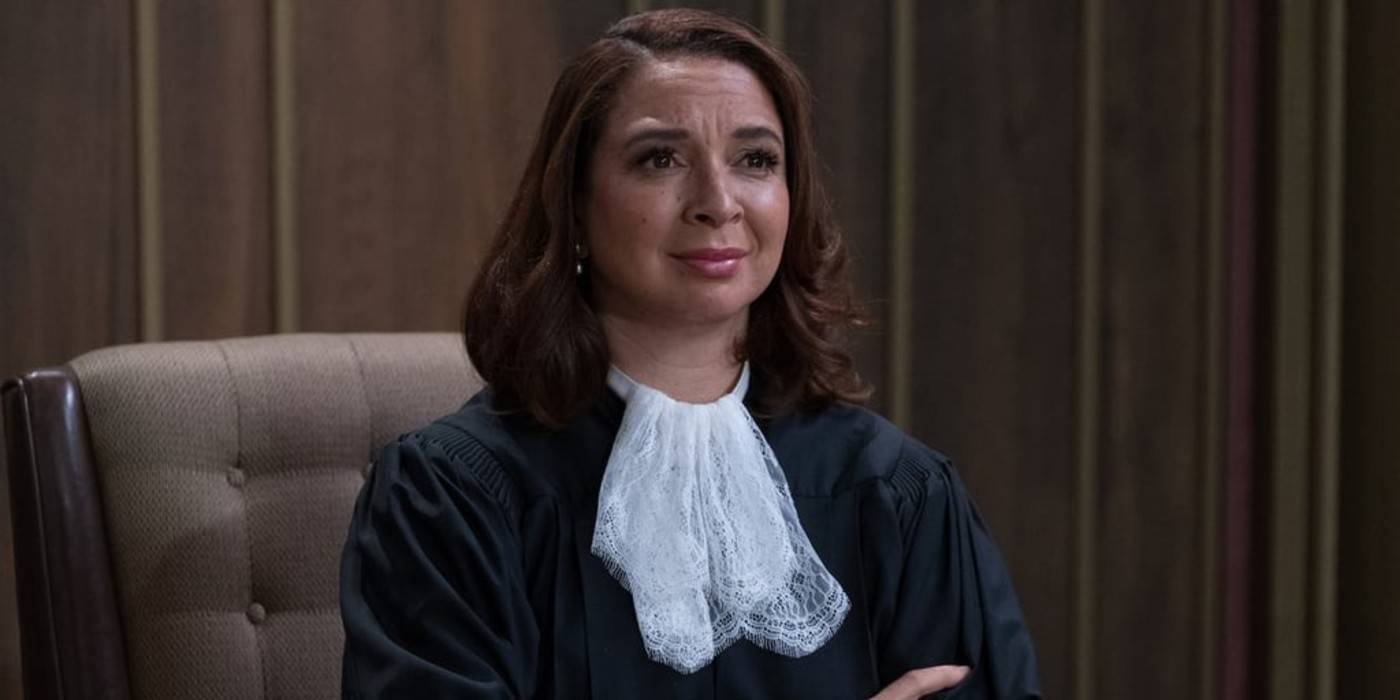




As the show continues, it forces itself to constantly raise the stakes and expand the scope.
The Good Place starts off with Eleanor waking up in the afterlife. They don’t use terms like heaven or hell, but Eleanor is told that she is in “the Good Place.” As the show continues, it forces itself to constantly raise the stakes and expand the scope. The Good Place always dealt with ontological and theological philosophy, but it worked well as a relatively humble sitcom with distinct characters in unlikely situations. By the end of the show, these characters were tasked with deciding the fate of the entire universe and every human soul in existence. Ultimately, four seasons were enough for The Good Place.
