


Summary
- Power Rangers: Same story every week, new monster to fight.
- House: House saves the day with his genius solutions.
- CSI: A new murder each week, unexpected killer reveal.
While formulaic TV shows can cause a story to drag or become boring, there are some that are great, even if every episode feels the same. Genres such as situational comedies and even the best TV crime procedurals often use a formula in their storytelling, but not exclusively. There are some shows that, at a closer look, have reused the structure of a story in every episode.
A formula for storytelling can make or break the success of a TV show. A show with a lack of formula or structure can make it difficult to follow. Even though repetitiveness in TV shows can result in the story becoming monotonous or predictable, this isn't always the case if it's done well. While there are plenty of examples of formulaic shows that went downhill, there are also some great TV shows that nailed their formula.
7 Power Rangers
30 Years Of The Same Story




- Created by
- Haim Saban, Shuki Levy, Shotaro Ishinomori
- First TV Show
- Mighty Morphin' Power Rangers
- First Film
- Mighty Morphin Power Rangers: The Movie
- Latest Film
- Power Rangers
- Latest TV Show
- Power Rangers Cosmic Fury
- First Episode Air Date
- August 28, 1993
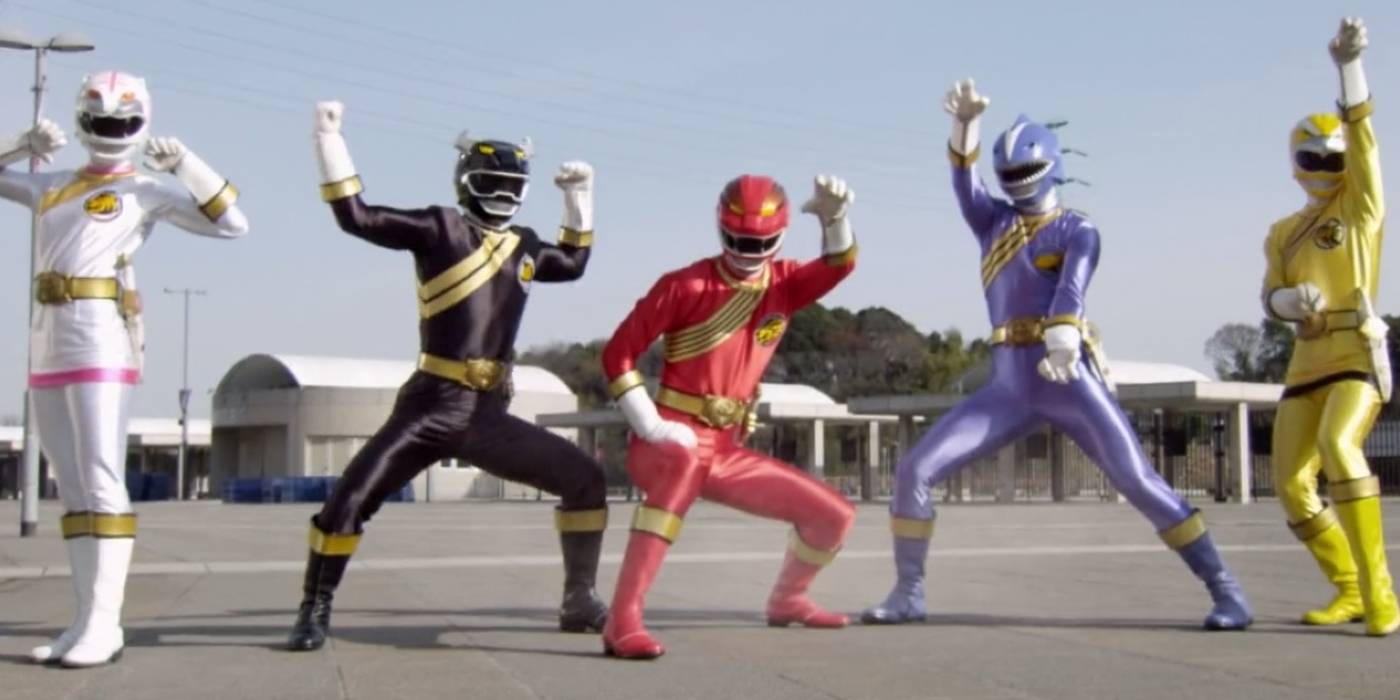
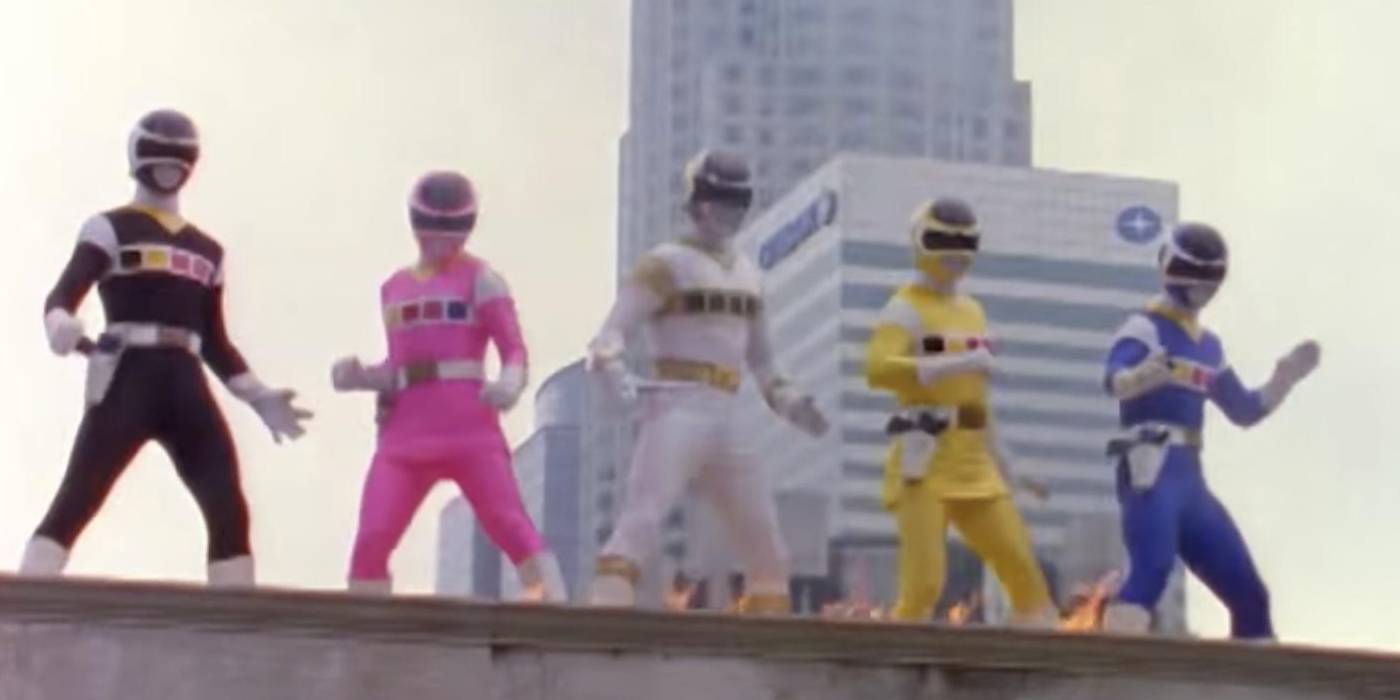
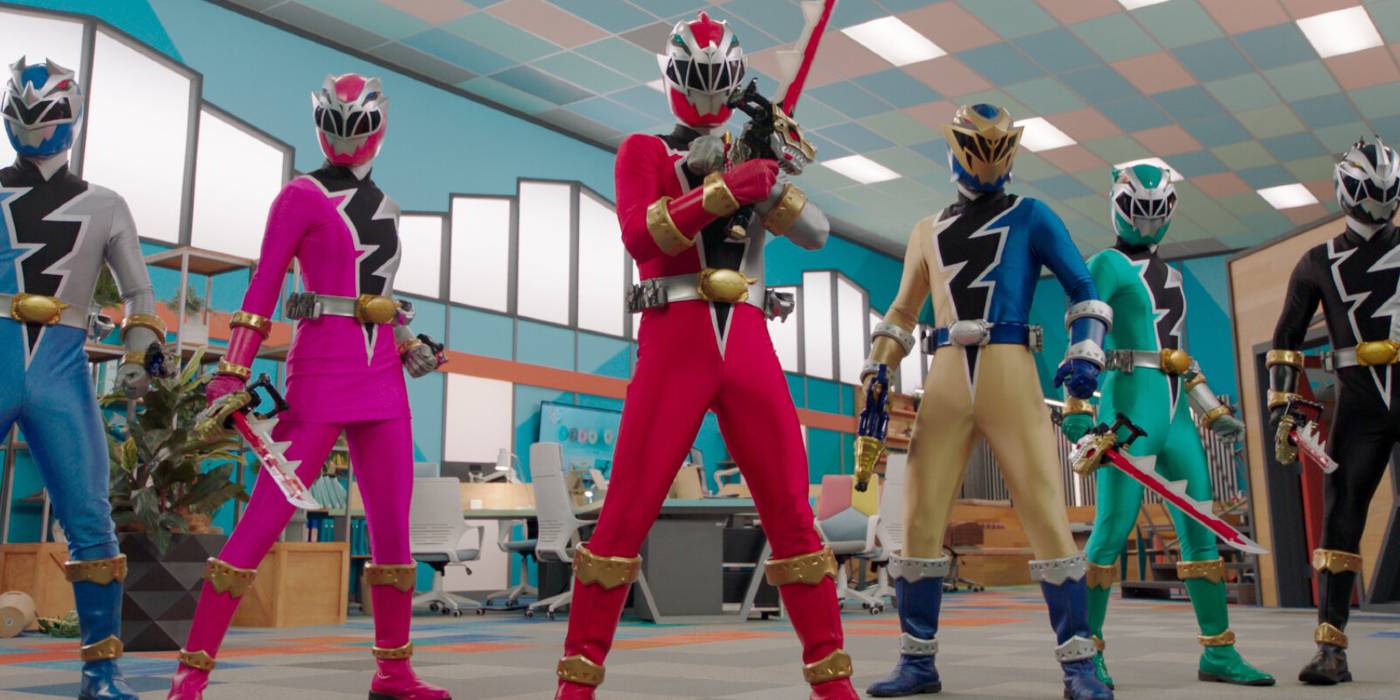
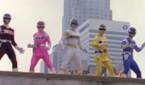
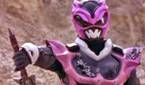
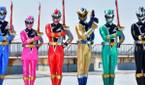
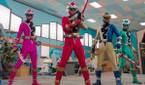
Despite there being an incredible 30 seasons of Power Rangers under a variation of different TV show names, it still managed to provide audiences with the same story week after week. Starting with Mighty Morphin Power Rangers in 1993, the show set up a standard for each episode. While each episode has differing underlying themes and messages, it can be reliably expected to show a panic surrounding the identities of the Rangers being revealed, a monster of the week, and action-packed fight scenes. By the end, everything is wrapped up nicely, the world saved, and the Rangers still safely unknown.
6 House
The Problem Can't Be Solved Without House







- Release Date
- November 16, 2004
- Seasons
- 8

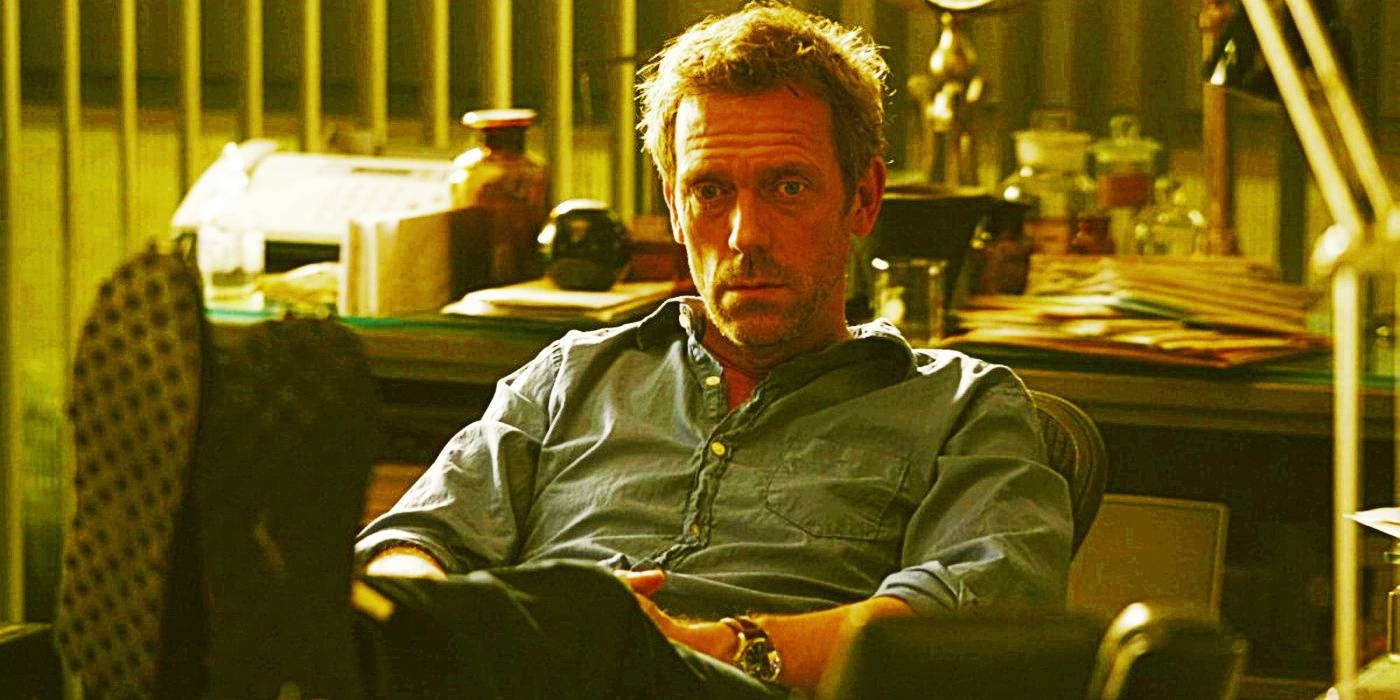
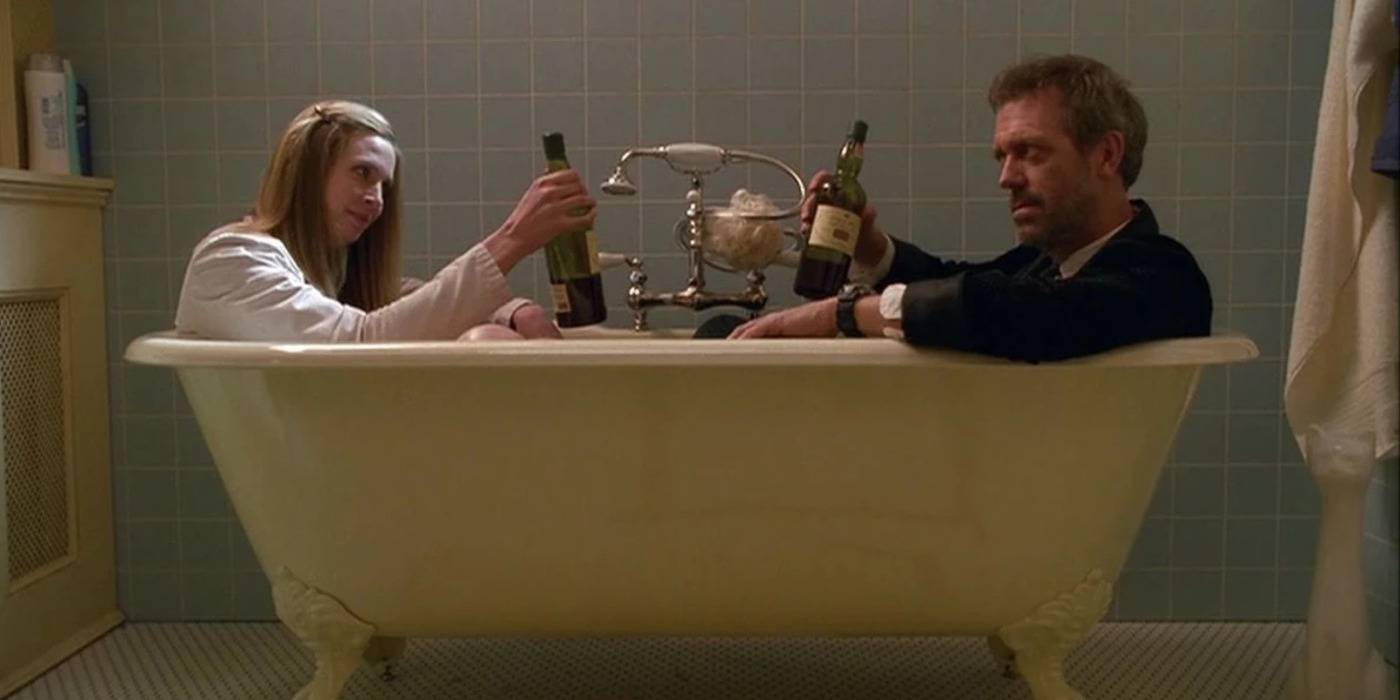
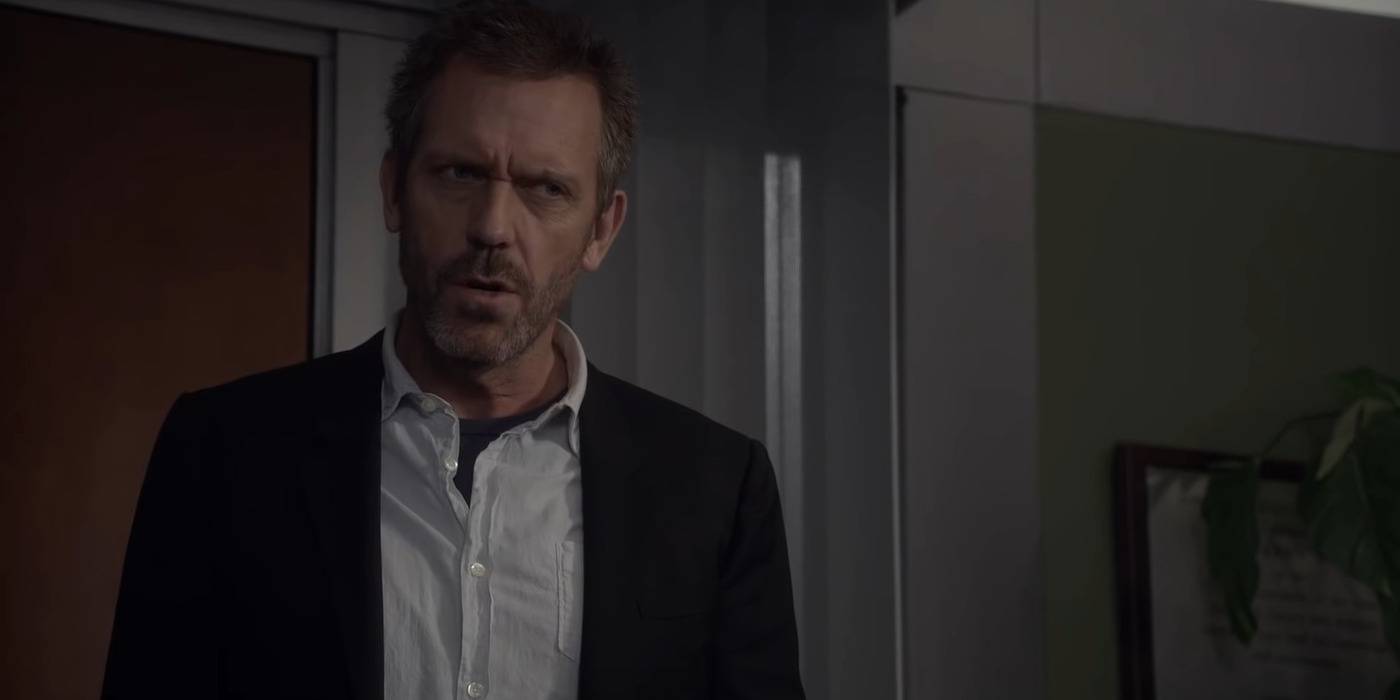
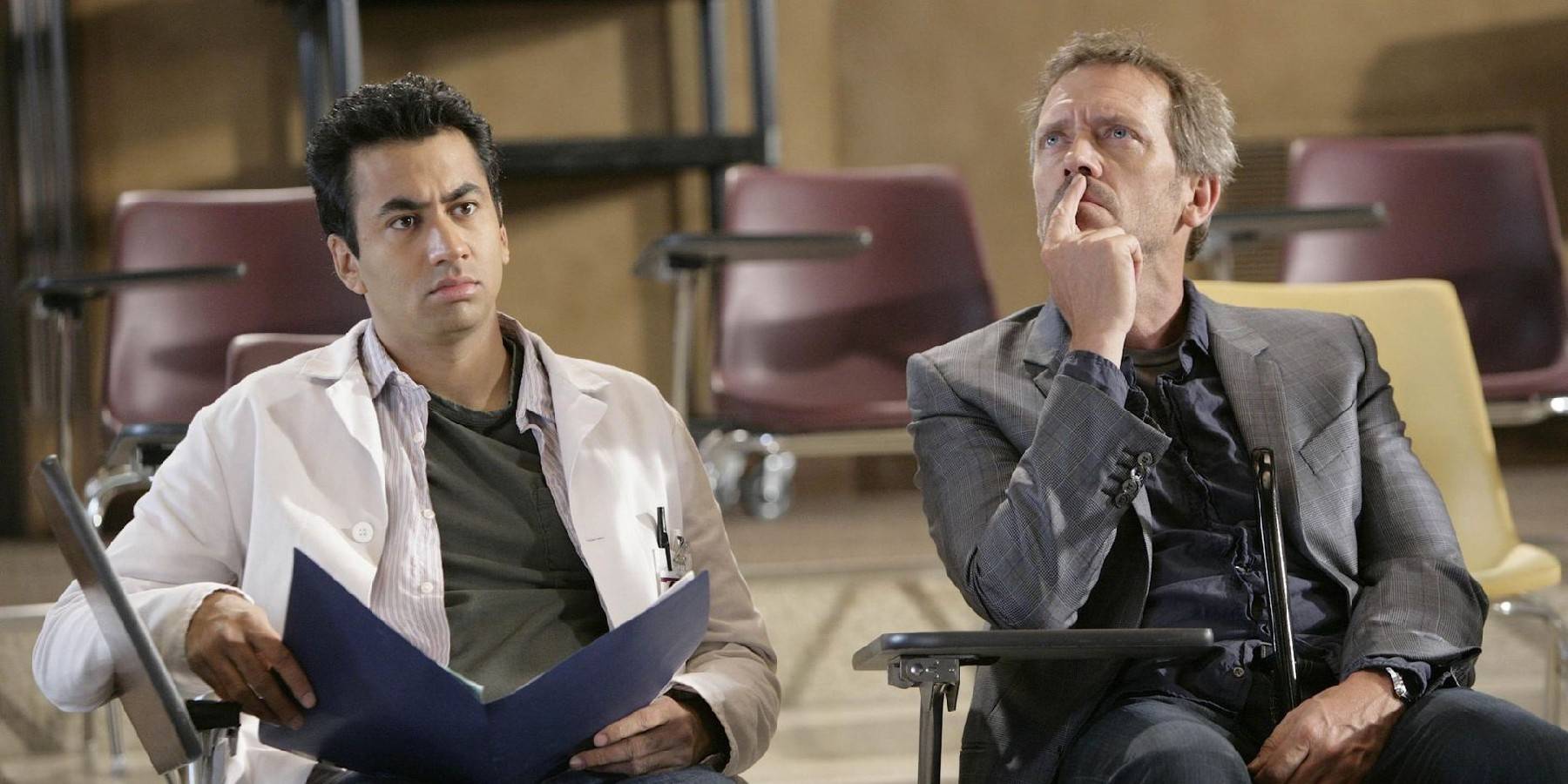
House's formula almost always runs through its titular character, portrayed by British actor Hugh Laurie. With each episode came a new medical mystery for himself and Princeton–Plainsboro Teaching Hospital to try and solve, but after some thought and debate, Gregory House is usually the one to save the day, coming up with an absurd but genius solution after probing patients with personal questions and rude comebacks. He manages to see the details that others cannot, and most of the time is the only one who manages to get things resolved.
5 CSI
The Killer Is Never Who They Expected

- Created by
- Anthony E. Zuiker, Carol Mendelsohn, Ann Donahue, Jason Tracey
- Cast
- William Petersen, Marg Helgenberger, Gary Dourdan, Paul Guilfoyle, Jorja Fox, Louise Lombard, Ted Danson, David Caruso, Emily Procter, Adam Rodriguez, Gary Sinise, Melina Kanakaredes, Patricia Arquette, James Van Der Beek
- TV Show(s)
- CSI: Crime Scene Investigation, CSI: Miami, CSI: NY, CSI: Cyber, CSI: Vegas
- First TV Show
- CSI: Crime Scene Investigation
- Character(s)
- Gil Grissom, Catherine Willows, D.B. Russell, Sara Sidle, Calleigh Duquesne, Mac Taylor, Stella Bonasera, Avery Ryan, Elijah Mundo, Josh Folsom
- Video Game(s)
- CSI: Crime Scene Investigation, CSI: Dark Motives, CSI: 3 Dimensions of Murder, CSI: Hard Evidence, CSI: Miami, CSI: NY, CSI: Deadly Intent, CSI: Crime City, CSI: Fatal Conspiracy
The CSI franchise, including CSI and spinoffs shows like CSI: Miami, are some other examples of TV shows that can be boiled down into one repetitive pattern. Each week comes with a new murder victim being discovered, and the interrogation of various people who were around the scene at the time, trying to narrow down who the killer might be. CSI also tends to use red herrings often, with the character who is set up to be the prime suspect ending up being innocent, and the reveal that the first suspect that had been ruled out was the one behind it.
4 The Fairly OddParents
Magic Washes Away The Chaos At The End Of Each Episode


While it makes sense for a children's show to use a formulaic procedure, The Fairly OddParents is one that's structure can be most easily identified. Not only do the characters never seem to age, with Timmy Turner (Tara Strong) forever being the age of 10, but the fallout of Timmy's wishes never seems to make an impact, and all is forgotten about by the next episode. Each episode sees Timmy have a want or desire for something, either physical or emotional, and then use Cosmo (Daran Norris) and Wanda (Susanne Blakeslee) to get it.
When he eventually realizes that it's not all that's cracked up to be, or gets himself in trouble somehow, the fairies then magically reverse it all. Within the show's 23-minute episode runtime, Timmy learns a lesson and moves on, ready to do it all again in the next story. Although the details of each story are different, introducing various characters both new and recurring, the basic structure can be seen in every episode of The Fairly OddParents.
3 The Walking Dead
Survival Is Repetitive

The Walking Dead
Cast
-
 Norman Reedus
-
 Melissa McBride
-
 Lauren Cohan
-
 Danai Gurira
- Release Date
- October 31, 2010
- Seasons
- 11
Although The Walking Dead had some brilliant, unexpected moments that threw its plot into chaos, a majority of it did follow the same format. Creator Robert Kirkman has even acknowledged The Walking Dead's formula in the past too, responding to the criticism of the show's use of a repetitive loop with its storylines. Especially in the middle of a season, a general episode of The Walking Dead would see its characters locate a new, safe space for them to inhabit, protected from the plague of zombies stumbling around. It wouldn't last long, however, and the whole process would begin again.
The Walking Dead also sees a lot of repetitive occurrences throughout its entire run. Regardless of what point in the show, there's usually a character who is filled with more angst than usual, a dramatic and tense argument between the survivors, and a lot of walking. Although the formula of The Walking Dead does progress and change, especially from season 5 onward, there are still parts of its structure that can be identified in every single episode. While The Walking Dead's main theme is survival, it's surprising just how much repetitiveness is involved in surviving the undead.
2 Scooby-Doo
The Villain Is Always A Human

While it may not have been the first, the Scooby-Doo TV series has easily the most recognizable use of formulaic episodes. Following a story-of-the-week format, each episode would see the gang encounter some form of supernatural threat and investigate it. However, by the end of the episode, it would be revealed that there was never a supernatural element, instead a ruse by that week's villains to disguise themselves. This reliable format is one of the reasons why Scooby-Doo has been such a success, having produced multiple TV shows, films, and even video games since it was first created in 1969.
1 The Big Bang Theory
Sheldon Can Always Be Relied On To Cause Friction





- Release Date
- September 24, 2007
- Seasons
- 12
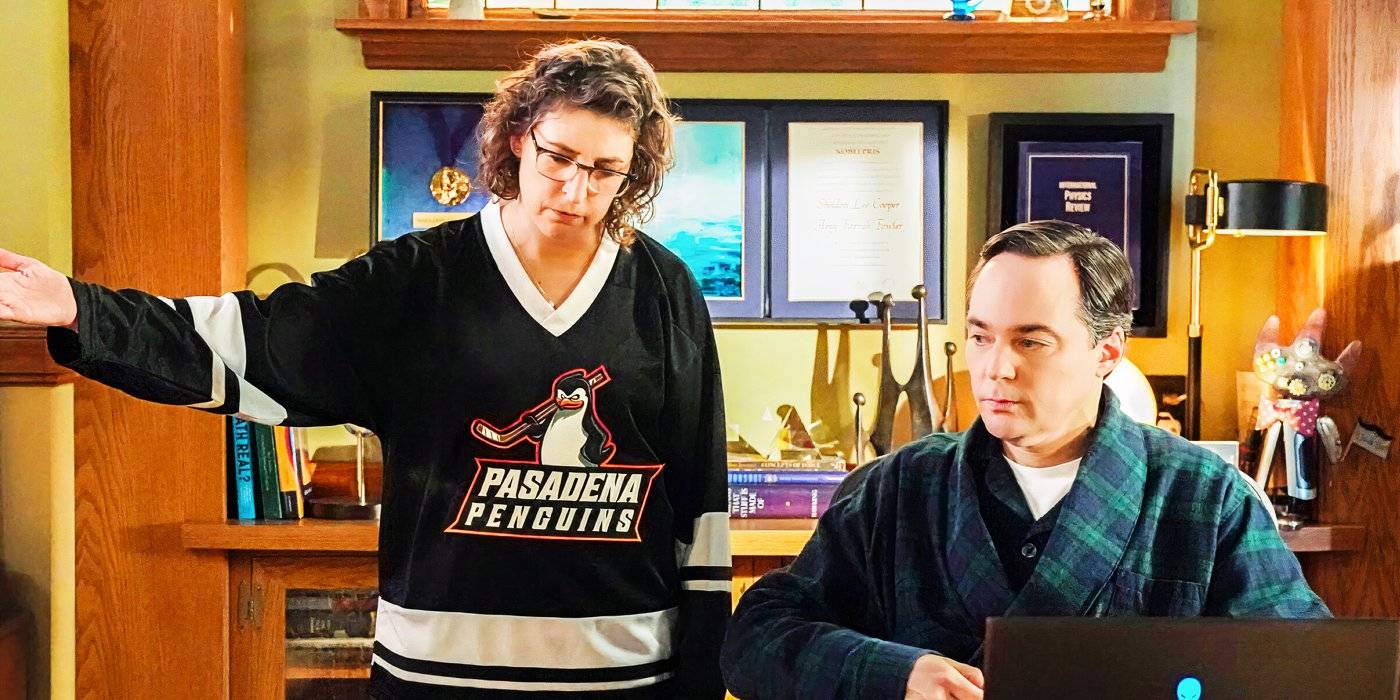
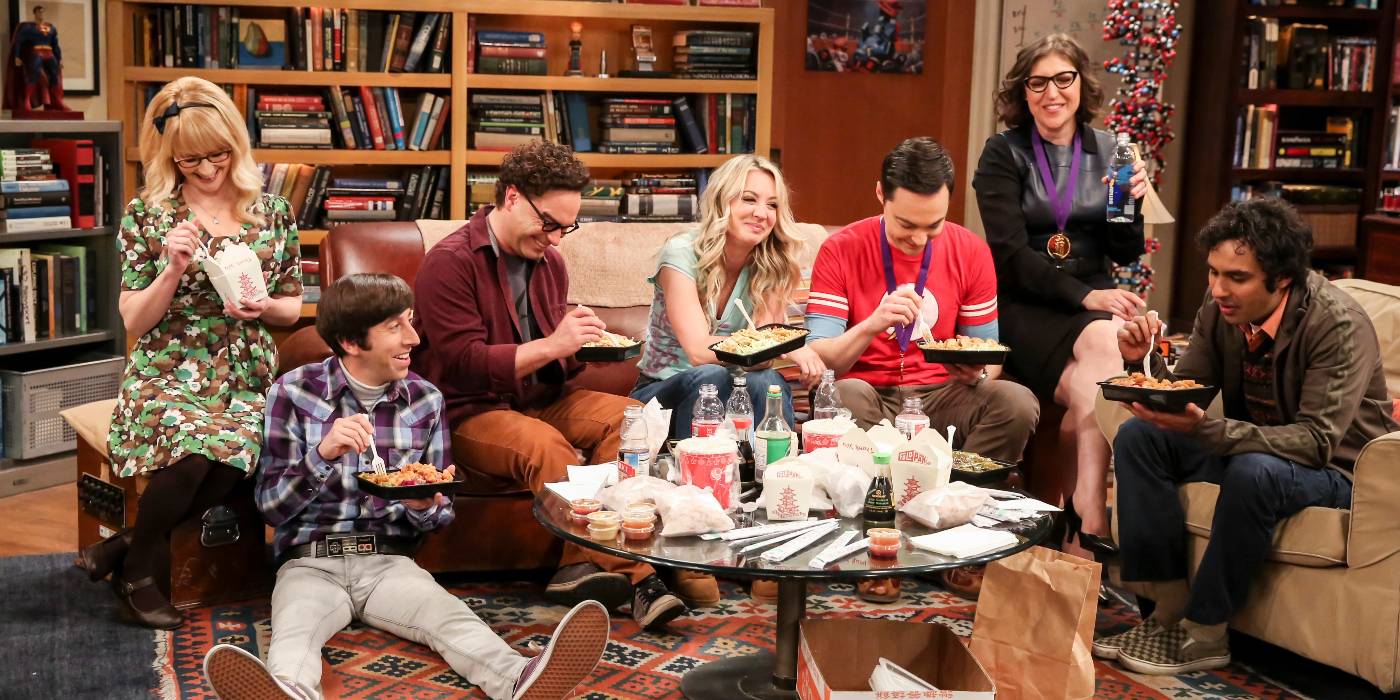
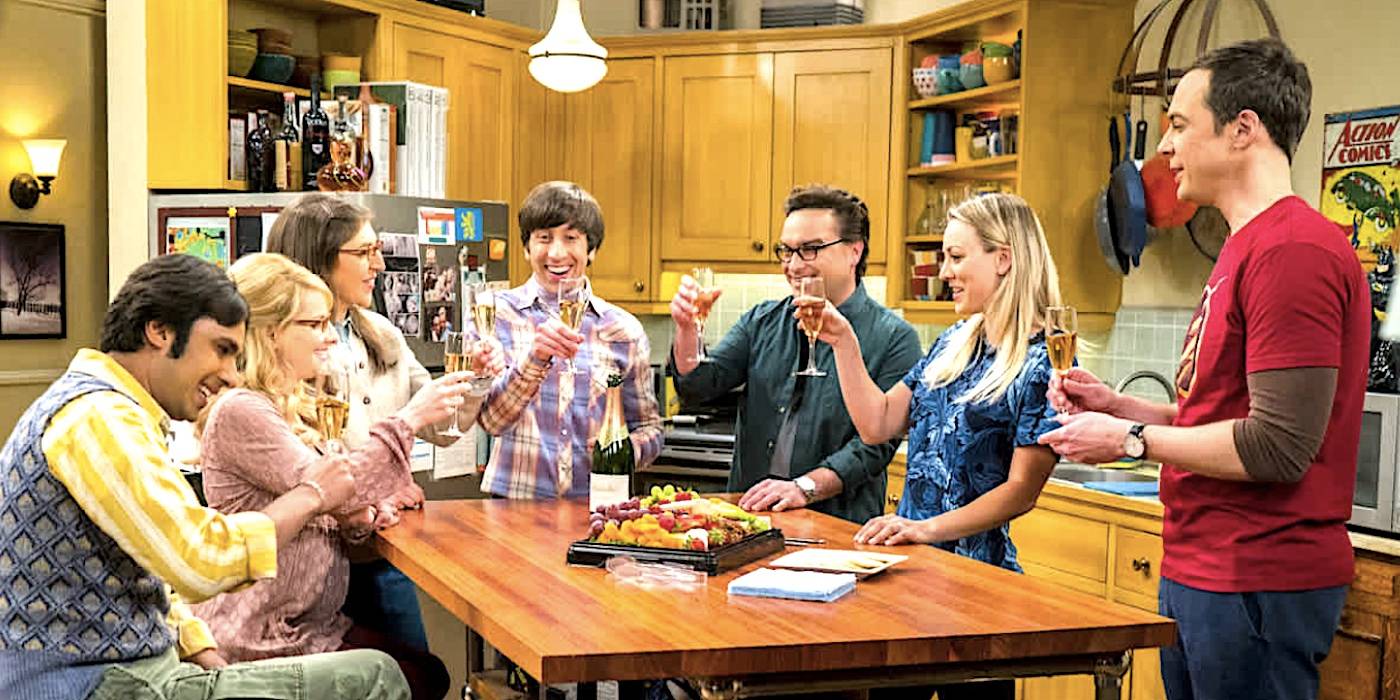
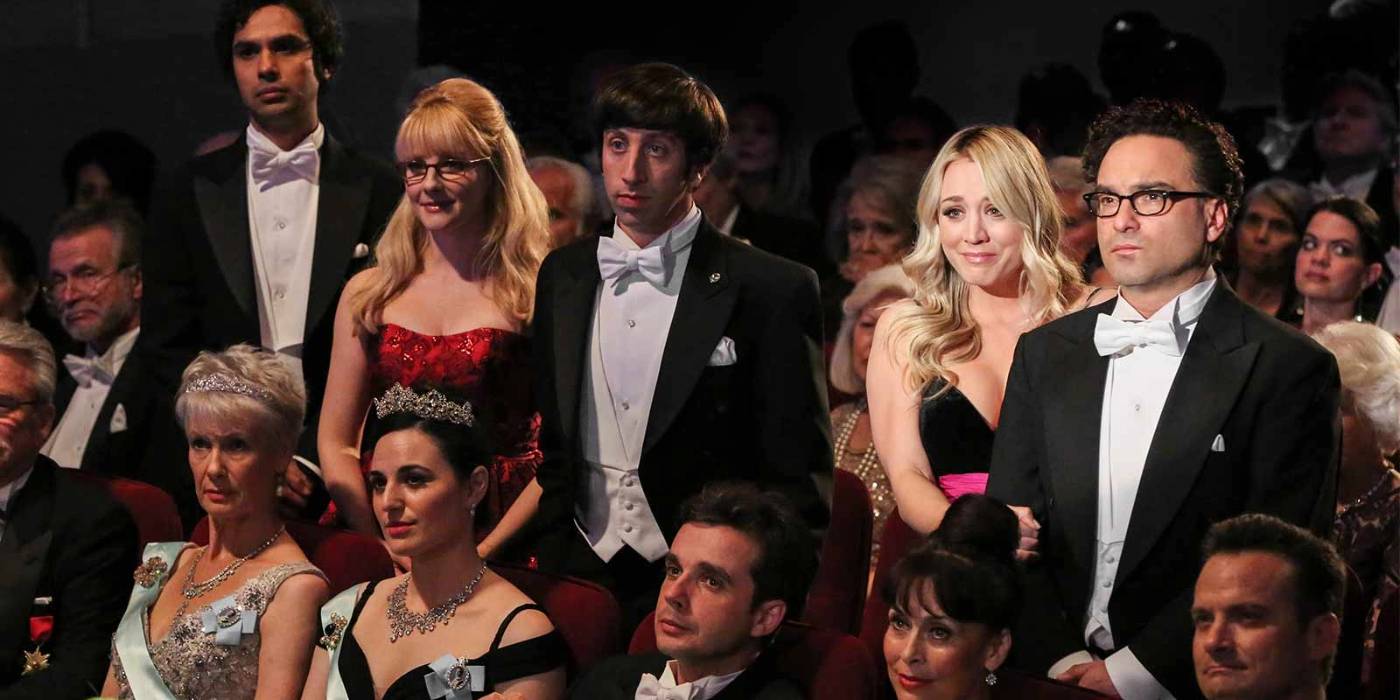
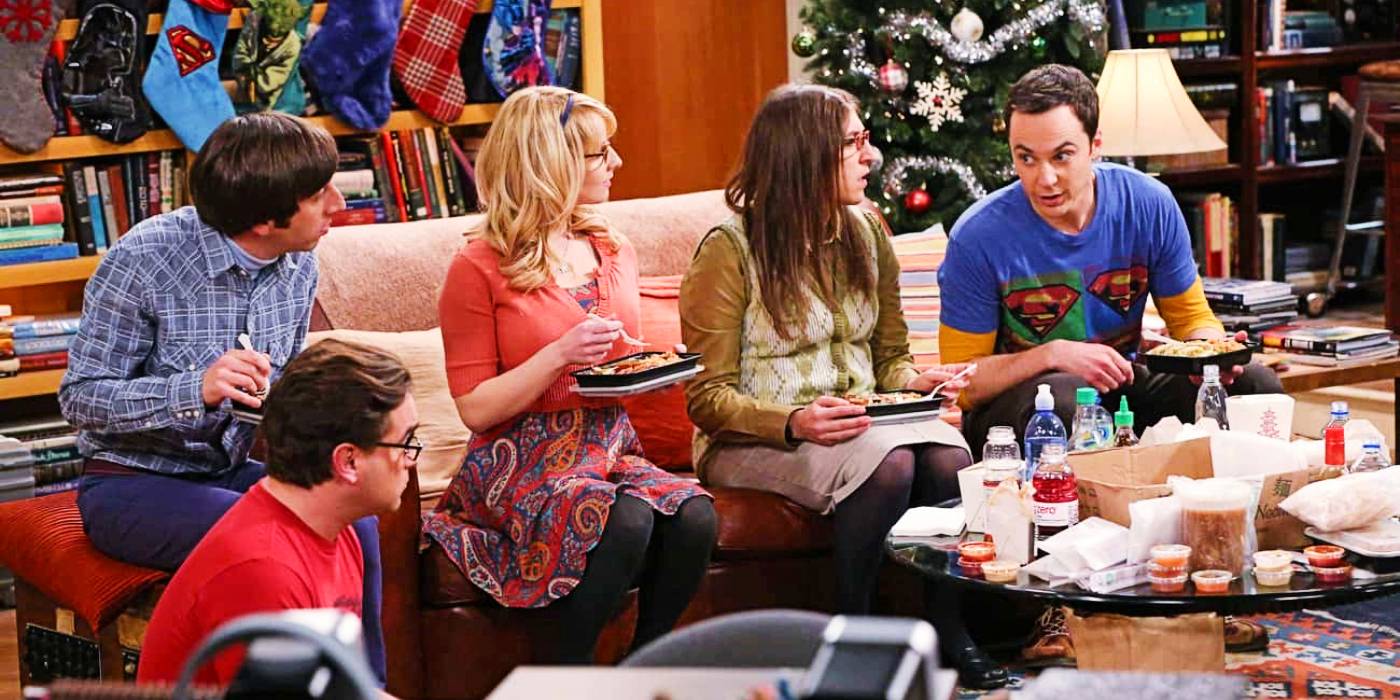
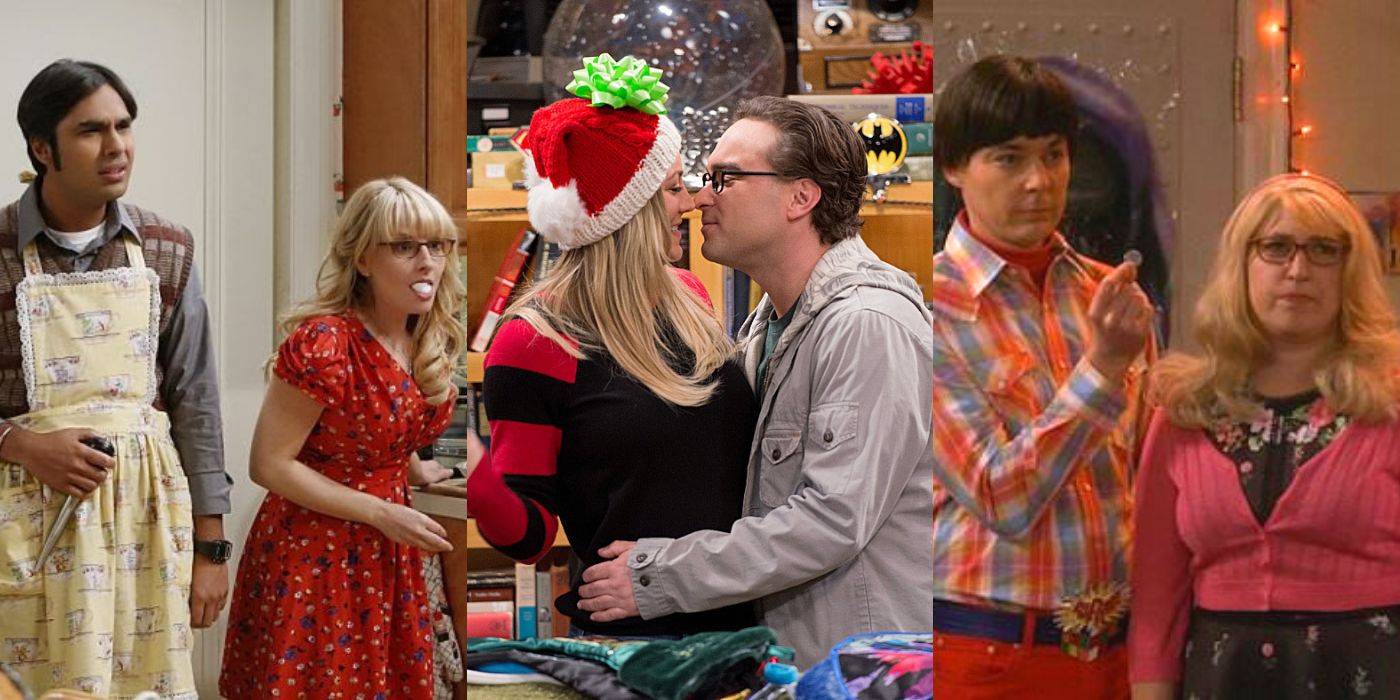
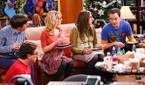
While sitcoms generally use a formula with each episode, The Big Bang Theory stands out among the bunch. Although it does have developing story arcs and character development with each season, its core structure remains the same. Each episode tends to have a Sheldon (Jim Parsons) problem, either caused by or to him, leaving another member of the gang to pick up the pieces.
Because of Sheldon's attitude and behavior, things then tend to get worse before they get better. On top of this, The Big Bang Theory can also be sure to throw in a scientific problem and a handful of sci-fi references. By the end of each episode, one thing is for sure: the guys are still socially awkward nerds, and Penny (Kaley Cuoco) is still struggling to understand them.
