


Summary
- Twisters revitalized a dormant franchise with fresh characters and a new story, topping the box office.
- Screen Rant interviewed the film's composer, Benjamin Wallfisch.
- Wallfisch created a score that balances personal moments with epic scale, inspired by the first film, composer Aaron Copland, and more.
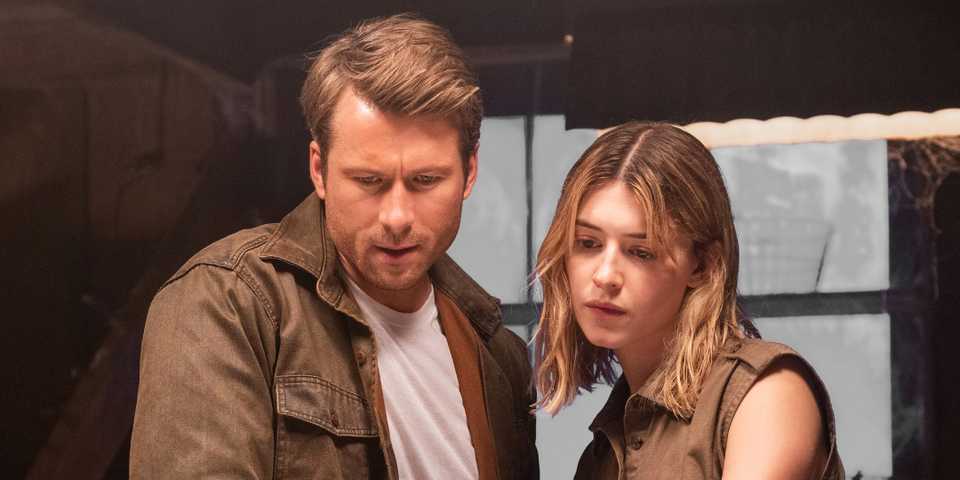
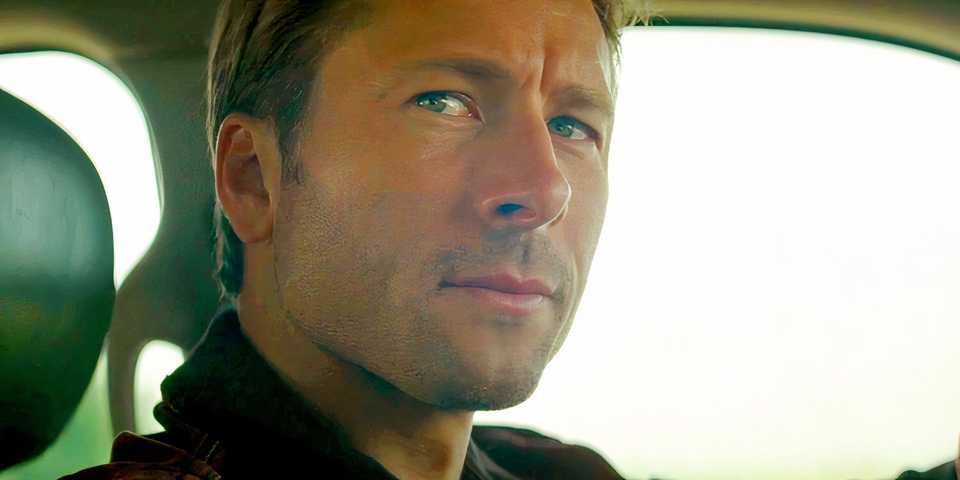
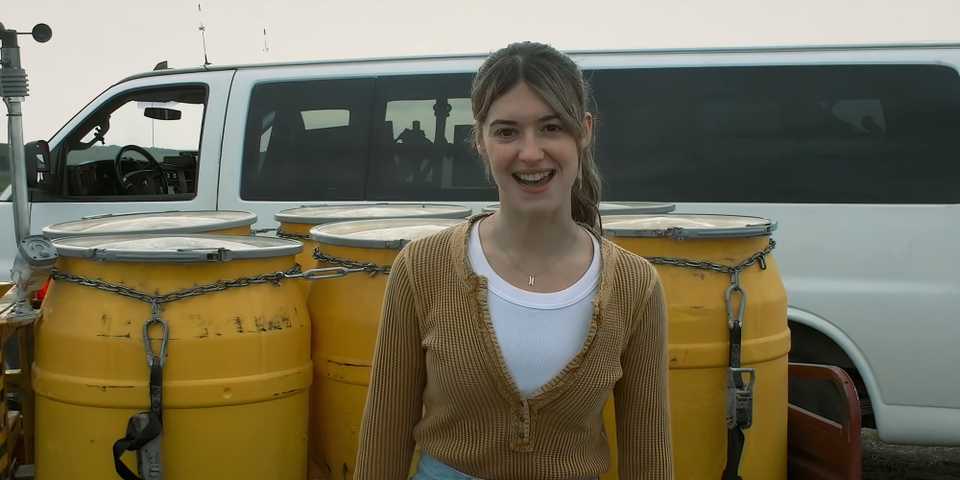
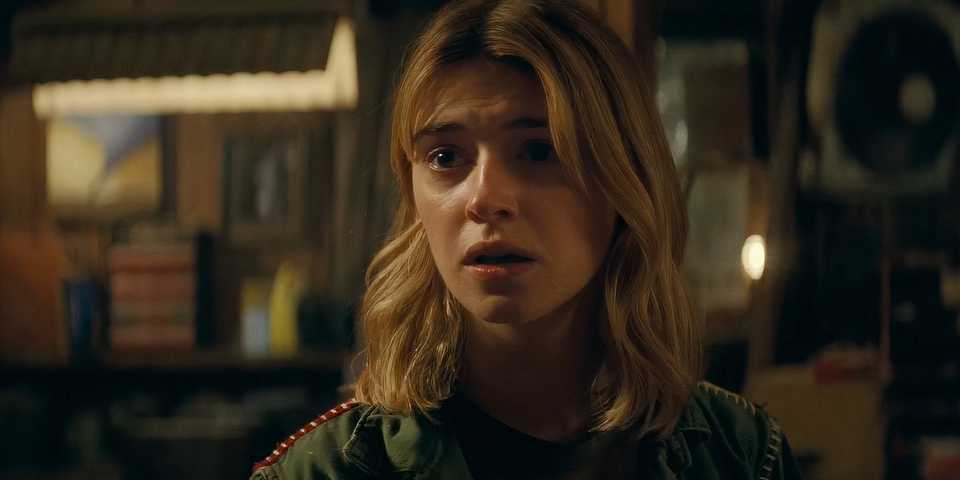
Twisters has revitalized a long-dormant franchise and taken it straight to the top slot at the box office. Directed by Lee Isaac Chung, Twisters is a sequel to Amblin’s 1996 hit film Twister, though those unfamiliar with the first movie won’t need to do any homework. Instead of featuring original movie stars Helen Hunt or Bill Paxton, or even their characters (Paxton passed away in 2017), the movie tells a new story centered around characters Kate (Daisy Edgar-Jones), Tyler (Glen Powell), and Javi (Anthony Ramos).
Still, Twisters emulates much of what came before it, notably with its music. 1996’s Twister was unique in that it had a soundtrack that featured many songs exclusive to it, and the Twisters soundtrack accomplished the same feat. Luke Combs, Chris Stapleton, Jelly Roll, and Lanie Gardner all contribute music to the 29-song soundtrack.
Of course, the music of Twisters is much more than its well-placed songs. For dramatic underscore fitting of a natural disaster, Chung turned to British composer Benjamin Wallfisch. Wallfisch is practiced at carrying forward the musical identity of a franchise, as the composer’s recent work includes The Flash and Blade Runner 2049. Wallfish will also score Mortal Kombat 2 and Alien: Romulus. Screen Rant spoke with Wallfisch about the intention behind his score for Twisters, his inspirations, and the trick to stepping into an iconic franchise.
Benjamin Wallfish On Building On Core Elements From The 1996 Twister Score

Screen Rant: Where did you draw inspiration from the first film for your score, and where did you want to depart from that to put your own stamp on things?
Benjamin Wallfisch: I've always been a huge fan of the first movie. I love the Mark Mancina score. It's such a classic, but of course, our movie is a new story. It has a different tone. It takes so many of the core elements of the sheer scale and excitement of the first movie, but Isaac has this incredible way to—even in the most epic and intense moments—make it feel personal and that you're still connected to the characters. Really, the first task was to find a balance in the score between things which felt quite personal, but also could be blown up to the huge scale of what you see. It was quite challenging to find that balance, but once I started the back-and-forth with Isaac, it became clear how to do it.
A Key Twisters Theme Used “Interlocking Spirals” To Evoke Tornadoes

How did that affect how you constructed your themes?
Benjamin Wallfisch: For Kate, it was about balancing the way that she can sense the weather almost as a sixth sense and how she is someone coming to terms with terrible tragedy from years ago, and how that affects how she approaches her relationships, but also the wonderment of these events and the terrifying beauty of them. For Kate's material, it was really important to capture those two things. She has a theme which is about wonderment and the controlled chaos of a tornado, and we hear that music right at the very beginning of the film. It's the intricate piano, interlocking arpeggiated material, which also signifies the idea of rain.
One of the first things Isaac and I discussed was what it would be like if, inside the score, there were interlocking spirals of music that repeat, but when they repeat, they’re upside down or in some way changed. [It’s] in much the same way as there's this extraordinary moment when a tornado is formed and touches down where all the conditions have to be perfect, but no one fully understands how they come together. When I was writing that material, I didn't want to overthink it too much or be too controlled. It was quite improvised and quite free. In contrast, Kate’s character theme was more about her backstory and a sense of hope and searching for something, but still with a slight sense of acknowledging what she went through those five years ago.
That’s all in the context of other themes too, and finding a space for the tone of Americana, which I really wanted to capture both in the instrumentation and in the musical choices, certainly in the first half of the score. Then, there are themes for the different storm chasing groups and the camaraderie and fun of all that, and all of the tornadoes needed their own very unique character as the story progresses. It was a wonderful collaboration with Isaac and the other filmmakers to get all those elements covered, and to get the tone of it right.
Inspirations For The Twisters Score Included Composer Aaron Copland

It was really cool to hear a blockbuster movie lean into a country soundtrack, and some of your [Americana-esque] cues reminded me of Aaron Copland. What were you drawing on musically for inspiration?
Benjamin Wallfisch: Copland was a really important influence in some of the score. Certainly earlier on, we were really establishing the place and the feel of Oklahoma and trying to lean into those open harmonies and the optimism of that sound. There are some country elements in a few cues, but I really didn't want to step on the toes of the songs. [I wanted to] let them take full center stage with that material, so it is a more subtle reference to that in the instrumentation.
George Doering, an incredible guitar player, is throughout the score. In the first 30 or 40 percent of the score, he’s mainly on more of the country instruments--banjos and other kinds of guitars from the region. As the movie progresses, he's moving more to electric guitars and a darker sound. There’s a subtle shift away from the country and Americana feel as the story gets more intense, and the storms become more dangerous and bigger in scale.
Wallfisch On The Interplay Between Music & Sound Design

I came to know your name through hearing your music in very loud movie theaters, watching things like Twisters and The Flash that also have lots of big sound effects work. Do you feel like you have to construct a score differently, knowing what’s going to happen with sound design?
Benjamin Wallfisch: In some ways, but it's also just a case of really trusting the sound team and the mixing team. When there are massive set pieces with huge explosions, low end, crashes, and the sound of wind, it was important to not get too much in the way of that frequency range—but also, it's impossible to do that perfectly.
It was more about just emphasizing the story and the way the characters are affected by those moments in the narrative and putting that at the front of the decision making. Sure, if there's a huge moment visually where there's going to be a ton of low end, staying out of the way of the low end is smart. It’ll be much easier to mix in that instance. It was definitely part of the decision making, but I would say it wasn't the main thing driving the choices.
Wallfisch Discusses Jumping Into Huge Franchises Like Twisters & Alien

You are somebody that directors and producers can clearly trust to handle franchises that have rich musical legacies. You've done DC, Hellboy, Blade Runner, you're doing Alien, and you’ve just done Twisters. Do you feel like there's a trick to doing something like that? Is that a different muscle than scoring an indie film?
Benjamin Wallfisch: I guess it's a case of channeling my love of the originals and also getting inside the filmmakers’ [heads]—how much they want to reference it or not, and if so, how. Also, it’s being instinctive about how these tend to be very new stories, a new tone, and a new approach. “How does it feel as a movie that stands alone from the original?” It’s balancing all of that, somehow, and having that sense of, “Okay, what's the essence of the original? How can that be captured?” You’re going to quote it, perhaps, sometimes, but [it’s more about the score] being a love letter to the original.
I try and do things in a quite bold and fresh way if the filmmakers are open to that. Finding ways to capture that essential DNA of the original while still leaving a lot of room for something where there’s huge possibility for new stories, characters, and the approach that the filmmaker might want to take. In the end, every film is a completely unique experience.
When I know there's a huge legacy, of course, it can be quite intimidating. You can overthink it. when you are. I have such reverence for Vangelis, for example, who scored Blade Runner, and I'm a huge fan of the Mark Mancina score for Twister, and, of course, the legacy and astonishing writing from (Jerry) Goldsmith, (James) Horner, and (Elliot) Goldenthal for the Alien movies.
I've always been a fan and loved all of this music, and it's a case not letting that overwhelm you so you can channel that love of that material while still having the excitement of being able to do something fresh for these new films. Normally, that balance has to be very collaborative as well. Having a back and forth with the filmmakers that starts with music away from picture, just with concepts, is a really helpful way of doing that.
About Twisters

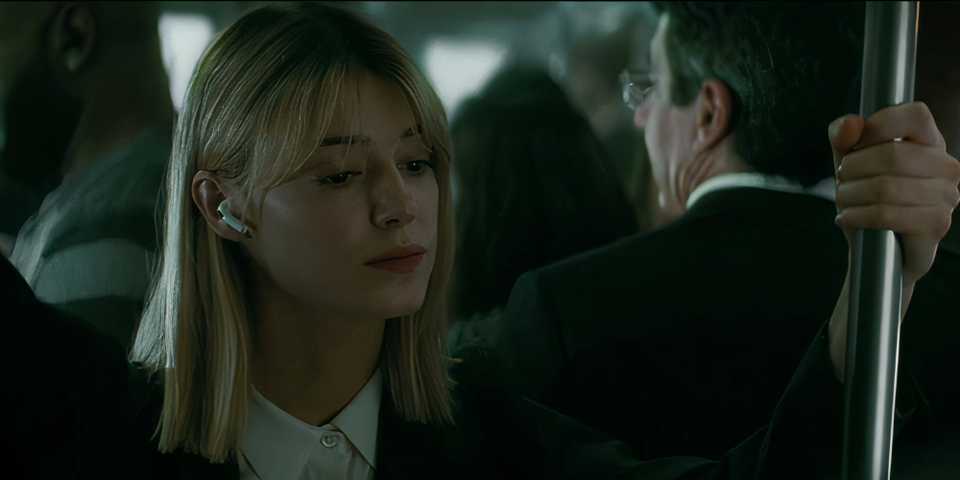
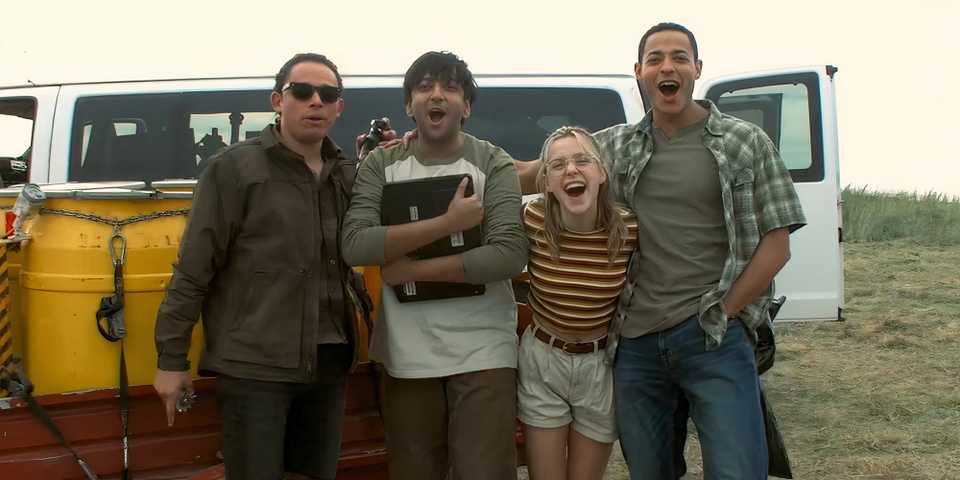
Kate Carter, a former storm chaser haunted by a devastating encounter with a tornado during her college years who now studies storm patterns on screens safely in New York City. She is lured back to the open plains by her friend, Javi to test a groundbreaking new tracking system. There, she crosses paths with Tyler Owens, the charming and reckless social-media superstar who thrives on posting his storm-chasing adventures with his raucous crew, the more dangerous the better.
As storm season intensifies, terrifying phenomena never seen before are unleashed, and Kate, Tyler, Javi and their crews find themselves squarely in the paths of multiple storm systems converging over central Oklahoma in the fight of their lives.
Check out our other Twisters interviews:
Twisters is in theaters now.


- Release Date
- July 19, 2024
- Runtime
- 123 Minutes
- Director
- Lee Isaac Chung
- Writers
- Mark L. Smith, Joseph Kosinski, Michael Crichton, Anne-Marie Martin
- Producers
- Frank Marshall, Patrick Crowley

Cast
-
 Kate
-
 Tyler
A former storm chaser named Kate Carter still reels from a tragic tornado experiment that killed her friends and boyfriend. Working in New York and with safer tools, she’s pulled back into danger when her old partner Javi invites her to test new radar tech. As deadly tornadoes descend, she teams up with a daring YouTube chaser to try something audacious that might finally tame the storms.
- Studio(s)
- Universal Pictures, Warner Bros. Pictures, Amblin Entertainment, The Kennedy/Marshall Company
- Distributor(s)
- Universal Pictures, Warner Bros. Pictures
- Main Genre
- Thriller

