


The Unbreakable trilogy order is complicated by its loosely connected spinoff, Split, and the big franchise crossover, Glass. Unbreakable is considered the first auteur superhero franchise, as all of its movies are written and directed by the same visionary filmmaker: M. Night Shyamalan. The Unbreakable movie trilogy draws inspiration from superhero comics. However, it’s much more grounded in reality than the average superhero story. After he presented a real-world version of the superhero myth with Unbreakable, Shyamalan followed it up with a stealth sequel and then an ambitious crossover uniting the first two stories.
Most trilogies have convenient numbering to make their viewing order clear, like Spider-Man, Spider-Man 2, and Spider-Man 3, or Back to the Future, Back to the Future Part II, and Back to the Future Part III. Other trilogies make it more difficult for viewers to determine the watching order, as with the Cloverfield movies. With Split and Glass in the mix, the Unbreakable trilogy order is similarly tricky to figure out. Viewers may need a breakdown of the proper viewing order of the Unbreakable trilogy and where Split and Glass fit in.
Unbreakable (2000)
Unbreakable Lays The Foundational Mythos For The Trilogy 16 Years Before Split


M. Night Shyamalan presents Unbreakable, a superhero thriller that sees Bruce Willis star as David Dunn, a man who survives a train derailment completely unscathed. Now discovering that he has superpowers, he is invited to meet a man who may know more about his unique condition working at a comic book shop. What begins as a discovery of who he is and why he has these powers turns into David assuming the role of a reluctant hero in an ordinary world.
- Cast
- Charlayne Woodard, Bruce Willis, Spencer Treat Clark, Samuel L. Jackson, Robin Wright
- Runtime
- 106 minutes
- Director
- M. Night Shyamalan
- Writers
- M. Night Shyamalan
- Studio(s)
- Disney

The Unbreakable trilogy kicks off, appropriately, with Unbreakable, which was released in 2000. Bruce Willis stars in the first installment as David Dunn, a security guard who discovers that he has superhuman strength after emerging from a deadly train crash unscathed. Samuel L. Jackson plays the villainous Elijah Price, a man with brittle bones who owns a comic book store.
Going by the nickname Mr. Glass, he becomes David’s arch-nemesis. Unique for its time, Unbreakable offered a refreshingly realistic take on the superhero genre, and audiences responded enthusiastically to the concept, resulting in a worldwide gross of more than $248 million (via Box Office Mojo).
Unbreakable lays the foundational mythology of the series by introducing a world that is subtly interwoven with the extraordinary.
Unbreakable lays the foundational mythology of the series by introducing a world that is subtly interwoven with the extraordinary. David Dunn's discovery of his superhuman abilities is presented as a real-world phenomenon, challenging the audience's suspension of disbelief. As Dunn explores the extent of his powers, the film meticulously plants the seeds of a larger narrative, hinting at a universe where such anomalies exist but are not recognized. Elijah Price, with his encyclopedic knowledge of comic book lore, serves as the catalyst that awakens Dunn to his true potential, drawing parallels to the mentorship often seen in superhero origin stories.
The connection to Split and Glass is primarily thematic, but it becomes more explicit as the trilogy progresses. Unbreakable introduces the idea that superhumans walk among us, unnoticed — a concept that Split builds upon with Kevin Wendell Crum's emergence as The Beast. Unbreakable's subtle allusions to a broader conflict and its questioning of the nature of heroism and villainy lay the groundwork for the complex interplay between the characters that unfolds in the subsequent films.
Split (2016)
Split Was Originally A Secret Sequel To Unbreakable

- Cast
- Yoo Ji-tae, Lee Jung-hyun, David Lee, Chung Sung-hwa, Kwon Hae-hyo, Mun Yeong-su, Yang Dong-tak, Kim Hye-na, Jang Hee-woong, Jang Seo-kyung
- Runtime
- 121 minutes
- Director
- Choi Kook-hee
- Writers
- Choi Kook-hee
- Studio(s)
- Universal Pictures
- Budget
- 9 million
Sixteen years after Unbreakable became one of Shyamalan's biggest critical and commercial hits, the filmmaker followed it up with Split. One of the first movies to present a standalone supervillain origin story, Split stars James McAvoy as Kevin Wendell Crumb, a man with dissociative identity disorder who develops a personality with supernatural abilities called “The Beast.”
Anya Taylor-Joy co-stars as Casey Cooke, a teenager kidnapped by one of Kevin’s personas to sacrifice to The Beast. The connection to Unbreakable isn’t apparent until the ending of Split, when Bruce Willis appears in a surprise cameo reprising his role as David Dunn, who recalls a prior supervillain: Mr. Glass.
As audiences watch the emergence of The Beast, they are presented with a dark reflection of David Dunn's indestructibility, creating a thematic and narrative symmetry between the two characters.
As the second movie in the trilogy, Split ingeniously lays the groundwork for its eventual convergence with Unbreakable through the meticulous development of Kevin Wendell Crumb's character. The narrative reveals the depth of Crumb's fractured psyche, hinting at a latent potential for superhuman abilities among his multiple personalities.
As audiences watch the emergence of The Beast, they are presented with a dark reflection of David Dunn's indestructibility, creating a thematic and narrative symmetry between the two characters. This symmetry is Shyamalan's subtle thread weaving the films together, suggesting a shared universe where extraordinary abilities emerge under the strain of extreme human experiences.
The final act is a stroke of genius that retroactively casts Split as a sequel to Unbreakable. The brief but potent cameo of Willis, referencing Mr. Glass, acts as a narrative bridge linking the two movies. This connection is more than a simple plot twist; it redefines the context of Split within a broader mythos.
By placing Crumb within the same universe as Dunn and Price, Shyamalan creates a triptych of characters who represent different aspects of the superhero archetype: the unassuming hero, the fragile mastermind, and the monstrous villain. This revelation not only connects Split to Unbreakable but also sets the stage for Glass, promising a culmination of these interwoven stories.
Glass (2019)
Glass Sees The Previous Movies' Characters & Themes Converge

Glass, directed by M. Night Shyamalan, is the third installment in a trilogy following Unbreakable and Split. The film sees David Dunn using his supernatural abilities to pursue Kevin Wendell Crumb, a man with multiple personalities, while Elijah Price, also known as Mr. Glass, emerges as a critical figure in their story.
- Cast
- Bruce Willis, James McAvoy, Samuel L. Jackson, Sarah Paulson, Anya Taylor-Joy, Spencer Treat Clark, Charlayne Woodard, Luke Kirby, Adam David Thompson, M. Night Shyamalan, Shannon Destiny Ryan, Diana Silvers, Nina Wisner, Kyli Zion, Serge Didenko, Russell Posner, Kimberly S. Fairbanks, Rosemary Howard, Bryan McElroy, Owen Vitullo, William Turner, Johnny Hiram Jamison, Leslie Stefanson, Marc H. Glick, Brick Mason
- Runtime
- 129 minutes
- Director
- M. Night Shyamalan
- Studio(s)
- Universal Pictures
- Budget
- $20 million
The third and final movie in the Unbreakable trilogy, Glass serves as the nexus where the paths of the characters dramatically intersect, drawing together the threads laid out in Unbreakable and Split. The 2019 film brings the characters of Unbreakable and Split together, with Willis returning as David, Jackson returning as Elijah, McAvoy returning as Kevin, and Taylor-Joy returning as Casey. Glass sees David, Elijah, and Kevin being detained in a psychiatric facility, where the authenticity of their superpowers is debated. Sarah Paulson plays Dr. Ellie Staple, a psychiatrist who believes they suffer from delusions of grandeur.
This convergence is not just a meeting of characters but a collision of their fundamentally opposing beliefs and worldviews.
This convergence is not just a meeting of characters but a collision of their fundamentally opposing beliefs and worldviews. The film's setting acts as a crucible for these ideologies to be challenged both by the skeptical Dr. Ellie Staple and each other. It's here that the Unbreakable trilogy's overarching theme of belief versus doubt comes to a head, as each character is forced to confront the possibility that their extraordinary experiences may be mere delusions.
The presence of secondary characters from the previous films, such as Dunn's son and Casey Cooke, further ties the narrative threads together, grounding the extraordinary elements in more personal connections. Shyamalan also uses ending of Glass to delve into the meta-narrative surrounding superheroes, placing the film within a broader discourse on the nature of storytelling and myth-making. The film self-references comic book tropes, using them to structure the narrative and inform the characters' self-identity.
Elijah Price, or Mr. Glass, becomes the orchestrator of this final act, positioning himself as the mastermind who understands the world through the lens of comic book logic. His actions bring to light the underlying question posed by the trilogy: Are these characters truly superhuman, or are they simply individuals with unique conditions that have been mythologized?
Where To Watch The Unbreakable Trilogy
The Unbreakable Movies Aren't All Available On A Single Streaming Service


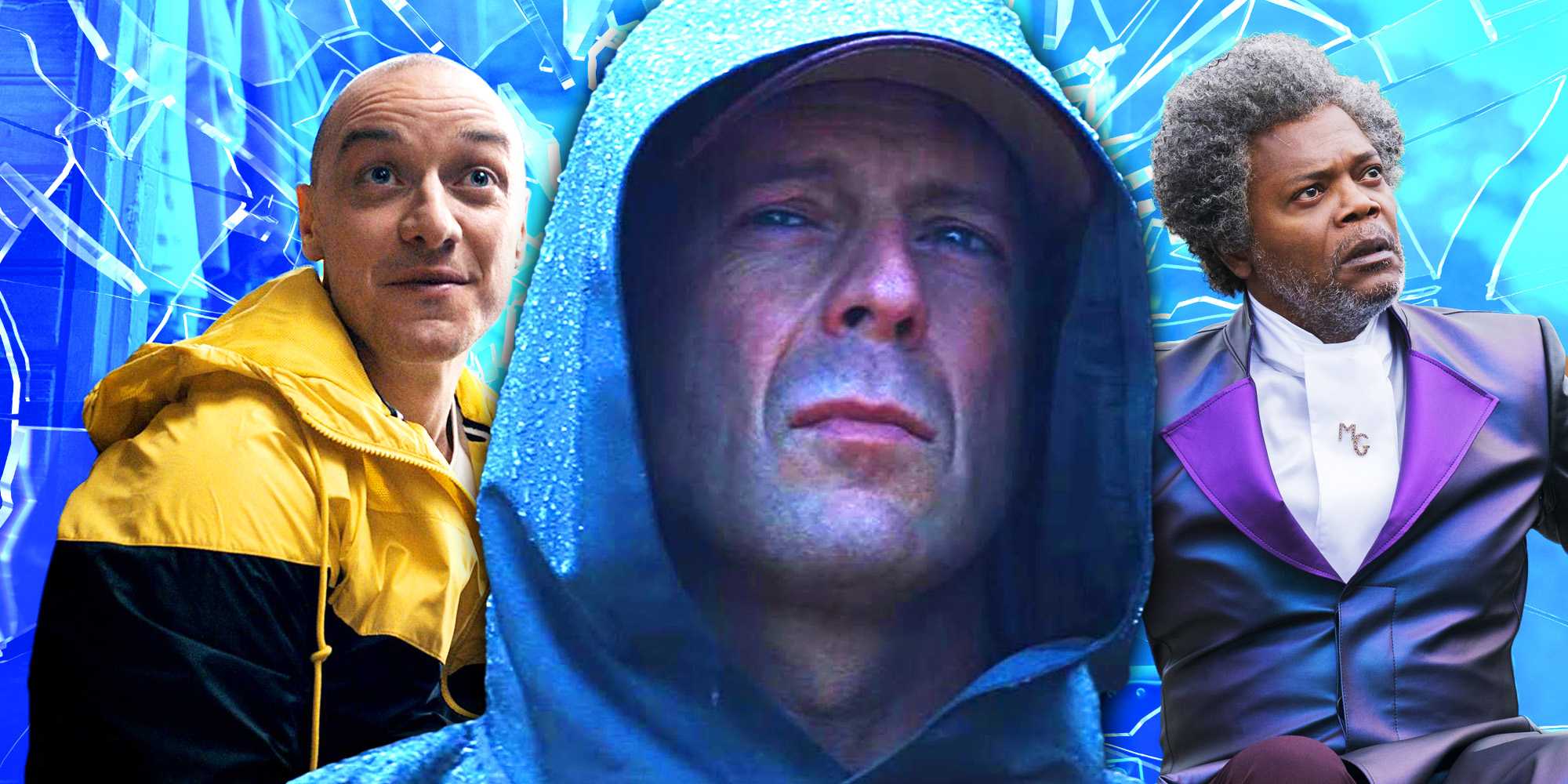 Custom Image by Sam MacLennan
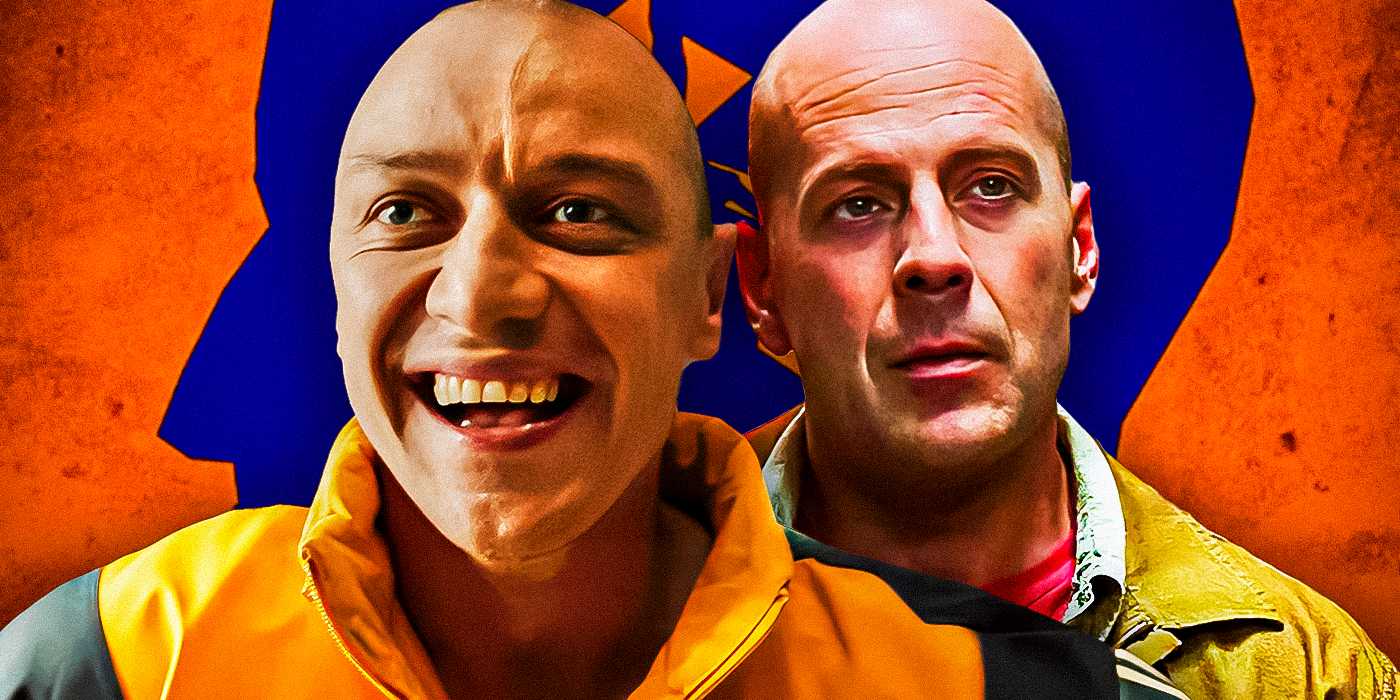 Custom Image by Yeider Chacon
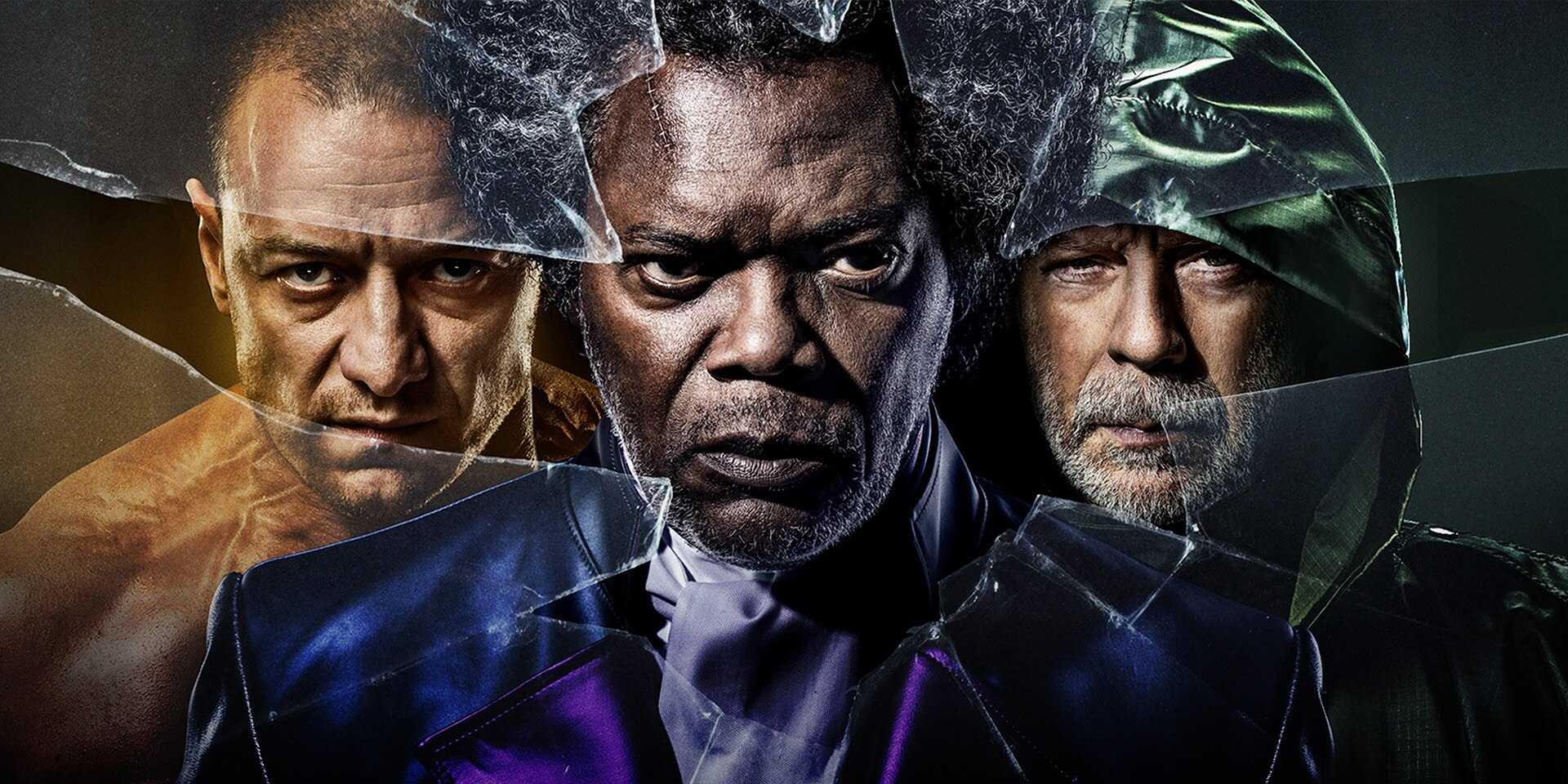
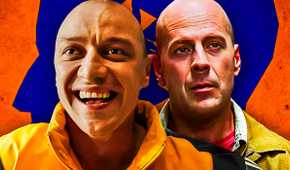
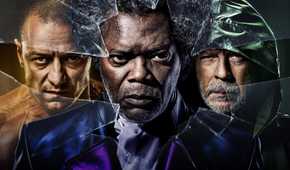
Unfortunately, the Unbreakable trilogy isn't available to watch all on one streaming service, and they're somewhat scattered around. Unbreakable is available to watch on Max, where plans start at $9.99 per month as well as on Hulu with plans starting at $7.99 per month. Split is currently available on Peacock with at $7.99 per month for a plan, while Glass is available to watch on Prime Video, where plans start at $9.99 per month. Each of the Unbreakable movies is also available to rent or buy on Amazon. Here's where to stream, rent, or buy every movie in the Unbreakable trilogy:
|
Movie |
Stream |
Rent/Buy |
|---|---|---|
|
Unbreakable |
Max: $9.99 per month/Hulu: $7.99 per month |
Amazon: $3.99/$17.99 |
|
Split |
Peacock: $7.99 per month |
Amazon: $3.99/$14.99 |
|
Glass |
Netflix: $9.99 per month |
Amazon: $2.99/$14.99 |
Which Entry Of The Unbreakable Trilogy Is The Best?
Unbreakable Is Shyamalan's Masterful Take On A Superhero Story That Kicked Off The Trilogy


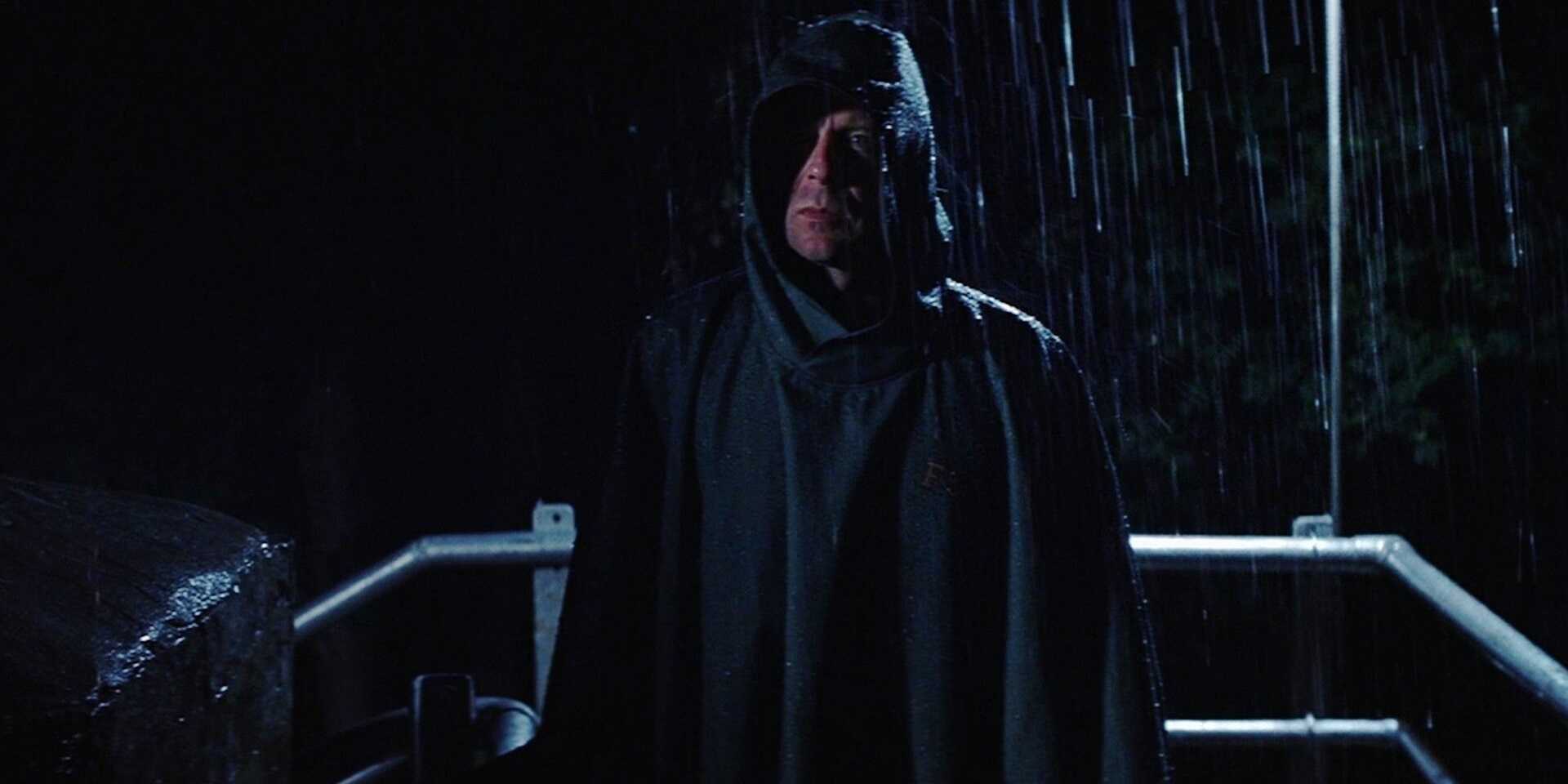
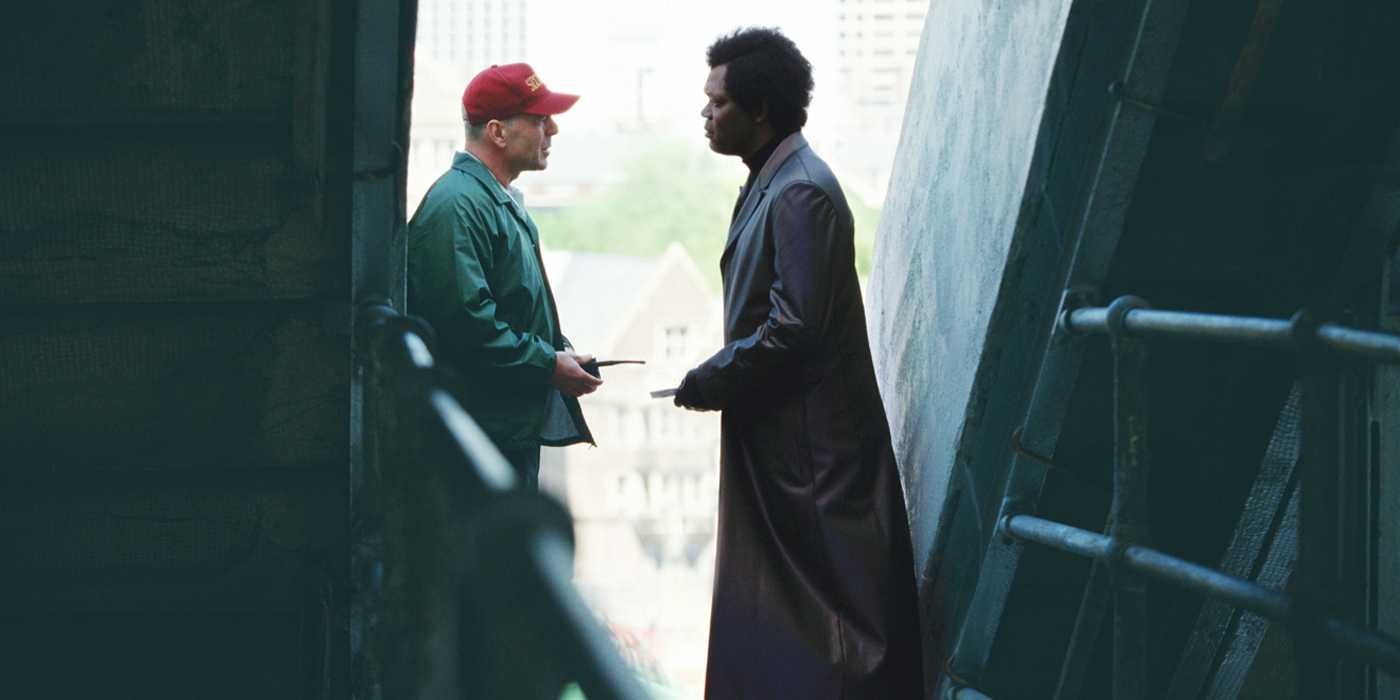 Universal Pictures
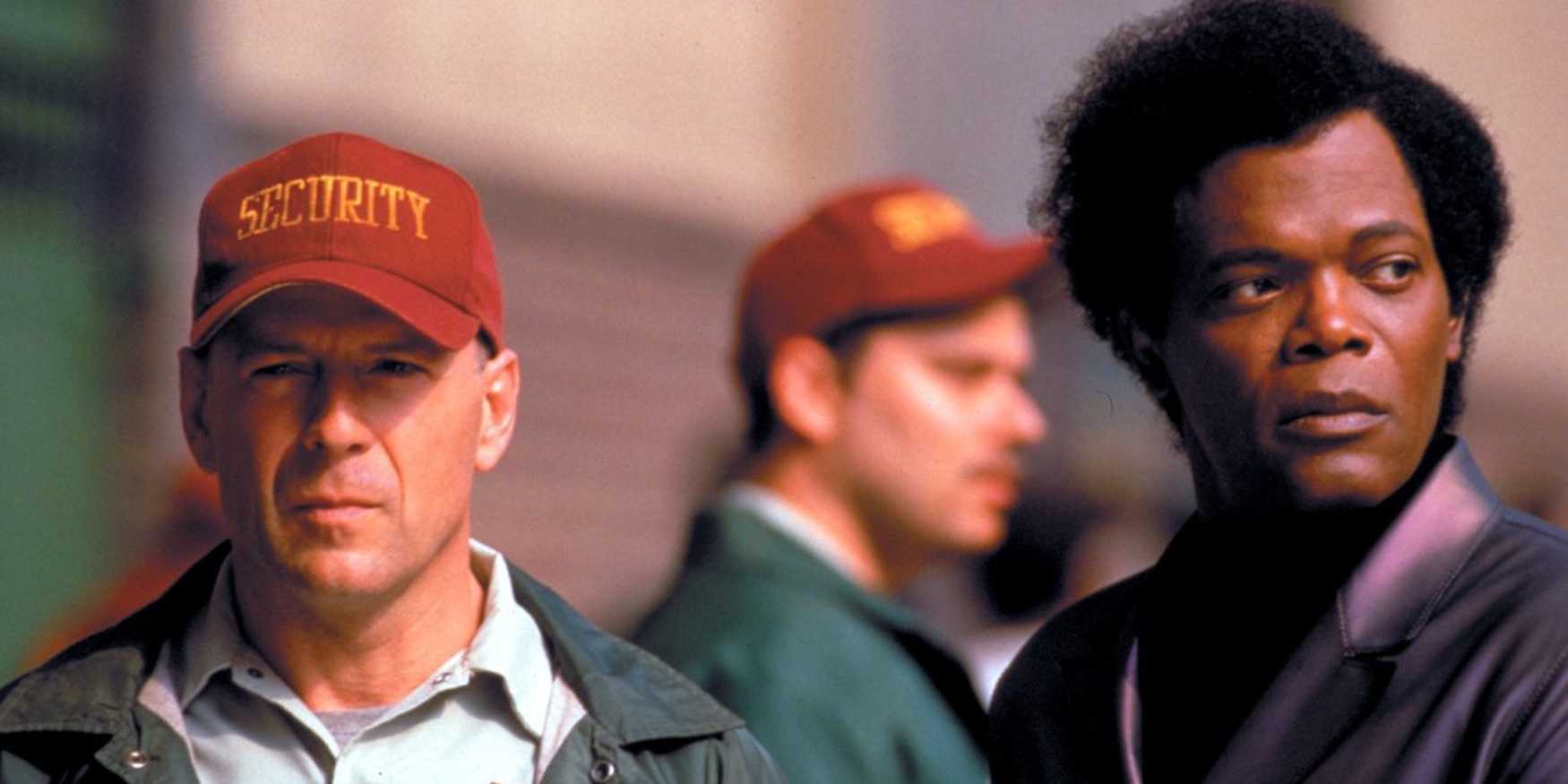
Viewing the Unbreakable trilogy in its entirety is a fascinating experience for fans, but there is inevitably one entry in the franchise that is better than the rest. As is the case with a number of movie trilogies, though the sequels offer some great things on their own, the series never improved on its first entry. Unbreakable is not just the best movie in the Unbreakable trilogy, it is one of the best movies M. Night Shyamalan ever made.
With the mythology of the Unbreakable movies being so important, seeing this world being built in Unbreakable is the most exciting. Before the superhero movie trend was ignited, it was a thrill to see the genre tackled in a grounded and serious way that still stayed true to the spectacle of the medium. As Quentin Tarantino once described it when naming Unbreakable as one of his favorite movies since 1992, it is a Superman story if Clark Kent didn't know he was Superman.
Unbreakable, on the other hand, is a slow-burn mystery that also includes a compelling family drama at its center and an exploration of the comic book world.
When compared to the rest of the franchise, Unbreakable is just a fuller and more impressive story. Split and Glass are compelling additions to the story, but they are a lot more limited in their scope. Split is a kidnapping movie elevated by James McAvoy's amazing performance, but it is small in its scope. Likewise, Glass attempts to subvert expectations by keeping things surprisingly small. Unbreakable, on the other hand, is a slow-burn mystery that also includes a compelling family drama at its center and an exploration of the comic book world.
Split and Glass are both made more interesting by being viewed as part of the larger story of the trilogy. However, as fun as it was to see this franchise surprisingly take shape over the years, Unbreakable lasted for over a decade as a standalone movie that was still engrossing, intelligent, and a brilliant display of Shyamalan's storytelling.
Where The Unbreakable Trilogy Ranks In M. Night Shyamalan's Career
The Trilogy Features The High Point Of Shyamalan's Career And His Comeback


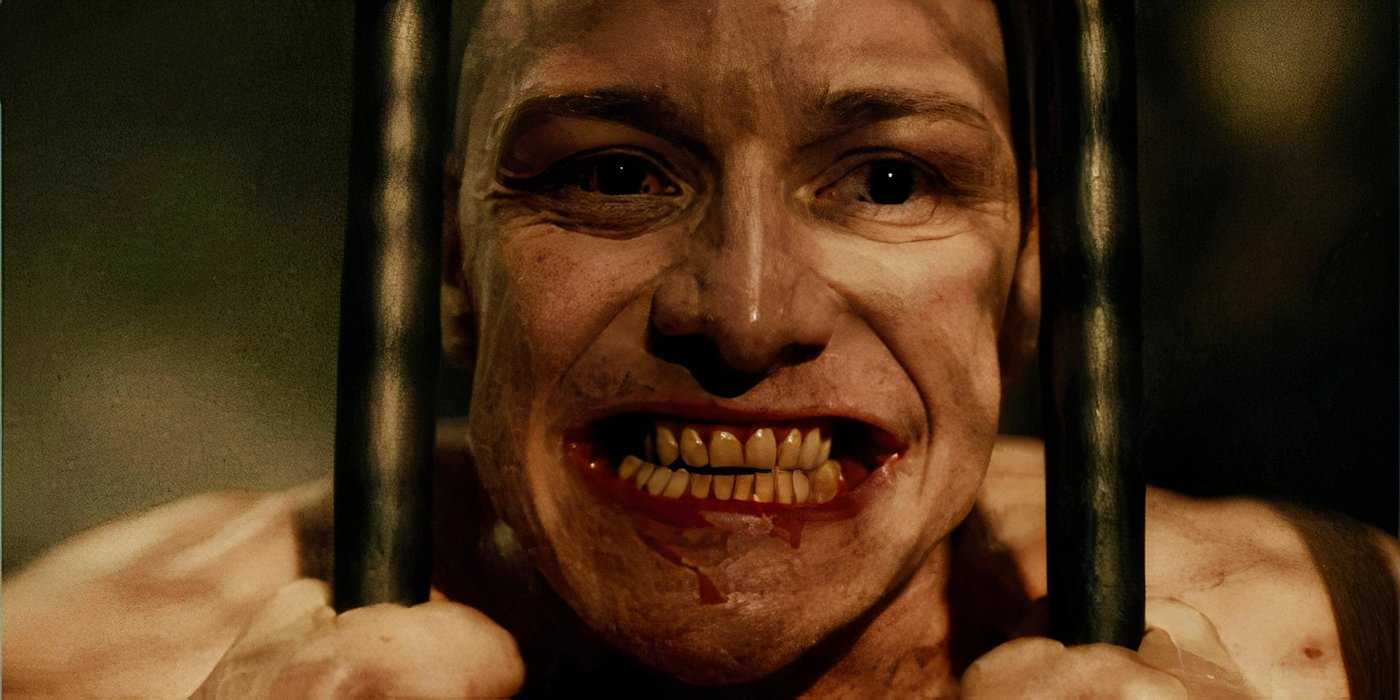
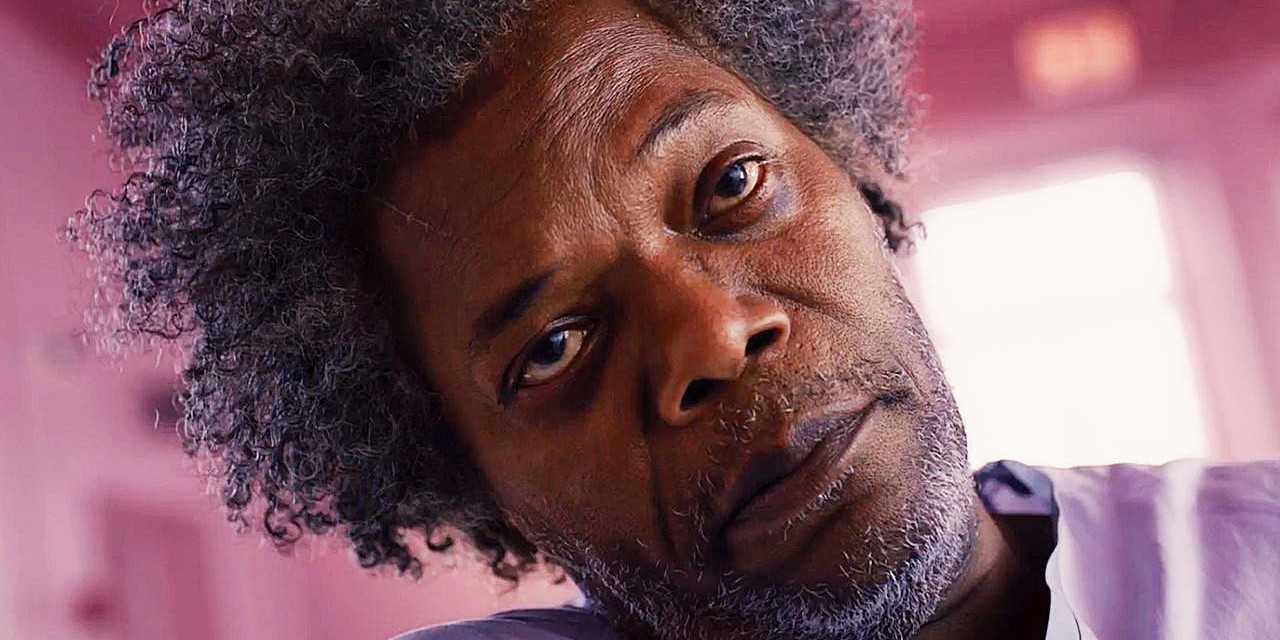

The Unbreakable trilogy is interestingly divided between two fascinating phases of M. Night Shyamalan's career. Unbreakable came out when Shyamalan was emerging as one of the most exciting filmmaking voices in the business, while Split and Glass came out during Shyamalan's comeback after a disappointing string of underwhelming projects. While they might differ in quality, all three movies are a sign of Shyamalan in strong form as a writer and director.
Coming out following The Sixth Sense, Unbreakable initially had a muted reaction from fans. However, over the years, the movie grew in popularity with more praise given to the engrossing story, the performances from Bruce Willis and Samuel L. Jackson, and the twist. Today, there are many Shyamalan fans who consider Unbreakable to be his best movie. Of course, the sequels don't quite live up to this level, but they are great movies in their own right.
Split came out during a period when it seemed as though Shyamalan was returning to form with his movies and this hit movie cemented that fact. It worked extremely well as a thriller on its own, but the twist ending was celebrated by his fans as one of his best while also bolstering excitement for what was to come. Glass was seen by some as an anticlimactic conclusion to the trilogy, but in the short time since its release, it has already been reevaluated as a clever subversion and appropriate end to the superhero story in this world.
Together, the Unbreakable trilogy stands as a high point of Shyamalan's career, showing both his storytelling talents as his career was on the ride and how he was still an exciting filmmaker decades later.
