


For most anime fans, the conversation around anime’s sci-fi genre typically begins and ends with the genre’s influential names: Akira, Cowboy Bebop, Ghost In The Shell — classic late 90s masterpieces. While these classics have rightly earned their status, their impact on the medium casts an opaque shadow over the genre.
Beyond these legendary classics, the genre encompasses more niche and nuanced anime projects that have formed a rock-solid foundation, now holding the genre together, but have remained outside the mainstream spotlight. They are impressionable masterpieces packed with as much creativity, depth, and narrative intrigue as the genre's defining titles.
8 Dimension W
A Forgotten Gem of Futuristic Noir


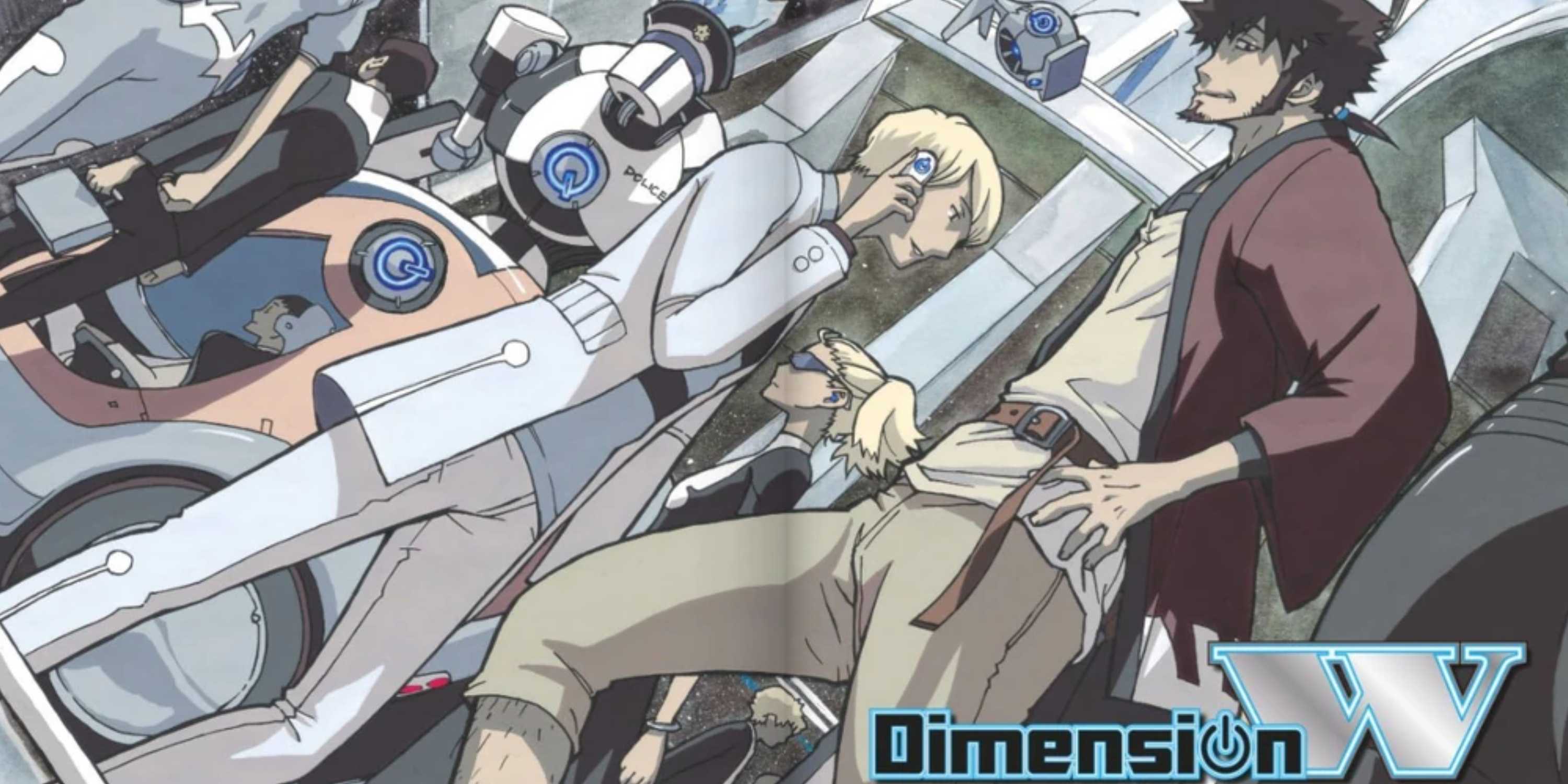

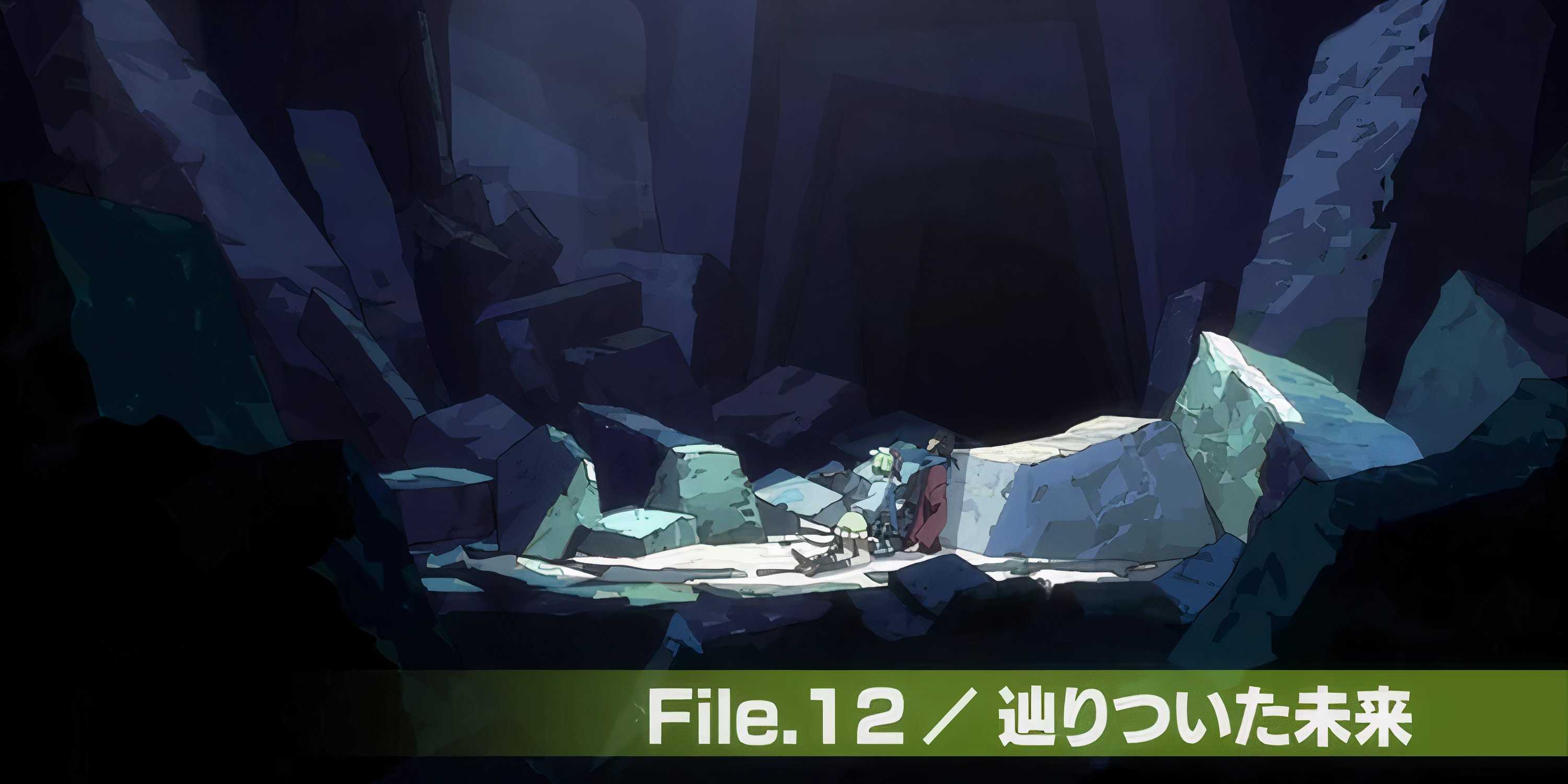
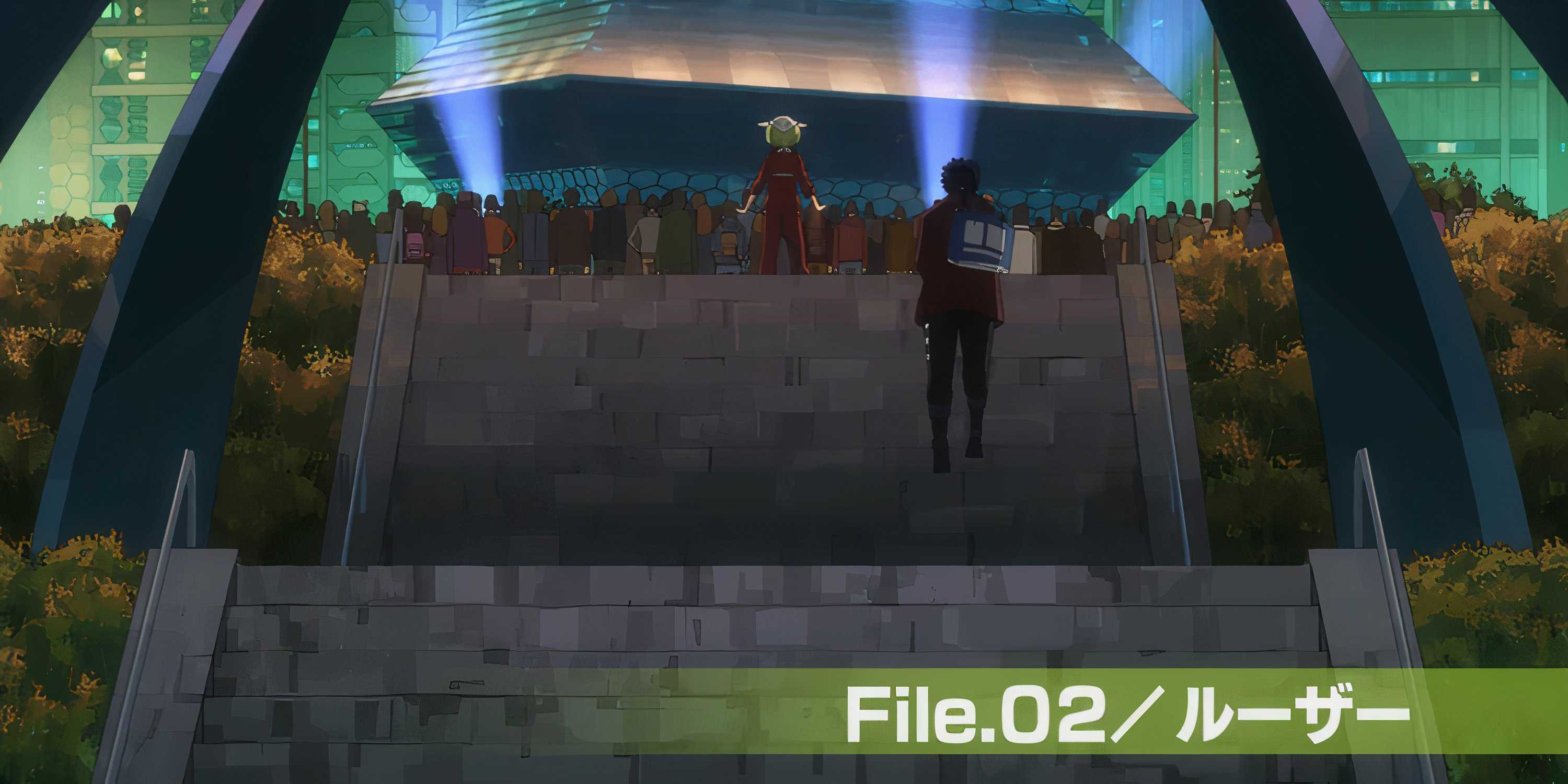





Debuting in 2016 by Studios Orange and 3Hz, Dimension W brings to life an adaptive impression of Cowboy Bebop with stylish animation, vintage car designs, and cool music. It's a profoundly personal story that connects a human protagonist and an AI robot capable of feeling human emotions.
The story is set in a futuristic time where humanity has discovered a fourth dimension called Dimension W, a realm that holds endless energy, harnessed exclusively through "coils." It follows the life of Kyouma Mabuchi, an ex-soldier and a ‘Collector’ with an obvious disdain for coil-oriented technologies.
As a collector, Kyouma hunts down illegally obtained coils in exchange for money. Kyouma’s regular life is disrupted when he comes across Mira Yurizaki, an android robot raised by the ‘Father of Coils.’ The pair’s fateful meeting marks the beginning of an irregular string of events that force the duo to uncover the mysteries of Dimension W.
7 Akudama Drive
A Chaotic Cyberpunk Chaos That Delivers A Strong Message

At first glance, Akudama Drive appears to be the generic sci-fi anime that prioritizes style over substance, with the story's blinding neon-light settings and a cast that could probably rival DC's Suicide Squad in wacky character choices. However, beyond Akudama Drive's flashy appeal, the series presents a richly thematic message regarding society.
Produced by Studio Pierrot, the story is set in a dystopian Kansai region in Japan following the aftermath of a devastating war. The story revolves around the involvement of an ordinary citizen, later dubbed ‘Swindler’, when she's coincidentally roped in with the high-profile criminal group, Akudama.
What begins as a high-stakes rescue mission gradually dissolves into a commentary on control, societal labeling, and rebellion through the power of self-definition. Akudama's Drive juggles spectacle with subversion, as it lures viewers with chaos, only to bring forth character arcs that challenge preconceived notions.
6 Texhnolyze
A Bleak Masterpiece of Cyberpunk Philosophy

Texhnolyze is not exactly an easy watch. Released in 2003 by Madhouse, this dystopian sci-fi anime strips the cyberpunk subgenre down to its raw and bare existential bones. The story offers a brutal, atmospheric, and intently slow tone that opts for silence and visual storytelling over dialogue.
For many viewers, the experience can be alienating. But for those who stick with it, Texhnolyze becomes an unforgettable experience. Set in the crumbling underground city of Lux, the story follows Ichise, a prizefighter who loses his limbs and becomes entangled in the city’s power struggles through experimental cybernetic prosthetics called Texhnolyze.
Texhnolyze brings to viewers the collapse of meaning in a society that’s lost its purpose. Politics, survival, and identity all bleed together as the characters claw through a world that is literally on its last legs. It doesn’t hand-hold or explain much because, in Lux, also, nobody has any answers either.
The show’s philosophy leans heavily into themes of determinism, transhumanism, and societal entropy. These characteristics make the series feel closer to a didactic expression than traditional anime.
5 Kaiba
An Unsettling Exploration of The Human Condition
Typical of a work directed by Masaaki Yuasa (Devilman Crybaby, Ping Pong the Animation), Kaiba immediately feels like something out of another realm. The anime's rounded, childlike art style puts on a deceptively innocent image of a childish cartoon with unconventional visuals.
Beyond this cover lies an introspective tale on the human condition told through the life of the central character, a mysterious amnesiac named Warp. The story takes root in a world where memories are no more than data products called memory chips that can be merchandised.
For Warp, who mysteriously awakens in an empty room without any memories, he is condemned to search for the answers to his blank mind. With each episode, fans are carefully introduced to new and haunting ideas about what it means to exist in a world where mind and body are no longer inseparable.
Kaiba’s daring concept is hardly why the series deserves a second chance. The sci-fi's outstanding trait comes from how the series relentlessly commits to exploring its concept in every form possible. The show does not try to spoon-feed you, but rather expects from you the maturity to reflect and catch up with its intent.
4 Gilgamesh
A Sci-Fi Mirror On Morality


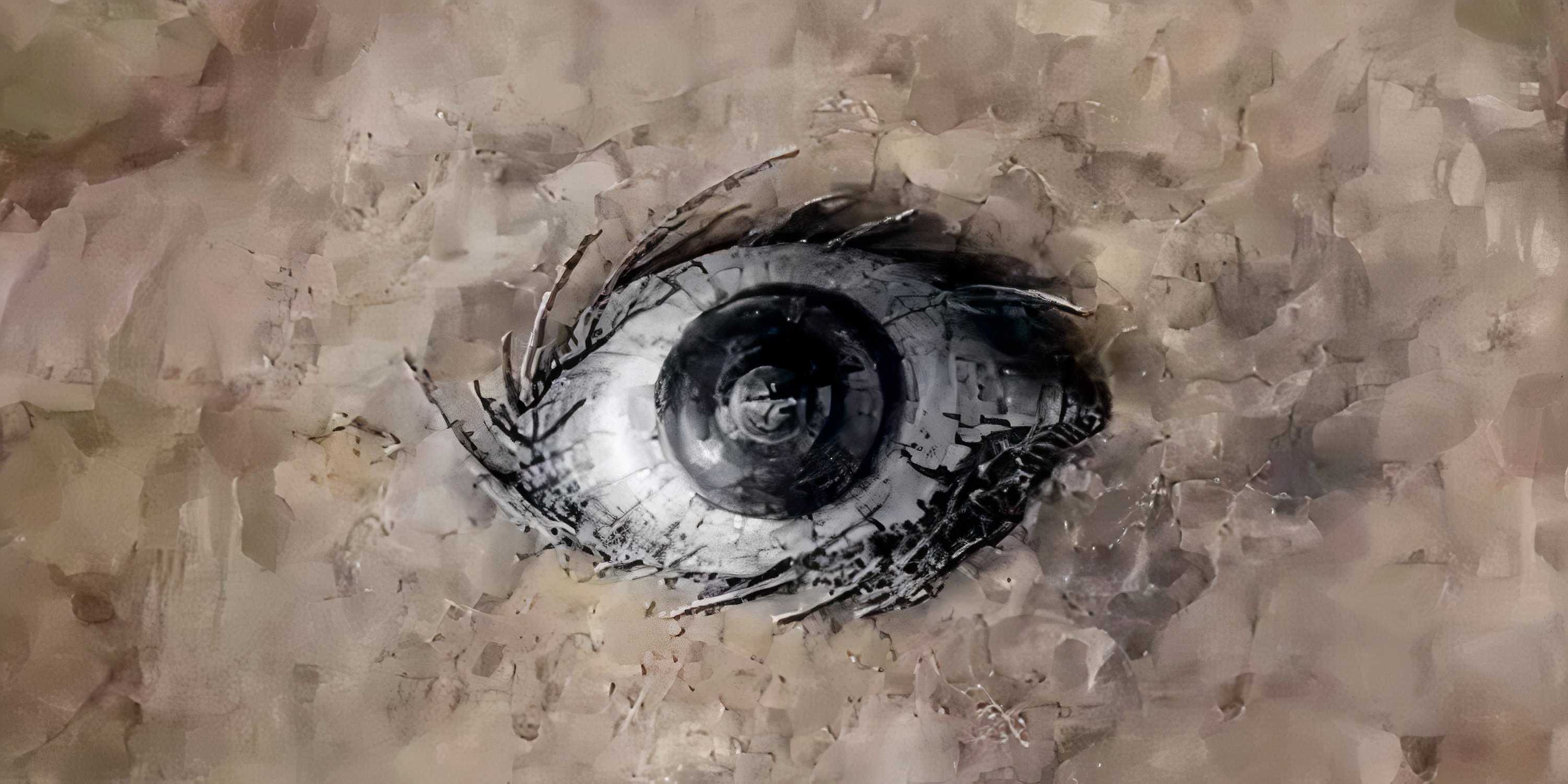
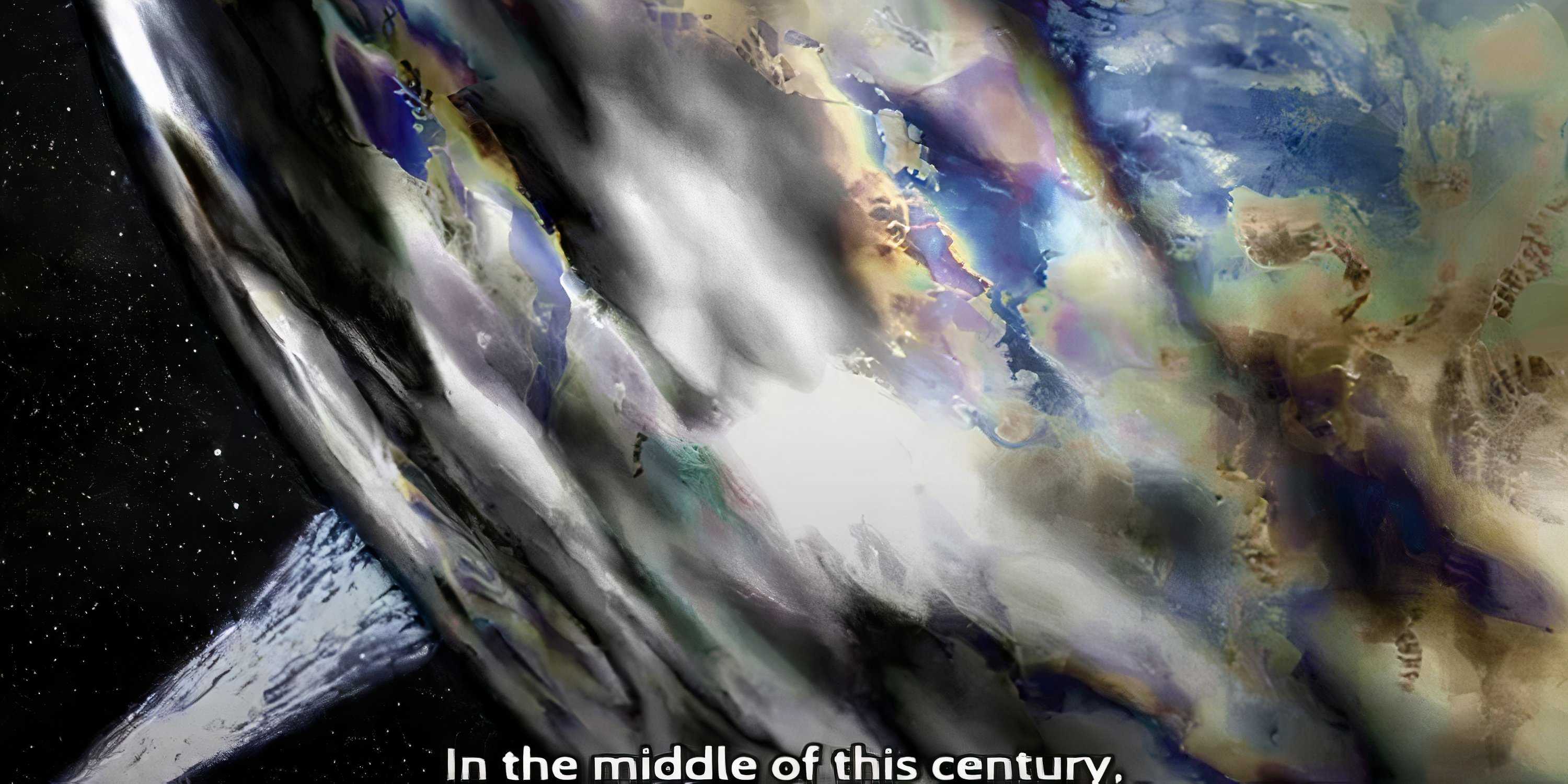
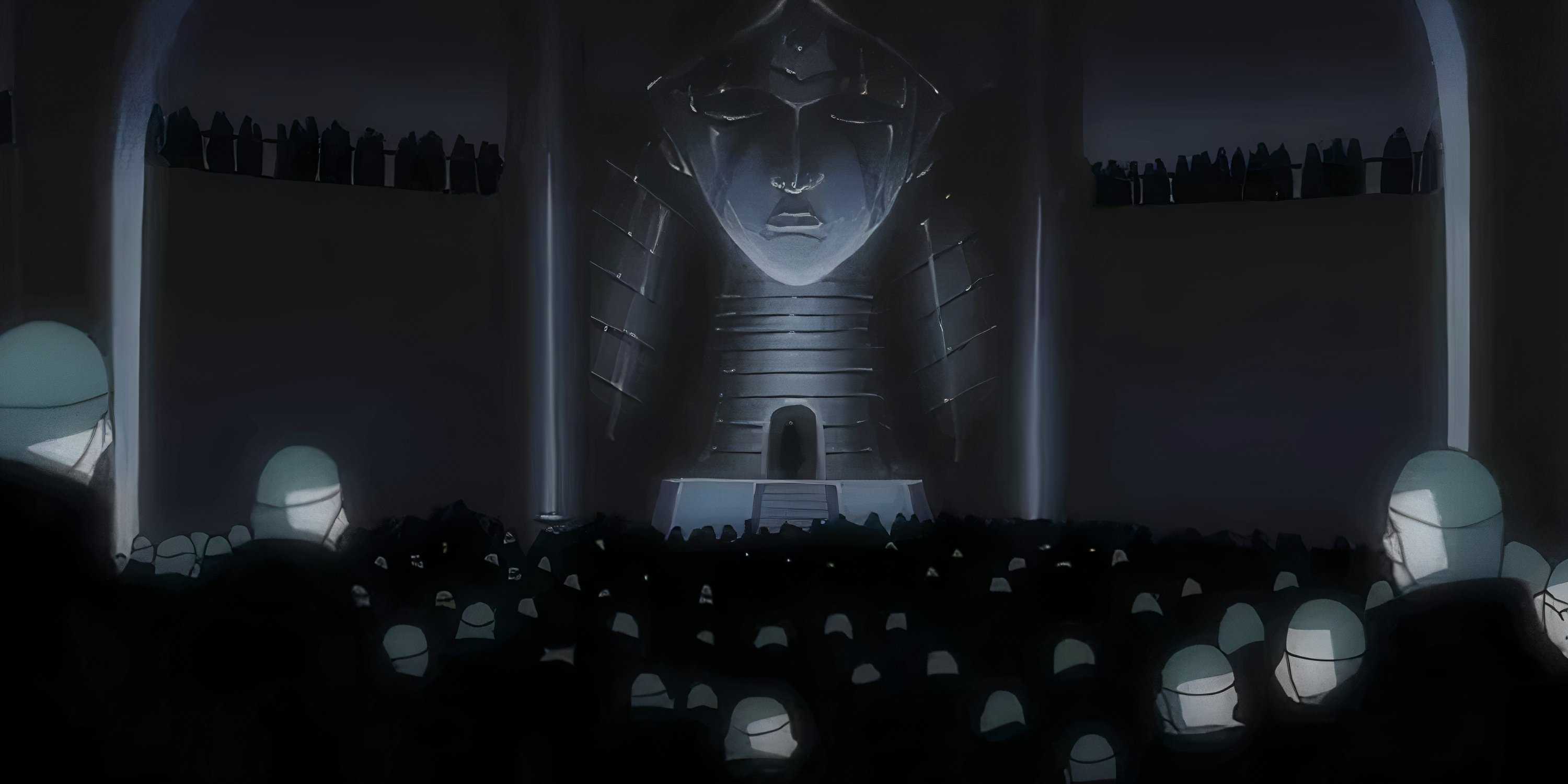

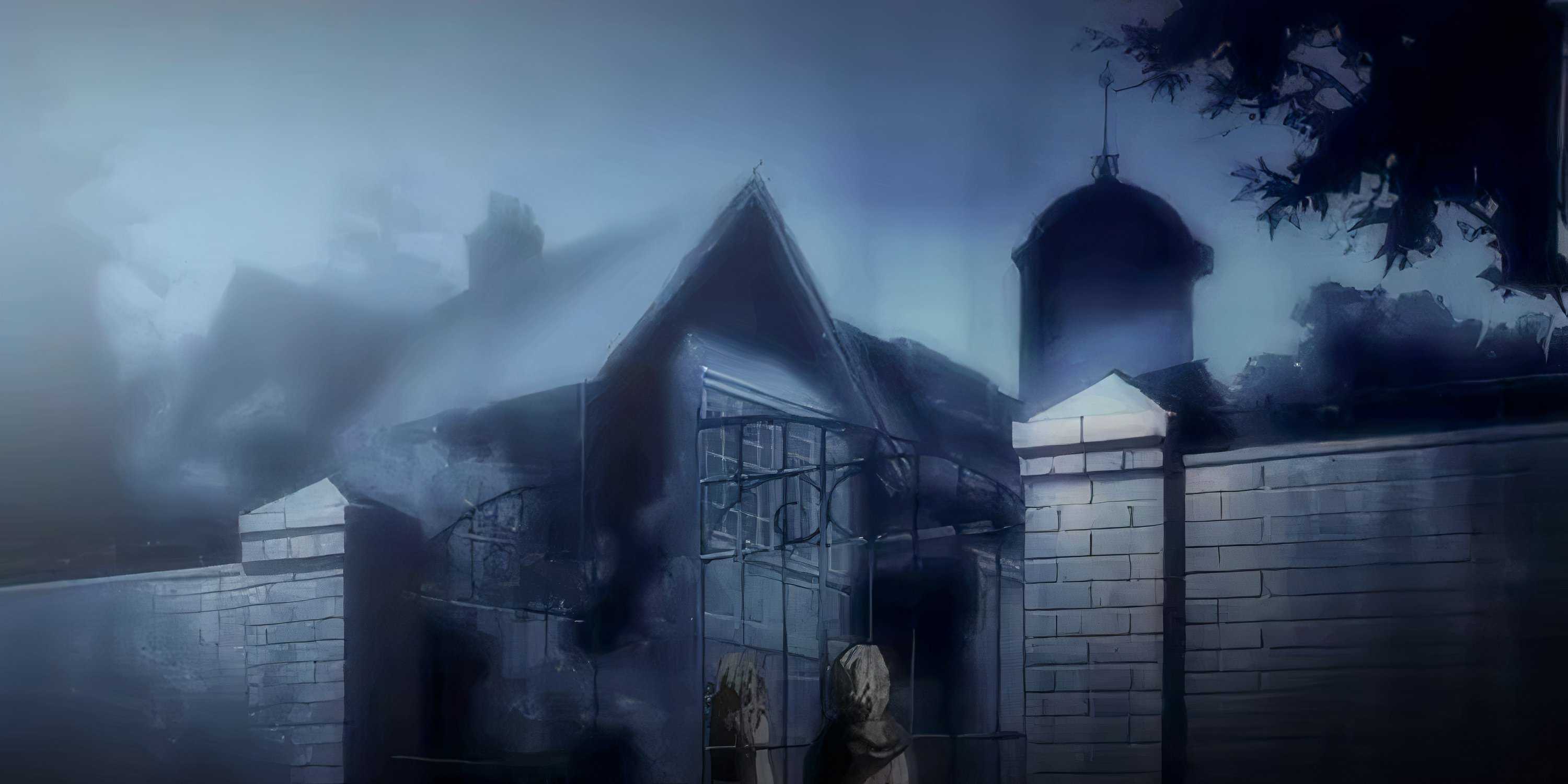
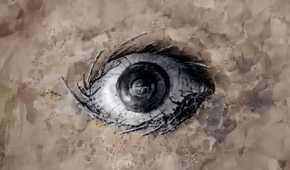
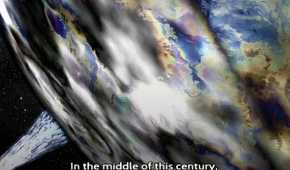
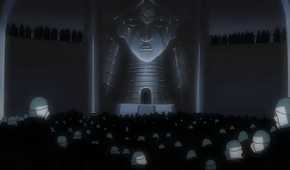


Gilgamesh falls into the category of polarizing anime; it is the concrete reason anime fans need to explore a rare story. It presents a balanced blend of sci-fi, gothic horror, and philosophical tension that forms a story that mirrors the complexities of human morality.
Set in a post-apocalyptic world where the sky is permanently darkened as a result of an event called “Twin X,” the story revolves around a pair of siblings caught between two opposing factions, with leaders bearing god-like powers. Gilgamesh is not your typical cliché good vs. evil tale.
In Gilgamesh, the lines of morality blur with ease; the story's bottom line is about conflicting ideals and the truth of human evolution. Truth be told, Gilgamesh is not an easy watch; it is an unsettling, slow-burning, and stimulating show with a bleak setting.
3 Dead Dead Demon’s Dededede Destruction
A Genre Piece That Cares More About Alienation Than Aliens

Dead Dead Demon’s Dededede Destruction is the sort of anime that creeps up on you. At first glance, it appears no more than a comedy slice-of-life anime with quirky art and a notably unusual tone, until it becomes mundanely eerie.
The story takes place in a world where a sudden alien invasion ignites the greatest war humanity has ever experienced. As conceived of any sci-fi anime premised on alien invasion, you would expect the story to dissolve into a flurry of military interventions and various battles to preserve humanity from its invaders.
Yet, nothing happens, and life continues, especially for protagonists Kadode Koyama and Ouran Nakagawa, who are only bothered by their high school existential crisis. Kadode and Ouran’s everyday lives reflect how people can normalize even the most world-altering events and carry on regardless.
2 ID: Invaded
A Brilliant Mind Trip That Dissects Serial Killers' Psychology

Released in 2020, ID: Invaded is one of those anime that fall into the category of ill-timed debuts due to the release of flashier shows. Opening as a generic mystery detective thriller, the show quickly adjusts its viewers to a far weirder and original concept of the psychology of the mind.
The story revolves around the Mizuhanome System, a technology to allow detectives to infiltrate the subconscious minds of serial killers to solve crimes from within a fractured dreamscape concept called “ID Wells.” ID: Invaded's best element is realized in its full commitment to exploring the mind as a literal space.
At the forefront of this exploration is Akihito Narihisago, a former police officer turned serial killer detective. Having brutally lost both his wife and daughter to a serial killer, Akihito is Mizuhanome System's ideal practical candidate. Navigating the id wells of other serial killers, Akihito Narihisago, is the tool the show uses to showcase its intent.
1 Planetes
A Masterful Submission To High-Concept Sci-Fi
Planetes makes you question a lot of things, all at once, and each at a time. Adapted by Studio Sunrise over two decades ago, Planetes foretells of a future that reality might be gradually catching up to.


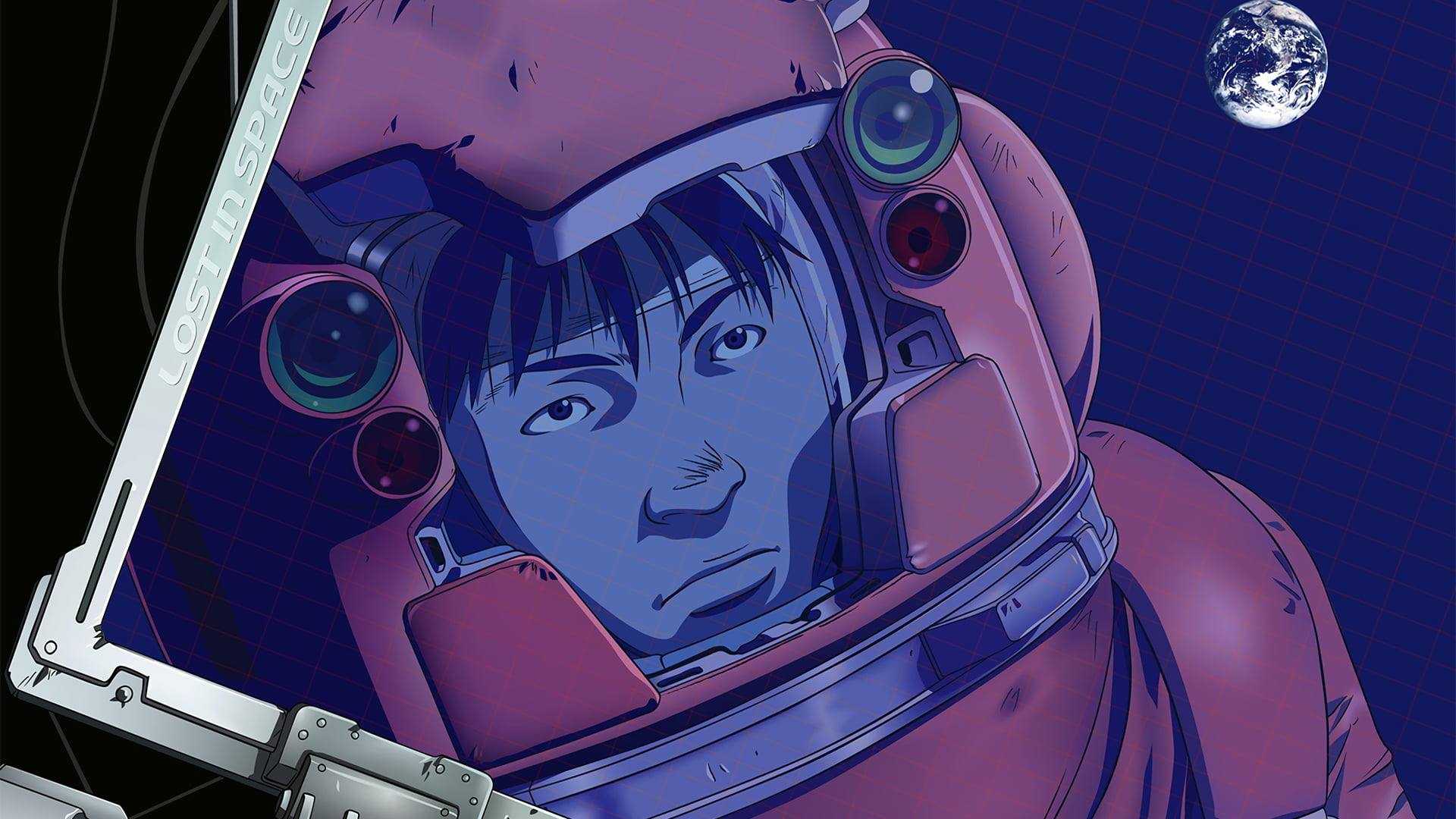

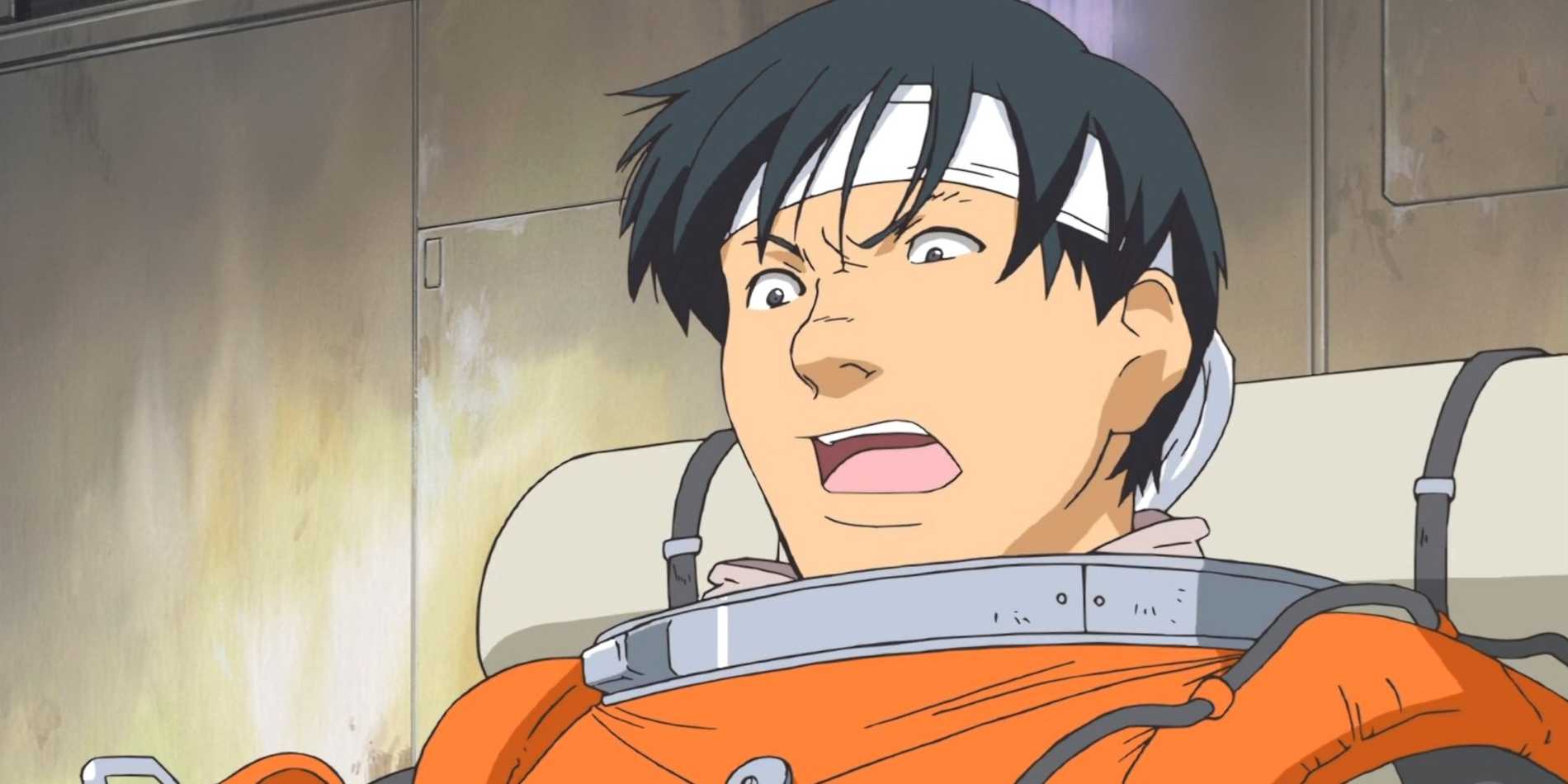
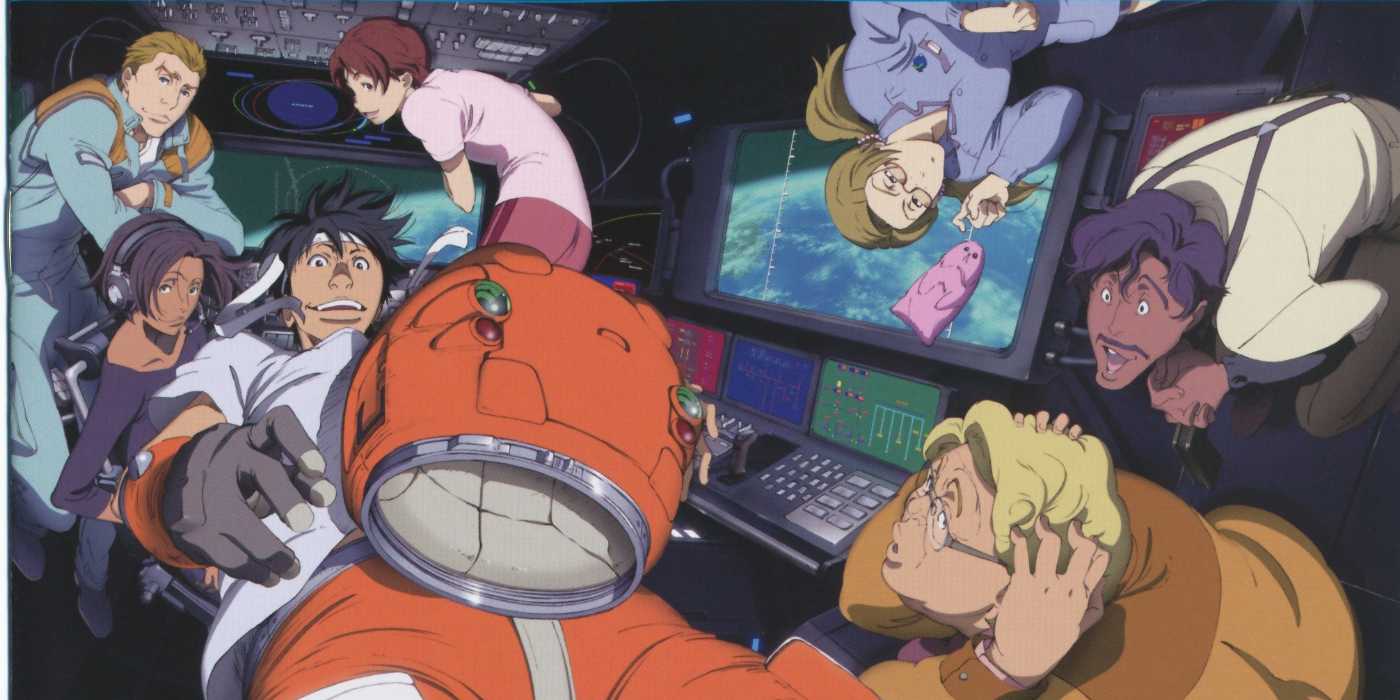
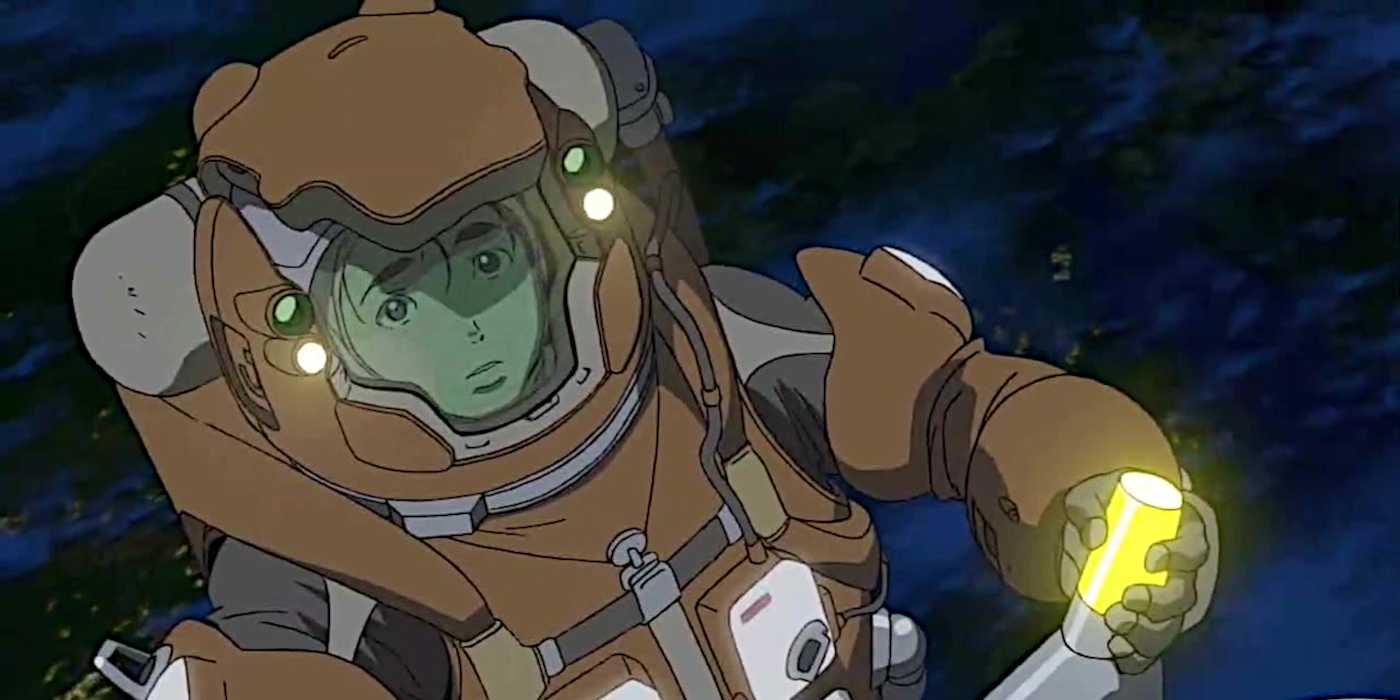




Honestly, the show just confronts so much of human reality and ideals with such realism that it escapes the constraints of sci-fi anime. The show takes place in the year 2075, in a universe where intergalactic travel is the norm and humanity has finally outgrown the Earth.
The story revolves around a team of Technora Corporation's space debris collectors, otherwise known as the “bottom of the food chain,” and the ambitious protagonist who dreams of owning his own spaceship someday. Using the odd bunch, Planetes examines societal issues like environmental pollution, class disparity, and the unseen cost of humanity’s progress.

- Release Date
- 2003 - 2004-00-00
Cast
-
 Kazunari TanakaHachirouta Hoshino
-
Satsuki YukinoAi Tanabe
-
Takehito KoyasuYuri Mihailokov
-
Ai OrikasaFee Carmichael

