


Familiar high school melodrama finds its home in Polychroma Games’ Until Then, an upcoming narrative adventure with a beautifully cinematic pixelated presentation. The studio has previously released several other smaller storytelling games, but Until Then feels like a proper swing at the big leagues, and the setting – which presents a hazy springtime Philippines environment – is arguably the star of the show, a backdrop for homework procrastination, sleepy romantic texting, incidental minigames, and general waywardness for its main character, underachiever Mark Borja.
Screen Rant had the opportunity to check out the first hour of Until Then and left somewhat entranced by the subtly observed storytelling and slight magical realist angle which creeps in right at the end of the demo. It’s definitely not a circumstance where everything is laid bare, so we felt, at best, a better understanding of the culture which the game’s world presents, but less of a real handle on Mark as he navigates the doldrums of daily education.
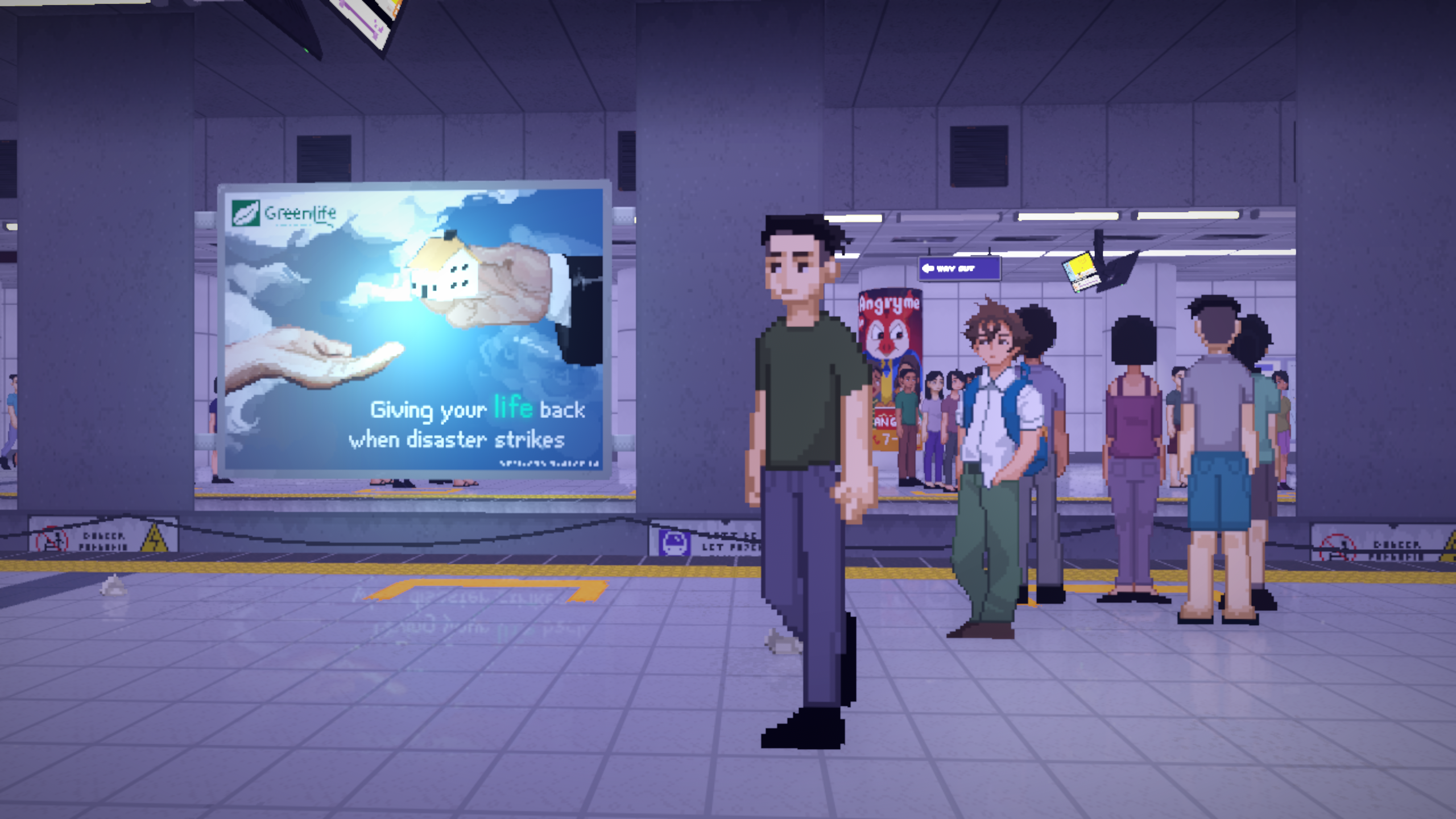
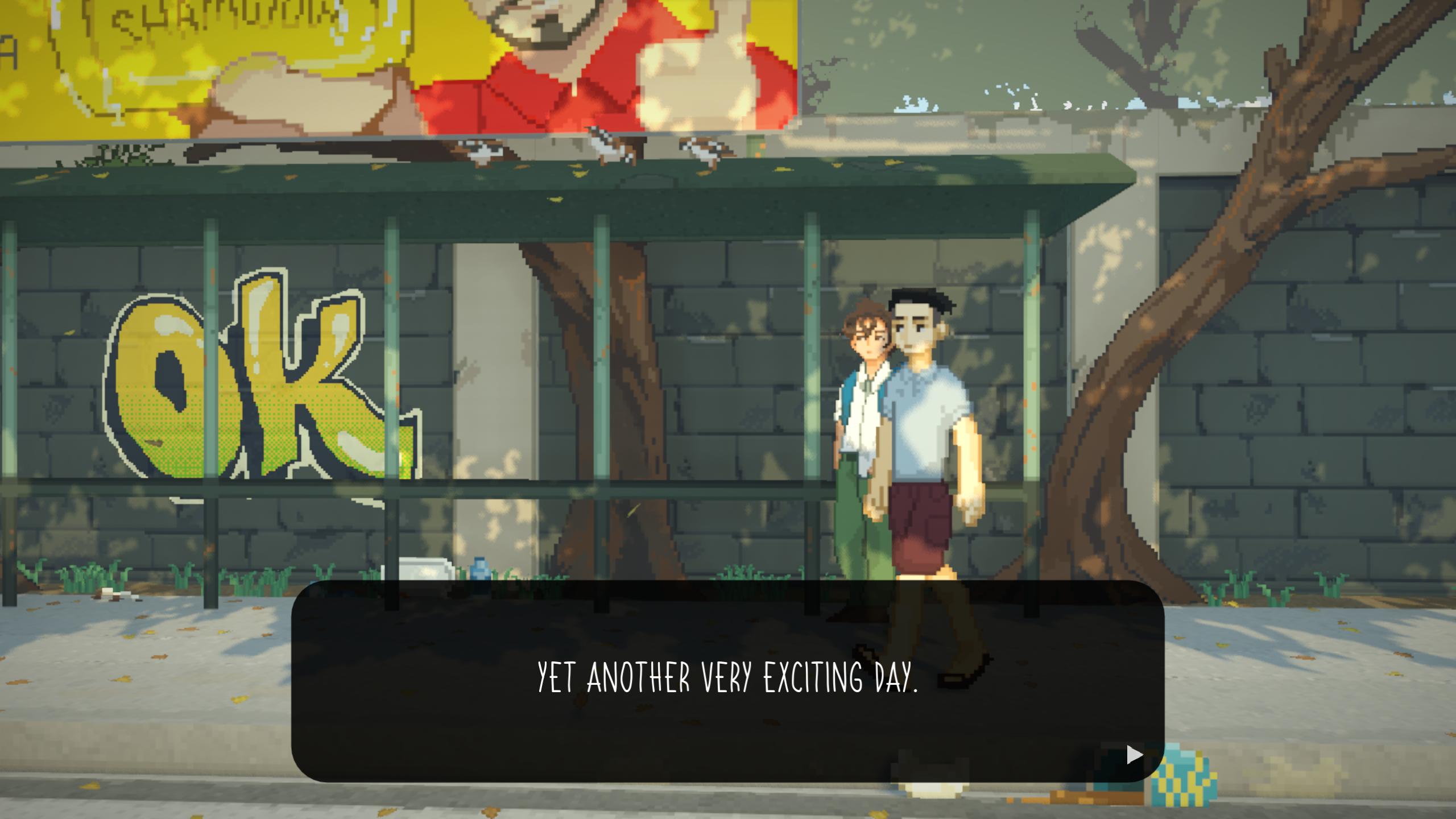
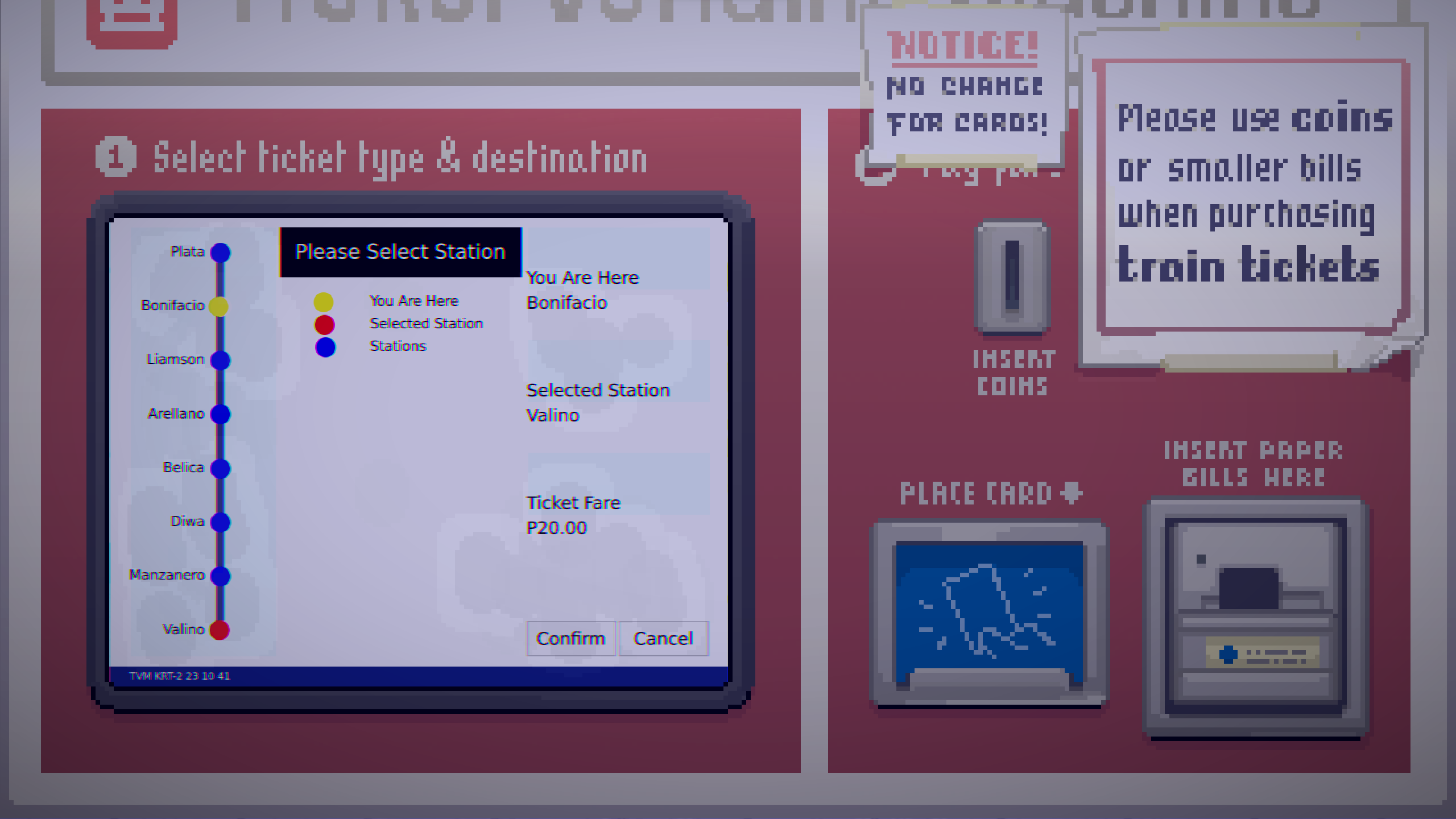
First and foremost, Until Then has chosen an immediately attractive and emotive art style, a format which blends animated 2D pixel art with dynamic camera angles and 3D backgrounds and architecture. The effect seems like a much sunnier interpretation of the style evoked in The Last Night, a dead-ended cyberpunk game first announced back in 2017, before eventually being buried in controversy and delays. Expect multifaceted scrolling backgrounds, zoomed-in pixel scaling for dramatic camera angles, and fine attention to lighting and sound.
Serious Smartphone Simulation


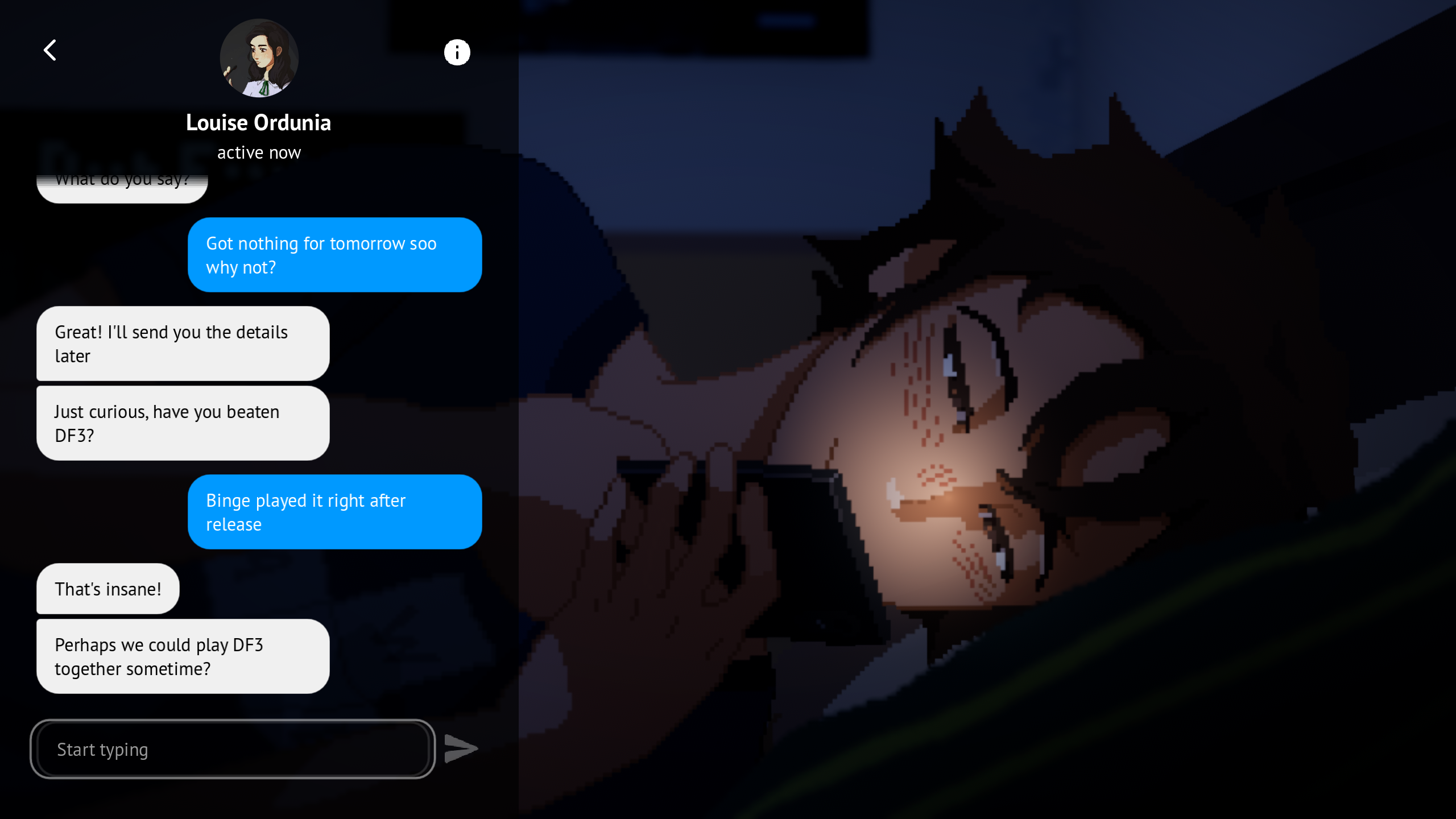
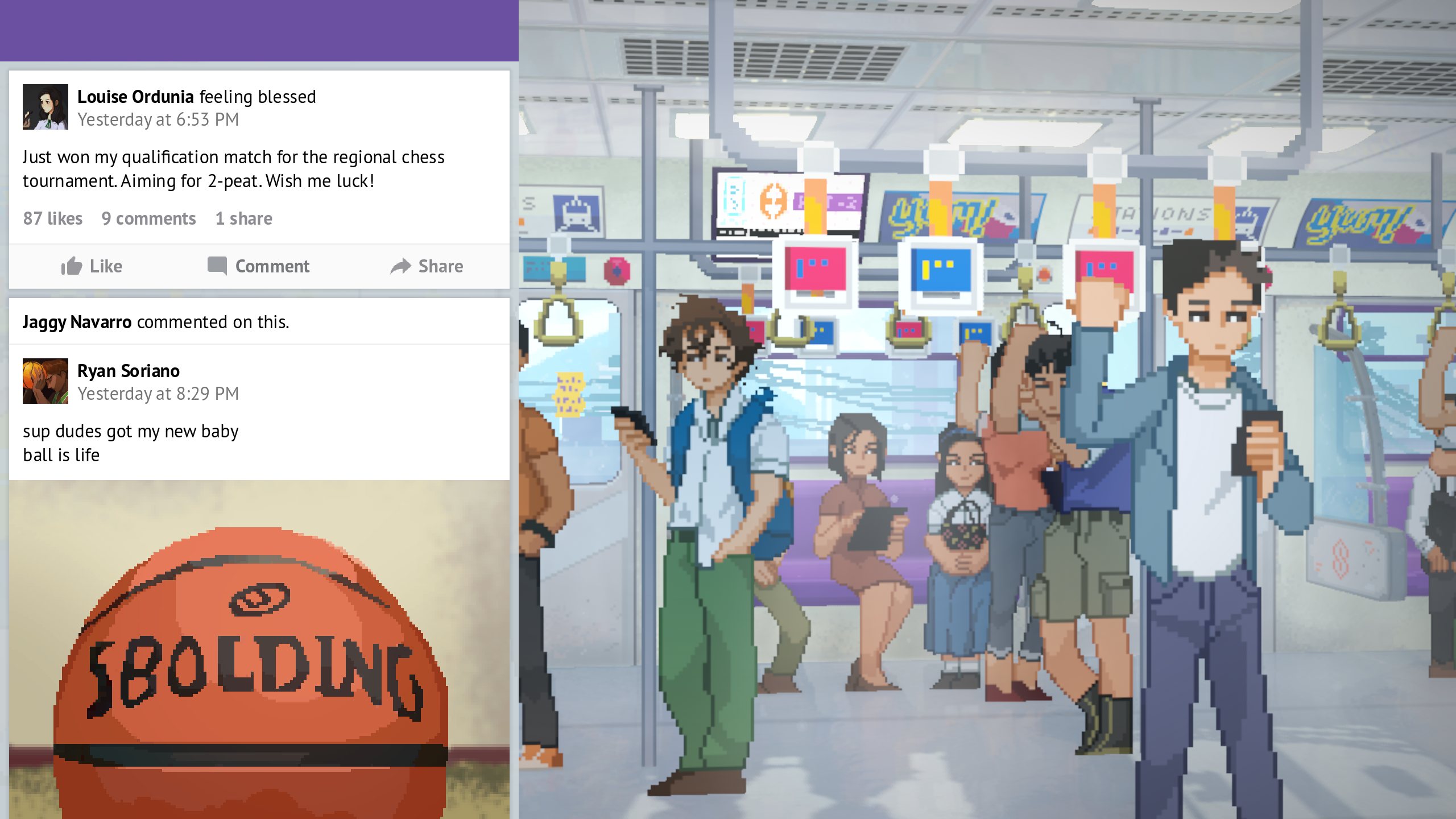




There’s a special ingredient in the Until Then recipe which relates to Polychroma’s previous work: text messaging. Or, more specifically, the incorporation of a dedicated smartphone storytelling engine with the adventure and exploration components of the wider game. This means that when players control Mark they often enter circumstances where he is fiddling with his smartphone, and can navigate through different group texts, private messages, and social media platforms, with some level of interactivity therein.
It's one of Until Then’s best features, and it always feels natural whenever a phone emerges and commands player focus; for instance, when Mark is waiting for his stop on the train or tussling with an unrequited class crush during a bout of insomnia. There’s waiting for other characters to type their messages out, commenting or leaving likes on their pseudo-Facebook posts (which can potentially be noticed and referred to in the story), and fretfully hopping between DM group threads.
Until Then has chosen an immediately attractive and emotive art style, a format which blends animated 2D pixel art with dynamic camera angles and 3D backgrounds and architecture.
It’s a unique effect that’s been seen in some shape or form in several other games as well – 2020 indie We Should Talk wielded it to mold dialogue choices - but its verisimilitude in Until Then is unusually well-designed, and it will be exciting to see how it evolves the script later on or affords alternate narrative choices. Imagine the horrific opportunity to scan through a crush’s social media page and hit the like button by mistake, but in a game?
Dialogue Is Slow, But Fish Balls Are Fast

Outside of that smartphone, interactivity in Until Then is not particularly deep, and is mostly concerned with clicking through dialogue and only occasionally making a binary choice. This part of the game would do better if it had an option to hasten text, as there are plenty of filler replies, ellipses, and other common interactive novel stuff. That being said, there were some brief minigames that appeared in the preview that thankfully broke up the pacing, including one where two characters competitively spike fish balls out of a pan for an afternoon snack.
Many of the characters don’t seem fully fleshed out at this early stage, and Mark Borja seems too sleepy for a central protagonist. The supporting characters have a bit more color, though, including what seems to be some LGBTQ+ representation, as well as someone who might have magical powers or some kind of fantastical effect on the story.
The lead thread in the demo is Mark’s slowly developing crush on overachieving teacher’s pet Louise, but she isn’t anywhere as interesting as his longtime friend prone to puppy love, or Louise’s manic pixie best friend who comes to cheer her on at a chess match. All of them are possibly connected to the story in smarter ways later on, but the demo is approximately 45 minutes, so it barely digs into the wider story concepts.
Final Thoughts on the Preview

A lead developer cited 2017’s beloved anthropomorphic slice-of-life adventure Night in the Woods as a key inspiration, which seems fully obvious with the gameplay we’ve now explored. As in that game, Until Then presents characters in all their awkward beauty and in day-to-day settings, all while something more sinister and/or strange is lurking underneath the surface and threatening to be revealed.
Regardless, both the visual style and smartphone gameplay are absolute winners within the first hour, as well as the setting of the Philippines, a decided rarity in the medium. It will be exciting to see how all of these elements develop over the course of the finished game, so adventure and interactive fiction fans should definitely check out the new demo for Until Then.
Until Then will be featured and playable as a timed demo during Steam Next Fest, from February 5 to February 12.
