


Warning: spoilers for Wonka.
Summary
- Wonka includes references and Easter eggs from previous versions of Willy Wonka, including Gene Wilder's iconic cane and dance on the stairs.
- Chalamet's Wonka puts a twist on Wilder's famous line, saying "Scratch that, reverse it!" in his own version of the quote.
- The movie features nods to other characters and elements from the novel and previous movies, such as Slugworth and the promise of a lifetime supply of chocolate.
Wonka tells the story of a young Willy Wonka (Timothée Chalamet), but despite its time setting, it has various references and Easter eggs from past versions of the character, as well as the source novel. Directed by Paul King, Wonka is a musical fantasy movie based on the character from Roald Dahl’s 1964 novel Charlie and the Chocolate Factory, but instead of following him as the eccentric owner of Wonka Factory, who hid Golden Tickets on five chocolate bars, Wonka takes the audience many years back to meet a young and naive, yet very cheerful Willy Wonka.
Wonka follows aspiring inventor and exceptional chocolatier Willy Wonka as he arrives in a new city with hopes of opening his own (and very unique) candy shop. However, Wonka comes across a couple of enemies, such as the Chocolate Cartel, who go to lengths to keep him out of the chocolate business. Despite exploring the young years of Willy Wonka, Wonka isn’t part of the timelines of the 1971 movie nor Tim Burton’s adaptation of Dahl’s novel, but it has various references and Easter eggs from these as well as the novel.
17 Willy Wonka’s Cane Stands For Itself
Gene Wilder’s Willy Wonka had a cane that stood for itself

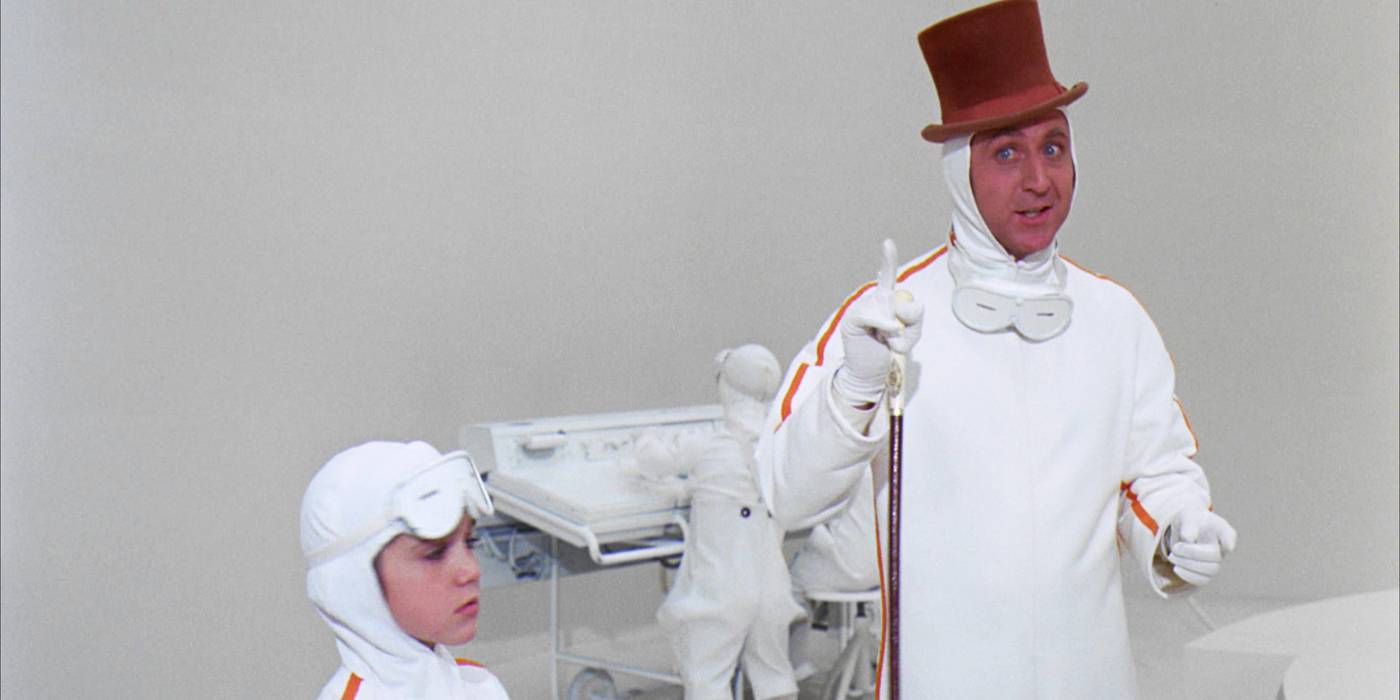
Gene Wilder’s Willy Wonka had an unforgettable introduction in Willy Wonka and the Chocolate Factory. In it, his cane got stuck and he continued walking, but just a couple of steps later, he realized he no longer had the cane and fell, but before he hit the floor, he did a somersault and proved he was fine. Chalamet’s Wonka didn’t do a somersault but his cane also stood for itself and stayed in one place as he continued walking, but he didn’t fake a limp and a fall.
16 Wonka’s Little Dance On The Stairs
Gene Wilder did a little dance on the stairs of the factory

Gene Wilder focused on physical comedy in his performance as Willy Wonka, and one of his most iconic moves happened on the stairs of the factory. Wilder walked down the stairs and popped back up one step before walking down again, taking the kids and their parents by surprise with his unpredictable moves. Chalamet incorporated this into his performance as Willy Wonka in the opening number, which he shared in an interview wasn’t an easy move to master.
15 “Scratch that, reverse it!”
A variation of a famous line by Gene Wilder’s Willy Wonka
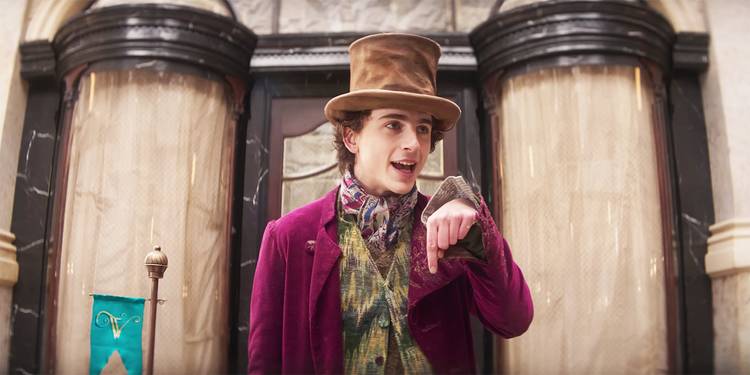
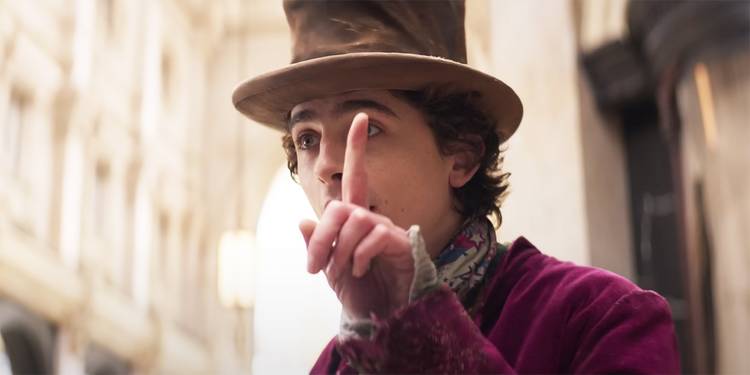
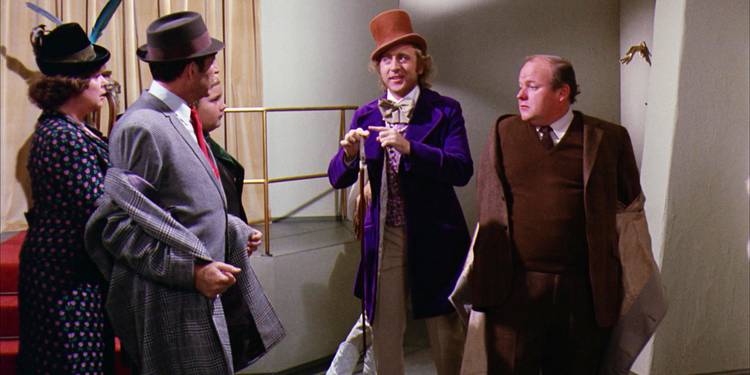
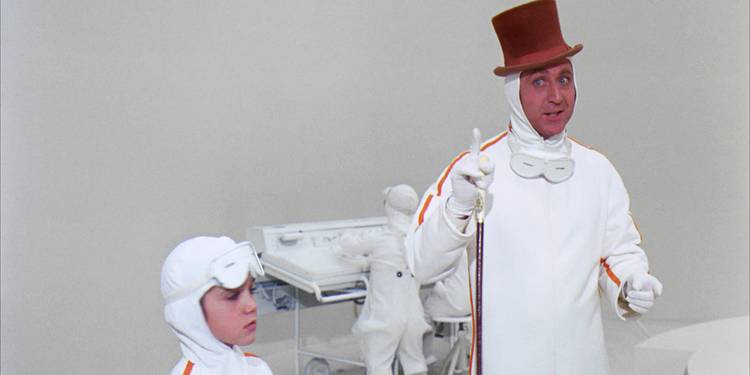
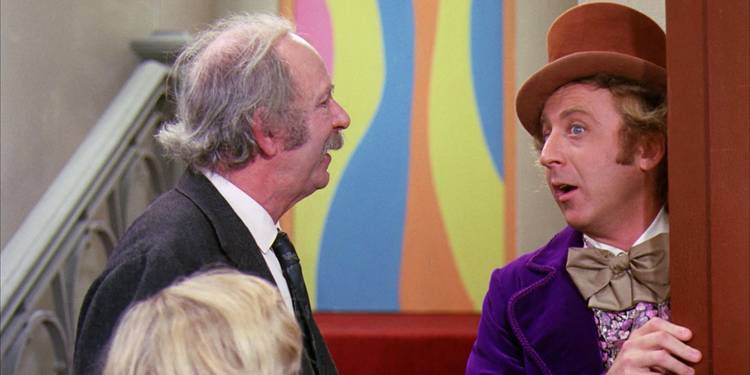


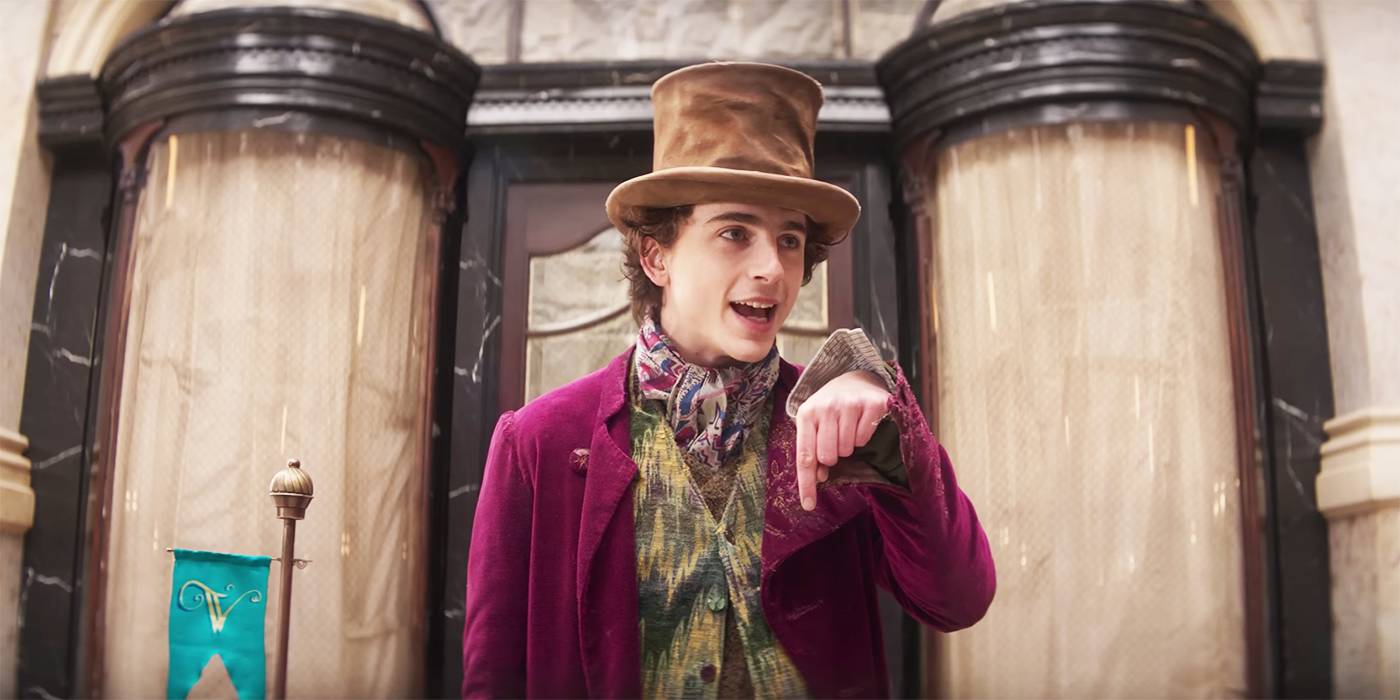
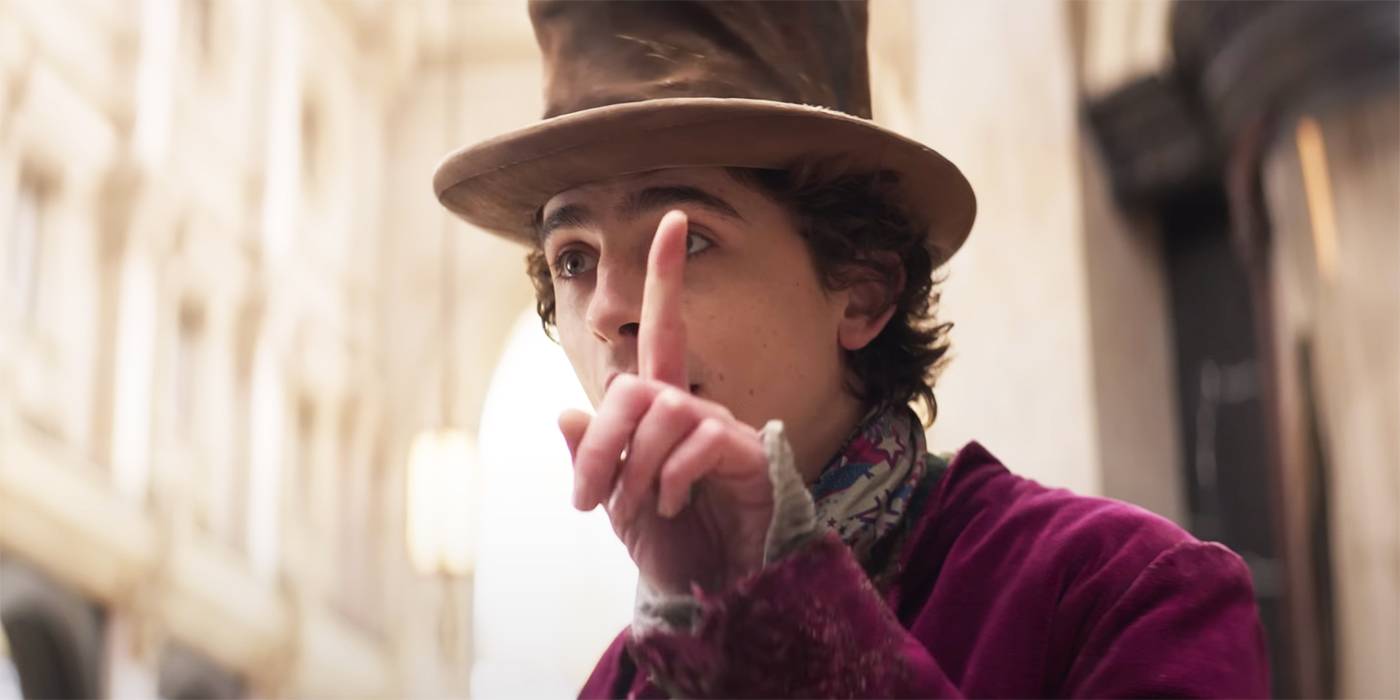
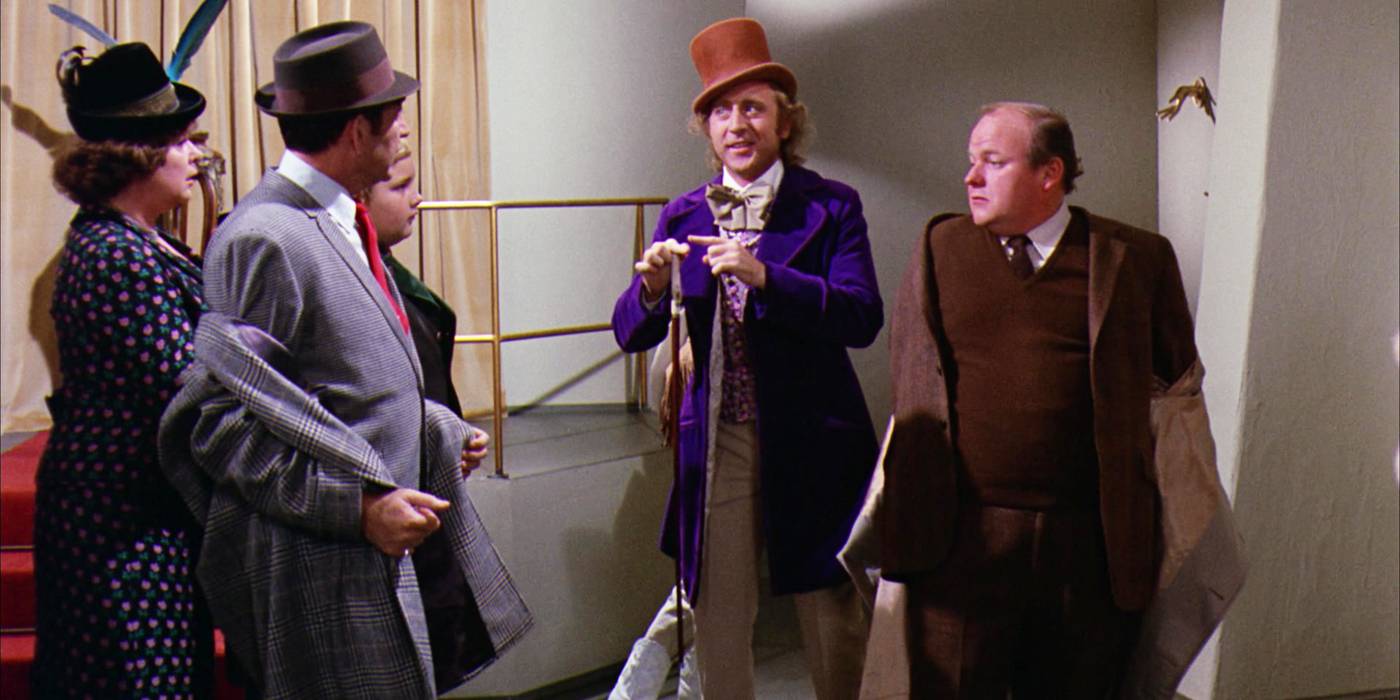
 Warner Bros. Pictures
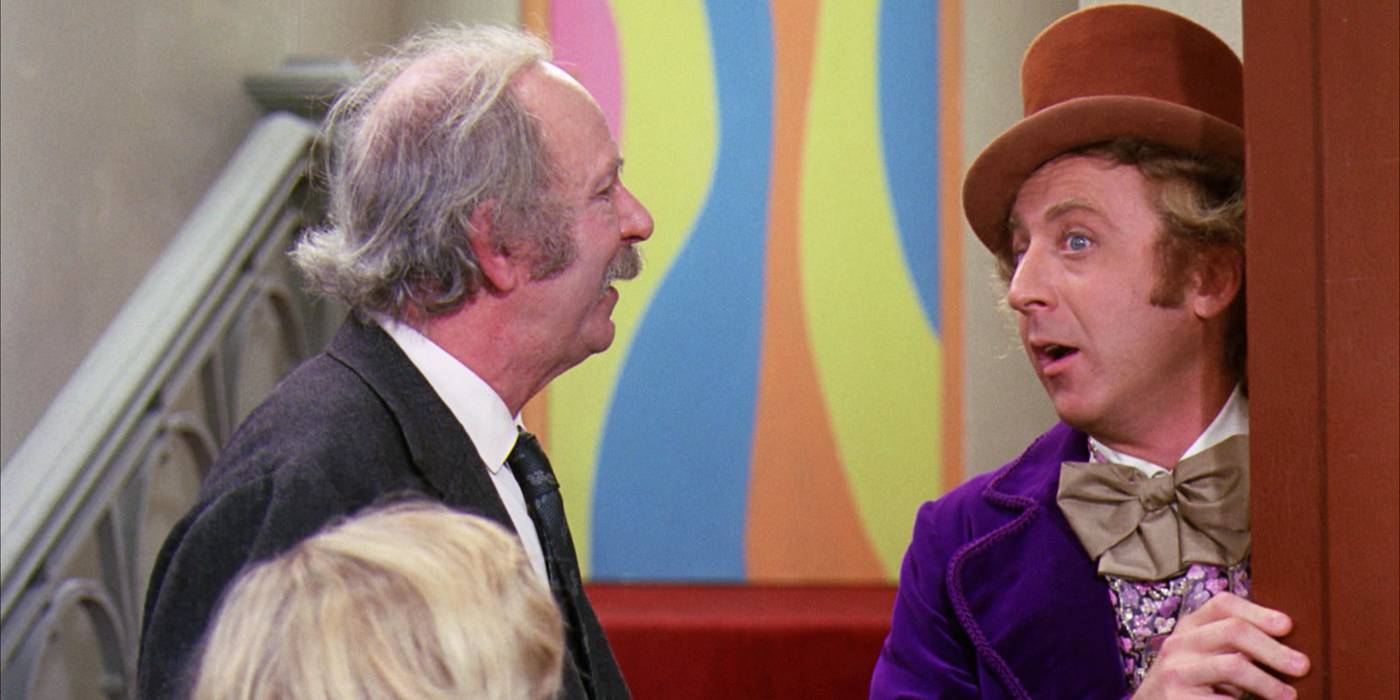
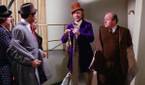
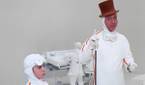
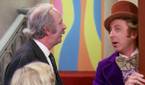
Wonka has plenty of references to Wilder’s version of the eccentric chocolatier, and one of them is a twist on one of Wilder’s Wonka’s most famous quotes. Wilder’s character got so excited that he would flip words and end up saying things like “we have so much time and so little to see”, but he would fix it right away with “wait a minute! strike that, reverse it”. Chalamet’s Wonka did the same, only with a twist – when he said “quiet up and listen down”, he fixed it with “nope. Scratch that, reverse it!”.
14 The Fine Print In Mrs. Scrubbitt’s Contract
Willy Wonka has a history with fine print

When Wonka is tricked by Bleacher to stay at Mrs. Scrubbitt’s hostel, she gives Wonka a contract to sign so he can stay for the night and pay her the next day, but the contract is actually very, very long and with very small letters. As Wonka didn’t know how to read, he missed the fine print despite Noodle warning him about it, and he ended up imprisoned by Mrs. Scrubbitt the following day.
In Willy Wonka and the Chocolate Factory, Wilder’s Willy Wonka made the children sign a large contract where the fine print “clearly” indicated they couldn’t win the prize if they stole his inventions, which Charlie and Grandpa Joe did when they tried the Fizzy Lifting Drinks.
13 Mrs. Scrubbitt’s Wash House
A reference to Charlie Bucket’s mother

The fine print in Mrs. Scrubbitt’s contract not only detailed all the things that Wonka would be charged for but also that, in order to pay his debts, he had to work at Mrs. Scrubbitt’s wash house along with other scammed guests. In Willy Wonka and the Chocolate Factory, Charlie Bucket’s mother worked at a wash house, where Charlie visited her (and helped her with the clothes) and told her how much he wanted to find one of the Golden Tickets.
12 Willy Wonka’s Travels To India
Johnny Depp’s Wonka had an interesting project in India



 Warner Bros. Pictures
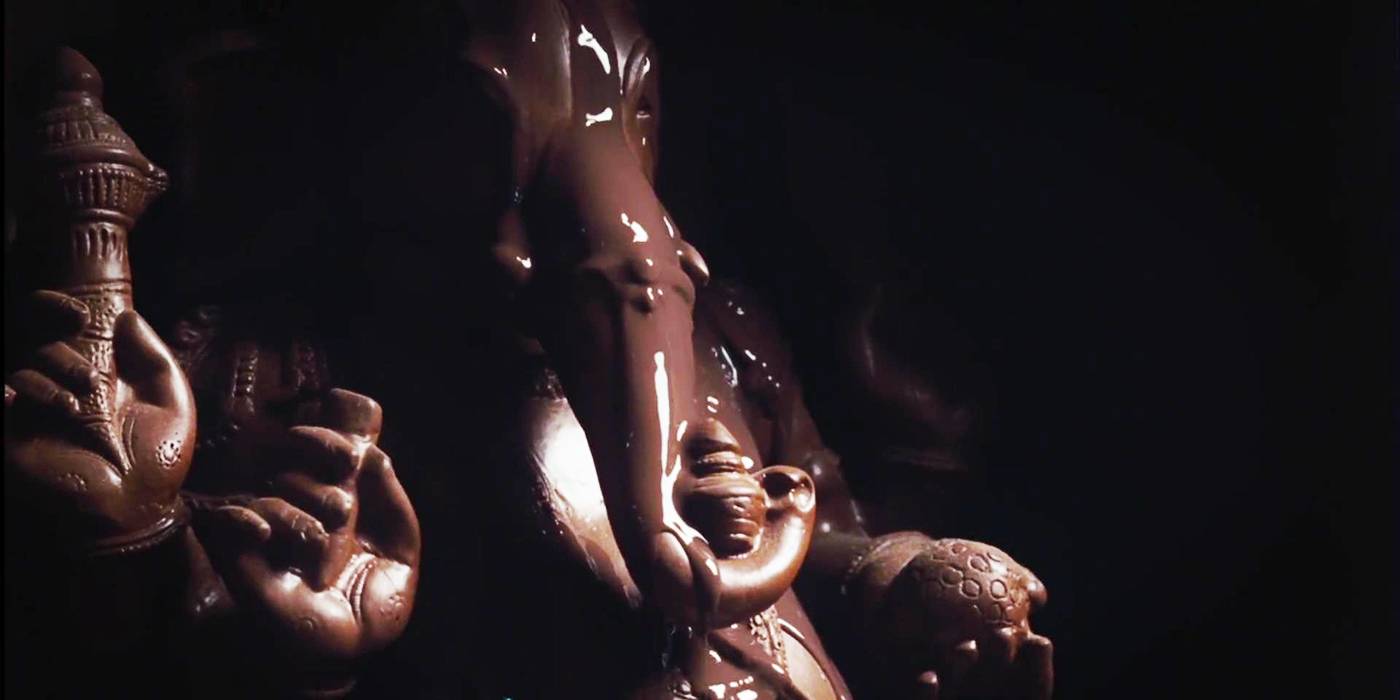
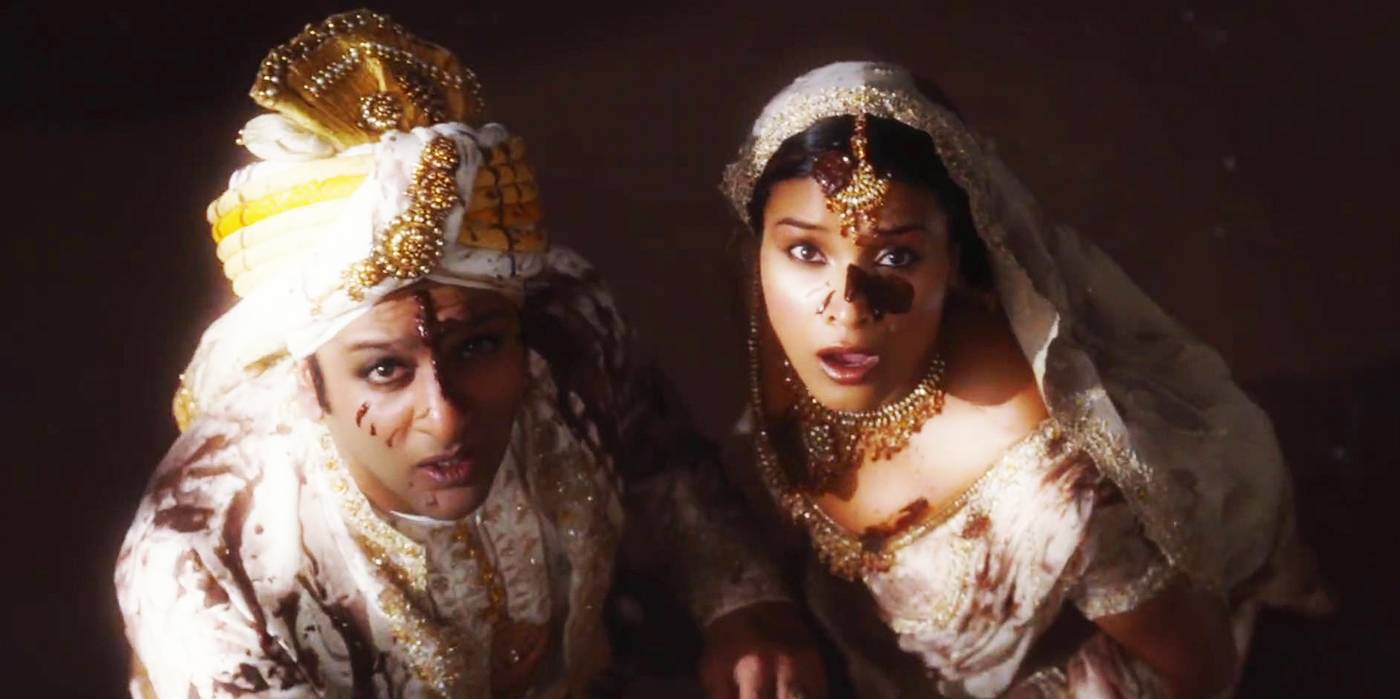


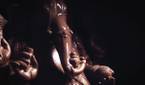
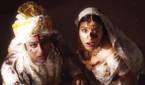
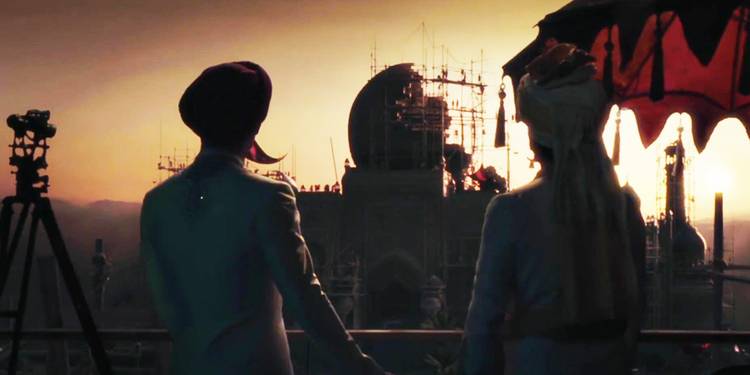
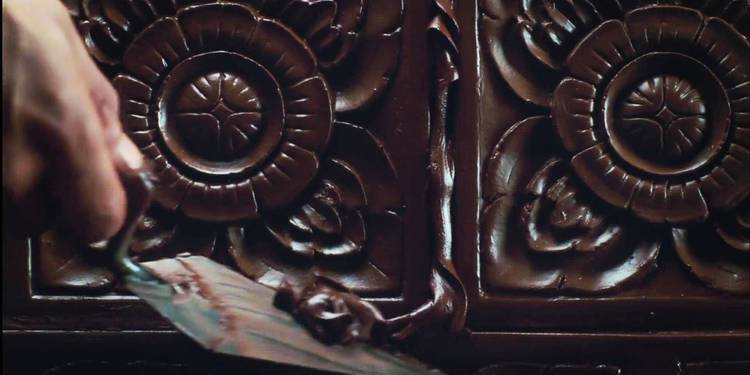
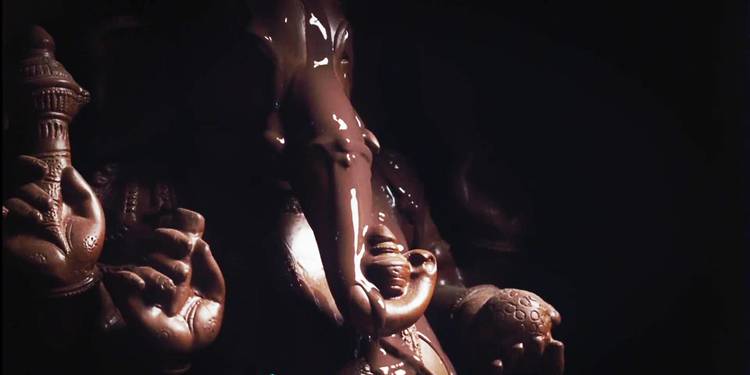
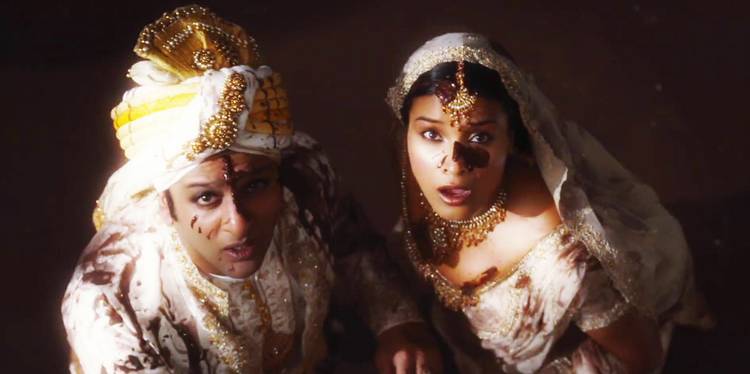
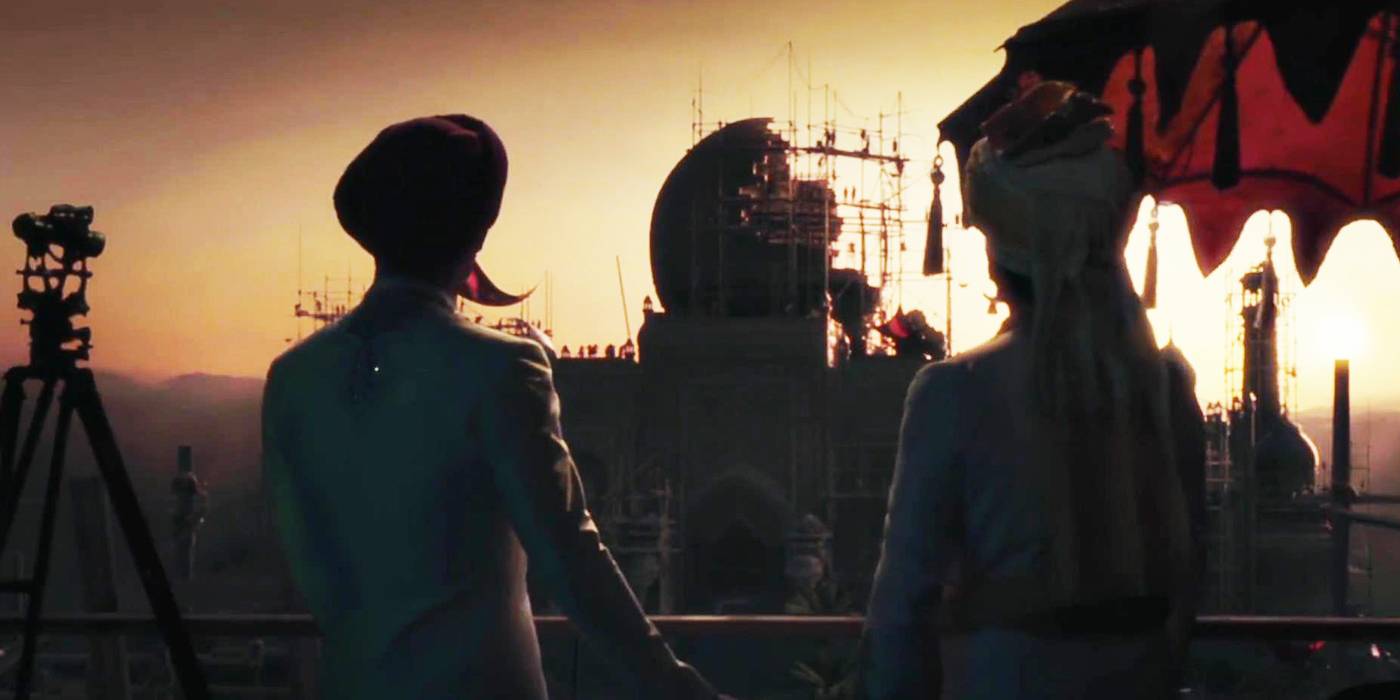
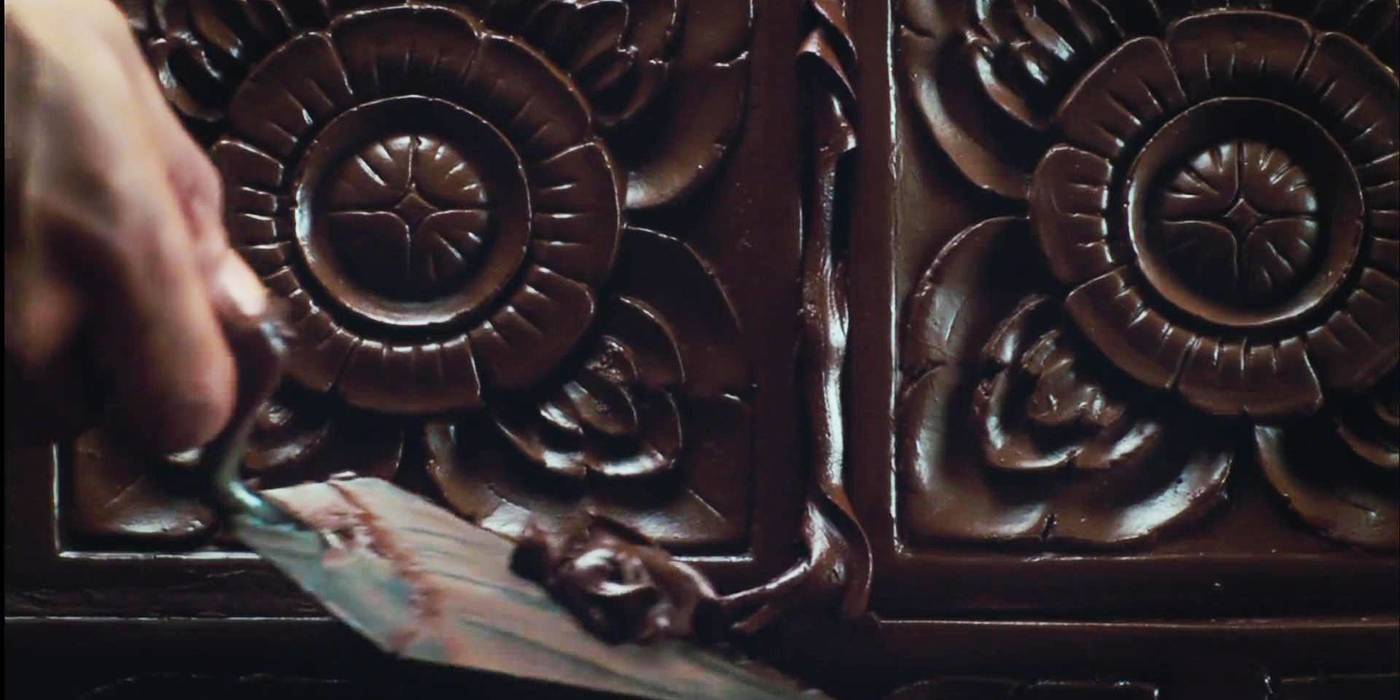
Wonka opened up to Noodle about his travels and love for chocolate and sweets, explaining he visited Mumbai and later Bavaria. In Dahl’s novel and Tim Burton’s Charlie and the Chocolate Factory, Willy Wonka agreed to build a chocolate palace for Prince Pondicherry of India, but as Wonka warned him, the castle didn’t withstand the intense temperatures of the area. The palace melted and collapsed, but Willy Wonka was too busy with his business and didn’t rebuild the palace.
11 Slugworth, Prodnose, & Fickelgruber
Willy Wonka’s rivals appear in the movies & the novel

Willy Wonka’s genius and creativity caught the attention of rival candy makers who wanted to either stop him or steal his recipes. These enemies were Arthur Slugworth, Mr. Prodnose, and Mr. Fickelgruber, who in Wonka formed the Chocolate Cartel. These three chocolatiers appear in Dahl’s novel and Slugworth was mentioned in the 1971 movie, with his and Fickelgruber’s candies seen at Bill’s Candy Shop. In Burton’s version, the three make very brief appearances when Grandpa Joe tells Charlie about the spies who were stealing ingredients from Wonka’s factory.
10 A Lifetime Supply Of Chocolate
Willy Wonka has a thing for promising lifetime supplies of chocolate

Chalamet’s Wonka promises his new friend Noodle that, if she helps him, she will get a lifetime supply of his chocolates, which is a promise that the audience has heard before. Both Wilder and Depp’s versions of Willy Wonka promised the winning kids lifetime supplies of Wonka candies, with Charlie Bucket being the winner. This, of course, is also what Charlie gets at the end of the novel when Wonka makes him the heir to his business.
9 “Good day, sir!”
Hugh Grant’s Oompa Loompa used a famous Willy Wonka line

One of Gene Wilder’s most famous lines as Willy Wonka was “good day sir!”, which he angrily said to Grandpa Joe and Charlie when he found out they stole the Fizzy Lifting Drinks. The line was included in Wonka except that it wasn’t the chocolatier who said it, but Lofty, the Oompa Loompa played by Hugh Grant. Lofty politely said goodbye to Wonka with “good day, sir!”, without the anger that made Wilder’s delivery so iconic.
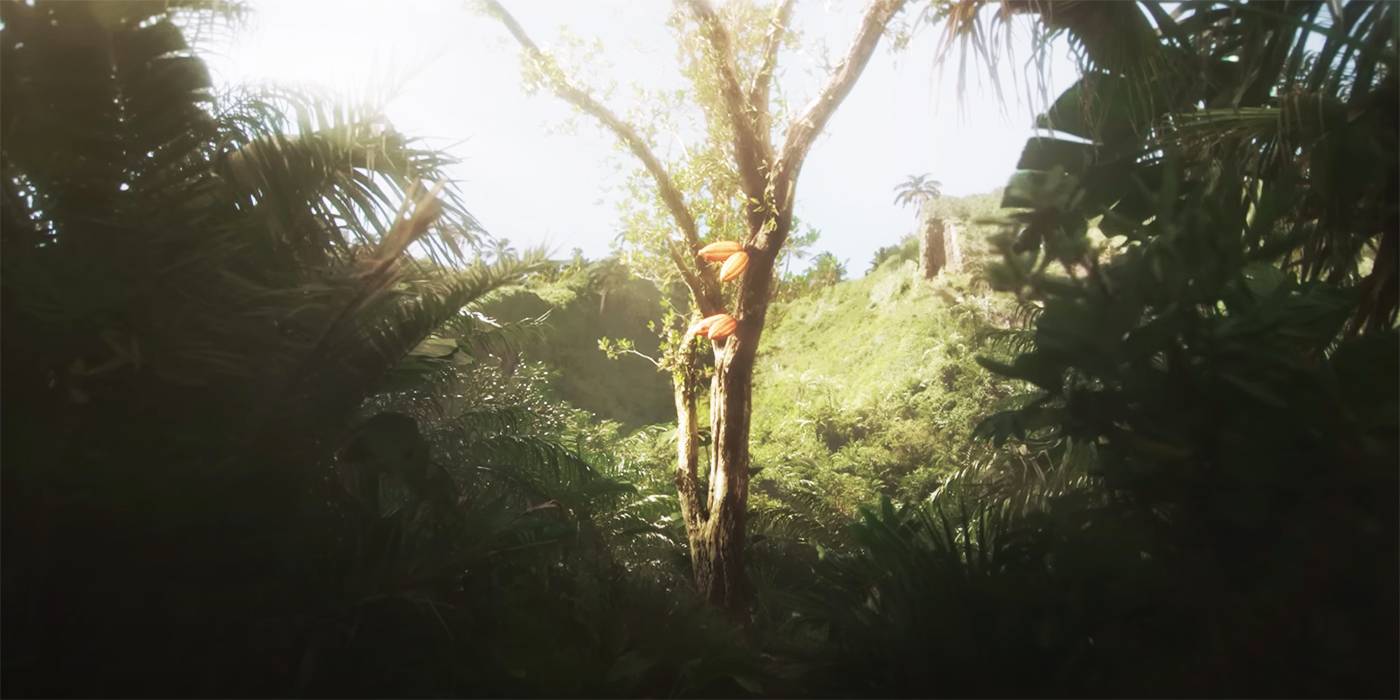
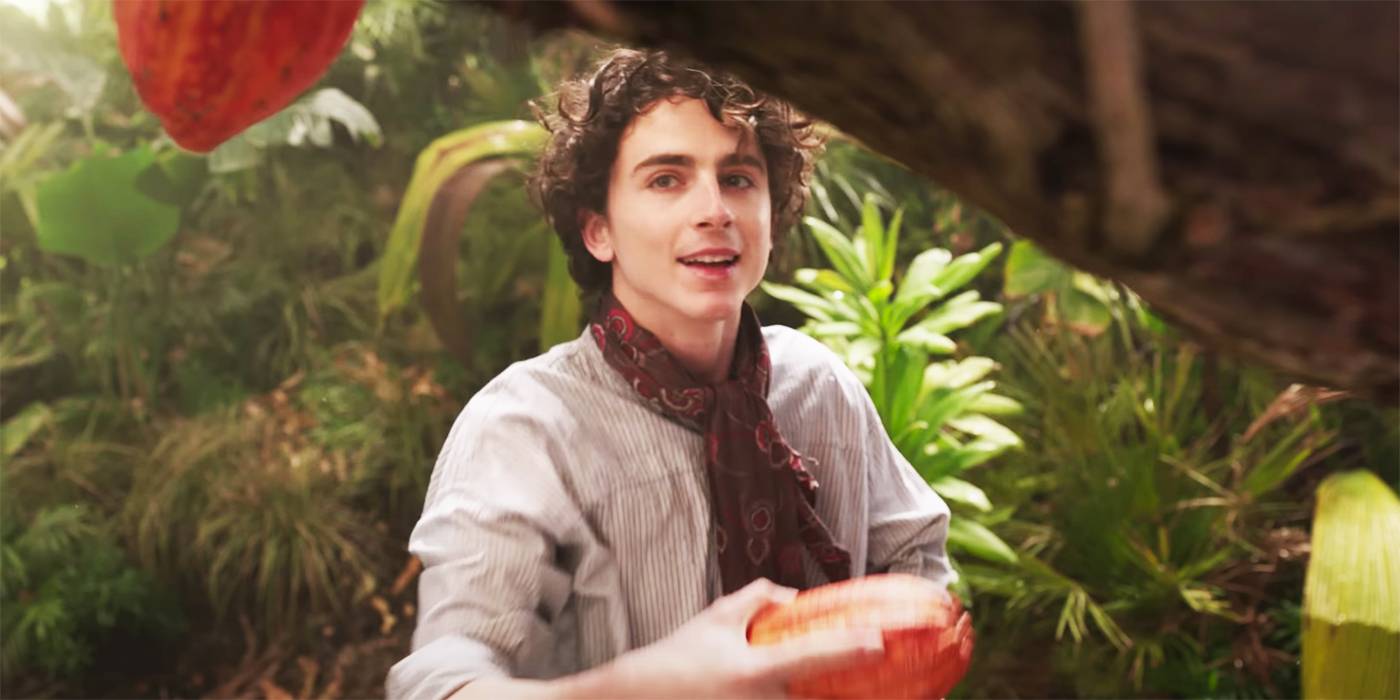
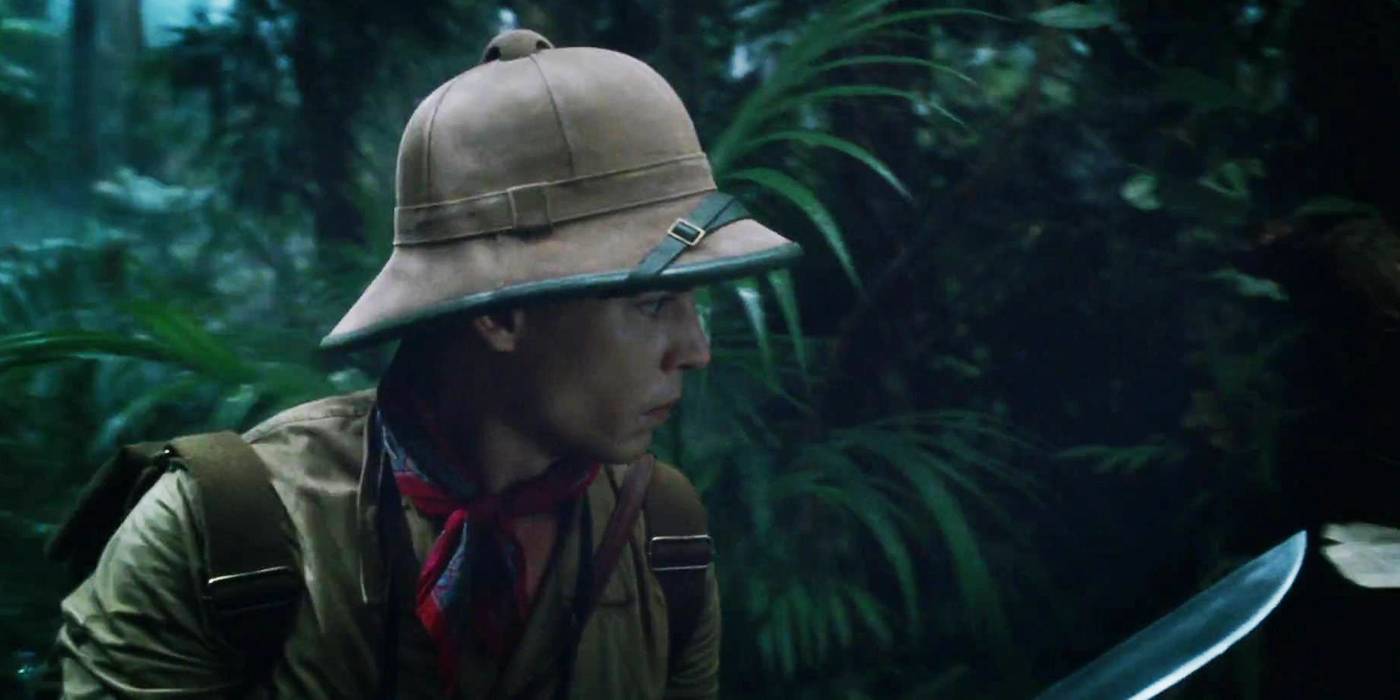
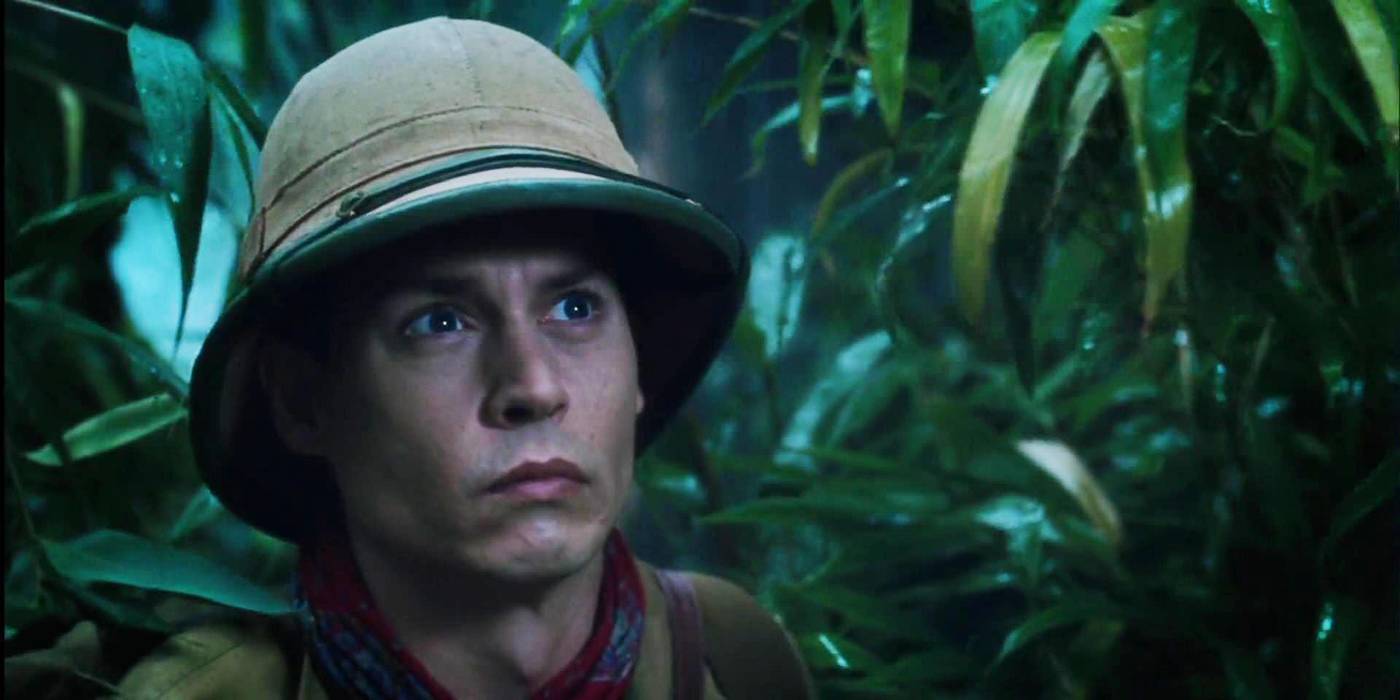
8 Willy Wonka’s Travels To The Land Of Oompa Loompas
Willy Wonka got his chocolate from the land of Oompa Loompas


 Warner Bros. Pictures
 Warner Bros. Pictures
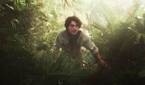

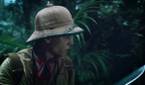

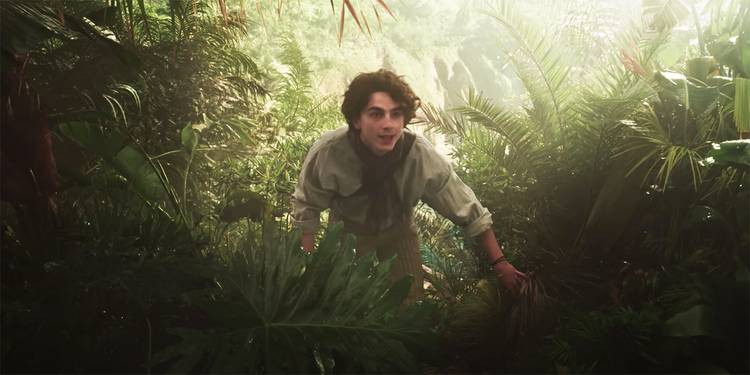
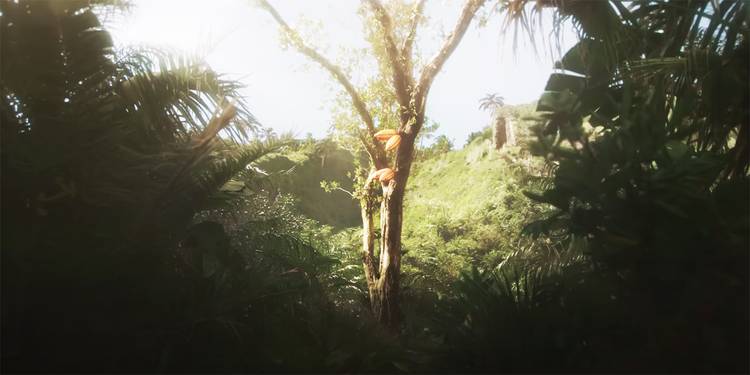
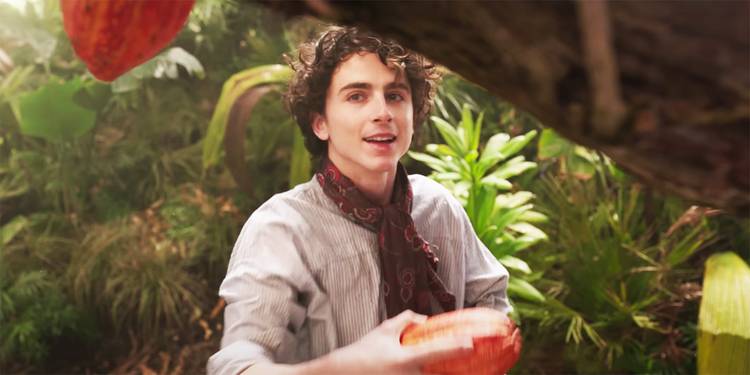
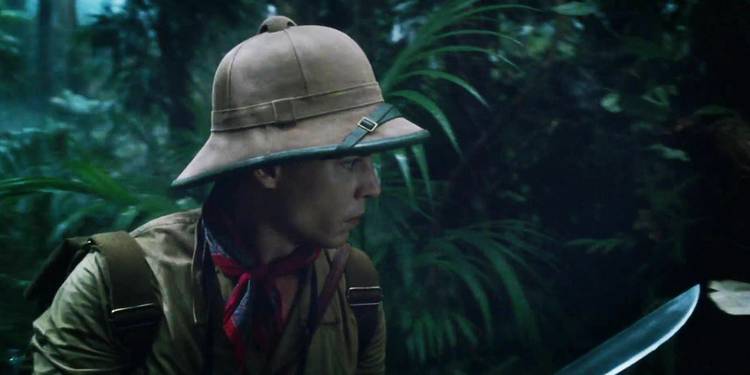
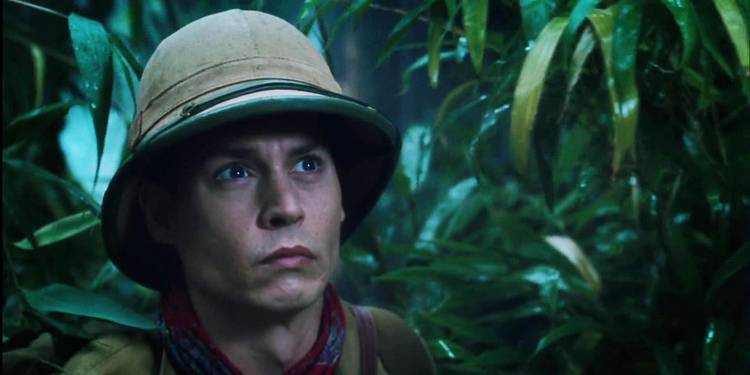
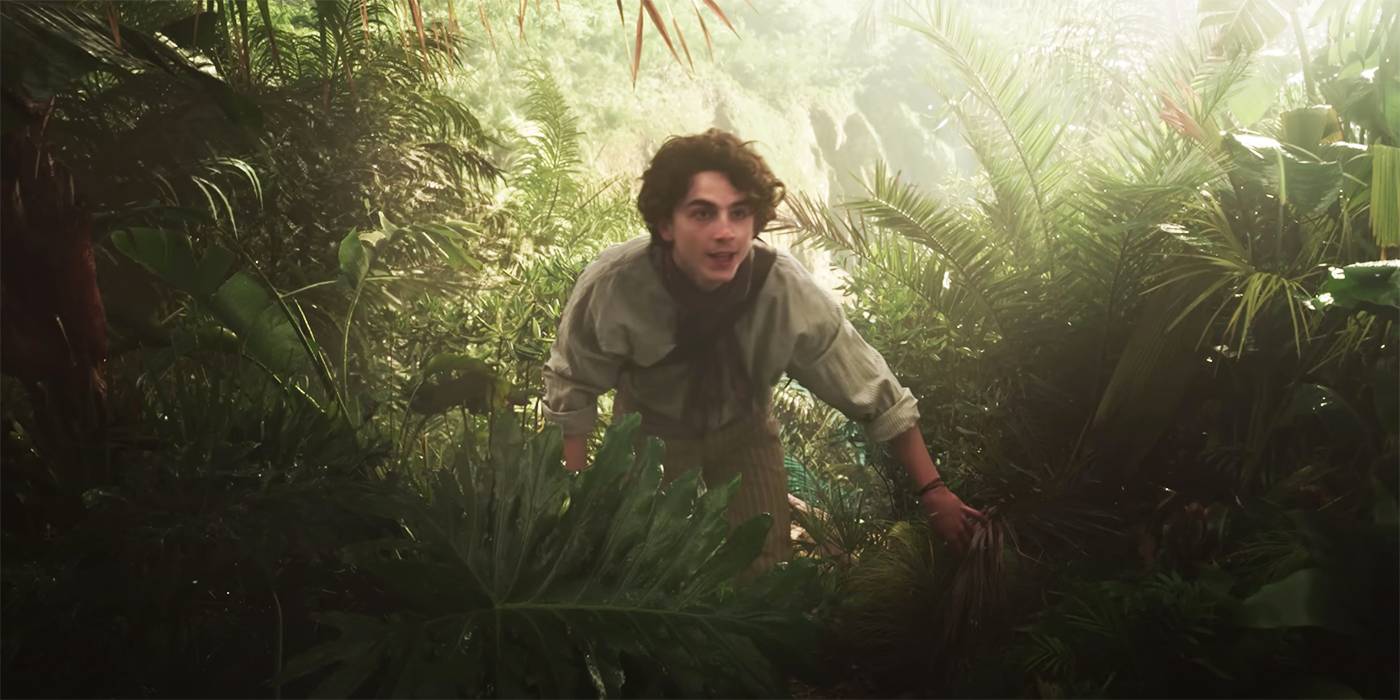
Lofty had been following Wonka for years and stealing his chocolate, and Wonka finally learned why when he captured the Oompa Loompa. As it turns out, Wonka traveled to the land of the Oompa Loompas and took their cacao beans, which got Lofty into trouble as he was supposed to be guarding the beans. This is reminiscent of the travels of Johnny Depp’s Willy Wonka in Charlie and the Chocolate Factory, who also went to the land of the Oompa Loompas looking for new flavors for his candies, but instead of just taking the ingredients he needed, he made a deal with the Oompa Loompas.
