


Warning: spoilers for Wonka.
Summary
- Wonka reimagines the story of Willy Wonka, focusing on his younger years and his quest to make a name for himself, rather than finding an heir.
- The film introduces unique elements such as the hoverchoc, which functions differently than the Fizzy Lifting drinks from the original book and movies.
- Wonka showcases healthy parenting and portrays Willy Wonka and Noodle as humble and kind individuals, breaking away from the toxic parental figures in the previous adaptations.
Wonka is based on the same Roald Dahl stories and characters adapted in 2005's Charlie and the Chocolate Factory and 1971's Willy Wonka and the Chocolate Factory, but it differs from the two movies and the original book in several ways. Serving as a companion film to the 1971 movie, Wonka focuses on the adventures of a much younger Willy Wonka, whose day-to-day troubles revolve less around finding his heir and more around making a name for himself. As its premise suggests, Wonka is not a direct adaptation of Roald Dahl's works but more of a reimagining of the characters, settings, and stories presented in the author's book.
Owing to this, although Wonka shares some narrative parallels with the book and the two previous movies, it has many elements that make it unique. When it comes to overall quality, it is debatable whether it ranks above or comes at par with the 2005 and 1971 movies. However, its distinct storytelling devices and character beats certainly allow it to become a worthy extension of the Roald Dahl franchise.
wonk
9 Wonka Changes The Name Of One Crucial Willy Wonka Invention
Hoverchocs are the new Fizzy Lifting Drinks

Wonka introduces many unique chocolates throughout its runtime, some of which are also reminiscent of Willy Wonka's inventions from the books and the previous movies. However, one chocolate that is more narratively significant than the others is the "hoverchoc." Introduced in Wonka's opening arc, a hoverchoc allows a consumer to levitate, just like the Fizzy Lifting drinks from the original book and the previous movies. However, unlike the Gene Wilder and Johnny Depp movies and the Roald Dahl novel, where a consumer can burp to diminish the levitation effect of the drink, the hoverchoc functions differently. One has to wait for the hover-fly in Wonka's hoverchoc to get tired and exit through the rear to be able to stop levitating.
While the Fizzy Lighting drinks did not hold much narrative heft in the original book and Tim Burton's Charlie and the Chocolate Factory, it almost kills Charlie and his grandpa in the 1971 film after they nearly float into a ceiling fan before burping their way down. Even in Wonka, hoverchocs hold narrative value because they put Willy Wonka on Arthur Slugworth, Mr. Prodnose, and Mr. Fickelgruber's radar in the movie's opening arc. In Wonka's ending moments, the titular character also gets back at the three rival candy makers by making them eat his hoverchocs.
8 Wonka Does Not Feature Any Toxic Parental Figures
Wonka's all about healthy parenting

The 1971 and 2005 movies and the original Charlie and the Chocolate Factory book feature toxic parental figures. They highlight how parents have the power to influence how their child behaves and how both vice and virtue are learned, not inherent. Charlie and the Chocolate Factory even harkens back to Willy Wonka's past and highlights how young Wonka grew up in a strict household where his father would burn his Halloween chocolates. Paul King's Wonka changes this franchise trend by showing the outcome of healthy parenting. It portrays that despite losing their mothers at a young age, Willy Wonka and Noodle stay humble and kind because their mothers raised them right.
The original book and the 1971 and 2005 movies do not feature Willy Wonka's mother as a character, making Wonka the first film to pull off this feat.
7 The Oompa Loompa Dynamic With Willy Wonka Is Different In Wonka
Wonka's take on the Oompa Loompa is unique

Instead of featuring several Oompa Loompas as the workers in Willy Wonka's chocolate factory, Wonka only presents one Oompa Loompa, Lofty. Unlike the previous movies and the original book, where the Oompas Loompas have a collaborative relationship with Willy Wonka, Hugh Grant's Lofty in Wonka is initially the secondary antagonist who steals chocolates from the titular character. However, towards the movie's end, his relationship with Wonka evolves when he saves him and Noodle from drowning in chocolate and even agrees to work with him in his chocolate factory.
6 Wonka's Demeanor Is Not Terrifying
Wonka's titular character is more like Charlie

Paul King's Wonka presents a completely new take on the character, where he is less like the original Willy Wonka and more like Charlie from the Roald Dahl story.
It's almost scary how Willy Wonka shows no qualms about putting the lives of his young guests in danger in the book and the two previous movies. While his gimmicks are funny, and his eccentricity is comical, there is something deeply unsettling about the character's moral ambiguousness in the book and its direct adaptations. Paul King's Wonka presents a completely new take on the character, where he is less like the original Willy Wonka and more like Charlie from the Roald Dahl story. Like Charlie, his family values are in check, his innocence knows no limits, and he believes in sharing his chocolates.
5 Oompa Loompa's Origin Story Is Significantly Different
Willy Wonka's travels to Loompaland are not the same in Wonka


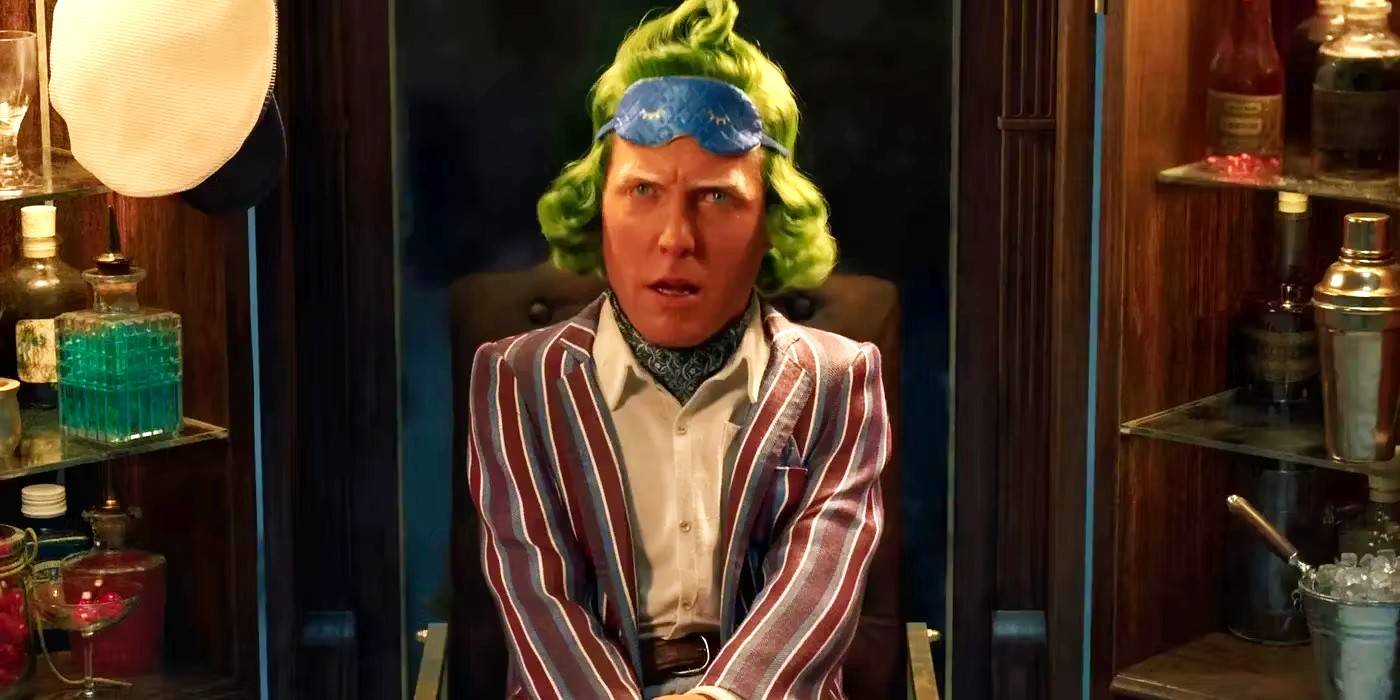
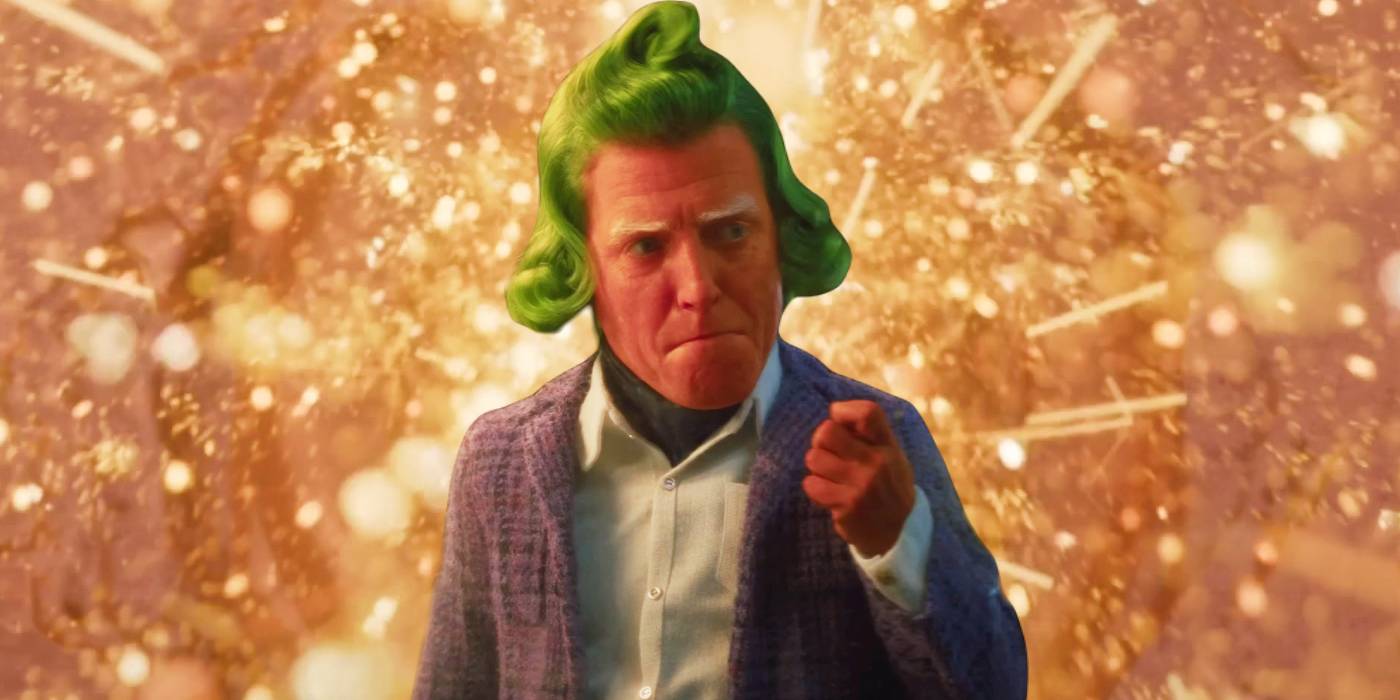
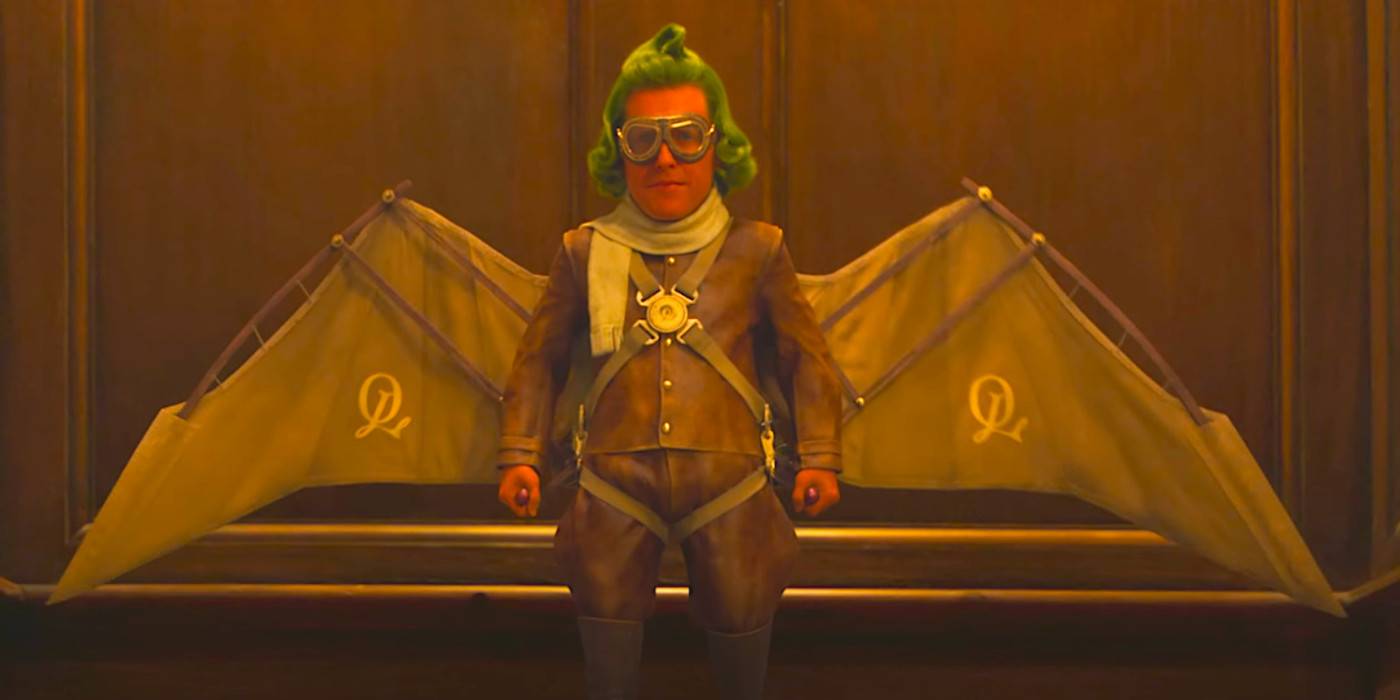
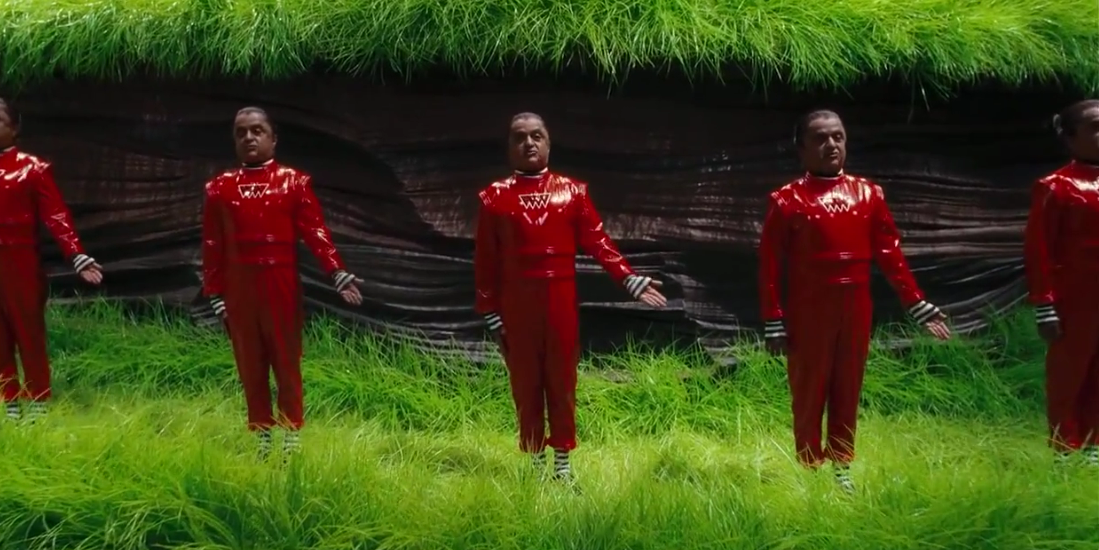
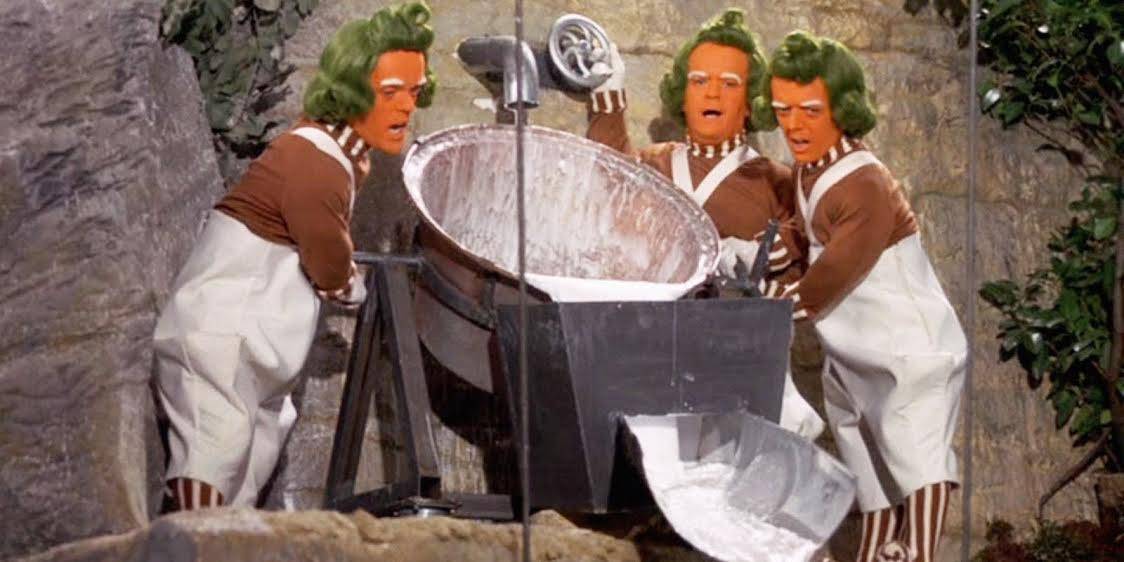
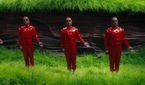
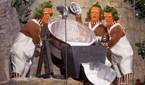
The Oompa Loompa origin story has gone through several revisions and changes over the years. However, all versions share some common elements. For instance, all revolve around Willy Wonka visiting Loompaland and striking a mutually beneficial deal with the Oompa Loompas, which convinces them to work with him at his factory. In Wonka, however, the titular character steals cocoa beans from Loompaland under Hugh Grant's Lofty's watch. Since Lofty fails to guard the Oompa Loompas' remaining cocoa beans, his people banish him, forcing him to find Wonka to repay his debts.
4 The Golden Ticket Is More Valuable In Wonka
Wonka's take on the origins of the Golden Ticket is heartwarming

The Golden Ticket in the original story serves as a gateway to enter Willy Wonka's renowned chocolate factory. In the Roald Dahl story and the two previous movies, it primarily becomes a narrative device to highlight how many people are willing to cross all moral boundaries just to get the opportunity to visit the chocolate factory. In Wonka, on the other hand, the Golden Ticket in the titular character's chocolate bar turns out to be a heartwarming reminder from his mother to share his chocolate. This again reinstates how Timothée Chalamet's Willy Wonka in the Paul King movie is more like Charlie from the original story.
3 Wonka Mostly Features Original Songs
Wonka only borrows a few tracks from the 1971 film

Unlike Charlie and the Chocolate Factory, which includes songs from the original Roald Dahl book, Wonka treads the same path as 1971's Willy Wonka and the Chocolate Factory by featuring several original songs. Towards its ending moments, Timothée Chalamet’s Wonka sings “Pure Imagination," the same song Gene Wilder's Willy Wonka sings when he and his guests enter the chocolate factory in the 1971 movie. Lofty's Oompa Loompa song in Wonka has also been derived from the 1971 Gene Wilder movie. However, all other tracks in Wonka are completely original and have not been borrowed from the Roald Dahl book.
2 Wonka Draws A Clear Line Between Its Heroes And Villains
No character in Wonka seems morally ambiguous


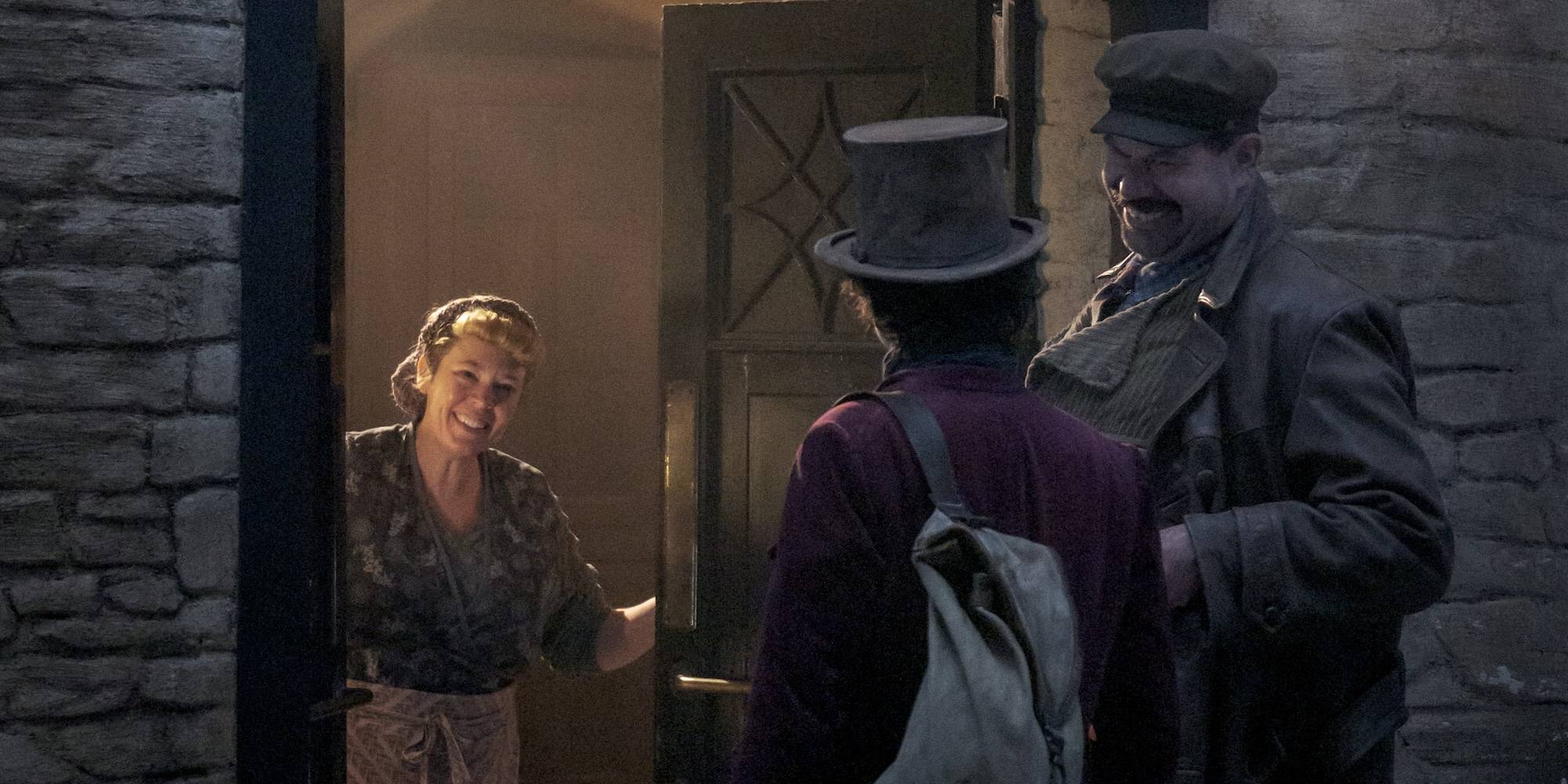
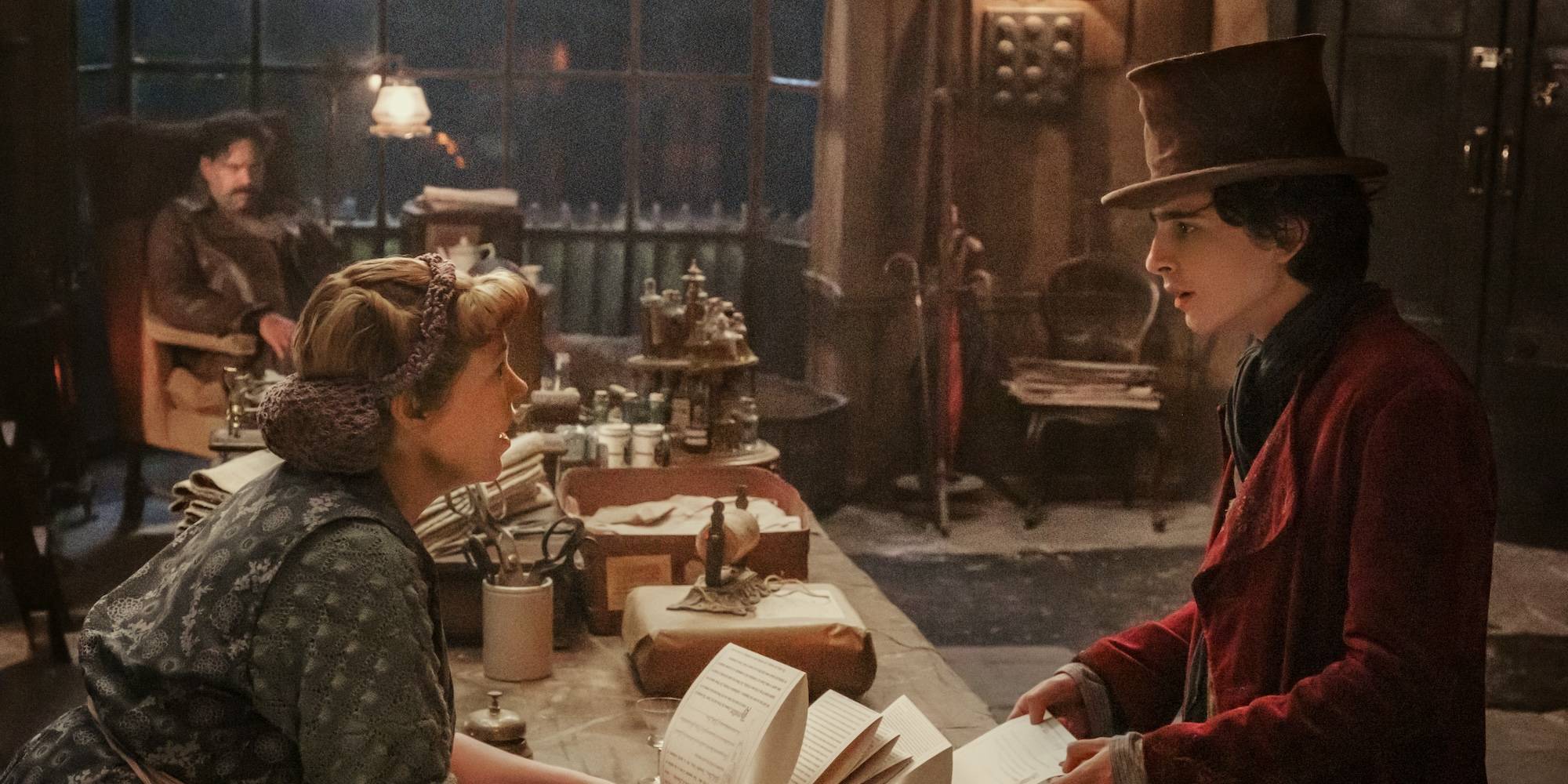
While Wonka, Noodle, and other employees at Mrs. Scrubbitt's washhouse are portrayed as Wonka's primary protagonists, Slugworth, Ficklegruber, Prodnose, Mrs. Scrubbitt, and Bleacher are presented as the movie's antagonists. Unlike the previous films and the original story, Willy Wonka is not a morally ambiguous character in Wonka and his enemies are clearly corrupt individuals who transgress all ethical limits to take him down. This not only paints a stark contrast to the early portrayals of the titular character but also offers a more black-and-white distinction between good and evil in Wonka's whimsical world.
1 Arthur Slugworth, Ficklegruber, and Prodnose Have Bigger Roles In Wonka
Wonka's primary antagonists are barely present in the previous movies and original book


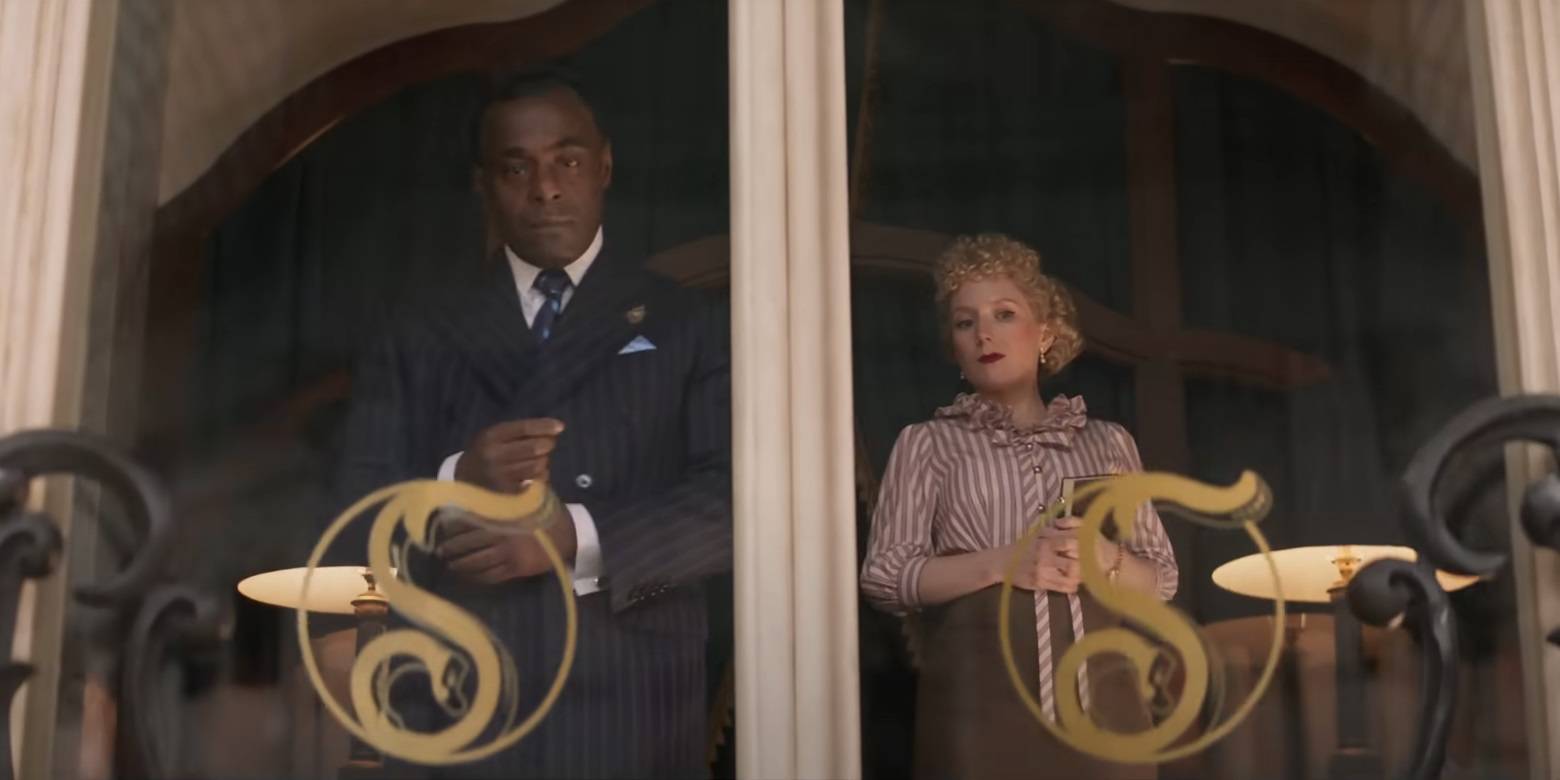
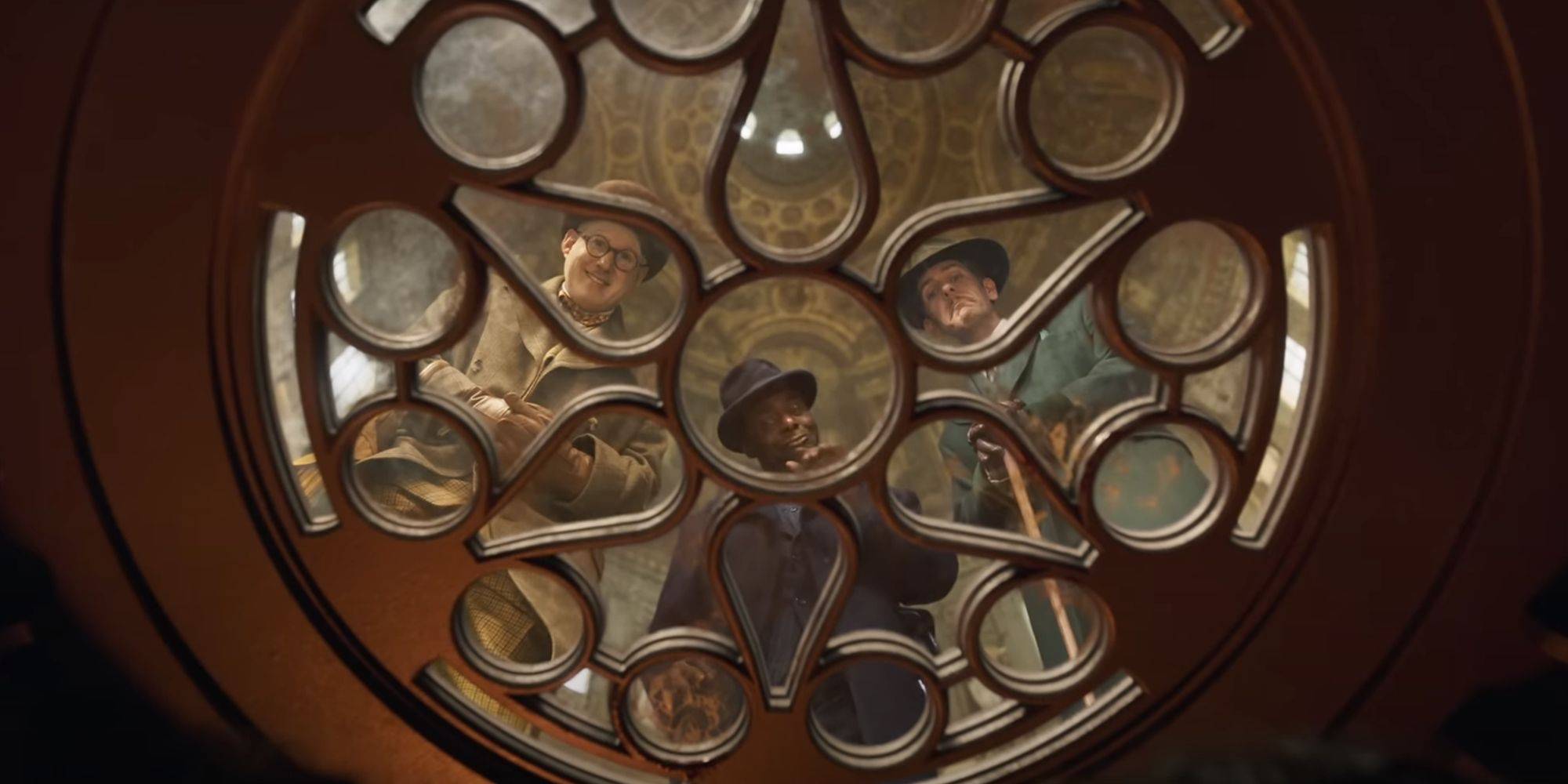
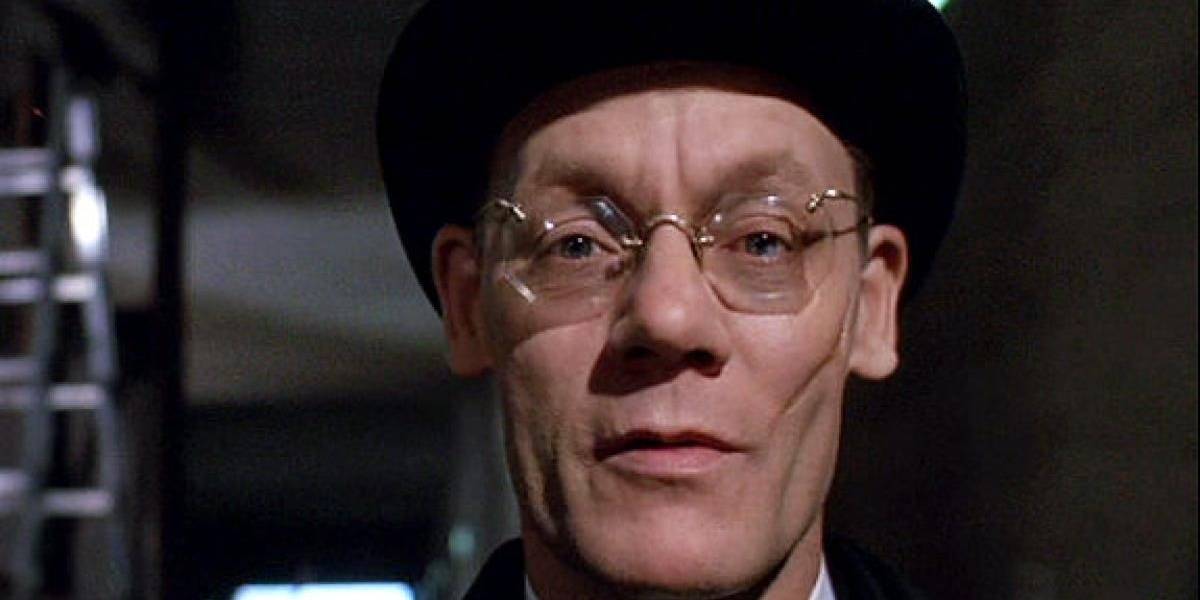
In the original Roald Dahl book, Slugworth, Ficklegruber, and Prodnose are only mentioned once in the first arc as Willy Wonka's rivals. The 1971 movie further diminishes their role by only mentioning Slugworth once. In Tim Burton's Charlie and the Chocolate Factory, Prodnose passes a secret recipe to Slugworth, highlighting how they are allies and plotting against Willy Wonka. Instead of treading the same path as the previous movies and the novel, Wonka presents an original narrative, where Slugworth, Prodnose, and Fickelgruber are dubbed the "Chocolate Cartel," deadset on eliminating their competition, Willy Wonka.


- Release Date
- December 15, 2023
- Runtime
- 117 minutes
- Director
- Paul King
- Writers
- Simon Farnaby, Paul King, Roald Dahl
- Producers
- David Heyman, Alexandra Ferguson

Cast
-
 Willy Wonka
-
 Calah LaneNoodle
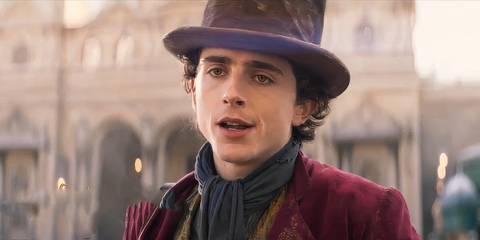
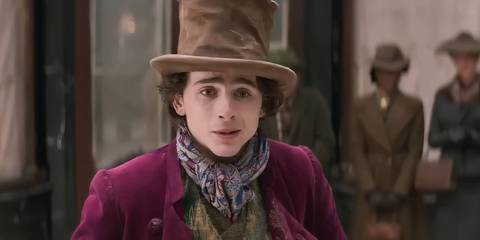
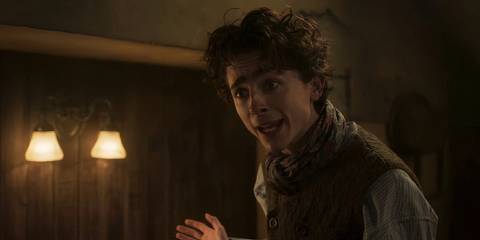
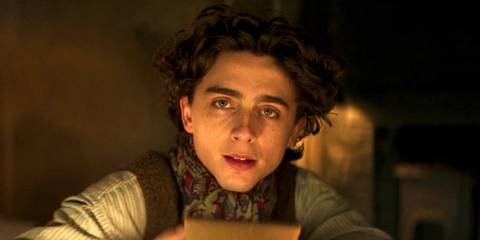
Wonka is a prequel film exploring the early life of the eccentric chocolatier Willy Wonka. Set before the events of Roald Dahl's beloved book Charlie and the Chocolate Factory, it follows young Wonka as he embarks on his journey to revolutionize the confectionery world with his visionary ideas.
- Budget
- $125 million
- Studio(s)
- Warner Bros. Pictures
- Distributor(s)
- Warner Bros. Pictures

