


A new era is on the horizon for The Legend of Zelda with the rapidly approaching release of Echoes of Wisdom. The next Zelda title is a departure from its immediate predecessors in many ways, making it evident that the franchise is now exploring a new direction. As such, although it is clear that Breath of the Wild has created new traditions that have been carried forward into EoW, the many differences between the new title and the preceding BOTW and TOTK, which may themselves influence future titles, are the most intriguing aspects of the game.
There have been many points throughout Zelda history where the franchise has evolved to incorporate new technologies, such as the introduction of 3D graphics in Ocarina of Time or motion controls in Twilight Princess. Changes in direction can also help to prevent a franchise from becoming stale, and after Tears of the Kingdom, it could be argued that such a change is precisely what the franchise needs to remain fresh. Echoes of Wisdom is a perfect game in this respect, making sweeping changes to much of the standard Zelda structure while staying true to its heart.
Echoes Of Wisdom Breaks Away From The Weakening Impact Of TOTK’s Own Style
A Radical Change After Two Massive But Similar Games

Much like Echoes of Wisdom is shaping up to be, Breath of the Wild was itself a landmark entry in the Zelda series. The sheer size of BOTW’s map, along with the fact that it was filled with innovative ideas and features, brought Hyrule to life in a way that no game before it had managed. Naturally, Tears of the Kingdom built on this, further expanding the world both physically and in terms of lore. However, even this grand-scale game structure can become repetitive, and a pivot in style can be crucial at times to prevent stagnation.
Furthermore, perhaps due to it having BOTW itself as a baseline, it can be argued that TOTK did not have quite the same level of impact as its predecessor. The novelty of Hyrule as such a massive open world and the game’s vast array of mechanics were gone; instead, TOTK could be more easily defined in terms of what aspects of BOTW it changed. Perhaps unsurprising, given that the game began as DLC for BOTW, but it cannot be denied that familiarity with much of the engine undercut some of TOTK’s impact as an individual title.
Of course, TOTK being such a closely related sequel to BOTW means that it relies quite heavily on its predecessor for context. Because of that, it is clearly best to play both games together in sequence. Although it is undoubtedly a brilliant game, Tears of the Kingdom’s own legacy is heavily reliant on Breath of the Wild’s, and does not shine as brightly on its own. However, it is clear that much work has been done to prevent a similar issue from arising with Echoes of Wisdom, and its new style seems well-suited to carrying the franchise forward.
Echoes Of Wisdom Refreshes The Zelda Franchise Like Other Landmark Games Before It
Zelda Has Been A Consistent Innovator


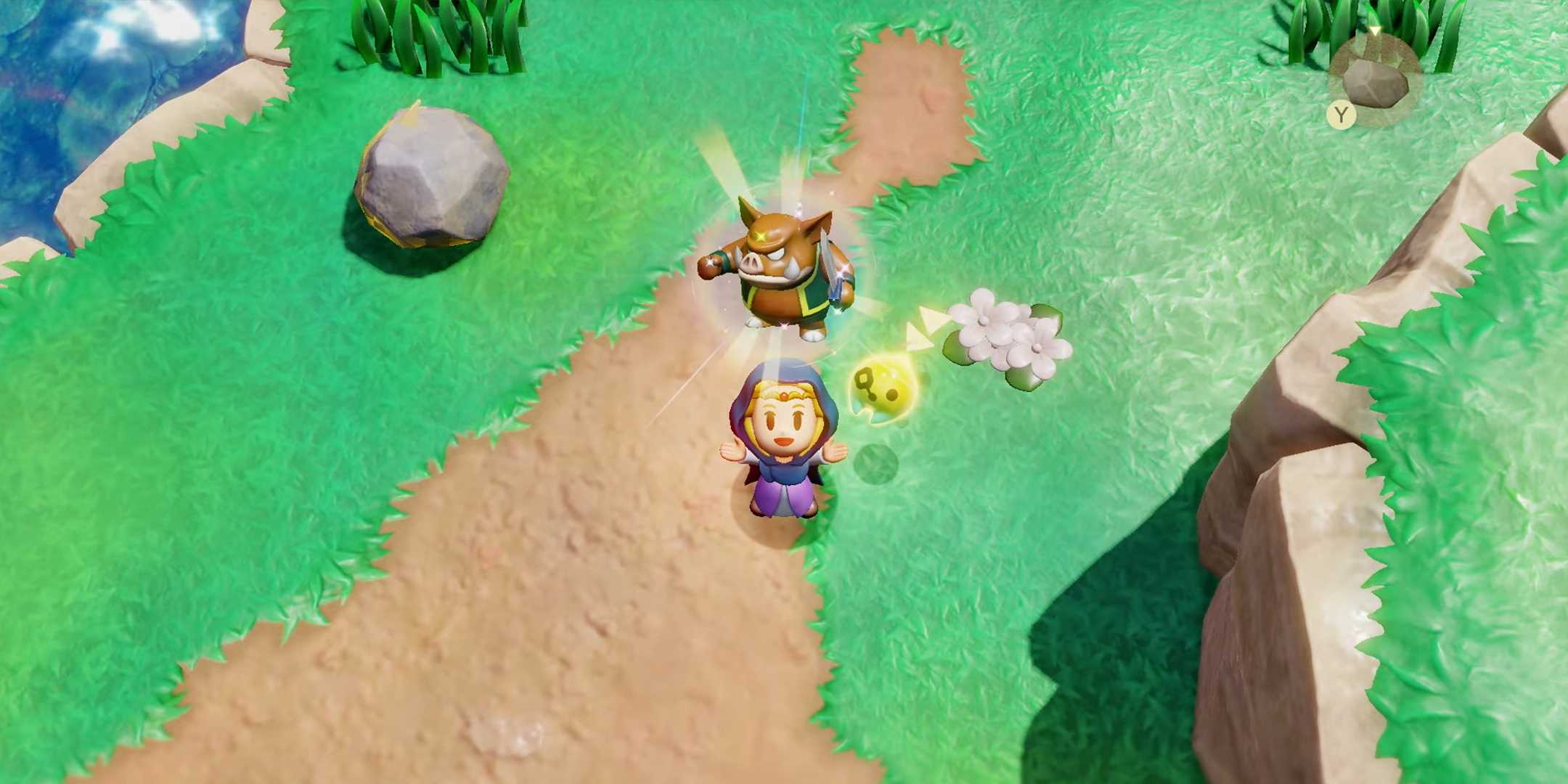
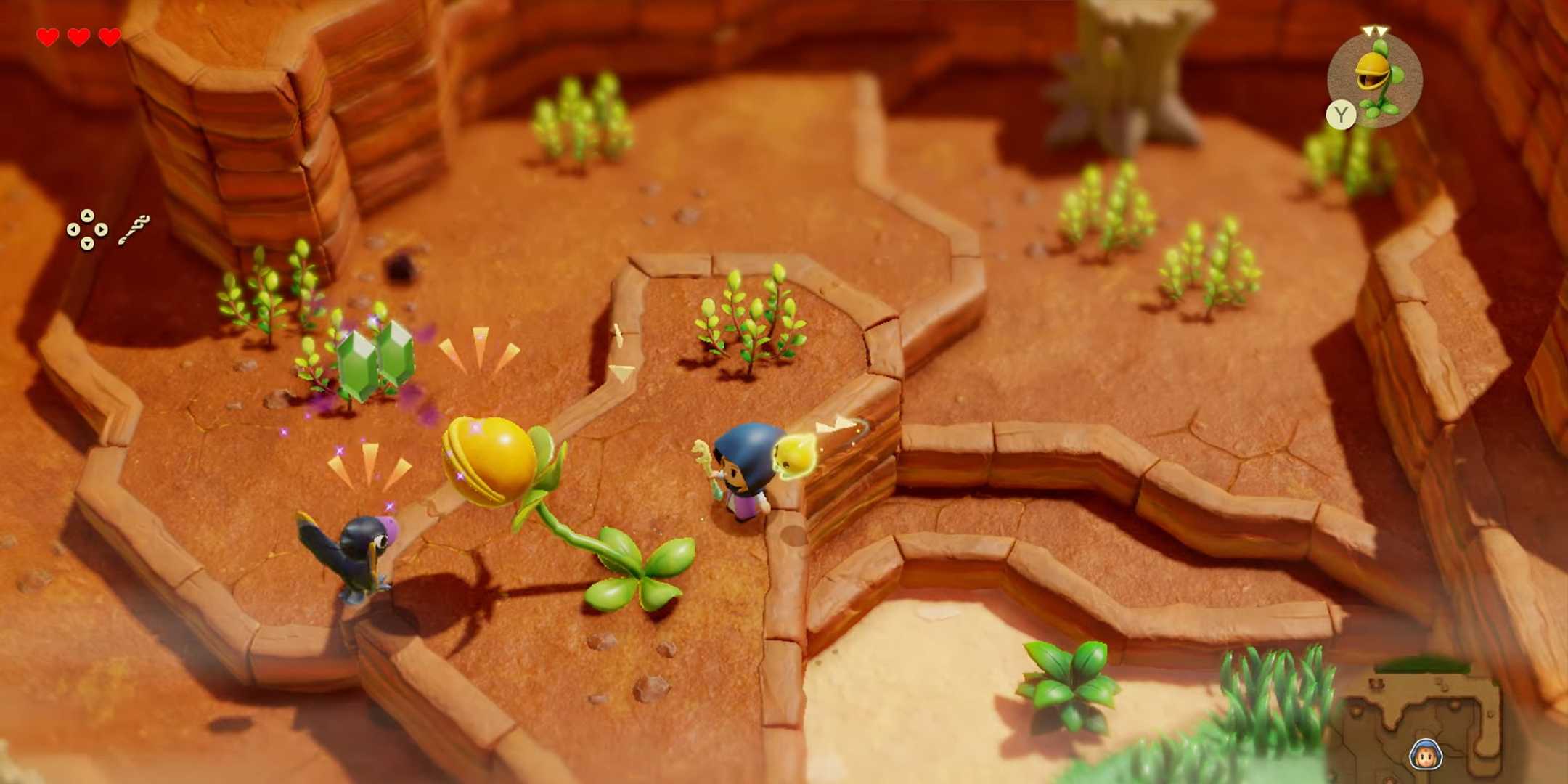
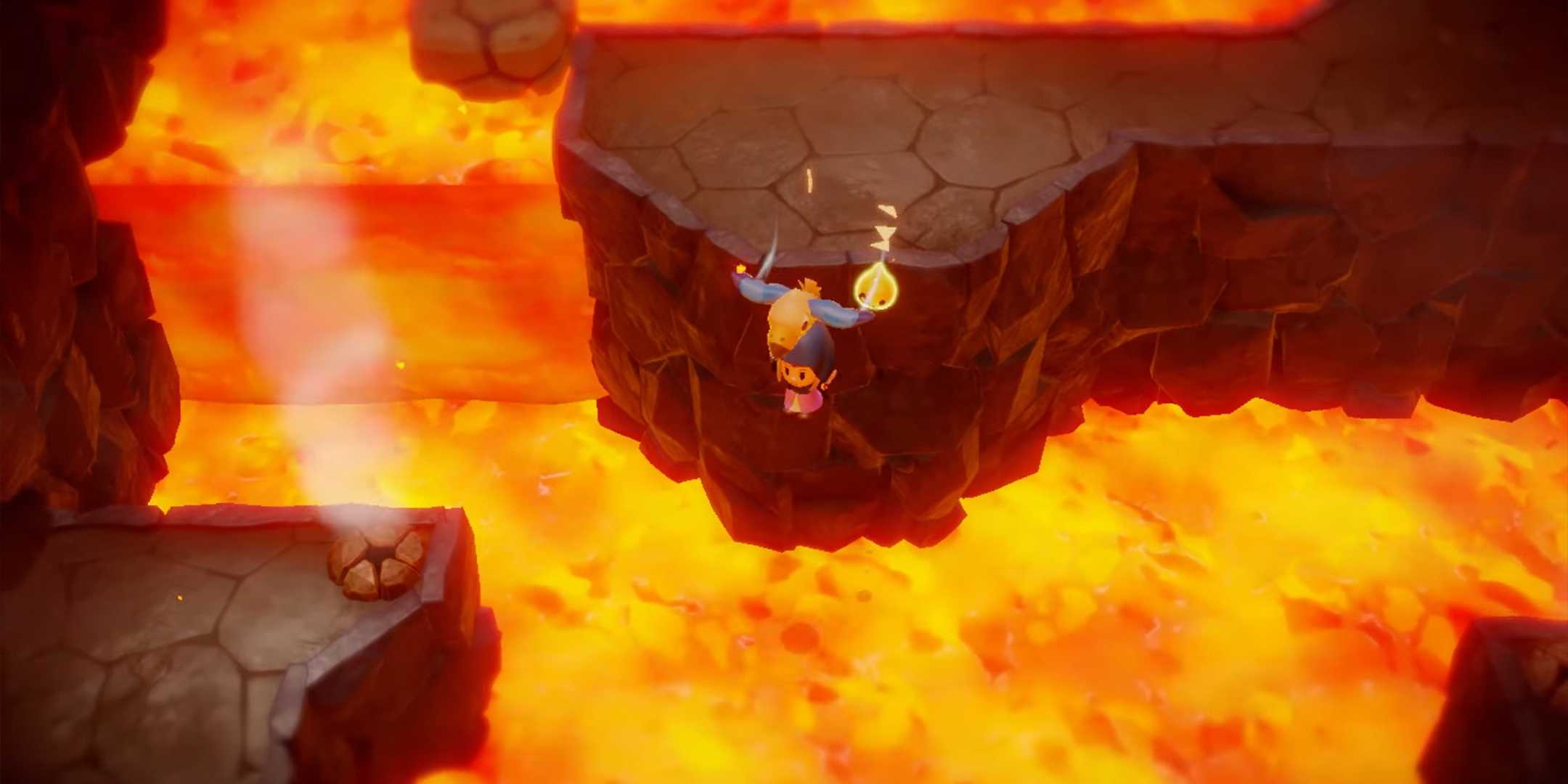
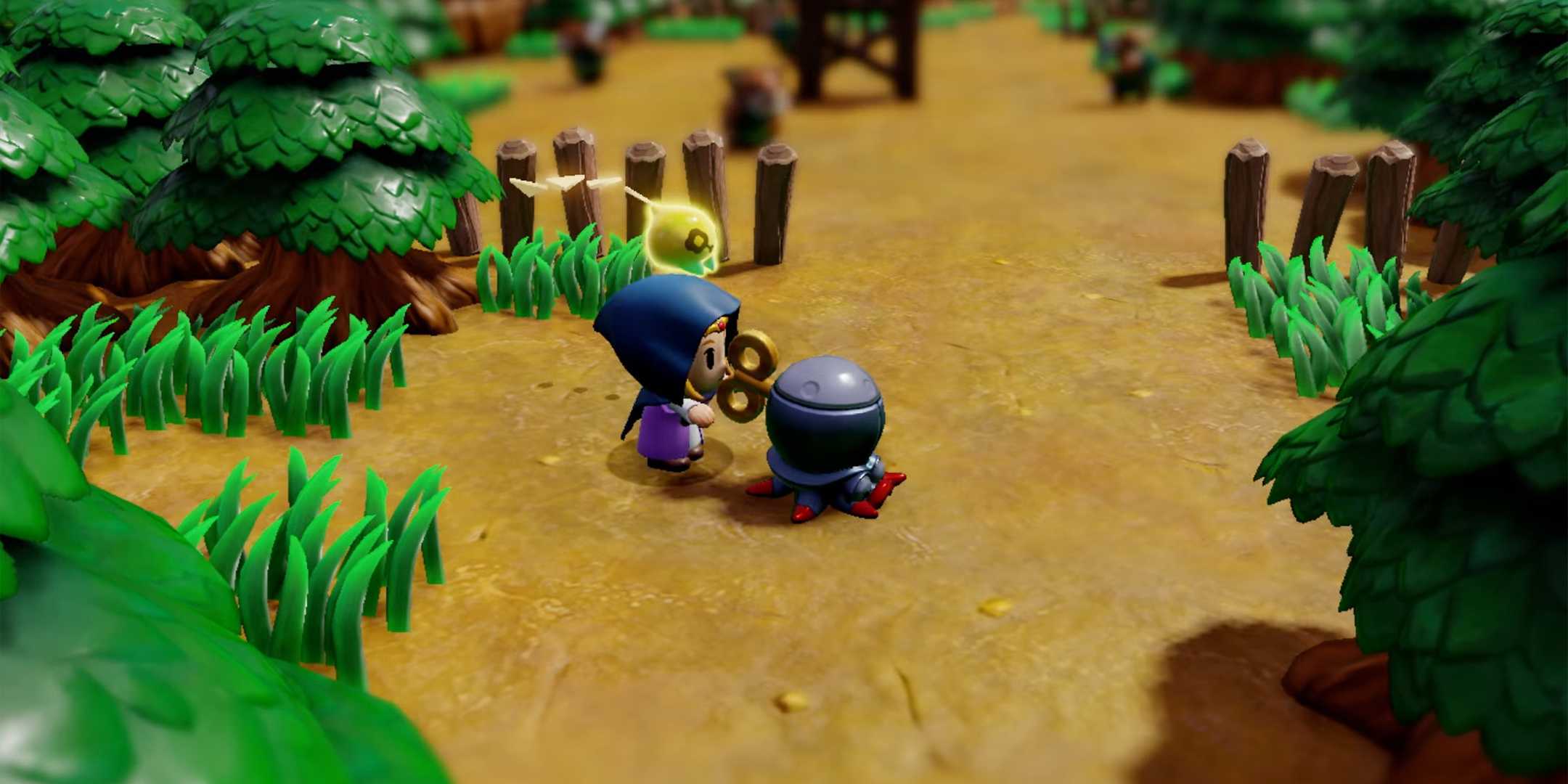
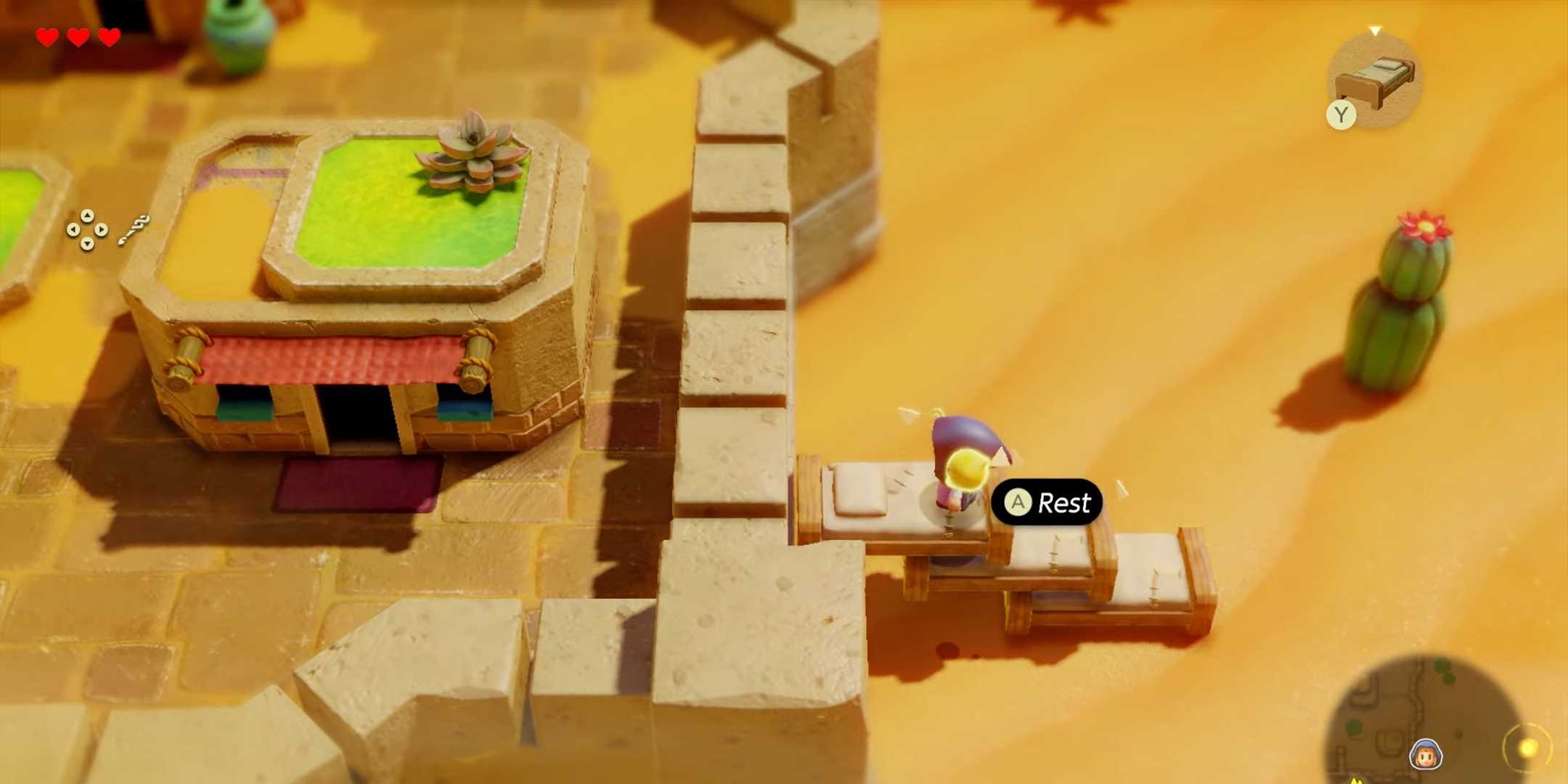
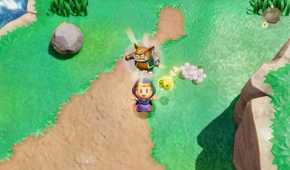
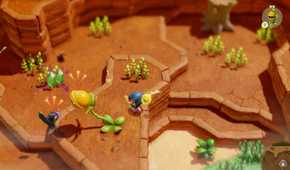
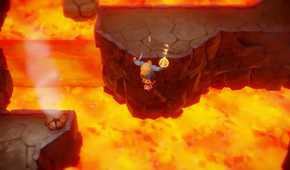
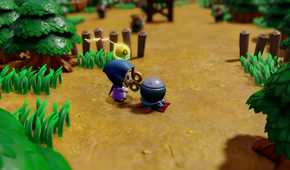
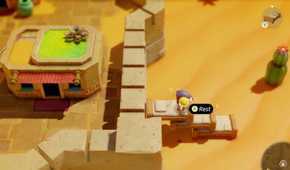
After BOTW and TOTK, the dramatically different graphics and style of Echoes of Wisdom (as well as Zelda being the protagonist) immediately captured the attention of fans. The chibi characters and the colorful design of the world they inhabit is far removed from the previous titles, as is the use of top-down gameplay. Of course, neither element is entirely novel to The Legend of Zelda. The franchise includes many other entries with top-down gameplay, and this presentation was even seen alongside the same art style used for Echoes of Wisdom in the 2019 Nintendo Switch remake of Link’s Awakening.
Furthermore, these are far from the first Zelda games to have a more cartoonish style; The Wind Waker, Phantom Hourglass, and Spirit Tracks all share a toon style which makes their characters immediately identifiable, fitting for the shared narrative they tell. However, the remake of Link’s Awakening and now Echoes of Wisdom go one step further by giving their worlds a toy-like aesthetic, with a sleekness that seems almost akin to plastic. And although not everybody likes the old Zelda toon style, and there will be similar detractors for Echoes of Wisdom, many fans are welcoming it with open arms.
As a sign of just how distinctive the Wind Waker style is, Toon Link was introduced as a Super Smash Bros. fighter separate to his "regular" self in Super Smash Bros. Brawl.
The Legend of Zelda series as a whole is unafraid to break new ground, both in terms of graphics and gameplay mechanics. For example, Ocarina of Time was among the first 3D video games, and although its technological capabilities have long since been outmatched, the game still holds an important place in the hearts of many. Since OoT, the franchise has constantly switched back and forth between open world and top-down gameplay, with the most recent top-down game (other than Link’s Awakening) being 2015’s Tri Force Heroes. Moreover, EoW could itself easily inspire further top-down games with its own innovations.
Echoes Of Wisdom Could Influence Future Titles To Capitalize On Its Popular Changes
The New Style Is Already Popular Among Zelda Fans

It is worth noting that while Link’s Awakening’s design alone was easy to see as the result of putting a modern spin on the Game Boy title, the fact that an entirely new title has also taken up this style suggests something more. There is a clear sense of enthusiasm and excitement in the Legend of Zelda community for Echoes of Wisdom, proving that this change in direction after TOTK was a very good decision. As such, it is also easy to see EoW inspiring at least one more new game in its style.
Echoes of Wisdom’s style is charming in its apparent simplicity, although the sheer potential of Echoes proves that there is depth to the game on closer inspection. Nevertheless, with EoW returning to a gameplay style more in line with classic games like A Link to the Past, it would be very interesting to see what other new games could be produced with the same aesthetic. In addition to gameplay, the different technical limitations and advantages inherently encourage different forms of storytelling compared to open-world titles like BOTW and TOTK, giving even more merit to the idea of maintaining this new direction.
Although it has been revealed to incorporate innovations from Breath of the Wild, Echoes of Wisdom immediately feels like a very different game. The stylistic choices alone create a sharp contrast to BOTW and TOTK, promising a fresh new Zelda experience very much unlike its predecessors, and the excitement the game has created is proof that the change is perfectly timed. Moreover, like the toon style of The Wind Waker before it, Echoes of Wisdom could easily prompt the development of more games in its style, creating an entire new era for The Legend of Zelda.
- Movie(s)
- The Legend of Zelda (Live-Action)
- Created by
- Shigeru Miyamoto, Takashi Tezuka
- Upcoming Films
- The Legend of Zelda (Live-Action)
- First TV Show
- The Legend of Zelda
- First Episode Air Date
- September 8, 1989
- Video Game(s)
- The Legend of Zelda, Zelda II: The Adventure of Link, The Legend of Zelda: A Link to the Past, The Legend of Zelda: Link's Awakening, The Legend of Zelda: Ocarina of Time, The Legend of Zelda: Majora's Mask, The Legend of Zelda: Oracle of Seasons, The Legend of Zelda: A Link to the Past and Four Swords, The Legend of Zelda: The Wind Waker, The Legend of Zelda: Four Swords Adventures, The Legend of Zelda: The Minish Cap, The Legend of Zelda: Twilight Princess , The Legend of Zelda: Phantom Hourglass, The Legend of Zelda: Spirit Tracks, The Legend of Zelda: Skyward Sword, The Legend of Zelda: A Link Between Worlds, The Legend of Zelda: Tri Force Heroes, The Legend of Zelda: Breath of the Wild (2017), The Legend of Zelda: Tears of the Kingdom, The Legend of Zelda: Echoes of Wisdom, Hyrule Warriors, Hyrule Warriors Legends (3DS), Cadence of Hyrule, Hyrule Warriors: Age of Calamity
The Legend of Zelda franchise follows the adventures of Link, an elf-like Hylian, and Princess Zelda as they protect the land of Hyrule from the evil warlord-turned-demon king Ganon. The series is known for its mix of action, adventure, and puzzle-solving elements, often revolving around the collection of the Triforce, a powerful relic left by the goddesses who created Hyrule.
