


The most shocking twist to emerge from The Legend of Zelda’s timeline should never be repeated, as it would arguably do more harm to the franchise than good. The lore of The Legend of Zelda can be convoluted at times, especially where its infamous timeline is concerned. However, one crucial feature of the Zelda timeline has good reason to remain unique, despite the many opportunities the games technically have to explore similar paths in the future.
It is well-known that The Legend of Zelda’s full timeline has a unique structure, with three major branching paths emerging from the conclusion of Ocarina of Time. This, combined with the already vague chronology that many new titles enjoy, has historically made it difficult for people to place them all into a coherent timeline. Although Nintendo does now provide a canonical timeline, this confusion can still be seen on occasion, such as during the period before Echoes of Wisdom received its own timeline placement.
Link Dying Should Never Split The Zelda Timeline Again
The Complex Consequences Would Be Confusing Than Enjoyable

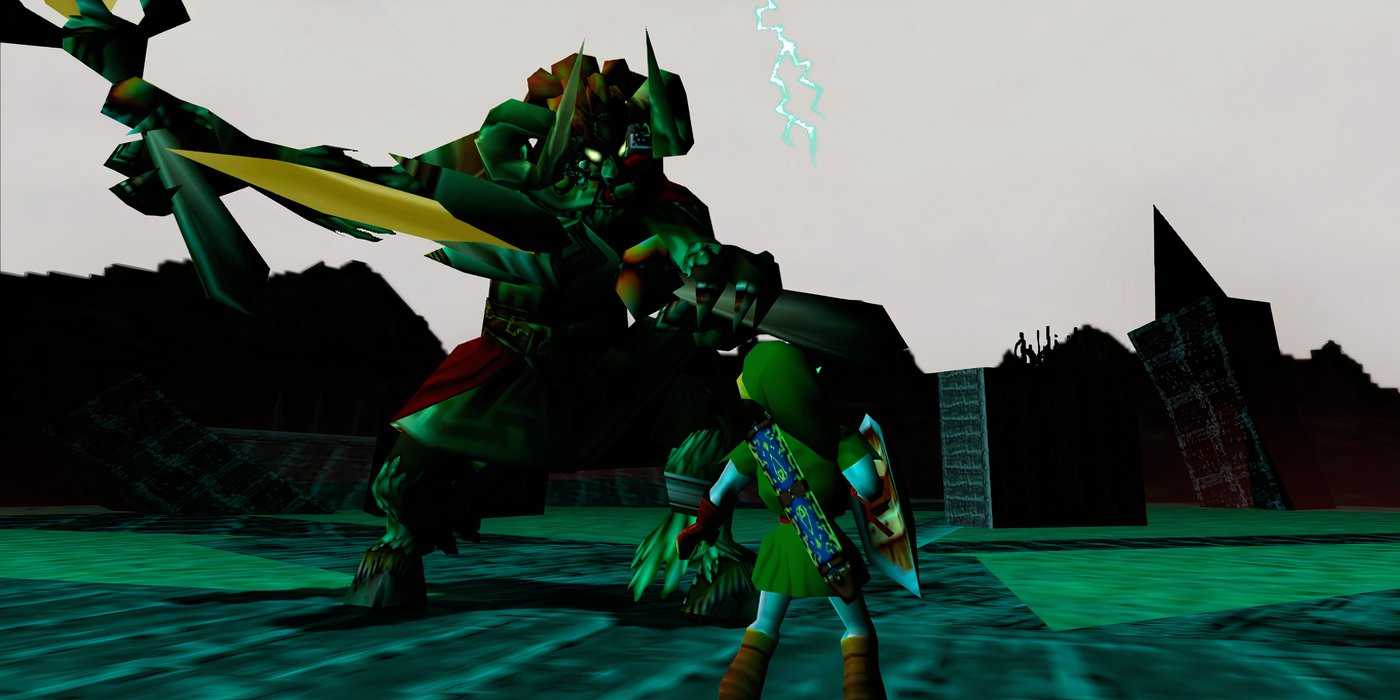
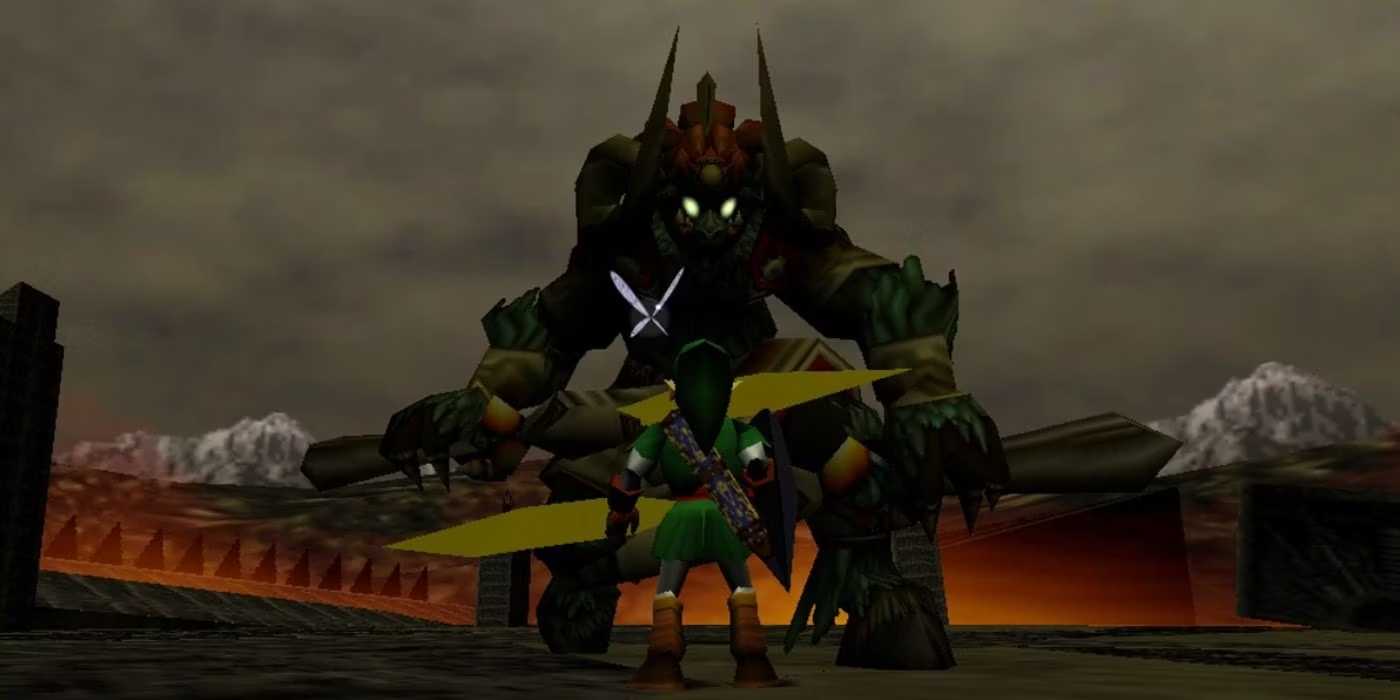
When the full Legend of Zelda timeline was first officially unveiled in the book Hyrule Historia, its structure surprised many. Ocarina of Time’s trio of diverging outcomes immediately made it one of the most influential games on the Zelda timeline, but it was the triggering point for these alternate paths that was so surprising. In addition to branches following the Hyrules affected by the Child and Adult forms of the Hero of Time, the third was a direct result of Link dying; a possibility that broke a major convention of action-adventure games.
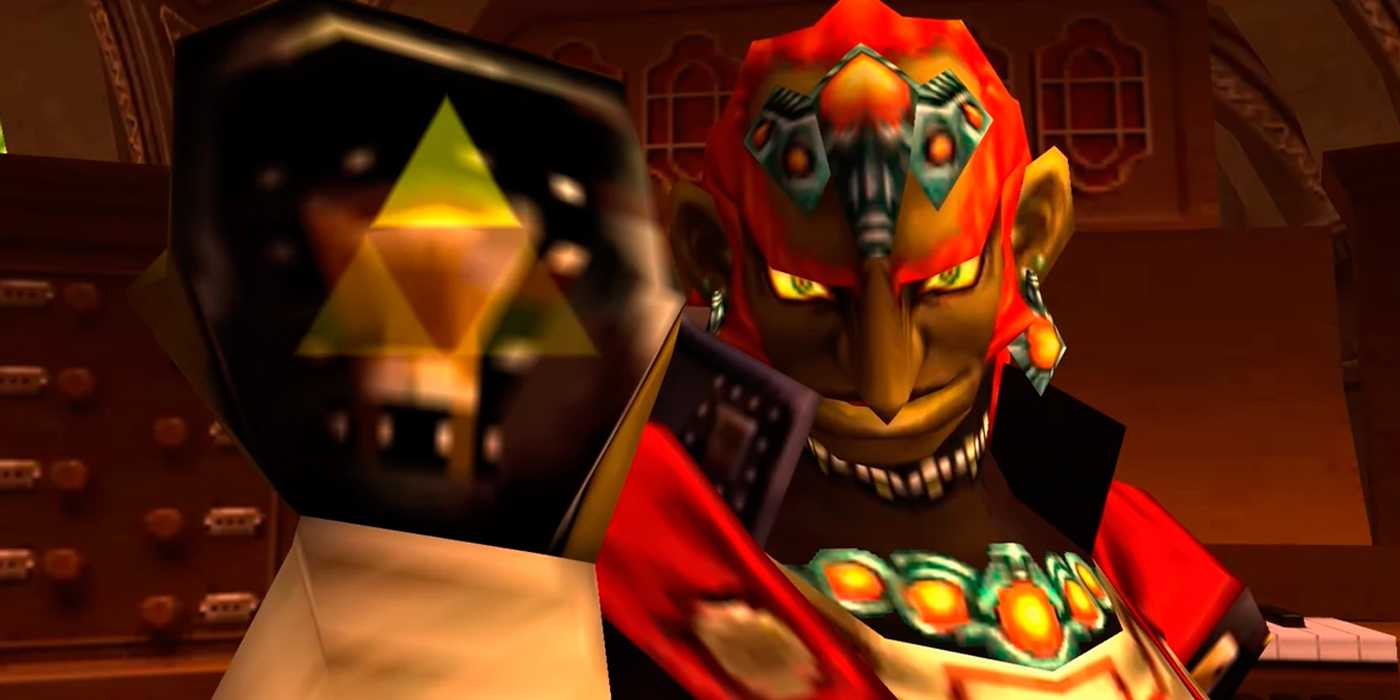
Although Link can die in a myriad of ways in any Zelda game, the same can be said of many other video game protagonists. In fact, it is more likely than not that the average person will see Link die multiple times in any given playthrough. Crucially, however, these deaths are not canonical; instead, Link is simply revived in a convenient location, allowing the player to try again. However, the timeline makes it possible for Link to die fighting Ganondorf during OoT’s conclusion. And while this is now generally accepted by the fanbase, it should also never happen again.
Link’s potential death should not become a recurring plot point, as this would immediately have a dramatic effect on the timeline. If a future game is also set in a world created by a past version of Link dying, then all other games having similar potential outcomes would become far more likely. This would result in every Zelda game leaving lingering questions of ‘what happens if Link dies’. Naturally, this would make it hard to properly enjoy any happy ending, as people would be intimately aware of a likely parallel world where Hyrule’s population continues to suffer.
OoT’s Timeline Twist Works Best As A Unique Event
Repeatedly Killing Past Versions Of Link Would Not Benefit The Franchise


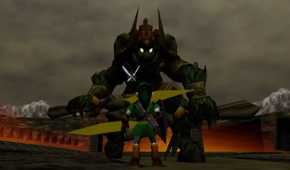
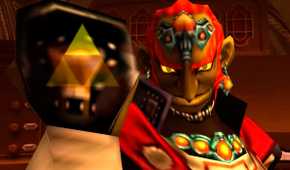
The sheer number of possible parallel universes that would be created by this would immediately see the Zelda timeline become far more complex than it already is. This would only be compounded by the production of any games that directly followed these outcomes and their own sequels. It is easy to picture the very concept of a Zelda timeline becoming meaningless in such a scenario, which would undoubtedly have an extremely damaging effect on the franchise. This would be especially true for people who are strongly invested in Zelda’s lore.
As such, it is for the best that no future Zelda titles are based on the hypothetical death of a previous game’s Link. Although the Fallen Hero timeline has been well integrated into the wider franchise, any future implementations of the same idea are unlikely to go as well. Moreover, with it already being possible to justify Hyrule already being in radically different states with the established timeline branches, it is not even necessary to do so.
Of course, it is also important to note that it is possible to explore Hyrule affected by the loss of Link without splitting the timeline. After all, this is the basic premise of Breath of the Wild. A future title could explore a similar vein by being set in the future of a Hyrule which either lost its hero (but not a Link that people have actually played as) or never saw him appear for whatever reason. While this would naturally open up questions about the backstory of this game, it would mitigate the impact on the timeline.
Zelda Does Not Need More Parallel Timelines
The Timeline Can Already Accommodate New Games Perfectly

With three major parallel timelines after Ocarina of Time, The Legend of Zelda already has plenty of material to satisfy the chronological requirements of any new games. This means that the timeline does not need to become any more complex for the events of new games to make sense within the wider franchise. This is especially true given that Zelda games explicitly prioritize gameplay rather than their plot. BOTW and TOTK’s own separation from the wider timeline also shows that an entertaining Zelda game is far from being reliant on a concrete timeline placement.
On the other hand, it should be acknowledged that new timeline branches have still been introduced after Ocarina of Time. The most prominent example of this is Age of Calamity, which uses time travel to explore a version of Hyrule a century prior to BOTW, and subsequently diverges from the events that would lead to that game taking place. However, as a Hyrule Warriors title, Age of Calamity is a spin-off, which does help to soften the potential impact of this on the core franchise, as it is unlikely that this particular version of events will be explored further.
With time travel being such a prominent part of the Zelda franchise, it is impossible for future timeline divergences to be avoided completely, but these need not affect the main canonical timeline by complicating it with their own independent sequels.
As striking as the decision to canonize Link dying in a Zelda game was, it is not something that needs to be repeated. The franchise’s three timeline branches, combined with the more nebulous placement of BOTW and TOTK, means that there is already plenty of space for all future games without once again complicating The Legend of Zelda’s timeline to the same extent. Of course, games that focus on time travel may still lead to future splits, but this can easily be both achieved and resolved without raising the possibility of Link canonically failing in every past and future game.
- Movie(s)
- The Legend of Zelda (Live-Action)
- Created by
- Shigeru Miyamoto, Takashi Tezuka
- Upcoming Films
- The Legend of Zelda (Live-Action)
- First TV Show
- The Legend of Zelda
- First Episode Air Date
- September 8, 1989
- TV Show(s)
- The Legend of Zelda
