


Let's set the clock back to a time when games were a procession of hack-and-slash violence proceeding from the left to right sides of the screen. Poppy Works' recently released throwback beat ‘em up Slave Zero X mines the late-90s sixth-generation aesthetic, with a 2.5D action platformer steeped in extravagant bio-mecha anime style, and a wave-slash Strider Hiryū could only dream of. It’s a punchy, chaotic stretch of button-mashing and relatively short – perhaps intended to inspire those replay-ready leaderboard chasers – but it’s outright begging for more in the way of combat diversity, and any portions where the game requires straight-up platforming feel like a drag.
Slave Zero X happens to be a cheeky prequel to a largely forgotten Sega Dreamcast release by the name of Slave Zero, Infogrames' third-person 3D action title from 1999. Something of a lost cult hit, Slave Zero starred a massive mecha protagonist tussling with similar-sized threats over a sprawling city metropolis, with much of the narrative deployed through ongoing banter over comms while navigating the high-tech urban environment.
 OpenCritic Reviews
The sequel to the original title released in 1999, Slave Zero X is an action-adventure platformer-fighting hybrid in which players take on the role of a warrior named Shou who seeks to slay the tyrannical Sovereign Kahn, who enslaves humanity.
- Gorgeous character art
- Excellent presentation
- Peculiar choices in gameplay mechanics can alienate audience enjoyment
It's hard to believe that Slave Zero X is some headline-grabbing response to a furious fan campaign or anything of the like, just more of a surprise elaboration on a 25-year-old IP whose small contingent of mega-fans celebrated the announcement; these must be the same folks who snatched up the repackaged Slave Zero on PC which dropped almost ten years ago. As for this prequel, it stands as an uneven but interesting creation imbued with a generous amount of love and care, featuring a semi-retraux presentation including gorgeous painted character art and enthusiastic voice acting, along with a number of antiquated beat ‘em up peculiarities; it’s that latter element which risks alienating its already-limited audience.
Shou and Tell
Slave Zero X's Great Storytelling


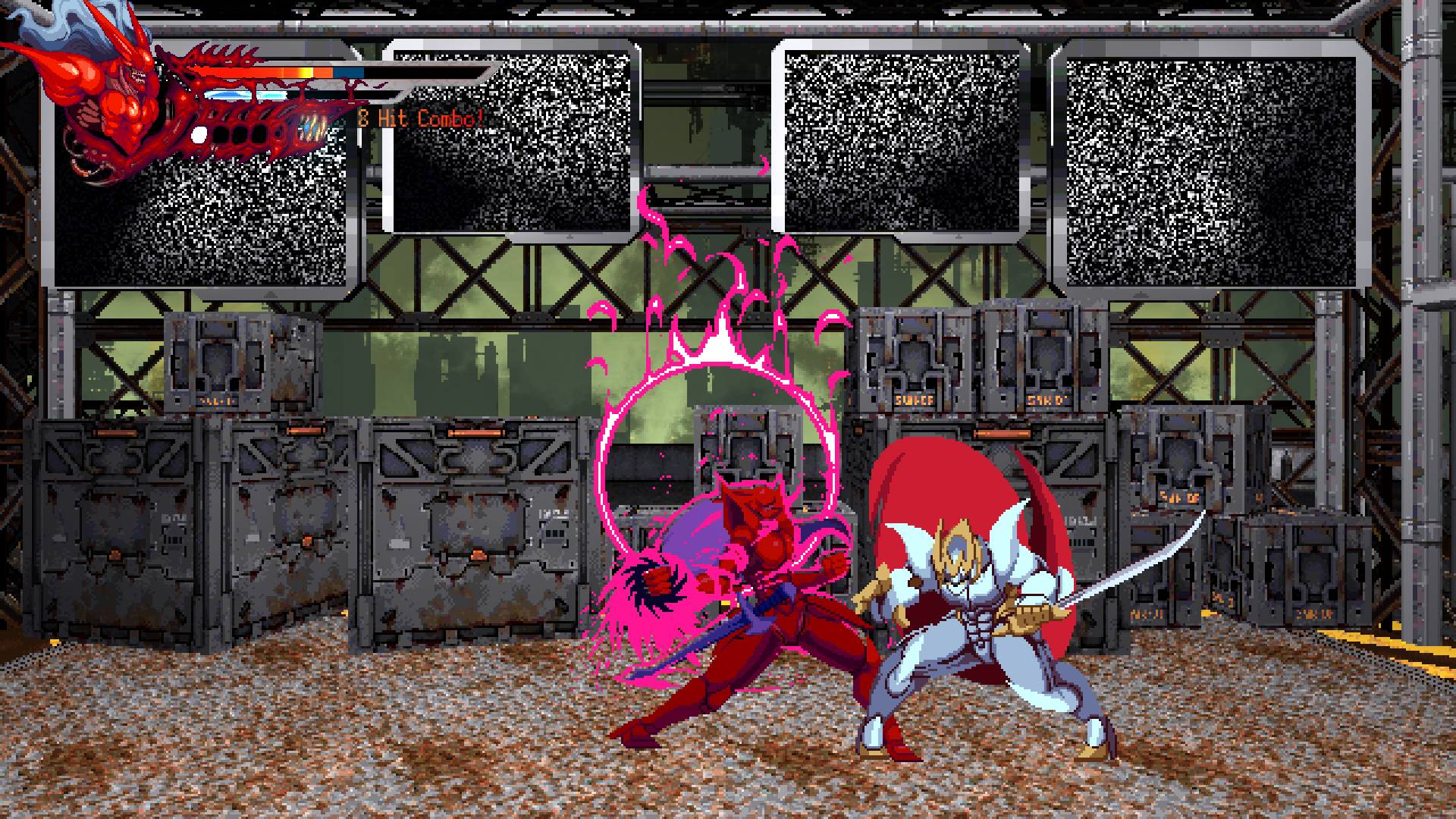
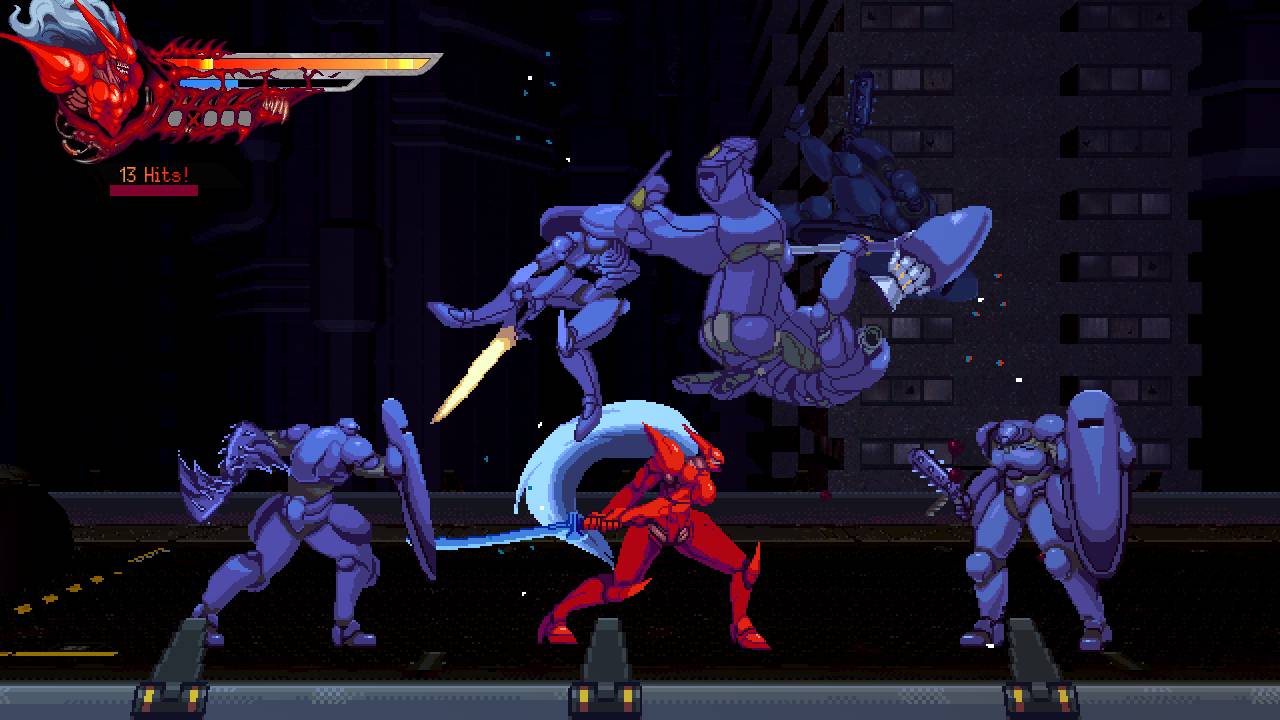
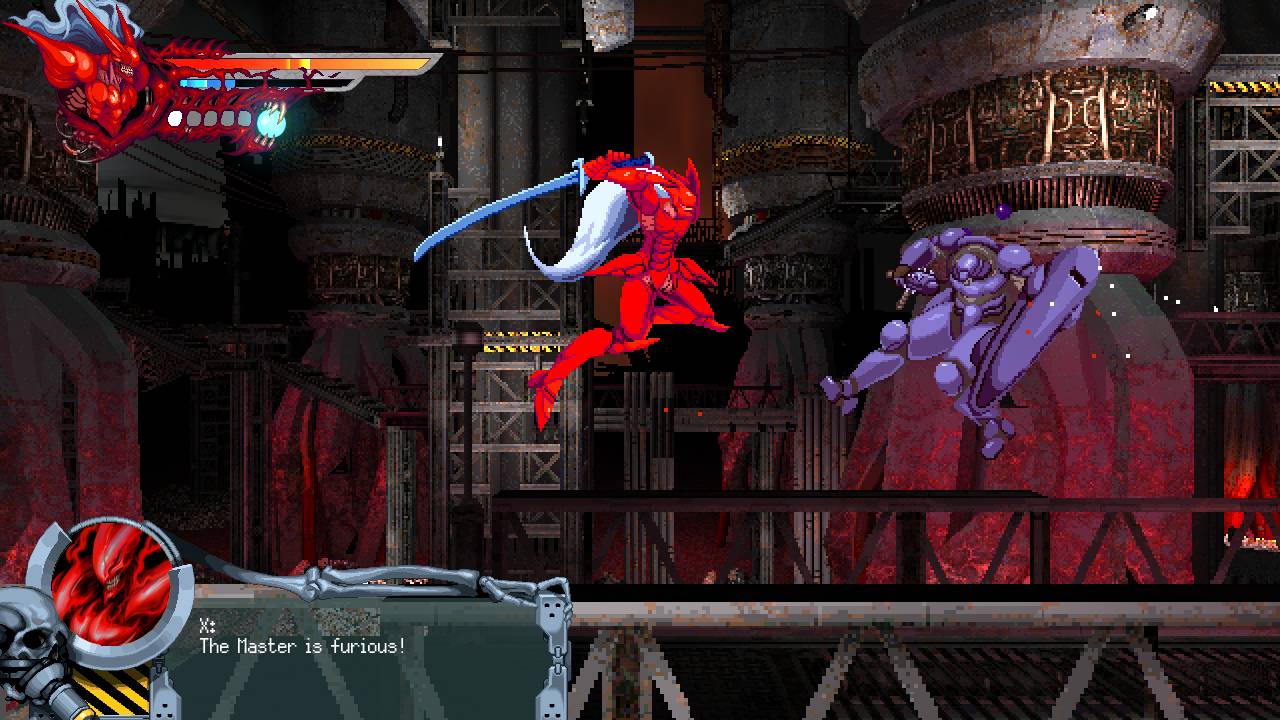
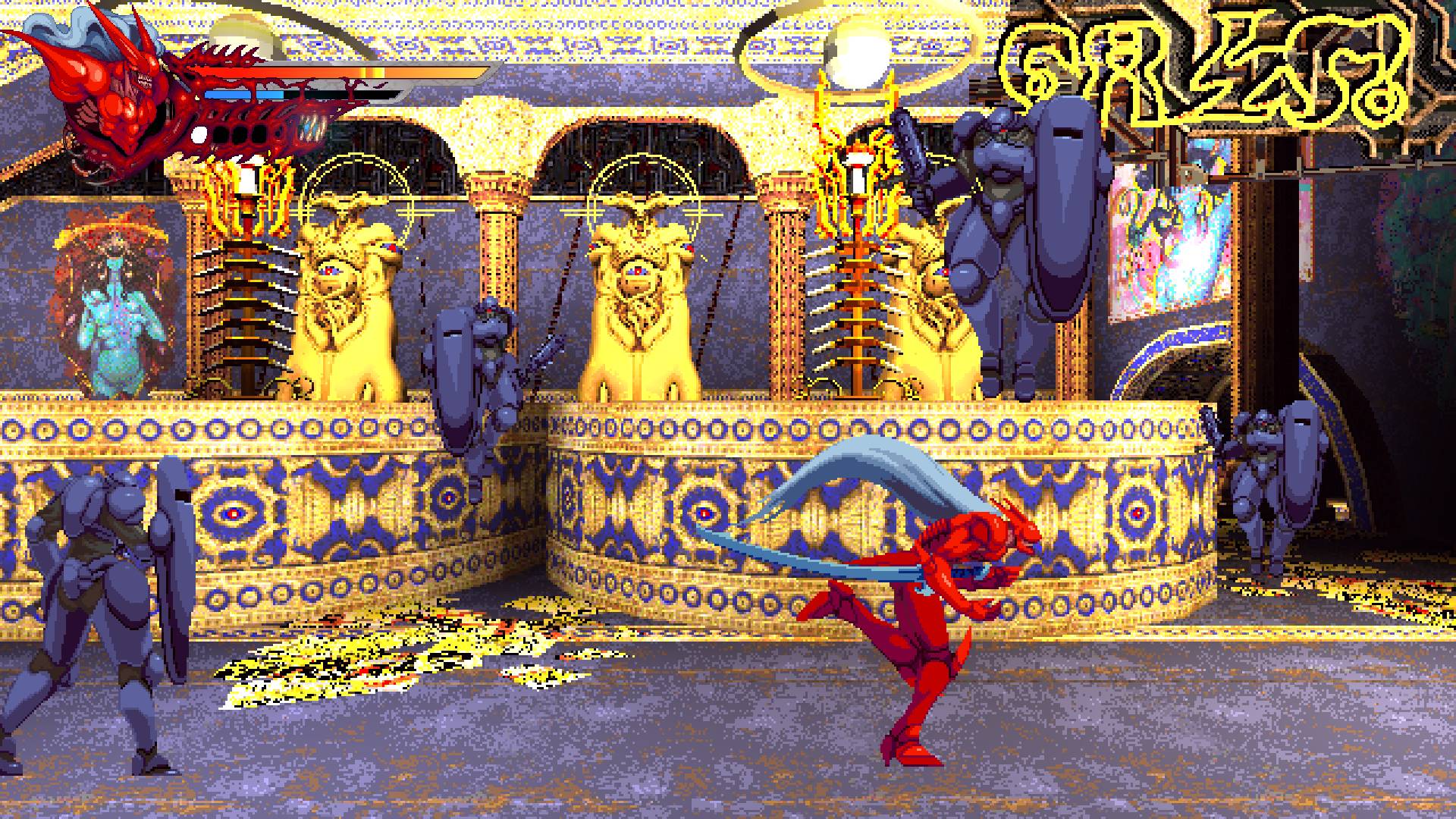
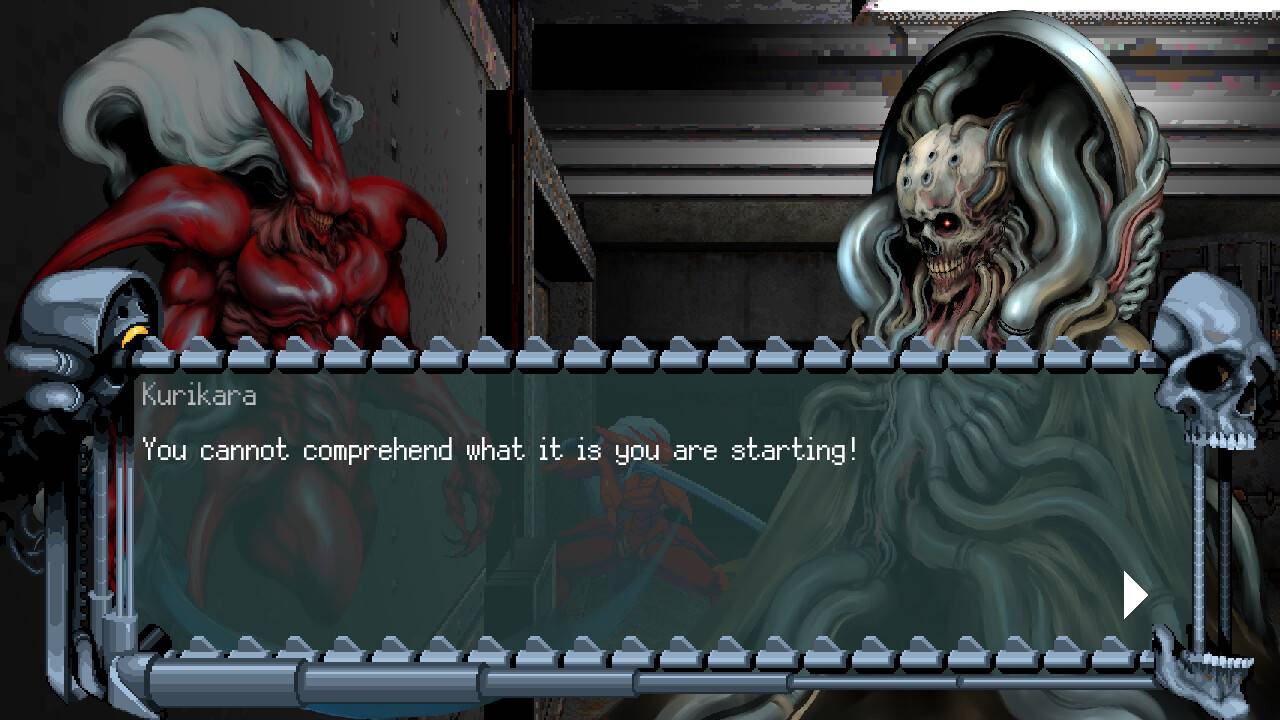
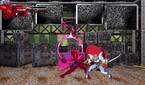
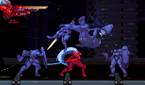
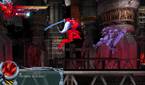
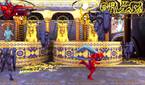

Slave Zero X presents a dark and seedy cyberpunk narrative preempting the events of the original game, where a rebel force known as the Guardians battle the city’s overlord Sovereign Khan and his army of mechas and bloodthirsty creatures. Eschewing the giant-sized perspective of the original, this new game takes place at street-level, as protagonist Shou battles the corporate hordes in his X unit, a living cybernetic battle armor with its own distinct personality.
The storytelling and style of Slave Zero X recalls the gritty melodramatic sci-fi anime of the 80s and 90s with its passionate vocal performances and gleeful violence. Shou/X and their enemy fodder present as lightly animated pixelated sprites, but the battlegrounds they fight on are fastidiously crafted single-plane 3D wonders chock-full of detail, conjuring fierce Dreamcast/PS1 design vibes. It’s a very specific brand of nostalgia which will prove startlingly effective to some and perplex the rest, but it’s a unique approach that comes together beautifully on the screen.
Painted artwork is also incorporated into Slave Zero X through character portraits in the HUD and interstitial visual-novel-styled narrative segues throughout the adventure. For this content, there’s additional precedence to be found in Neon Genesis Evangelion and the bubble-muscled physiques of Bio Booster Armor Guyver, and later portions reveal a few body horror creatures that further evoke the wonderfully gruesome sensibilities of the VHS anime era.
All of these little design touches make playing Slave Zero X feel akin to bringing home a risky video store rental back in the day, even though the violence in the game is usually quite tame in comparison to modern tastes. There are no grisly disembowelment moves or anything sensationally nasty, mostly just the “gibbing” of over-damaged enemies into improbable bursts of bones and blood.
Plentiful and Precise Hack-and-Slash Gameplay
Slave Zero X's Mechanics Are Exacting

Slave Zero X may feature 3D scrolling backgrounds, but everything takes place on a rigid 2D plane, with enemies spawning in from the edges and background. It becomes an action brawler which prioritizes spacing above all, with Shou’s lengthy blade the perfect tool to slice threats at a safe and vulnerable distance, or slap them about like leaden hacky sacks.
The enemy models here are inadequate to the game’s richly designed backdrops, with but a handful of units to fight and just a few palette swaps apiece, though the player dices through scores of them in any given level. The mechanical difference between fighting one enemy or three or four clustered together at once is virtually nil, with all usually vulnerable to juggles as they are slashed into screen edges and slammed to the floor.
How the story intersects with the original Slave Zero is inspired, and the developing relationship between Shou and X contrasts with flashback interludes with another key character that serves a satisfying narrative
Weaker mobs sneak in for a hit here and there, at times reminiscent of the enemies in the classic Kung-Fu Master arcade game. These scrubs get much trickier when folded into the rest of the fodder, with the tiniest, weakest strike able to interrupt player combos and, more importantly, briefly stun them, which lets everyone at range happily dogpile Shou into submission.
This makes for a strange flow, which wavers between seeing the player completely demolish every enemy before they can get the chance to move and being tossed around like a beanbag for extended periods with limited ways to respond. A power-up state and a tricky cancel maneuver can occasionally turn these moments around, but both are limited in use, and the larger brawls in Slave Zero X's later stages can quickly dead-end an attempt, kicking Shou back to an early checkpoint.
A Single Move-Set For The Whole Game
Repetition Can Be Frustrating

What’s more troubling than the increasingly steady flow of enemy chumps is the absence of meaningful upgrades, new maneuvers, weapons, or anything of the like. Slave Zero X’s combat mechanics are reliable but meager, and a shop kiosk stocks health upgrades and some completely useless throwable explosives, but that’s virtually all there is to buy. The early game move-set never changes and, for the most part, neither does the approach to the action. Space, slash, dash, juggle, repeat, for roughly four or five hours from intro to credits.
At least there are a small handful of bosses to mix things up, though a particular miniboss is palette-swapped and reused again and again throughout. If the game was longer, the repetitiveness would be even more emphasized, but it’s still surprising that there’s barely anything to strive for here, outside of a high score and a post-game Crimson Citadel, which is apparently modeled after the Bloody Palace mode in the Devil May Cry series.
Slave Zero X’s rigidity definitely speaks to DMC fans and fighting game enthusiasts with a passion for tech, happy to spam similar combos and moves with precision while narrowly avoiding attacks. While there is a parry move available, it’s hardly more useful than dashing into the fray with a slash or shoving past larger enemies to avoid their hit in the first place.
There’s also a bit of platforming at certain junctures in the game, sequences which are never anything less than awful. Shou's jump is somehow both firm and floaty, and any time the game requires him to navigate dangers and reach higher platforms, it outright feels like a trainwreck of design; thankfully, such moments are relatively rare.
Final Thoughts & Review Score
3/5

In another day and time, Slave Zero X could have been must-play, purely in terms of its aesthetic presentation. These days, though, with so many excellent and affordable beat ‘em ups to contend with – old-school throwbacks and remakes alike – the game’s nostalgic trappings only hold it back from mass appeal, and the lack of expected mod cons and updates to the genre’s formula are doubly felt. The pared-down philosophy adds space for precision and mastery, but almost every area feels effectively the same to fight through, only interrupted by an occasional boss encounter to add more unexpected spice.
How the story intersects with the original Slave Zero is inspired, and the developing relationship between Shou and X contrasts with flashback interludes with another key character that serves a satisfying narrative, one which may even take another go-round to fully digest. Hack-and-slash beat ‘em ups are not traditionally known for their storytelling, and it’s just another way that Slave Zero X successfully stands out from the rest.
In the end, though, the repetitiveness makes it difficult to fully recommend Slave Zero X, especially at its retail asking price of $24.99. Aside from just enjoying the story, replay value is restricted to high-score hunters (who themselves will have to deal with an arguably unpredictable grading system), and anyone not completely smitten with the presentation will find themselves looking for an excuse to persevere, even with its relatively short campaign. For the right player, Slave Zero X will seem like a custom-made surprise, but it’s a little too short to box with the beat ‘em up gods.
A PlayStation 5 digital code was provided to Screen Rant for the purpose of this review.
The sequel to the original title released in 1999, Slave Zero X is an action-adventure platformer-fighting hybrid in which players take on the role of a warrior named Shou who seeks to slay the tyrannical Sovereign Kahn, who enslaves humanity.
- Platform(s)
- PC, Nintendo Switch, PlayStation 5, Xbox Series X, Xbox One, PlayStation 4
- Genre(s)
