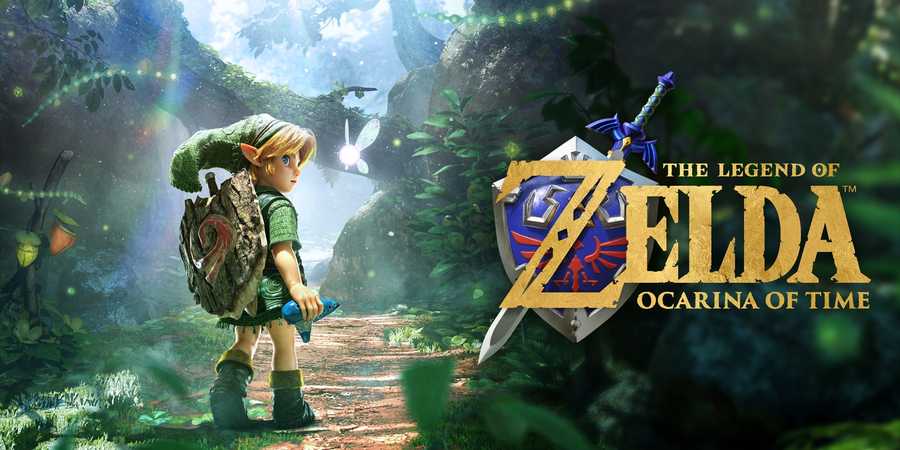
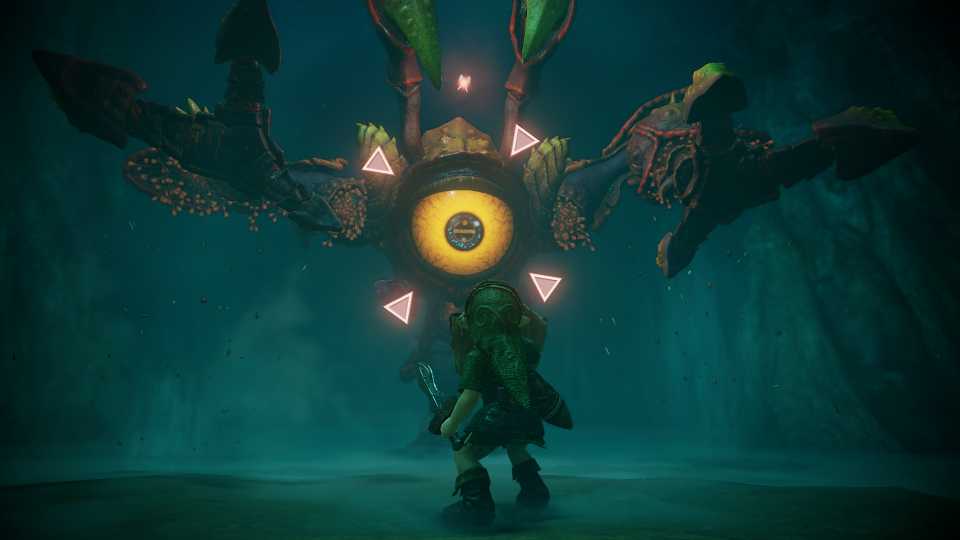
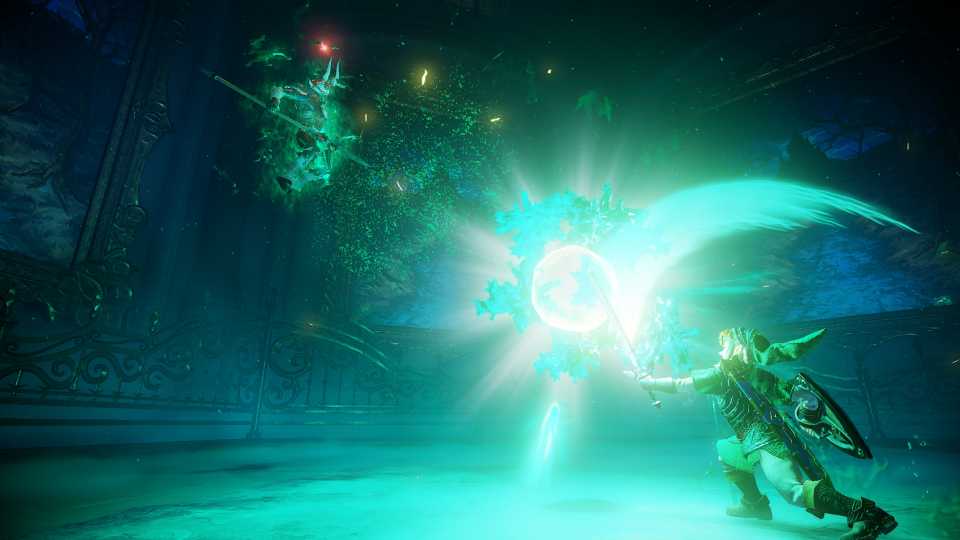
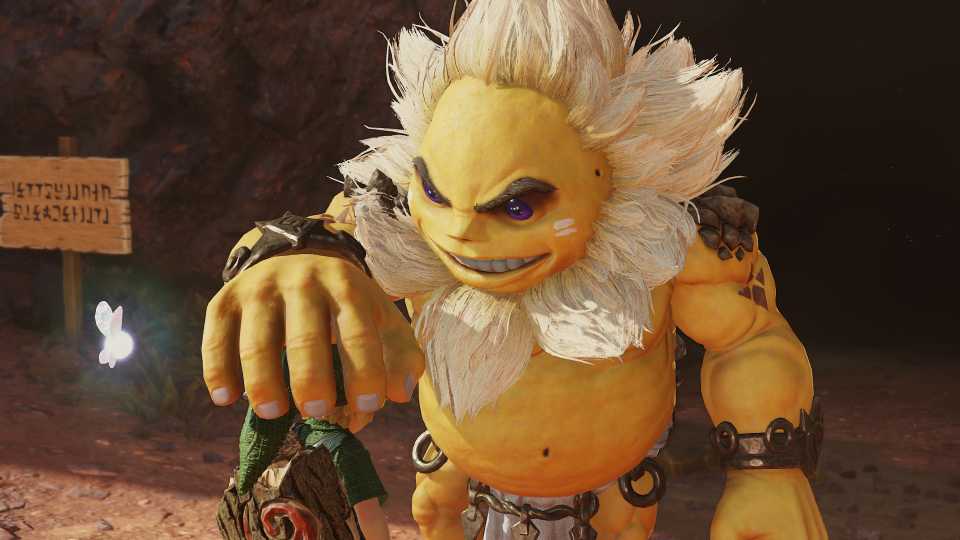
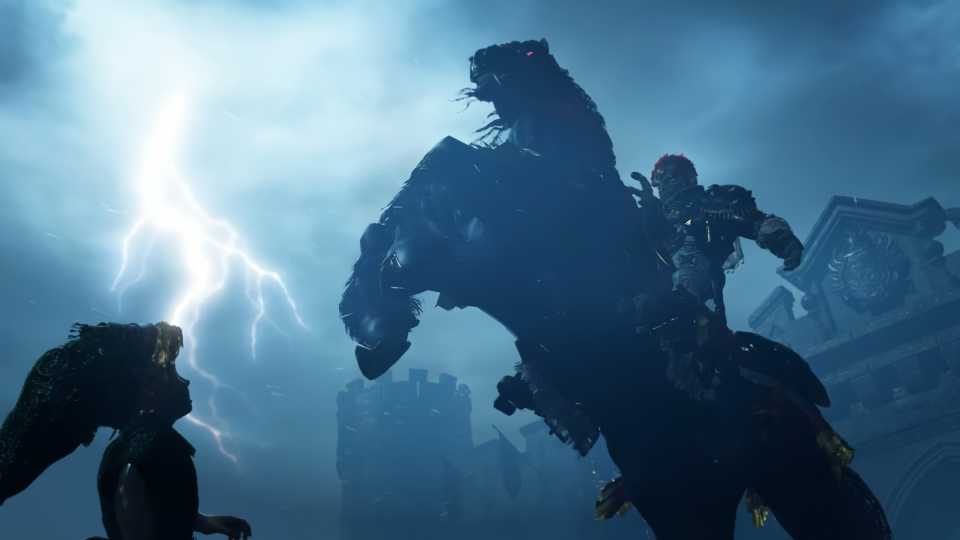
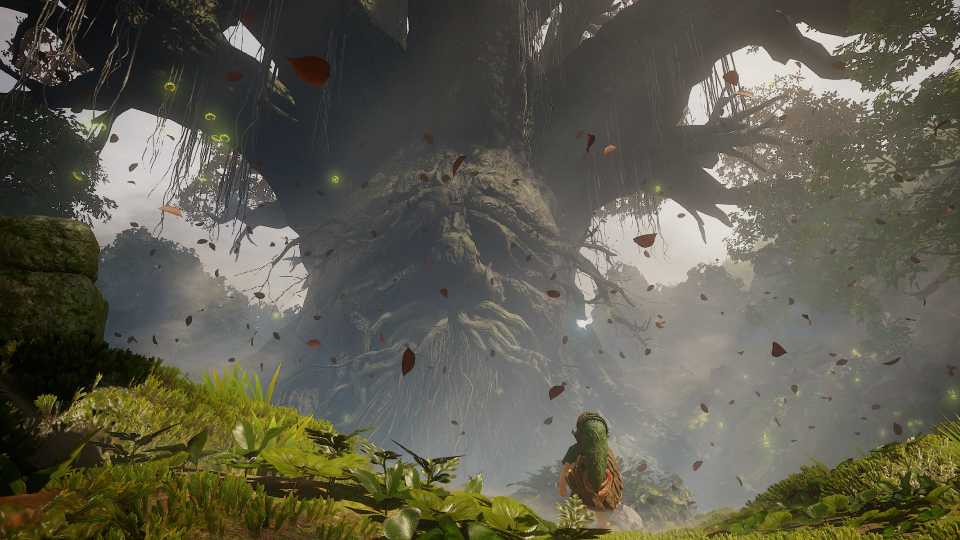
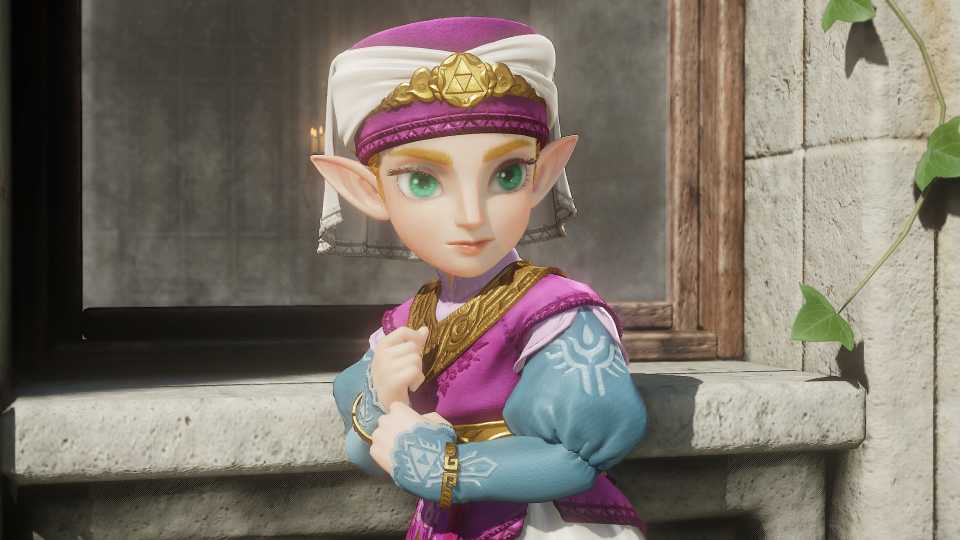
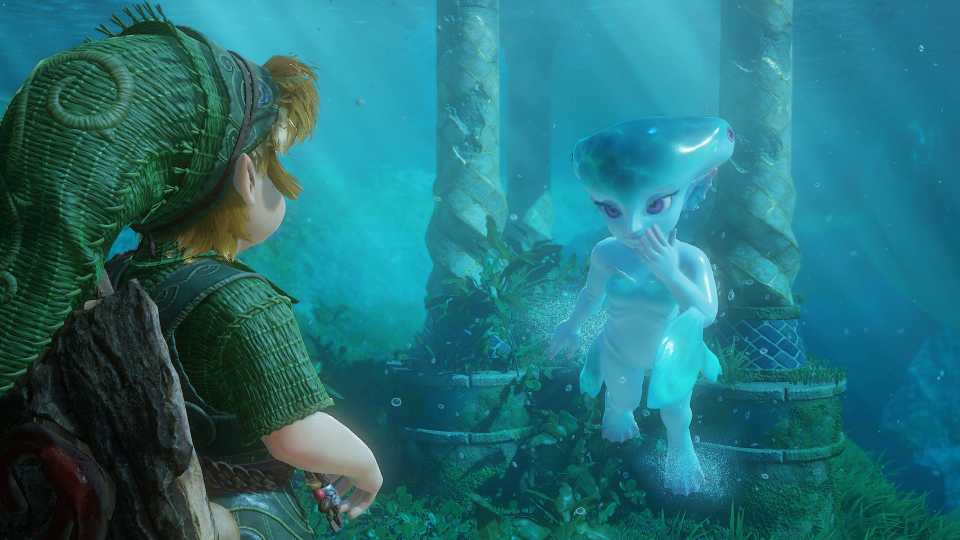
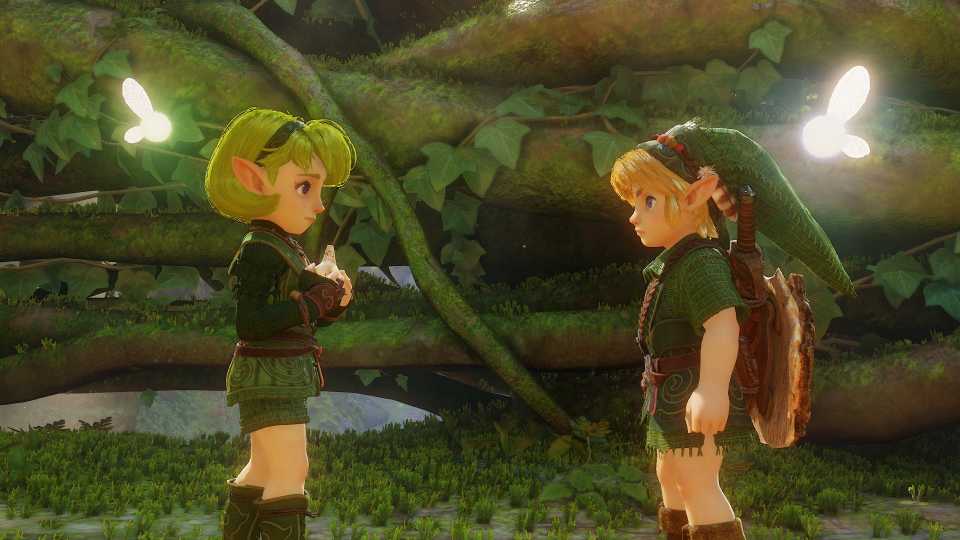
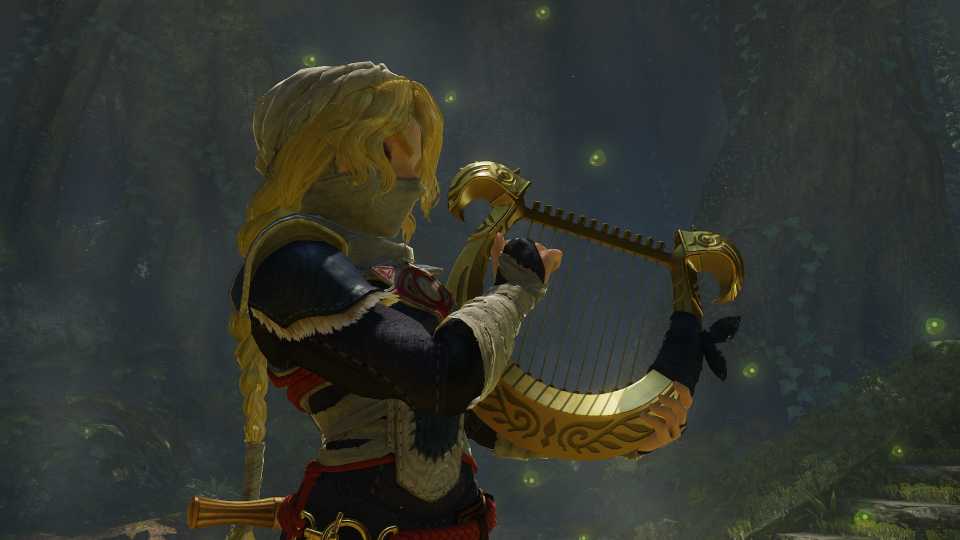
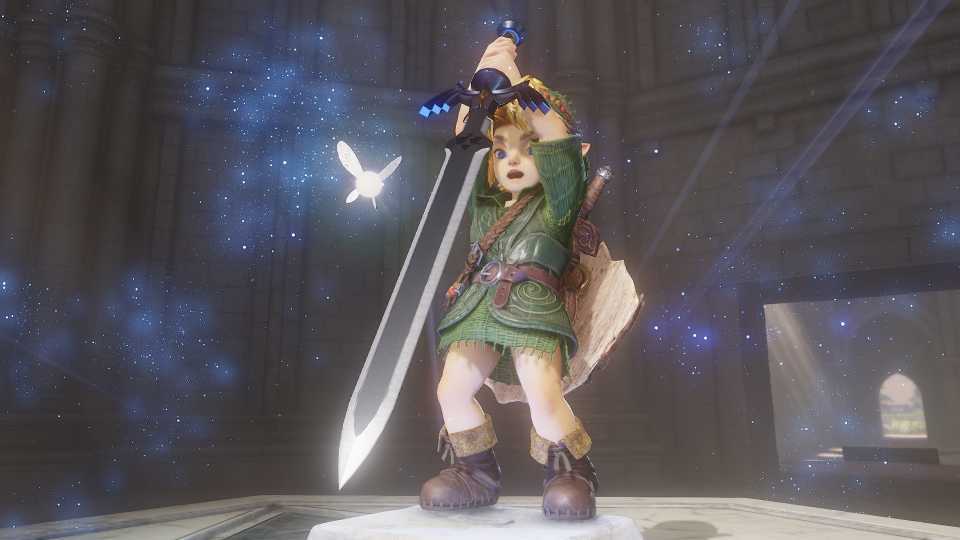
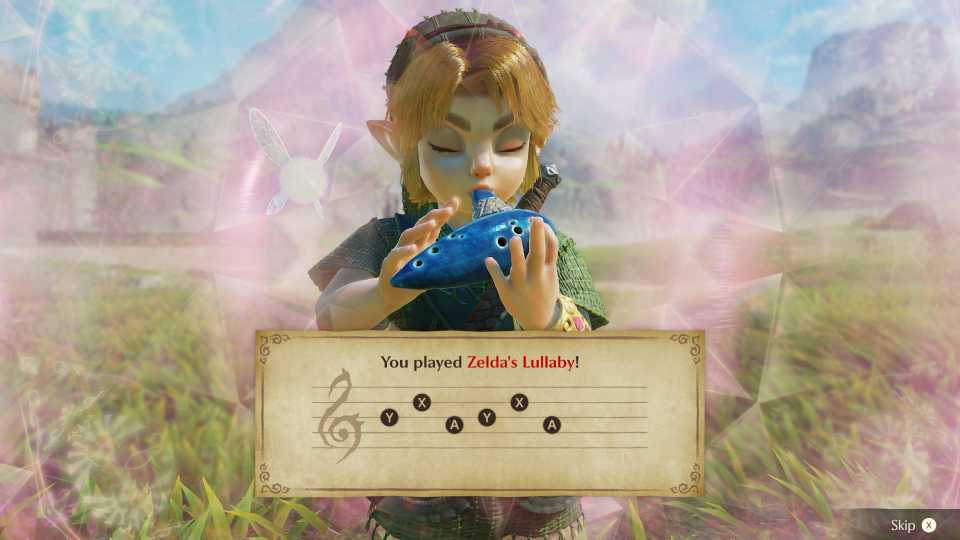
I'm hoping that the upcoming remake of The Legend of Zelda: Ocarina of Time is rather faithful to the original. It's among the best games ever made and still my personal favorite, but it's admittedly quite dated, and could use some key changes. Ocarina of Time was massively influential on gaming at large and adventure games more specifically, but 28 years later, the medium has come a long way.
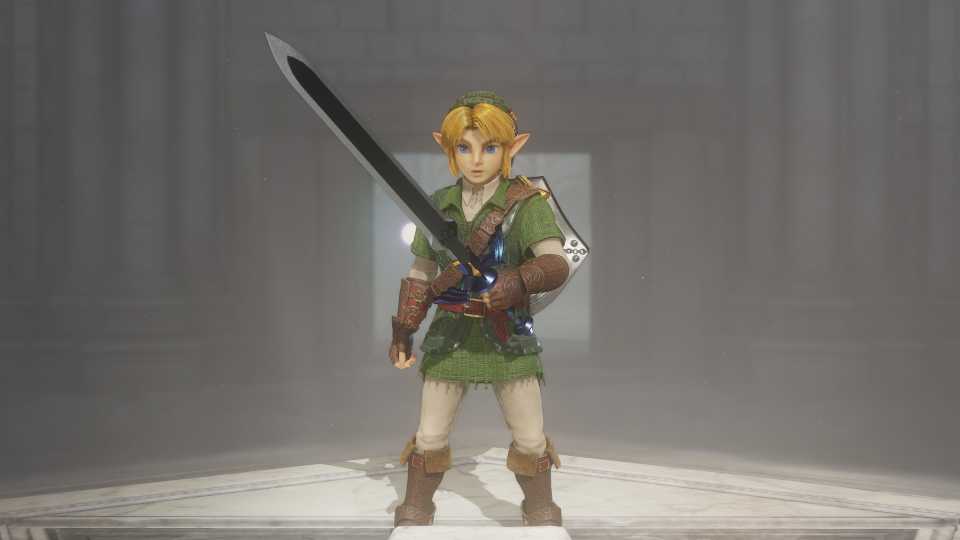
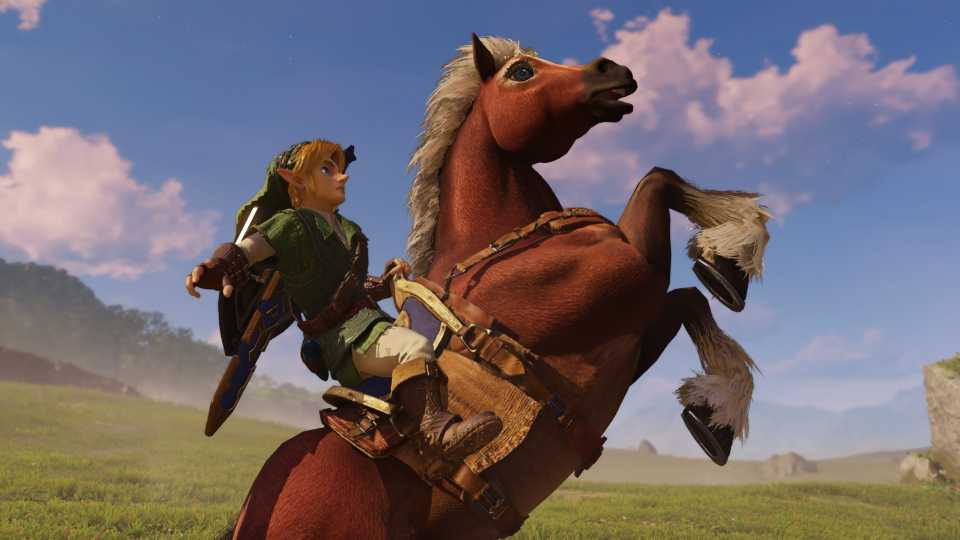
At the time of writing, we're unsure how much the Ocarina of Time remake is changing. There's clearly a graphical overhaul, but even there, we haven't even gotten a thorough look at the new art style yet. Gameplay is an even larger mystery. A vague gameplay description appeared online but was quickly removed by Nintendo, but the brief note about "stunning visuals, updated designs, and timeless gameplay" is not very enlightening. With essentially no knowledge of the Ocarina of Time remake's changes, here are five areas that need improvement.
Better Camera & Z-Target Control

Z-targeting is arguably Ocarina of Time's greatest mechanical legacy. Every 3D Zelda game since has used the system, letting you lock onto NPCs, objects, and enemies, but it has become a staple of an untold number of action combat games. When you go back and play Ocarina of Time now, though, Z-targeting and controlling the camera in other ways is one of its clunkier aspects.
Figuring out how to use cameras in 3D game environments was a massive growing pain for the medium, but some blame should also be put on Nintendo's bizarre N64 controller design. It's three-handle design is still baffling, but it was introduced before dual analog stick controls became ubiquitous in console gaming, thus it only has one joystick. In Ocarina, you can press Z to center the camera behind Link, and press the up C button to look around freely in first-person, but there's no direct camera control while moving Link.
The Ocarina of Time remake is almost assuredly going to give us full camera control with the right stick. Breath of the Wild and Tears of the Kingdom have it, but the Zelda series is still long overdue for a Z-targeting overhaul. Instead of using the Switch 2's ZL button, I would like to see targeting remapped to pressing the right stick, with the ability to switch targets by tilting it. Repeatedly pressing Z switches through targets in a sequence in Ocarina of Time, and can be a real pain in combat. This also frees up ZL for other inputs.
More Interesting Hyrule Field

I don't necessarily think Ocarina of Time's overall map needs to be any bigger, but its central hub, Hyrule Field, could use some work. As with many aspects of the original game, Hyrule Field is a victim of technical limitations. There are some hidden grottos and a few notable enemies to encounter (the Peahats terrified me as a kid), and after Link becomes an adult, there are the 10 Big Poes to find, but it's lackluster visually, even if its primary purpose is to connect Hyrule's disparate regions.
Hyrule Field has the potential to be the Ocarina of Time's biggest glow-up. Actual grass textures can be added, fences can be more detailed than flat crosshatches, its almost nonsensical stone walls can be more convincingly rendered as untraversable terrain. My biggest hope for Hyrule Field involves Ocarina of Time becoming a seamless world in the remake.
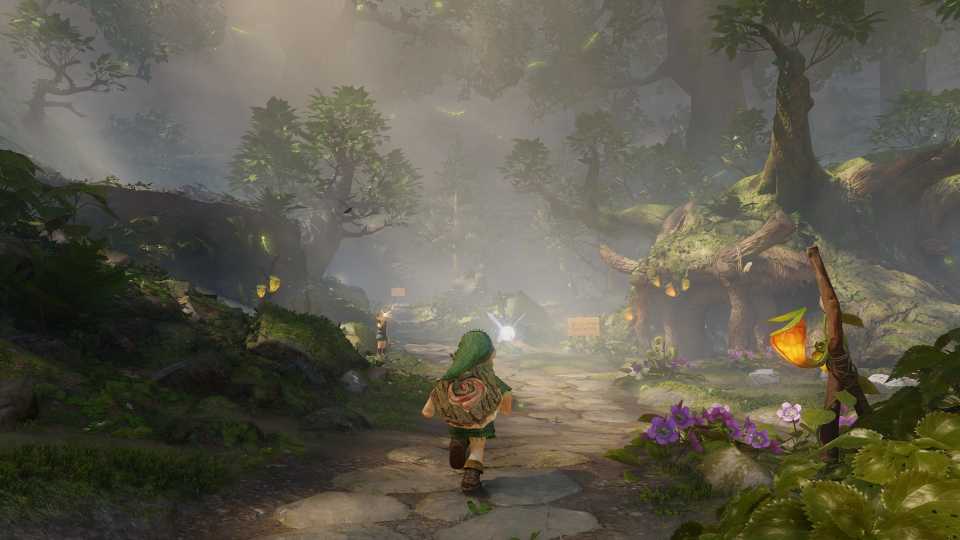
Without transition loading screens, all the area connectors can show better transitions: grass turning to sand as you enter Gerudo Valley; a stone-cut staircase into the foothills that surround Kakariko Village; a dark, overgrown forest path into Kokiri Forest. If the Ocarina of Time remake remains faithful, a huge part of modernizing the game will be in redesigning how the pieces of the game world fit together.
Improved Item Switching

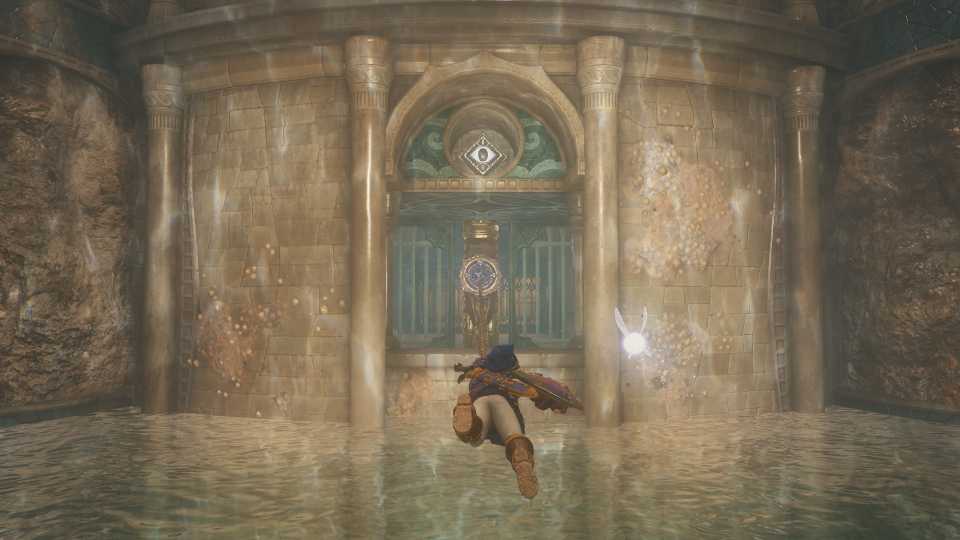
If you have played the original Ocarina of Time, you know exactly what I'm going to complain about: the Iron Boots. For the uninitiated, in the N64 game, you have to equip the Iron Boots (or your regular boots, or the Hover Boots) in the pause menu on your equipment screen. You have to press Start, use R or Z to get to the right panel, and scroll down to the boots you want. This is a massive headache in the Water Temple, where you're constantly required to change footwear.
This was fixed in later Zelda games, like The Wind Waker and Twilight Princess, but it was also addressed in Ocarina of Time 3D, the game's previous revamp for the 3DS. In these later games, boots are essentially treated like other items, like the Hookshot or Bombs, where they can be assigned to one of your item buttons to be rapidly equipped and taken off.
The Ocarina of Time remake can take this even further by iterating on the item switching introduced in BOTW and TOTK. This time I know what you're going to complain about: scrolling through all those items in a horizontal list is also a massive headache. And you're right. My ideal system would instead use radial menus, like Link's powers in TOTK. If we still just have three or four item buttons in the Ocarina remake, it would be a huge improvement to assign multiple items to each, then swap between them with a radial selector.
Bigger Castle Town Market

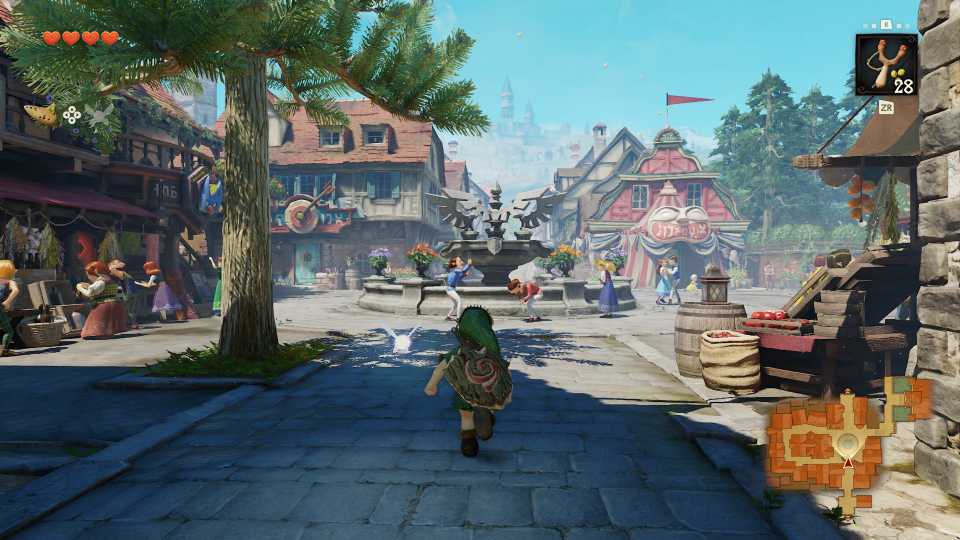
Castle Town Market is exceptionally charming when Link first visits as a child – not so much when he emerges from the Temple of Time after seven years – but it's also an impressive bit of game development for the time. The camera is placed in the center of the town square fountain, and spins around to follow Link as you explore. The environment is almost entirely a 2D backdrop, freeing up resources for all the NPCs that fill the Market, but because of the forced perspective, it's a rather convincing illusion.
The Market's buildings are fully rendered in Ocarina of Time 3D, but the fixed camera is still used.
Fully rendering Castle Town in 3D was simply not possible in 1998, but there's nothing standing in the way now. Ocarina of Time's Castle Town is a square, and a single side street – that's it. Hyrule as a whole isn't very large in Ocarina of Time, but making Castle Town and the Market a little more complex could go a long way in making it feel like a bustling kingdom before Link pulls the Master Sword, thus enhancing the feeling of devastation when emerging from the Temple of Time and find the streets filled with ReDead.
An expanded Castle Town could also be the destination for brand-new content if Nintendo decides to fill out Ocarina of Time with more side quests. I wouldn't say no to more mini-games either. Once you talk to everyone in Castle Town, there's very little reason to continue exploring – you usually just run through it to get to the Temple of Time or Hyrule Castle. Some side stories involving townies could add a lot to the Ocarina of Time remake without making more overt structural changes to the game.
Unfreeze Zora's Domain Post-Water Temple

Some of the most powerful moments in Ocarina of Time are when Link returns to locations to find them ravaged by Ganondorf's minions. Kokiri Forest is overrun with monsters, Goron City's denizens are gone, rounded up to be fed to Volvagia, and Zora's Domain has frozen over. Peace returns to Kokiri Forest after you complete the Forest Temple, and the Gorons head home after finishing the Fire Temple, but Zora's Domain remains frozen. It feels like an oversight.
A shot of Zora's Domain during the end credits seems to imply that it thaws, but it's odd that Ocarina of Time has such an emphasis on how Hyrule changes – because of both Ganondorf's and Link's actions – yet the Zora don't get to return to normalcy. It's doubly odd considering Lake Hylia becomes filled with water again after finishing the Water Temple. Ocarina of Time is otherwise thorough in recognizing your accomplishments, at least superficially.
This isn't an ultimately transformative change, but could help the Ocarina of Time remake feel like a more complete version of the game. It can feel like you haven't really accomplished your goal, since Zora's Domain is still frozen. Other changes to The Legend of Zelda: Ocarina of Time are arguably more important, but in such a heavily symbolic game, it could mean a lot to finally reward players by thawing Zora's Domain.


-
 OpenCritic Reviews
- Top Critic Avg: 96/100 Critics Rec: 99%
- Released
- November 5, 2026
- ESRB
- Everyone 10+ / Animated Blood, Fantasy Violence
- Developer(s)
- Nintendo
- Publisher(s)
- Nintendo
- Franchise
- The Legend of Zelda